
The need for cost-effective, reliable energy solutions is at its peak, especially in heavy-duty industrial applications. 3-phase converters, however, have been at the center of power conversion for driving robust machinery such as 3 HP motors, and this remains the case. These converters, often combined with Variable Frequency Drives (VFDs), provide the most precise control, resulting in improved efficiency and the best performance even in the most demanding applications. This article is a comprehensive guide to the core components and working mechanisms of 3-phase converters, with a special emphasis on the cooperation between 3 HP motors and VFDs. Whether you are a professional in the industry or just a person who loves technology, by the end of this article, you will know more and have a keener insight into these energy-saving solutions and high-performance industrial challenges facing industries.
Overview of a Phase Converter
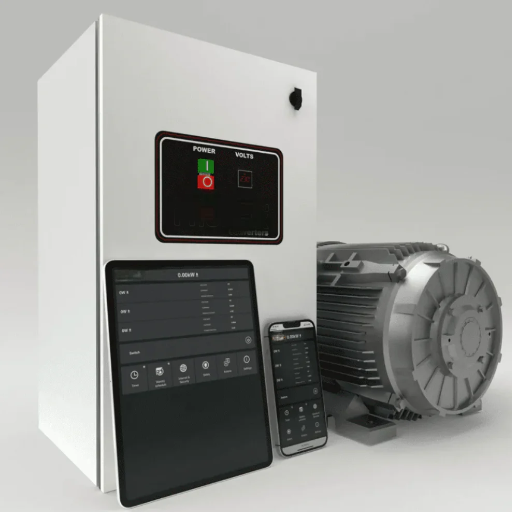
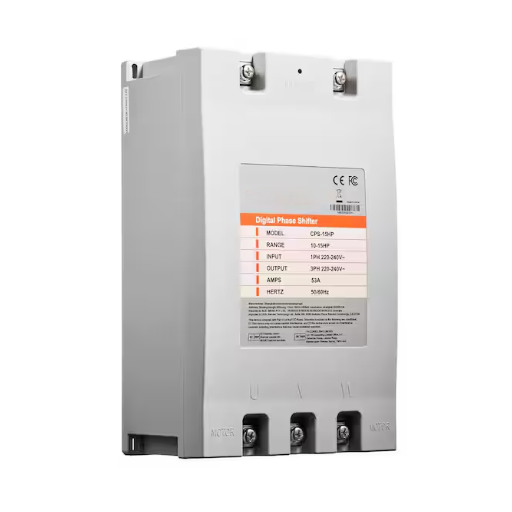
A phase converter is a device that converts single-phase electrical power to three-phase power, enabling equipment that requires three-phase power to operate where only single-phase power is installed. It is an industrial and commercial use electrical device that facilitates the usage of machinery such as motors, pumps, and tools. The three significant types of phase converters are rotary, static, and digital, each customized to meet specific needs defined by performance, efficiency, and cost. Their function is to maintain power balance and ensure the uninterrupted operation of three-phase machinery.
Definition and Functionality
A phase converter is a technical device that converts single-phase power to three-phase power solely on the basis of demand, enabling the use of three-phase machines on locations with only single-phase power available. At the heart of the process is the manipulation of electric currents to produce the phase shift that creates three separate power waves. Rotary phase converters are a good example of how this can be made possible with the help of a motor generator and capacitors that are combined in the circuit. In this way, the current can be evenly distributed across all three phases, resulting in uninterrupted and efficient operation. Digital phase converters use solid-state technology and, through precise voltage control and power balancing, target very sensitive or high-performance loads. The static converter is generally simpler and less expensive, but it is best suited to lower-load applications because it has a narrow performance band. Through the application of these technologies, phase converters play a significant role in the industrial sector, where three-phase equipment is maximized in scenarios where such power systems are not readily available.
Types of Phase Converters
Importance in Industrial Applications
Phase converters and Variable Frequency Drives (VFDs) both play essential roles in a wide range of industries, as they are designed to be energy-efficient and operate at peak efficiency. Among industrial settings, Variable Frequency Drives are becoming more and more popular because of their slow but exact speed control over motors, as is the case with the HVAC system, where the motor speed is adjusted in real-time to maintain the same level of the air-conditioned environment, which, in turn, reduces overall energy usage. The management of the process and more is easier, as communication among different technologies, both analog and digital, has vastly improved through a single digital phase converter unit. The use of digital phase converters and VFDs has become so indispensable in industries that depend on such equipment that they are constantly used side by side in typical applications.
Moreover, technological development in industry results in more efficient energy use and sustainable industrial processes. Furthermore, the technology contributes to reducing operational costs while simultaneously increasing the efficiency of the production process. The implementation of high-performance devices and converters aligns with the current drive towards sustainability, as they not only extend equipment life but also comply with stringent energy conservation guidelines set by industry regulators. These tools are essential to the economy because they keep it competitive by fulfilling the requirements of both the production and the ecological sectors.
Voltage Considerations
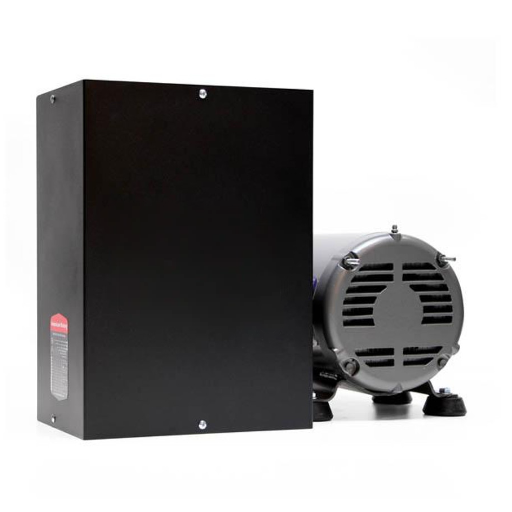
Considering that voltage signals can be complex and require significant precautions to ensure the reliable and effective operation of industrial systems. To maintain proper voltage levels, prevent machine failures, and minimize energy losses. It is essential to match the machinery’s operational voltage to the incoming voltage to avoid overloading or underpowering, which can cause inefficient operation or equipment damage. Moreover, the use of standard voltage levels is necessary to achieve interoperability among different devices and to comply with safety regulations. Another step that can be taken is the employment of voltage monitoring systems and stabilizers, which not only ensure smoother operation but also increase productivity numbers and reduce industrial process downtime.
Understanding Voltage Requirements for Motors
Several key factors, including motor design, operating load, and end application, determine a motor’s voltage requirements. Generally, different voltage ranges are assigned to motors, thereby improving performance and energy consumption. For example, if a motor operates outside its voltage range, it may result in overheating, increased electrical power losses, and, eventually, a shortened lifetime.
Many high-voltage motors are needed in industrial operations that demand high electrical power outputs, as they reduce current demand while minimizing conductor losses. On the contrary, low-voltage motors are advisable for smaller equipment or applications with moderate power demand. The voltage drop should be taken into account, particularly in long transmission lines, where it may be so significant as to affect motor performance.
On top of that, the latest motors include advanced features, such as variable-frequency drives (VFDs), which can dynamically regulate voltage and frequency. This will enable the motor’s speed and torque to be controlled with utmost precision, thereby improving its efficiency and reliability. Such voltage control mechanisms play a very significant role in complete alignment, as their proper adjustment can change operational outcomes and significantly reduce energy consumption.
Voltage Balance in Phase Converters
The equilibration of voltages in phase converters is as necessary as the correct operation of equipment that needs three-phase power. The primary role of the phase converter is to produce a stable third phase from a single-phase power source and to provide balanced voltage to all three phases. A difference in voltage, where one or more phases may be significantly off from the voltage target, results in increased temperature, decreased efficiency, and even damage to the connected machines.
Sophisticated algorithms and power electronics are used in modern digital phase converters to maintain voltage balance in real time. By using these systems, voltage deviations are tightly controlled, often within ±2-3% of the rated voltage. In addition, the industrial-grade converters are also equipped with harmonic filtering and phase-loss detection to erase errors or power failures. Maintaining a sound ground system and performing regular maintenance are necessary steps for proper installation and long-term operation of a phase converter. As a result of the voltage balance check, the machinery’s performance becomes more reliable, and overall energy efficiency and operational safety are also improved.
Impact of Voltage on Performance
Voltage plays a crucial role in the functioning, operation, and lifespan of electrical equipment. The behaviour of the out-of-range voltage might force the device to perform worse, leading to overheating and accelerating wear. Under-voltage conditions can indeed cause the motors to get stuck, leading to inefficient operation due to decreased torque and increased current draw; as a result, the circuit breaker trips or the overcurrent protection mechanism is activated. In contrast, overvoltage will make the equipment hot, the insulation will break down, and eventually the equipment will be damaged because it will be working on the edge.
Furthermore, it is horrible to have voltage imbalances in three-phase systems. At the same time, a voltage imbalance as low as 1% can increase motor operating temperatures by 10°C or more, significantly reducing motor life and increasing energy consumption. For safety reasons, the current industry practice is to apply voltage regulation through the installation of automatic voltage regulators (AVRs) and Uninterruptible Power Supply (UPS) systems. These devices keep the voltage levels constant, enabling equipment to work smoothly; furthermore, they ensure that the equipment is not affected by the voltage within the stated requirements set by the manufacturers.
Choosing the Right Phase Converter for Your Needs
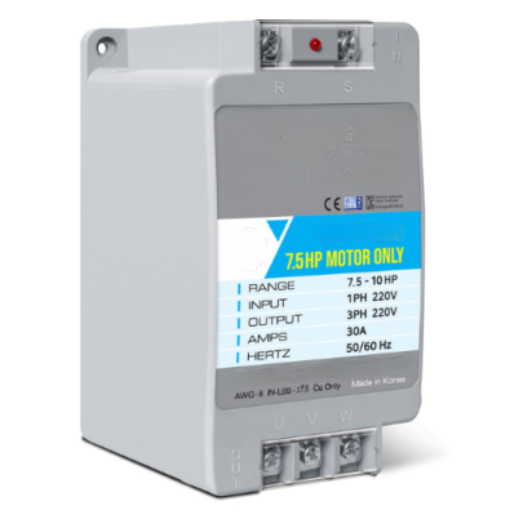
- ①
Power Requirements: Calculate the total power consumption of your devices in kilowatts (kW) or horsepower (HP). This guarantees that there will be no overload on the phase converter, or it will not work inefficiently. - ②
Type of Load: Determine whether the equipment operates with resistive, inductive, or capacitive loads. Usually, rotary phase converters are the best option for inductive loads, and in static phase converters, you might find the solution for simpler applications. - ③
Voltage Compatibility: Verify that the phase converter’s output voltage matches or is within the range of the equipment’s required input voltage. This is significant because you can expect severe losses if the converter’s output voltage is not in harmony with the equipment’s input voltage. - ④
Environmental Conditions: Look into the factors of temperature, humidity, and air dust in the area where the machine is to operate. This is because industrial- or outdoor-use-rated phase converters offer greater resilience in harsh conditions. - ⑤
Regulatory Compliance: Select a phase converter that is compliant with both national and international electrical safety standards. To do this, it will reduce the identified risks and ensure that construction is in line with applicable laws and standards.
By thoroughly evaluating the above aspects, you can identify the phase converter that best meets your operation’s needs and delivers the best performance with the least power loss.
3 HP Motor Compatibility
Once the compatibility of a 3 HP motor with a phase converter is confirmed, several factors must be considered to achieve the system’s optimal performance and maximum reliability. The application of a 3 HP motor means the necessary equipment must include a phase converter that can deliver full power and maintain balanced voltage to prevent the motor from overheating, or it becomes inefficient. In this respect, the motor’s full-load current and voltage ratings must be in accordance with the phase converter’s output capacity.
The modern technology has also significantly improved phase converter designs and therefore the first-ever digital phase converters, which are used to bring the three-phase power into the single-phase power in the industries, drastically increase the accuracy of the voltage balance, which is a prerequisite for extending the motor life and guaranteeing constant performance of the machinery as well. The voltage fluctuations were well within the 2-5% range due to the superior quality of the digital converters that the manufacturers had made. The significance of this result was that there was no further stress on the motor because of the imbalances brought about by the voltage.
When integrating a 3 HP motor into industrial machinery or farm equipment, it is just as essential to determine the startup torque requirements, as they significantly affect the motor’s initial power draw. Rotary phase converters are a common choice in such cases, as they can handle the high inrush currents during startup. In addition, ensuring the system meets the required standards set by the National Electrical Code (NEC) is another way to ensure safety and make the operation legal.
UL Certification and Safety Standards
UL (Underwriters Laboratories) certification is a well-known, well-respected standard, and therefore essential for an electrical product. It has quite a set of qualities, including safety, functionality, and excellence at the highest level. A rotary phase converter is a piece of equipment that could cause a system failure if the requirements of UL safety standards are not met; as a result, users are at risk of electrical hazards. The UL certification process usually includes such aspects as sound electrical insulation that meets the standard, a safe-to-use and reliable grounding system, and a very stringent fire protocol. Besides, these standards are often in sync with the NEC (National Electrical Code) requirements.
To address the needs of modern electrical systems, UL testing procedures have been modified to include more advanced testing methods. A study has shown that an updated certification leads to a very long-lasting product, high thermal performance, and minimum operation risk. Therefore, installing an UL-certified component in an extensive system not only ensures an effective system but also builds confidence among regulatory bodies and end-users.
Installation and Maintenance of Phase Converter
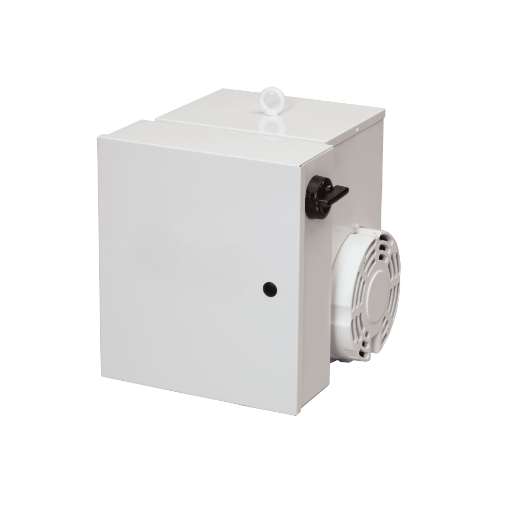
Proper installation and maintenance of phase converters are among the most critical factors for ensuring they operate at their best and last a long time. In terms of installation, adherence to the manufacturer’s specifications is a must, and this usually includes selecting a dry, well-ventilated area that is not subject to a lot of dust or vibration. The key point is that one should check the electrical connections, as they must be secured and match the required voltage and phase output.
To keep them in top condition, phase converters should be inspected regularly for key components such as capacitors, contactors, and cooling systems, if applicable. Cleaning the exterior to prevent dust accumulation and addressing unusual noises and overheating can help prevent breakdowns. It is better to have a regular professional check the phase converter, so problems such as wear or inefficiency can be caught and fixed before they get out of control. The first step is always to put safety first by disconnecting power before any maintenance work is done.
Basic Installation Guidelines
The proper positioning of the device is essential for achieving maximum efficiency and long life. It must be done step by step, carefully following the manufacturer’s installation manual to meet the exact requirements and recommendations. Choose a location that provides proper air and follows the standard conditions and the earth laid down, such as temperature and humidity, as specified. Make sure that the surface where installation is to be done is level and can hold the weight of the device, thereby reducing the risk of instability or vibration during operation.
An analysis should be performed to match the supply’s voltage and current ratings with the equipment’s requirements before connecting them. Both cables and connectors must be rated correctly to safeguard against electrical faults. The total load capacity of the circuits must be calculated in advance to prevent overloading. Grounding must be performed in accordance with local electrical codes to prevent human electric shock or equipment malfunctions caused by static charge or power surges.
Moreover, it is verified that all control and communication wiring is shielded correctly and routed so that any interference or signal degradation from such sources can be avoided. Doing installation testing in an elaborate way after completion will make it easier to verify the proper functioning of all components before regular operation. This sort of care will lead to the no-problems-at-all result in terms of operational inefficiencies and future failures.
Maintenance Tips for Longevity
Regular Inspections
Both visual and functional tests are needed once every three months. This will significantly help in early identification of wear and tear, damage, or irregularities, thereby facilitating corrective maintenance action when required. The studies have shown that proactive inspections can even cut the number of unexpected failures up to 30%.
Proper Lubrication
Do not forget to grease the friction surfaces as per the manufacturer’s instructions. Excessive or insufficient lubrication is detrimental. It not only shortens the machine’s life but also runs the system less efficiently, resulting in more wasted heat. The lubrication schedule may be 500 hours of operation interval or as per the recommendation in the machine manual.
Monitor and Replace Worn Components
Filters, seals, and belts are examples of parts that are likely to wear out rapidly and are also serviceable and replaceable. If the clogging rate of an air filter exceeds 80%, the remaining 10% capacity can still reduce system efficiency by 15% or more. Hence, replacement dates should be well documented to support trend analysis and prevent failures.
Maintain Cleanliness
Dust, muck, and dirt accumulation will affect the device’s thermal performance and may cause it to overheat. Therefore, the equipment has to be cleaned monthly by vacuum cleaning or anti-static wiping.
Check Electrical Connections
Ascertain that connection points are properly contracted to prevent them from being shaken loose. Loose connections can lead to sparking or to a power subsystem that goes on and off intermittently, which eventually could cause a circuit to short or a system to fail. Once a year, conduct a resistance check to identify any weak points.
Calibrate Sensors and Instruments
System sensors and instruments should be checked for proper performance through calibration at the intervals recommended by the manufacturers, that is, once every six months. Instruments that fail to work correctly or become inaccurate because they have not been properly calibrated can not only cause inefficiencies but also produce incorrect outputs.
Applications Across Industries
Manufacturing
On top of that, the calibration and maintenance of equipment is another issue to be committed to for the purpose of avoiding standstill production, product quality, and safety.
Healthcare
Precise sensor readings and secure connections are essential for devices like ventilators and diagnostic equipment, as these devices help care for patients directly.
Energy and Utilities
Maintaining instrument calibration and properly running the equipment ensures the firm’s ability to operate in the electricity generation sector, thereby cutting costs and guaranteeing the system’s performance in the grid and plants.
Aerospace and Defense
The calibration and tough connection system protects high-risk operations. This way, safety and security will no longer be a barrier in high-stakes environments.
Automotive
Nowadays, the majority of vehicles depend on the accuracy of sensors and the establishment of safe connections for the best operation of their engines and modern driver-assistance systems.
Phase Converters in Manufacturing
In modern manufacturing environments, phase converters are a vital part, enabling businesses with only single-phase power lines to use three-phase equipment. Without this technology, it would be almost impossible to achieve top efficiency and to do things in ways other than originally planned. For example, rotary phase converters provide a three-phase power supply through mechanical rotation; they are the best solution for powering heavy-duty CNC machines, mills, lathes, and other equipment. On the other hand, digital phase converters equipped with state-of-the-art microprocessor controls provide the best possible power output quality; in addition, they offer excellent voltage balancing and energy-saving features that help address load variation issues and other events.
Research supports the idea that integrating phase converters can lead to significant cost savings through optimized power use and waste minimization. In addition, it can even prolong the life of machinery by providing a consistent voltage, thereby relieving electrical components of undue stress. The installation of converters makes it easy for manufacturers to refurbish installations without spending money on complete infrastructure overhauls, thereby achieving high-performance equipment compatibility and promoting operational excellence in competitive markets.
Usage in Welding Equipment
Electric phase shifters are devices that convert single-phase electrical power to three-phase power and are particularly significant for powering the welding machine. The requirement for industrial welding machines to receive continuous three-phase power is a must; hence, the role of the phase converter is to supply three-phase power through a single-phase socket. By translating unstable currents into constant voltages, phase converters regulate voltage and current, thereby stabilizing the manufacturing process and ensuring product uniformity. Despite certain types of welding equipment having high starting currents, the use of these technologies, combined with phase converters, ensures that the current is smoothed before it reaches the welding machine, thereby preventing the machine from being overloaded. They are considered more expensive at first, but their advantages offset the initial cost over time.
Benefits of Agricultural Machinery
✓ Enhanced Productivity
The use of agricultural machinery in farm operations significantly impacts the speed and scale of operations. For example, today’s combine harvester can operate at hundreds of acres per day, which is incredibly fast compared to human-operated machines. The Food and Agriculture Organization (FAO) conducted a study that found that mechanization can raise productivity by up to 30% compared to traditional farming methods.
✓ Labor Efficiency
The use of mechanized equipment in the agricultural sector makes field workers less reliant on manual labor, especially in regions facing a labor crisis. One good example is the automated planting machines that drastically reduce planting time and labor effort, planting according to the required seed spacing and depth, allowing workers’ concentration to shift to other, more critical tasks.
✓ Precision and Accuracy
New technologies such as GPS-guided tractors and precision agriculture tools are responsible for the accuracy in planting, spraying, and harvesting. Precision minimizes waste and helps efficiently use inputs such as fertilizers and pesticides. Moreover, it even maximizes per-acre yield, thereby providing farmers with a higher return on investment (ROI).
✓ Reduction in Time and Costs
Agricultural machinery is quite a time-saver and a real help with the heavy, time-consuming farming chores like planting and weeding. And it is not only about saving money and, thus, growing the business in the process, but also about enabling farmers to handle more acreage at a reasonable cost.
✓ Improved Crop Quality
Uniform processing using mechanized tools like threshers or automated irrigation systems increases crop quality and stability. And this benefit is highly positive for market readiness and agricultural product pricing.
✓ Environmental Sustainability
Many modern machines are designed to reduce their environmental impact. For instance, no-till planters help reduce soil erosion, whereas eco-friendly tractors and equipment with lower emissions lessen the carbon footprint of farming activities.
Reference Sources
Design and Fabrication of Single Phase to Three Phase Converter
Summary: This study presents a system for converting single-phase power to three-phase power using a parallel rectifier and a series inverter.
AC–DC–AC Three-Phase Converter Based on Three-Phase Synchronization
Summary: This paper proposes a model and control strategy for a three-phase AC–DC–AC converter.
Frequently Asked Questions (FAQs)
How does a rotary phase converter supply three-phase power from single-phase?
A rotary phase converter utilizing an idler motor produces the third leg and distributes balanced three-phase power for high-power machines. It transforms one-phase power into good 3-phase power, even without a transformer, by driving the idler motor at the specified full-load rpm. The result is an enabling, if not the most reliable, way to change the phase of compressors, welders, and heavy-duty machinery. A rotary converter system can run multiple machines if sized correctly; however, the motor must be the right rating to prevent unbalance or overheating under heavy load.
Is a rotary converter easy to install and suitable for heavy-duty applications?
When it comes to large power units, professional handling may be necessary. At the same time, installation is practically a non-issue for small units connecting to a single-phase power source, a three-phase motor, and grounding as per local codes. Their user rate would tell the story that, in many shops with heavy-duty machines like compressors, welders, and similar loads, a rotating idler motor is the one to supply the phase power and withstand the motor start currents. Coupled with that, another idler, a rotary phase starter, can be used to balance the loads among the motors, thereby facilitating the selection of the most suitable rotary converter.
What advantages do digital phase converters offer over other phase technologies?
Digital phase converters employ electronic controls and a controller to reproduce the absence phase and can provide almost sine wave output which is the first choice for sensitive equipment and three-phase motors precise operation. They can furnish power with controlled hertz and unbalance, and they can adjust the frequency to either 50 or 60 Hz according to the requirement. They are the best option for 240V or 220V systems. A digital phase converter is designed to efficiently convert power from a single-phase source, reducing harmonic distortion and saving energy compared to certain rotary converters.
Can I run a welder and other machines from a 3-phase converter?
Indeed, a 3-phase converter of the correct size can operate a welder and other machines, yet it should be sized to account for peak and total loads to avoid imbalance and potential voltage drops. The converter has to provide reliable phase power for welding and also a sine wave or low-distortion output to ensure arc stability; digital converters are usually number one in this category, while rotary converters can withstand the surge currents of heavy-duty welders. If you are going to use multiple loads or a compressor-and-welder duo, go for a phase converter system that is specified for the combination of starting and running currents, and consider using a controller or inverter features to control inrush.
