
Understanding Frequency Differences
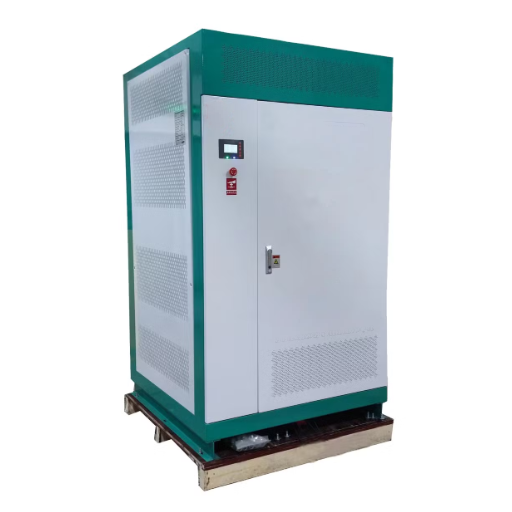
When analyzing 50Hz and 60Hz power systems the most important difference is frequency. The word frequency means that the alternating current completes 50 cycles in one second in case of 50Hz and 60 in case of 60Hz system. Consequently, this affects motors so that 60Hz ones rotate faster on average than 50Hz ones. From a geographical point of view, 50Hz systems are widespread across Europe, Asia, and Africa while the Americas use 60Hz more often. Provided that an indie distributor should operate over different territories, it is of high importance to choose the devices which make use of specific input frequencies. In design dimension point of view, 60 Hz allows for designing lighter and less bulky transformers for the same power rating when compared to 50 Hz.
What is Frequency in Power Systems?
In electric power transmission and distribution, frequency is described as the number of complete cycles an alternating current (AC) waveform completes in one second, expressed in hertz (Hz). It is a crucial condition that governs the working of electrical networks and cheers on the proper operation of power generators and the use of devices connected to them. 50Hz and 60Hz are two fundamental frequencies that are decided in accordance with historical development of infrastructure. Apart from this key role, depletion of inertia spinning reserve may increasingly become limiting factor. Appreciation of these harmonics whose frequency sweep goes to the opposite side of the edge frequency, particularly pole slip forbidden region, proves that the blockage requires no further investigation.
Comparing 50Hz and 60Hz
| Parameter | 50Hz | 60Hz |
|---|---|---|
| Frequency | 50 cycles per second | 60 cycles per second |
| Regional Usage | Europe, Asia, Africa | Americas, some parts of Asia |
| Voltage Compatibility | Common in 220–240V systems | Common in 110–120V systems |
| Power Loss in Transmission | Slightly higher | Slightly lower |
| Equipment Efficiency | Lower motor speeds, higher torque | Higher motor speeds, lower torque |
| Transformer Size | Larger transformers required | Smaller transformers viable |
| Flicker Sensitivity | More noticeable | Less noticeable |
| Historical Basis | Post-WWII European standardization | North American standardization |
| Power Plant Synchronization | Uses different synchronization protocols | Optimized for 60Hz frequency |
| Audio/TV Standards Compatibility | PAL systems standard | NTSC systems standard |
Impact of Frequency on Equipment Performance
The operational frequency of an electric system has numerous effects on the design and the performance of the equipment it interconnects. Equipment whose operational frequencies are found to be in the rather low region such as 50Hz and below, generally ought to have comparatively larger and enough transformers and inductors. This is due to factors such as the larger magnetic core size required to operate in lower field strengths. This is the sort of system that could result in transport, installation, and production costs challenges. While this is the case, operating systems at 60Hz with flexible design limits their material requirements as well as save materials use in packaging, which makes them more preferable in lightweight and space-constrained applications.
This stems from the fact that different frequencies affect the performance of electric motors. An electric motor designed for a system that uses 50hz is generally known to have More torque although its speed of rotation will cut down to try and adapt some n application which calls for a lot of kinetic energy. Contrary to the above, systems that use 60hz have a necessary favourable speed boost which is especially significant to the manufacturing business that involves the use of fast running machines.
More so, the frequency impact has an effect on the synchronization of the management of the power plants. For example, the systems that have a frequency of 60 Hz and are more common in America, include frequency based voltage regulation techniques in the generators since the technology is in places where there is a lot of effort in trying to have a stable and well balanced network, more so in terms of the electric network. Most of other countries in Europe and other parts of the world use the 50Hz systems that are different from the 60 Hz technology and aim the fitting this technology across the international systems in place.
Practical Implications of 50Hz and 60Hz
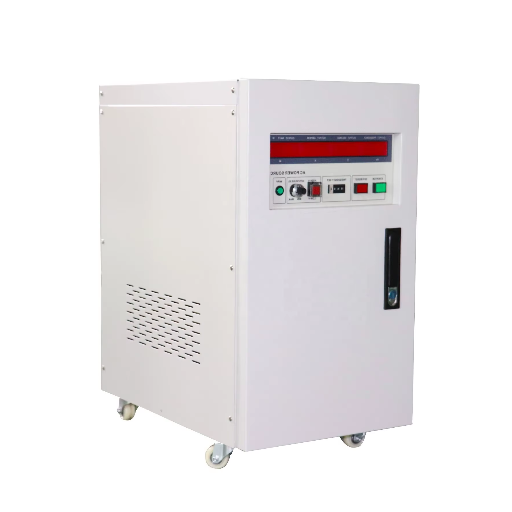
Power system designs are critical because both the 50Hz and the 60Hz frequency systems come with their advantages or disadvantages, depending on the application in question. For instance, because most mechanical applications, such as pumps and compressors, are designed to operate at a certain frequency, such application in a different frequency zone would require it to undergo alterations in order to meet the new energy input requirements, increasing the system’s costs and complexity.
For example, well designed 50 Hz motors or transformers might not perform equally well or will overheat if used under a 60 Hz frequency supply and vice versa. This behavior also extends to the frequency that the simple transmission line design will adopt. High frequencies such as 60Hz can with smaller transformer sizes and lower losses when distributing electricity. In contrast to that, within certain boundaries, it is practical to apply 50Hz in longest distances as the energy loss associated with the said frequency is lower on limited range conditions.
Common Industrial Equipment and Its Frequency Requirements
Industrial machines are usually designed at their best to work with the current power frequency system. There are two basic electrical frequency rating standards that are mostly common around the world which are 50 Hz or 60 Hz frequency system. An example is electric devices that use electric motors that are particularly sensitive to the frequency. Electric motors that are designed for 50Hz and 60Hz show variation in how they are created. In addition, electric motors designed to function in a 50Hz environment operate with less speed and utilize an altered winding pattern unlike those designed for the 60Hz environment.
This affects both the torque and the general performance of the motor. The electrical industry also provides another piece of equipment that plays a very essential role, i.e., transformer. Consider as to the frequency at which they are manufactured. One can not use it effectively when designed for 50Hz in a 60Hz system because the transformer may go bullish and overheat due to differences in the magnetic force.
On the other hand, a transformer designed for 60Hz may be less efficient when it operates on 50Hz and may lead to thermal insulation failure. Some equipment such as induction heating systems and certain medical instruments like MRI machines, would require that their frequency be adjusted to a given interval so as to be in operational efficiency. Running these installations when frequencies are not compatible may result into operational failure or even unsafe conditions of use. In this era of energy efficiency and increased convenience in designing equipment, frequency converters are used more and more to solve the incompatibility between the global operations.
50Hz vs. 60Hz in Different Industries
There are many repercussions when faced with the choice between 50 or 60 Hz frequencies having said that strain can be seen in manufacturing design, energy utilization, and overall efficiency in the businesses. This is particularly so in the field of manufacturing where machines and engines are set to frequency which is powered in that economy. Therefore, use of a 50Hz motor and that is supplied with 60Hz current and vice versa may lead to different negative effects among them will be excessive heat, reduced capable torque among other several effects expect at the age on the components.
In addition to those issues, power transmission and distribution company is confronted by the frequency divergence. For the purpose of problem-free operability in any network, trafoanders and high voltage equipment should be designed with the appropriate frequency of their region, with 50 Hz equipment possibly having fewer transformer windings but the chances of increased magnetizing current higher. For transportation applications, particularly rail transportation, the selection of frequency is also emphasized. The motors of electrical trains operate at designated frequency levels for driving purposes, the 50 Hz system is predominant in Europe whereas in other regions mainly in North America, it is 60 Hz.
More so, there are other sectors, including avionics and healthcare, that make a great deal of emphasis on the compatibility of frequencies. Medical equipment and systems on aircraft are designed to specific tolerances, which means that adjustments to frequency readings could significantly affect results or even lead to operational failure. Due to such factors, organizations purchasing critical equipment, resort to the usage of a converter or any other equipment that could act as an interface to different frequencies when needed. This helps industries accommodate the differences while ensuring the system is effective and within the power and operational limits.
Technical Solutions for Frequency Conversion
-
1
Rotary Converters
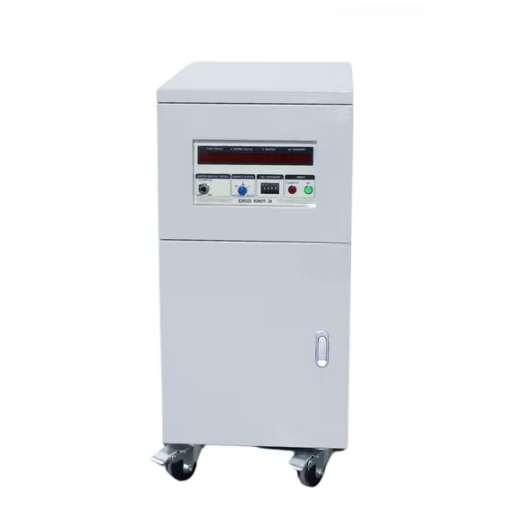
Rotary transformers, in contrast, modify the frequency by employing external means. One of the most noticeable applications of such technology is the electric motor that is then connected to a generator which produces the required output frequency. Its main advantage is that it is reliable and can take on hefty power loads however it is necessary to get them adjusted because the elements are movable.
-
2
Static Converters
Static frequency converters offer a possibility nowadays to deal with frequency conversion stuff without bulky transformers which are usually of diminished use. This is a sophisticated technology where the principles of rectifiers and inverters have been implemented to achieve excellent performance and low maintenance; this is the practical application of the technology especially in modern technology drives, engineering and industrial services.
-
3
Variable Frequency Drives (VFDs)
Variable frequency drives (VFD) are complex tools created to regulate the power frequency supplied to engines such that speed and torque control precision is guaranteed. Despite the fact that they are mainly applied in motor control applications, many VFDs are also capable of performing the work of general frequency converters.
In ensuring that the most appropriate solution is used in an installation depends on an evaluation of a number of factors including the capacity of power needed, how effective the operational use is, and financial implications. High on the cost-effective is the efficient static system which several proves to be the least space consuming and has reduced maintenance.
Using Frequency Converters: An Overview
Frequency converters are universal in many other sectors such as industry and commerce as well. It is worth noting that frequency inverters are heavily used in manufacturing industry where they enable the accuracy in the rotation control processes of the drive by shift motors and the adjustment of their speeds. It is the need of the above mentioned industries plus additional feed in industries that place productivity and energy consumption under strain – the clothes, cars or any food items to be exact.
In addition, design factors like VFDs play a progressively major part in the operation of HVAC Systems. To enable the fan and pump speed control to be fine-tuned which in turn reduces energy gained, this enables the wear and tear of mechanical installations to be kept under moderation while at the same time maintaining air flow and temperature within the limits Customary. This is particularly the case for sea vessels where VFDs are utilized in ship propulsion and electric power equipment performance improvement for energy efficiency and needed performance as well.
New generation frequency converters today come with sophisticated developments, among them monitoring services up to communication capabilities that well fit into the world of Industry 4.0. This in return assists the administrators in collecting and analyzing the up-to-date records that are on high demand for operational enhancement as well as predictive maintenance planning. Ever-increasing stringent energy policies and the shift towards sustainability worldwide particularly designate high efficiency frequency converters as the most relevant technological solution for the reduction of electrical power utilisation in the different sectors of the economy.
Types of Frequency Converters
| Type | Description | Key Parameters |
|---|---|---|
| AC to AC | Converts AC power to variable frequency AC. | Voltage, frequency, efficiency |
| AC to DC | Converts AC input to DC output. | Input voltage, output DC current |
| DC to DC | Modifies DC voltage levels efficiently. | Input/output voltage, power rating |
| DC to AC (Inverter) | Converts DC power to AC power. | Output waveform, frequency range |
| Static | Uses solid-state components for conversion. | Efficiency, size, control features |
| Rotary | Uses mechanical parts for conversion. | Speed, maintenance requirements |
| Digital | Utilizes microprocessors for precise control. | Accuracy, programmability, response time |
| Hybrid | Combines features of static and rotary. | Reliability, versatility, performance |
Pros of Different Conversion Methods
Static Converters
Due to their method of operation they have one of the highest efficiencies since there are no components parts hence which when in operation minimize the energy uses so most of the energy is converted save for utilized heat lost in the process that can be reconverted to useful energy. What is more, these systems are extremely efficient, because these solutions are very small and offer high-performance data processing and data registration system operations.
Rotary Converters
Rotary converters can be used to manage a considerable load of electricity using their mechanical parts; the conversion is done in phases so that it is consistent at various places. These converters can effectively withstand the harsh conditions of environments where power is involved as well.
Digital Converters
Enhancements in the architecture of the digital converter by the advancement of microprocessors results in the most accurate and flexible conversion. These changes also increase the efficiency of the brisk converters in areas that require instantaneous reactions in changes in energy levels.
Hybrid Converters
By using both solid state and mechanical systems in the converter, hybrid converters try to get closer to compromising in terms of reliability versus performance versus versatility. This may be particularly useful in solving extremely difficult problems where the power systems is fractious and requires a universal fix.
Financial Considerations for Global Operations
One of the challenges associated with translating financial planning best practices to the global scale is the inability to ignore exchange rate risks, compliance with the international tax regime and cost considerations. The fact that companies need to address the exchange rate risk to their international activities can be managed through different strategies such as hedging or entering into a stabilisation agreement with other companies. Compliance with various tax systems cannot be achieved without knowing domestic tax laws in operational countries also in the event of classification of the company. The factors that so far includes the country’s cost structure, other forms of tax incentives like umbrellas, and others.
Cost Analysis of Frequency Conversion
Different factors of costs of a frequency change have the analysis that cannot be narrowed down to efficiency alone. Some of these factors include cost of equipment, the cost of electricity consumed, any of the maintenance required, and the cost of running the system. For instance variable frequency drives, or simply put frequency converters as an example, are a large amount of baseline investment. This negates the amount of time taken to recover large amount of energy which would have been otherwise wasted.
Energy costs are among the many variables that impact significantly the continuous costs in frequency conversion equipment or processes. The efficiency of the equipment concerns the performance aspects only. This includes, but is not limited to, active and passive components that are embedded or installed in the PFD. With advances made in inverter technology energy loss components in the power conversion processes have been reduced. Such maintenance strategies lower the failure rate and the cost of energy equipment hence the cost of the industrial process.
Furthermore, the operational costs of the system may also widely range according to the size and complexity of the system. For example, industrial-grade converters, which are tasked with larger power requirements, may come with a steeper tag price and mechanical-fixing expenses, but represent a more attractive purchase for energy-intensive systems in the long run. Each of the overheads components must also take into account some sort of extras, environmental impacts, and the complexity of bringing the systems on board, to ensure a meaningfully cost-based approach to identifying the overall expense of the entire frequency converting solution i.e. the total cost of ownership (TCO).
Long-term Savings vs. Initial Investment
While selecting frequency converting devices, many tend to concentrate on investment costs only particularly regarding the situation when the system has already been purchased. The evaluation of modern frequency converters especially those of the retaining kind with different kinds of drive control systems and energy saving modes, proves to be comparatively higher. For example, with frequency converters used with advanced algorithms, such systems could save between 30% and 50% of energy. These savings are largely found in variable torque applications, such as pumps and fans, where controlling the motor speed minimizes the power consumed.
Besides, fewer repair needs are typically experienced as well over a long period as a result of a reduced mechanical strain and tear off mechanical parts when applied to frequency converters. This is mainly because the frequency converters provide for fewer jerky starts and better load regulation of motors. This cost-effectiveness is even further enhanced by the introduction of predictive maintenance capabilities in advanced generation systems, which eliminate random failures and prevent system wear.
Despite the fact that the purchase cost is rather high, the detailed financial modeling that includes energy cost forecasts and maintenance allocations has demonstrated that the frequency hence enables the application of power saving and wear saving technologies for the specific industry such as this, which translates to high return on investment (ROI).
Making Informed Decisions for Power Supply
When deciding on a power system, it is essential to fully comprehend the operational conditions and the nature of the load as well as the expansion possibilities of the equipment itself. New power equipment has many advantages such as the power factor correction and higher advantages rating among others. To illustrate, present day power supply units, which have a modularity aspect, can change their design making them friendly for differing operational requirements without consuming much power.
In addition to the above, choosing systems that are compliant with international standards such as IEC 62368 or have Energy Star certification installed, guarantees that energy efficient and durable equipment is put into use. For a new equipment purchase or upgrade, the discount cost should include the initial investment, the estimated fill time, as well as the expected usage per year to work out the shortest pay back period. The use of the new developments in energy supply technologies will enable businesses to reconfigure their facilities in line with the trends for sustainable development, and to meet the expected level of performance.
Best Practices for Implementing Frequency Conversion
-
01
Assess Load Requirements
The equipment or system specific energy use is to be evaluated to find if the chosen frequency converter would meet the operational needs. It is a function of matching the converter with the voltage and frequency requirements of the vase system to ensure proper working and efficiency losses.
-
02
Prioritize Energy Efficiency
Make sure to select inverters that have optimized power usage, to keep the costs of operation within the acceptable limits. Also identify the one that can offer you energy savings as well as additional control by using features such as open loop controls.
-
03
Ensure System Compatibility
Ensure that the system should be capable of integrating existing motors, transformers, and power supplies so there won’t be any compatibility issues. In such an exercise, the attention of all compatible systems will be on the aspects of functionality and communication.
-
04
Plan for Environmental Factors
Bear in mind that the site and operating parameters like temperature control, relative humidity and ventilation must by all means be considered. It is necessary to install converters with resistance to the impact of various operational factors, such as mounting fans or protective boxes, or engaging other methods to make converters reliable under all conditions.
-
05
Implement Comprehensive Maintenance Procedures
Additionally, an interval based maintenance regimen is highly recommended for monitoring performance parameters like harmonics, step up in temperature, current and wear and tear is essential for overall equipment reliability.
Choosing the Right Frequency Converter
Establishing the most suitable power amplifier specifications necessitates an in-depth appraisal of the technical data, projected needs within the system and the working environment where it will be installed. Initially determine the power rating and load type for proper working of a given system. Normally, such power equipment is specially constructed for certain types of work, for example, to provide constant torque, variable torque, or constant power. Make sure that the device operational factors are commensurate with the efficiency and no damage is caused by the device.
In a similar plane, the most appropriate operational levels will be reached and the voltage will be transferred to the supply’s unit. Any discrepancy in voltage and/or phase amplitude nullification may affect the enforcement of activities or lead to failure of the equipment. As regards very detailed devices it is recommended to think about frequency inverters with complicated control systems, which parameters control the rotation speed and the rotor diameter in a more scientific manner.
Energy efficiency has been a crucial subject matter off late. Frequency converters now come with energy-saving modes, as well as regenerative braking, that helps lower the overall operating costs. Above all at the assessment is unveiled efficiency of the components and its compliance with ISO 50001 issues or other energy management certificates of worked environment.
In the end, any other engineering factor should be considered be it dust, humidity, working temperatures or even any other corrosive agents. For tough industrial areas, frequency converters with hard protective casings and good heat dissipation are more reliable. Look at units with support for self and remote diagnostics, as well as the ability to connect to other equipment for monitoring of machines and their maintenance.
Installation and Maintenance Considerations
Well installation and proper execution of maintenance on the frequency inverters is of critical importance when considering the effective age of the equipment. Standard guidelines are to be observed during installation for instance maintenance of sufficient ventilation to prevent heat build up. To prevent interferences with the system electronics, ensure all conductive surfaces like electrical contacts are earthed. Also, the issue cables and floatation of the box relating to mammal conductive shielding are also very important; a cable longer than the intended length works against reflections and distorts the signal meaning that the output filter must be used typically to counterbalance the hyperbolas.
Maintenance requires regular checks of the health of components like cooling fans, condensers and connections among others. Components such as cooling fans for instance, attain limited useful life and call for periods of cleaning or change to enable effective heat dissipation. Also, drinking water in the toilet consists of capacitors, degradation of which could cause the converter to lose control in case of sudden electric current changes. Under such conditions, it is recommended that the evaluation of this type of equipment be performed annually.
Firmware level, for one, must be maintained according to the manufacturer’s recommendations to ensure the operations still adopt the current industrial standards. Moreover, it is possible to use software management tools provided in the device, predictive maintenance systems, or any external IP tools to address and perhaps handle issues prolonging the down time. Lastly, ensure that all the maintenance tasks and instructions are well documented to facilitate future repair and calibrations adjustments.
Reference Sources
- [1]
A Rotary Frequency Converter Model for Electromechanical Transient Studies of 16 Hz Railway Systems
Read the paper here - [2]
Medium Frequency Power Distribution Architectures for Next Generation Photovoltaic Farms and Data Centers
Access the study here
Frequently Asked Questions
What is the difference between 50hz and 60hz power frequencies?
The weightiest factor of the distinction between the 50 Hz and the 60 Hz power outputs is the frequency of the output that directly affects the speed of electric motors and the transformers’ design; any piece of the equipment, which is designed for specific a hertz, can suffer from performance insufficiencies or overheating if operated under other hertz factors. Differences in the power system standards around the whole country have often resulted in the necessity of determining the frequency of the power being used. It is practical to note that the grid frequency and power quality have significant effects on the performance, and attempting to convert the power frequency without suitable power conversion or frequency conversion systems can be costly and time-consuming in a case of a failure.
Can I convert a generator from 50 Hz to 60 Hz or vice versa?
There are several ways in which the generator frequency may be transformed, for example electric motor-generator sets or by changing the speed and number of poles of the generator rotor, however this is not always practical or affordable for all generator configurations. Frequency changing generator configurations are found out to be quite typical of the installations where there often exists a necessity of global power potential and spare power units within various existing power arrangements. The switching of generators needs therefore to be safely approached also considering system frequency and conformity to international standards and national electrical codes.
How do frequency converters and power converters help with 50 Hz and 60 Hz compatibility?
Solid-state power converters, which are a type of frequency converter have the systems of some frequency converters, are used to justify the use of different standards of frequency and voltage for new equipment. It is also a bridge across localized power or domain requirements including international ones as these systems can manage grid frequency variations and also mitigate power quality impairments for load delicate equipment. Among the features that make such products highly competitive are their applicability in industries and domestic uses. When the equipment has to operate at a particular frequency, it is recommended to use a frequency converter rather than adjusting the generator supply or changing the windings of the motor.
What happens to motors and equipment when fed with the wrong Hz power?
Unnaturally driving motors with a different frequency of hertz may affect the traction strength of the motor, its reactive power or false alarm, and the potential to overheat if used on a wrong frequency constructive values, which may cause the motor’s breakdown within a short period due to excessive temperature or impaired physical integrity. There are several devices able to withstand both 50 Hz and 60 Hz, but some industrial machines have to be operated at a particular frequency to make sure that they are operating properly and for safety purposes. Together we work to minimize the potential danger by using frequency converters, upgrading the devices or using the materials to bring machine that are intended for the specific source power frequency in use.
