
Developed to fulfill the varying and exact power conversion requirements by a number of industries, the 60-to-400-hertz frequency converter plays a crucial role in the advanced engineering technologies. Even though the standard electrical systems mostly operate at 60 Hertz, there are some areas such as the military industry, Advanced Manufacturing industry, Aerospace industry and a few more that require a higher frequency system of 400Hz. Today we will give you a brief explanation of frequency converters by exploring the operational concept, the technology underlying them and the industries that use them; so you do not have to worry about this issue. Therefore, as we elaborate more on power converters, you will see how such devices serve as a tool, enhancing high frequency capabilities and satisfactions.
How Frequency Converters Work
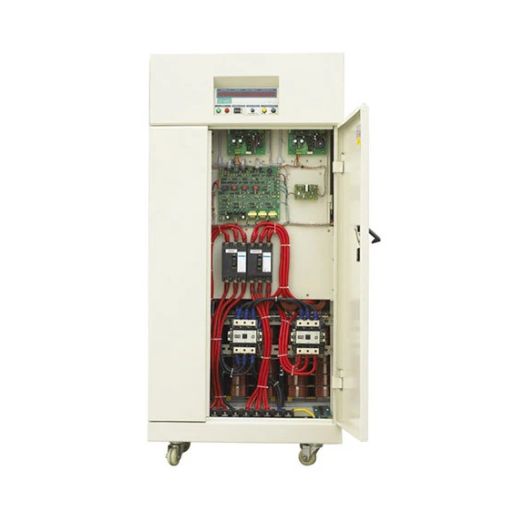
Frequency converters change the electric frequency of an input into a desired output frequency so that devices can work properly and perform at full capacity. By and large, there are three key steps in this procedure:
- 1
AC to DC Conversion — The use of rectifiers is intended to convert alternating current (AC) into direct current (DC) for use within the building or for modification. - 2
Frequency Adjustment — The procedure calls for the direct current to be transformed by an invertor into the alternate current with the precise frequency. In the event of 400Hz equipment, this phase will allow adjusting the output frequency as necessary to comply with the equipment’s characteristics. - 3
Output Delivery — Lastly the modified electrical signal is connected to the actual equipment in order to make them work as well as facility for the revised electric power.
This simple format has helped make it a very important component in power customization, where such power needs to be made available.
The Technology Behind Static Frequency Converters
Frequency conversion, which is required in all types of rotating equipment and depends on the physical characteristics of the device in question is the advantages of static frequency converters. By making use of components such as insulated-gate bipolar transistors (IGBTs) and pulse-width modulation (PWM) methods, which are necessary for the controls, the frequency is then adjusted to the required level and the distortion is minimized. Such innovations as highly effective inverter and rectifiers have enabled an uninterrupted workflow which is not only seamless but also maximizes its efficiency. After all any emergence of digitalization, this is inadequate and, therefore, all aspects of load and the power system, including bridge power filter and converter controllers are designed with hardware-in-loop test capabilities.
Throughout the pursuit of materials, there have been quite a number of new blends that have been developed to help change the build process as far as converters are concerned and have been highly successful such as thermally conductive silicon compounds. Such materials offer improvement in materials for power electronics, such as higher thermal conductivity leading to lower losses, higher switching frequency, as well as more compact and thermally efficient converters. Similarly, the Industry 4.0 trend is an exciting way in which such equipment has enhanced its functionality, allowing controls, health monitoring, and repairs/optimization of unit ops to take place. This is truly enabled by the Internet of Things (IoT), which raises system operational intelligence by enhancing the utilization of sensors.
Understanding Phase Frequency Conversion
Phase frequency conversion is the process of changing the frequency of electrical power to the one required in a system, so as to have both the energy source and the load working in harmony. The development of this technology has been significantly aided by improvements in power electronics. AC/DC converters have found more comprehensive use in such systems. For instance, the incorporation of wide band gap semiconductor devices such as silicon carbide (SiC) and gallium nitride (GaN) has allowed converters to work at higher switching frequencies with lower switching loss, better heat dissipation and greater power output.
In addition, it should be noted that the present-day phase frequency converters are implemented with smart control systems. The system processes the data captured in real time, and changes its algorithms accordingly. These algorithms perform the task of the optimized phase shifts and frequency adjustment to keep the output stable even if the load changes. In addition, the new robust filtering techniques are used in the removal of the coupling distortion so that such equipped systems can be placed in highly sensitive systems like medical, aerospace and telecommunication workshops. These all show that contemporary developments focus on the key challenge of conversion between frequency and angle in the context of more and more sophisticated energy systems.
Key Components of Frequency Converters
| Component | Description |
|---|---|
| Rectifier | Converts AC input to DC output. |
| DC Link | Stabilizes the DC intermediate circuit voltage. |
| Inverter | Converts DC back to AC at required frequency. |
| Control Unit | Manages operational parameters and system stability. |
| Filters | Reduces harmonics and smooths the output waveform. |
| Cooling System | Dissipates heat to ensure optimal performance. |
| Frequency Controller | Adjusts output frequency based on set requirements. |
| Feedback Circuit | Monitors system performance and ensures precision. |
| Voltage Regulator | Maintains consistent voltage levels. |
| Power Transistors | Enables efficient switching for signal conversion. |
Specific Converters and Their Features
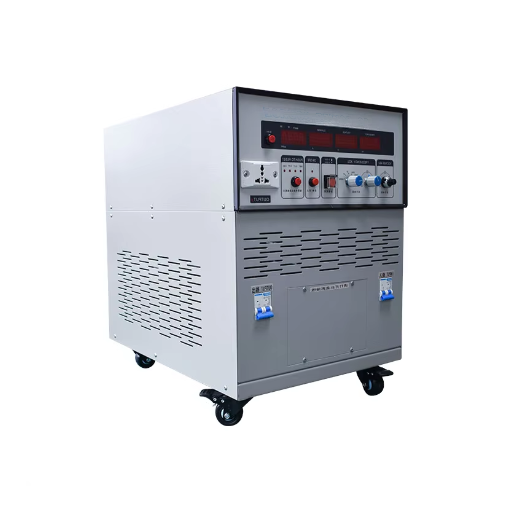
DC-DC converters are electronic devices that step up or step down voltages in direct current systems. The converters work best in battery operated equipment returning high dosages of energy and performance. The key elements that distinguish these battery management systems under consideration are high efficiency and lightweight miniaturization for their target audiences.
AC-DC converters, also known as rectifiers, are devices used to convert an input of alternating current AC into direct current DC. The devices will use several important spares and components, typically manufactured using integrated circuits during such applications of direct current. Their important highlights will include robust voltage control systems and a wide input voltage range.
DC to AC Converters, also known as Inverters, change DC voltage to AC power. These are very important in most renewable energy systems, such as solar photovoltaic, which originally generate DC power requiring conversion to AC for grid connection purposes. One characteristic of these inverters is high conversion accuracy and high waveform quality.
AC to AC converters are plain devices that affect the properties of the AC power such as amplitude, frequency, etc but do not output DC power. They can be heavily found in manufacturing facilities like motor controllers and general industrial fields. These converters overcome the main drawback of the distortion of the output wave by remaining energy efficient and enabling full adjustment of certain properties or characteristics of the apparatus.
60Hz Frequency Converter Options
Converter devices that possess a 60-cycle frequency feature are of the advanced stage and are used for altering the supplied electrical energy frequency to correspond with its immediate operational requirements. In many cases, they are employed in territories where devices that run on 50Hz power systems and need to be functional on 60Hz power systems or vice versa. Depending on the intended purpose, there are several kinds of converters such as rotary frequency converters and solid state frequency converters.
- 1. Rotary Frequency Converters
These forms of frequency converters make use of the mechanics and electricity as well, which usually revolves around a motor-generator type of system. They are very dependable and are suited for intensive processes that are carried at a massive scale. Despite their mechanical efficiency, rotary assemblies have their peculiarities to do with matters of size, maintenance and sound. - 2. Solid-State Frequency Converters
The semiconductor components that define advanced technology enable the solid-state frequency converters to operate accurately, efficiently, and with less care. Their small size, rugged construction, and the capabilities of handling any kind of load are the features widely appreciated in solid state devices. The solid-state devices are useful largely in aerospace, battlefield, and other modes of commercial power conversion. - 3. Variable Speed Drives (VSDs) with Frequency Conversion
A lot of the currently used systems have changed traditional frequency conversion and included reversible motor control through adjustable frequency drives. These drives reach good results because through the control of input frequency and voltage of these drives and to motor load various applications such as speed and torque variation can be obtained.
Before making a decision, suitable evaluation of the scale or diversity of the power source must be performed in order to prevent excessive firm power contract overuse. With power efficiency constantly improving and high quality components used in their manufacture, 60 Hz frequency converters now stand as a favorite equipment in all kinds of industries which they were once or twice shunned.
400Hz Frequency Converter Solutions
The arrangement of 400Hz power supply has now become essential in various applications requiring most perfomant, lightest, and tiniest solutions such as in the aero industry, military and ground automation facilities like hangars. They are custom made to provide electric power at a constant rate of 400Hz which happens to be a standard for the latest obsolescence of an aircraft electric systems. These converters also help to achieve unwanted harmonics of frequency and voltage issuing from the machine’s output circuit which limits the working spectrum of certain equipment like avionics systems, land navigation instruments such as radar equipment and mobile artillery.
The 400Hz power supply has now been effectively incorporated in the modern equipment being used. The modern 400Hz power converters are using the latest power electronics which includes controlled switches such as IGBTs, which are lightweight and can interact effectively to other power systems as a result of being compact. There are modifications in the current equipment for 400Hz converters being developed to use components that can be removed and fitted again easily. Moreover, these systems also often contain certain intelligent functions that allow one to improve instruments such as fault monitoring, diagnostics and operational control, thus shortening the downtime and cutting maintenance costs appreciably.
The 400Hz converter selection depends most on its capability to adjust with the load. Each manufacturer is bound to incur expenses in tooling up the magnetic imprint separately for resistive, captivity or inductive power load modulation cases. They also invest in the production of converters with advanced control capabilities to enhance power quality under a variety of loads. Most such converters are designed to meet challenges inherent in military applications by meeting the requirements of such standards as MIL-STD-704, which will protect the equipment from harsh conditions. The proponents of this technology believe that there is a rightful place for 400 Hz frequency converters in the operation of specific, extremely complex systems, given the improvements made.
Single Phase vs. Three Phase Frequency Converters
| Parameter | Single Phase Frequency Converters | Three Phase Frequency Converters |
|---|---|---|
| Number of Phases | One | Three |
| Voltage Stability | Moderate Stability | High Stability |
| Power Capacity | Suitable for low power loads | Ideal for high power loads |
| Efficiency | Lower efficiency | Higher efficiency |
| Equipment Applications | Household and small-scale electronics | Industrial and large-scale equipment |
| Complexity | Simpler design | More complex design |
| Installation Cost | Lower cost | Higher cost |
| Weight | Lightweight | Heavier |
| Start-Up Torque | Low start-up torque | High start-up torque |
| Load Balancing | No load balancing | Excellent load balancing |
Frequency Converters’ Applications Across Industries
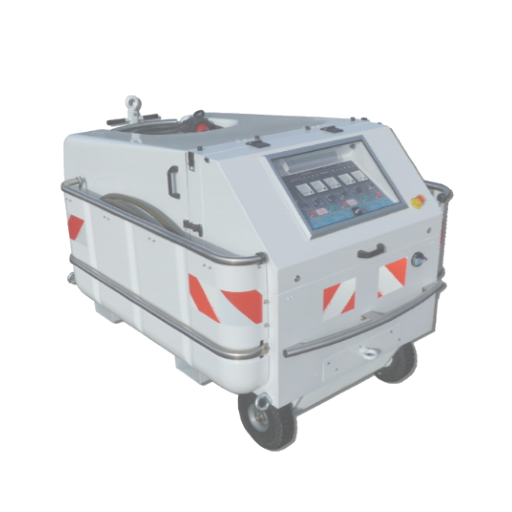
- Aerospace and Defense — These are constructed in cases such as aircraft and military equipment where the standard frequency is 400 Hertz. To streamline ground operations, these converters energize passenger bridges, avionics simulators and their displacing systems.
- Marine Industry — Onboard frequency converters are systems that allow ship systems to operate on board by transforming the frequencies of the shore power (usually 50 or 60 Hz) into ship requirements (often at 400 Hz for some applications).
- Industrial Manufacturing — High currents or low current frequencies can be tailored using frequency converters in machinery manufacturing as well as in material testing apparatus inside the labs or certain test facilities hence moot the concern of safety and achievement of the correct results.
- Testing and Laboratories — Frequency changing system can be found in colleges, universities and R&D facilities lines to recreate an ideal working segment with correct resistance, inductance or capacitance to suit the electronic equipment, which is described for the frequency destined equipment only.
- Energy and Utilities — Frequency converters are integrated into installations of renewable energy sources and network systems, which involve asynchronous adjustments of the frequency in order to connect solar, wind power or other energy sources to the existing system.
Frequency Converters in Aerospace
In the aerospace industry, electronic frequency converters play an important role. They make power systems of aircraft to be efficient and produce the desired power smoothly. There are frequent uses of 400Hz power systems in advanced aircraft which are a better alternative to the uneven 50/60 Hz power in the Normal National Grid. Frequency converters are able to provide a means to connect ground power with on-board systems of an aircraft, and ensure energy efficiency during the process that the aircraft is on the ground.
In addition, frequency converters affect the functioning of a range of sensitive electronics systems on aircraft, such as autopilot navigation instruments, the local lighting systems, and on-board computers, which need particular power frequencies for their optimal operation. Diverse frequency converters are useful in practice because they withstand voltage changes, provide stable output under variable loads, and are therefore necessary for continuous use. These days, with the progressive advancements in aviation sector, power conversion features of electronics have started to become efficient, light and very compact so that they fit well in the optimization where the size and possible weight of the equipment needs consideration.
Industrial Manufacturing Applications
Frequency converters are instrumental in the industrial field for they are used to adjust motor speed precisely and keep the production mechanism effective. As such, these elements are primarily used in the automotive, textile, and food industries due to the need for periodic, jerk-free motor operation. Modern inverters, for example, when regulated in an automated motion to conform with the real-time demand, may effect energy efficiency to reduce up to 40% of energy employed within given areas, as an illustration.
Adding to that, they can also be combined with the technologies of the 4.0 industry – for example with the sensors and the Big Data to enable predictive maintenance of machines performance. Such quality of maintenance does not just save time and prolong the work of the equipment, it increases the use of uptime, meaning that the equipment is used more efficiently without much loss on the cost of operations. With the discovery of new materials and technologies in the electronics industry, frequency converters keep advancing with more ambitious goals to achieve; improvement in endurance, efficiency and compliance with tough conditions regulations.
Role in Renewable Energy Systems
Synchronizing the energy system between renewable energy and power grid plays central role in frequency converters. Basically, in wind turbines and solar power applications. Frequency converters help in voltage and frequency management thereby facilitating smooth integration of variable renewable resources with grid. In the same manner, in many cases, the wind turbines unable to produce consistent electricity due to the changes in wind speed which is of varying frequency thus the frequency converters normalize power generation so that it complies with the standard grid frequencies; however achieving this will require frequency converters.
As a result of the developments in technology, there has been a definite increase in the ability to distribute the advantages of renewable energy systems through the use of frequency converters. In the present day, some specific forms of frequency converters are being designed to cater to a particular aspect, and there are also certain enhancements that are incorporated – for example, such frequency converters are employing wide-bandgap semiconductors like silicon carbide and gallium nitride. Resultantly such converters are known to be having low thermal waste, highly efficient and more compact. Moreover, such improvements are critical for the realization of massive power projects, where even the most minor efficiency increases could bring about far-reaching economic benefits and also improved environmental status.
Benefits of Using a Frequency Converter
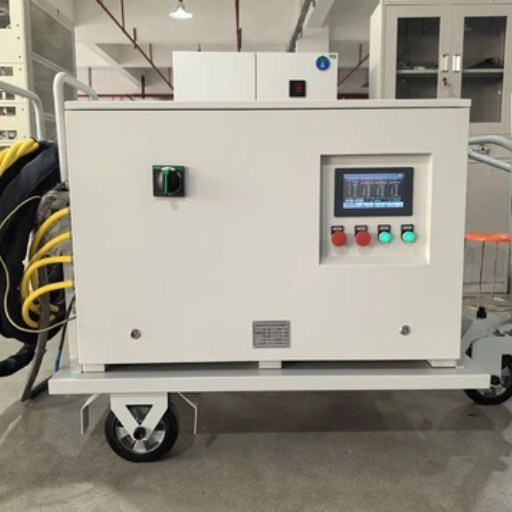
- 1
Enhanced Equipment Efficiency — Reducing the frequency form 60 Hz to 400 Hz allows the utilization of smaller and lighter equipment that can be handy in industries like aerospace and defence where weight as well as size considerations are critical. - 2
Improved Power Density — The utilization of a higher frequency allows for the bridging of power gaps, which helps these converters perform at similar or higher levels of power output with a lower footprint and a lower amount of heat generation, aiding in principle with the proliferation of small-sized high-power converters, which are largely quite bulky. - 3
Custom Applications — Some specific types of equipment such as avionics, industrial machinery and radar systems may insist on the use of 400Hz power for efficient operation. Such equipment is compatible mostly with frequency converters. - 4
Global Standardization — One of the benefits of using frequency converters is that they can enable electronics functioning at 400Hz to work without any alteration. That is in terms of orientation of the equipment during installation, either all or part of the equipment will face in one or few directions as far as the use of 400Hz power is concerned. - 5
Reliability in Critical Operations — 400 Hertz systems are commonly utilized in applications that need the reliable performance of the system and minimal disruption to the environment. They are mostly found in institutions like airports and military camps. It is also the one that provides the AC power in such environments via frequency converters.
Improved Energy Efficiency
Efficiency in the design of 400Hz frequency systems enables them to operate at a high percentage, minimizing power wastage both in terms of transmission and usage. Rather than low efficiency, the systems make use of improved approved methods in order to reduce energy loss, thereby bringing down the overall costs and the level of destruction to the environment. For example, converting a certain frequency level into a higher frequency will realize smaller and lighter transformers and power sources, thereby lowering the cost of production and environmental impact. Moreover, nowadays frequency changers are fitted with sophisticated power electronics which improve the efficiency even more by making sure that the voltage and power delivery is accurate. As a result, 400Hz energy management systems are a viable technology in green energy efficient applications because they slim down overall utilization of energy.
Enhanced Equipment Performance
Indeed, 400Hz is an electric frequency that comes with a lot of benefits for contemporary machinery. The higher frequency comes in handy for machines such as motors and generators in that it ensures that they are more space efficiency and rarely squander on magnetic losses. It also suits devices that require variations in electricity such as radar systems and avionics designs since there is a less variation while still being able to operate very swiftly. Many reports and opinions within the segments add that, that particular range improves the reliability of very delicate systems with its tight operation margins, thus restraining operational errors coming from electricity changes. Moreover, if we talk about advanced methods, such as controllers, power supply arrangements, etc., it is definitely more difficult than setting a single point for the military range.
Cost Savings and Economic Advantages
The highly efficient power systems in their high-frequency mode can result in a significant decrease in cost provision, more especially in industries where precision electronic properties are demanded. By improvement in power conversion power to energy loss ratio in power conversion technologies, the enhanced systems can yield higher levels of cost efficiency among the businesses. It has also been found from research that the use of these systems in accordance with the needs of the telecommunications and aerospace industries has an effect on reducing energy consumption, and, in consequence, on decreasing utility expenses and the lengthening of the maintenance of wear of the equipment.
Again, to lower the energy cost of coursing water or lowering the cost of an electrically operating machine, the number of repairs and replacement of the machinery at regular intervals is also reduced, more particularly when these systems are very reliable. Additionally, these changes allow businesses looking to grow to do so without increasing energy usage or the amount of up-front capital required.
Installation and Maintenance Considerations
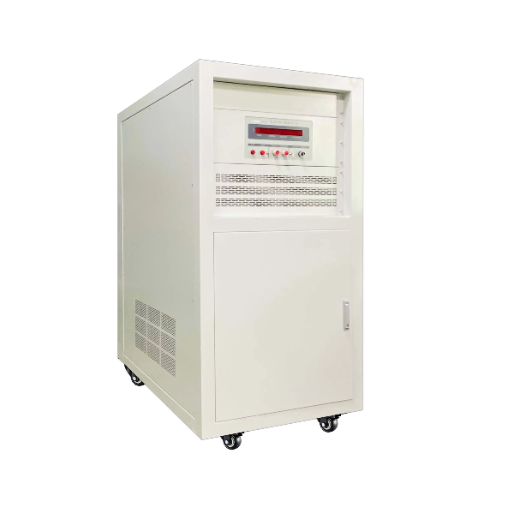
Effective deployment of a 60Hz to 400Hz frequency converter initiates with identifying a suitable spot where ample ventilation is afforded and great precaution against moisture, dust, and extreme ranges of temperature is taken. Provided also is the requirement that the converter be mounted to an immovable surface and its cabling must meet safety requirements. Also, servicing entails inspections done on a regular basis, required to check on their condition and extend further service life. This may include inspection for hot spots, terminal bolts, wear marks or any damage on any equipment. Cleaning air flow openings and filters blockages timely is important in avoiding wasted energy due to poor heat transfer. It is also necessary to prevent harmful interferences by always updating the firmware and software versions, such that the latest features and protective functions are implemented in the converter whenever possible.
Installation Best Practices
The proper installation of power converters is critical to the performance of the converters and their energy utilization. It is the first step that looks at the position and the installation will take place, if it is well ventilated, no dust or moisture, vibration, and other factors that cause performance deterioration are available. It is also important when working with the device connecting the wires to adhere to the guidelines of the manufacturer, and associate the grounding firmly with the aim of reducing interference of the current, electrically, and safety compliance.
You always need to remember to recheck the input and output voltage to use compatible equipment without glitches. If the converter is not able to fully support bulky cords and can easily move with caused vibration, its lifetime may be shortened and the connections may be damaged. To manage the cables as best as possible, wire harnesses should be used complete with cable markers and color separation between power and control wires. When the repair work is over, it is necessary to perform a service check to make sure that all parameters have been followed appropriately and to identify the hazards in time. The purpose of these methods is to maintain dependability and reduce even the possibility of such changes in the future especially in terms of downtime.
Maintenance Tips for Longevity
- 1
Regular Inspection and Cleaning — As a general safety rule, check over all parts of the converter visually affected by any wears, rust or dirt at very far intervals. Wash and wipe down all points of the plug, contacts, and other wooden parts with the appropriate cleaning agents in order to avoid getting dirt in between or oxidation there. According to the statistical analysis, the practice of level checking is capable of reducing the belated malfunctions of the equipment by about 25%. - 2
Ensure Proper Ventilation — Please ensure that the air circulation for equipment is maintained adequately by enabling the ventilation and fans. When it comes to the top agents which make the electrical devices fail it is the heat endured. It has been found that, such a small increase in temperature of up to 10 degrees centigrade from the moderate conditions as to the worst components like the resistors, the threatening is already realized. - 3
Verify Calibration and Alignment — Check in-house test equipment, gauges, or other equipment with frequent monitoring and adjust it appropriately. When misaligned or out of calibration, the errors tend to escalate within the system and fail to function as it did before. Periodic calibration should be implemented as per the company rules or prescribed norms for efficient maintenance practices. - 4
Monitor and Replace Consumable Parts — Closely monitor the consumption of such products as filters, sealing rings or lubricants. These are serviced only if there the allowed time has elapsed by actual operation hours or if the manufacturer recommends otherwise. The use of condition-based maintenance can improve scheduling by up to 30% and prevent the need for several other repeated measures. - 5
Lubricate Moving Parts — For low friction and wear, it is most essential to understand what type of lubricant with what viscosity needs to be applied to bearings, gears and other moving parts. Lubrication as it is, has maintenance requirement associated with it as excessive or inadequate lubrication may cause the system to fail and a non-conforming performance of the machines. - 6
Maintain Electrical Connections — Be sure to inspect screw fastening to ensure the screws are properly tightened. Look for singeing or discoloration since this may suggest that there is excessive resistance within a system that is too hot. Also, for the electrical circuits, remediating measures can involve locating hot spots with the help of autoradiopictures and infrared imaging as such places can be very dangerous yet go unnoticed without carrying out the measures.
Compatibility with Existing Systems
Before deploying new systems or items, an important issue to address is compatibility with the existing systems. To not allow conflicts in the work of the organization, in other words, to facilitate the implementation of the organizational changes that are required, in essence, integration of the system, careful consideration during reviews would be needed in the various system interconnections and communication aspects; devices on the other end of the line; and even the physical interconnections of the systems within the scope of the project. Compatibility checks are intended to ensure that the physical elements constitute hardware, firmware and software, work within the installed system and meet the industrial norms and requirements. Validating the process of data mapping and integration also carries weight because it is through these processes that issues are noted and tendencies towards poor performance are investigated in good time. Furthermore, cumbersome documentation and library specifications can ease root-cause analysis and software enhancements, thereby facilitating interoperability among the various systems.
Reference Sources
- Configurable Frequency and Voltage Three Phase Power Supply
Read more here - Design and Simulation of Boost DC-DC PWM Feed-Forward Control Converter
View the study here
