
Voltage ratings are one of the most crucial factors that affect safety, performance, and longevity when it comes to electrical systems and devices – a matter that goes beyond just technical. They are generally called “rated voltage,” and they include key data about the maximum voltage that a particular device or system can handle during ordinary operation. Whether the tasks are to repair consumer electronics, operate industrial machinery, or set up power distribution systems, having a good understanding of the concept of rated voltage will help in making the right decisions. This post delves into the very core of voltage ratings’ meaning, their determinants, and their importance to the proper function and safety of systems. When we finish the journey, you will not only be very well acquainted with this concept but also have a clearer picture of its application in our daily lives.
What is Rated Voltage?
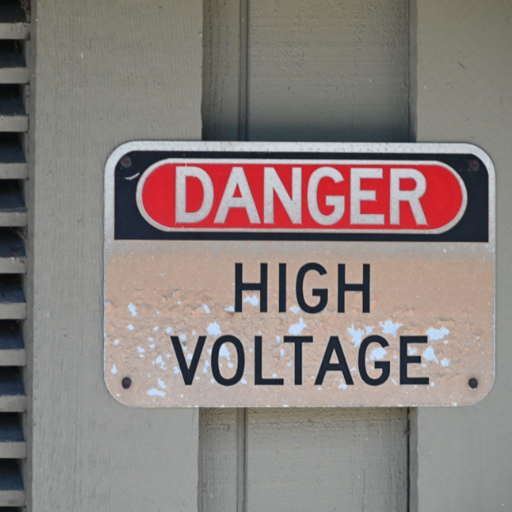
The maximum voltage at which a device or product can operate safely and efficiently under ordinary circumstances is known as the rated voltage. It serves as a reference to ensure proper functioning and to prevent losses or dangers like overheating or electrical malfunctions. The engineers set the rated voltage after checking the product’s capability and safety factors. This gives the manufacturer an advantage because he can produce a standard product without meeting individual user needs, and at the same time sell this product to multiple people. Well, a wrongly chosen power supply for an LED light source could indeed limit the life cycle and consequently the LED. Moreover, the main problem here is that the circuits are unreliable and prone to noise due to inferior stability.
Definition of Rated Voltage
Voltage with a proper rating plays a crucial role in electrical systems and equipment, as it specifies the highest voltage with which the appliance can safely operate. Standing within the limits of the rated voltage not only shields the elements from partial wear but also protects against voltage surges and potential short circuits, thus securing both safety and functionality. Take the example of home appliances or industrial machinery: if you exceed the rated power, you might see overheating, insulation failure, or severe damage. Also, the throughput of the devices benefits from a correct understanding and usage of the rated voltage, making it more energy-efficient.
Importance of Voltage Ratings
Adhering to voltage ratings is crucial as it not only ensures the safety and durability of electrical systems but also facilitates compliance with standards and reduces operational costs. By exceeding the voltage capacity, a system gets overpowered, which in turn leads to equipment malfunctions, voided warranties, and frequent part replacements. On the flip side, when a system is operated within the specified voltage limits, the overall result is increased reliability of devices, lower energy consumption, and a reduced risk of unexpected downtime as well. Moreover, the voltage ratings are frequently harmonized with international safety protocols, thereby standardizing and ensuring the quality of production and distribution globally.
Rated Voltage vs. Operating Voltage
| Key Point | Rated Voltage | Operating Voltage |
|---|---|---|
| Definition | Maximum voltage device can handle | Voltage device operates under load |
| Purpose | Safety limit for design | Practical voltage during operation |
| Measured in | Volts (V) | Volts (V) |
| Relation to Device Safety | Determines safe design threshold | Ensures safety during use |
| Variation Allowed | Fixed and standardized | Can fluctuate within tolerances |
| Examples | 120V, 240V appliances | 110V-120V, 220V-240V grids |
| Dependency on Load | Not dependent on load | Load impacts voltage |
| Influence of External Factors | Typically unaffected | Affected by demand, quality |
| International Standards | IEC, ANSI standards | Varies by regional conditions |
| Impact of Exceeding Limit | Permanent damage | Temporary disruption or instability |
The Concept of Nominal Voltage

Nominal voltage refers to the standard voltage level, which is the same for all electrical systems or equipment. It is a high point in the ideal values on which the system operates, guaranteeing synchrony among various appliances and power networks. For household applications in different regions, the nominal voltage can be either 120V or 240V, which is one reason appliances are rated for connection to the respective electrical power systems. Though there may be minor deviations from the ideal case due to various kinds of loads and external factors, the nominal voltage is a reliable parameter for all the design processes and power system operation.
Defining Nominal Voltage
The nominal voltage plays a paramount role in ensuring that electrical systems work safely and effectively. It serves as a fixed base that manufacturers and electrical engineers use in designing appliances, equipment, and infrastructure. Nominal voltage is thus a critical factor for specifications. Therefore, it is suggested to be very vigilant about the issue of different nominal voltages of machines used for the same process and related applications. Thus, it can be seen that machines with the same ratings can be technically different if they have different nominal voltages.
The consequences of having a certain nominal voltage are directly associated with both energy efficiency and safety. Keeping the operation of the devices within the limits of the nominal range reduces the risks of failure, wear, or overheating. For renewables such as solar panels and wind turbines, guidance in terms of nominal voltage ensures system compatibility and significantly optimizes performance. This includes the non-problematic and seamless operation and charging of batteries, as well as perfect integration with inverters and the grid. The fact that the systems from various applications and regions of the world are run with the same nominal voltage not only makes it possible that the high-tech grid features of the future become the present, but it also allows the clients to benefit from the technological change at the earliest stage, as well as to save the environment.
Rated Voltage and Nominal Voltage Relationship
Despite being similar, rated voltage and nominal voltage are used for different reasons in the design and operation of electrical systems— their correctness also involves these concepts. Rated voltage is the highest voltage a piece of electrical equipment can withstand without adverse effects or loss of performance under specified conditions for continuous operation. Nominal voltage, in contrast, is a common or standard value used to represent system voltage levels for design, production, and communication.
They are closely related because the nominal voltage is usually a basis for the rated voltage range of equipment, ensuring compatibility and safety among systems. A typical example would be household settings where nominal voltage levels are commonly adopted to be 120V or 230V; nevertheless, the rated voltage of machinery in those systems could be a little bit larger than the nominal voltage to help with the variations and, at the same time, to provide a safety margin for operation. Besides, in the case of large renewable energy systems, nominal voltage necessitates the technical design of intricate grid infrastructures to be uniform; however, the rated voltage specifies the operational limits of equipment like transformers and inverters.
Applications of Nominal Voltage in Electrical Systems
Power Distribution Networks
The standardization of nominal voltage is essential for power grid operations because it ensures consistency everywhere. American households use 120V to operate, whereas Germany’s standards allow 230V. This coming together of so many countries makes designing the grid and manufacturing the appliances easier, with fewer incompatibility issues. The electric power generation and distribution field nominally uses 110 kV, 220 kV, or 400 kV for the high voltage of its transmission lines to minimize energy loss over distances.
Electrical Appliances and Devices
Typically, household electronics and industrial equipment are designed to meet the nominal voltage standards. In the US, most appliances, such as those in the North American home appliances market, use 120V as their safety and efficiency standard. In the same vein as industrial machinery with its 480V in 3-phase systems, renewable energy systems, such as solar or wind energy farms, are used to feed the generated electricity into the grid at a nominal voltage level agreed upon by different companies and utilities.
Renewable Energy Grid Integration
Renewable energy systems like solar or wind farms rely primarily on nominal voltage to fit into the existing grid infrastructure. Solar photovoltaic (PV) systems usually produce the grid-tied DC power with voltages varying between 600V and 1000V for the utility-scale case. Detailed scientific studies suggest that the networks perform more efficiently when harmonized at the same nominal voltage level.
Electric Vehicle Charging Stations
EV charging infrastructure is designed to have identical and secure power voltages to ensure the charging process is predictable and safe. The lower voltage variants (100 V – 120 V) are used for Level 1, while the higher voltage variants (earlier 220 volts, now automotive power only) are used for Level 3 chargers, namely 400V or 800V. Consequently, energy transfer is much faster. These guidelines help with the connectivity issue as well as the user’s comfort.
Aviation and Military Systems
Specialty systems primarily function by taking advantage of unique nominal voltages that are designed to fit their premises. For example, airplanes’ electrical systems are usually based on 115V AC 400 Hz or 28V DC, making it possible to design lightweight and energy-efficient electric systems. The military can put in place 24 V DC nominal voltage superstructure in the vehicles and portable equipment so as to be confident of sub-zero temperatures and high dust levels.
Industrial and Commercial Operations
The standardization of nominal voltages in production and service environments plays a significant role in the efficient use of power. One way plants with three-phase power systems reduce energy waste and extend the system’s service life is by standardizing, for example, 400V or 690V, and specifying the voltage and operational requirements. Furthermore, the previous research points out that the use of nominal voltage compliant equipment not only reduces energy waste but also increases the system’s reliability.
Understanding Voltage Ratings in Electrical Equipment
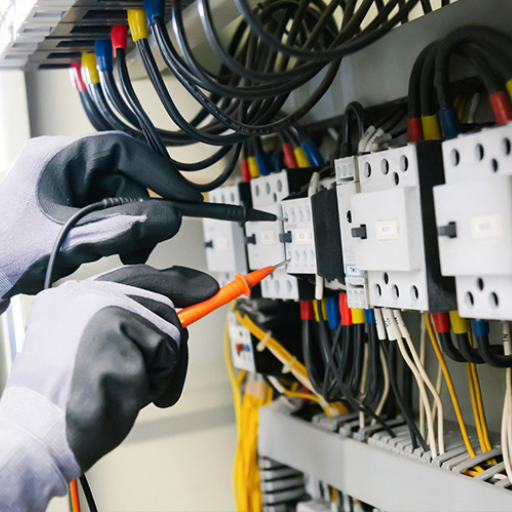
The voltage ratings given on the electrical equipment are the limits as to how high the device can be operated. The ratings make sure the equipment works well without getting too hot or damaged. In addition, the ratings must be followed as they give the system a longer life and better reliability. Running the system above the specified limit may result in overheating, insulation breakdown, or safety hazards. Manufacturers set the ratings through comprehensive testing and industry standards, thus coming up with the magical numbers that tell the dos and don’ts of safe installation and use. Before using any equipment, refer to the specifications to ensure that the application requirements are met and the voltage sources selected are correct.
Role of Voltage Rating in Equipment Safety
Adhering to voltage ratings is essential to maintain the safety and functionality of electrical equipment. Improper application of voltage can lead to severe outcomes such as equipment malfunctions, electric fires, and possible injury to users. Exceeding the permissible voltage limit results in the overheating of the components, while under-voltage may cause malfunctioning or system instability. Active monitoring and protection devices increasingly support present-day electrical power systems; one of their tasks is to check whether the power taken is within the certified voltage limits. Thus, the risks of the worst-ever incidents occurring on the voltage side are lessened. It is ergo impliedly advantageous for industries to understand a device’s voltage ratings so they can operate it effectively, extend lifetimes, and comply with safety regulations. Consequently, both the fabrication sector and consumers can reduce the frequency of interruptions and, at the same time, reinforce the adoption of safe practices within electrical systems by working with the correct voltage level.
Insulation Requirements Based on Voltage Ratings
Insulation, conforming to industry standards, is a basic need for any electrical equipment system, and its requirements will vary according to the system’s voltage ratings. Low-voltage systems usually use materials such as PVC or rubber due to their cost-effectiveness and insulating properties. But with the increase in voltage, the insulation must become increasingly robust to withstand the high electrical stresses. In the case of very high voltage systems, the use of advanced materials like cross-linked polyethylene (XLPE) or ethylene propylene rubber (EPR) is often the same, providing excellent dielectric strength and heat resistance.
Insulation thickness is usually a matter governed by industry standards, e.g., those drawn up by the International Electrochemical Commission (IEC) and the American National Standards Institute (ANSI), to which the materials are treated in such a way that they can hold electrical energy safely and, in case of an occurrence, not break down under normal and fault conditions. As a case in point, systems carrying a 1,000-volt rating might need insulating coverings of a few millimeters, but the ultimate solutions for ultra-high voltage transmission lines will be the special coatings and multi-layer arrangements that can withstand pollution, the elements, and corona discharge entirely. By selecting the insulation with the right voltage rating, safety is considerably enhanced and at the same time, there is a broad increase in the reliability and energy efficiency of the grid as a whole.
Common Voltage Ratings for Different Equipment
- Residential Systems: The majority of houses around the world are fitted with systems that work with a voltage of 120 or 240 volts, which is enough to accommodate all the various appliances that are common in households like lamps, coolers or heaters and air conditioners. By maintaining these levels, the system ensures safety and compatibility with the household devices.
- Commercial Equipment: In business precincts, it is common to see facilities powered with 208V, 277V, or 480V specifications to accommodate the large and demanding loads of HVAC systems, extensive lighting, and heavy equipment, ensuring smooth operations.
- Industrial Machinery: In the manufacturing sector, the industries often utilize a range of voltage levels from 600V to 1,000V for driving high-power machinery such as big motors, transformers, and welding machines.
- High-Voltage Transmission Lines: To make long-distance power transfer more efficient and provide a wide service radius, ultra-high voltage lines ranging from 110kV to 765kV are used in electrical grid systems.
- Electronics and Low-Voltage Systems: Electronics and other machines that are powered at low voltage typically operate at a voltage lower than 24V. This ensures that the handling of the devices is safe without compromising the effectiveness of the system.
The Role of RMS Voltage in Electrical Systems
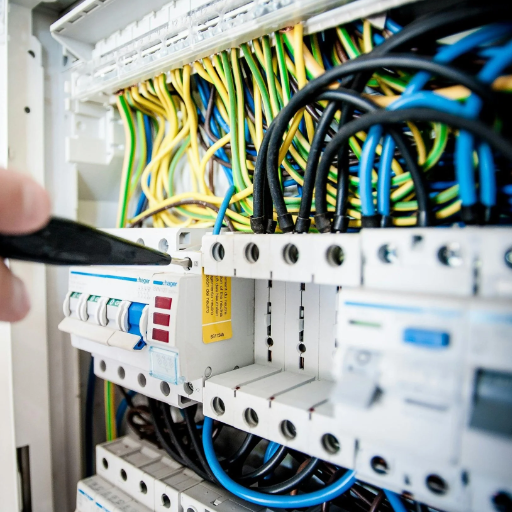
RMS (Root Mean Square) voltage is an essential part of our power systems, providing a consistent measure of the effective voltage. Through it, real power consumption for a load and the actual power delivered to systems are determined, thus ensuring compatibility and efficiency. RMS voltage, in comparison to peak voltage, signifies the same heating effect in a resistive load as would an equivalent DC voltage. This scientific procedure establishes the most realistic standard for electric equipment, as it closely replicates the real power that the heating effect is applied in houses, industries, and utilities. RMS voltage enables a single power supply design for any application, ensuring success by consistently meeting power requirements in homes, industries, and power plants.
Definition of RMS Voltage
RMS (Root Mean Square) voltage, being short for Root Mean Square voltage, is the outcome of an AC voltage’s practical value. It is the square root of the mean of the squares of the amplitudes, and can be used to represent the power delivered. All the power transmitted through the line —the actual power, possible power, and reactive power — is usually expressed in RMS terms. In this way, the total power of the circuit is mathematically just the product of the RMS values of the voltage and current, irrespective of their phase angle. The current is rated in RMS amperes, and the voltage is rated in RMS volts. Generally, there are three sources of power in a single-phase circuit: resistive, capacitive, and inductive. The actual power is the power consumed by the load in the circuit, typically resulting in the heating effect in resistance. The possible power and reactive power are usually consumed by transmission lines and the load’s inductive element, respectively.
RMS Voltage vs. Rated Voltage
| Parameter | RMS Voltage | Rated Voltage |
|---|---|---|
| Definition | Effective power-delivering voltage measurement | Maximum voltage a device is designed to handle |
| Context of Use | Used in calculations for AC power | Stated on equipment for operational limits |
| Typical Example | 120V in US household AC power | Equipment label saying “Input Voltage 230 V” |
| Measurement Type | Average power equivalent from AC current | Nominal value specified by manufacturers |
| Impact on Devices | Helps predict device functionality and safety | Determines if device matches power source capabilities |
| Determination Method | Measured from waveform using RMS calculation | Based on design and safety limits set by standards |
| Relation to Safety | Ensures safe energy delivery during operation | Avoids overloading or device failure |
| Waveform Dependency | Accounts for waveform shapes in AC calculations | Independent of actual waveform or source fluctuations |
Significance of RMS Voltage in Circuit Design
RMS (Root Mean Square) voltage is a very important factor in circuit design because it can describe the average value of an AC voltage. This particular value measures the DC voltage equivalent to the AC power used by a load. Therefore, it is crucial for calculating the real power and ensuring the compatibility of electronic parts.
An example illustrating the significance of RMS voltage in power supply design is that it helps design engineers assess the efficiency and thermal load components that need to be managed. Components like the transformers and the capacitors require the accuracy of the RMS voltage to function safely. As a matter of fact, the RMS voltage determines the size of the conductors and insulation materials that will be used, as high voltage can eventually weaken the material.
Modern progress in electrical systems, including renewable energy grids and smart appliances, increasingly accentuates the importance of RMS voltage. The majority of these hi-tech approaches are generally situated within tiny voltage bands to ensure uniformity in performance and maximum energy conservation. Through the incorporation of the designed-to-fit RMS voltage calculations in the design, engineers can not only make the constructions safer, but also boost the resultant energy furnished by them, and by doing so comply with the international electrical standards.
Differences Between Rated Voltage and Operating Voltage
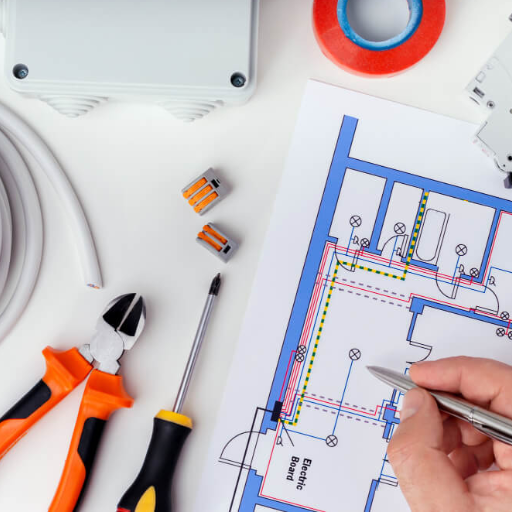
Rated voltage is the maximum voltage at which a device or component is guaranteed to work smoothly and safely under normal operating conditions. The rated voltage is a fixed figure declared by the manufacturer and serves as a general guideline to prevent the machine from being damaged or becoming dysfunctional.
On the contrary, the rated voltage signifies and sets the limit of the equipment’s maximum capability, while the operating voltage reflects the device during its operation period. The operating voltage fluctuates indirectly in proportion to the load imposed on the device or the prevailing environmental conditions, or more directly through the design of the total system.
Another essential factor of the designed devices and systems is the variations in load, which include power consumption, operational mode, temperature, humidity, power supply variations, aging, and degradation. By automatically adjusting the control system according to the actual load, i.e., changes in brightness, the standard voltage is maintained, and all the above factors are compensated for, resulting in the operating voltage remaining almost constant as well.
Key Differences Explained
| Parameter | Rated Voltage | Operating Voltage |
|---|---|---|
| Definition | Maximum voltage a device is designed for | Actual voltage during device operation |
| Purpose | Design limit and safety specification | Reflects real-world operational conditions |
| Determined By | Manufacturer design and testing standards | Usage, load conditions, and environment |
| Safety Role | Acts as a safety threshold | Stays within rated voltage to ensure safety |
| Behavior Under Load | Does not change with load | May vary based on load conditions |
| Impact on Device | Exceeding can cause damage | Affects performance and reliability |
| Measurement | Lab-tested and fixed | Dynamic and environment-dependent |
| Example | Labeled on device – “220V” | Voltage fluctuating between 210V to 230V |
When to Use Rated vs. Operating Voltage
Whichever of the two is critical for a device and its application is applied. The rated voltage of components being designed or selected for operations is vital. It is within the safety and performance limits of the components they will be operating. A standard guideline that efficiently prevents overloading and prolongs device life is to consider the rated voltage when installing electrical systems or choosing power supplies.
However, what is important is the voltage at which the device operates when it is in use and exposed to real-world conditions. This number serves as a pointer to the real system performance, showing short-term changes or normal fluctuations. Apart from that, the voltage can be monitored to adjust and diagnose the system properly, ensuring its efficiency and reliability remain at the best possible level under varying loads and environmental conditions. If one is aware of both parameters, it will guarantee the quality of the system and protect against potential issues connected with electric systems.
Reference Sources
Research on Voltage Sag Detection Algorithm Based on Defect Voltage Method
Summary: This paper introduces a voltage sag detection algorithm that utilizes the difference between actual voltage and ideal rated voltage over time.
A Novel Voltage Control Scheme for Low-Voltage Systems
Summary: This study defines the normal voltage range as ±5% of the rated voltage and proposes a novel control scheme for maintaining voltage stability in low-voltage systems.
Frequently Asked Questions (FAQs)
How Does Rated Voltage Compare to Operating Voltage?
Operating voltage is the real voltage that is used with electrical equipment and it is the voltage that is the fundamental basis of electrical equipment operation. Nevertheless, the rated voltage is the maximum that can be used to run the equipment without danger. In the best situation, the operating voltage and rated voltage range should be the same value to permit the device to operate correctly and, at the same time, be durable. If the operating voltage exceeds the rated voltage, the risks increase, including equipment damage, heating, and failure. If the voltage is less than the rated voltage, then the equipment would not be so effective. It is of great importance to determine the voltage at which the equipment is working to prevent the operating voltage from falling outside the specified limits.
What is the Importance of Voltage Rating in Transformers?
The electric pressure rating in transformers is a determining factor in the maximum voltage the transformer can handle without risking insulation breakdown or failure. Transformers are manufactured to operate within a specific voltage range, enabling them to step up or step down the voltage as required accurately. Besides, the electric pressure rating also affects the efficiency and performance of the transformer, as a voltage higher than the nominal voltage may cause heavy losses and potential damage. It is essential to consider the supply voltage and rated voltage of the system when selecting a transformer to ensure compatibility. This knowledge also aids in choosing the proper gear for specific uses and preserving the electrical system’s integrity.
What do Rated Voltage and Nominal Voltage Mean?
Rated voltage and nominal voltage are typically regarded as two different terms, with the former being the voltage level that the electric equipment is expected to handle. But in general, rated voltage may be a broader concept, with the highest voltage accepted as part of the equipment’s operation. The nominal voltage level, also known as the standard voltage level, is used for classification and reference purposes. The value of the rated voltage and its correlation to the system’s nominal voltage ensure equipment remains within safety parameters. Therefore, having this knowledge is essential to make the system electrically safe and efficient, mainly where voltage drops may occur.
How Does Voltage Affect Electrical Equipment Performance?
The performance and reliability of the equipment can be significantly influenced by the voltage applied to it. Each piece of equipment is designed to operate within a specific range of voltage levels, and when this range is exceeded, it may perform less efficiently or completely fail. In another case, being lower than the rated voltage can result in insufficient load or power for the equipment to work. The load level of an electrical system is crucial for the power level and overall efficiency of the system. It is essential to understand the relationship between the rated voltage and the rated current to ensure the voltage can pass through the system. This understanding is crucial for electricians to ensure that the equipment operates safely and under performance-ensured conditions.
