
The operation of electrical gadgets across various countries can cause issues due to differences in utility frequencies—50 Hz and 60 Hz. This can be a daunting task since there are also different voltage standards, such as 110 Volts and 220 Volts. Hence, there is a great need for the right gadgets to ensure that the equipment is matched and performing correctly. An example of such a gadget is the 50 Hz to 60 Hz converter, a device designed as a gap-closer concept. This is not only for the case of the mentioned devices, but it is also very relevant to even more precise technology devices, which can maliciously attack the host if not correctly connected with the correct connector. This article provides insight into the operation of the frequency converter, emphasizes the importance of adhering to electrical standards, and helps you make the right choice for your needs. So keep your eyes open to discover the converter technology and its impact on a more connected world.
What is a 50 Hz to 60 Hz Converter?
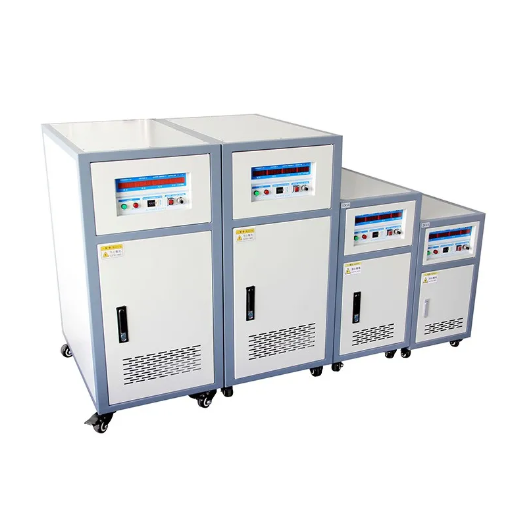
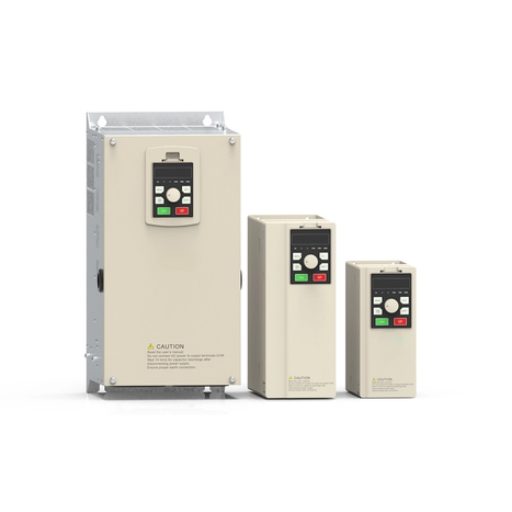
A power frequency converter, also known as a 50 Hz to 60 Hz converter, is a device that modifies the frequency of an electrical power supply from 50 Hz to 60 Hz. Such a change becomes inevitable when there is a necessity to have the functioning of devices or appliances in a place that is beyond the given frequency standard. By adjusting the frequency, the converter creates a win-win situation of compatibility and high performance, and the damage or inefficiency that could be caused in connected devices is thereby averted. Such converters are frequently utilized in international settings, industry, and places with different electrical standards.
Definition and Purpose
Frequency converters are among the most important tools in electrical engineering, and their main purpose is to alter the frequency of alternating current (AC) to meet specific operational requirements. These devices are especially needed when different electrical standards across regions must be made compatible, for instance, 50 Hz and 60 Hz systems. Their contribution to frequency conversion is key to averting both mismatches and potential equipment malfunctions associated with different standards; hence, they benefit all industries and commercial and residential sectors. Frequency converters in the current era have almost always used the latest technology, such as solid-state electronics and high-precision control algorithms, to achieve high efficiency, minimal energy losses, and high reliability. This development has significantly enhanced their utility across various areas, including renewable energy systems, transportation grids, and industrial machinery, thereby making them relevant in both the traditional and cutting-edge worlds.
How Frequency Converters Operate
Frequency drives work by stepping up the frequency of the electricity supplied to the equipment; therefore, the equipment’s performance can be controlled with very high accuracy. Step 1 of the process is to apply the drive that alternates AC to DC. The DC is then placed into the inverter phase, where modern semiconductor switching devices, such as insulated-gate bipolar transistors (IGBTs) or metal-oxide-semiconductor field-effect transistors (MOSFETs), produce AC at the desired frequency and voltage. Complex control systems using digital signal processing (DSP) perform conversion and optimization with the least energy loss while maintaining output stability. Moreover, the compressor and the evaporator of a typical air-conditioning system are linked so that one acts as a load for the other. In addition, frequency converters are equipped with harmonic filters and cooling systems to improve efficiency and reliability, enabling them to meet the stringent requirements of precision-driven industries.
Key Components of a Frequency Converter
| Component | Description |
|---|---|
| Power Rectifier | Converts incoming AC into DC. |
| DC Link Capacitor | Smooths and stabilizes DC voltage. |
| Inverter Module | Converts DC back into variable AC. |
| Control Circuit | Manages frequency and voltage adjustments. |
| Digital Signal Processor (DSP) | Optimizes conversion and minimizes energy loss. |
| Harmonic Filters | Reduces electrical noise and harmonics. |
| Cooling System | Maintains temperature for efficiency and reliability. |
| Input Filter | Removes unwanted disturbances from incoming AC power. |
| Output Filter | Ensures clean, stable AC output. |
| Feedback Sensors | Monitor and regulate output voltage and frequency. |
Applications of 50 Hz to 60 Hz Converters
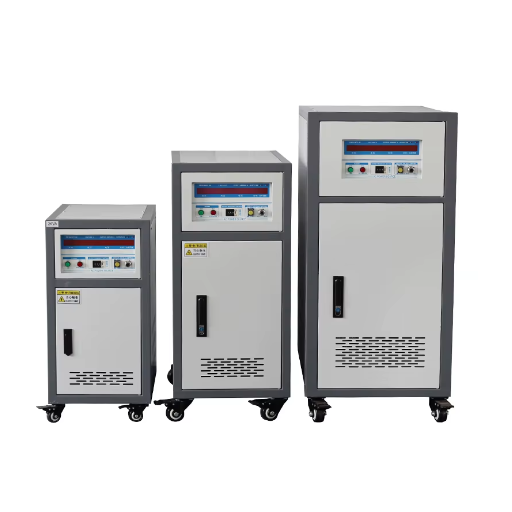
Industrial Equipment Compatibility
There are areas with varying power standards, so these converters are used to enable industrial machinery to operate even when equipment is transferred between 50 Hz and 60 Hz grids.
Aerospace and Defense
The operation of this power system requires very high accuracy in both frequency and voltage settings to meet the specifications of the aeroplanes or military equipment.
Testing and Development
They are a must for manufacturers who are developing products for a global market because of their ability to test under different frequency conditions.
Renewable Energy Integration
With this converter, renewable energy sources can be easily connected to grids with different operating frequencies.
Marine Applications
The product ensures that the power supply for onshore and shipboard systems is compatible, even though they may use different frequencies.
Industrial Uses
Industrial applications, especially those requiring very specific operating conditions, depend on the availability of frequency converters. Apart from various industrial sectors, the same applies to the equipment that is identified as a grade. For instance, frequency converters are responsible for adapting engines and controls to changing power supply frequencies, thereby increasing efficiency and productivity in heavy machinery operations. They are also essential in general production operations through very tight, direct control over motor speeds, which maintains the desired product quality level and reduces operational wear and tear. Furthermore, frequency converters are used in both the aerospace and automotive manufacturing industries to put your system through its paces and, in the process, comply with international standards. Textile companies can produce faster and suffer fewer breakdowns because weaving machines and production lines, instead of the usual practice, are operated with frequency converters, which are used in this way to avoid increasing efficiency.
International Travel and Appliances
When we travel overseas, one of the major factors we consider is the electrical system of the destination country and whether our personal devices will be compatible with it. The voltage standards gap, the frequency, and the various plug types are the main reasons devices don’t work or, even worse, have problems without the proper gear. For instance, while many countries operate on a 220-240V system at 50Hz, the United States of America uses a 120V system at 60Hz. Therefore, voltage converters or universal adapters are commonly used to fill this gap, even though they can be costly and not always convenient to the user.
Technological progress has also brought about the dual-voltage appliances – technological gadgets that are being made to work in two different electrical environments without the need of cumbersome converters. These appliances are equipped with either a switch or an automatic adjustment feature that accommodates other voltage ranges. In addition to voltage, plug adapters are a must-have for travelers to ensure compatibility with the various outlet designs, which vary widely across regions.
Home and Commercial Equipment
It is the mechanical aspect of equipment operation that separates home from commercial products, and this is a clear outcome of their design, envisaged use, and required power supply. Thus, we have the household electrical coalition consisting of the fridge, the washing machine, and the air conditioning unit, which runs on a lower, far more steady power supply than the commercial units. They usually run well on a common single-phase electric supply, with voltage levels of either 120V or 240V, depending on the region. On the contrary, the business and industrial equipment sectors, for example, HVAC systems, lead conveyors, and heavy machinery, are far more sophisticated in their use of extra-high voltage and, to a greater or lesser extent, the three-phase power system for performance and energy-saving purposes.
Recently, there has been a rise in the use of energy-efficient technologies in household and commercial equipment. For example, HVAC systems are now using variable-frequency drives (VFDs) to dynamically adjust energy use, leading to substantial savings on bills. Besides, the introduction of innovative technologies in appliances has enabled users to control their energy usage, mainly through remote monitoring and automation. These improvements not only give it far greater functionality but also align with the company’s sustainability goals by reducing overall power consumption and carbon footprint.
Types of Frequency Conversion Methods
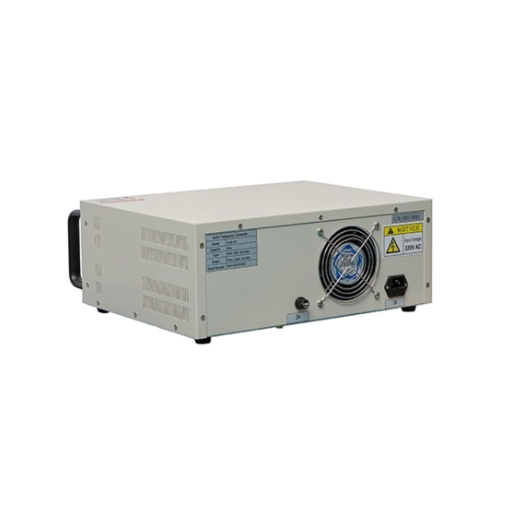
In electrical energy, methods to change frequency must be present in the conversion to accommodate the sources of exceptional devices or systems. The methods that are most commonly practiced include:
Static Frequency Converters (SFCs)
Static frequency convertors that use solid-state electronics to convert alternating current (AC) from one frequency to another are very popular. They are well known for their reliability, small size, and efficiency in industrial applications.
Rotary Frequency Converters (RFCs)
Rotary frequency converters employ a mechanical process in which a motor moves and a generator generates the required frequency conversion. They are less common nowadays; nevertheless, they are still used in specific cases that require long-term operation, even under very high loads.
Variable Frequency Drives (VFDs)
Frequency Casings are a very flexible mechanism designed for the specific purpose of controlling the motor speed by manipulating the input frequency and voltage. They are in common use in HVAC space-control systems, as well as in the production of goods, and these systems accurately monitor energy consumption.
The adoption of these technologies across distinct scenarios requires the correct identification of industry- and application-specific technical requirements, ensuring easy integration and addressing performance-related issues.
Static Frequency Converters
Static Frequency Converters (SFCs) are high-end systems that convert electric power from one frequency to another without a mechanical element, thereby offering efficiency and reliability. They play a significant role in situations where an apparatus is designed for a particular frequency but must then be connected to a system operating at another frequency. One familiar example is that they are greatly operational in the aviation industry.
The newest developments in SFC technology aim to achieve the highest energy conversion efficiency, the lowest harmonic distortion, and greater modularity for mass production and implementation. The majority of the new SFCs use IGBT (Insulated Gate Bipolar Transistor) technology to push the boundaries in control accuracy, energy loss, and simplified maintenance compared to older systems. Moreover, these converters are commonly equipped with functions such as fault diagnosis, monitoring, and even load capacity control, which go a long way toward improving the efficiency and uptime of the entire system.
SFCs play a crucial role in energy efficiency and compatibility across well-knit sectors of the global economy that span diverse power grid standards. They offer a technology-wise, eminently engineered solution to the problem of frequency matching, enabling green operations in critical infrastructure.
Rotary Frequency Converters
The role of the rotary frequency converters (RFCs) is to do the conversion so that the frequency of the input power can be matched to that of the output power and remain constant. These machines consist of an induction or synchronous motor mechanically connected to a generator, resulting in glitch-free frequency transfer and continuous output power. These converters have their major applications in situations that demand high power, require extreme reliability, and require very accurate voltage and frequency control.
There have been considerable improvements in the field of rotary frequency converters thanks to the new technological advancements. Better efficiency, quieter operation, and longer lifespans are the main benefits of these improvements. Today, for example, high-quality materials and manufacturing tolerances of almost micrometre-level accuracy ensure that the machines experience scarcely any loss of heat or energy during operation. Not only that, they can be made to carry overloads and still deliver reliable output under changing environmental conditions. Therefore, rotary frequency converters have found a good fit in heavy-duty industries, including but not limited to aerospace, military, and marine.
Among the most important, energy efficiency was the RFC’s trait, which demonstrated absolute confidence in the conversion, classifying itself as 90% efficient. In fact, these converters are expected to operate within the normal frequency range and meet the customer’s requirements, typically 50 Hz to 400 Hz, while also supplying different voltage levels. Due to their flexible casings, RFCs are scalable and adaptable; hence, they can serve industries that align power systems with their operational flexibility policies.
Compare the Main Types of Frequency Converters
| Type | Input Frequency Range | Output Frequency Range | Key Features | Typical Applications |
|---|---|---|---|---|
| Rotary Frequency Converter (RFC) | 50–400 Hz | 50–400 Hz | High efficiency, modular design | Aerospace, military equipment |
| Static Frequency Converter (SFC) | 50–60 Hz | Customizable (16–400 Hz) | No moving parts, low maintenance | Industrial, renewable energy |
| Matrix Converter | 50–60 Hz | Variable (direct AC-AC) | Compact size, energy-efficient | Robotics, variable speed drives |
| Variable Frequency Drive (VFD) | 50–60 Hz | 0–400 Hz | Precise speed control, energy savings | HVAC systems, conveyor systems |
| Cycloconverter | 50–60 Hz | Below input frequency | Complex, used for low-speed output | Large motors, ship propulsion |
Benefits of Using a 50 Hz to 60 Hz Converter
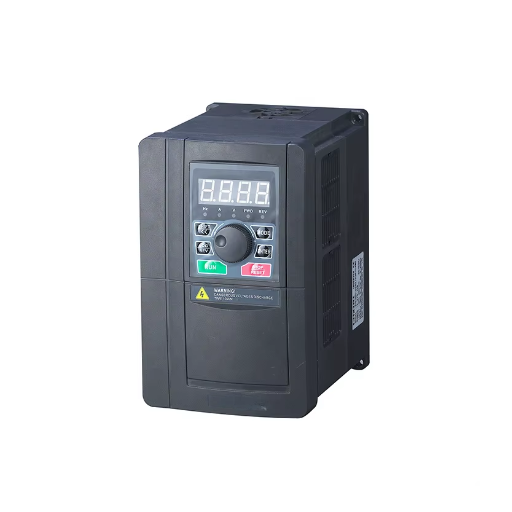
Global Equipment Compatibility
Frequency converters rated for 50 Hz to 60 Hz make electrical equipment operation easier, and such devices can be powerful and reliable in different locations without the need to change or modify them.
Enhanced System Efficiency
The energy usage of these converters is reduced, and they can also reduce power waste and maintain stable performance over time by tuning the equipment to their operating frequency.
Prolonged Equipment Lifespan
A frequency converter ensures the machine is oiled and operates well, reducing the stress on vehicle components and the power system, thus significantly extending the life of the machinery by cutting out much of the wear and tear that usually goes along with machine operation.
Versatile Application
These converters, versatile enough to cover a broad spectrum of industries from industrial automation to renewable energy, not only provide a universal power system interface but also ensure effective equipment integration.
Cost Savings
Frequency converters also offer a further advantage by allowing us to avoid the rapid replacement of equipment or the redesign of the system, using a cost-efficient way to resolve power-standard differences. Thus, it can be a profitable investment for international operations.
Enhanced Equipment Compatibility
Frequency converters these days are the result of a new engineering approach that makes them perfectly compatible with and in harmony with devices with different power specifications. They work by adjusting the frequency and voltage of the power supply to suit exactly the requirements of the equipment, thus reducing the possibility of a malfunction. The more sophisticated converters, besides the basic operation, have nowadays been equipped with harmonic filtering and voltage regulation, which have contributed to the steady increase in operational stability and to the prolonged time before the machinery wears out. The frequency converters, as such, by solving the compatibility problem, are the mainstay in improving performance across different operational areas and other international markets.
Improved Operational Efficiency
A company’s operational efficiency can be greatly improved by using frequency converters. These frequency converters provide ultimate control over motor speed and torque, thereby reducing energy consumption, decreasing wear and tear, and, consequently, lowering maintenance expenses, with the added bonuses of more extended equipment longevity and better product quality. The newer models of frequency converters have built-in intelligent algorithms and real-time monitoring systems that automatically determine and adjust load power consumption, enabling the machine to work longer hours while remaining responsive and, hence, leading to energy-efficient, overall responsive system behavior. At the same time, by meeting the strictest energy standards, they are key players in industries working to reduce their carbon footprint while keeping their economies up and running.
Cost Savings in Energy Use
The incorporation of high-tech AC drives in plants has an essential implication for efficiency, leading to significant energy cost savings. The research has shown that the use of these products can lead to electricity savings of up to 30% in motor-driven systems, especially in processes characterized by variable torque, such as pump and fan applications. By accurately matching the motor speed to the process demand, energy is used very efficiently and unnecessary overuse is avoided. Additionally, a feature in modern drives, power factor correction, when implemented in the load, reduces utility bills by a significant amount by effectively erasing reactive power losses. Simultaneously, modern drivers can also be strong allies of environmental protection by reducing energy bills and advancing sustainability goals, providing a dual ecological and financial benefit.
Factors to Consider When Selecting a Converter
- Efficiency: When you are purchasing the converter, always go for the one that has the highest energy efficiency rating; this way, the operating costs and power consumed are both reduced. Choose options with efficiency ratings above 90% for the best performance.
- Load Compatibility: A good starting point in selecting a converter is to ensure it can handle the required input and output voltage levels, as well as the load type (e.g., resistive, inductive). Check the specifications to see whether they are a perfect match for your application needs.
- Thermal Management: The critical role of a heat sink or a fan as an effective cooling mechanism to stop the converter from overheating in high-power applications cannot be emphasized enough. Assess the converter’s thermal design for its trustworthiness.
- Control Features: State-of-the-art converters nowadays may include features such as power factor correction, voltage regulation, and programmable settings, which together improve performance and better adapt to individual applications.
- Durability and Build Quality: Evaluate the converter’s build quality, certification standards, and operational lifespan to confirm its suitability to your application’s environmental conditions.
- Cost and Budget: It is commonly the case that converters that would be less expensive in the long run tend to offer higher performance upfront, and hence it is likely that very high front-end costs would equate to very high performance. Compatibility with budget limits must rank equally with performance.
Power Rating and Capacity
The proper performance and capabilities of a converter are vital parameters that directly affect its strengths in certain applications. The power rating of the converter indicates the highest electrical power that it can operate and is generally measured in watts (W) or kilowatts (kW). Exceeding a converter’s capacity can be done by overloading it, which produces excessive heat, reduces efficiency, and may lead to complete equipment stoppage. Today, the largest converters have power ratings ranging from a few hundred watts to several megawatts. They can support almost any industrial application, including modern power plants. The power range of the converters is restricted because each module’s power-handling capacity is limited.
Considering the rated power capability can help prevent impairment of plant power plants or systems. Sometimes a load may draw a lot more power, even briefly, than its constant need, which is natural for equipment with various degrees of loads. Also, ensure the converter’s capacity matches the scalability requirements of the future, especially in systems whose demand is expected to grow or where complexity is expected to increase over time.
Input/Output Voltage Compatibility
The compliance of input and output voltage stands paramount when choosing power converters for any application. The source of power compatible with the input voltage range is essential to the steady operation of power converters under various conditions, such as voltage drops or spikes. Furthermore, the output voltage must meet the load’s requirements to maintain the system’s stability and performance. Wide input voltage ranges, often specified by modern power converters, make them suitable for a wide range of applications, including renewable energy systems and industrial machinery.
For instance, in certain cases, the input voltage can range from 12V to 1,000V or higher, while the output voltage can span a wide range, from the typical 5V for low-voltage devices to 48V or more for industrial systems. Maintaining proper regulation of the output voltage is very important, and most of the time this is achieved through tight control and high-efficiency circuitry to prevent overloading, overheating, or other potential damage to downstream components. The upcoming power converters are harnessing the power electronics and digital controller to provide programmable voltage outputs. These are the most important factors for the proper functioning and long-term survival of electrical power systems.
Form Factor and Portability
The size and portability of a gadget are two key factors that directly affect its ease of use and applicability across different scenarios. Smaller sizes make the device easy to incorporate into small areas, making it best suited for contemporary, compact systems. The development of modern technologies in the manufacturing sector has enabled the production of light and miniature components without affecting the performance or reliability of the product. Instead, many modern units use new materials, such as aluminum-based alloys and reinforced composites, to achieve leanness while maintaining the product’s overall stability. Moreover, ergonomic design is increasingly paramount in portable devices, making them easier to handle and deploy in both consumer and industrial settings. The growing adoption of mobile technology, particularly in the health and field engineering industries, has made portability the primary driver of innovation, ensuring that devices can operate effectively across diverse, ever-changing settings.
Reference Sources
Frequency Converters, 60Hz, 50Hz, 400Hz
Summary: This resource focuses on the technical specifications and applications of frequency converters. It explains how these devices adapt power systems for global compatibility, with options for single-phase and three-phase configurations.
Development trends in 50 Hz to 60 Hz frequency converter technology
Summary: This article explores the latest advancements in frequency converter technology, including the use of silicon carbide (SiC) and gallium nitride (GaN) for improved efficiency.
Frequently Asked Questions (FAQs)
What is a Frequency Converter for 50Hz to 60Hz Applications?
The frequency converter is a straightforward immersion in our complex world. It is a device that helps us to move with our appliances, where the frequency of the alternating current (AC) is no longer an issue. That means you can use European 50Hz standard appliances in the US, where 60Hz is the standard, if you have a 50Hz to 60Hz converter. Converters that work with 50Hz and 60Hz and 220V and 110V are the most universal. Furthermore, solid-state frequency converters are the most popular due to their high conversion rate, low weight, and overall project cost reduction in comparison to rotary frequency converters. The choice of a frequency converter is dependent on its power rating and compatibility with the appliances used in the given project.
How Does a 220V to 110V Voltage Converter Work?
A 220V to 110V voltage converter is a device that reduces the voltage from a higher level, such as 220V, which is common in Europe, to a lower level of 110V, which is common in the United States. This type of conversion is essential for the devices and appliances that are not designed to work at two different voltages. Some of the voltage converters come equipped with frequency conversion as well, particularly when the load is at a specific frequency, such as 50Hz or 60Hz. The recommendation is to match the appliance’s voltage and frequency with a voltage converter for use in a European country. Also, some converters provide a pure sine-wave output, which is a good feature for electronics that are very sensitive to stable power and thus need that kind of power stabilization.
Can a 60Hz Converter be Used to Convert to 50Hz?
Of course, you can utilize a 60Hz converter to switch power from a 60Hz source to a 50Hz end. Besides, you can use these 60Hz to 50Hz converters to operate devices requiring 50Hz power only, and which, in other cases, would have difficulty or even be damaged if directly connected to a 60Hz mains. They are known mainly by the former, but there is no standard for construction; thus, they come in different shapes, including the single-phase and the three-phase models. Moreover, you might also need a voltage converter, as some devices require an adjustable 220V to 110V converter. By correctly selecting your appliances, you will operate them to the extent that, on the one hand, no safety problems will arise and, on the other hand, the efficiency will be remarkable.
What are the Benefits of Using a Step-Down Transformer?
A step-down transformer is a type of transformer used to decrease voltage from a higher value to a lower value. For example, 220V is lowered to 110V. It is beneficial for travelers who need to use electrical appliances designed for lower voltage, as the voltage is higher than the standard. That not only means the voltage and the power are the correct values at the connector but also the time has come for frequency conversion! Indeed, there are still those countries that use the 50 Hz system for the energy grid. The power supply’s flexibility is thus ensured. The cycle converters are quite rough in following the power frequency, and they are typically large, which makes mobility and installation very difficult. And lastly, using a high-quality step-down transformer can significantly extend the lifespan of your electronics.
