
Frequency compatibility is the most critical factor in the performance, safety, and efficiency of electrical systems and power applications. The 50Hz and 60Hz frequency standards are very different, which creates additional challenges, especially when you are dealing with systems or equipment across borders where power networks differ. An essential device is the 50Hz to 60Hz frequency converter, which enables the equipment to be used worldwide, even when the input frequency differs. This text provides an exhaustive overview of the operation of these converters, the technology behind their design, and their importance to system compatibility. Suppose you are an engineer, project manager, or just a technical professional. In that case, learning about the features of frequency conversion will give you the confidence to take the proper steps to optimize your systems and comply with the global operational standard. A significant step is to learn more about the main elements, advantages, and applications of 50-60Hz frequency converters.
Importance of Frequency Conversion
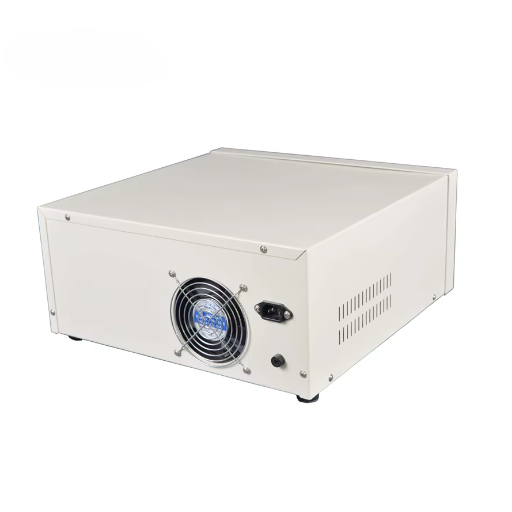
Frequency transformation is essential for the interoperability of electrical devices and systems based on different standards. Many countries use power frequencies of 50Hz or 60Hz, and non-synchronization events can cause material to be used uneconomically or lead to failure. Frequency converters solve the problem by providing the required frequency to the power supply, which in turn makes everything run more smoothly, protects sensitive equipment, and makes the system more efficient. Industries like manufacturing, aviation, and healthcare, for instance, all require power systems to be as precise and reliable as possible, which means they are highly affected if they do not install frequency converters.
Why is Frequency Conversion Necessary?
The importance of frequency conversion is a fact of life due to power standards that vary worldwide: the European, Asian, and some African countries use 50Hz, while the North American continent and some South American countries use 60Hz. This difference is a significant obstacle, especially for large industries operating across multiple regions or for centers that import and export various types of equipment. The proper use of motors, medical devices, and other machinery designed for a specific frequency depends on whether they operate within that frequency range. Furthermore, today’s systems are built using cutting-edge technology comprising sophisticated electronic components, which are the most sensitive to power quality and frequencies. The absence of the power conversion scenario can lead to various problems, such as heating, equipment failure, or general performance decline.
Besides, in the industrial sector, frequency conversion helps to run specialized equipment efficiently. To be specific, some production processes may be susceptible to the precise frequency of the power supply, such as in synchronous motor control and induction heating. Also, the aviation sector has been using 400Hz power systems for planes, which has called for ground support equipment to employ frequency conversion to be compatible. So, the use of frequency converters is vital from the perspective of regional power standards, thereby making the power supply more efficient, the equipment less likely to be damaged, and the technology-based industries the winners of the game, all at the same time.
Common Applications of Frequency Conversion
Aerospace and Aviation
In the aerospace and aviation sectors, frequency conversion has become a vital aspect of the industry, as the 400Hz power systems are the norm for aircraft. The frequency converters make it easier for ground support equipment to provide power at this frequency, thereby supporting aircraft systems during maintenance, preflight preparation, etc. Today, ground power units using frequency conversion can provide power from 28V DC to 115V AC at 400Hz.
Industrial Machinery
Several industrial machines will not run acceptably unless they are fed the right frequency; so they really need frequency converters, as in the case of a CNC machine and a high-speed compressor. The converter connects the input power to the grid-standard frequency and ensures the machinery runs at the correct frequency, thereby improving precision and extending equipment life. Statistics show that industries that have installed large numbers of frequency converters have reduced equipment failure rates by up to 25%, with concomitant lower maintenance and repair costs.
Renewable Energy Systems
Wind and solar power sources, also called renewable energy systems, often supply electricity at unsteady frequencies or voltages. Frequency converters are equipment that takes part in the process by matching the alternating current power to the utility grid’s standard frequency, which is usually 50Hz or 60Hz. Additionally, with advanced frequency converters, grid energy storage systems can work effectively with the grid, resulting in increased power stability and distribution capabilities.
Maritime Operations
Usually, 60Hz and 400Hz on-board power systems on marine vessels and ocean rigs require frequency conversion when operating with land-based grids. The vessel’s shore power sources need to be corrected to the grid frequency by the frequency converters, as this ensures the vessel’s energy needs are met with grid power during its stay and thus reduces the vessel’s carbon emissions.
HVAC Systems
Frequency inverters are typically used in heating, ventilation, and air conditioning (HVAC) systems to control the speeds of fan, compressor, and pump motors. The real-time demand is met by adapting motor operations, thereby enhancing the energy efficiency of HVAC systems through frequency inverters, with possible energy savings, depending on the application and running time, ranging from 20% to 50%.
Testing Labs and Research Facilities
Testing and calibration laboratories depend heavily on frequency converters to provide PCI cables and variable-frequency power. This input is indispensable for testing the performance of electric devices and machines under various operational conditions. The inverter system, which operates with high accuracy in labs, typically provides frequency stability of 0.01% to meet even the most demanding test standards and norms.
Impact on Electrical Appliances
The introduction of converter-driven technology has transformed the operation and efficiency of electrical appliances, especially those designed to operate at specific power frequencies. Non-technical people should understand this point: when the power frequency changes, the operational characteristics of appliances, such as speed, efficiency, and thermal performance, can vary significantly. Like, for products that operate on motors, frequency irregularities would directly influence the rotational speed, and they may get overheated/and some parts might be burned. Along the same lines, capacitive and inductive devices can undergo impedance changes; consequently, one will notice differences in power factor and voltage stability.
Research has shown that steady, modifiable output frequencies achieved with converters result in less wear and tear on equipment components, thereby extending their lifetimes. Also, new frequency converter technologies integrate state-of-the-art features such as pulse-width modulation (PWM) and active harmonic filtering to ensure almost negligible harmonic distortion and significant energy efficiency. These changes are indispensable in environments where accuracy and stability are the most critical factors, such as in medical equipment, industrial machinery, and renewable energy systems.
Common Types of Frequency Converters
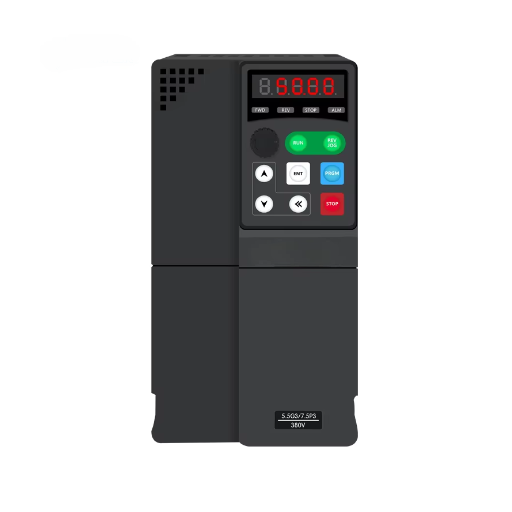
AC-to-AC Converters
These converters directly convert the frequency of an alternating current to direct current. They are usually used in applications where simplicity and efficiency are required.
AC-to-DC-to-AC Converters (DC Link Converters)
The inverter-type frequency converter is widely recognized as the most common type. It converts the AC input to DC and then generates the desired frequency AC. They have been placed in an application where precise control of voltage and frequency is required, such as in variable-speed drives.
Rotary Frequency Converters
Frequency conversion is done in the motor-generator set, a mechanical device that still has its place in specialized applications at the very top of the industry, although its use has declined.
Static Frequency Converters
The converters’ solid-state electronics change the frequency, providing very efficient and compact solutions. They are usually used in aerospace, defense, and renewable energy industries.
Static Frequency Converters
Static frequency changers have earned a reputation as the most efficient and versatile choice across various industries. The adoption of high-technology solid-state electronics has made these systems the preferred option in sectors where stability, precision, and energy efficiency are significant concerns.
In the aerospace industry, static frequency converters play an essential role in maintaining the electrical power supply to onboard systems, ensuring reliability during critical operations. In the renewable energy industry, these converters play a significant role in converting and synchronizing the frequency from a variety of energy sources, such as wind and solar power, to the grid’s specifications.
Static frequency converters have become more efficient over the years due to ongoing semiconductor technology advancements. These developments are making converters more applicable across different industrial and commercial applications, as these applications are becoming increasingly demanding, such as controlling motor speed in HVAC systems, optimizing the operation of medical imaging equipment, and ensuring an uninterrupted power supply in data centers.
Variable Frequency Drives
VFDs, or Variable Frequency Drives, are considered an essential part of modern industrial and commercial systems, enabling precise motor speed and torque control. Electric motor performance and motor control can become easier and more efficient with VFDs controlling the frequency and voltage applied. The advantages of VFDs are numerous, ranging from energy-related benefits to reduced mechanical stress and prolonged equipment life. According to recent industry insights, the adoption of VFDs is accelerating across sectors such as manufacturing, oil and gas, and water treatment facilities, where optimized motor performance is critical.
The progress made in variable frequency drives has led to their pairing with more complex control algorithms, integration with IoT platforms, and more stylish user interfaces for spotting trouble and managing from a distance. And besides all this, the technology of regenerative braking and the new harmonic mitigation capabilities are not to be overlooked. They are doing a good job in stabilizing power quality and at the same time, staying. So, energy waste is being reduced, and at the same time, strict power-quality standards are being met with these and other innovative ideas. All these advancements highlight the growing role of VFDs not only in industrial efficiency but also in creating an eco-friendly environment.
Single Phase vs. Three Phase
Key Considerations for Selecting a Frequency Converter
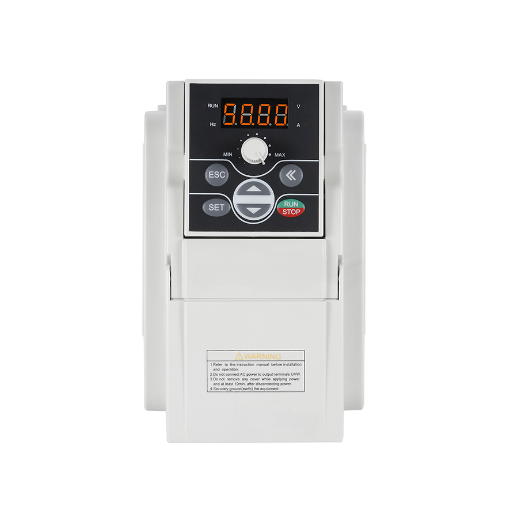
Power Output Requirements
Establish the power supply size you will need. If the situation does not allow for high load, it is necessary to install a converter with higher stability and output consistency.
Energy Efficiency
Choose converters that are highly effective and have the best energy efficiency to reduce operational costs over the equipment’s operating period, which is especially important for applications requiring continuous operation.
Installation Complexity
Examine first whether the team is competent enough for the more complex conversion process, and then assess whether it is cost-effective to go with the more straightforward setup.
Budget Constraints
Quantify the initial equipment costs against the long-term benefits of higher energy efficiency, and also factor in depreciation and maintenance cost differences.
Maintenance Needs
Determine maintenance costs, availability of experienced service staff, and choose the best option for the converter based on the facility’s age.
Application Suitability
Please, validate that the person who converts the load type has the right to comment, and the operating conditions refer to your application.
Voltage Requirements: 110v vs. 220v
In a given situation, choosing between 110V and 220V as the ideal voltage depends on multiple factors related to technology, such as power requirements, efficiency, and the availability of voltage in that region. Equipment designed for a 220V system usually performs best in high-power applications. With higher voltage, there is less amperage, resulting in lower resistive losses, and at the same time, the wire size can be smaller, resulting in lower cost. This is a considerable advantage, especially for the industrial and commercial sectors with high power demand.
On the other hand, 110V systems are widely used in the residential sector, especially in areas like North America, because of the infrastructure and safety standards in place and followed there. Although the 110v systems have the benefit that they are less risky in terms of voltage levels for electric shocks, of course, the 110v is a small number; this also means that they need higher current for the same power, making it a significant cost in the wiring and heat generation in the case of high demand.
In the global domain, selection generally considers the electrical standards of a specified location and the available electrical equipment there. Being able to operate with two voltages —such as dual-voltage equipment or international use — can be a real advantage, providing flexibility, but sometimes necessitates the use of transformers or converters that, in turn, make the system and its maintenance costs more complex and expensive. It is essential to understand and evaluate all these factors to ensure the system’s long-term compatibility, efficiency, and sustainability.
Power Ratings and KVA Calculations
Power ratings and KVA (kilovolt-ampere) calculations are the two basics for determining the operational limits and performance capacity of electrical systems. Equipment’s power rating indicates the maximum power it can withstand safely, usually expressed in watts (W) or kilowatts (kW). In contrast, kVA rating accounts for both active power (kW) and reactive power in systems with a phase difference between current and voltage.
The formula to calculate kVA is quite simple to use:
kVA = (Voltage × Current) ÷ 1000
The equation for three-phase systems contains a factor of the square root of three (√3), which is the square root of three, for correcting the phase angle:
kVA = (√3 × Voltage × Current) ÷ 1000
The relationship between real power (kW), apparent power (kVA), and power factor (efficiency indicator) is one of the most fundamental in power systems. The very formula that links these variables is:
kW = kVA × Power Factor
These computations are not only the province of technicians and engineers but also serve as tools that facilitate the smooth selection of equipment, such as transformers, generators, and cables, for safe and efficient operation. Power ratings are absolutely critical for industries that depend on a constant power supply, as poorly sized equipment can cause overheating, loss-making, or even bring the whole system down. Moreover, it is essential to perform a rigorous system analysis and to consider load profiles during the design and deployment phases.
Installation Tips for Frequency Converters
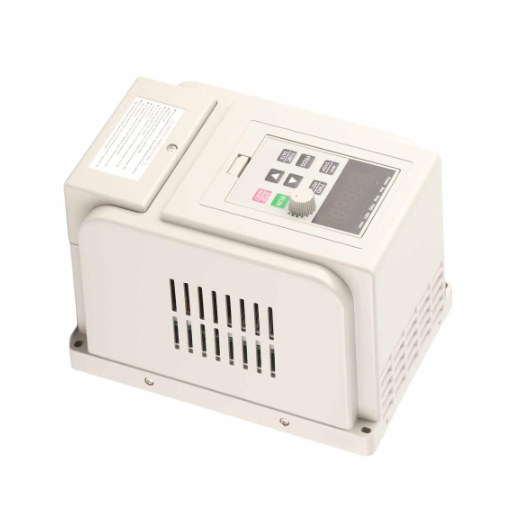
- Select an Appropriate Location: The frequency converter should be deployed in a neat, dry, and well-ventilated location to ensure adequate cooling and avoid exposure to dust, moisture, and other air pollutants. Do not go to areas with high vibration.
- Ensure Proper Mounting: Fix the converter to a solid surface or use the manufacturer’s specified brackets. Make room all around the unit so it stays cool and is easily reached for maintenance.
- Verify Electrical Connections: Make sure the cables and terminals you are using have the same voltage and current ratings as those specified for the frequency converter. The guidelines in the installation manual are clear and easy to follow; still, another round of checking and verifying the connections would not harm anybody.
- Protect Against Overcurrent: Circuit breakers or fuses should be used because they act as the converter’s shield against primary current or voltage fluctuations and overcurrent faults.
- Implement Grounding: Properly ground the converter to reduce noise and ensure safety by connecting it to the correct terminals, as recommended by the manufacturer.
- Inspect Cooling Systems: The converter’s cooling system needs to be checked to verify if it’s operational and not obstructed. If the fan cooling is provided as the method, ensure it works properly to avoid overheating.
Preparing for Installation
Evaluate Site Conditions
Before all the above points are met, the first step is to check the installation site. Moreover, ensure the place is not dusty, wet, or shaky, as these factors may reduce the converter’s reliability. Keep the air temperature within the limits specified in the manufacturer’s technical specifications. This will give you the environment in which the converter is most likely to deliver its best performance.
Verify Input Power Supply
The power source must match the frequency converter’s requirements for voltage and frequency. If the power supply does not meet the criteria, the equipment may fail to work correctly or consume excessive energy. The use of the voltage-stable and power-quality testing functions of a reliable digital multimeter will help a lot.
Plan Wiring Layout
Prepare a detailed wiring plan before you start installing. Rig power and signal wires with ample spacing that will prevent power signal interference (EMI). For the most sensitive circuits, shielded cables are used to reduce noise and improve signal clarity.
Assess Load Requirements
It is essential to examine the load properties of the connected equipment, including the motor type, horsepower, and current requirements. Make sure they are within the frequency converter’s output capacity. Running the converter with the load above its capacity can cause disturbances in the system and damage the equipment.
Prepare Mounting Hardware
Be fully equipped with all necessary mounting tools and hardware for the converter installation. The mounting location must provide sufficient space for air circulation, maintenance access, and heat dissipation. Thermal problems can be avoided if the installation is done according to the manufacturer’s recommended spacing.
Safety Precautions During Installation
Ensuring the frequency converter’s installation is safe is the top priority, as it protects personnel, equipment, and the installation process as a whole. The suggested precautions are:
- Adhere to Electrical Safety Standards: The power supply must always be switched off before installation to prevent electric shock. Use a properly calibrated tester to make sure the voltage is off. Apply the local and international electrical safety standards, such as NFPA 70E and IEC 60204-1.
- Use Personal Protective Equipment (PPE): Personnel performing the wiring must wear all required PPE, including insulated gloves, safety glasses, and flame-resistant clothing. In the same way, footwear with non-slip soles should be worn.
- Ensure Proper Grounding: Ensure the frequency converter and all connected equipment are adequately grounded to avoid electrical faults, surges, or static charge discharge. By strictly following the manufacturer’s ground connection instructions, provided in the guidelines, no mistake could be made.
- Avoid Moisture and Contaminants: Keep the converter in a dry, dust-free place and protect it from moisture to prevent short circuits and corrosion. In harsh or outdoor conditions, enclosures with the right IP rating may be needed for installation.
- Follow Load Capacity Specifications: Observe the induced current limit and operational parameters of the equipment connected to the inverter to ensure the converter does not exceed the recommended limit. Placing a burden beyond its capacity can cause it to reach the over-temperature condition easily and lead to failure under operation.
- Secure Proper Ventilation: Ensure that the converter has the specified space so that it can be cooled and heat dissipated effectively. If ventilation is not done correctly, the temperature may exceed the accepted level, and once this happens, both the converter and the connected equipment can be affected, and they may even be rendered useless.
By carefully following these rules, installers can reduce the risks typically associated with installing frequency converters, ensuring the safety and reliability of the system.
Maintenance Best Practices
Regular Visual Inspections
The converter has to be looked at regularly so as to notice wear, damage, unusual residue, etc., as soon as possible. Loose connections are also a common source of problems and should be searched for regularly.
Clean Cooling Paths
The dispassionate cleaning of the ventilation paths and heat sinks in terms of dust and dirt would benefit the device’s longevity and overall performance.
Monitor Operating Conditions
Regularly checking the converter’s temperatures, humidity, and load within the required limits should be done for the reasons of premature failure prevention.
Check Firmware and Parameters
Order that the firmware is OK and that the configuration settings are still according to the machines required in operation, especially after the system changes or updates.
Verify Connections and Tightening
Utilize the right tools and methods to have the electrical connections constantly tight thus minimizing the loosening effect that may originate from prolonged vibration.
Log and Address Fault Codes
Among the cases that occurred when the device was in operation, you are the ones to be addressed before they become fatal fault conditions.
Troubleshooting Common Issues
When it comes to common problems in systems, an ordered diagnostic plan is essential to identify the root cause and apply the correct fix. In the following, there are some of the well-encountered problems and how they were handled:
Intermittent Power Supply
It is much wiser to check power supply stability by regularly measuring voltage levels with a multimeter at key intervals. Check the power cords and connections for signs of wear or damage, and ensure the circuit breakers or fuses are not faulty. If power surges persist, it may be necessary to streamline the network’s power requirements by evaluating the load.
System Overheating
Examine the air circulation routes and maintenance arrangements that may lead to blockages or defects. Also, remove dust from the fan and heat sink, and check proper installation and the correct amount of thermal paste on the key components. Measure operational temperatures, compare them with the manufacturer’s actual settings, and replace the cooling units if any inconsistency is found.
Communication Errors Between Components
Test the data-carrying cables for problems and ensure they are properly connected at the correct points. Test the systems that handle communications and their configurations, such as IP addresses and baud rates, to ensure they meet the customer’s requirements. If compatibility issues cause communication problems, either restart the system or update the firmware to resolve them.
Unexpected System Shutdowns
One possible cause of a sudden shutdown is a power surge or a hardware component failure. The system should be logged to find the fault codes ‘sequence leading to the shutdown, and the power supply unit (PSU) or battery backup components should be tested for reliability.
Error Code Diagnostics
Using the system’s manual or diagnostic software, you can look up the meanings of the error codes and trace them back to the cause. Also, linking standard log records to specific events could reveal hidden patterns, enabling professionals to prevent hardware or software degradation.
Using these methods, which are skillful, will result in the easy implementation of emergency procedures and enhance overall equipment/infrastructure reliability by reducing downtime.
Longevity Tips for Frequency Converters
-
Maintain Optimal Operating Temperatures
Make it a policy that the air temperature in the area stays within the manufacturer’s specified range. The usual range is between -10°C and 40°C (14°F and 104°F). Overheating can lead to premature failure of internal components, mainly capacitors and semiconductor devices. Control the temperature by using identified plenums or chillers.
-
Perform Regular Cleaning
Accumulated dust and debris on cooling fins, fans, and internal components can obstruct airflow and ultimately cause the system to become very hot. You should clean the system periodically, but remember to use the low-pressure compressor. Do not forget to replace or clean the filters, if any, as directed by the manufacturer’s instructions.
-
Monitor Voltage Levels Consistently
Frequent voltage fluctuations are a key stress for the rectifiers and inverters of a frequency converter. A perfect way to prevent damage from voltage sags or spikes is to add surge protection and an uninterrupted power supply (UPS) system, thereby also avoiding long-term degradation of the unit.
-
Inspect and Replace Aging Components
When discussing aging and the slow but continuous wear and tear of parts, especially electrolytic capacitors, the device’s working life is, of course, the main factor. Still, it usually ranges from 5 to 7 years. Use diagnostic tools and methods to monitor components like capacitors that progressively degrade from the early stages of their life span and replace them in time, such as when significant wear and tear becomes visible.
-
Optimize Load Conditions
It is suggested that you do not use the converter at its full rated capacity for an extended period. Regularly running the converter at 80–90% capacity reduces thermal stress and extends the overall life of the internal circuitry. For applications with changing loads, ensure the converter’s setup aligns with operational requirements to maximize efficiency.
-
Implement Scheduled Firmware Updates
The companies that produce converters frequently send firmware updates to address performance issues, known bugs, and make the converters compatible with the latest systems. If the converter’s software is kept up to date, it results in the converter working at its best all the time, and the risk of software-related failures is almost zero.
Reference Sources
Altering Supply Frequency to Prevent the Theft of Electric Power at Distribution End
Summary: This paper discusses the use of frequency converters like cycloconverters and matrix converters to adjust the frequency for legal consumers (50Hz or 60Hz, depending on the region).
High Frequency Harmonics Emission in Smart Grids
Summary: This study examines the emission of high-frequency harmonics in smart grids, particularly in the context of AC-DC PWM boost converters.
Frequently Asked Questions (FAQs)
What is a 50Hz to 60Hz frequency converter?
A 50Hz to 60Hz frequency converter, also called an electrical device, is an electronic system that changes the frequency and voltage of the power so that electrical devices built initially to work on one frequency can now also work on the other. 50Hz is the standard utility frequency worldwide, but it is 60Hz in the USA and some other regions. This frequency conversion is highly critical to the operation of the appliances and most processors as well. It would be the choice between, for example, static frequency converters or variable frequency drives, depending on the application. They are certainly in their due place where electric supplies are considered. Nevertheless, the converters are especially appreciated for relocating or traveling overseas. The appliance can be connected to a 220V or 110V power supply and still work correctly, thanks to the indispensable 50Hz frequency converter.
How do I convert 60Hz to 50Hz using a frequency converter?
Before you can get the 50 Hz by bringing 60 Hz down, you’d better get the right frequency converter. In this case, the process requires connecting the 50 Hz output converter to the device, which is already running at 60 Hz, with consequent settings that follow. Some converters are dual-voltage and can change the voltage; hence, this is also a possibility for both high and low voltages, etc. The most likely problem with the device and its use is how to prevent it, and this is where you start your consideration. It may also mean that there are high-frequency transmitters or receivers, and their low-voltage accessories, present. That is a very safe and fast way to do the work. For people seeking a permanent solution, a pure sine wave frequency converter can be a good option if they also require a high-quality power source.
What are the benefits of using a 60Hz frequency converter?
Although this is a bit of an advanced topic, introducing a 60Hz frequency converter to a locality could potentially be highly worthwhile to many end-users. The first among the benefits one could think of would probably be the ease of use of 60Hz electrical appliances, e.g., some equipment on the list of power tools and HVAC systems, with no issue of their efficiency decline in a 50Hz area. Global flexibility is necessary for the industry, which must deal with different voltage and frequency standards worldwide, to mention just a few benefits. Also, converters play a vital role in the performance of power supplies and protect equipment by uniformly maintaining power quality while minimizing equipment wear.
Can a 50Hz frequency converter handle single-phase and three-phase power?
Yes, a 50 Hz frequency converter can be used for both single and three-phase power. The most important thing when selecting a converter is knowing the output power required by your device. Single-phase equipment is usually at lower power levels, while the three-phase system can accommodate higher loads; thus, the latter is suitable for industrial purposes. Most newly designed frequency converters support both types of power supplies; with this dual functionality, users can effectively convert the frequency, ensuring that all devices operate at optimal levels. Besides, some converters also feature voltage regulation, offering more than 110-220V options for different appliances.
