
The smooth functioning of electronic devices across different parts of the world depends on a significant yet often-ignored factor: AC frequency compatibility. Some countries use 60Hz for their power grid. In contrast, others use 50Hz as the standard, posing a significant challenge for industries, companies, and individuals who want to use equipment designed for a different frequency. Not only is this gap affecting the performance of electric devices, but it can also cause inefficiencies or even damage if left unresolved. Now, we have the 60Hz-to-50Hz converter, the one that comes to the rescue and ensures the proper operation of electrical devices across different power standards. The article will clarify the process of frequency conversion, its role in global power systems, and how technology is used in other areas. In the end, you’ll see the frequency converters’ vital part in a world so closely connected—be it one of the completely new revelations.
Introduction to Frequency Conversion
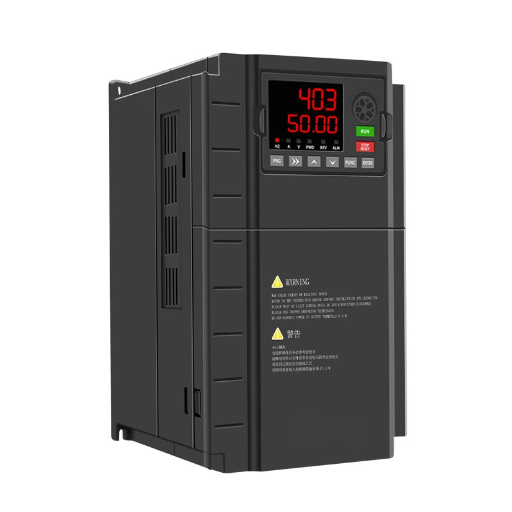
Frequency conversion means changing the frequency of electric power for specific equipment or applications by the power supply. It is done by frequency converters, which receive alternating current (AC) at one frequency and output AC at a different frequency, often while providing voltage regulation. Frequency conversion is a very important factor in matching regional power grids and machinery designed for other standards, such as 50Hz or 60Hz systems. Frequency converters facilitate the operation of several international systems at critical points. That is why converting frequencies is the vocabulary in the aviation, manufacturing, and renewable energy sectors.
What is Frequency Conversion?
Frequency Conversion is the term used to describe the changing of the frequency of an alternating current (AC) power supply to meet the needs of specific systems or equipment to become operational. This is done with frequency converters equipped with state-of-the-art technologies such as rectifiers, inverters, and solid-state components to precisely and efficiently change electrical frequencies. The need for frequency conversion stems from different power grid standards (mainly 50Hz and 60Hz), as well as from extensive industrial machinery that is mandated to run only within specified frequency ranges. The next-to-redundant applications of this technology are increasingly prevalent in frequency conversion for renewable energy, where it not only enables but also ensures stability and performance optimization in converting solar and wind power to the grid. The power semiconductor breakthroughs and progress in power electronics remain trends for advancing conversion efficiency and coverage of conversion systems that are grounded in a significant portion of the world’s industrial and energy systems.
Importance of Frequency Conversion in Today’s Industries
By enabling power systems with different frequencies to coexist, frequency conversion becomes an essential part of modern industries that need to ensure efficiency. The case in point is the sectors that typically use high-precision machinery, which require power supplies that are both clean and reliable for uninterrupted operation. Frequency converters provide the much-needed speed control for machines to operate optimally, in addition to reducing energy losses and mechanical stress. Moreover, the use of frequency converters is essential in the aviation and marine sectors, as they enable on-board systems operating at different power frequencies to be integrated, thereby providing uninterrupted service. The demand for frequency conversion technologies is still on the rise due to the massive shift towards electricity and automation. The figures on the matter indicate that state-of-the-art frequency converters have the potential to cut energy use by 30%, making them a significant contributor to energy savings and cost reduction in industrial applications. These revolutionary products are gradually becoming the cornerstone of productive, eco-friendly, and future-oriented operations across multiple sectors.
Overview of 60hz and 50hz Standards
The two 60Hz and 50Hz standards are the major power frequencies in the world and are a big deal for electrical systems, their compatibility with the equipments, and the energy efficiency. The frequency below 60Hz is most widely used in regions such as the United States, Canada, and parts of South America. It cycles at 60 oscillations per second. On the other hand, the 50Hz frequency, which is the standard in Europe, Asia, and most of Africa, cycles at 50 oscillations per second.
The frequency gaps, which are, in fact, the very root of historical decisions on infrastructure, are the consequences of engineering. Equipment designed for 50Hz can suffer from overuse or reduced efficiency when operating in a 60Hz system due to faster motor speeds and different operational parameters. The same is true for the 60Hz-optimized devices, which might heat up and deliver subpar performance on a 50Hz supply. This implies that frequency control via frequency converters is necessary for cross-border trade or deployment, as these devices play a crucial role in regulating regional differences.
Understanding 60hz to 50hz Frequency Conversion
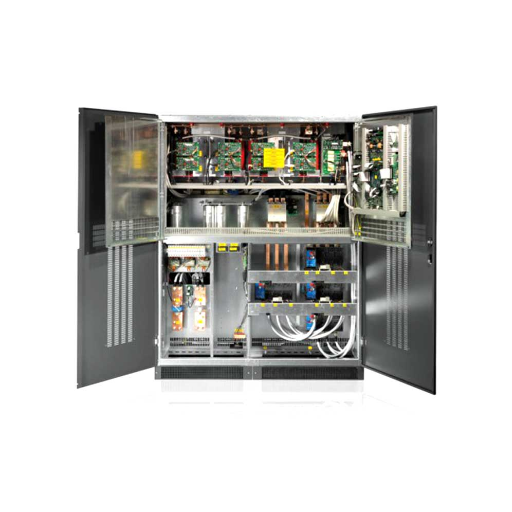
The conversion from 60Hz to 50Hz frequency requires a change to the power supply so it can be used by systems designed for 50Hz as well. Transmitting equipment, such as frequency converters, can be used to modify the supply frequency while maintaining voltage control. And the process itself is a must, because if the equipment does not operate within the frequency range specified by the supplier, it may suffer malfunctions such as overheating, inefficiency, and mechanical wear. When technological solutions are chosen to ensure the supply and demand match, the region is referred to as the market.
Why Convert from 60hz to 50hz?
The 60Hz-to-50Hz conversion is a common requirement to adapt equipment and electrical systems to the standard frequency of some regions. Some household and industrial equipment, and power networks in countries like Europe, Asia, and parts of Africa, are designed to operate at 50Hz. Suppose 60Hz equipment is used on a 50Hz power grid without frequency modification. In that case, the consequences can include performance below efficiency and even equipment damage, especially for equipment operating very close to the desired frequency, such as motors, compressors, and transformers.
Key Benefits of 60Hz to 50Hz Conversion
- Reduces electromagnetic interference in electronic systems
- Enhances system reliability and reduces operational noise
- Minimizes energy loss in long-distance transmission
- Extends equipment lifespan and ensures regional compliance
- Facilitates international operations seamlessly
Conversion is a dramatic way to lessen electromagnetic interference. It is a fact that many electronic systems are more reliable and generate less noise when they are in accordance with the local grid frequency. Furthermore, the 50Hz system is believed to have slightly lower energy losses in long-distance transmission from the 60Hz system, especially in high-voltage networks. Ultimately, the switch from 60Hz to 50Hz not only extends the equipment’s lifespan and helps the company comply with regional standards but also removes a barrier to international operations.
Geographical Differences in Power Standards
Internationally speaking, frequency power standards are commonly distinguished by two central systems: 50Hz and 60Hz. It is the 60Hz standard used in most countries worldwide, most notably in the Americas, with the United States, Canada, and a few parts of South America being the main users. On the other hand, the 50Hz standard has about 60% of the world’s population. It is present in Europe, Asia, Africa, and Oceania with a significant frequency. The historical development of the electric grid is the main reason for this division, as early engineering decisions across regions were the primary driver of the choice of frequencies.
The 50Hz vs. 60Hz dilemma is a historical issue, not just a historical issue. Still, both of these have been greatly affected by infrastructure and efficiency issues. As with all their advantages in small motors and electronics, the plant runs at 60Hz, as a system that predominates in the consumer market. In contrast, 50Hz is used for large transmission systems because there are fewer energy losses at this frequency. Such conditions reflect the geographical requirements of regions such as Europe and Asia. Mixing frequency standards within a particular region of the world poses additional compatibility problems. An example is Japan, where both 50Hz and 60Hz systems are simultaneously run in geographically distinct areas. The situations also demand that there be all these tasks involving resources and commitments to synchronize the grid and maintain interoperability among the equipment.
Equipment Requirements for Different Frequencies
The specific operating frequency of the power grid directly affects the design and operating specifications of the equipment connected to it. In a 50Hz system, for instance, the designs of transformers, generators, and motors have winding configurations and core materials that match the lower frequency to avoid overheating and other losses. In contrast, 60Hz systems, which are mainly used in North and South America, require much more precise components in terms of mechanical and electromagnetic power to keep up with their rapid frequency cycles.
Some equipment, such as synchronous motors and frequency-sensitive production machinery, may experience performance and damage issues if not on the same frequency. To solve this problem, the machines must be connected to frequency converters or transformers. Also, lighting equipment, such as fluorescent lamps, behaves differently at different frequencies, which in turn results in different flicker rates and light efficiency. On a worldwide scale, the trend towards more frequency-independent design of equipment, such as power-electronics-based and solid-state components, helps address the problem by making the equipment suitable for different frequency grids.
Regular Types of Frequency Converters
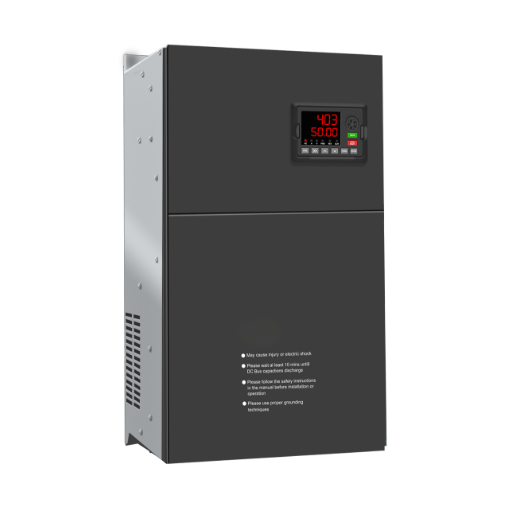
Static Frequency Converters
Using semiconductor devices such as power transistors and diodes, these converters shift the input frequency to the desired output frequency. They are highly efficient, small, and robust, so they are used across a wide range, including industrial machinery and renewable energy systems.
Rotary Frequency Converters
A rotary converter is a combination of a motor and a generator within a single system that mechanically transforms the frequency. Even though they are not as widely used now, they remain the best for applications that require very high power or the highest tolerance, such as aircraft engines and military vehicles.
Cycloconverters
Cycloconverters directly reduce the input power frequency without an intermediate DC link. They are excellent for low-speed, high-torque applications, such as large motors used in industries like cement and steel production.
Rotary Frequency Converters
Rotary frequency converters are electromechanical devices designed to convert electrical energy from one frequency to another using a rotating machine. These converters mainly consist of a motor and a generator, in which an electrical motor powers the generator to produce power at the desired frequency. They are widely used in situations where a constant, accurate frequency output is needed, particularly when solid-state solutions cannot meet the durability or power requirements.
The industry has witnessed an upgrade in rotary frequency converter technology, which has significantly increased output. Motor design and innovations in control systems are responsible for improved frequency regulation accuracy and faster, more efficient energy consumption. The converters are mainly used in the power supply market, where they cater to the erratic power supplied to aircraft systems, i.e., ground power units, and, in marine operations, aid in distribution and compatible conversion between onshore power stations and the ship’s electrical systems.
Furthermore, the impressive heat-radiation feature and reliability under extreme conditions make rotary converters the perfect solution for heavy industrial applications and defense applications that are highly sensitive to downtime. The converters can handle high power, and their overload resistance makes them ideal for specialized engineering when targeted conditions are met.
Static Frequency Converters
Static Frequency Converters (SFCs) are the standard term for electrical frequency changers that use solid-state components, such as insulated-gate bipolar transistors (IGBTs), to change frequency. On the other hand, their rotary equivalents have mechanical moving parts that do the job. This technology is based on the use of high-power electronics, typically built from IGBTs or other semiconductors, with end-to-end control of the output frequency, ensuring systems are not only efficient but also precise. SFCs offer significant benefits in their compact design, with smaller installation space requirements and lower maintenance costs due to the absence of mechanical wear and tear.
Systems of the specified type have many characteristic features, but the fact that they provide an unchangeable, undisturbed power supply is the most significant of all. Alternative fuel cells, as one of the renewable energy sources, can be analyzed, and the variable generator power can be adjusted to a grid-compatible frequency. Advanced means have been in use in the manufacturing industry, railway traction, and metrology fields, where frequency must be stable and under control.
The new fuel cell design has a strong point on the economic side of efficiency, but it reduces power quality. Many of the machines have flexible control systems that can be easily interfaced with the machine apparatus, providing a means to observe the machine as its load changes. Thus, the machines are now essential in the present-day electrical engineering industry.
Compare Common Types of Frequency Converters
Applications of Frequency Converters
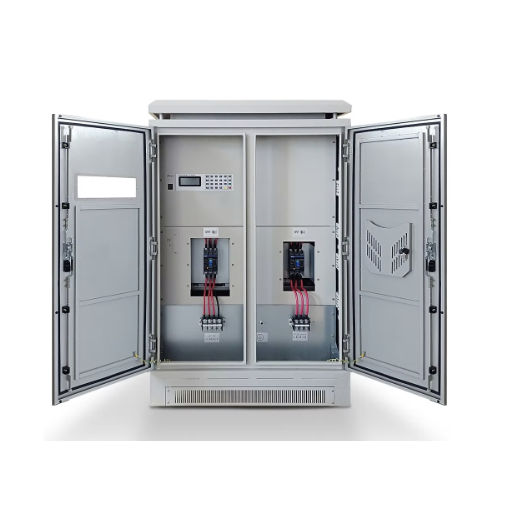
- Industrial Automation: It is common in production areas for the motor speeds of conveyors, pumps, and fans to be controlled, which in turn enhances production efficiency and reduces energy use.
- HVAC Systems: This kind of technology has made its way into the control of heating, ventilation, and air-conditioning systems, easing the adjustment of both fan and compressor speeds and enabling more efficient management of airflow and temperature.
- Renewable Energy: It is typically used in wind and solar energy systems to convert power inputs that frequently vary in strength into a steady frequency suitable for grid distribution.
- Transportation: That is the case for rail systems and electric vehicles, where the control of motor performance and the optimization of energy utilization are the tasks of electric drives.
- Aerospace: In the field of aircraft systems, they are employed for the purpose of managing electric motors very precisely, which eventually leads to the optimization of performance and even the reduction of weight and space occupancy.
Manufacturing Industry
The technological advancement of the world has been turned over to the manufacturing sector, which relies heavily on sophisticated systems to manage production and produce high-quality products. Variable-frequency drives (VFDs) take a front seat among all applications of advanced technology for varying motor speeds in manufacturing systems, while delivering the closest-to-zero-level deviations as an outcome and the least energy consumption among other cases. It has been thrilling for production that a man is not needed to wait for a part to be completed or to assemble it, as with the presence of automated control systems and robotics, that would always be the least of their concerns. Moreover, the implementation of IoT devices enables real-time monitoring and predictive maintenance, reducing equipment failure rates and maximizing output. Indeed, modern manufacturing operations become more efficient by leveraging machine learning algorithms that provide decision support to managers using historical and real-time data. Technology does not stop, and industry changes keep pace; hence, all efforts in the manufacturing sector are directed towards achieving sustainability.
Aviation and Aerospace
The aviation and aerospace sectors have not fallen behind in technological progress; at the forefront, they have continuously led innovation, advancing safety, efficiency, and eco-friendliness. One of the materials of the new era aircraft is composite material—carbon fiber, a polymer —lightweight and non-structural, resulting in significant fuel savings and reduced emissions. Furthermore, the up-to-date materialization of the existing avionics subsystems is achieved by implementing technologies such as fly-by-wire and advanced autopilot capabilities, which greatly benefit the operator by improving precision and reliability.
Recent advancements in aerospace propulsion technologies primarily focus on minimizing environmental impact. Take the example of hybrid-electric propulsion systems, which are considered a viable solution to the ever-increasing consumption of fossil fuels. The government agencies and private businesses, having taken up the challenge, have embarked on space travel that brings us to the very edge of scientific discovery. The birth of reusable aircraft projects has made it possible to perform space missions at significantly lower cost and more frequently, as well as to put them into low-Earth orbit. These are only a few of the creative alterations taking place in the aviation and aerospace fields, all on the path to sustainable expansion that culminates in new breakthroughs.
Renewable Energy Solutions
The fast rise of renewable energy sources has been significant in the fight against climate change and in meeting global energy demands. The use of solar, wind, and hydroelectric energy has been steadily growing due to the environmental benefits they offer. The conversion rate of sunlight into electricity has already reached more than 25% in some of the best-performing modern photovoltaic cells, a considerable increase from earlier standards. The wind is another form of energy that is showing remarkable development, to the extent that the size of the turbines installed in offshore wind farms is now up to 15 MW per turbine; thus, large energy delivery with minimal land use. Also, the use of water for hydroelectric power generation is being reshaped by new ideas such as pumped storage hydropower, which saves and delivers power more efficiently and can also help stabilize power grids.
The incorporation of innovative grid technologies is a further improvement for power distribution and management. Energy supply and demand are balanced efficiently, and distributed renewable sources are incorporated into smart grids through real-time monitoring and adaptive algorithms. The most recent data on it shows that a large share of the world’s electricity—over 30% annually—is currently produced by renewables, significantly advancing global net-zero emissions goals. These trends show that technology is the main driver of the transition to a renewable, carbon-neutral future.
Technical Specifications of Frequency Converters
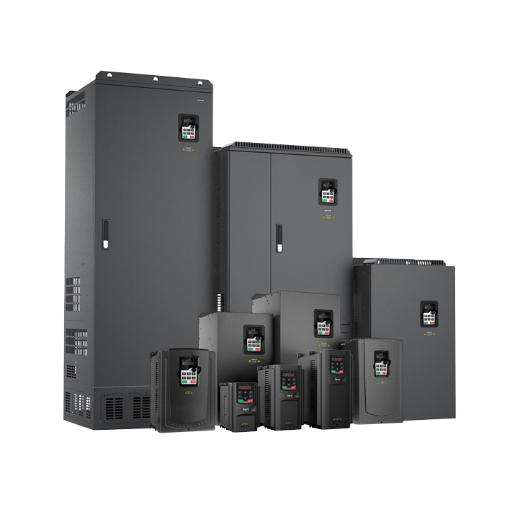
- Input Voltage Range: Usually, it would be between 110V and 690V, but it will greatly depend on the application and the design itself.
- Output Frequency: The user can change the setting to any frequency he might need, the range being from 0 Hz to 400 Hz, allowing the motor operation to be under a high level of control.
- Power Capacity: The power capacity can range from small-scale applications that need just a few watts to industrial use, which may require several megawatts.
- Efficiency: The most recent converters are designed to achieve up to 98% efficiency, reducing power losses during operation.
- Control Systems: The control system is coupled with smart algorithms like vector control or direct torque control that aid in increased performance.
- Protection Features: Includes overvoltage, overcurrent, and thermal protection to ensure reliable and safe operation.
Power Capacity Considerations
Considering the power requirements of applications, it is essential to examine both peak and average load usage to achieve optimal performance. Commonly used power converters in the low-power sector, such as those used in domestic electronics, typically operate below 1 kW. On the other hand, industrial systems frequently require converters ranging from several hundred kilowatts to several megawatts for the operation of heavy machinery and continuous work. The power density of converters has been drastically raised by the new semiconductor technologies, such as wide-bandgap materials like silicon carbide (SiC) and gallium nitride (GaN). The use of these materials allows for smaller yet powerful designs that do not compromise on efficiency or thermal management, two key aspects for high-capacity systems. Additionally, the design needs to consider the heat dissipation methods and the product’s scalability, which are the core factors for the potential of future upgrades in load capacity. By taking the necessary design steps, system operators can ensure system reliability and make the most of the power conversion equipment’s service life.
Efficiency Ratings
Efficiency ratings are significant for a power conversion system because they directly affect energy losses and operational costs. The efficiency ratings of modern power converters, especially those made with advanced semiconductor technologies such as silicon carbide (SiC) and gallium nitride (GaN), often exceed 95%. For instance, the DC-DC converters being developed for industrial use are so efficient that they can reach 98%, making them very green and reliable.
Frequently, under standardized test conditions, highly efficient systems receive ratings from industry certifications such as 80 PLUS. The ratings range from Bronze to Titanium, with each step corresponding to an even stricter efficiency level. For example, in the case of Titanium, it is required that the systems be over 94% efficient at 50% load; thus, they continually operate at peak performance, resulting in good performance even under varying operational conditions. It is imperative to use certified products, as they are directly regulated and are the only way to save energy in the long run, while meeting the requirements set by the authorities.
Compatibility with AC Motors and Equipment
To improve AC motors in today’s systems, one needs to ensure they are both compatible and high-quality. This is true for smooth operation and for the long life of the equipment. So, the elements used for selection should correspond to the motor’s voltage, current, and frequency, as well as the motor itself, to prevent potential performance problems. Advances in the motor drive field enable greater accuracy in speed and torque control, which is of utmost importance in applications where reliability is a significant factor, such as HVAC systems, manufacturing automation, and energy management.
It is also important to consider system design issues such as harmonics, power factor correction, and thermal management. For example, if there is high harmonic distortion, it can reduce the motor’s efficiency and cause overheating, so it will be necessary to provide harmonic filters and properly sized variable drives. Another thing electric motor manufacturers are doing now is producing NEMA Premium (IE3) AC motors, which significantly reduce operating costs, especially in applications with constant or variable speeds. The compliance between the components and the standards helps optimize system performance and thus reduce downtime.
Reference Sources
Power Converter for 60 Hz-400 Hz Bilateral Power Conversion
Summary: This study introduces a bilateral power converter capable of converting between 60 Hz and 400 Hz using a single power electronic converter.
Comparison of Solid-State Frequency Converter and Rotary Frequency Converter in 400Hz Power System
Summary: This paper compares solid-state and rotary frequency converters for 400 Hz power systems, commonly used in aerospace and marine applications.
Frequently Asked Questions (FAQs)
What is a 60Hz to 50Hz frequency converter?
A frequency converter from 60Hz to 50Hz is a device specifically designed to change the electrical frequency from 60Hz to 50Hz. This is necessary for devices that require a specific frequency to operate, as it enables them to run smoothly in areas where power is still coming in through a different source. The converter does this by changing the output frequency while keeping the voltage stable. Industries that operate equipment designed for 50Hz environments are the most in need of this type of power conversion. Furthermore, a static frequency converter can be employed, providing an even more reliable output. Understanding the demand for frequency converters is the first step toward making power sources across different regions compatible.
How does a 50Hz frequency converter work?
A 50 Hz frequency converter works by varying the frequency of an AC input so that the output is at a different frequency. In most cases, this is done by first converting the input voltage to DC and then inverting it back to AC with the required frequency. At times, this process may involve a transformer that steps up the voltage to deliver the levels needed for the application. The converter accepts either single-phase or three-phase systems, which makes it very adaptable to different power needs. The output is sinusoidal most of the time and is a pure sine wave, which is very necessary for the correct progression of very delicate electronic equipment. Being well-versed in the principles of frequency and voltage conversion is essential to apply the technology effectively.
What is the difference between a transformer and a frequency converter?
One of the most significant distinctions between a transformer and a frequency converter lies in their operating principles. A transformer is designed to alter the voltage level of an AC signal without changing its frequency, whereas a frequency converter essentially modifies both the frequency and the voltage of an electrical signal. For example, a transformer can reduce the 220V mains power while keeping the frequency constant. In contrast, a 50Hz frequency converter from 60Hz can perform both transformations and adjust the voltage up or down as needed. Aside from this, it is crucial to differentiate between the two, as frequency converters are useful when electrical equipment needs to operate at a different frequency range, e.g., converting 60Hz power to 50Hz for compatibility issues.
Can a 60Hz to 50Hz frequency converter be used for single-phase AC motors?
Of course, a 60Hz-to-50Hz frequency converter may still be connected to single-phase AC motors to allow them to operate in an environment where the frequency differs from their rated specifications. The use of this type of converter would require matching the output voltage and frequency to the motor’s requirements to prevent damage. In most cases, converters provide a pure sine-wave output, which is very important for the efficient operation of AC motors. Also, they are specifically designed for this purpose: single-phase frequency converters, so the devices can continue operating with a power supply other than the mains grid.
