
The demand for equipment and systems capable of handling the power frequency differences across regions has increased with the global nature of power systems. It is a fact that some countries are using the 60Hz power grid while the others are using the 50Hz one most of all, and this situation has caused major compatibility problems for the industries and infrastructure that rely on electric equipment. The 60Hz to 50Hz frequency converter proves to be a main factor in filling the gap thus enabling the sector to run without much disturbance and also completing energy consumption among standards. This paper looks into the technical difficulties and pragmatics of frequency converters, providing a deep understanding of the questions on working, necessity, and global operation support aspects. Whether one happens to be an engineer, technician, or business decision-maker, this user-friendly guide is it. You will, however, be able to have more control with the knowledge provided on frequency conversion, which will solve operational issues of various requirements.
Understanding of Frequency Converters
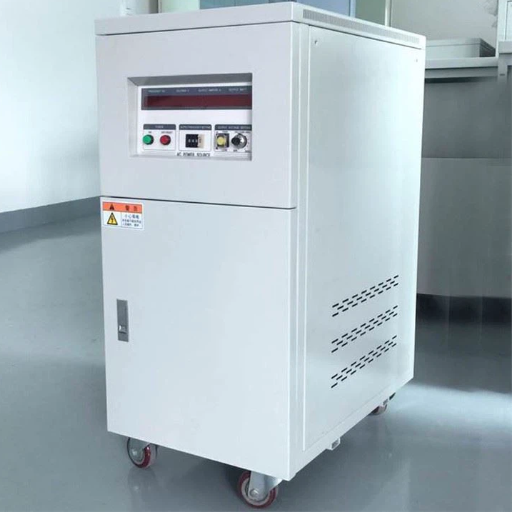
Frequency converters are tools that can change the frequency of the electricity being supplied. They are mainly used so that the equipment can be run at another frequency and thus the power source can also be different. This is very important especially, for instance, in the global business world where the norms for frequency are in the range of 50 Hz and 60 Hz and they differ from one place to another. Frequency converters may improve energy efficiency by adjusting the power frequency input, extend equipment life by reducing wear, and avoid operational glitches. These devices are widely used for supplying power to machinery which has been imported, controlling the speed of motors, and protecting electronics. They are indeed indispensable in the manufacturing, aviation, and renewable energy sectors due to their wide range of applications.
What is a Frequency Converter?
A frequency changer modifies the frequency of the electric power fed to machines; thus, it functions by controlling the speed and the performance of the electrical motors, and other devices connected to it. The converter gets the fixed frequency input power, which will be rectified into direct current (DC) by means of the rectifier circuit. Then, the DC power is converted back into alternating current (AC) at the frequency wanted by the inverter circuit. Advanced converters are supplied with complex control systems and programmable settings; therefore, to be able to regulate voltage and frequency outputs that ideally fit the application requirements, programming has to be done with a good precision.
Frequency converters that are used today are very contemporary because they are composed of IGBTs with high voltage levels. The IGBT’s functions are the highest efficiency, fastest switching, and least energy loss. Such converters are more about the power systems and less about avoiding harmonic distortion for the sake of them being very much of a luxury and a comfort. Continuously, some models come with built-in monitoring and diagnosis tools, thus making it possible for instant tuning errors removal and monitoring through continuous evaluation of their performances. By bringing the highest technology to the purchasing converters, it is being the case that they are used in various sectors that are all coming to pass not just, high-precision manufacturing, but also the renewable energy industry that is at the same time growing fast.
Importance of 60Hz to 50Hz Conversion
The reason for the 60Hz to 50Hz conversion need is in the differences in power grid frequencies around the world, which are greatly affected by the region. Countries having a 50Hz standard are, in most cases, in need of the imported equipment. This equipment has been designed for 60Hz. There is no quick fix unless conversion is done.. In this case, the same piece of machinery might suffer from less efficiency, bad performance and in the worst case break down unexpectedly due to not operating in the same way as the counterpart machines. Yet the frequency converter is the link that makes the 50Hz and 60Hz from the incoming main grid frequency, thus allowing the equipment to be used with the same compatibility without making major modifications to the equipment.
What is more, the changing of the power frequency is very important in the industries where the speed of the motor or the machinery is directly related to the frequency of power. If the high-efficiency frequency conversation systems are merged the companies can have the same performance as well as reduced equipment attrition and, at the same time, high energy efficiency levels. Such a feature is very helpful in many different industries like power supply, transport, and sectors working with the cross-border equipment usage and the places where globally distributed operations are a must, but still the whole system should be grid-connected and without the loss of any operations’ functionality or reliability.
Key Terms and Definitions
| Term | Definition |
|---|---|
| Frequency Conversion | Process of altering power frequency for equipment compatibility. |
| High-Efficiency System | Technology minimizing energy loss during frequency adjustments. |
| Operational Consistency | Maintaining steady performance despite varying environmental conditions. |
| Equipment Wear Mitigation | Reducing mechanical stress through controlled power variations. |
| Energy Efficiency | Optimal energy use with minimal waste during operations. |
| Power Generation | Production of energy for industrial, commercial, or residential needs. |
| Cross-Border Integration | Harmonizing machinery functionality across different power standards. |
| Functional Reliability | Assurance of consistent and dependable system operations. |
| Global Operations | Industry practices conducted on an international scale. |
| Power Frequency | The rate at which AC power oscillates in a circuit, measured in hertz (Hz). |
Technical Aspects of Frequency Conversion
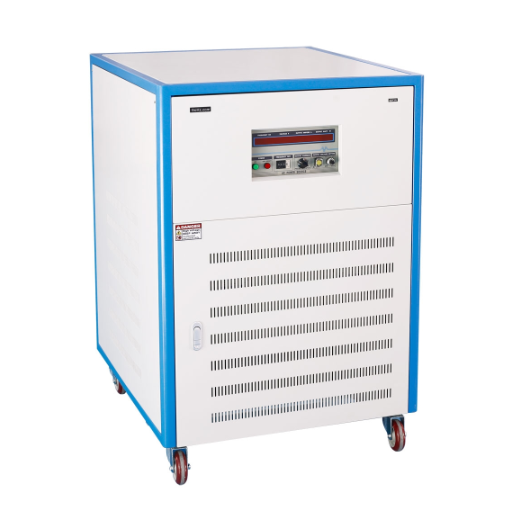
The electricity the world uses comes in two frequencies, so we need a way to change frequency to bring about standardization. The utilization of items such as rotary and state-of-art semiconductor technology enabled frequency converters serves as the gatekeeper to universal power access. Thus the major function of power frequency conversion is to ensure that the equipment runs processes within different power standards optimally. Power frequency conversion causes:
- Input and Output Standards: The input frequency of the supplied power is controlled and then converted into the frequency that is required as output. The conversion is usually finished between 50 Hz and 60 Hz, with a dependence on the regional requirements.
- Voltage Compatibility: The voltage transformation facility is, more and more, a valuable feature for the modern frequency converters as it ensures that both frequency and voltage are the same as required for full operation.
- Efficiency: The losses of energy in high-quality frequency converters are minimized, being a reason for their super operational efficiency.
- Reliability and Durability: Intended for the most part of their lifespan to be under day-to-day operation, the systems come with the safety measures that can protect them from initial overloads and fluctuations.
The ability to change frequencies accurately is essential for being able to trust that systems will not fail when used in multinational and globalized industries.
How Frequency Converters Work
Frequency converters work by taking their input electrical frequency and transforming it into a particular output frequency that can then be used in a variety of systems and devices. The main process is divided into three major phases. To start with, the input alternating current (AC) is transformed into direct current (DC) by the rectifier. This step is made to make the input that changes all the time to be stable and eliminate the variations of the frequency. Subsequently, the DC power is conveyed through an intermediate DC link, which often carries capacitors that smooth the current and reduce the ripple. The last phase is the DC that comes out from the converter and undergoes another conversion it is converted back to alternating current (AC) of an equivalent frequency and voltage by means of a converter, typically featuring an inverter that applies high-speed semiconductor switching elements like IGBTs (Insulated Gate Bipolar Transistors) for extremely precise control of the output wave shape.
Nowadays, frequency converters have brought an additional set of facilities to increase their performance and reliability, like built-in control algorithms that are good at dynamically adjusting the load, harmonic filters that flatten the electrical output noise to a minimum, and heating and cooling systems that manage to prevent heating up during long-term running. The more recent improvements have also embraced the digital protocolling, that is to say, you can now directly connect the frequency converter with a given industrial automation system where it will be monitored for its well-being in real time and diagnosed from a distance. With such capabilities, the frequency converters are sure to satisfy the requirements of demanding applications in different manufacturing, aviation and energy premises.
Types of Frequency Converters
| Type | Function | Applications | Key Features |
|---|---|---|---|
| AC to AC Converters | Changes AC frequency without conversion | Fans, pumps, industrial machines | High efficiency, simple operation |
| AC to DC Converters | Converts AC to DC for use | Electronics, power supplies | Stabilized DC output |
| DC to DC Converters | Converts one DC voltage to another | Batteries, renewable energy systems | Precise voltage regulation |
| DC to AC Converters | Converts DC to AC output | Solar inverters, motor drives | Sine wave production capabilities |
| Cycloconverters | Directly converts AC at variable output | Large rolling mills, marine systems | No intermediate DC link needed |
| Matrix Converters | Direct AC-to-AC conversion | Compact and efficient drives | Eliminates bulky components |
| Variable Frequency Drives | Provides variable speed and control | HVAC, conveyors, water systems | Advanced motor control capabilities |
Understanding AC and DC Power
AC (Alternating Current) and DC (Direct Current) are two of the most important and straightforward forms of electrical power with each having particular features and applications that are unique from each other. AC power changes its direction periodically and this makes it one of the prime perfect means of power transmission over long distances with the use of reduced energy losses. This through the means of transformers that can raise or lower voltage levels that makes it extremely efficient. AC is widely used in households, industrial plants, and commercial buildings as well.
On the contrary, DC power only travels in one direction all the time, which means it provides fixed voltage and current. Thus, it is used for making the power of electronic devices, batteries, and systems, where there is the demand for energy to be supplied precisely and with stability, such as in the telecommunication and computer field. Although the current flow of DC is less efficient in terms of covering long distances to where the energy is needed, various tech advancements like high-voltage DC (HVDC) systems have been easing this bottleneck progressively, and these systems are the elements that are shaping the Smart Grid of today.
The combination of AC and DC systems attests to the versatility and indispensability of each of these two kinds of power according to various types of scarce energy requirements. For certain examples of renewable energy sources, solar and wind, which generate DC power, DC to AC conversion is the choice route since this will make the power grid and applicability of the generated power much easier to control.
Applications of 60Hz to 50Hz Frequency Converters
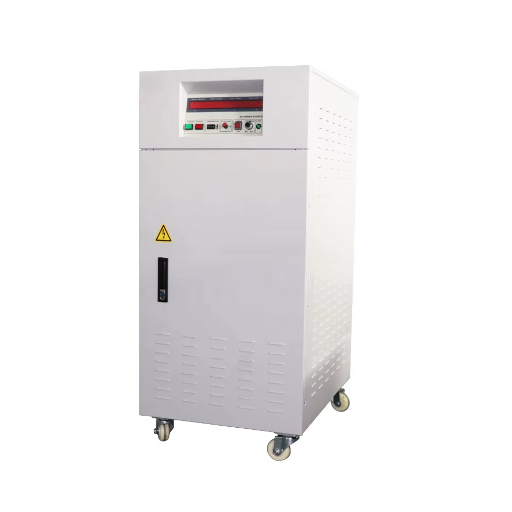
- Industrial Equipment Operation: The machine operating at one frequency (e.g., 60Hz) and being run in areas where the local power system has a different set of standards (e.g., 50Hz) without sacrificing its performance is the main idea behind the frequency changeover.
- Testing and Development: An example of how frequency converters are used is testing and development in manufacturing where they are used to simulate power conditioning for product testing and quality assurance to determine whether a product meets global standards or not.
- Military and Aerospace Applications: Frequency converters play a big role in the military and aerospace sector to power the sensitive and high-tech equipment and systems that are deployed worldwide or where there are frequency standards different from the country.
- Import/Export of Appliances: Manufacturing industries all over the world need the use of frequency converters, so that they can work under different power conditions and still be up to the product testing and quality standards.
Industry Use Cases
- Renewable Energy Integration: The process of applying alternative energy sources to renewable energy systems requires frequency converters. They are mainly needed in wind and solar power generation. The energy produced by these methods is very much dependent on the weather; that is why it is essential to convert the energy into a grid-compliant or storagable frequency. The latest in frequency converters makes it possible to accurately relate the grids, thus increasing the efficiency of the system and its reliability, and as a result, new trends in operation and control of the system from a renewable point of view.
- Manufacturing and Automation: Manufacturing plants have seen a paradigm shift towards frequency converters on account of their use in the automation systems. With the inherent motor, conveyor, and robotic equipment periphery as the focal point the plants may well be fitted with the converters. The application of the converters results in increased efficiency and reduced maintenance and operation costs in addition to the precise speed control and the related energy savings.
- Marine and Offshore Applications: In ships and offshore platforms, where the power supply has to feed different machines on different frequencies, frequency converters are the key element. They keep the main systems like propulsion, navigation, and auxiliary equipment running smoothly in the power-demanding environments of the ships and offshore platforms that have different frequency requirements.
- Testing and Simulation: Frequency converters are commonly the first choice for industries that do equipment testing or simulations. They are used to simulate a particular frequency condition with precision through tests, an important step to verify if a product meets the performance requirements of the targeted market or application and thus complies with the necessary standards.
Adapting Equipment for International Standards
A major step in globalizing an electrical device is across-region PS and total compliance with the electrical power frequency requirements around the globe, usually 50Hz or 60Hz, depending on the geographical area. The use of frequency converters is crucial in providing this kind of serviceability, as product makers can now build and carry out their equipment on the market without having to worry about the frequency. This is especially the case in the case of industrial machinery, medical devices, and aerospace components, which are to be operated in very strict compliance with the set normal operational specifications for getting safety certifications and to satisfy the usual requirements.
The latest development in frequency conversion technology is, introducing a voltage range that is both dynamic and a fast switching action, that has facilitated the growth of the need for power and reliability. The new designs are averting conversion losses with the output being constantly available, highly prioritized for the places that have a large volume of exchange. The adaptation of the present-day frequency converters allows the firms to profoundly change their processes and enlarge the market simultaneously, and at the same time meet the global standards not only in quality but also in the performance and life span.
Benefits of Using a 50Hz Frequency Converter
- Voltage and Frequency Adaptation: A 50Hz frequency converter will permit equipment designed strictly for one frequency standard to effortlessly work in areas with a different frequency standard. For instance, machines built for 60Hz environments will have no performance drop due to power adaptation when running in a 50Hz region, and it’s the same story with the lifespan. This attribute cannot be overlooked by manufacturers and exporters, who use power grid standards as a basis for their different markets.
- Reduced Energy Consumption: State-of-the-art converters operating at 50Hz have environmental- friendly energy use that is optimizable in advanced levels. The report in the industry confirms that the right frequency converters’ adoption can account for up to 25% less energy for operation thus 25% less-cost business investments that are operational.
- Minimized Mechanical Wear and Tear: One of the functions of these converters is to equalize the voltage and the frequency with high accuracy so that the effects on the sensitive parts will be minimized which are motor and generator parts. Therefore, less heat and vibration will be experienced by the machines, and in the end, equipment life will be longer.
- Enhanced System Stability: The power supply system will be much more stable by frequency converters as they cope with fluctuations, overloads, and harmonic distortions. Voltage and frequency can be real-timely adjusted to assure consistency in performance, especially in demanding applications such as medical imaging devices and the aviation industry.
- Compliance with Global Standards: The use of 50Hz frequency converters is beneficial as it allows commercial entities to make products meet the strict international requirements and standards, like the IEC (International Electrotechnical Commission) rules. By doing so, the products become more marketable since they are recognized as globally compatible, hence, minimizing the hindrance in the way of international trade, and at the same time, promoting market expansion.
- Scalability and System Integration: Regarding frequency converters, there is a long list of them that have the flexibility feature so one can build the system from scratch in line with their existing electrical installations. There are always the control units with advanced features and probably IoT (Internet of Things) features as well, which make it possible for the entire process to be monitored from a remote location and necessary changes to be done in real time in case of a large industrial production.
Choosing the Right Converter
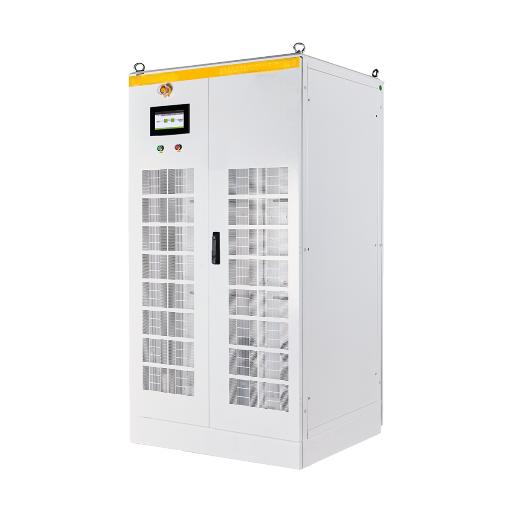
Choosing the right frequency converter involves taking into account some of the main factors which will guarantee the best performance and compatibility in your system. Make it a point to estimate the power needs of your application, which will involve the specifications of the voltage and current, along with the frequency. Also, verify whether the converter is capable to bear the necessary load and the kind of motor or equipment being controlled. In addition, evaluate the product from the standpoint of feature qualities such as efficiency ratings, integration capabilities and the protections provided against overload and voltage fluctuations
If you need to scale your system or do remote management, you should evaluate converters which have IoT features and are provided with high end control options. Finally, check whether the converter has all the necessary relevant industry standards and certifications for the sake of reliability and safety. Getting a converter based on these set criteria will ease the integration part and also give you a more efficient operation in the long run.
Factors to Consider When Selecting a Frequency Converter
- Power Capacity and Load Requirements
Analyze the power potential of the frequency converter and see to it that it corresponds to the power demands of your particular system. Differences in capacity or power between the converter and the operational demand can result in low efficiency or even device failure. For instance, high-power-rated converters are usually specified from 0.5 kVA to over 2,000 kVA for the purpose of managing heavy-duty machinery. - Input and Output Voltage Compatibility
It is very important to check if the input and output voltage ranges of the converter match the system’s specifications. Voltage-fed frequency converters commonly deal with voltage levels like 110V, 230V, etc., as the case may be, where the unit is used. - Frequency Range
One needs to guarantee the instrument to operate from the desired frequency range, e.g., converting from 50 Hz to 60 Hz and vice versa. Some applications, such as aeronautics or defense systems, could use special frequencies like 400 Hz. - Efficiency Ratings
To enlarge the energy liberation and lower the temperature of the working device, it is advised to survey the efficiency value of the item under study in the main frequency converter scale that is usually expressed as a percentage. The ideal units are those with a very high percentage of efficiency (>95%), and they are highly recommended, particularly in the sectors that are energy-intensive, in order to reduce the costs of the installed capacity considerably. - Cooling Systems
The operation of the frequency converters also results in the generation of heat, which means losses. Look and identify if the chosen unit features either air or liquid cooling and make sure that it can be effectively operated in your ambient conditions and under your set load levels. - Environmental Conditions
The transition to a digital environment includes the realization that environmental factors like heat, moisture, and contact with dust or chemical agents cannot be totally eliminated. It, hence, seems logical to opt for such converters that are of the IP-rated type (e.g., IP54, IP65) for the processing industry, as they will then withstand this situation with a low level of maintenance and thus with durability and their attendant advantages to the entire other system. - Control and Monitoring Functionalities
Upgrade your operational flexibility with the adoption of several cutting-edge elements like the ability to monitor the system in real-time with IoT, remote control options, and the running of the converter with the help of software integration. The most important step is always to find out if they harmonize with your current systems and settle down where required to do so in the installation process. - Harmonic Distortion
Take into account the harmonic distortion requirements that are normally determined through Total Harmonic Distortion (THD) testing. Choose a converter that produces THD values less than 5% as an increase in this value might damage electrical appliances connected to the system.
Cost vs. Performance Analysis
When conducting a cost versus performance evaluation of power converters, it becomes crucial to evaluate the initial cost along with long-term efficiency. The leading-edge converters with great features like heat management that is optimized, low harmonic distortion, and improved control capabilities with the aid of the latest digital technologies normally come with a higher price tag. The higher price not the less, such units tend to save the customers a notable amount of money through the years in terms of reduced power loses, better reliability as well as lower maintenance costs. Furthermore, analyzing the indicators of efficiency percentages (with the goal of systems over 95%), operational lives, and repair costs can ultimately provide an understanding of the total money spent on owning the system. Hence, for instance, the less expensive units could cost less in the beginning but also be the reason for dependability issues, increased downtime, and greater frequency of replacement. With the transformation of the performance goals to be more clear, when the estimated lifecycle cost is projected and the performance benchmarks are also given, it is possible for the ones that make the decisions to come up with a solution that meets both the financial limit and the operational efficiencies.
Installation and Maintenance
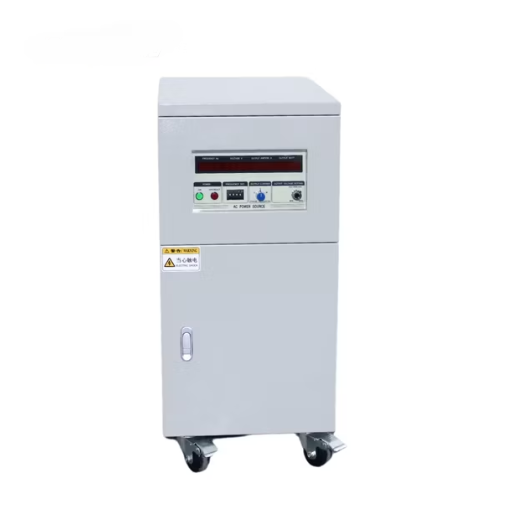
It is really important to make a proper installation and to compare various trades on long-term performance and grade. To begin with the very exact guidelines of the manufacturer for the installation, which also includes doing some site evaluations before the installation, should be followed. Then, it is also highly recommended to have the proper tools and materials so that no faults will be introduced to the unit. For maintenance, which usually includes cleaning, inspection, and component replacements as specified, follow the suggested service intervals. Monitoring the performance of the system regularly can help to recognize problems early and thus reduce the downtime and repair costs to a minimum. Keeping a very close record of all the maintenance done makes sure that you are meeting the terms of the warranties as well as being able to have better planning for the servicing in the future.
Installation Guidelines for Frequency Converters
The installation of frequency converters in the right way not only guarantees supreme performance and conformity to all safety norms but also extends the lifespan of the equipment. The compliance with the environmental requirements should be looked at, i.e., the need for a site with good air circulation, temperature regulation (commonly in the range of 32°F and 104°F, or 0°C to 40°C), and shielding against dust, liquid, or toxic gases. The base of the converter must be fixed, and the place should be free from vibrations to prevent any mechanical stress.
With electrical installations, always rely on the manufacturer and the standard requirements for the gear. In this regard, for instance, IEC 61800-5-1 or NEC Article 430 is commonly referred to and so the connection must follow their requirements. For the power input and the motor output, use the same-rated cables, and see to it that the widths of the conductors match the current loads, this way, you will be neither heating nor losing energy. Earthing is at least as important and always to be done in compliance with the local rules, as it serves multiple purposes – reduces the risk of electric shock to people and animals, is a preventive maintenance measure, and gets most of the energy consumed by the equipment from the outputs back to nature.
Besides, it is judicious to equip the system with a sufficient number of filters and line reactors if it is frequently affected by electromagnetic interference (EMI) or voltage spikes. The primary goal of this is to safeguard the valuable components of the connected equipment, and furthermore, to diminish the possibility of the control systems suffering from communication failures. And lastly, before putting the system into operation, a complete pre-commissioning check must be carried out to examine the wiring, software configurations, and parameter setups for correct operation. By giving such advices, the faults can be avoided, the energy can be used in an efficient manner and the long-term reliability can be supported.
Regular Maintenance Practices
Conformance to routine of maintenance practices is a must to make sure that a system remains function, and at the same time, secure and energy-efficient. First and foremost, the scheduled inspection and servicing should categorically be structured to a rhythm that suits the maker’s instruction as well as the operational requirements. In an electrical sense, the continuous testing of insulation resistance, circuit breakers, and grounding connections has to be done as an indispensable measure to avert wear or environmental-based failures. The flow of air can be made more efficient, power consumption can be made smaller and the life of a piece of equipment can be made longer by a mere task like changing or cleaning the system’s air filters on a regular basis.
For mechanical components, it has been shown that regular lubrication of the moving parts following set intervals reduces wear mainly due to friction and hastens the life of the operating system. Also, differential analysis and the use of infrared cameras can point out the minor defects in the mechanical system or the overheating of the system, thus giving time for performing corrective actions. Moreover, with the help of the maintenance people recording in the right place the major details and performance indicators, soon afterwards that monitoring system of the entire plant becomes the most valuable asset. By following these maintenance strategies and taking advantage of the new diagnostic tools, large facilities and factories are more likely to be up and running since they will be able to operate exactly as they would under maximum efficiency conditions.
Reference Sources
- Comparison of Solid-State Frequency Converter and Rotary Frequency Converter in 400Hz Power System
This IEEE paper compares different frequency conversion technologies, including their application in 50Hz and 60Hz systems.
Access on IEEE Xplore → - Power Converter for 60 Hz-400 Hz Bilateral Power Conversion
This article discusses a bilateral power converter that includes 60Hz to 50Hz frequency conversion as part of its operation.
View on IEEE Xplore →
Frequently Asked Questions (FAQs)
What is a frequency converter 60Hz to 50Hz, and how does it work?
A 60Hz to 50Hz frequency converter is a piece of electronic equipment that can alter the frequency of alternating current (AC) from 60 hertz to 50 hertz in order to meet equipment needs. The incoming AC is typically converted to DC and the DC is then converted back to the required AC at 50Hz by means of power electronics and control algorithms. Such converters are generally equipped with features of voltage matching and/or phase conversion to guarantee that they operate safely together with motors and sensitive devices. Moreover, most of the designs have filters that help to reduce harmonic distortion and at the same time offer protection against transients.
Can I use a frequency converter 60Hz to 50Hz for motors, and will motor speed be affected?
Certainly, the motors will require a frequency converter 60Hz to 50Hz, and the power will vary in a corresponding manner to the frequency, usually, a 16.7% reduction. If such a converter is used, the motor would demand a change involtage to deliver the same torque, hence, voltage matching and drive configuration. Applying the voltage at the converter may be done through one of the various torque compensation and ramp control methods, which is necessary to avoid motor protection during initial operation and load changes. It is necessary to worry about forced-air cooling and also motor insulation class, which could cause insulation breakdown if not taken into account, when changing frequency of induction motors, since the temperature at which the motor cools is higher in this situation.
What are the common applications for a 60Hz to 50Hz frequency converter?
Frequency converter 60Hz to 50Hz is a device having a fixed input of 60Hz and a variable output that can be adjusted in increments to 50Hz. The mentioned device has a very common use in the running of machinery operated from abroad in regions with varying mains frequencies, making testing equipment for the global market, and adapting power for scientific instruments. It is widely employed by the industry for such applications as building up pressure, transporting things, etc., where very exact speed control and phase change are essential. Minor, temporary or long-term types of installations are chosen according to the demand for either mobility, the need for not using much of the floor space, or other factors. In the single-phase and trying to decide between three-phase converters to purchase like single-phase converters.
How efficient are frequency converters, and what about energy losses?
It is usually the case that frequency converters from 60Hz to 50Hz have a good performance but, however, in this case still lose energy in the rectification and inversion stages, where the losses can have a range of 90% to 98% depending on the design and load. These losses are going to be in the form of heat, and therefore it is very important to have an efficient cooling system and also to keep the place well ventilated for the charger to work efficiently and have a long life. Converters that are top-notch make use of the best switching devices and the finest control firmware that are optimized to keep the losses the minimum for both the switching and conduction stages. It is also true that the harmonic distortion mitigation and the power factor correction works together with the high-performance converters to achieve the overall system efficiencies as well.
