
Static Frequency Converters (SFCs) are really important and play a major part in the successful and consistent operation of gas turbines thus making them a significant element in power generation facilities and manufacturing operations. By acting as a mediator between the stationary and working conditions, SFCs assure the smooth starting of gas turbines by providing regulated, variable-frequency power that also minimizes mechanical stress and supports the working efficiency. The main purpose of this article is to offer a comprehensive knowledge of SFCs’ modes of operation, their technological background, and the invaluable factors they provide in multiple industrial contexts. If you are an engineer, an energy professional, or simply an individual who is into advanced energy systems, yet wanting to learn more, this manual will explain the importance of the SFC technology and its vast applications in the improvement of performance, concurrency, and energy saving.
Introduction to Static Frequency Converter

Static Frequency Converters (SFCs) are utilized in the electrical field in order to convert power from one frequency to another. The ultra-modern devices feature advanced electronic technology that presents the power in the form of input with a DC stage, which is then fed to the desired frequency through an AC output. Static Frequency Converters (SFCs) are actually some of the widely used devices in the industry that demand high-frequency precision such as air space, rail transport, and production. Moreover, SFCs come along with some advantages for the electrical equipment; on one hand, they reduce operational costs by matching equipment power loads and on the other, they contribute to the energy transition, enabled by the utilization of lower frequencies than power that is generally produced. Apart from mechanical power sources’ limitations, SFCs can be found as the sole applicable power solution, their dependability and flexibility being major differentiators between the systems.
Definition and Overview of Static Frequency Converters
Static Frequency Converters (SFCs) are cutting-edge electric devices that can be used to change a power frequency value from one to another without any mechanical components. They work without any mechanical components but with the help of the solid-state electronics, which are based on semiconductor technologies, mainly on Insulated Gate Bipolar Transistor (IGBT) to realize exact and efficient frequency conversion. Up-to-date SFCs are manufactured to work smoothly over a wide frequency range of input and output, hence catering to the different industries’ specific needs. In a specific example, by using SFCs they have managed to solve the problem of the power shortage in the cities between 400 and 600 Hz, and this problem had been solved by aerospace and defense applications which was the cause of power interruption, in addition to their power factor improvement, and reduction in harmonic distortion up to 30-40%.
Role of SFC in Gas Turbine Systems
Static Frequency Converters (SFC) are important in controlling gas turbine plants as they ensure that the turbines start and synchronize precisely. The main advantage of all SFCs is that they have been able to get rid of all the problems in running gas turbine and generator, at the same time they provide the required variable frequency and voltage to the electric motor which is coupled to the gas turbine and make this acceleration in a very smooth way. The SFC is excluded when a turbine comes to the desired operating speed, and thereafter, the turbine is run independently.
Moreover, Synchronous Frequency Converters (SFCs) are helping very much with grid synchronization. They do that by tuning the frequency, the phase, and the voltage of the turbine to be just the same as that in the power network. This synchronization is crucial since any mismatch can result in failure or damage to the equipment. On the other hand, one of the things that most people in this industry don’t realize is that power electronics (PE) is the main reason behind the higher T&D losses in the distribution system and that there is a huge opportunity in front of us if we want to go for PE generation. Modern SFCs have features like low cost, light weight, and high efficiency; therefore, they are becoming more and more popular in the energy field, particularly with distributed generation.
Importance of Frequency Converters in Modern Energy Systems
Frequency converters are the cornerstone of next-generation power systems, facilitating energy-related matters like operational flexibilities, energy savings, and cost reductions. One of the benefits of such devices is their ability to save energy with their electric motor speed-control. They pare down the power required of different processes in industries, and in the long run, they reduce the operational hours and hence prolong the equipment life. With the arrival of the new high-tech devices, like VFDs (variable frequency drives), they have become even more significant for the success of the renewable energy systems, especially in the wind and solar fields. The use of renewable energy sources, since one of their major disadvantages is the fluctuation of power, depends very much upon advanced frequency converters delivering power in the form of AC from electric machines, according to this method, which is also how power lines deliver power.
Moreover, continuous converters play a critical role in some of the most power-intensive applications like HVAC, mining, and electric grids, where power control and adaptability have to be seamless. Their capability to handle regenerative energy by returning the surplus power to the grid is just one more step toward sustainability and it is completely in line with the aim of global decarbonization. The development of the latest solid-state technologies and wide-bandgap semiconductors has significantly amplified their capabilities, and the same goes for their use in the regulation of power in large-scale and high-power environments. Underneath these features lies the irreplaceable role of frequency converters for cleaner, smarter, and more resistant energy systems driving.
Working Principles of Static Frequency Converters
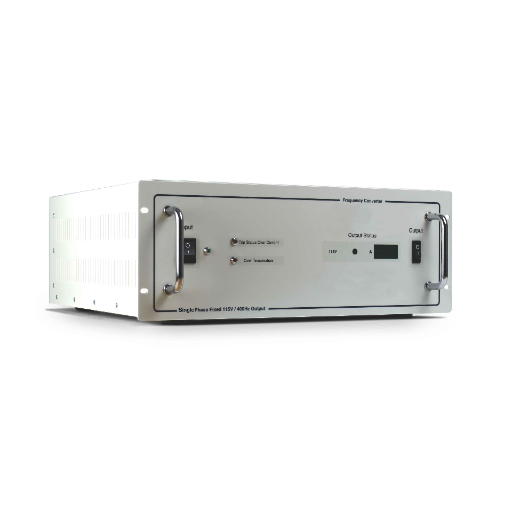
The way static frequency converters work is by making adjustments to the power frequency. This is done to connect the power with equipment or systems with a different frequency that is required or matched. The operation of these converters is based on three main steps that are extremely important:
- Rectification: AC input to the unit is fed through a rectifier which turns it into DC. Thanks to this process, a solid and regulated DC supply is established, and thus, it becomes the starting point for the next manipulation.
- DC Link: The DC output after rectification is first regulated at a certain level and then is held in a DC link. Usually, there are smoothing capacitors or inductors installed in the stage to make sure that there are no supply chain issues, and thus, the voltage level is kept constant as well.
- Inversion: The DC output from the previous stage of conditioning is converted back to AC at the desired frequency by an inverter. Now the AC output frequency can be shifted to the load’s requirement and therefore ensure the load gets the full play as per the specification.
These converters are very much needed in the case of custom frequency output-dependent applications like motor control or renewable energy systems and are highly efficient and reliable throughout all sorts of operating conditions.
How Static Frequency Converters Operate
Manipulating the frequency of alternating current (AC) using moving parts is not the only solution; static frequency converters use top-notch electronic components and time-based control. It is a process that continues in the field of AC-DC conversion, where the incoming AC power is changed to DC voltage in rectifier mode. The rectifiers used in this case can be such as silicon-controlled rectifiers (SCRs) and insulated gate bipolar transistors (IGBTs) delivering a high-power factor significantly and operating at a fast switching rate under any load conditions.
After the correction, the network has been improved with an efficient DC-link filter composed of capacitors and inductors to reduce ripples and provide a stable voltage. The pure DC output is the backbone of the inverter conversion stage, where the DC power gets converted back to the AC at the required frequency and voltage. The pulse-width modulation (PWM) techniques have been well established in modern inverter designs to achieve very high accuracy and little harmonic distortion in the output waveforms.
During the operation, highly advanced digital control systems regularly track the parameters fed into the system, the load it is pushing against, the speed it is running at, etc., and make changes to the system to keep it efficient. Besides this, the systems give protection against voltage exceeding normal, too much current flow, and overheating, thus making static frequency converters, and also being versatile and reliable. Astronautics, wind turbines, electric cars, and other industries are the most common applications of this technology as they value the very high performance, the wide range of power and frequency it can accept and generate, and at the same time, the great adaptability it offers.
Key Components and Their Functions
Understanding the Excitation Process
The excitation system of the electric motors is a major aspect that involves the supply of magnets to the machine, which is usually an alternator or a motor, to make it run. Minimized magnetic flux distribution is achieved through the field windings by having an excitation current that is under the control of the different field currents being sent out by the controller and flowing in the opposite direction to the main current. The excitation is regulated precisely as the operator influence on system operation and systems such as voltage and reactive power can be arduously high.
The new equipment used these days for generating electricity uses some kind of propulsion, like automatic voltage regulators (AVRs) and computer feedback loops, to ensure stable and effective systems. And those systems will change the exciter current automatically under load or system changes, keeping the system at its best performance and thus preventing the chances of voltage shocks or surges/ The application of digital control and fault detection systems will also improve the system reliability to a great extent by controlling any operational deviations in real time.
Excitation systems can be divided into two main categories: static and brushless. The power needed for the field current of static excitation is directly fed from an external source, whereas brushless excitation implements a rotating exciter that does not require brushes and slip rings. For the most part, these two types of excitation systems are created to meet different application needs, such as those found in the production of electricity and the distribution of power. Both will have made it their primary goal to be both efficient and robust at the same time.
Applications of Static Frequency Converter
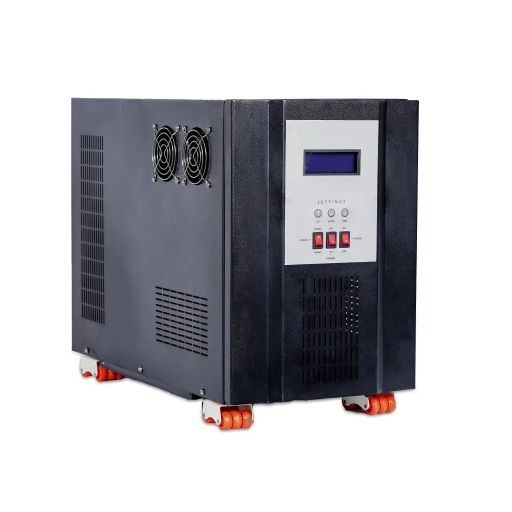
Static frequency converters are the go-to resource for changing the electrical power frequencies to the targeted applications. There are several areas where the technology is mainly implemented:
Aerospace and Defense
One of the most common examples is the 400 Hz power coming from the converters that is a must for warplanes, battleships, and air defense radar, thus making them fit available and helping to keep them functional and ready.
Industrial Equipment
A good many industrial systems make use of static frequency converters for the purpose of trying the machines or to produce the dirty power.
Renewable Energy Integration
They are responsible for bridging the power from renewable sources like wind and solar energy and the grid that operates on different frequencies.
Transportation
Frequency converters are widely adopted in rail systems where they adjust the power for the trains thus, optimizing the system performance and ensuring compatibility with electrical infrastructure.
These areas emphasize how they are indispensable and how they are able to facilitate bridging the different frequency needs in multiple areas simultaneously.
Common Applications in Gas Turbine Systems
- Power Generation
Power plants extensively implement gas turbines for electricity generation. In these systems, the use of frequency converters allows for the synchronization of the output power with the local grid requirements, which in most cases is 50 Hz or 60 Hz, depending on the region. To give an example, in the combined-cycle power plants, the presence of precise frequency control not only provides the very basis for the highest energy efficiency, but it also allows reaching thermal efficiencies so high that they exceed 60%. - Aviation Auxiliary Power Units (APUs)
Smaller gas turbines are also involved in the aviation field for APUs, which provide the energy for electrical systems only when the main engines are not used. These turbines are especially used for frequency conversion to 400 Hz, which is the standard in the aircraft electrical system, and they have a big impact on the reliability and the ground operations consistency. - Marine Propulsion Systems
Marine applications depend a great deal on gas turbines, like naval ships and cruise liners, and are usually joined with electrical propulsion systems. Frequency converters enable the propulsion motors to be run at varying speeds hence cutting the fuel consumption and improving the maneuverability of the ship. Thus, for example, the power outputs of the most recent gas turbine propulsion systems combined with frequency converters can be anywhere from 25 MW to more than 150 MW. - Oil and Gas Sector
Gas turbines are generally used to power the compressors and pumps in the oil and gas industry. In these applications, the frequency converters are critical since they allow the systems to operate at different speeds according to the requirements of the process. This variability makes the operations of extraction, liquefaction, and transport more streamlined. - Peak Load Management
The use of frequency converters with gas turbines is a standard method of peak load generation. When they are turned on or off quickly, on the one hand, these systems stabilize the grid performance, and on the other hand, they reduce the risk of blackouts during periods when the demand goes up and down. The response time to full load is usually under 10 minutes for the newest gas turbines to be started up. - Industrial Cogeneration (CHP)
Gas turbines play a crucial role in industrial facility systems that use combined heat and power (CHP). The changing of the frequency assists in the successful incorporation of the use of both electrical and thermal energies, which is the way to get the most out of the resources. These systems are able to generate power and produce heat at the same time, attaining an overall efficiency rate of 70% or even higher.
Use in Other Industries for Enhanced Efficiency
There is no doubt that gas turbines have now become a must-have tool in all sectors of the industry due to the fact that they are very efficient and can be adapted to many different situations very easily. Due to the perfect example of the oil and gas sector, gas turbines are widely used for natural gas compression and power generation, which in turn facilitates the company’s operations in a more profitable manner with less downtime. This turbine is very efficient in the midstream operations, especially in one of the most valuable parts where smooth performance is most required in the industry.
Moreover, gas turbines are also used as a ship propulsion system and are generally much more compact yet more powerful compared to conventional engines in the marine sector. This level of power-to-weight ratio is key to flexibility and these gas turbines have got it. They are compatible with the main and running conditions of vessel loads and they can also be used in the medium speed gearbox configuration.
Moreover, the capabilities of aero derivative gas turbines are on a constant rise, and it is this advancement that has made them suitable for use in the aviation industry by the provision of a very high thrust-to-weight ratio, which is a necessity for the propulsion of aircraft. Not only does the use of such highly efficient turbines lead to the saving of fuel, but it also paves the way for a reduction in emissions, thus making it compatible with global sustainability strategies, and also means of cutting costs at the same time.
It can be said that the gas turbines, through substantial upgrades in the materials used and in the control systems, have started to fill the gap between high performance and environmental friendliness, thus enforcing their position as the most wanted technology in the broad-ranged application fields.
Benefits of Using SFC in Gas Turbine Systems
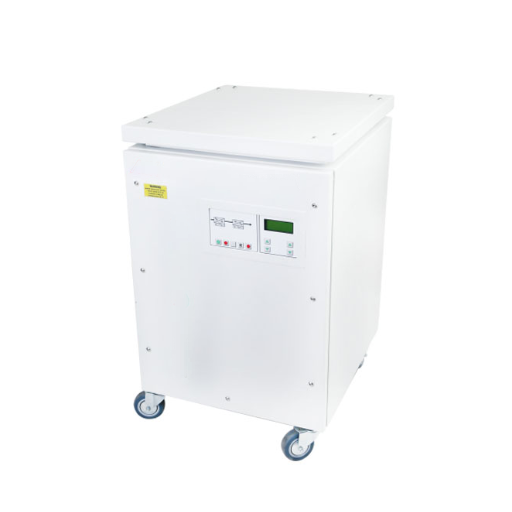
✓ Improved Efficiency
By means of a static frequency converter for gas turbines these plants will follow the same path to energy efficiency, already taken by hundreds of solar plants.
✓ Reduced Mechanical Stress
SFC will not only lower mechanical stress connected with wear and tear but also result in less turn down during maintenance and higher scheduling flexibility.
✓ Enhanced Reliability
Faulty turbines, losing power during the day and eating too much fuel are some of the issues that can be easily taken care of by SFC.
✓ Cost Savings
The lower long-term operational costs are a consequence of the decreased maintenance and the operational advantages that SFC provides.
✓ Flexibility
It is possible to achieve compatibility with different grid conditions through SFC, thus the gas turbine systems can be steadfast in their adaption to varied environments and applications.
Improved System Efficiency
The modern technology that employs the advanced system design allows the load management capabilities to improve significantly. Thanks to the new technology that enables accurate and immediate power output monitoring and alignment with the demand changes. An illustration of this is the use of adaptive algorithms in control systems that help the energy production to be a close match to the load. This will indeed result in lower inefficiencies, lower costs of operations, and a bigger reduction in the prices of electricity.
On the other hand, in predictive analytics, it is one of the great tools of everyday operator jobs, and many times it is this killer feature that will attract managers, not the price at which the equipment is sold or purchased. Through the preventive optimization of the system during demand upsurges or tapers, operators can profit from predictive analytics, making the system performance ideal and hence averting the dangers of overloading or under-utilization. These changes, by all means, contribute to the stabilization of the energy supply, at the same time, making the energy generation process more environmentally friendly by conserving fuel. In the long run, the systems become more efficient, operation-wise, and more expensive, but at the same time, environmentally friendly.
Enhanced Startup and Operational Performance
The start-up Efficiency and operational performance of energy systems have seen a significant uplift, driven by modern innovations in automation and control systems that have greatly improved start-up efficiency & the ongoing operational performance. With the use of the very latest adaptive control technology, the systems can now calculate and tune major variables automatically, assuring the performance at its peak irrespective of the operating conditions.
In the instance of turbines, the time taken for start-ups has been considerably shortened and has been made more reliable thanks to the highly accurate monitoring of critical factors such as pressure, temperature gradients, and fuel injection rates. The very high history of operation, as well as the use of machine learning algorithms, enables the detection of inefficiencies and anomalies in an earlier state by the systems, thereby reducing downtime and making predictive maintenance services easier to provide. In addition to ensuring a higher overall system reliability, these developments also greatly increase the lifetime of the equipment and thus save costs and make energy production more sustainable.
Reduction of Energy Losses and Costs
Innovative energy management systems combine the use of sophisticated control algorithms and the application of real-time monitoring technologies to a level where energy losses and costs can be significantly minimized. The utilization of VFDs in motors and pumps ensures an energy output that is closely positioned to the demand, thus efficiency is highest. Thermal imaging and heat mapping tools also facilitate very precise detection of the points for energy loss, especially in the industrial process, and hence targeted interventions can be made. One source informs that the application of these solutions can lead to energy consumption savings of 20-30% in manufacturing plants which can result in cost savings in the long run. Moreover, based on the same case, aside from being sustainable, still, the use of energy storage systems like lithium-ion batteries or next-generation solid-state technologies offer a way of using the power most efficiently by storing the extra power produced during the non-peak periods. Ultimately, the measures place a manufacturer on the path of achieving current sustainability views of lower carbon emissions and lower operating expenses.
Technical Features of Static Frequency Converters

- Frequency Conversion
SFCs modify the frequency of the input as required by the precise operational conditions, which permits the use of a wide variety of equipment. - Voltage Regulation
They keep the output voltage level constant, so the operating systems are at their best, and the risks of equipment failure are kept at a minimum level. - Energy Efficiency
The advanced technologies use power in the best way possible and this causes minimum power losses during the conversion stage thus the most economical operation is supported. - Compact Design
There is a significant number of SFCs that are being produced with the main focus of having a more compact and modular design, which eventually leads to installation and maintenance being done efficiently in almost all places. - Advanced Control Systems
The use of digital controls and monitoring systems is one of the key factors that have made it possible for the manufacturers to increase the precision, reliability, and ease of use of the SCFs which ultimately makes the data and diagnostics available in real time for the improved operation of the system.
Specifications and Design Considerations
- Power Capacity: In terms of energy, SFCs are the equipment that can bear power in a large range that is often classified by kilowatt (kW) or megawatt (MW) ratings and that could be used for both small and large scales of industries. For power requirements, the exactness of the load estimation is of utmost importance to be able to select the corresponding configuration.
- Voltage Range and Frequency Output: These systems operate over a wide voltage and frequency range while still being able to provide the right frequency of conversion with accuracy for specific needs that could be for instance military, marine, research, or testing purposes where additional strict requirements would also exist. Verification of operation according to the local grid and equipment codes is a basic operation that needs to be done.
- Efficiency Metrics: SFCs high efficiency is one of the modern technology’s most undeniable achievements as power electronics and cooling systems are the two implementing technological aspects of high energy efficiency. Efficiency is the single most important factor of the total cost of ownership and therefore, analyses of the system’s efficiency under both full load and partial load conditions are quite inevitable for long-term cost assessments.
- Environmental Adaptability: When we talk about high reliability of the most severe conditions, we mean temperature variations, moisture, and dusty air. As an example, in outdoor or industrial locations, one can very frequently find IP-rated cases and the usage of tough materials for the build.
- Harmonic Distortion and Quality Standards: It has been a practice to produce the SFCs so that they comply with the regulatory standards. The strength of power quality and the protection of the associated sensitive equipment are guaranteed when buying the equipment that meets international standards like IEEE 519.
- Redundancy and Scalability: In case of very important applications, the power systems equipped with multiple power modules, modular architecture, and the ability to scale up/down will increase the reliability and put the system in the best position to experience load increases in the future.
Comparison of Different Types of Frequency Converters
Reference Sources
- Applying Variable Speed Drives with Static Frequency
Read the document - Development and Practical Application of a Natural Gas Turbine
Read the document - Pumped Storage Hydropower: Benefits for Grid Reliability and Stability
Read the document
