
In the world of aviation and industrial power systems, keeping reliable and efficient energy conversion mechanisms is essential for daily operations. One such critical technology is the Static Frequency Converter (SFC). Static Frequency Converter or SFCs is one of the best technologies of all. They are by far the best of all technologies. They convert electrical power from one frequency to another. They play a crucial role in the connection of different power standards and operational needs, and in technology being able to utilize them. This article seeks to investigate the technical basis of Static Frequency Converter, their applications in a broad range of industries like the aviation sector and power grids, and their contribution to the energy compatibility problem. Whether you are a technician, or a system operator, or just someone who is interested in the new and powerful power switch technologies, this manual presents an irreplaceable way to understand why SFCs are crucial to the energy future of industries.
Brief Introduction to Static Frequency Converter
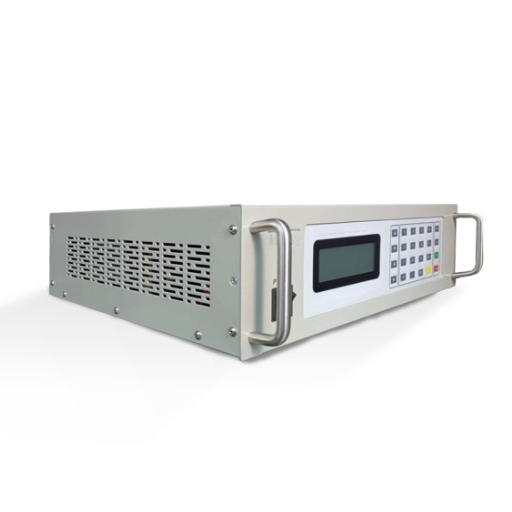
Static Frequency Converters (SFCs) are very sophisticated electrical devices that are used to change the incoming frequency of electricity into another frequency of power output, henceforth making it suitable for the operation of power systems under the varying power standards. The transformation is carried out by the use of power electronics that, first of all, rectifies the high-voltage alternating current (AC) into direct current (DC); thus, the rectified DC is next inverted back to AC but now at the desired frequency as was intended in the conversion scenario. This way, the precise frequency regulation is guaranteed, and it is precisely this feature that makes these converters perfect for use in aviation ground power, where a maximum note of 400 Hz can be allowed by the equipment, or for interconnection and synchronizing of systems on different power grids. Their design and the whole concept are very robust and well-tailored to be of use in regions having very different requirements, not only in terms of electric power but also in terms of quantity.
Definition and Purpose
Static Frequency Converters (SFCs) are sophisticated power conversion equipment, which are customarily utilized for changing the frequency of electrical power. This way, it becomes possible to run equipment that has non-standard frequency requirements without noticing any difference. They are not just the solution but a must in cases where frequency conversion is of great importance and this can be found in such applications as aviation, maritime exploration, and manufacturing. The present type of SFCs uses semiconductor technologies, with the most well-known being insulated-gate bipolar transistors (IGBTs). Consequently, high efficiency and low harmonic distortion are achieved through the use of these components, resulting in SFCs that are not only reliable but also the most appropriate solution for scenarios demanding the use of critical power.
Frequency converters are mostly required in large power systems that distribute energy at different frequencies. By using SFCs, devices that operate with 50 Hz, 60 Hz, or 400 Hz will be able to connect safely to the system. Frequency conversion is not the only thing that SFCs can do in the system; besides, they help in stabilizing the total system by regulating voltage, performing dynamic frequency adjustments, and reducing inrush currents, which are necessary to avoid equipment damage and minimize energy losses. The flexibility of their design and their scalability features make them suitable for almost all applications, from the smallest scientific laboratory instruments to the largest infrastructure development projects, which shows their role as a cornerstone in today’s energy systems.
How Static Frequency Converters Work
The heart of how SFCs work is that they are powered by electronic devices, which can transform the frequency of electricity precisely and efficiently. To start the process, an alternating current (AC) is input, and then the high-performance rectifiers are used to rectify it into direct current (DC). The DC is then sent to an inverter, where it is turned back into AC at the desired frequency. Most importantly, this process facilitates the uninterrupted conversion between various electrical standards, e.g., 50 Hz to 60 Hz, or vice versa, thus making SFCs a must in places that need worldwide equipment compatibility.
Modern SFCs have advanced because they use the IGBT technology, which is characterized by high-speed achievable reduction and better energy efficiency. Besides that, the digital controllers were employed that allow for a precise monitoring and regulation of voltage. Practically all industrially significant requests for power frequency changers contain, among others, the power grid, ground power supplies for aircraft, and industrial machinery. At the same time, the application area of SFC components is constantly expanding due to growing demand for power systems that are highly flexible and reliable, both at the transnational and local levels.
Applications in Various Industries
- Power Generation and Distribution
It is the Superconducting Fault Current Limiters that are the lifeblood of the energy system when it comes to the operation of power systems with different frequencies (e.g., 50 Hz to 60 Hz). They are mainly used in an international context, finding ways to not only share the electricity but also to blend the various standards prevailing among regions, thus making the electricity system more secure. - Aerospace and Defense
Ground power units (GPUs) for planes are one of the parties that are at the mercy of SFCs. The SFCs’ main role is to change the electrical power form into an agreeable 400 Hz; this is not only for the sake of the aircraft’s electrical systems but also creates benefits in terms of environmental protection and operational costs. - Maritime Systems
The ships and other marine vessels frequently use onboard generators at 50 Hz or 60 Hz for the purpose of powering the electrical system. The ports that have been set up with shore power infrastructures make use of SFC for the frequency to enable vessels to be linked to the city’s electrical grid without the requirement of their own generators. As a result, it causes a reduction in noise, less fuel consumption, and the vessels become eco-friendly with the regulations. - Industrial Automation
For the purpose of operating the electric motors and the drives with the highest efficiency, high-precision manufacturing industries like semiconductor fabrication, textile, and heavy-duty machinery need frequency control. SFC is the equipment that allows dynamic adjustment of frequency. That is to say, the instruments or machines can adapt to variable loads or conditions while maintaining the performance and operational stability as good as before. - Rail Transportation
SFCs installed in rail systems that are powered by overhead lines play a crucial role in managing the power frequency needed for the traction motor. They are the ones who are making sure that AC-motored trains always receive the proper power, even if the local grid is not that strong. This issue is really big in high-speed rail and metro networks. - Renewable Energy Integration
As the sources of renewables, such as wind and solar, usually put out power of different and varying frequencies, SFCs are used for converting and cleansing the outages as well as the fluctuation in power before sending this power to the main grid. The SFCs also play the role of selecting the use of the energy stored in the place with the highest energy consumers, even at low energy output.
Main Types of Frequency Converter

- Rotary Frequency Converters
The system uses an alternative method of motor-generator to generate electricity, which makes it the same as this technique. In this setting, the motor is run at the frequency being fed into it, while the generator produces the frequency it was designed to. They are very good in the heavy industrial applications, but may be less effective when compared to the modern solutions. - Static Frequency Converters (SFCs)
Solid-state electronics are employed by SFCs for the efficient conversion of electrical power by the rectification of the input frequency into direct current (DC) and then the inversion of the DC to the required output frequency. This kind is widely used for applications that need a high level of accuracy, such as renewable energy systems, aerospace, and railway operations. - Variable Frequency Drives (VFDs)
The working of electric motors is regulated with the help of VFDs and here the frequency and supply voltage are controlled, as well. Initially, these devices were used as a speed control instrument for motor-driven systems, but apart from that, also as a frequency converter in fields where a changeable frequency output was required. They are extremely efficient and flexible for all types of businesses and commercial settings.
Static Frequency Converter (SFC)
Static Frequency Converters (SFCs) are very precise and cleverly made electronic devices that come in handy when it is needed to change the already given input frequency into a different output one but without the utilization of rotating parts. Such systems are in great demand because the technology they are based on is solid-state, mainly the insulated gate bipolar transistors (IGBTs) along with pulse-width modulation (PWM) that further makes the frequency conversion efficient and exact. SFCs find their applications in sectors like aviation ground power, marine propulsion, and others, mainly for energy conversion and frequency adjustment purposes so that the industries can have it with a constant and reliable working means.
The recent SFC implementations deliver energy saving and stable power at off-the-chart efficiency levels. There are built-in capacities to correct power factor and cause harmonic distortion to be very low. That is why they can deal with a variety of electronic equipment or devices that require power in a changing manner, at the same time keeping the down times to a minimum and minimizing the system impact on the entire enterprise. The new age digital systems have been the driving force behind the creation of an almost perfect, smart energy sector. The adoption of SFCs in power plants that produce several megawatts of power, as well as in the small-scale versions of the green buildings’ energy management systems that require only a few kilowatts of power in total, has enabled high reliability across a number of critical applications.
Rotary Frequency Converter
A rotary frequency changer (RFC) is a device that converts one electrical frequency to another by means of a mechanical system. The process is accomplished with a motor-generator set-up, wherein the input motor runs a generator that has been tailored to give the desired frequency. The use of RFCs has been common in sectors like aviation, defense, and manufacturing over the years, particularly in cases where a precise frequency level is required to drive equipment that is sensitive to power quality.
Modern RFC designs are typically specified with the most cutting-edge engineering solutions. These solutions serve three main purposes: increasing efficiency, reducing heat loss, and extending operational lifespan. As for the specific technology, the use of high-grade steel alloys in the rotor and stator is among the common designs to spread out the energy losses attributed to magnetic hysteresis and eddy currents. Moreover, the provision of effective cooling systems, like forced air or liquid cooling, adds to the durability of the design because of the continuous high-load operation.
These frequency converters are very beneficial when used in applications that do not rely on the input frequency, for example, in the case of legacy machines that are designed to work at 400 Hz or another non-standard frequency. Besides that, in situations where the power grid is a source of problems such as in places with unreliable public power systems, RFC units bring about continuous and high-quality frequency output, thus not allowing frequency fluctuations to interfere with the operation of the equipment.
Comparison Between Static and Rotary Frequency Converters
| Feature | Static Frequency Converter | Rotary Frequency Converter |
|---|---|---|
| Operating Principle | Uses solid-state electronics | Utilizes rotating electrical machinery |
| Efficiency | High efficiency | Moderate efficiency |
| Maintenance Requirements | Low, minimal wear and tear | High, due to moving parts |
| Size and Weight | Compact and lightweight | Larger and heavier |
| Noise Level | Virtually silent | Produces considerable noise |
| Cost | Lower upfront and operational costs | Higher initial and operational costs |
| Power Capacity | Suitable for lighter loads | Ideal for heavy-duty applications |
| Harmonic Distortion | Minimal, clean output | Higher levels of distortion |
| Durability | High due to no moving parts | Moderate with regular servicing |
| Flexibility | Limited to specific use cases | Adaptable to a wide range of scenarios |
| Response Time | Rapid | Slower in comparison |
| Application | Electronics, precision instruments | Industrial equipment, large motors |
Frequency Conversion Process
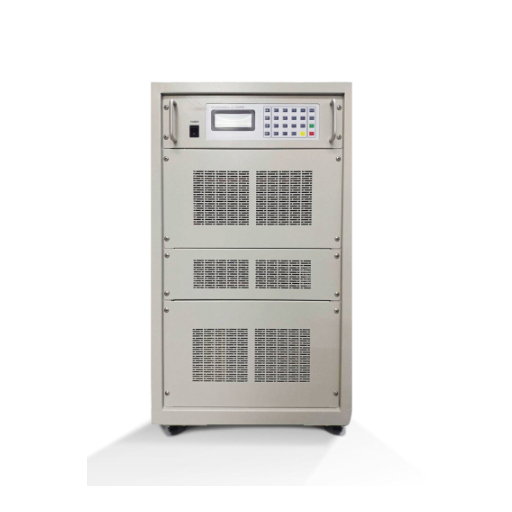
The conversion of the frequency of an electric signal to meet particular equipment or system requirements is what we refer to as the frequency conversion process. This is mainly done by using machines like inverters or frequency converters. The frequency conversion process usually comprises three main steps:
- Input Extraction
The incoming AC signal is converted to DC through a rectifier. - Signal Modulation
The DC signal is next sent to oscillators and switching circuits, where it is converted to the desired frequency. - Output Delivery
Another crucial step is when the newly modulated signal is converted to the AC form and is transmitted to the equipment already connected.
This operation guarantees that the power supply and equipment communicate, therefore, enhancing performance and operational stability in the long run.
Transforming Electrical Power Using SFCs
Static Frequency Converters (SFCs) are the ones that modern power systems rely on, because they allow the power to be transferred in a more efficient way between the connections of the system and the equipment ultimately being plugged into the system. In the future, they can also help to maintain a continuous power flow by allowing the penetration of renewable energy into the grid without changing the grid controller settings. Stabilizing all these variable-frequency energy sources, SFCs, in fact, helps keep the grid in a balanced state and prevents any frequency-related disturbances caused by variations in the power system.
Moreover, SFCs furnish specific power pitches to the applications of the industry, such as the equipment that has to work on various frequencies. A ground power unit in the aviation sector using SFC may provide 400 Hz directly from the standard grid power with no extra infrastructure needed for the conversion. This joint effort of ground handlers and airlines not only counteracts the leisurely obsoleteness of mechanical converters but also takes a step forward in promoting the consumption of cleaner power in the air and on the ground through higher levels of scheduling and routing of clean power.
A rise in performance efficiency of SFCs has been a direct result of the adoption of new technologies, e.g., advanced switching components and precise digital control systems. With these systems, better rates of conversion are possible and at the same time, less harmonic distortion and more effective energy management are ensured hence meeting the very demanding requirements of both industrial and renewable energy sectors. These changes manifest the indispensable part SFCs play in unifying various electrical environments.
Benefits of Frequency Conversion
- Enhanced Energy Efficiency
Frequency converters provide control over motor speeds at optimal levels, thus limiting unnecessary energy consumption. On top of that, complete energy use decreases of 30-50% are the result of industrial applications with VFDs, mostly when operating loads vary. - Improved Equipment Lifespan
By reducing stress to a minimum on parts at the time of startup or during operation, frequency conversion, in turn, makes the equipment feel smoother. Control of the motor is done in such a way that it does not happen all of a sudden but in small steps, which, for example, guarantees that the machine will not wear out quickly and break down, possibly in a couple of years, at least in the case of rotating machinery. - Reduction of Harmonic Distortion
Modern frequency conversion systems complement their electronic and digital controls with sophisticated filtering methods in order to get rid of the excessive harmonics. This is seen not only as a way of power quality improvement but also as the key factor in the prevention of overheating and damage to the more easily destructible electrical equipment; thus, the overall system reliability is greatly increased. - Flexibility Across Power Systems
The adoption of frequency converters is what enables the use of equipment that operates under different frequencies (for example, 50 Hz and 60 Hz systems). The fact that this conversion is possible has a positive impact on the global industry and electric grid connection, while, on the one hand, making it possible to operate the same equipment under different electrical environments. - Optimized Renewable Energy Integration
The natural cycles of the wind and sun that make the renewable energy sources change in their frequency can be pretty variable and even hard to predict. The frequency can be controlled to the standard frequency of the grid by the frequency converters, and hence, the integration of the new power technologies with the grid is now easier. - Noise Reduction
A significant reduction of mechanical vibrations and noise in industrial and commercial areas is realized through the use of frequency conversion in motor and generator operations. This results in the workers enjoying a quieter and comfortable workplace.
Aviation Applications of Static Frequency Converters

It is the SFCs that become indispensable in aviation due to their part in the consistent power supply to aircraft on the ground. They change the standard AC power of the airport into the desired frequency and voltage for aircraft systems, quite often 400 Hz, and thus ensure that the on-board equipment operates well. This drastically reduces the need for auxiliary power units (APUs) and, consequently, leads to the cut-down of fuel consumption, operation costs, and emissions. Moreover, SFCs also boost safety and reliability by providing power that is steady and has no interruptions during maintenance or pre-flight settings. SFCs, because of their high efficiency and flexibility, have become a necessity in the modern airport setup, and they are the main reason for busy and reliable airports.
Power Requirements in Aviation
In aviation, strict power standards dictate the requirement due to the safety issue, reliability, and efficiency universally for all operations. A continuous and steady supply of electric power had better be available to all modern aircraft so as to enable the functioning of avionics, lighting, climate control as well as ground-based maintenance operations. This is normally done by bringing in the service from an outside provider who would provide three-phase 115/200 VAC electrical power that would be at a frequency of 400 Hz, a choice that is preceded by the fact that this frequency has been found to possess characteristics that do not have their equal in the aircraft environment.
The electrical needs of different activities in the aviation sector have to be managed by the airport infrastructure. The requirements would cover such activities as the pre-flight inspections, cabin preps, and engine starting procedures. The use of Ground Power Units (GPUs) is essential in this matter as they are equipped with the appropriate power option for each aircraft model, namely AC and DC. As an example, newer electric-driven systems are heavily dependent on being supplied by 28 VDC power during the pre-taxi time. To save energy, many airports are using renewable energy along with the installation of very efficient auxiliary systems, which ultimately helps in reducing the carbon dioxide emissions from ground operations to a great extent.
Advantages of Frequency Conversion in Aviation
- Enhanced Operational Efficiency
To avoid using onboard Auxiliary Power Units (APUs) for pre-flight power requirements, GSE with frequency converters can always supply the 400 Hz power to an aircraft and, thus, be reliable enough for the operation. This results in a transition that translates to a decrease in fuel consumption by 80% because the APUs are huge sources of inefficiencies in the airport environment. - Energy Cost Savings
In replacing the manufacturing units APUs with the ground frequency conversion that would be delivered by ground frequency via power conversion, the benefits for airlines in terms of saving power would be substantial. Evidence shows that an APU may even get to the point of eating up some 200 gallons in its operation period of just 20 hours, in contrast to AC power, the ground power system, through a frequency conversion, feeds significantly less energy at a quite low price. - Environmental Benefits
Reducing dependence on APUs results directly in the reduction of both CO2 and NOx emissions, consequently contributing to the sustainability objectives. For example, the carriers that are deploying frequency converters on a large scale have cumulated annual carbon dioxide savings of around 200,000 tons with a medium-sized fleet. Therefore, they are aligned with the International Civil Aviation Organization (ICAO) goals for the reduction of emissions. - Improved Reliability and Safety
Frequency conversion systems have been designed with the purpose of delivering a secure and constant power of 400 Hz, hence, canceling out the electrical abnormalities which could wreck the electronics of the aircraft being sensitive inside. A safer and more reliable environment for the aircraft while on the ground is thus ensured. - Scalability and Flexibility
The present-day frequency converters are factory-built components, which means they are readily available as per the needs of the site, ranging from a small to a large international airport with large traffic, and therefore, they are easily modifiable. - Reduced Ground Noise Pollution
Ground power supplied by frequency converters effectively decreases noise more than the APUs. This becomes quite a plus point for the airports near the cities where the usage of APU aligns with the policy in reducing the noise and at the same time making the current traveling situation good for the people on the airport property and the tourists alike.
Power Systems and Static Frequency Converters
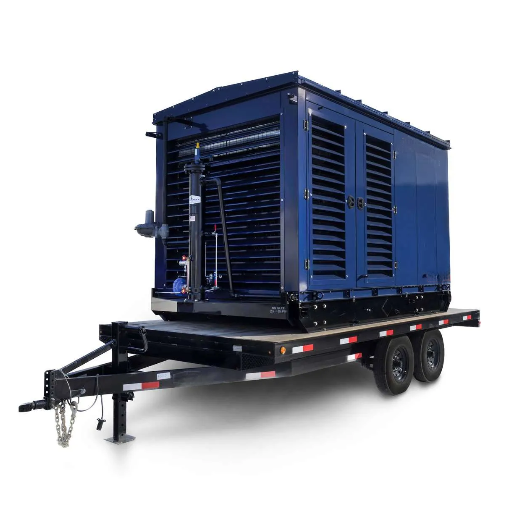
Static frequency converters (SFCs) are indispensable tools in the hands of power system designers, with their frequency-changing capability being of most significance in bringing about efficiency through compatibility with specific power system layouts. They serve by changing the frequency of alternating current (AC) from one value to another, most commonly from the regular 50 or 60 Hz grid frequency to ones such as 400 Hz that are used in aviation and defense installations. The conversion process, thus, allows the same equipment with different power requirements to work easily and smoothly without a capital-intensive procedure modification. SFCs are highly dependable and consume less power, which is a major reason why they are mostly preferred in services that need an uninterrupted and consistent power supply. Besides, their being hardly bulky and maintenance-free also contributes to their great adoption in various industrial and technical environments.
Integration into Electrical Power Systems
Static Frequency Converters (SFCs) are very important for the modern electrical power systems as they enable easy communication between the equipment working at different frequencies and the overall grid. These converters are mainly required in the aerospace, maritime, and railway sectors where high electricity consumption is necessary and standard equipment should be supplied with power at the right moment without disturbing the system as a whole. SFCs are quite common in the utility sector, where they are mostly used in substations to manage frequencies or set them to compatible levels to the grid so that the operation of both sides, grid infrastructure, and end user equipment is seamless.
The functionality of solid-state frequency changers (SFCs) as part of power systems is done with the help of sophisticated control systems, which not only supervise the frequency conversion but also have the capacity to reset the process in real time when needed. For instance, sophisticated algorithms make dynamic load sharing possible and bring along automated fault detection, greatly increasing the operational reliability and system stability. The environmental aspect connected with the energy sector, along with SFCs, is also one of the big topics, and the like, as the energy-efficient mode can be one of the many causes of the decline in greenhouse gas emissions. The last of the issues refers to the fact that the latest SFCs are designed in recent times so as to comply with the very strict electromagnetic compatibility (EMC) standard, thus ensuring their non-interference with other important systems.
Future Trends in Static Frequency Converter Technology
Static frequency converter (SFC) technology is quickly developing with the increasing demand for efficient use of energy, more powerful device properties, and the growing popularity of renewable energy sources. A significant rise in SFC’s innovation is the use of wide-bandgap semiconductors, for instance, silicon carbide (SiC) and gallium nitride (GaN). By using this kind of material, SFCs can be operated at a higher frequency with the result of lower thermal losses, which then heightens the extent of efficiency and drops the size of the converters.
Another key trend is the continued development of modular and scalable system designs. When companies decide to go with a modular design, they will make life easier for themselves by maintaining their systems well and also will be able to recover from any failures. In many industries, such as aerospace, defense, and data centers, companies will be able to have their own systems operated by software technologies. They will also have upgraded systems with the expertise of software technology employees.
Another very important factor affecting the innovation of SFC is sustainability. Most of the new models are made with the idea of working in tandem with hybrid and definitely green sources of energy, hence making it possible for the systems to be in perfect condition if there are slight disruptions in the power supply. Moreover, the support given to these systems in pursuing the goals of complete decarbonization with the help of energy storage integration improvements will ensure more load variance support by the SFCs and, thus, higher energy efficiency.
Reference Sources
- IEEE Xplore: A simulation study of static frequency converters in pumped storage units. Check it out here
- E3S Web of Conferences: Research on variable speed operation of static frequency converters for pumped storage units. Access the paper here
- HAL Open Science: A document on static frequency converters for hybrid pumped storage plants. View it here
