
Electric motors are the driving force behind a vast number of contemporary devices, being involved in everything from industrial machinery to home appliances. In this respect, DC motors are the most notable for being all-rounders across industries due to their efficiency, durability, and adaptability. This blog post takes a detailed look at the DC motor manufacturing sector, and will also get into the basic features that distinguish the performance of electric motors from being high or low. The post also goes over the engineering principles of DC motor design and the latest manufacturing processes, through which top-tier manufacturers are making their mark in the market by inventing new products for different sectors as well as meeting the needs of their customers. Whether you’re an engineer, a procurement specialist, or simply curious about the most cutting-edge motor technology, this article may provide useful information about the rather optimistic future of electric motor solutions.
Understanding DC Motors

DC , or Direct Current, motors are rotating electric machines where electrical energy is converted to mechanical energy directly. This process is based on the electric field interaction principle. A conductor that carries a current in electric field feels a force. This force causes the shaft to turn and thereby work is done on the connected device. The main parts of a DC motor are the stator which is stationary (fixed), the rotor which is the rotating part, brushes, and a commutator. The commutator is there to make the current through the rotor coil change direction once in a while establishing continuous rotation of the motor. DC motors are popular in their application where the simplicity, control ability, efficiency, and even high torque of such motors are the major factors related to the application.
What is a DC Motor?
The way that a DC motor operates comes down to the most basic of the electromagnetism laws. If the current flows across the rotor windings, it definitely, creates the field of magnet. This field is confronted with the stator’s field in one way or another, and the result is a force that turns the rotor. The rotor’s spinning around the stator’s axis, thanks to the force generated by this way, is the input to the mechanical work being done. A reversible transformation of the current is a commutator’s purpose during all of that, with the end results being a very smooth and continuous rotor.
DC motors can be grouped into multiple types including traditional and brushless motors. Traditional motor uses brush to pass the current whereas brushless motor works on the principle of no brushes, but use of electronics results in less wear and less need for maintenance. There are distinguished advantages of every type in terms of performance, durability, and efficiency, making them apt for the variety of applications such as electric vehicles, power tools and automated systems. The low initial cost and simple control methods still make DC motors a flexible and indispensable technology in modern engineering.
Types of DC Motors: Brushless vs. Brushed
| Feature | Brushless DC Motor | Brushed DC Motor |
|---|---|---|
| Construction | No brushes, uses electronic commutation | Brushes and commutator for current switching |
| Efficiency | Higher due to reduced friction losses | Lower due to brush friction |
| Maintenance | Low, minimal wear on components | High, frequent brush replacement required |
| Durability | Longer lifespan | Shorter lifespan due to wear |
| Control Complexity | Requires advanced electronic control circuits | Simple control mechanism |
| Noise Levels | Low noise operation | Comparatively higher noise |
| Initial Cost | Higher due to complex design | Lower, simpler construction |
| Power-to-Weight Ratio | Higher, lightweight design | Lower, heavier design |
| Applications | Precision tools, drones, electric vehicles | Toys, basic industrial equipment |
Applications of DC Motors in Various Industries
1. Automotive Industry
Direct current (DC) motors have become an indispensable part of today’s vehicles. They are employed in various systems, like electric power steering, windshield wipers, and automated seat adjustments. In addition, DC motors are indispensable in electric vehicles (EVs), where permanent magnet DC motors (PMDC) or brushless DC motors (BLDC) offer torque and efficiency. A case is the BLDC motor, which is globally the major player in EV drivetrains by having a higher power-to-weight ratio and, conversely, more reliability.
2. Industrial Automation and Robotics
Perfect placement is a common thing with loads of DC motors with reference to conveying elements, for example, most kinds of actuator systems and robot arms. Their capability of providing strictly regulated speed management says these machines are perfect for operation with assembly lines and manufacturing plants. e.g., DC motors are said to account for around 35% of all types of motors used in industrial automation systems and are all over the place in different plants worldwide.
3. Aerospace and Defense
The development of a light and powerful motor is very important for the aerospace industry. Here, the power density and inefficiency are the most-discussed issues, and these issues are solved by motor technology. Unmanned Aerial Vehicles (UAVs) are equipped with DC motors, and the same is true for radar systems and precise instrumentation. For drones, brushless DC motors are the best power option and this is because of the efficiency and weak demand for maintenance the system comes with.
4. Medical Equipment
The medical industry is a huge user of DC motors for a lot of things such as powered surgical tools, infusion pumps, and motorized hospital beds. The quietness of their operational conduct is seen as a major plus in the areas where the unity of the atmosphere and precision are required. The global market for DC motors in medical equipment has been forecasted by studies to expand at a 7.5% rate to 2030, instead of growing in an uncertain manner.
5. Consumer Electronics
Consumer devices of all kinds feature DC motors- laptops have little cooling fans whereas smartphones own vibration motors. The main reason for the adoption of these motors is their small size together with their energy efficiency. As smart home technologies are on the rise, the usage of DC motors, for instance, in household appliances like smart thermostats, automated blinds, smart locks and robot vacuums, has taken off significantly.
6. Renewable Energy
DC motors are the vital component of various renewable energy systems like solar and wind. They have the main role to get the energy released from the wind or sunlight and to keep the power output right the same. In this regard, BLDC motors are, by and large, the most desirable group of models given their high energy conversion efficiency when the energy supplied is rather meagre, which is the case in the majority of the solar and wind plants plants, for example.
Key Considerations When Choosing a Motor Manufacturer
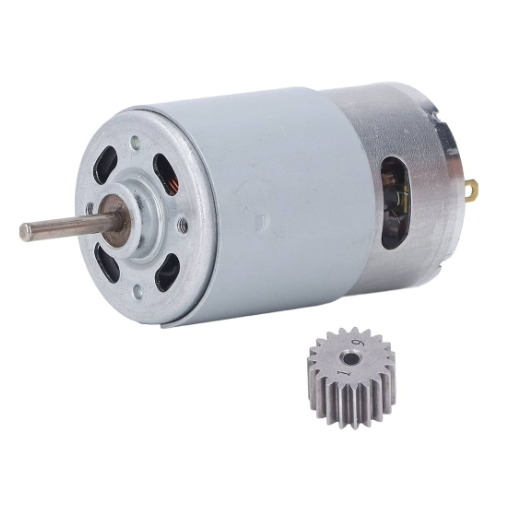
1. Product Quality and Reliability
Assess the manufacturer’s history in producing motors of high quality and durability, and analyze the performance reviews of their products in relevant applications, with the addition of ISO certifications.
2. Technical Expertise and Innovation
3. Customization Options
Custom-made solutions are considered by the manufacturer to solve application needs. This matter may be significantly important in highly specialized projects or particular sectors, such as the medical sector, where very critical and specific requirements are placed.
4. Supply Chain and Availability
Reliability of the manufacturer’s supply chain is a major issue for ensuring that products are available continuously and the risks of delay are reduced. Therefore, make sure that they can time their production with your needs.
5. Cost Competitiveness
Decide on a manufacturer who provides low-priced goods; however, their quality should not be any less. What could really be considered as the optimum cost of owning the product, if services such as maintenance and energy efficiency are taken into account as well rather than just the basic price.
6. Customer Support and After-Sales Service
It is absolutely necessary that manufacturers have an after-sales service that is both responsive and reliable technical support. Pick the manufacturer that has a very good reputation for customer service and a wide array of warranty policies.
Evaluating Quality Craftsmanship
The quality construction is outside of material, manufacturing, and industry standards the result of product assessment. The first thing is to check the materials’ quality, as a material shortage for instance, can significantly affect the durability and end-product performance however, by using the best materials available one can make sure to gain the needed strength. It is important to see if a high level of technology such as precision engineering and computer-aided design (CAD) has been used in the production process to ensure the same condition and quality of the product. A proof that the maker is strict to the quality control measures is the certification of the manufacturer to an internationally recognized standard like ISO 9001. Moreover, product samples’ inspection for things like detail focus, correct assembly, and finishes, etc., helps to know the degree of workmanship.
Customization Options for Specific Needs
By enabling the client to meet the ball while not stepping down on quality and performance, the company’s customization options are a great help. The state-of-the-art manufacturing technologies like CNC machining and 3D printing have the unique capability of making even very small adjustments to the product design, making it perfectly tailored for specific requirements that are technically determined. The choice for the material can also be a decision made depending on the need for certain detriments in terms of the functional base of the material, e.g., durability, weight, or environmental resistance. Modules’ design is also another source of quick adjustability and/or upgradability of products thus the keeping with the changing industry standards and preferences of the clients.
Understanding Pricing and Delivery Times
To get a good pricing quote and estimate delivery, one has to see the whole picture. Price is a result of the cost of materials, the difficulty of production, and the need of customization, which may fluctuate greatly across different sectors. Moreover, the volatility of supply flows, wage costs, and localities’ markets are extremely important for the determination of the total cost. On the other hand, the time to deliver the product is a combination of the scheduling of the production, the availability of the inventory, and the transportation being efficient. If, for example, there is any delay in the transportation system or there is any disturbance in the supplier chain, the estimated delivery date can be greatly affected.
With the use of recent data and the following of trends that are specific to the industry, companies can speculate meaningfully and tune variables accordingly. One way of doing this is by using dynamic pricing models and predictive analytics tools, which will make it possible for companies to react fast to market changes, getting the pricing competitive yet not compromising the profitability. Likewise, the developments of the logistics management systems are contributing to the increased transparency in the supply chain, making it possible to track the goods accurately and take proactive measures to avoid delays.
Power and Voltage in Electric DC Motors
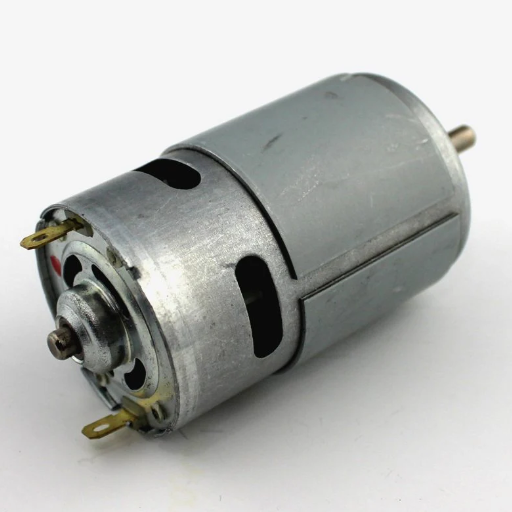
The output power of a DC motor is established by the multiplication of voltage with current. The speed of the motor at which it performs is decided by the voltage applied to it whereas the current is the factor determining the amount of torque. Motor and power supply should have the same voltage rating to ensure that the motor can supply the required torque. On the other hand, if the voltage is not high enough there can be a stalling problem, while on the other hand, and if voltage is too high, the motor may overheat and its life will get shortened. It is imperative to control the motor’s power and voltage throughout the operation in order to maintain efficiency and also to prevent the motor from being damaged.
Understanding Voltage Ratings
Voltage ratings play a significant role in the case of the supplier’s products, be they electrical ones such as motors, transformers, or circuitry, because the ratings specify the maximum voltage that can be applied to the equipment without failure or the ECV value. The procedure by which proper voltage ratings are picked consists of investigating insulation materials, thermal characteristics, and breakdown voltages in order to achieve safe and reliable operation. As an example, it is required for high-voltage components that the insulation have the capacity to prevent the electric field from getting through, which is a must in cases of arcing or short circuiting.
On top of this, the voltage rating considerations are also influenced by the environmental conditions significantly. Temperature, humidity, and altitude are the factors that can have an effect on the insulation performance which, in turn, results in situations where the voltage rating must be lower because of the less air density and less efficient cooling at high altitudes. On the other hand, overvoltage is a short period of voltage increase that comes from switching and lightning, and one of the feature of the modern design is that the safety margins are built into the voltage ratings to protect against transient overvoltage. Components may last for the long term and still be a reliable system, provided that they comply with these design principles and the components are still within the operating conditions of the system.
Power Requirements for Different Applications
The power needs are a lot across various areas due to the distinction in the operations they carry out, the conditions of the site, and the level of production. As an example of this, industrial machinery mostly needs three-phase voltage supplies, which provide the high power levels needed for heavy-duty operations. Such systems typically work at 480V or even higher so as to minimize the current and lower the transmission losses, thus guaranteeing the efficient delivery of energy. On the other hand, the power that consumer electronic products require, including laptops and smartphones, is attained through low-voltage DC power that is usually in the range of 5V- 20V; such delivery is both safe and portable.
Renewable energy is produced by systems, such as solar power installations, which need the specially manufactured inverters to convert the DC output from photovoltaic panels to the AC power that is compatible with either the grid or a stand-alone system. Grid-connected systems usually run on 230V or 400V AC, whereas for off-grid systems, a choice of low-voltage DC configurations that results in the improvement of the energy storage and battery integration efficiencies may be preferred. EV chargers are also an onward power source, which comes with a variety of power levels that range from 7 kW for the home units to the high-capacity 350 kW DC fast chargers, thereby catering for the differing needs of both personal and commercial electric transportation.
Uninterruptible power supplies (UPS) and redundant systems are very essential in critical systems and that is because they can ensure the continuous operation during power outages. The big majority of such system installations are located where the power quality must stay within the limits to provide for stability of the voltage level, the frequency and distortion of the power supply with the total harmonic distortion (THD) kept as low as possible. With an efficient power delivery system doing the job for every kind of application, engineers can take care of the efficiency, reliability, and safety issues in each case by setting the system accordingly in terms of the operational and environmental requirements.
Impact of Voltage on Motor Performance
Variation in voltage is directly proportional to the change in motor performance because it can affect to a great extent the operation efficiency, stability and durability. When the rating voltage is not kept and it is either higher or lower, the motor transforms its magnetic flux that results in torque production changes and overheating risks. To explain it using an example, under-voltage conditions cut the torque, making the motor to oppose the load and stalling to occur possibly. In contrast, over-voltage raises the magnetic flux, which can cause the motor to heat up excessively, damage the insulation, and degrade the performance rapidly.
Research indicates that it is very important to keep the voltage levels within 10% of the rated value in order to achieve the best possible reliability and performance of the motors. Even small deviations may cause the entire efficiency to go down including increased energy consumption and higher operational costs. To mitigate such fluctuations, advanced motor controllers and voltage regulators are frequently employed. Such devices help to keep the voltage stable which ensures the motors operate at their best even in fluctuating circumstances. The awareness of these effects is an enabling device for the engineers to be designing and implementing systems which put performance and longevity first and meet the normalized thresholds.
Technical Specifications of High-Performance DC Motors
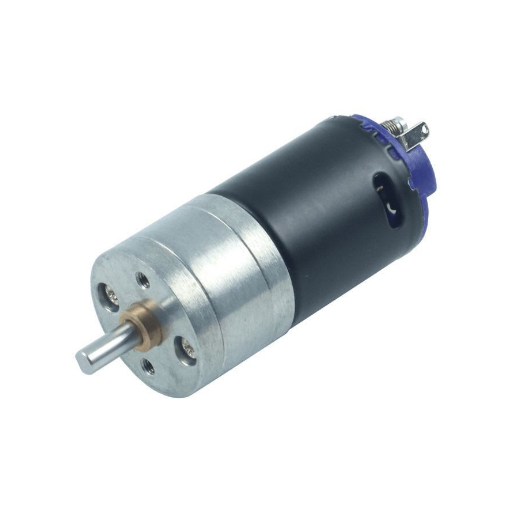
1. Voltage Range
DC motors that are designed to be of very high-performance are often rated to operate between 12V and 48V, corresponding to the application at hand, thus being very flexible and universal in case of different power sources being used.
2. Speed (RPM)
Typical speed ratings fall within the range of 1,500 RPM to 10,000 RPM or even more for various motors, making sure that they are precise and still performant in the harshest of environments.
3. Torque Output
Torque levels may differ greatly, generally within the range of 0.1 Nm to more than 10 Nm, depending on motor size and operational needs.
4. Efficiency
Top-notch DC motors are created to be as efficient as possible, hence, maxing out at 85% of efficiency in order to be less of a producer of heat and to lose energy less.
5. Thermal Management
Built-in cooling systems, like the ventilated casings or the external cooling fan, are used for heat management and maintaining the performance level during long-term use.
6. Durability
The use of materials for building the motor from, e.g., high-grade steel and heavy-duty bearings, adds to the motor’s life and makes it possible for the motor to withstand high temperatures. stress and long time usage.
Voltage Ratings and Power Outputs
Electric motors can be used over a wide range of voltage ratings and power outputs so as to be able to cover the requirements of the divers applications for which they are used. Speaking of very low-voltage motors, they work typically in a 230V to 690V range and are the motors which are used in industrial and domestic applications. On the other hand, the high-voltage motors can work in a range of 1kV to 15kV, and that way, they are the motors that are the most used in heavy-duty industries like energy production and large-scale manufacturing.
Power outputs are another major concern indicated frequently in units of kilowatts (kW) or horsepower (HP), depending on regional standards and application requirements. Motor ratings with low power outputs, less than 1 kW, for example, are usually installed in small appliances and connected to light-duty machinery. Medium power motors, between 1 kW and 500 kW, are in use for industrial applications so common as material handling process and the operations of pumps. However, for mega power operations, the high-power motors of more than 500 kW are required, most of which are ship propulsion, power generation plants, and other large-scale operations.
Manufacturers are always checking motor efficiency and comparing it with international standards like IEC 60034-30 and NEMA, in order to have a good relationship between voltage, power output and energy consumption. With technological advancement, the use of VFDs has become common and it has been one of the solutions for improving the adaptability and efficiency of electric motors in dynamic operational environments, as they allow voltage and frequency to be precisely controlled, thus making the motor even more efficient.
Gear Motor Options and Their Benefits
Gear motors and their combinations of motor and gearbox in one single, compact, and efficient unit are meant to be the best fit for a variety of industrial applications. The gear reduction integration allows the operation to be at a faster-than-usual speed with higher torque or also at a slower speed with lower torque – this makes gear motors the best solution for tons of applications such as a conveyor system with heavy load or heavy-duty lifting equipment.
Among the most influential choices is the helical gear motor because of the high power outcome and quiet performance which are brought by the gear shifting helical teeth at an angle resulting in better connection and less noise. In contrast, the planetary gear motors have the reliability of their small size and high load capacity which makes them well-suited for precision tasks and robotics. In the case of applications where a right-angle output is necessary, worm gear motors make the most cost-effective solution and have better capabilities of shock absorption, though they may have a little less efficiency due to friction.
Moreover, current gear motors are likely to integrate more complicated technologies, especially with sensors, and sensors that are, the latter; this allows torque and speed to be monitored in real time, thereby facilitating integrated operational control. Instead of being designed for the single-purpose of being a whole machine, most of such motors are already made of parts that are easy to replace when needed so, all these make the gear motors more efficient and flexible. Thus, they are present in various sectors such as manufacturing, logistics, and renewable energy.
Emerging Trends in DC Motor Technology
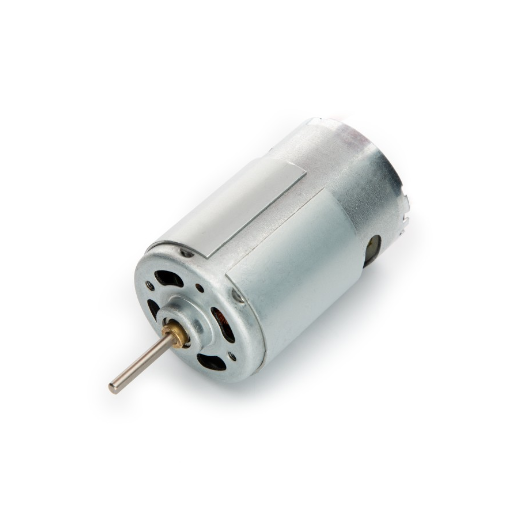
DC motor technology has been greatly improved in terms of efficiency, durability, and integration with the use of advanced techniques. A significant part of this technology shift has been the move towards brushless DC motors that have less wear, are more efficient, and have a longer life than traditional brushed types. These motors are more and more being employed for applications requiring a high level of reliability and low maintenance such as electric vehicles (EVs) and automated machinery.
Besides, the introduction of enhanced control circuits and power electronics that accompanied it upgraded the efficiency and energy use in the devices. The availability of feedback loops and programmable drivers are the most appealing characteristics of the devices because of the speed and power control that it brings, enhancing all sorts of operations. The demand for smaller and lighter units is also increasing, making the DC motor an excellent choice for the devices that are compact and portable or the ones in robotics.
In the end, the more frequent occurrence of the transition from fossil fuels to clean power is the main reason for the constant increased DC motor usage in many sectors. The implementation of electric power from the sun, as well as using batteries with motors, is where they are needed the most for their efficiency and flexibility. Together, these are the main indicators of the continuous adaptation of DC motors to the requirements of present-day industries.
Innovations in Electric DC Motors
There is now a connection between technological breakthroughs in electric DC motor and modern control systems. The utilization of intelligent control systems is one major reason why electric DC motors have made great strides in development. One good example is that microcontroller motor control is almost a must-have feature today, allowing very accurate speed, torque, and position control. The impact of this new kind of control has been mostly noticeable on the one hand, in applications where high precision is demanded, very much like with robots and medical instruments. In the future, microcontroller-based motor control will be the de facto standard.
Another crucial point of innovation is a marvelous movement toward advanced materials. Eminent magnets like those produced by neodymium iron boron (NdFeB) lead to more compact yet more vigorous motors. These magnets give more energy per volume and hence the motors can put out more torque and acceleration without the need of getting bigger—this is a must for electric vehicles (EVs) and drone technologies. Moreover, the use of materials that are better at heat dissipation is one of the key ways to innovate the entire process of energy conversion in the system.
The addition of the Internet of Things (IoT) capabilities has also transformed the usability of DC motors. When DC motors are connected, they can be monitored and diagnosed in real time, have their maintenance needs predicted and help the energy of the entire industrial setting to be optimized. This marriage of machinery is not only enabling high-performance operations around the clock but is also a perfect match for the Industry 4.0 main objectives.
The Rise of Brushless DC Servo Motors
On the other hand, the brushless DC (BLDC) servo motors were recognized as a game-changing technology in precise motion control because of their superior efficiency, lifespan, and suitability to the dynamic applications. In this case, the permanent magnets will be placed on the rotor and the precise control electronics will be used to achieve highly accurate positioning and speed regulation. No mechanical wear, no need for maintenance and the motor’s service life is prolonged with this design.
The rapid technological progress in BLDC servo motors has recently pointed out their extremely high torque density that allows seamless integration into small-sized high-performance devices for applications such as robotics, aerospace, and industrial automation systems. Moreover, advanced control systems, one of which is Field-Oriented Control (FOC), have made them more efficient by adjusting the power they use and also the heat they produce. The capability of BLDC motors to provide constant torque at different speeds has made them an indispensable element in the applications that require both a high level of accuracy and reliability. Given the current global trend for automation and energy saving, it is predictable that BLDC servo motors will be much more widely used than today, and will play the same role in the coming novel technologies as they do today.
Reference Sources
- Brushless DC Motor Controlled by Using Internet of Things
Read the paper - Power Thyristor Controller for Speed Control of DC Motor
Read the paper - Modeling and Simulation of DC Motor Speed Regulation by Field Current Control Using MATLAB
Read the paper
Frequently Asked Questions (FAQs)
What should I look for when choosing a DC motor manufacturer?
When selecting a provider of DC motors, consult their industrial motor scope, OEM support, and the capability of making custom electric motors. Moreover, make sure if they have the choice of encoder, planetary gearboxes or DC gears to fulfill the application needs. Even more, have a look at their plant facilities, repair and maintenance provision, and know if they develop motors that cover every speed range in their specialization. Often, the most trustworthy solutions are the outcomes of manufacturers with reliable quality marks, and a full package is the sign of it.
How do brushless DC motors compare to brushed motors for heavy-duty applications?
Brushless DC motors in general have the characteristic of providing less noise, longer life span, and better efficiency when compared to brushed motors, hence they are much more capable of operation in heavy duty or continuous-duty conditions. They are frequently matched to their proper speed control with the help of controllers and variable frequency drives, which is quite beneficial for many applications. Additionally, they are available as custom DC motors for installing in applications such as winch or crane systems. A lot of the top-ranked DC manufacturers sell brushless DC servo motors implemented with encoders for the purpose of closed-loop control.
Can a motor manufacturer design custom DC motors and DC gear assemblies for my application?
Indeed, multiple motor manufacturers create and produce custom DC motors and DC gear assemblies, be they right angle worm drives or even planetary gearboxes, just to fit specific packaging constraints. By and large these manufacturers work very closely with their customers to provide electric solutions such as the aforementioned HVAC, hoist, or crane equipment, placing an extra emphasis on cost saving by way of custom design. Original equipment manufacturers (OEMs) and original equipment manufacturer suppliers (OEMs) in general, look for manufacturers who are capable of combining encoders, controllers, and fluid power interfaces during the manufacturing process of single motor products.
Are DC gear motors and gear reducers available for OEM and OEM production runs?
Yes, there are many suppliers that have the offer of industrial gears and gearboxes made for DC motors and gear reducers with OEMs in mind. Including but not limited to planetary gearboxes, and right-angled worm drive arrangements are among the options they offer. These solutions are quite common in situations where there is a demand for torque multiplication such as winch, hoist, and crane systems, along with material handling equipment and HVAC actuators. The one who is an expert when it comes to producing motor products can come up with ready-made designs that are rugged enough to do the job of balancing cost, quiet operation, and durability.
