
Knowing the difference between a Static Frequency Converter (SFC) and a Variable Frequency Drive (VFD) is the key to managing and enhancing the performance of electrical systems successfully. Even though these two power electronics technologies have quite a few things in common, they are still worlds apart in terms of applications and industries. This write-up will uncover, through its discussion of the operational principles and the specific use cases, the main divergencies that exist between SFCs and VFDs and, at the same time, give you some insight into the very factors that define them. This write-up may be very useful if your profession or your business is power generation, industrial automation, or equipment upgrades, as it may give you the knowledge to be able to decide based on your operational needs while making the fewest errors possible.
Introduction to Frequency Converters and VFDs
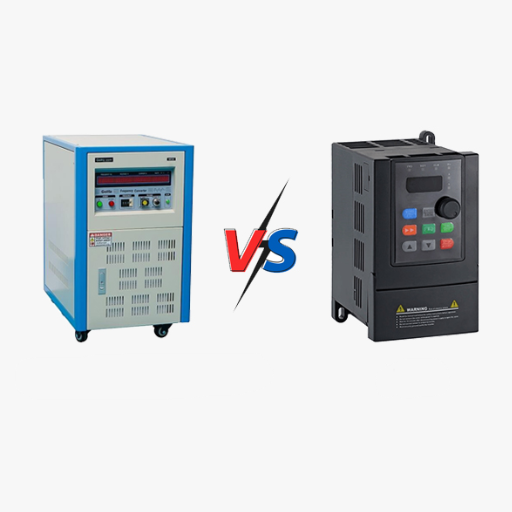
Frequency converters and VFDs are among the most crucial and prominent devices to control the performance and speed of electric equipment, but they operate separately and are based on different principles. Frequency converters are dedicated to the task of power network frequency change, which is a good way to standardize the mains power system in the countries where this system varies, for example, switching power from 50 Hz to 60 Hz networks and vice versa.
VFDs, however, change power supply voltage and frequency to control the speed of an electric motor. This makes them very advantageous in applications that need precise motor speed control like pumps, fans, and conveyors. The mere thing that is to be considered when making a choice between these technologies is the application requirement—frequency converters solve the problem of grid synchronization and system integration, but VFDs are the best choice for the motor performance and energy efficiency improvements.
What is a Static Frequency Converter?
A Static Frequency Converter (SFC) is a kind of electronics equipment used to alter the frequency of electricity supply, typically allowing operating of equipment with a different frequency from the utility grid. SFCs are generally employed in areas such as aviation ground power units, industrial testing, and shipyard operations, where the need for a specific frequency is different from the normal grid frequency. The devices convert AC power to DC through rectification and then use an inverter to develop AC power at the output frequency desired. The use of such advanced semiconductor technologies as insulated-gate bipolar transistors (IGBTs) is the reason why modern SFCs are so efficient, so frequency regulation with high precision, and harmonic distortion so much reduced. The design of these devices is rock-solid and this plus the programmability feature makes it ideal for the safe and reliable powering of delicate equipment and at the same time ensuring the adherence to the strict energy standards.
What is a Variable Frequency Drive (VFD)?
The drive is known as a frequency converter, the electronic one in other words, that represents a highly sophisticated electronic component developed to regulate not only the air but the frequency of the electric motor coupled to an alternating current (AC) power supply. The machine operates by altering the frequency and voltage level of the power transmitted to the motor. Aside from using variable frequency drives for precise motor control, energy-saving, and extending equipment life, they decrease energy wastage by controlling the motor running, especially in a system where the motor speed can adapt to the various load requirements, e.g., in HVAC systems, to mention a few.
State-of-the-art technologies are often present in today’s VFDs, such as IGBT-based inverters, highly advanced microprocessors, and the latest control algorithms. Transformation into dynamic speed control, perfect process control, and connection to automatic systems are advantages achieved from the listed technologies. Furthermore, the VFDs are generally provided with diagnostic features, fault detection, as well as remote management options that make the devices more reliable and lessen their downtime. VFDs are often the most integral part of the crank in many industries, therefore making their contribution to the performance of the sector better, the cost of operations reduced, and energy efficiency regulation standards met globally.
Key Differences Between Static Frequency Converter and VFD
| Feature | Static Frequency Converter | Variable Frequency Drive |
|---|---|---|
| Primary Function | Converts fixed frequency to variable frequency | Controls motor speed and torque |
| Input Power Source | AC to AC or DC to AC | AC input only |
| Output Waveform | Fixed frequency sinusoidal waveform | Variable frequency sinusoidal waveform |
| Use Case | Aerospace, ships, laboratory testing | Industrial motors, HVAC systems |
| Speed Control | Not adjustable | Fully adjustable |
| Feedback Capability | Limited or none | Extensive with feedback options |
| Energy Efficiency | Moderate, optimized for specific use cases | High with energy-saving features |
| Cost | Typically higher | Relatively lower |
| Operational Complexity | Generally simpler | More complex with extensive settings |
| Maintenance Requirement | Lower due to fewer components | Higher due to complex systems |
Technical Differences Between Frequency Converters and VFDs
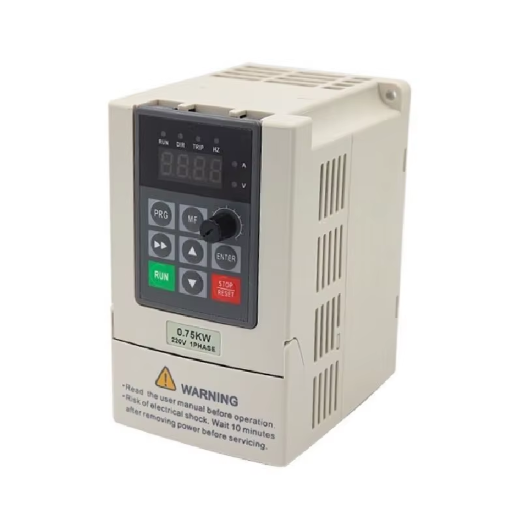
Frequency converters and Variable Frequency Drives (VFDs) have their own roles and are developed with different functional intentions. Frequency converters, first of all, shift the power supply’s frequency to make it suitable for specific equipment, which is quite common in areas with power systems synchronization or in the case of a machine that needs a frequency different from the standard. On the other hand, VFDs are the devices that are made to vary the speed and torque of an AC motor with the help of adjusting both voltage and frequency in the input side, and therefore, they find there suitable applications like in HVAC systems, pumps, and conveyors where the control of the motor is crucial.
Furthermore, the complexity and versatility of the systems vary. When it comes to frequency converters, they typically work in a much narrower scope of applications and they offer only some adjustment capacity aside from the frequency output. On the contrary, VFDs have a highly adjustable feature, are equipped with elaborate feedback options, and are incorporated with energy-saving features which make them more suitable for dynamic and energy-efficient systems. It is very important to know about these differences when choosing the right technology for certain operational needs.
Operating Principles of Static Frequency Converters
Descriptive frequency converters operate as a consequence of the modification of the frequency of the input electrical energy to satisfy the specified requirements of different applications. The procedure starts with the rectifier stage through which alternating current (AC) is transformed into direct current (DC) using diodes or thyristor converters. Then, the obtained DC is handled by a DC link or an intermediate circuit which not only stabilizes the energy flow but also, to some extent, eliminates harmonic distortion.
After this, the DC goes to the inverter stage where power switches such as insulated-gate bipolar transistors (IGBTs) or other semiconductor devices reverse it to AC at the needed frequency and voltage. The operation of the inverter is controlled by sophisticated algorithms that dictate the switching patterns so that the frequency output is precisely controlled with very little power loss. The use of pulse-width modulation (PWM) technology also has a positive impact on the performance of these converters, i.e., providing higher efficiency levels and a better wave shape.
In order to enhance performance and reliability, the newest static frequency converters not only offer real-time monitoring, harmonic filtering, and fault detection but also integrate various other supporting functions. The reason why they are highly demanded in the industry is their ability to produce the most stable and adjustable frequency outputs for every industry from aerospace to renewable energy systems.
Operating Principles of Variable Frequency Drives
Variable Frequency Drives (VFDs) are energy-saving drives that work on the principle of changing the frequency and voltage provided to an electric motor to alter its speed and torque. The VFD system is essentially the conversion of fixed AC power frequency to variable AC frequency. Of these, rectification, DC bus voltage support, and inverter are the most fundamental stages of the process.
At first, an incoming AC power source is transformed into DC by a rectifier, often with diodes or thyristors. The DC voltage after rectification is further passed through the filter and saved in the DC bus, the capacitors in turn, reduce the fluctuations and maintain the power supply constant. The last part to play is the inverter that uses insulated gate bipolar transistors (IGBTs) or other types of switches to produce AC power with controlled frequency and amplitude. The frequency determines the motor-speed and the voltage control provides the amount of torque consistently.
State-of-the-art VFDs are now being installed with advanced pulse-width modulation (PWM) techniques to provide more accurate control of the output waveform, as a result, the harmonic distortion is decreasing and the energy efficiency is increasing. The drives are largely combined with microcontrollers or digital signal processors for monitoring and control which permits such features as smooth start, feedback integration through encoders or sensors, and dynamic braking. These developments guarantee that VFDs become a perfect solution for the needs of industrial automation and energy management systems.
Static Phase Converters vs Rotary Phase Converters
| Feature | Static Phase Converter | Rotary Phase Converter |
|---|---|---|
| Phase Conversion Method | Capacitor-based | Uses a rotary generator |
| Startup Capability | Suitable for light-load motors | Handles heavy-load startups effectively |
| Efficiency for Continuous Use | Lower efficiency | Higher efficiency |
| Power Handling Capacity | Limited to specific motors | Capable of handling larger loads |
| Motor Performance Stability | May cause uneven motor operation | Provides consistent and smooth output |
| Cost | Lower initial cost | Higher initial cost |
| Maintenance Requirements | Minimal maintenance required | Requires regular maintenance |
| Noise Levels | Operates quietly | Generates noticeable mechanical noise |
| Long-Term Reliability | Less reliable for heavy use | Highly reliable for industrial use |
| Application Suitability | Best for single machine applications | Suitable for multiple machine setups |
Applications of Static Frequency Converters and VFDs
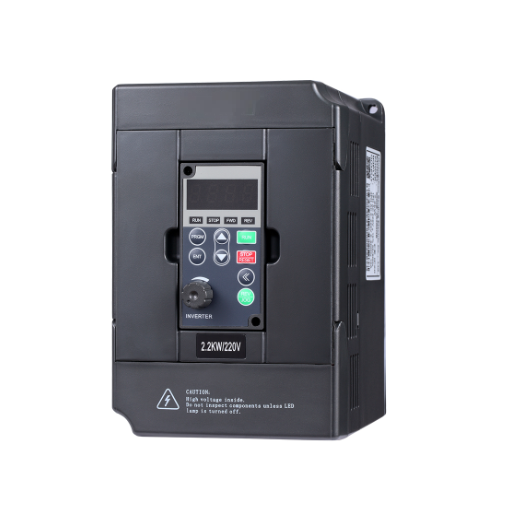
Static Frequency Converters are mostly being employed in areas in which the accuracy of both the frequency and the voltage is a must. For instance, they are applied in the aviation industry to feed ground equipment at 400 Hz as well as in research institutions with specific equipment. They are also a perfect match for such industries as test and measurement and energy that need stable, accurate frequency outputs.
Variable Frequency Drives (VFDs) are highly used in order to control the speed and torque of electric motors in industrial settings. One of the commonest cases is the conveyor systems, but there are pumps, compressors, and HVAC systems where they are used for the same reason of increasing energy efficiency and improving operational flexibility. Moreover, VFDs are known to be best for such cases that require motor speeds to be adjusted in order to meet the process demands, thus enhancing the overall performance and making it cost-efficient.
Common Uses of Static Frequency Converters
1. Aviation and Aerospace
SFCs are commonly used in ground power units (GPU) units of airlines for the purpose of providing 400 Hz power to aircraft during repair or pre-flight checks. This means that the aircraft’s onboard systems can also be utilized, hence no need to run the engines, and therefore a decrease in fuel consumption and emissions. One of the results is that the new SFC powered ground power units of today can save energy consumption by 25%.
2. Marine Applications
The marine industry has a need for dual frequency systems in order to be able to operate both 60 Hz and 50 Hz equipment on a ship. SFCs offer a solution for smooth frequency conversion which results in a ship being able to use power from the dock for its equipment and systems, especially in the case of ‘cold-ironing’ when ships are at berth and no engines are running. Thus, by this practice, emissions are reduced through the use of cleaner onshore sources of energy.
3. Test Facilities and Laboratories
Static Frequency Converters (SFC) are indispensable in research and test environments that require testing electrical components, motors, or appliances at specific frequencies. They are the equipment that can supply clean and stable power at these specific frequencies, thus giving reliable and repeatable test conditions.
4. Industrial Machinery
Imported or custom-made machines that operate at less common frequencies are the machinery on which many industrial production lines rely. However, by virtue of static frequency converters, manufacturers can basically make this machinery part of their overall operation system without the need for major modifications which leads to an increase in the overall process flexibility.
5. Railway Systems
When a region has a power supply with different frequencies (e.g., 50 Hz or 16.7 Hz), SFCs are very helpful, as they are able to do the network grid power and railway operation compatibility transition. This whole operation ultimately results in no disruption of power supply to electric train systems, bettering the reliability and efficiency of the critical transit networks.
6. Renewable Energy Systems
For renewable energy sources, like wind or hydroelectric power plants, SFCs play a very critical role in ensuring that the frequency and the power quality are the same for the energy generated as well as the power grid. This is particularly important for maintaining the stability of the grid and avoiding issues of power quality.
Typical Applications of VFDs in Industry
1. Pumps and Fluid Control
VFDs are a popular choice in the control of flow rate and pressure in the pumping system of various industries like water treatment, oil & gas, and manufacturing. VFDs can save energy by up to 50% when compared to the conventional method of throttling by adjusting the speed of the motor and they also decrease mechanical wear.
2. HVAC Systems
As per the text, of course it is true that Variable Frequency Drives (VFDs) are found to optimize Heating Ventilation and Air Conditioning (HVAC) systems by proper speed management and operation of fans and compressors the reason being that there are reports indicating that energy savings is between 20% to 40% and the commercials and industries improve the environment in commercial and industrial buildings giving the proofs for the same.
3. Conveyors and Material Handling
Variable-frequency drives (VFDs) can control the speed of conveyor belts, making material handling systems more flexible and coordinated. The automotive and logistics sectors have invested heavily in VFDs to improve productivity, decrease mechanical wear, and meet the changing process needs.
4. Cranes and Hoists
Cranes and hoists are good examples of machines using VFDs to start and stop operations smoothly and efficiently. As a result, this application is absolutely necessary in construction, shipping and manufacturing fields, where safety and precision in operations are the top concerns.
5. Mixers and Agitators
VFDs provide the ability to set mix and agitation speeds according to the process requirements in order to achieve the quality and color that are targeted by users. This is a significant advantage in food, pharmaceuticals, and chemicals where the products are directly affected by the mixing process speed in terms of quality.
6. Extruders and Machine Tools
The other end of the spectrum, which is the very high-precision industries of metals and plastics, also steps into the VFD technology and widely applies it for CNC machine tools and extruders. The main gains of the technology in such industries include increased efficiency, better quality, and longer life-time of equipment.
Performance Comparison: Converters vs VFDs
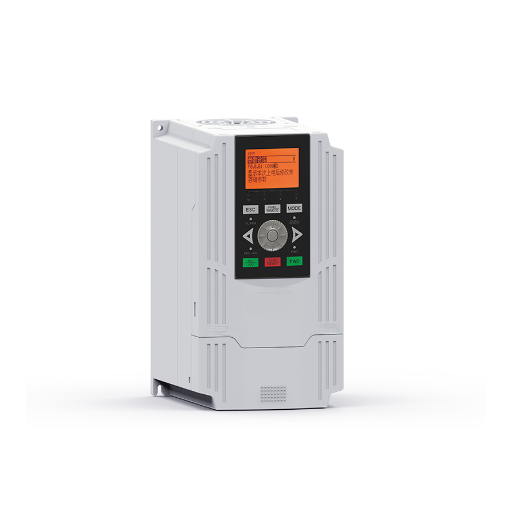
In comparing converters with Variable Frequency Drives (VFDs), the functionality and application scope are the chiefest of them. Whereas converters are mainly associated with the changing of electrical energy from one form to another, like AC to DC or DC to AC, and are focused on power conversion only. They do not alter dynamic control over motor speed or torque. On the contrary, VFDs present highly accurate control over motor speed, acceleration, and torque by the means of power frequency and voltage given out to the motor.
Applications that demand saving energy, having precise motor control, and adapting to load changes are perfect for VFDs. The converters, though they function in a less complex way, are mostly applied in systems with fixed speeds or for the power conversion to the equipment-friendly form.
Efficiency and Energy Consumption
When it comes to testing variable frequency drives (VFDs) and converters, the main points to consider are the efficiency and energy consumption. The VFDs are created intelligently to save energy through motor speed adjustment according to the actual application demand. Consequently, the energy wasted is very much cut down, especially in the case of variable load systems such as HVAC systems where the motor has to run at a fixed speed irrespective of the demand or pumping applications. The VFD technology installation can yield energy savings of 20%-50% for different applications and conditions, as per various studies conducted.
On the other hand, converters are the most suitable for fixed speed applications, and they lack the dynamic adaptability that VFDs possess. Converters are solely meant for direct energy transforming tasks and usually show lower operational efficiency in variable load scenarios. Moreover, power electronics advancements and enhanced semiconductor efficiency of present days have been reducing heat losses and energy consumption thereby making them more cost-effective over time. Through a deep Operational needs analysis, the industry can select the optimum solution, thereby saving energy and using the resources to the fullest.
Response Time and Load Handling
When dealing with modern variable frequency drives (VFDs) and similar control systems, it is clear that response time and load handling are two of the most important performance factors. The first one, response time, denotes the extent to which the system is able to adjust its functioning to meet changing operational requirements, thereby delivering precise speed and torque control instantaneously. High-speed processors and software have given way to the new generation of VFDs that may have their response times measured in milliseconds which is a tremendous decrease in operation lags but also at the same time guarantee operation’s smoothness under changed loads.
Load handling capabilities represent the ability of the system to provide constant performance even under varying load conditions. Nowadays, a lot of VFDs have in-built adaptive load sensing systems that can change the power output and, through that, the efficiency and keep from overloading. This way, they prevent any changes in the load from affecting the precision or stability of the system. These developments have the advantage of making the VFDs most suitable for applications such as conveyor systems, pumps, and HVAC units. The speed at which the VFD reacts and the load-handling improvements together make the system not only more reliable but also more efficient in terms of operation.
Reliability and Maintenance Considerations
Long consecutive operation of a device or installation can be adversely affected if its reliability and maintenance are not ensured. Today, sophisticated systems even more so the predictive maintenance techniques are being applied with the real-time monitoring and data from sensors while taking the preventive measure of the potential failure before it happens. This approach is directly contributing to very low numbers of unplanned downtimes and, consequently, very significant cost reduction in the repairs. To illustrate, the continuous provision of vibration analysis and thermal imaging is done to evaluate the health conditions of the bearings, motors, and cables.
As noted above, the use of strong materials and simple designs can prevent early aging of mechanical parts and reduce their service life. When the mentioned maintenance intervals are combined with the diagnostic tools which are fully automated, the overall system reliability will be increased, hence, more reliable operation for longer durations with hard conditions. These improvements are keeping pace with the very high quality and very low cost required by the industry to stay competitive especially in the high-tech environment.
Choosing Between Static Frequency Converters and VFDs
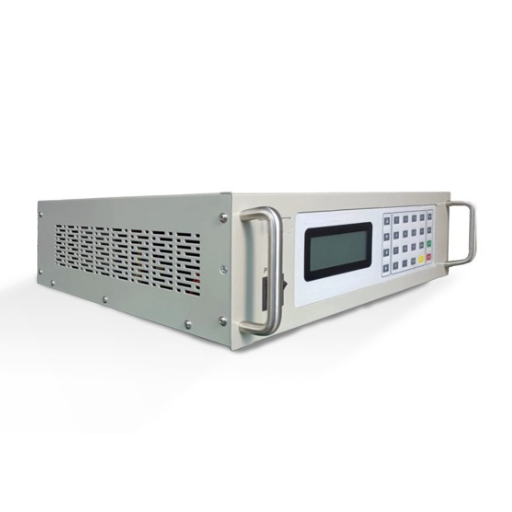
It’s fundamental to contemplate both the specific application and the operational prerequisites when making a choice between static frequency converters and variable frequency drives (VFDs). The former is tailored for fixed frequency conversion applications and is, therefore, good for facilitating equipment that is specific to a certain frequency or for critical operations with a constant frequency. They are very effective machines for the said operations but quite inflexible when it comes to maintaining the desired speed.
Conversely, VFDs are the predominant choice in cases where the possibility of dynamic control or variable motor speed is a must. For this reason, HVAC, industrial automation, and pump systems are some of the fields where VFDs are extensively used. The well-recognized benefits from VFDs are those of easy and precise adjustments of motor speeds, energy saving, and system flexibility in addition to the equipment protective measures of the motor through soft starting as well as stopping.
When the priority is the frequency stability, it is recommended to choose static frequency converters, and for cases of need for dynamic speed control and efficiency, VFDs are recommended. To come up with a well-informed choice, measure your system’s requirements, take into account the cost of the upgrade and energy efficiency objectives.
Factors to Consider
1. Application Requirements
The actual use is a paramount factor here. Static frequency converters are best suited for treatment of spots that require maintaining the same speed or very close to it, for example, in some specific industrial processes or when the power units at an airport that is controlled from earth. Alternatively, VFDs are the best option where different speeds are required to make the process control or equipment work at the process. The example of such situations is conveyor systems, pumps, and HVAC systems.
2. Energy Efficiency
Variable Frequency Drives have been created to decrease energy waste by changing the speed and power needed according to the situation, a technology that results in significant energy savings in cases of load variability. Frequency converters that are stable but lack this in-built feature are not as good for applications where the output needs to be changing wildly and where the dynamic energy optimization is an absolute necessity.
3. System Complexity
VFDs are usually built with more complicated circuitry, which calls for other issues to be taken into account during the installation, maintenance and operator training. The static frequency converters, which have a simple design architecture, are the ones that offer a better, well-structured and less maintenance-requiring option when frequency stability is the primary concern.
4. Cost Analysis
There is a huge difference in the initial investment and long-term operational costs when comparing these two technologies. Although VFDs could have a higher initial cost, their ability to save energy might pay off the extra cost through operational savings in the long run. Static frequency converters could be more economically viable in case of applications with static load requirements and less emphasis on energy optimization.
5. Environmental Conditions
The system’s environmental operating conditions are very important. VFDs in certain situations could need additional cooling or housing to be built around it and this is all because of heat dissipation happening when it goes to high-frequency switching. On the other hand, static frequency converters are often located in less-controlled environments but they do not break down as frequently due to their simple design.
Final Thoughts on Frequency Converter vs VFD
The choice between a frequency converter and a VFD is primarily dependent on the application’s demand and environmental conditions. Variable frequency drives are still predominantly used in applications that require a very high precision for the fundamental frequency and voltage output, like in the aerospace and laboratory fields where the power simulation and frequency matching should be just right. Any such high-performing system will have the converters as the topmost necessary component as they can keep the same performance level no matter how many tests have been done and without so much calibration.
On the other hand, VFDs are mainly used and do well in the industrial and commercial sectors. The reason is that these drives can control the motor speed and torque accurately which leads to a considerable amount of energy saving and equipment being used more thus the expected life of the equipment is extended. On the contrast, you will usually figure out that the industries with large machinery are in most cases either making use of VFDs to the fullest, thus the motor operates at the best level, or are just wasting all of that potential. The more modern VFDs that can perform like the smartest motor in the world are the ones that have the attention of the market.
Under any circumstances, acknowledging the aspect of applications and the technology is a must for making a well-thought-out choice. Although the frequency converters have the capability of giving a straightforward and rugged solution for very targeted applications, the VFDs, on the other hand, give a very large array of operations and are very energy-efficient in industries with ever-changing conditions.
Reference Sources
- “Load distribution and VFD topology selection for harmonic mitigation in an optimal way”
Read more here - “Power loss, system efficiency, and leakage current comparison between Si IGBT VFD and SiC FET VFD with various filtering options”
Read more here
Frequently Asked Questions (FAQs)
What is the difference between a static frequency converter and a VFD?
Static Frequency work which is in line with the traditional converter renders the varying output frequency and voltage control to be the rate of the speed produced in the system of machine, best known in the motor control use as Variable Frequency Drive. A VFD does not lend itself to k variable tary torque control, and is designed to provide exact speed control to induction motors and any application using three phase motors where as the static converters may not be able to achieve full torque capability of the motor. The machinist, however, should understand that in the case of a recommendation concerning the purchase of the system that will be capital sunk the estimation must also be regarded regarding a 1-PH feeder and whether or not there is the need of a perfect or rather a clean waveform.
Can a machinist use a static converter to run a single-phase motor or a 3-phase lathe?
A static converter sometimes can make it possible for a single-phase supply to start a 3-phase motor, but it can’t always provide the full torque continuously, so it might not be the best tool for tough machining on a Bridgeport or other power equipment. A rotary converter or a true phase-converting frequency converter for transferring power will be a lot better if the motor is to be run on the machine under load and for higher reliability. As for the soft functioning or for running as an idler, the static converter could still be an option if the first two alternatives are excluded, but tool and die makers would have to contend with performance and wear & tear issues most likely caused by the conversion.
How does a machinist convert 50Hz to 60Hz for equipment from another country?
In order to shift frequency from 50 Hz to 60 Hz it is common to employ a frequency changer which can change one frequency to another. This could be an electrical static frequency converter or an electronics VFD so long as it yields the correct frequency. An effective converter must control ransient effects, including the output voltage and the frequency, such that the motors or any other power equipment function correctly at the new frequency. For precision applications, the machinist should select a device that gives sine wave with minimal frequency harmonics and voltage fluctuations to avoid distortions due to signal eyeoff gaps and electric noise.
Will a machinist notice more wear and tear using a VFD compared to a static converter?
VFD usage is a common way of reducing mechanical wear and tear due to the ability to provide smooth variable speeds and soft starts that are significant compared to direct-on-line starts or crude static converters, and thus they can work as a soft starter during the ramp-up process. However, unfiltered VFD output can be responsible for the introduction of higher-frequency switching harmonics, which lead to increased bearing currents in the induction motor, unless they are suppressed properly.
