
Satisfying the requirements of modern age factories, airplanes gadgets and the various kinds of military applications often entail having an effective machinery for switching the frequencies of power. The Heavy Duty Frequency Converter we’re talking about, where its main purpose is to reduce 400Hz voltage without deviating its primary waveform such that it gives 60Hz voltage is important in power through those important areas where critical power failures are not allowed. In this blog the technology of 400Hz to 60Hz power converters will be reviewed, the industry sectors in which their use is most critical will be examined and some aspects of how to choose a frequency converter will be discussed. Whether you are working on air vehicles, using electronics which are susceptible to magnetic field meshes or simply running a large machine plant, these devices must be used so you should encourage maintenance of the equipment without fault.
Understanding Frequency Converters
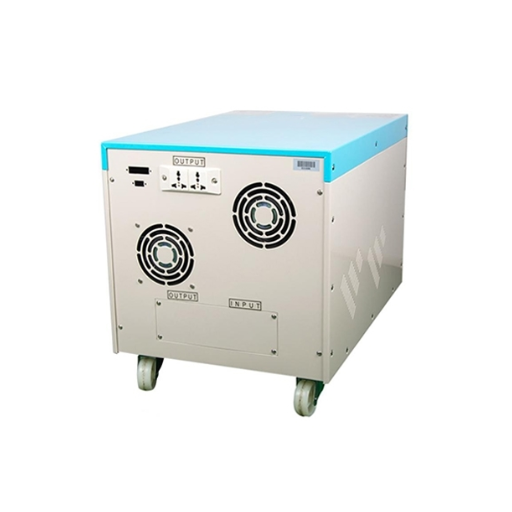
The main purpose of frequency converters consists of transforming the frequency of electric power-fed by electrical equipment or systems into another frequency. For example, 400Hz power grid found in aviation sector can be converted to 60Hz so that the grid can be connected to utility industrial/commercial equipment. This function is quite effective when there exists a mismatch between the source and target frequencies hence aiding to enhance performance of devices connected to the grid. Newest models of frequency converters are designed to maintain the rated frequency without deviations, carry power intensities very high and are widely used in aviation, defense and industry areas where issues of reliability and economy are relevant.
What is a Frequency Converter?
A frequency converter is a device or a combination of components that enables changing the frequency of an electrical current in a power supply system. This is done by transforming input alternating current (AC) power into direct current (DC) power and inverting it to generate an AC power of the required frequency. Frequency converters are needed for applications with requirements for adjustment of motor speed, elimination of phase differences in electrical systems, and compatibility of equipment that was made for different power change standards, e.g., 50Hz into 60hz or vice versa. More complex inverters, however, come equipped with such amenities as power factor correction, minimizing harmonics, and withstanding heavy demand, demanding maximum performance. They are essential in a range of energetic, industrial, and traffic applications, where quality, accuracy, and quick change are inherent.
Importance of 400Hz to 60Hz Conversion
Oftentimes, applications requiring the conversion of 400Hz to 60Hz are found in the interface of the aerospace, defense, and commercial systems. Most of the times, 400Hz power is employed in aircraft, weapon systems, and sophisticated radar equipment as the electrical components operating at the higher frequencies are smaller and lighter. Nonetheless these systems require conversion for reliable use when connected with components or systems using 60Hz.
Up-to-date 400Hz to 60Hz technologies encounter the use of modern power electronics to achieve tiny, and almost wasteful loss of energy systems. Such systems are widely recognized for their immense utility in aerospace applications. For instance, in ground power units (GPUs) for aircrafts, they help in shifting the aircraft-specific power systems to the standard commercial power systems. These converters ensure proper working condition in a number of severe conditions by applying techniques such as voltage stabilization, harmonics filtering, and heat control. The change of any form of energy will improve energy efficiency, extend the useful life of devices, minimize waiting times experienced and add value to work and that is, mission-critical and commercial applications cannot be thought of without this technology.
Applications of Frequency Converters
- Industrial Machinery: Frequency converters make up a significant part of the industrial machinery, where they are used to power machines that are either speed variable or precise in its control. For instance, machining centres and industrial robots enjoy the benefits of converters, as they are able to work more accurately and faster. Analysis of the issue shows that in some cases the use of a frequency converter can even decrease the power consumed in the manufacturing setting by more than 30%.
- Pumps and Compressors: Pumps and Compressors even boost the validity of frequency converters by maximizing components like pumps, compressors and other such machinery used primarily in water treatment and HVAC systems through altering the motor speed. They do so with minimal energy use and less strain on the equipment making it last longer.
- Renewable Energy Systems: As an example of renewable technologies, frequency converters have great importance in wind and solar power generators because of the need to adjust the grid frequency to that of the electrical machine used. The application of such technology significantly contributes to the improvement of smoothing operation of grids and increase of the power generated by the system.
- Aerospace and Defense: Aerospace and defense companies use special converters for the aircraft power supply system that helps to change the power supply mode from the ground based supply (50 Hz) to the aircraft’s supply (400 Hz). This helps the company in maintaining reliability across the varying types of electrical systems.
- Marine and Offshore Equipment: Ships and offshore platforms require the use of frequency inverters to ensure the continuous operation of vital services. An example of this would be converting the frequency of the shore power to minimize the use of diesel generators on the ship, which is quite costly and result into high pollution levels.
- Testing and Research Laboratories: The use of frequency converters allows more accurate testing of equipment under different national grid conditions. To assure that our company’s product complies with copious and sensitive international norms concerning both operational safety and product safety, both requirements must be met.
Classification of Frequency Converters
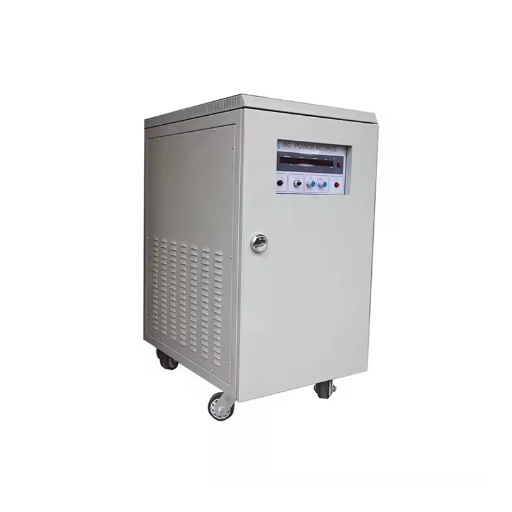
Frequency converter differences can be very rudimentary when considering the classification:
- Rotary Frequency Converters:
These convert electrical power from one frequency to another and commonly involves rotating electrical machinery. Usually, such mechanisms are employed in heavy industrial applications due to their power and ruggedness. - Static Frequency Converters:
These use electronic devices like inverters and rectifiers to change frequencies, but no moving parts are involved in this process. However, this technology is more compact, uses less energy and is more suitable for usage in particular industries, for example, aviation or testing facilities. - Digital Frequency Converters:
Digitally controlled convector process as described, involves high accuracy because of the control systems that are also can be programmed and are used in civilized industry and research institutions where flexibility is necessary.
These kinds of converters do the job depending on the needs of the process which makes choosing the appropriate one allow for some chances coming in the type and operation of the device and depends on a number of technical and operational factors.
Single Phase vs Three Phase Frequency Converters
| Key Parameter | Single Phase Converters | Three Phase Converters |
|---|---|---|
| Input Power Requirement | Single-phase power source | Three-phase power source |
| Load Capacity | Lower load capacity | Higher load capacity |
| Applications | Residential or light-duty use | Industrial or heavy-duty use |
| Efficiency | Lower efficiency | Higher efficiency |
| Power Stability | Less stable power output | Consistent, stable power output |
| Cost | Generally lower cost | Relatively higher cost |
| Design Complexity | Simpler design | More complex design |
| Maintenance Needs | Lower maintenance demands | Requires advanced maintenance |
| Voltage Capability | Limited to single-phase voltage | Handles multi-phase voltage inputs |
| Suitability | Light machinery and electronics | Large motors, industrial machines |
400Hz Frequency Converters
Industrial and other uses where high power density is a much important issue in lightweight, compactness, and efficiency are on high voltage systems with a 400 Hertz frequency. The more significant example is the aviation sector where the 400Hz provides the possibility of making the weight of an aircraft electronics less owing to the necessity for smaller transformers and motors. These systems are also used in various military areas. Equipment with high frequency current is used in decentralized radar, command ability and other communication systems and other critical applications which require high power situations.
There is more to frequency converters of 400 Hz than aerospace and defense. One can find them in industrial, testing and manufacturing facilities. They are used to feed sensitive equipment like special tools, devices, and other electrical loads, found in laboratories and within manufacturing facilities that need a power source that is from a generator or a direct utility connection to be consistent and reliably supplied. It is good to know that modern-day 400 hertz systems do not suffer from such inefficiencies. In fact they even surpass that having typically lesser power loss thus meeting present power grid norms. Often, these converters are controlled employing digital systems, which makes integration painless and enhanced performance surveillance possible.
60Hz Frequency Converters
Frequency converters operating at a 60HZ output are essentially critical for all applications where the input frequency is required to be changed. This is a common situation, particularly in situations where the electrical main frequency fails or in some sophisticated industrial applications which need very accurate regulation of motor speed and other frequency related machinery.
Advanced solid-state devices and equipment typically provide high conversion efficiency, compact size and low harmonic content level. The majority of them comes designed with a programmable control system that enables customization of the output parameters to fit specific equipment requirements. Moreover, they are frequently in compliance with various standards such as IEEE and IEC, thus they are said to undergo certification to guarantee the safe conversion of power whenever they are used. And their operational performance enables their application to be extended to such areas as manufacturing, renewable energy systems, and essential services, as the possibility of their failure is minimal.
Technology Behind Frequency Conversion
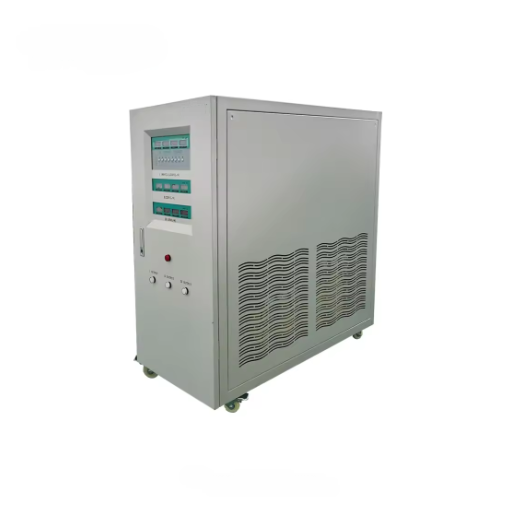
Changing frequencies is linked to applying a series of power grid equipment. This equipment and appliances are called frequency converters. Each frequency impedance consists of two main stages. Initially, the supplied alternating electrical power is corrected to get a direct current flow by use of a rectifier. Further on, the rectified flow is again modified to desired frequency in the form of an alternating electrical flow using an inverter. Modern frequency conversion software encloses distinct control methodologies such as pulse width modulation (PWM) that facilitate flexible as well as effective operation. Without these facilities, numerous advanced applications exhibiting wide variances in latency level will not be achieved, where such applications include industrial motors, aerospace systems, and renewable energy electrical power plants.
Solid-State Frequency Converters
Solid-state frequency converters bring with them a number of critical advantages when compared to traditional electromechanical systems in particular efficiency, reliability and control precision. The main reason for this phenomenon is that these types of converters make use of complex semiconductor components such as Insulated Gate Bipolar Transistors (IGBTs) and Silicon Controlled Rectifiers (SCRs) that make it possible to realize the operation with high switching frequency and without excessive energy losses.
Furthermore, solid-state converters guarantee better precision in controlling voltage and frequency limits, which is a critical need when dealing with tough operational demands. Due to the hardiness of the technology against the forces acting on the device, the cooling system also contributes to the durable nature of this machine and extended periods before maintenance services are sought. For instance, in areas that are performance-dominated and involve areas with risks of failure such as the high-speed rail, aerospace and renewable energy sectors, such systems are absolutely essential.
Rotary Frequency Converters
Rotary frequency converters are highly appreciated for their ability to effectively convert electrical power into different frequencies and still perform with accuracy and efficiency. Today, the modern rotary converters are, with the said allowances being considered, designed to handle high power with no exception, supporting outputs ranging between a few kilowatts to several megawatts. It is, therefore, useful for industries serviced by heavy duty power solutions such as HMS, industries and defense.
Besides, new generation systems have control consoles that are capable of obtaining data on more than one aspect of the system operations hence can maintain optimum performance even with changes in the conditions and the amount of load functioning. Due to special manufacturing, the load for the bearing and material employs high-tech solutions and materials which help them achieve zero down time and better mission effectiveness. The risk of failure particularly in critical system operations is obviated due to the presence of rotary power converters as opposed to most static converters. Reconciling these trends creates better understanding of their importance in the advancement of economies and in building infrastructure all over the world.
Pure Sine Wave Output
Creating a clean signal is one of the most important concerns in terms of accommodating and utilizing the advanced electronic equipment. The outgoing energy pulse has to be smooth and constant and the output waveform will be identical to the one provided by the grid. This becomes extremely important when such specific devices as medical equipment, variable speed drives, hi-fi equipment, finely tuned clocks are being used, as any unexpected deviation in this uniform waveform shall cause either wrong performance, cutting of performance, or destruction of equipment.
Leaps of the nowadays inverter technologies made it feasible to produce an refine the sine wave output and lessen the total distortion to minimal levels, at most less than 3%. This not only decreases challenges but also increases the lifecycle of the devices. Pure sine wave technology is becoming more prevalent in renewable energy systems, UPS (uninterruptible power supplies), and rugged industrial power inverters as a minimum sine wave software due to its support advantage in stable and efficient power transmission capabilities.
Choosing the Right Frequency Converter
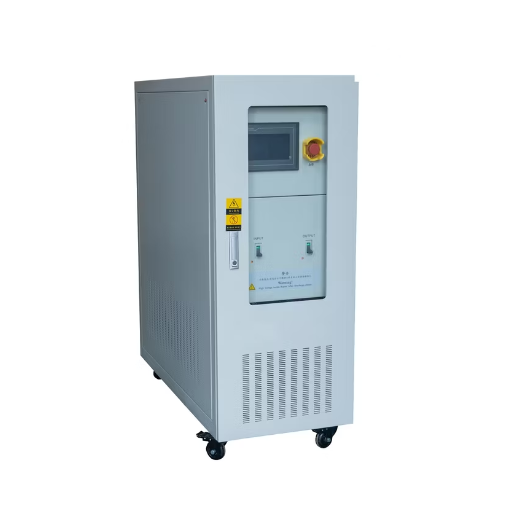
- Input and Output Requirements:
Fatigue the input voltage, frequency, and phase type of your current power supply; find the converter that satisfies your expected output. - Load Capacity:
Make sure that the power of the connected devices matchtable with the wattage or kVA of the converter, as well as some level of compensation for any peak power. - Efficiency:
High efficiency ratings, which minimize energy wastage and save you from heavy operational charges, ensure that you will consider efficiency of the transformer. - Application Specifics:
There may be some specialized requirements in the application of the transformer, for instance, interference with devices or instruments working with high precision, in which additional functions such as the presence of a sinusoidal signal are crucial. - Environment and Durability:
It is essential to purchase a frequency converter that is intended for the specific working conditions (extreme temperatures, wet environments, etc.), in some cases, even the means of transportation.
These criteria will help you find a suitable efficiency, adaptability, and functional design parameters of the frequency converter that is right for your working conditions.
Load Requirements and Specifications
In order to assess the load requirements and determine the necessary specifications for the frequency modifying apparatus or converter, both the working load types and the total system load should also be considered. Load types are generally divided into resistive, inductive, and capacitive loads. For instance, resistive loads like lighting or heaters provide an unchanging demand, while motor or transformer use inductive loads have high inrush currents and fluctuating power supply. Capacitive loads, on the other hand, are not too common and lead to specific problems within an electrical system, like poor power factor, for which new factors are introduced over and above the already available ones to ensure the expected service.
When one intends to specify the exact size of a frequency converter system, the total power demand in kilowatt (kW) or kilovolt-amperes (kVA) should be calculated and addressing the starting current if there is motorized equipment being used. Furthermore, it is necessary that the voltage and frequency at the equipment are specified so that the configuration of the converter can be done in a touchscreen. This optimal safety margin provides users with a huge opportunity to reduce loads on equipment as well as improve reliability thus the equipment’s expected performance is not compromised. Considering the challenges of addressing harmonics and improving all other performance requirements, the support of the operation of the internal converter is detrimental to results.
Input/Output Voltage Considerations
When talking about how Control Units (CUs) are manufactured, it is imperative that they work well within the parameters of the source and device that is attached. The voltages of the power supply devices can be categorized in the installation area in which they will be fitted as the usual line voltages, which would be either low, e.g., 208V, 230V, or 480V. Medium voltage such as 2,300V or 4,160V. Incorrect line connection will both increase and decrease the voltage causing both over and under voltage situations in the circuit that may be harmful to the components.
From the perspective of outputs, the purpose of the device is to adjust the voltage to fit the actuating machine or the equipment connected to it. You may also meet many of the latest designs of frequency changers today, which are equipped with different systems to control the output voltage such as pulse width modulation (PWM), which can be used to prevent excessive distortion. Also, it is necessary to recognize that there is a large potential voltage drop in long cables from the inverter to the motor, which would not help the operation of the machine. Good fitting of the cable and adjustment of the voltage drop ensures full operational capacity of the working machinery.
To maintain compliance and avoid costly breakdowns, industrial applications should always respect the set voltage tolerances and incorporate guidance from the generally accepted electrical standards like IEC 61800-3 and IEEE 519. This detailed study of input/output voltage helps keep the converter and the other components operational for longer periods and in a proper manner.
Environmental Conditions and Ratings
Environmental conditions are an important factor in the construction and maintenance of industry infrastructure. Aspects like the temperature, humidity, elevation and particulate or corrosive loading significantly influence the quality of results that can be achieved. As an example, a good deal of industrial hardware specifies an operating temperature range (such as -10°C to 40°C), albeit additional cooling or heating functionality may be necessary; trading lands outside these parameters are possible. Condensation can arise where relative humidity is over 95%, contrary to the application of conformal coatings, which helps in preventing electrical hazards.
Typically, equipment isn’t over-designed for purposes over 1000 meters since air density decreases which ultimately affects heat dissipation. Ingress protection (IP) ratings, on the other hand, are used to prevent dust and waterproof hazards mentioned in the standards or IP codes like IEC 60529. Case in point, devices with an IP65 rating are typically suitable for use in dusty environments or those that are damp, but not soaked. Adopting such environmental constraints can help in reducing operational down time and other unexpected maintenance events.
Comparative Analysis of Converter Types
Converters find themselves into the main four categories such as AC-DC, DC-DC, DC-AC, and AC-AC converting instruments depending on the application they serve.
- AC-DC Converters: Devices that convert alternating current to direct current are known as AC-DC converters. This apparatus is particularly used in power supplies in the electronics field. It is important to bear in mind how well they perform, particularly in terms of their effectiveness and their stability during operation mode as well.
- DC-DC Converters: Though these devices are employed for the rise or fall in the amount of applied voltage across DC terminals, DC-DC converters serve an essential role mainly in the devices that use batteries, solar devices, and within automotive industry.
- DC-AC Converters (Inverters): The task of an inverter is to convert direct current to the alternating current again. These units are integral sunlight systems for proper conversion to the grid integrated systems using solar.
- AC-AC Converters: Commonly referred as power regulator, these devices are specifically used for changing the voltage or frequency of the input in respect to the output electrical signals and therefore are popularly used in current system of operation i.e., control and power distribution systems, for example, low speed regulation where a higher degree of precision is necessary.
Different aspects of performance should be considered to be able to determine the right ultracapacitor for this application in particular, in terms of budget, performance factors and use cases. As a result of this integration, it helps in better performance and equipment durability.
Compare Different Converters
| Type of Converter | Input/Output | Efficiency | Applications | Key Features |
|---|---|---|---|---|
| AC-DC Converters | AC to DC | High | Charging systems, power supplies | Precise voltage regulation |
| DC-DC Converters | DC to DC | Very High | Energy storage, mobile devices | Adjustable output voltage |
| DC-AC Converters | DC to AC | Medium to High | Off-grid systems, inverters | Sine wave or modified wave output |
| AC-AC Converters | AC to AC | High | Motor drives, power distribution | Variable voltage and frequency |
Challenges: Heat Dissipation and Harmonic Distortion
When it comes to present-day technology concerning power, management of overheating is one of the core issues just as much as efficiency enhancement due to the huge power dissipated while the equipment is running. Such is the resultant effect of the coming of IGBTs that are renowned for their low conduction but high switching power. Multiple factors determine the power losses in a system, one of which is the conduction losses. These include both conduction and switching losses. In fact these power loss influences are substantial even in cases of zero switching both causes mainly due to tolerances of the fitting and switching off in a real converter. Unlike the basic cooling methods, these sources are capable of removing the heat produced simultaneously in a number of locations.
When electricity is generated and, used harmonics corruptions are almost inevitable due to the non-linearity in semiconductor materials and the high frequency switching. Such unwanted harmonic current can cause inefficiency, overheating and result in disturbance in the sensitive electronic equipments close by. As such, high tech in terms of fabrication filters such as either passive LC filters or active harmonic filters are used to control the extent of harmonics to meet the requirements of the strict power quality levels set by IEEE 519. In this regard, it is important to note that further distortion reduction will always involve trade-offs, particularly in high-power or high-frequency applications where performance objectives and component performance limits, in addition to other factors, lead to constraints.
Cost-Effectiveness in High-Stakes Industries
Certain markets such as alternative energy, aviation development and general manufacturing are requiring more affordable technologies that are able to function with sheer precision and little room for failure. Advanced converters tend to use silicon carbide (SiC) and gallium nitride (GaN) chips to ensure high efficiency and low switching losses, to the benefit of the end user in cost savings. Likewise, the presence of modular converter structures allows for easy expansion and well-coordinated maintenance of the equipment to reduces costs related to such operation.
The utilization of novel control strategies and supervisory systems within these converters, helps in propelling the machines together with electrical equipment for long, minimizing the costs associated with them as well. Fast deployment of energy structures came with an increase into the use of fast growing electric technologies which increase the necessity of these progressions as they help the high end users to do more with their processes and industries without giving up the legislative and sustainability goals.
Reference Sources
- Configurable Frequency and Voltage Three Phase Power Supply
Read more here - Design and Simulation of Boost DC-DC Pulse Width Modulator (PWM) Feed-Forward Control Converter
Read more here
Frequently Asked Questions (FAQs)
How does a single-phase frequency converter convert 400 Hz power to 60Hz?
A single phase frequency converter is a unit that first rectifies the incoming 400Hz power into DC and then uses an inverter stage to synthesize a 60Hz AC output at the required voltage. This process retains the output power and can provide a fundamental frequency for sensitive electronic applications. Differentiating itself, some converters are accommodated with filtering and voltage regulation that aims to meter and control the output voltage as well as output frequency at repeatedly a certain level useful for a particular application like in the aircraft testing or bench power supply use.
Can a 400Hz to 60Hz inverter provide a 120 V output for aircraft and industrial testing?
Yes, a voltage inverter that is based on IGBT modules or other modules from manufacturers good for industry, because it is designed for a voltage that will later be converted in the same manner as those levels from 400Hz utilized in aircraft to 60Hz used by specimens placed on the ground. For instance, during airplane tests, the devices are supplied from three-phase 115-volt 400Hz aircraft power sources and constitute the transmission shifts, switchgears provided with circuit breakers and various other safety interlocks, which, for example, by exerting control of a metallic shroud, ensure that the entire command is suspended in the event of a short circuit.
What is the role of a 60Hz frequency converter rated 500VA in lab or field use?
A 500 VA frequency converter produces relatively low power output and is typically used in testing equipment applications, small aircraft equipment, and lower bench equipment. These converters are able to convert 400Hz power to a steady 60Hz regulated voltage usually between 115 – 120v. However for higher loads a higher kva or wattage is used so that the equipment is not overloaded and the circuit breaker is not tripped off.
How does a frequency converter maintain output voltage and frequency when converting 400Hz power?
Frequency converters for example use digital processors to read and control the generator characteristics, adjusting output frequency and voltage as necessary by altering the conduction period due to load condition. Modern models, in particular, are capable of imposing feedback suppression control resulting in the elimination of harmonics in output signals as well as minimising distortion within the generated sine wave. As such this control also leads to the exclusion of low power outputs from oscillating equipment.
