
It is without question that the generation of Alternating Current (AC) power has played a significant role in providing a reliable supply to industries, businesses and private homes. However, in many instances, devices and systems are designed to operate at different frequencies, which could be a potential setback. This is where the AC power frequency converter comes in—a necessary piece of technology that is required in order to accomplish the varying frequency needs. In this article, we study how electrical frequency is defined, the effects of the employment of AC power frequency converters and, the specific area in which they are implemented in various industries. This is the technology that one has to know in order to place it effectively, about how it gets placed in the given area.
What is an AC Power Frequency Converter?
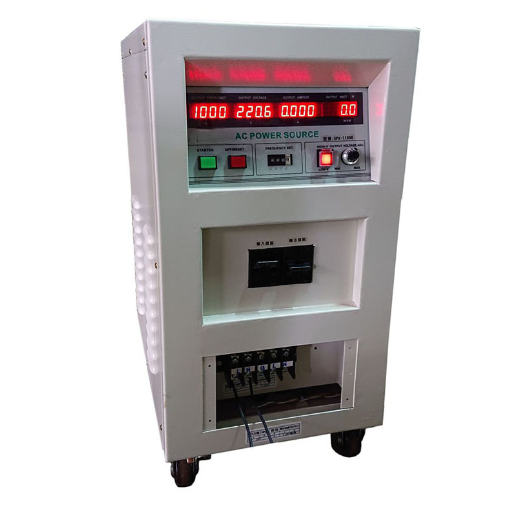
The purpose of the power frequency converter is to facilitate the electricity which is supplied from the main and various subsystems which have different frequency requirements. This system is designed to operate in a particular environment and manner: it first converts the incoming alternating current (AC) energy into direct current (DC), then feeds an inverter, which generates AC voltages at the required frequency. These devices, basically, are required when some equipment is typically designed for one frequency, e.g., 50 Hz, and it is expected to work within a power grid or service area with a different frequency. Conversions shall take place especially in the aeroplane and industrial equipment or naval equipment, because without them, no equipment, system, or machinery can be of use.
Definition of AC Power Frequency Converters
This would mean that AC power frequency converters are indeed devices specially designed for converting the line current to meet various equipment or system requirements at a different line frequency. Basically, the devices convert the input AC power to DC through rectification. Thereafter, the DC is fed to an inverter where it is turned back to AC with an adjustable voltage and frequency. In contemporary designs, power electronic devices and state-of-the-art pulse-width modulation (PWM) techniques are used to construct converters that deliver voltage and current waveforms with minimum distortion and high power factors.
Power converters are designed to operate from very small laboratory appliances to massive machines. The incorporation of programmable frequency ranges, remote monitoring, and compatibility with the smart grid systems into the higher end of models is a common trend. By delivering the exact MHz frequency, AC power frequency converters can maintain equipment operation under load variations, improve process control, and enhance system operability. Owing to this development, the demand of these devices booms in sectors such as radiation, mechanics, heating and cooling, and even provides power to the transport sector like airports and hospitals.
How Frequency Converters Work
Frequency converters consist in changing the frequency of the incoming power grid to generate power necessary for the intended purpose. The process predominantly consists of the following three stages: rectification, inversion, and filtering. Specifically, during rectification, the alternating current (AC) input signal is fed to diodes or thyristors to shift the polarity of half cycles to direct current. The inverted signal is then generated in the divisor stage where insulated-gate bipolar transistors (IGBTs), or other switching devices of such type, switch the voltage on line as if it would change the voltage to the desired frequency.
In a nutshell, most frequency modulators utilize printer-friendly version pulse width modulation techniques (PWM) with a view of designing highly efficient and loss-free systems. In addition, the most modern of systems apply advanced algorithms capable of reading actual values of voltage and current and providing means to adjust under the influence of changes of the load. This in turn serves the purpose of improving the operational efficiency and enhancing the useful lifespan of machines and plants without compromising the standards of power quality within an establishment.
Types of AC Frequency Converters
| Type | Key Points | Parameters |
|---|---|---|
| Variable Frequency Drive | Adjusts motor speed with precision | Voltage, frequency, torque |
| Cycloconverter | Directly converts AC frequency without DC link | Efficiency, harmonic distortion |
| Matrix Converter | Compact design without intermediate DC stage | Input/output voltage matching |
| DC Link Converter | Uses intermediate DC circuit for conversions | Voltage stabilization |
| PWM Converter | Controls voltage using pulse-width modulation | Low energy loss, high accuracy |
| Resonant Converter | Operates at resonant frequency to improve efficiency | Noise reduction, energy savings |
Applications of AC Frequency Converter
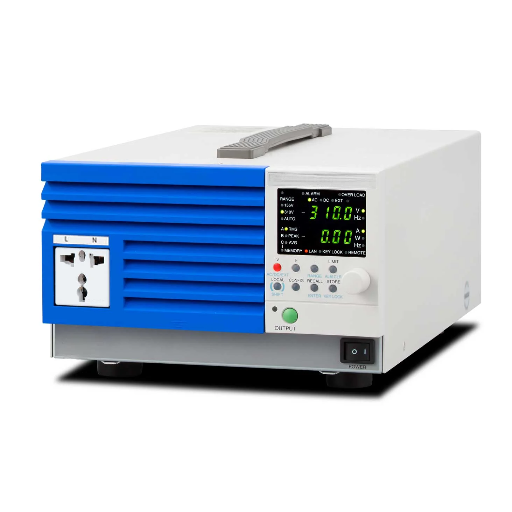
- Industrial Automation: Improves the precision of running systems such as conveyor belts, pumps, and compressors besides minimizing the mechanical overuse to which processes are exposed.
- Renewable Energy Systems: Enhance the automatic facts renewable energy in the forms of solar and wind power handling the variability of these sources properly.
- HVAC Systems: Motor speed control is utilized to improve the performance of heating, ventilation and air conditioning systems which consequently lowers power output.
- Transportation: Control motor frequency and torque to proportionally run electric trains and escalators.
- Marine and Offshore: Assist ships in mooring, providing propulsion systems and supporting auxiliary equipment even under such loads which vary due to mooring.
Industrial Manufacturing
Variable-frequency drives (VFDs) are found extensively in contemporary industrial practices as they deliver unparalleled accuracy over motor control. It is enabled to allow the speed and torque of motors to be controlled at certain limits, and this in turn enhances the efficiency of manufacture, reduces power consumption, and eliminates wear and tear in all machines. These render convenience in preventing the destruction of goods, such as in the case of free stop and staring in conveyor systems. Alternatively, VFD can very well control rather critical operations in robots such as assembly and material management.
Available research suggests that pursuing a VFD-centric mechanism in all production systems can result in a 30% cut in energy use, depending on the nature of operation and the type of equipment involved. There is more, technology for VFDs nowadays even has features that call for predictive maintenance to functional optimization. This ensures that issues that may require downtime are pinpointed through the analysis of the data and corrective measures taken before any breakdowns occur, which, in the end, reduces and maintenance expenses and expedites the resumption of operations.
Renewable Energy Systems
Sources of green energy draw on permanently available resources like sun, water, wind, and heat from below the surface and turn their potential into power while reducing emission. An expansion in this aspect of the economy is now characterized by the enhancement of these processes through the use of state-of-the-art technological equipment and various other systems. As an example, photovoltaic (PV) cells in solar panels can convert sunlight into electricity with a commercialized efficiency exceeding 22% today due to advancements in materials such as perovskite and vedar technologies. Wind turbines have also evolved with time and the designs now feature the use of larger blades and more sophisticated aerodynamics.
Several data forecasts predict that worldwide renewable energy share may soar and by the end of 2030, it could be contributing to more than half of the overall electricity production – marking even faster transition to sustainable energy systems. Energy systems allowing more than one renewable energy source to operate, cover them with energy storage system (such as lithium-ion, redox-condition flows) to increase the renewable potential are under utilization. These designs help to decrease energy instability by including proper storage management solutions and maintaining standard capacity requirements.
Transportation and Electric Vehicles
The transportation sector is in the midst of a revolution, primarily propelled by the widespread use of electric vehicles (EVs) and progress in environmental technologies. Electric cars are now powered by high-capacity lithium-ion batteries giving them more energy per mass and per volume and the driving range of some of them can surpass 400 miles after a full charge. Further, this progress is accompanied by the extensive deployment of electric charging stations, with the fastest chargers carrying a capacity of more than 250 kW, making it possible to charge 80% of the capacity in less than half an hour.
EV sales have been rising consistently with numbers accelerating by the years. Market penetrations may breach the series of ones by 2023 at above 14 million. Even if we consider of the bumpy market growth in the previous years, there is still a considerable increase in such periods. Public policy makers across the world are enacting legislation that mandates compliance with emission targets and have also provided creative ways to encourage the purchase of electric vehicles (storage system with its own electrochemistry).
Benefits of Using AC Power Frequency Converters
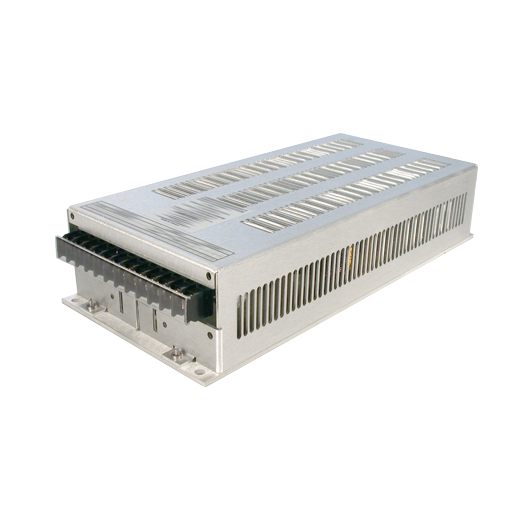
In various fields of application, the benefits of AC power frequency converters are numerous. One of the major applications of AC frequency converters is the control of the speed and the torque of an electric motor. Thus, increased productivity and efficient utilization of the available energy are achievable. They also play a critical role in the protection of equipment by preventing damage from service fatigue. Besides, frequency converters aid in the enhancement of power system stability by matching power frequencies to the correctly stipulated levels for optimum equipment operation in various climatic conditions. These operational devices also reduce the cost of maintaining equipment by preserving mechanical equilibrium and preventing a substantial wear‐off in components, thus ensuring more consistency of performance in an industrial or commercial environment.
Energy Efficiency Optimization
The advancement in the technology market particularly in the field of power electronics with converters and energy control systems offer great benefits in reducing energy consumption as well as operations costs. Through such systems, it is possible to neatly cut off sources of energy wastage that sometimes result in energy recoveries of industrial processes exceeding 30%. It is found that the application of modern, adjustable speed drives (ASDs) in HVACs, manufacturing industries, including those of water treatment plants, can greatly minimize electricity usage, thus promoting the sustainability both economically and environmentally.
Moreover, Rapid Assessment of Relevant Parameters or Monitoring in real time through sensors and analysis of received data provided led to accelerated search of the low effectiveness elements and prediction-based maintenance. This combination of enhanced performance and measurement results makes it possible to obtain the maximum in the process with the least thermal energy input, driving the shift towards the adoption of sustainable energy solutions at the global level.
Improving System Performance
Breaking record speeds demands the unification of innovative technologies and the right techniques. The use of machine algorithms in facilitating the system processes optimally is inevitable given that significant volumes of data must be run for the retrieval of faults and timely recommendations. Most contemporarily, more performance is obtained by machines near their data considering that edge computing solutions have efficient designs in lowering latency and enhancing response speed.
Moreover, energies have been channelled to state-of-the-art thermal control technologies with noticeable effects in regulating thermal conditions without any overheating and worrying about the rate of material aging. Rather, the goal of maintaining the high-performing operational characteristics of the equipment over the years and its technological aging should be valued. The above practices are not just desirable but necessary in order to keep up with the evolution of these systems under modern industries’ growing demands while still maintaining high reliability and sustainability.
Cost Reduction for Businesses
Controlling costs remains the central objective in businesses that aim to surpass the break-even point and ensure faster business growth. Recent research shows that the implementation of automated processes through the use of new algorithms has reduced the number of man-days or labour hours of work by at least 30%. Moreover, majority of the businesses have managed to efficiently decrease their costs of running IT operations by moving part or the whole of their operations to cloud platforms by as far much as 40% per annum. Additionally, the use of some new age systems, like for instance ENERGY STAR ones (focus on intensity of power utilization), also causes the decline in the energy consumption and utility expenses for big operations by at least 25% yearly. These help businesses to cut down their costs permanently and increase the efficiency without limits.
Selecting the Right AC Frequency Converter
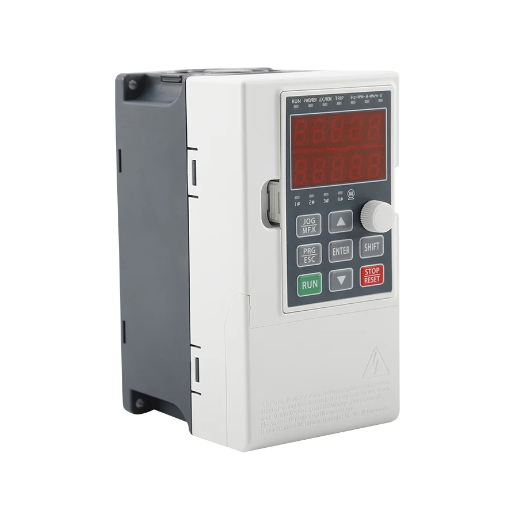
In the selection of the perfect frequency converter, an assessment of several important aspects is required to scale the requirements of a system effectively:
- Power Requirements: Attention should be given to how well the power generated by the converter corresponds to the voltage and current requirements of the machinery in question. Using undersized converters can result in inefficiency and operational failure due to overloading of the power converter.
- Load Type: Know in advance whether the system in question will be a constant or a variable load with torque requirements. This will inform the selection of a converter with motors that are specially designed for a load.
- Control Features: Keen on the features that enable one to resist the inappropriate torques of set speeds, the factors while extending its programmability. Such features improve the functional performance of the application in even the most complex situations.
- Efficiency and Energy Savings: In addition, look for converters that have been made with energy savings in mind, as this will result in a considerable reduction in operational costs as time goes by.
- Environmental Conditions: When installing the converter, one should take into account temperature, humidity, as well as the dust or corrosive content. It is better to select the converters that have a recommended IP rating for a particular extreme environment.
- Compatibility and Integration: Please ensure that the converter works with your current networks and applications as well as the communication protocol, hardware, and software of the converters.
Due to these considerations, businesses can choose the frequency of the AC/DC voltage needed and obtain the best AC drive possible in terms of energy performance, durability and such costs.
Power Requirements and Specifications
Choosing an AC frequency converter would require a full comprehension of certain power requirements and technical aspects. Understanding these two subjects can improve the use of the machines, as well as the compatibility of the supplied equipment. Transmission voltages, characteristics of the construction current, and frequency of the given system are, for now, some of the most important components. In industry, the most common modern converters adapt to a 120V – 690V input voltage range and can be accommodated specifically as single or three-phase usage depending on the locality.
It is necessary to take into account the region of operation in figures this specification. To make a better understanding, some converters have provision for both 50 Hz and 60 Hz operations or making adjustments according to the need, hence such potentials are very useful in applications which require a neat motor control in particular industrial applications. Moreover, it is crucial to evaluate fans and attendant filters which can greatly influence the effectiveness and the reliability of the system. If required heavy load, Large converters may incorporate measures like undertakings of active cooling of special devices on cooling boards and combining of improved thermal constructions to achieve safe operation.
Compatibility with Existing Systems
Ensuring that new hardware such as high-power converters are compatible with already deployed systems seems the most crucial. This of course extends to issues related to compatibility of both hardware and software in order to avoid misbehavior or system failures. In terms of hardware, there is a focus on the input/output voltage ranges, connector types, the physical size and other attributes that will allow the converter to be installed without interference with the prevailing available infrastructure. On the software end, factors like the communication protocol including firmware adaptation, interfacing with control systems and so on have to be researched extensively.
In modern days, several third-party sources or methods like CAN, MODBUS, Ethernet, are used in devices, like supervisory systems or external devices. Moreover, it is essential to check the control algorithms for synchronization and the evaluation of the response time so that performance drop is avoided. Moreover, compliance testing is an investment that results in the reduction of the period when the devices are not in use during the installation and an increase in the protective measures for such systems in terms of their useful life.
Reliability and Maintenance Considerations
In order to support the ability and operability of a system, it is important to have a proactive architecture through identification of the predictive maintenance approach. Various predictive maintenance concepts such as data from intelligent sensors and observing devices can be invented to recognize signs before they get worse and something fails. Specifically, diagnostic techniques such as vibration, heat, and magnetic flux thermograph/magnetography analysis, which interact with the components, give useful feedback for effective planning of maintenance periods.
Also, mechanical components contribute to a useful life span due to the data-driven approach in maintenance planning by maintenance managers. Another point often neglected is following the norms of the industry especially heeding the rules concerning design safety and other mechanical properties. For example, many failures can be prevented by including fault-tolerant architecture and adding extra redundancy, that is, designing with overlapping roles, which mitigate the risk of hardware single points of failure.
Latest Innovations in AC Frequency Converter Technology
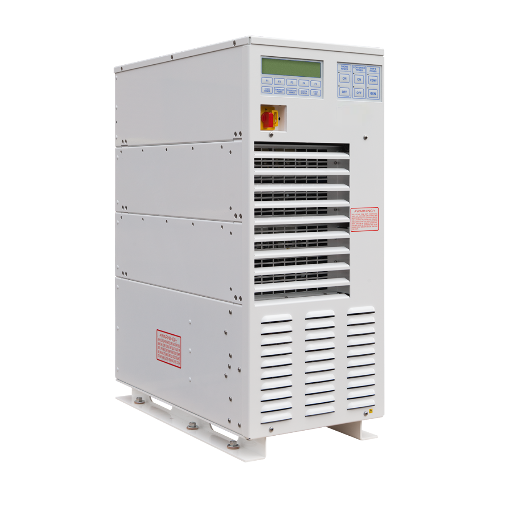
Modern advancements in the field of AC frequency converters consist of improving energy efficiency, less the high power density of the equipment, and more flexibility in the control function. The adoption of the wide band-gap advanced semiconductors such as silicon carbide (SiC) and gallium nitride (GaN) has significantly altered the power density and energy efficiency of power systems for the better. Besides, the use of AI algorithms incorporated to the maintenance aspect enables the system in such a way where all operations are transparent, hence resulting in zero operation time. Despite the present converters not lacking in this aspect, there are some which are capable of utilizing energy from the sun or wind, which helps maintain the power grid stability and also help in smoothing over the load changes within the network.
Advancements in Smart Technology
The growth and leapfrogging of new technologies occurred largely because the Internet of Things (IoT) applications deepened. Current IoT products bear reasonably developed sensors and communication schemes that make it possible to exchange information across sophisticated systems. Highly interconnected and scalable systems enabling low or real-time data flow as well as decision-making processes have been greatly facilitated. For example, in the field of smart cities, such infrastructure as traffic control systems or buildings that conserve energy which have already been equipped with IoT strategies and technologies support optimization of resources and decrease operational losses.
Eco-Friendly Designs and Materials
The incorporation of environmentally beneficial techniques and resources is fundamental for supporting growth and the sustainability of different sectors. Many present-day architectural approaches stress the usage of naturally replenishable materials in construction such as bamboo, recycled wood, recycled metal and reduces any adverse environmental impact associated with construction. There are advanced materials line cross-laminated timber (CLT) or cross-laminated timber and bioplastics that do not have a great demand in the current building and construction sector but the future materials are lighter, stronger, and have better energy certification.
Furthermore, environmental recognition such as the LEED and the BREEAM certification benefit not only the energy-efficient systems integration in infrastructure development but also the use of clean energy including solar panels, water heaters, and heat pumps. Besides, introduction of such smart materials as self-healing concrete and phase change materials for passive systems has significantly improved sustainability factors in building structures. All these activities aimed at reducing CO2 emissions have also led to an increase in economic output associated with some form of used energy, hence encouraging the leading development of infrastructures, particularly those that are more adaptable and of a friendly nature to the environment.
Trends in Power Conversion Efficiency
Advancement in the efficiency of power conversion has largely been attributed to the development strides in semi-conductor technologies and to the designs of photovoltaic cells. Such is the case with perovskite solar cells which have been found to attain an efficiency of over 25% while offering a more cost efficient manufacturing process when compared to the traditional silicon-based cells. Also, there are multi-junction cells which use multiple materials in layers and have achieved efficiencies over 40% in laboratory settings by capturing light of different wavelengths.
Wide band gap semiconductors like gallium nitride (GaN) and silicon carbide (SiC) have revolutionized power electronics by saving considerable loss of energy while handling the conversion process. These materials can boost both the switching speed and temperature of operation, hence, they find their place in systems which require high performance, like electric vehicles, Renewable Energy applications, and Automation, among others. This development marks a paradigm shift which facilitate energy conversion in the most efficient and environmental friendly methods.
Reference Sources
- Grid Frequency Fluctuation Compensation by Using Electrolysis: Literature Survey
Read more on MDPI - Two-Level AC-DC-AC Converter Design with a New Approach to Implement Finite Control Set Model Predictive Control
Read more on IEEE Xplore
Frequently Asked Questions (FAQs)
What is an ac power frequency converter, and how does it convert 50 Hz to 60 Hz?
Ac frequency converters are more or less a repetition of all types of AC power sources. They can convert 50 Hz to 60 Hz, allowing different equipment to operate at the same frequency. This would be an excellent device for frequency conversion from an energy source of 230V 50Hz to equipment designed for 120 or 60Hz 220V systems. Such power converters may combine for example transformers or controlled electronic switching devices. Mostly, they are equipped with additional stages of step-up or electronic DC-to-AC conversion.
Can a compact 2000w frequency converter provide pure sine wave output for appliance testing?
An inexpensive 2000w frequency converter by its design shall deliver true sine wave output expected for load testing or laboratory appliances, having constant a.c. voltage at output and regulated output power. Power output from 2000 W or up to 500 VA supplies is used for AC servomotors and equipment with internal power supplies that require AC; the frequency is set to avoid the square lack of a true form of Motion. Some contain electrical insulating rubber and meters; others are Travelon Bags for aviation and parts manufacturing industry.
Is a single phase 110v to 230v converter suitable for household and industrial appliances?
While most household and light industrial appliances may require a phase converter to operate efficiently, few understand what output power (in watts) and waveform must be matched. It is general wisdom that such applainces should have sine output so as to avoid interference and heat of such components especially those that contain motors or electronics. This is possible you have to consider conversion ratios and specialized models of higher output rating with such features, such is the isolation between areas, over-voltage protection and tough construction.
What do V AC and output voltage mean on frequency converter specifications?
V ac is the nominal value of the output supplied by the converter and is given by the manufacturer, for example, 220V, 230V 50Hz or 120V 60Hz, subject to the model. The AC motor operates on the ground or in the lab. Such pure sine wave as well as the stability of the output provide the necessary data. Sometimes the maximum output power is specified in watts or VA for devices; for example, 500 VA or 2000 W. To change the voltage levels, certain isolating converters also include a transformer-backed isolating or step-up transformer in order to maintain a certain degree of safety coverage, i.e., electronic overload.
