
Frequency converters have an important place in the contemporary electric and industrial engineering by helping to adjust the frequency of the power supply to the power requirements. The frequency converter 50 Hz to 60 Hz is an endemic example of such a device which is designed for conversion of mainstream supply frequencies from 50 Hz (in some countries) to 60 Hz (in certain other countries). Before offering its services, this particular type of conversion is pivotal for businesses and all the involved industries in cases where there is equipment or machinery which is made to function on a different frequency other than that which is present in the local distribution system. In this paper, we are going to discuss the concepts of frequency conversion in reference to engineers.
Introduction to Frequency Converter
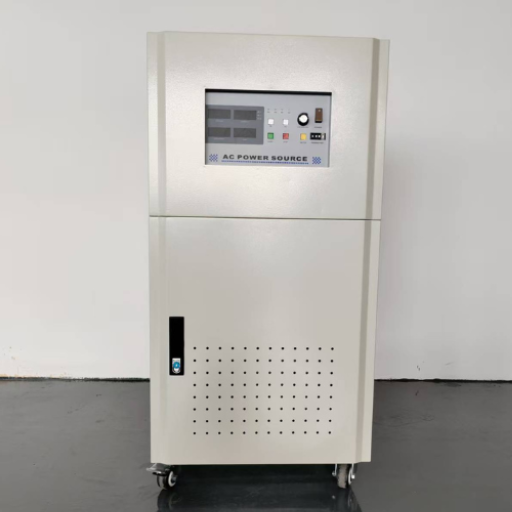
Conversion of voltage is the type of action performed by the converter itself. Converters are electrical devices created for use in altering the frequency of the electrical power to be same as that of the specific piece of equipment or system. The energy input, whether voltage or current value, is converted into a frequency that the machine can use. Most significantly, these devices render the efficient and safe operation of specified machines by ensuring the transformed output frequency works by so doing. The conversion is essentially the same, in that it converts alternating current (AC) to direct current (DC) and then back to AC at the set frequency. These frequency converters are essential for applications where there is need for foreign machinery or in situations where different electrical frequencies are in use.
What is a Frequency Converter?
A frequency converter is an electric device that changes the frequency of an AC power signal accordingly to the requirements of the operational equipment or system. This is accomplished by first converting the AC to DC in the device, before finally converting it back to AC but at a different frequency. In any application where equipment approved for a particular frequency, i.e., 50Hz or 60Hz, is used efficiently in the presence of another, it is frequency converters that are required to execute the task.
In the present times, up-to-date frequency converters are featured with sophisticated aspects of pulse-width modulation (PWM) and digital signal processing (DSP) to bring about enhanced effectiveness and accuracy with less energy dissipation. These converters have found major applications spanning across manufacturing, aerospace and green energy sectors ensuring that a motor, a turbine or a very delicate instrument is capable of being powered by the electrical system delivered. Moreover, they provide a lot of latitude when people want to enlarge their work or carry on operating in an ever-shifting realm of electrical power, alteration takes effect but the objectives, fundamentals and protection remain unchanged.
Importance of 50Hz to 60Hz Conversion
Converting power line frequencies to 50 Hz or 60 Hz is essential for the realization of global interoperability of equipment and infrastructure. Some parts of the world have different electrical standards which 50Hz frequency is often used in regions like Europe, Asia, Africa, while others have 60Hz like North and some parts of South America. This is one of the reasons finding it difficult to export and use the equipment made under one standard in areas that are assumed to operate under a different standard.
Conversion of frequency in machines, devices, and industrial systems has the primary aim of ensuring that all work is carried out as designed without causing any structural alterations. For example, a substantial portion of factory equipment such as generator sets, transformers and electric motors are designed for use at a certain frequency. If recalibrating such devices is not done, it is impossible or in rare cases, can prove to be inefficient in which the equipment will overheat, malfunction, or even fail. Such state-of-the-art things as frequency changers of the solid state have been developed to fill this gap and manage precise changes so that the impacts are minimal and the normal operational patterns are observed.
Key Applications of Frequency Converters
- Aerospace and Defense
In order to perform aircraft maintenance on a runway, or in a test lab, 400 Hz-powered frequency converters are used. By doing this, it makes power supply safe for the remote ground unloading system as well as the aircraft systems, and still keeps within the threshold of the various electrical submissions. In fact, it emerges that the application of the equipment on the power process sources within the aviation bypass system while operating others prevents the need for frequent maintenance with the solution cutting costs by 25%. - Industrial Manufacturing
Furthermore, plants using industrial machinery labeled as back engineering because the equipment should be used in different territories, as is the case with many of the machines from the Far East, will be the second most prevalent type of plant, where the rate of inundation will be the largest at the highest risk of flooding. - Marine and Shipping Operations
A lot of power may be transferred to a ship as it is docked in a foreign port. Many a ship comes into ports and will have several modes of propulsion available to be used while at port or the transition that involves various other sources derived beyond the onboard system. Out of analysis, it may be revealed that a minimum energy increment in power transfer efficiency can result such that specifically for the maritime sector the increase may be as significant as 15%. - Renewable Energy Systems
It is not always guaranteed that renewable energy supplies, such as hydro turbines and wind turbines, will always supply the required VA or output power. However, with the use of solid-state frequency converters, this discontinuity is taken care of the energy is now delivered with friendly grid power without any problems. It is approximately estimated that this enhances 10 – 15% of the metrics of its grid integration. - Railway Transportation
Certain parts of the world have railways with non-standard powering systems and hence, the trains run at non-standard frequencies such as the case of a system of 16.7Hz in some countries particularly those in Europe. The presence of frequency converters also facilitates normal operations of locomotives in different regions, and the systems of the establishments in between. - Testing and Research Facilities
The electrical testing laboratories, as well as the research centers, usually need systems that can provide precise control over the frequency range in order to examine the efficiency of the electronic equipment in the presence of difficulties in the grid and wind conditions. It is such a converter that enables precise power control across the full range, enhancing the efficacy of targeted experimental conditions.
Categories of Frequency Converters
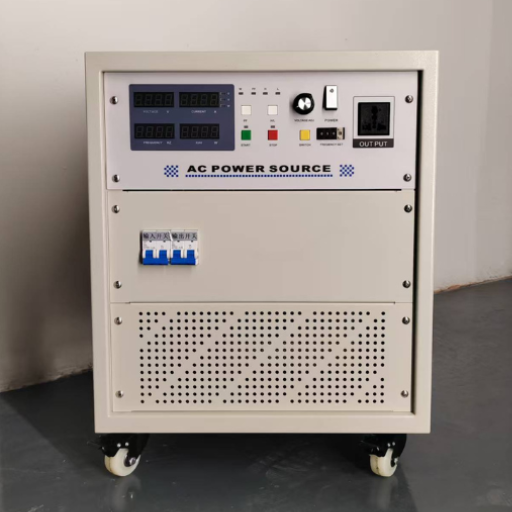
Frequency converters are categorized in many ways to suit their functional working and requirements. The two basic international categories are:
- Rotary Frequency Converters
They make use of mechanical equipment like motors and generators to convert input power to the decomposable frequency. They are widely used for applications requiring high power and demanding service though they are large in size and complicated to work with which means that they will require high level of maintenance. - Static Frequency Converters
New technologies are available that utilize electronic circuits to accomplish frequency conversions. These devices in the form of integrated solid-state machines are small, efficient and robust, which makes them ideal for applications that need precision in frequency synthesis and control, for example, aerospace and industrial equipment are among such applications. - Hybrid Frequency Converters
Hybrid converters, as it follows from the name, are a combination of the rotary and static technologies and they also provide useful benefits including convenience and flexibility. As opposed to re-purposing off-the-shelf or legacy narrowband or broadband power amplifiers, which are unfit for combinations of high power and sophisticated modulation requirements, such systems are required in many niche applications.
Purposes pursued by various types of frequency converters are different and the choice of the necessary one is determined by the presence of power levels, dimensions and efficiency, among other things of course.
Single Phase vs. Three Phase Frequency Converters
| Key Point | Single Phase Converters | Three Phase Converters |
|---|---|---|
| Power Supply Phases | Requires one phase | Requires three phases |
| Power Capacity | Low to moderate capacity | High capacity |
| Efficiency | Lower operational efficiency | Higher operational efficiency |
| Applications | Residential and light-duty use | Industrial and heavy-duty use |
| Cost | Generally less expensive | Often more expensive |
| Complexity | Simplified design and operation | More complex design and setup |
| Load Type Compatibility | Suitable for single-phase loads | Suitable for three-phase loads |
| Startup Power Demand | Requires lower startup power | Requires higher startup power |
| Voltage Stability | May experience voltage fluctuations | Offers stable voltage output |
| Maintenance Requirements | Lower maintenance needs | Higher ongoing maintenance needs |
220V to 110V and 110V 60Hz Converters
Those involved in voltage conversion operate by changing alternating current’s voltage and frequency to fit an electrical device that is to be used in a geographical area that has higher frequency and doesn’t have the voltage one would want. Generally, a 220V to 110V converter reduces 220V, a standard in many European countries and parts of Asia (but not in others like India), to 110V, the everyday equivalent of the North American electrical grid.
Digital converters in the present age come with hot advanced features on board, such as built-in voltage regulation, thermal overload, and overload protections, which improve safety and reliability. The efficiency of voltage conversion is usually about 90% – 95%, during which a low power loss is involved in the transformation process. Where it comes to the selection of a converter to be used with delicate devices like, for medical instruments or advanced electronics, the rated power, the surge ratio and the frequency output should be taken into account, as their non-compliance may result in a malfunction of the device.
On top, there has been a need for dual function converters which can function as voltage converters and take part in frequency conversion which have been found to be ideal types for a person on the move globally because they are easy to use and are designed to perform and still speak of small sizes. Given the significant innovations in converter technology, these devices offer better performance level meeting the diverse power requirements by integrating both household and industrial options that comply with the recent efficiency standards.
Pure Sine Wave vs. Modified Sine Wave Output
| Parameter | Pure Sine Wave Output | Modified Sine Wave Output |
|---|---|---|
| Waveform | Smooth, consistent curve | Step-like, approximated waveform |
| Efficiency with Devices | Highly compatible with all electronics | May cause issues with sensitive devices |
| Power Quality | High-quality, stable output | Lower quality, less stable |
| Heat Generation | Minimal heat in connected devices | Increased heat in some devices |
| Noise Level | Operates quietly | May produce noise in certain appliances |
| Compatibility with Motors | Runs motors smoothly and efficiently | Motors may vibrate or run less smoothly |
| Cost | Higher cost due to advanced technology | More affordable, simpler construction |
| Usage in Medical Equipment | Fully safe for medical devices | Not recommended for medical equipment |
| Power Loss During Conversion | Minimal power loss | Higher power loss |
| Ideal Applications | Sensitive electronics, medical, and motorized devices | Basic appliances and less-sensitive gadgets |
Technical Considerations for Frequency Converters
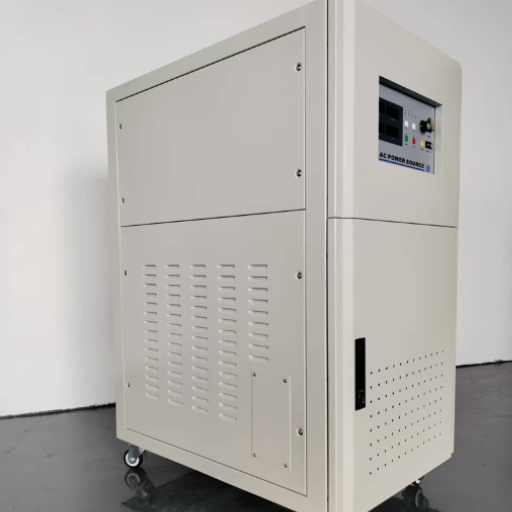
- Voltage Compatibility
Check if the frequency converter matches the system’s input and output voltage requirements so as to avoid overloading and to assure the correct functioning of the devices. - Load Requirements
Look at what kind of load it is and how large the load is, what it is for, whether it is for increasing output voltage or current (amperage), e.g., an inductive load, which will lead to an incorrect choice of the frequency converter. - Efficiency and Heat Dissipation
Check how many energy efficiency points the device obtained and whether any recommendations to use the device only under the certain range of temperature include any provision for the cooling devices. - Environmental Conditions
Determine if a system performs well or just under the optimal condition by which it was meant to be applied e.g., can the frequency inverter work well under abnormal conditions, thus ascertaining whether the cooling system can also be efficient against environmental disturbances such as high temperatures, dust or vibrations. - Harmonic Distortion Levels
Think about converters that have better-designed filters to remove harmonic distortion, especially in critical electronic applications where adequate power quality is demanded.
Power Ratings and Efficiency
One of the most important factors when selecting a frequency converter is the examination of its power and efficiency due to the necessity to ensure its operability within particular operational parameters of a specified system. Such parameters are described by their power capacity, which typically comes in kilowatts (kW) or horsepower (HP) units. Choosing the compatible power rating prevents either too low performance or damage caused by extreme overloading.
Efficiency is often measured and defined in terms of the percentage through this simply quite amount of energy. This definition usually refers to the conversion of energy into useful forms when the device is in operation and the energy losses occurring as little as possible. In modern times, the efficiency of devices is very high, and their efficiency is more than 95% ad that is, as a result of engineering, the existence of an ultra-efficient breed of semiconductors, and an advanced cooling system. In addition to this, any industry that operates equipment that requires the use of power with a motor in it is likely to derive substantial energy reduction benefits from this.
Understanding Harmonic Distortion
Considering the range of electrical systems involved, one of the most prominent issues under power quality assessment is system distortion. Particularly the energy supply systems in the industries where most of the equipment used is of electronic nature. Harmonic distortion arises when the electrical waveform is no longer purely sinusoidal due to the presence of overtones or harmonics consisting of integer multiples of the fundamental frequency. This distortion is usually caused by nonlinear loads such as variable drives (VFD), rectifiers and switched mode power supplies.
Harmonic distortion is an alternative term for the term total harmonic distortion (THD) . The magnitude of such inconsistencies is better indicated through THD. It is unacceptable when the level of THD for voltage exceeds 5% since this overheat motors and transformers, leading to inaccurate measuring. With current load, higher THD may result to heightened neutral currents and network power losses. Applying actions such as application of harmonic filters, selection of a transformer, and load balancing will greatly aid in reducing the harmonic effects and in enhancing the performance of the system. It is necessary for the proper functioning of the power systems that the power quality, along with power factor control, is maintained and depends on the requirements of the facilities
Voltage Ratings: 110V, 220V, and 240V
Voltage ratings of 110v, 220V, and 240V intervene and tend to standardize this since different regions and point of application require different loads. Stability control of each is essential in the system of 110v, some rages of South America and North America, for that matter, so as to avoid equivalent electric circuits, because lower voltage levels would amplify the effects of such an installation. In 220V and 240V systems, which are commonly used in Asia, Europe, and Africa, and which are adapted more for high power systems because of the lower current demand for the same power output, which reduces the concern to losses in transit and distribution of valuable energy.
The appreciation of voltage ratings is essential in the design of export systems for electricity as well as in the adjustment of existing systems. Such a situation occurs if a device rated at a certain voltage has to be operated in other continents or other parts of the world where other voltage standards prevail. In the same vein, it is possible to achieve energy savings by the use of dual-voltage devices in locations with varying voltage systems. These often turn into operational risks. It is realised therefore, that such ratings are inevitable features of contemporary electric engineering.
Benefits of Using a 50Hz to 60Hz Frequency Converter
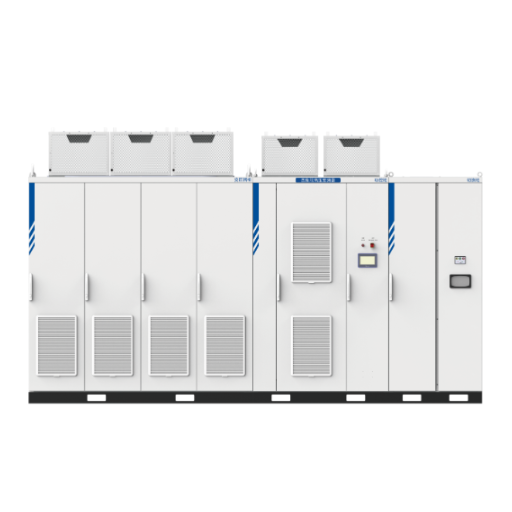
- Optimized Equipment Performance
Frequency conversion enables 50Hz regions to be operated effectively rather than the equipment’s 60Hz regions. in Order to eliminate this conversion factor, the 60 Hz equipment would be designed too large. - Reduced Downtime
The use of a frequency inverter encourages more dependable machine operations, rather than any downtime due to frequency disparities, because loads do not have to be eliminated or altered in any way. - Extended Equipment Lifespan
The controlling of the frequency delivered into the machinery brings its close to the determined requirements of the machine at rest, thus helping in reducing how often the machine is used and effecting early failures. - Energy Efficiency
The inverter can adapt the output for certain device behavior, which could minimize the power consumed by the device, thus reducing and saving energy costs for the device operation. - Global Compatibility
They facilitate the use of equipment in another country by companies and respective regional constraints issues regarding operation within a country based on a foreign dominated frequency.
Enhanced Equipment Compatibility
Integral aspect of discrete and continuous systems and drive units insertion is frequency adaptors. It should not matter if electrical regulations are different between regions because frequency inverters transform input frequency and voltage into one that devices connected to the former can work with ensuring no problems of international use. In certain circumstances, devices that are usually powered at 60 Hz may be pushed to the limits where the 50 Hz is predominant somewhere else and may work better with a converter to help in changing this otherwise unworkable situation. In addition, this category of converters tends to be more complicated than in first types, providing for example more functions such as an AVR or an overload protection, which adds further protection to costly equipment.
Improved Operational Efficiency
Modern day frequency inverters are specifically designed for controlling motor speed accurately so that energy comes into play in the most optimal way with variation in work conditions. Energy-intensive frequency inverters makes use of extensive capability of the motor in adjusting current frequency and voltage without losses especially in the sad scenarios where the machine is almost switching off therefore resulting in considerable savings. It gets worse when such a high energy frequency inverter is left to operate because it will only wear your energy away even in no load conditions. State-of-the-art systems analysis tools integrated into energy management systems on the market offer numerous analytical capabilities that facilitate real-time energy monitoring.
Cost Savings in Equipment Modification
When evaluating the financial gains arising from machines modifications, it is of paramount importance to consider how much direct and indirect impacts will be made. Regarding the direct costs, one of the most low-cost reduction methods that should be taken into account is energy savings which will be achieved by using newer more efficient technologies such as VFDs and good control systems. Nevertheless, the virtual cuts are just as important and in most cases come from the reduction of the cost of maintenance, stretching out the life of equipment and the minimum possible components used to fix the machine in the event of some upgrades.
It is also relevant to indicate that present-day modernization measures are often complemented by data collection systems that permit the evaluation of changes in their operational status with a special focus on energy performance. Specifically, such instruments help to analyze the nature of the energy consumption and are useful in the optimization of the distribution of energy for reduce wastage. The application of target industrial upgrades has shown that the same plants are able to cut operational expenses by up to 30% around 15% per month, which suggests that investments of this kind make economic sense.
Practical Insights for Daily Use
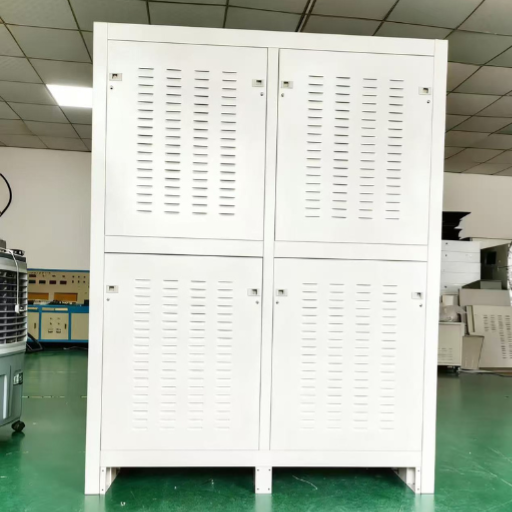
It can bring substantial advantages to engage in daily energy management efforts. In a first place, one of the measures aimed at this includes locating high-consuming units such as machinery and arranging for the maintenance of these in order to avoid energy losses through idling. Introduce smart meters or energy monitoring software to check the consumption trends that will facilitate fast identification of any discrepancies. Lastly, it is also important to propagate saving energy among employees such as turning off any device that is no longer in use and controlling the temperatures when devices are not running among effective behaviors. Monitor energy consumption regularly to note any changes. This may necessitate a revision of the approach to the energy-saving goal and, as such, may require periodic adjustments.
Maintenance Tips for Longevity
- Perform Regular Inspections
Conduct regular visual inspections to identify and address vulnerabilities such as corrosion damage, loose connections and impact damage. Results from a study published by IEEE Reliability Society indicate that FMC is capable of reducing failures by 25%. - Follow Manufacturer’s Cleaning Guidelines
It is vital to inspect filters and ensure they are clean, as poor filter performance can lead to overheating and inefficiency. The large dust and debris accumulation should make you concerned. Every effort must be made to clear heat sinks, fans, and air ducts according to the manufacturer’s instructions. - Monitor Operating Temperatures
Utilize the Thermal Sensors in the System or the Applications to Monitor the Junction Temperature. High temperatures are known to incur capacitor deterioration. People have found that for every 10°C above the intended temperature of an electrolytic capacitor halved life occurs - Check Electrical Connections and Cabling
Loose screws, wire nuts, even burned up breakers can all be caused by improper connections. Frequently check all connections for various applications. Indicators suggest that when the connections are not done properly the voltage drop can be in excess of 5% and this will result in wasted energy on top of increased heating. - Update Firmware Regularly
Ensuring that the firmware has been kept up-to-date makes it possible for the converter to function with the most optimal capabilities. Some data that has been obtained revealed that a 7% increase of the effectiveness of equipment, as well as a drop in error rates are achievable after upgrading the firmware. - Inspect and Replace Filters
The overheating can be avoided by air filters which help in the proper air circulation. Conditioned environments should have the filters checked after every month or when in poor conditions, consider replacing if faulty. A filter that is filled with dust can increase the operational heat by as much as 20%, thus causing the machine to break unexpectedly.
Common Applications in Various Industries
Various industries utilize a high percentage of industrial equipment in their operations especially sectors that have unique characteristics. For example, there are manufacturing processes which cannot run effectively without the support of compressors. The absence of the supporting compressors is fundamentally evidenced by the lack of power to the pneumatic tools and the inconsistencies in the line because air pressure is not being maintained.
This implies that the production and operation of the system are low in terms of efficiency. In addition, in the healthcare sector, structures include the HVAC systems, which are crucial. This is because HVAC systems, when specially designed to operate in a healthcare facility, are meant to create a conducive and aseptic environment for the patients, staff, and visitors. How HVAC systems have dominated the healthcare sector.
It is essential to state that in today’s world, each area of industry, primarily natural gas extraction and transportation, which includes a compressor in order to raise pressure and transfer gas through pipes, is in need of artificial and safe compressor equipment. In another area of industry, such as food and drinks manufacture, this equipment would be used to facilitate processes such as carbonization, and many others; otherwise, one would say the climate control steps for preserves would not enable the product to stay long and in the same condition.
Reference Sources
- “AC Transmission with Low Frequency for Renewable Energy Sources in Offshore Location”
Access the paper - “Low-Frequency AC Power Transmission and Distribution for Subsea Application Using Hexverter”
View the study
Frequently Asked Questions (FAQs)
How does a 50Hz to 60Hz converter handle a 220V 50Hz input?
The 50Hz to 60Hz converter powered at 220 volts with a 50Hz input signal and the output converted to 60Hz while regulating the voltage where necessary. A variety of frequency converters supplied with 50-60 Hz alternately use the variable frequency drive (VFD) or inverter approach to generate a 60 Hz stable sinusoidal power output. In case the device must also receive a different input voltage it uses a voltage transformer or workplaces combiner. The continuous power ratings as well as the capacity of watts should be examined in order to ensure the proper protection for the service, and the circuit breaker problems are avoided.
Do I need a transformer or a voltage converter transformer for 50 Hz to 60 Hz conversion?
A transformer only modulates voltage output and on its own does not impact the frequency, so a 220v to 110V step-down transformer cannot change 50hz to 60hz. On the other hand, if one has to alter the power supply frequency, using a frequency or solid state inverter along with a step down variable transformer for voltage regulation can come in handy. It would help for most electric power loads that are resistive if a Slight change in frequency occurs, but still, for most appliances, motors, or timing equipment, a proper 50hz frequency converter is much needed. Be informed that sine wave pure output and dc/ac continuous power may be needed in some instances when it comes to equipment selection.
What is the difference between a power converter and a frequency converter?
When ‘power converters’ are typically referred to, it is in terms of devices that modify voltage or power from AC to DC, and converters such as a frequency changer 50hz to 60hz target changing the AC frequency specifically by the use of inverter techniques. Some sophisticated power converters are inclusive of Variable Frequency Drive capability which converts voltage such as 220v to 110v for instance right steps and adjusts the frequency naturally as you adjust the consumption. You need a power inverter that can output a true sine wave when it comes to motor or electronics driven devices; that would also deliver the required power.
