
In the design of electric tools and appliances, making use of too low or too high frequency can cause system deficiencies, breakdowns or even outright physical damages. A 50 to 60 Hz Frequency Converter offers a simple way to achieve compatible operation between systems designed for different electricity regimes. In this article we will go through the specifics of how they work, why you would want to use one in most cases, and purchasing tips when finding the right type. Whether you want to know ways of handling businesses in different countries, are moving or connecting sensitive equipment or are working in plants faced with different power systems this article contains information attending to your queries.
Simple Understanding of Frequency Converters
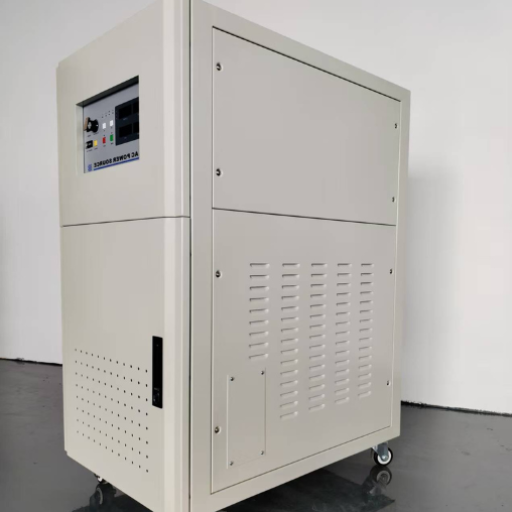
In electrical engineering, the device that is used to manipulate the power of a specific frequency to be in line with the needs of any particular equipment or a system is referred to as an inverter. This objective is achieved by transforming the incoming power into another power with a different voltage or frequency. In other words, new energy conducts electrical energy to the facility, ensuring the best of both worlds: compatibility and efficiency. It is very practical to use such devices in various industries which require different power levels for operation of equipment or those which have to control an electronic motor to a certain level of speed.
It is difficult to see how multinationals, as in the aircraft, manufacturing and construction industries, can handle their work without these systems. The other main advantage of frequency converters is the improvement of system capabilities and hence their performance. To avoid the wrong selection of the frequency converter ensure the following considerations in the purchase; input and output, power rating and the type of operation environment needed.
What is a Frequency Converter?
Frequency converters are mainly electronic devices designed to change the frequency of an electrical power supply. These kinds of devices are necessary when it comes to handling equipment, which works on a frequency that is different from the one on the existing power line. Most often, it does so by converting the input power to direct current (DC) and thereafter changing alternating current (AC) to the required frequency. These inverters are used for power management across a multitude of applications—from switching the normal 50 Hz or 60 Hz power to the special frequencies used in the aviation, power equipment, marine facilities, and other cases.
Contemporary frequency converters will often employ technologies like insulated-gate bipolar transistors, also known as insulated-gate bipolar transistors (IGBTs), for IGBT and Pulse Width Modulation (PWM) with reasons of improving their support for power switching and frequency (Hertz) adjustment. This has in return made it possible to boost performance regarding energy and peaks on the electric grid, given the higher efficiency and moderated THD. Nowadays, converter models also feature advanced design elements such as properly rated cooling, inherent protection from excessive loading, and the ability to be used together with data transmission systems in order to improve the equipment’s run reliability. By adjusting a range of output voltage parameters to meet the load demand and the changing operating conditions, the utility of frequency converters is immense in such aspects as operation of emergency systems and power saving.
Types of Frequency Converters
| Type of Frequency Converter | Key Characteristics | Applications |
|---|---|---|
| Rotary Frequency Converters | Mechanical design, motor-generator system | Industrial equipment requiring stable frequencies |
| Static Frequency Converters | Solid-state circuitry, no moving parts | Data centers, aerospace systems |
| Variable Frequency Converters | Adjustable output for motor speed control | HVAC, pumps, and conveyor systems |
| AC to AC Converters | Converts AC input to AC output of different freq | Grid synchronization, renewable energy systems |
| DC to AC Converters | Converts DC into AC output with desired frequency | Battery systems, inverters, and railways |
| High-Frequency Converters | Works with frequencies >10 kHz | Medical devices, RF equipment, high-tech industries |
| Low-Frequency Converters | Operates within lower frequency ranges | Heavy machinery, welding equipment |
Applications of Frequency Converters
-
Grid SynchronizationThe usage of frequency synthesizers and converters is an inevitable practice in the modern world, where all the achievements of technological progress are united, especially when it comes to the integration of renewable energy into the power supply system without any loss of power.
-
Battery Systems and InvertersDC to AC converters are critical conventional power storage batteries in terms of converting direct current to alternating current. Such use is poured in a mold of uninterrupted power supplies (UPSs), photovoltaic inverters, as well as the control of DC railway systems, without missing the step of converting the stored energy into such parts where it becomes available with the required alternation and frequency ratios.
-
Medical EquipmentIn comparison to the low-frequency devices, high-frequency converting devices are also found more specifically in such engineering contexts where the other devices are exposed to more than ten thousand operations per second for example, in the systems of medicine such as the magnetic resonance imaging equipment, sequel to the computed tomography scanners or X-ray equipment, and the like.
-
Radio Frequency (RF) EquipmentRF devices used in telecommunications, radar systems, and broadcasting technology require the presence of high-frequency converters as key components, which permit emission, reception and processing of signals with proper frequency adjustments.
-
Industrial MachineryMoreover, low-frequency converters are indispensable for operating large industrial machines and systems, including but not limited to lift-truck motors, forklifts, and conveyor systems, by providing a smooth and effective electricity supply precisely synchronized with the desired device operational speed prerequisites.
-
Welding EquipmentLow-frequency converters also have an extensive application in welding systems, particularly in construction, fabrication, and manufacturing, to ensure that the power is sufficient without overloading and damaging the sensitive elements.
50Hz to 60Hz Frequency Converters
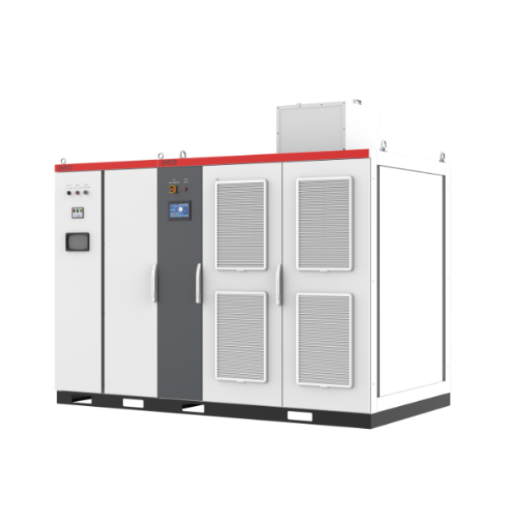
50Hz to 60Hz frequency converters are important for making sure industrial equipment is adaptable in areas with different power networks. They are responsible for converting the input frequency in such a way that it matches the desired output and thus avoiding problems in the process of machinery rotation. Their uses are often as the operations extend beyond a single country for such sectors as manufacturing, aerospace and sea transportation, where the equipment is supposed to be employed across various power distribution networks without interruption. In such a scenario, the companies can use these converters to decrease the time that equipment is not being used, improve operations thus cutting related costs especially on equipment due to the need to modify or replace it.
How 50Hz to 60Hz Frequency Converters Work
Frequency converters from 50Hz to 60Hz, on the other hand, function by making alterations to the incoming frequency via sophisticated electronic technologies before letting it pass through as the needed output. Such a course typically involves three core stages. Firstly, the input whose majority is made of the alternating current (AC) is made to do so in 50Hz of frequency, and is converted to a certain direct current (DC) through the process of rectification. This is employed to remove the frequency component and stabilize the electrical signal.
The next step is to pass the stabilized DC through an inverter circuit which facilitates the use of insulated-gate bipolar transistors (IGBTs) or any other devices of the same nature in the crafting of an AC of locked frequency—60Hz in this instance. These elements are picked due to explained reasons including their effectiveness, robustness as well as the need to satisfy the specified requirements of the equipment without exceeding its limits.
The last step in the transformer secondary stage is filtering the rectified AC output to flatten the waveform and make it suitable for any application as it is in the form of a clean sinusoidal. Today, converters have capacity to perform the regulation controls over power systems that are more affected by using a system-oriented concept leading to enhanced system adequacy through real-time measurements and metering of its major components.
Benefits of Using a 50Hz to 60Hz Frequency Converter
-
Global Equipment CompatibilityA power converter for instance operating with 50-60 Hz can cover the equipment which is designed to meet different ac power standards as it enables working of 60 Hz equipment in an area with a 50 HZ supply or converts to the device in a 60 Hz grid designed to function with 50 hertz supply. This situation, therefore, eliminate the addition of any equipments, which will consume time and other expenses in different countries of operation.
-
Improved Equipment LongevityLeveraging the correct frequency from the specifications of the device, the converter enhances the efficiency of the system ensuring that equipment and appliances such as motors, transformers, or other electrical equipment are protected from early depreciation. She points out that the service life of the equipment can be increased by 30% which several data’s shows from the recent researches on power system efficiency.
-
Precision in PerformanceThese machineries are dependent on power which is stable and compatible in their operation especially with regard to frequency variations. A high-end frequency converter can keep an even power factor with its output, which in turn reduces fluctuations in performance and enhances the equipment’s lifespan so it does not impair its operation.
-
Energy EfficiencyPower conversion nowadays and also frequency conversion systems are designed to consume less power and advanced power electronics technologies are used in the designs in order to minimize the power losses. By use of these systems, over 95% efficiencies are possible even in such low-power energy conversion processes’ schemes that lead to practically no waste and are cost effective in the implementation in business and industrial applications.
-
Reduced Risk of OverheatingMisusing equipment by introducing incorrect voltage often destroys an equipment and decreases its level of operation. This issue is addressed, however, by the introduction of frequency converters, which guarantee that the correct power supply is fed to the equipment, thereby reducing the chance of overheating and generally making work conditions safer.
-
Flexibility for Testing and ManufacturingIndustries that create and check equipment for several countries in the world also make big use of frequency converters. This is because they help in-house testing by providing the same power conditions required for lesser systems both for 50Hz and 60Hz applications which means excellent measures are taken towards quality control and the duration required for marketing of products has been shortened.
Single-Phase vs. Three-Phase Frequency Converters
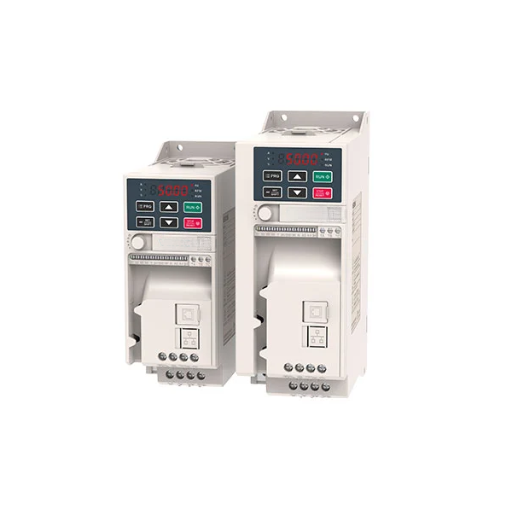
The major difference between single and three-phase frequency converters is the amount of power they can handle as well as the application purpose.
Single-Phase Converters
This is usually employed in the lowest power where the electrical load needs less power. It is more straightforward in concept and is aimed at application in small scale operations or domestic requirements where single phase supply is the norm.
Three-Phase Converters
Three-phase converters are industry-specific power converters that are capable of supporting heavy loads and many electrical machines such as motors. They provide better power utilization, more power in less dimensions and by weight, and more stable output voltage. Thus, these systems are mainly used in the industry and in various business establishments.
The choice between the two systems depends on the power it needs and the purpose it is used for. In a lot of industries, or businesses as well, a three-phase converter usually has to be installed, yet one can work with just single-phase in some other places which do not require so much power.
Differences Between Single-Phase and Three-Phase Converters
| Parameter | Single-Phase Converter | Three-Phase Converter |
|---|---|---|
| Power Output | Lower, suitable for small loads | Higher, supports heavy loads |
| Voltage Stability | Less stable | Highly stable |
| Energy Efficiency | Lower efficiency | Higher efficiency |
| Application Scale | Residential and small systems | Industrial and commercial systems |
| Cost | Lower initial cost | Higher upfront cost |
| Complexity | Simpler design | More complex design |
| Maintenance | Easier to maintain | Requires specialized expertise |
| Load Handling | Handles light loads only | Handles heavy or variable loads |
| Performance | Lower performance under stress | Superior performance under stress |
| Lifespan | Shorter lifespan | Longer lifespan |
Choosing the Right Phase for Your Needs
If one has to decide between single-phase and three-phase mechanical design, the correct decision always depends on the function of the equipment, costs and finally plans for future improvements or extensions. Single-phase power is appropriate in locations like homes where energy consumption is not significant and installation and maintenance of the power system is simple. However, three-phase power is more applicable in high power and efficiency industrial and institutional application in situations where no-compromise protection is to be achieved at the design stage for reasons to do with operability and repair overloads.
Studies show that three-phase systems are up to 150% more efficient than single-phase systems of the same capacities and are thus preferred for equipment with large loads and applications with changing load requirements. Besides, it is worth noting that modern energy management systems and the operation of other equipment in the three-phase mode have added greatly to the reliability and longevity of three-phase installation, which enables enterprises to solve energy problems in a sustainable way decreasing lifetime expenditures. Finally, a detailed examination of your energy consumption data together with the equipment requirements and restrictions to the budget will help you to come up with a well-matched system.
Common Applications for Single-Phase and Three-Phase Converters
Single-phase and three-phase converters help with the functioning of many devices at both the industrial and commercial levels, as well as the domestic level. In the domestic setting, single phase converters are chiefly used for most of the domestic appliances, small HVAC systems and low-power machines where the energy demand is ideal. Such systems are often said to be simple and relatively affordable because they are better suited to applications where there is a low demand of efficiency and power good or output.
However, in industries and facilities that consume higher amounts of power, most of the machines use three-phase converters. In factories, one of their most common applications is powering heavy tools and machinery like wide conveyor belts, large motors, and Computerized Numerical Control (CNC) machines. It also goes without saying that such technologies are also used in field in renewable energy sources where energy management as well as efficiency is vital e.g. with windmills and solar panels. Their capacity to be able to manage as high loads as possible with the least losses also tends to find them used in data centers and other mission-critical infrastructure that requires UPS. These converters assist in improving the consumption of energy, efficiency by various systems and supporting efforts made in many countries helps for better uses of energy, specifically aimed at conserving it as a resource.
The Voltage Converter and Its Role
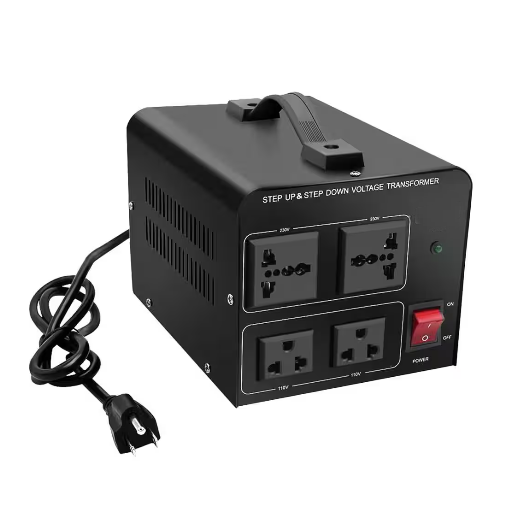
Voltage converters are an essential means of adjusting electricity to suit the system or equipment that is being powered up electrically. It is meant that the main function of these devices is to enhance adaptation of power supplies to electric equipment by preventing any damage and enhancing their operation. They can, for example, decrease the voltage for lower energy consuming electronics, by using step down converters and instead do the opposite by applying step up converters when increased voltage is needed for high energy purposes. Electric power conversion electrically facilitates the transmission and application of electrical energy which in conclusion supports reliability and safety of electrical technologies in modern mind.
Understanding 220V 50Hz and 110V 60Hz to 220V 50Hz
Power consumption in various countries is subject to various norms; many electrical installations use the 220V 50Hz and the 110V 60Hz configurations, the most widespread configurations in the world. The 220V 50Hz standard, used in Europe, Asia and Africa especially, has voltage that may be used in heavy industrial machinery, commercial and residential buildings. In the similar sense, it is more common to utilize the 110V 60Hz setting that the United States and some nations in South America have installed since it is perceived to be less dangerous because of its lower voltage and is able to withstand higher current with less complications of achieving the performance level desired, if at all entailing helical conductors of larger sizes or as well loosing power in the system.
When devices are moved from one system to another, adapters or voltage changers effectively modify both voltage and frequency in a manner that is acceptable for the work at hand. A voltage adapter makes corrections to voltage and if needed, enhances frequency changes that are required to allow devices that operate at 50Hz to properly operate in the system which operates at 60Hz. For example, the proper operation of machinery is dependent on the rotational speed, motors or synchronous loaded appliances with clocks, tends to be very sensitive to correct speed or frequency operation. Any 110 volts 60HZ to 220 volts 50HZ converter, specially designed for such products must take this into account in manufacturing, otherwise such products will not operate well and worse, they may break down.
Regulating voltage and frequency in the 21st century no longer relies on the mechanical means. Instead, a sophisticated electronic circuitry including quality waveform inverters and others are needed to effect such regulation. These electronic boxes are getting more sophisticated and more energy efficient and as of now, they are suited for various consumer or industrial applications. Such systems allow users to access the Web or operate electrical gadgets anywhere in the globe avoiding electrocution by making sure their gadgets are well compatible with other lawfully used accessories and electrical systems.
How Voltage Converters Work in Conjunction with Frequency Converters
There are many instances where converting Voltage and Frequency forms an important system in making electricity usable in various other electrical works. It is clearly shown that Voltage Converters have endeavoured to change the size of the electrical voltage to fit in with the demands of devices utilised and conduct their operations in a manner that is safe as well. On the other hand, it is paramount for Frequency Converters to manipulate the frequency energy of the Alternating Current (AC), which is applied to all equipment at specific tunes.
With both of these operating as separate devices they create an environment suitable for machine parts within/ including sophisticated electronic equipment that require a particular time/ such sequences. For instance, in industrial constructions, motors are likely to run at different speeds and hence will need adjustment of both voltage and frequencies for effective operation but without wasting independent operation of energy. Additionally, voltage and frequency converters help in avoiding incompatibility between electrical equipment of various nations by adjusting the power output and hence the materials so used.
Nowadays, modern systems utilize sophisticated power electronics like insulated-gate bipolar transistors (IGBTs) and pulse-width modulation (PWM) techniques to converge voltage and frequency conversion into one neat and compact package. This combination essentially saves energy and permits better service from the products among other few benefits. These technology advantages are made possible by the inclusion of real-time monitoring and adaptive controls to the systems that help them recalibrate themselves depending on how much load and environmental factors are in question. The necessity of the voltage and frequency conversion integration further makes this technology quite significant in the face of the increased use of globalized and interoperable technology.
Advanced Frequency Converter Types
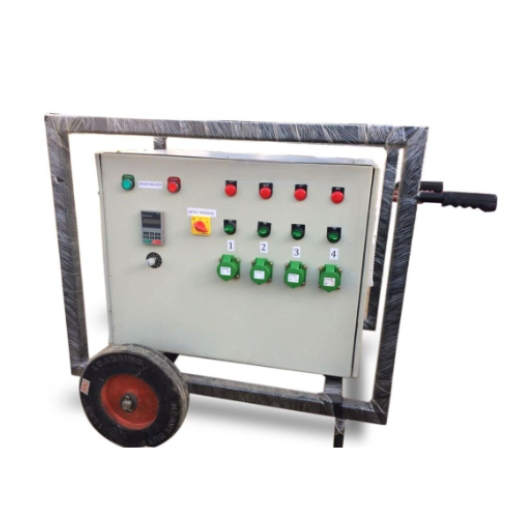
In terms of application and functionality, advanced frequency converters have primarily three types:
Cycloconverters
They are primary AC-AC frequency changers that alter one input frequency supplied for the machine into the required frequency. These cycloconverters have efficiency as the major governing criteria and are employed in applications where very good control of line frequency is necessary at low frequency such as control of motor speeds, rolling mills, etc.
Voltage Source Converters (VSCs)
VSCs are power electronic devices which intermediate by use of DC to change and control alternating current of different frequencies. There are many applications of the converters in particular fields where the systems must respond rapidly to changes or maintain power quality, such as in industrial automation, grid connected or isolated wind applications, without significant losses in performance or stability.
Matrix Converters
Matrix converters allow AC to AC conversion without the use of a DC link. This helps to reduce high-frequency switching losses that proportionally increase high energy conversion and therefore leads to achieving high energy efficiency. Matrix Converters are the most beneficial in applications where harmonics reduction is imperative and the system needs to be very compact like the high power mega matrix converters for aerospace / cutting edge technologies.
Every type has its pros and cons depending on the use cases making is easier to implement frequency adaptation in various industrial and technological contexts.
KVA Static Frequency Converters
KVA static frequency converters are advanced systems designed to efficiently convert electric frequencies, specifically from 60 Hz to 50 Hz or the other way round, depending on the tasks of these systems. These converters work on the basis of solid-state devices to provide the required low-cost frequency conversions in a variety of different industries. These converters are therefore expected to have efficiency, compact size and encase design within their construction that shields the circuits from excess voltage rating and overload short circuit damages.
Adopted in numerous areas involving activities like air and marine navigation or production processes, KVA converters are necessary for driving appliances which require exact frequency due to different standard in power grids. Recently, approaches with microcontroller-based technology are also used for control, which helps in the better operation of systems, eliminating harmonic distortions. Such systems are normally applied where equipment is such that the highest levels of precision and reliability are required.
Choosing a KVA Three-Phase Static Frequency Converter
Choosing a KVA three-phase static frequency converter involves weighing various factors which are all paramount to its effectiveness for a specific application. The first factor to be addressed is the requirements of the load; the capacity and output ability of a converter should therefore be greater or equal to the ultimate capacity of the equipment to be connected as well as any room for future expansion. Furthermore, voltages and frequencies at which the device shall operate should be in accordance with the needs of the location or the machines in which the device is intended to be used; whether it is 50 hertz, 60 hertz, or even variable frequency.
In environments where high energy costs and heating constraints are subjects, thermodynamic design aspects must be discussed critically. Energy efficient converters eliminate energy losses, hence assist in minimizing the overall costs of operation, whereas advanced cooling ensures that the performance of the equipment under such load is not compromised. Besides, the capability of the converter to bear surge loads or the case with varying power requirements is of great importance. In locations with unstable power requirements, chin converters need to have control functions which compensate harmonics, adjust phases or even supervise the power quality on-line implying that loads of such nature would require sensitive equipment.
Ultimately, it is worth noting that the current level of development of such aspects as monitoring, integration of SCADA, installation for the potential integrable equipment, technological dynamics of simple arc controls. All this leads to a clear distinction between the conventional way of managing the system and reduction of the need for repair and maintenance. At the end of the day and weighing up all these abnormal improvement thresholds, it is expected that an average end user should have adequate knowledge used in the acquisition process.
Reference Sources
- 1. Simulation of 40 kVA, 400 Hz Power Converter System —
Link to source - 2. A Filtering Approach for Merging Transformer High-Frequency Models with 50/60-Hz Low-Frequency Models —
Link to source
Frequently Asked Questions
What is a 50 to 60 Hz frequency converter and how does a frequency inverter differ?
A device designed to change the frequency of an alternating current supply from 50 Hz to 60 Hz (or vice versa) in order to be used with certain types of equipment is called a 50 – 60 Hz frequency converter. On the other hand, a frequency inverter, although performing the same function, corrects the input into a rectified DC and then inverts it into a sine wave at desired frequency often allowing better speed control of the motor. Many stand-alone converter products are of the semiconductor type and have electronic regulator-based systems that allow power factor correction. They may also have voltage converter capabilities to adapt to the needs of the equipment.
Can a 50-60 Hz converter be used for motor speed control and phase-converter applications?
Yes, it is possible to change the speed of the electric motor using a frequency converter with the frequency falling within the 50 to 60 Hz frequency range. The torque will decline by varying the frequency levels for the motor in use but at a level which is controllable and the extent of wear will also be minimized. With three phase units, one can do away with a phase converter or use one with a 50 Hz or 60 Hz motor. Thus three phase power can be provided to industrial motors running on single phase. Many such systems are provided with isochronous control for constant speed output under varying loads. For better results, get a machine of the same full load current rating as the motor when starting, together with its service factor.
Do I need a voltage converter in addition to a 50 to 60 Hz converter for my equipment?
Frequency and voltage conversions may be necessary in the inverters used for equipment controls according to applicable supply voltage requirements and conversion ratio for output voltage. The outputs of the delivered different devices are connected to similar inputs of individual elements of a single enclosed volume in some cases. By converting voltage and frequency, the converter makes it possible to prevent the sensitive electronic and electric system especially the motor from being provided with the wrong voltage and current levels. In many applications, commercially available converters offer switchable voltage outputs in addition to frequency conversion and sometimes also incorporate overload protection.
Are solid-state 50 to 60 Hz converters suitable for grid-tie or generator-coupled systems?
In most cases, solid-state power converters are compatible with many different types of generators and can be used within grid-connected solar systems. However, the compatibility of any such system is largely dependent on system coordination and the applicable governmental regulations. Synchronization and regulatory issues dictate that the operating requirements considerably affect the compatibility of the converter with the generator, necessitating managing frequency, size, and input voltage changes as well as designing for power factor and limitations. On the other hand, Grid-tie inverter applications call for the performance of inverters consonant with localised utility interconnection requirements as well as the prevention of islanding conditions.
