
Moving away from traditional power sources has over the years posed a number of technical concerns to most of the modern day power systems. These include but are not limited to the main question on how to reconcile the various time frequencies associated with renewable energy sources and the power engineers’ present design parameters. This is the exact point where frequency converters come in handy. Frequency converters contribute to energy efficiency and operational productivity output levels by enabling accurate command synchronization of renewable energy and input data from the electricity supply systems. In detail, this paper discusses the topic ability of frequency converters to effect such a balance especially in bridging the gap in the context, and how they theoretically help in posing a firm list for environmental purposes.
Importance of Frequency Control in Energy Systems
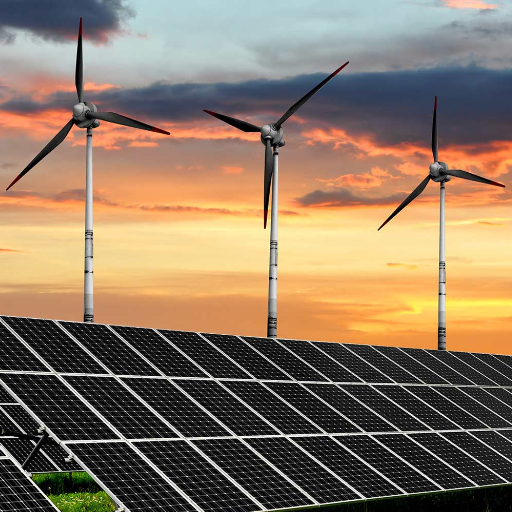
Adequate active power balance is of the essence for smooth operation and efficiency of power systems. It ensures that consumption meets generation by means of frequency control, typically 50 or 60 Hz. If not in sync with the region. A break in the power system frequency results into operational failures, damages to equipment, and sometimes a collapse of the whole power system. For that, power systems are equipped with different defense layers that use high-tech applications like frequency converters and automation to prevent power control errors that can result from abrupt demand changes. This is even more crucial in the presence of wind and solar energy which creates more problems by throttling the system load using erratic swings in frequency.
Frequency Control Mechanisms
Without question, balancing the structures of the power system is needed for safety during the operation of the power grid. In this case, mechanisms are put in place to mitigate against the variations that might affect the energy supply networks. The mechanisms in place for frequency control can be primary, secondary and tertiary control, wherein each layer performs a different function. In addition, this particular component partners with a certain time scale. For example, the time taken by primary frequency control to effect changes in power generation or to effect changes in the level of load is rather short. This is made possible by an on/off regulation of turbines catching up to frequency swings and electrical output adjustment of generators by governor systems. Thirdly, secondary control of frequency is also known as auto-generation control (AGC). This pertains to the adjustment of power across the grid to return the system frequency back to its set nominal frequency at electricity of 50Hz or 60Hz. It is within this environment that the use of AGC takes place, such that the system operates additional and or remote control facilities.
Benefits of Frequency Control
-
- 01
Improved Grid ReliabilityIn order to meet the uptime with maintained power system stability within acceptable frames (e.g., typical 50 Hz or 60 Hz in the geography), frequency control ensures that power generation and consumption are in equilibrium all the while. It is also reported in scientific literature that perturbations in frequency cause spiral progression of cascading outages, while restraining frequency variation considerably reduces such escalation of the problem.
- 01
-
- 02
Integration of Renewable EnergyConventional renewable energy sources such as solar energy and wind power resources, adopt advanced various control techniques as well such grid-forming inverters and fast battery response systems. For example, Battery Energy Storage Systems (BESS) applications provide different performance characteristics and operate to offset variabilities and fill in milliseconds of the gaps in the load.
- 02
-
- 03
Enhanced System ResilienceGrid Frequency Dependency Mechanisms are very crucial mechanisms in helping the grid survive major outages and failures that could result from failures of generation and sudden changes in power consumption. Systems which have automatic frequency restoration reserves (aFRR) also exhibit faster correcting times to any deviations making, thereby removing any outage events. For instance, in modern control systems, trip recovery times of European grids have been shortened by up to 50%.
- 03
-
- 04
Cost EfficiencyIt is possible to do away with commitments to the spinning reserves of the System Operator by monitoring fast frequency regulation. A study showed that quickly changing electricity markets resulted in savings of up to 10% in grid maintenance costs through the use of such new technologies, tuning management functions of power generators for economic operation of systems, as the reserves can be easily utilized.
- 04
-
- 05
Customer and Equipment ProtectionNeglecting such important issues threatens the safety of industrial control systems as well as household electrical equipment. Equipment failure due to high or low power frequency can and does take place and is expensive to its affected industrial sectors especially when significant equipment is rendered unproductive.
- 05
- 06
Reduced Carbon FootprintEfficient grid operations are there so that with all the efforts aimed at increasing the share of renewables, the grid is able to satisfy the demand for power on time and continuously. Diverting power more smoothly and minimizing built-up fuel-based spinning reserves leads to decarbonization at a global level in the context of frequency regulation.
Types of Frequency Converters in Energy Systems
| Type | Description | Key Features | Applications |
|---|---|---|---|
| Rotary Frequency Converters | Use rotating machinery | High reliability, durable design | Industrial motors, legacy systems |
| Static Frequency Converters | Use power electronics | Compact, efficient, low maintenance | HVAC systems, renewable energy grids |
| Variable Frequency Drives (VFDs) | Control motor speed and torque | Precise control, energy saving | Pumps, conveyors, industrial machines |
| Cycloconverters | Direct conversion without DC link | Simple architecture, efficient | Low-speed, high-power applications |
| Matrix Converters | Direct AC to AC conversion | Compact, no DC link, reliable | Aerospace, advanced industrial systems |
| Hybrid Frequency Converters | Combine rotary and static methods | Flexible, optimized performance |
Frequency Converters in Renewable Energy Systems
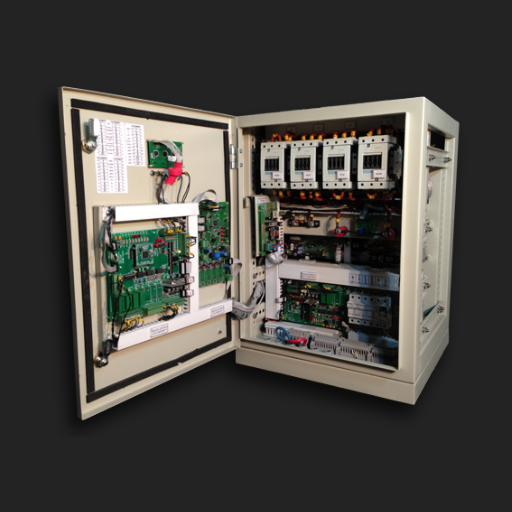
Frequency changers assist in the process of integrating renewable energy sources such as wind or solar power into the respective power systems. These developments mainly deal with the issue of handling the all over the place capacities of renewable resources such as the variable frequencies emanating from such sources and converting them to the normal frequency of the grid such as 50Hz or 60Hz and maintaining the system in a state of coordination and steadiness. In addition, through the use of the frequency changers, a fine distinction in power flows is achievable which in turns limits the encumbrances associated with the temporary disturbances hence maintaining grid stability. Its application is of enormous significance in power systems where energy is sourced from a permanently fluctuating source as it serves the purpose of rendering an uninterrupted energy supply and tackling grid protection scenarios.
How Frequency Converters Contribute to Energy Integration
The role of frequency converters in renewable energy, specifically solar and wind power, becomes more apparent when it comes to addressing the variable nature of these sources. Frequency converters are used to ‘convert’ the alternating current (AC) produced by renewable sources which have a frequency that change over time shown by fluctuating time due to external factors. In most cases the changing frequencies from the renewable sources are undesirable compared to the three-phase balanced systems used in the national grid, which have either 50Hz or 60Hz and sometimes followed in regional grids.
In addition, today’s advanced frequency converter technology combines strategies intended to convert energy to power by processing collected data and also adjusts the voltage without the involvement of a human being, thus integrating voltage control. They consistently help the system match the supply and the demand of the electricity thus enabling the inflow and the withdrawal of power. Such smart converters for example, can increase power generation under the governor in order to manage load or others can supply less power in response to surplus generation, which is an effective measure to balance the grid.
Applications of Frequency Converters in Solar Energy
Using Frequency Converters in Wind Energy Systems
The concept of frequency converters is paramount in that they aid in proper functionality of contemporary wind energy systems by regulating, basically, the frequency of the quintessential power which is caused by the fluctuation in winds to an appropriate frequency which is load-friendly hence allows to connect most of its energy to the grid. This in effect holds the net power generation ability so that even in adverse environmental conditions, wind turbines will be highly efficient. This is especially the case with respect to variable speed wind turbines, where power conversion equipment is essential for energy-efficient operation, which includes the reduction of loads on the mechanical components.
The applications of high power variable frequency converters allow the possibility of fault ride-through capability, which is necessary for wind turbines to keep running while there grid disturbances. Moreover, such systems provide elevated voltage control by rendering reactive power support. Recent advances in power converter topologies, such as modular multilevel converters and SiC (Silicon Carbide) switching devices, have led to many important improvements in the efficiency, thermal management, and space requirement of these systems. The ultimate realization of these improvements translates into less energy waste and a more efficient use of funds in wind power projects.
Energy Efficiency and Sustainability through Frequency Converters
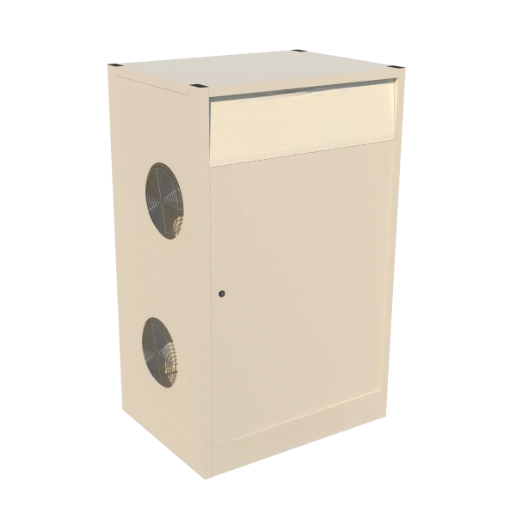
The application of frequency converters within wind turbines is crucial in speeding up the process of adopting energy saving practices and promoting renewable energy. It is crucial in this case as it allows the generator to run at precision speeds, ensuring that even with constant changes in the wind, it is still possible to use as much of the wind power available as possible, thus preventing the unnecessary wastage of power. Moreover, the progressive implementation of advanced frequency converters will help curb the distortion of harmonics when electricity is flowing in a direction that enables power generation, due to the better sharing of power generation to the utility grid.
Improving Energy Efficiency in Renewable Energy Systems
Boosted by modern-day developments, the inverter usage in green power systems have transformed to a larger extent. Working by keeping electric motors and generators at the required speed as per the frequency converters boost the output of energy even when the atmospheric conditions may not be constant. In wind turbines, for example concerning the wind speeds in variation, there are advanced blade control systems which optimise wind energy capture and relieve the load on the structure. Equally, in solar power systems, inverters can control the actuators of the sun tracking mechanism to keep solar panels tracking the sun for maximum gains.
Recently, the data has shown that energy storage systems can be easily interfaced with and paired with frequency inverters to more efficiently and effectively open up to the grid channels of renewable energy sources. This strategy reduces both potential energy supply deficiencies and additionally energy shut down, when huge amounts of renewable energy are generated. In the same vein, frequency converters play a major part in overtaking the problems of harmonics and the management of excessive heat, which cuts down the energy loss in the system. These features demonstrate that energy efficiency may be boosted, along with the expansion of clean energy technologies.
Frequency Converters and Sustainability Goals
Frequency converters are essential with respect to the goals around sustainability as they are bringing about the transition of the power generation mix to a predominantly renewable one. To ensure that generated electricity can easily be distributed and consumed with minimum losses occurring, they are responsible for making the generation of electricity at exact frequency and exact voltages. Studies conducted on this question show that the use of modern frequency converters in the power sector boosted the disincentive effects towards these losses further by another 98%.
Also, in today’s power supply market, these converters are effective in lowering the carbon embedded in energy supply. For instance, they can be used in the production of wind power or photovoltaic electricity with decreased emissions into the atmosphere while emissions are concentrated away from fossil fuel use. They work by generating suitable power for the grid so that the fluctuations of renewable energy are minimized further boosting use of reduced carbon fuels. This capability directly reduces the greenhouse gas emissions which assists in creating pollution-free energy systems and a greener world.
Case Studies: Successful Implementations
Control Systems and Frequency Management
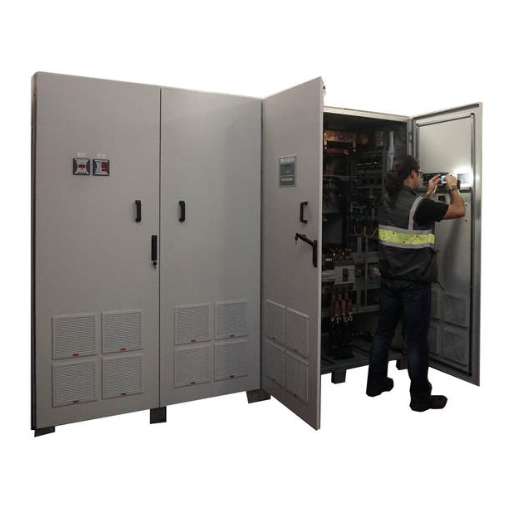
When describing renewable energy systems, the importance of control systems, as well as frequency management, cannot be underestimated. It is in connection with the need to adjust the intensity of the electricity supplied from various renewable energy sources such as wind, solar power, and others to the grid demand in real time. In such cases, control systems help to avoid frequency shift which occurs in dangerous situations which could lead to grid collapse or cause damage to equipment. Also, energy storage systems such as batteries or flywheels may also be used in order to address the intensity of the current and thereby regulate it. Therefore, fluctuation of frequency is stabilized with the help of efficient frequency management after adding renewable energy to the power grid and during emergency requirements of the energy load.
Integrating Frequency Control in Hybrid Energy Systems
Hybrid energy systems, that efficiently blend different power sources such as the solar power and the wind energy and the conventional power generation system, are in need of a more effective control for the percentage relief in the system frequency. Instead, a vast implementation of advanced inverter technologies which can provide a range from synthetic inertia to facilitating real time response to the changes in the grid are increasingly being encountered. Solar inverters are therefore crucial in that they serve as a transition from an electricity market mainly working on stable conventional sources and overall round-the-clock user demand in power.
On the other hand, forecasting algorithms and artificial intelligence are being used increasingly to improve frequency regulation. These devices traverse between past and present data in order to predict any system imbalance and to timely adjust the generation or storage output, thus they become proactive regulators. For instance, energy storage systems can be utilized to discharge in high demand or excess generation periods instead saving the day in such instances by holding the frequencies just right.
Advanced Control Systems for Energy Efficiency
Smart grid technology has significantly helped in moving control systems for energy efficiency in the field of renewable energy. The integration of smart grid technologies, such as two-way communication and sophisticated analytical tools, facilitates better management and rapid adjustment of energy output to up-to-the-minute generation and consumption patterns. Advanced control architecture includes hardware such as instruments, processors, and control implements but most importantly software like that can enable the monitoring of control functions in real-time, adapt and restructure loads to minimize losses.
Moreover, it becomes more beneficial in the case when the usage of solutions or the deployment of hybrid systems such as photovoltaic (PV) panels, wind mills and a storage device, are controlled using smart grid management. In such systems, it becomes critical to employ innovative control algorithms to enforce wise use of renewable energy, control the charge and discharge of the storage and maintain the stability of the grid. The use of smart grids has already given rise to anticipation of the end of emergency construction or identification of reasons of low efficiency, and this will deepen with the growth of AGI; smart grids are introduced here not only as a power supply system but also as a space that promotes the quality and stability of everyday human life.
Challenges in Frequency Control for Renewable Sources
One of the most essential problems in frequency control for renewable sources is that they are variablity. And this is a condition that specific challenges come to light as the main mechanisms employed by renewable energy sources. For instance, unlike traditional power generation technologies that can deliver steady levels of output, the generation of power from reliable sources like the sun and air is highly unpredictable and depends largely on controllable factors associated with the environment. Thus, when clouds appear, solar generation decreases, while wind generation is also affected by the speed of wind. This creates an imbalance, which makes it difficult to have constant frequency power in the grid.
Mechanical inertia from vast turbines, as in traditional settings, helps the systems adapt frequency changes automatically. That said, in the case of renewable resources, the systems are expedited by means of power electronics to the extent that there is no inertia in response to the demand. The lack of inertia responds to the supply imbalance in an instant by a widespread frequency distress that has to be controlled through additional features of the grids.
Future Trends in Frequency Conversion Technology
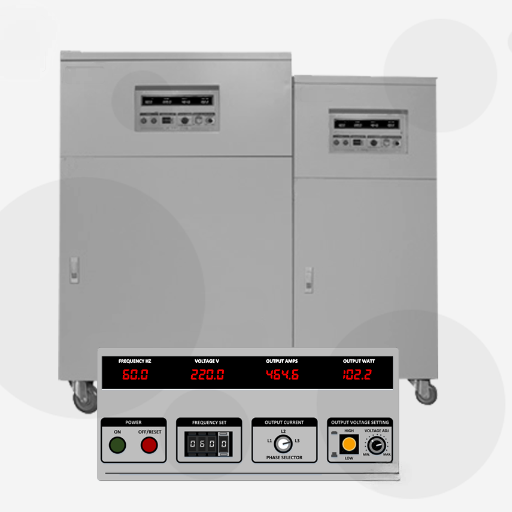
The need for power converters has seen a lot of improvement when it comes to the stability of the power supply and the announcement of green energy resources. Many of the current developments focus on other new areas. One such trend is synthetic inertia which attempts to provide the same stability as that provided by the mechanical rotating masses found in conventional generators but using power electronics and controls. More so, with more efficient means of storing power which for example include lithium-ion and flow batteries, it is possible to provide quicker adjustments in the system to cover the difference between load and generation.
Furthermore, the use of Flexible alternating current transmission systems (FACTS) as well as grid-forming inverters is rising to assist in improving the active control of grids that have many renewable sources. These advancements help achieve the best of grid operations in terms of power reliability and element service availability, subject to the changing energy landscape.
Innovations in Frequency Converter Design
01 — Enhanced Control Algorithms
Contemporary inverter matrices include improved quality of management as regards to the method. For example, a technique known as vector control serves to adjust speed and torque more accurately and, consequently, save energy and avoid similar accidents. Besides, they are working on additional algorithms like model-based control to improve the adaptiveness of control systems to resist disturbance and eliminate distortions so that they don’t affect the actual plant, which means that the overall equipment efficiency is achieved with minimal energy wastage and wear and tear.
02 — High-Efficiency Power Modules
Extrapolation of new power equipment, notably those with advanced power electronics as well as materials like silicon carbide (SiC) and gallium nitride (GaN) semiconductors, have enabled frequency converters in power systems to attain improved energy efficiency and reduce heat generation. These materials make it feasible to increase the switching frequency, minimize the conduction losses and allow for the design of more compact converters that can adapt to high performance industrial demands and renewable power systems.
03 — Modular and Scalable Architectures
Scalability and versatility are the key enabling features with modern design concepts are in modular construction of almost all the contemporary parts which logically can be elucidated on the frequency converters. An easy alternative way for example is the modular converter concepts whereby the converters can be modified to increase the power or have a backup converter with a minimal time for modification, hence reducing downtime during maintenance and do.
04 — Enhanced Cooling Systems
Thermal management as a solution is always a challenge both in terms of performance as well as in terms of design. Systems of cooling such as liquid cooling, heat pipe based solutions, etc., now basically eviscerate the very possibility of overheating of high power frequency convertors. In addition to the above, one should note that such cooling systems not only increase the service life of the frequency convertors in use but also by virtue of allowing for very compact designs, enable such equipment to be used in complex industrial buildings even in the most arduous environments.
05 — Integrated IoT and Predictive Maintenance
The implementation of IoT technology has made the maintenance of frequency converters much easier, as it allows for real time monitoring, fault location as well as prediction and prevention of possible failures. The converters feature sensors that are designed to collect necessary information in real time for straightforward analysis aimed at preventing failures. If such an approach is taken, there will be less time for machine or system breakdowns as downtime can be reduced, as well as wear and damage to both the frequency converters and the devices or systems linked to them.
The Role of Frequency Converters in Smart Grids
The importance of frequency converters in operating smart grids efficiently can be seen in their role in power flow control and grid stability. The ability to use these devices makes it easy to account for sources of energy that are not predictable such as wind and solar by transforming these variable frequencies and producing a grid friendly power source. These new type of converters are also built with control strategies that can assist in meeting varying power generation levels with minimal grid disruptions.
Frequency converters also provide an effective way to control and stabilize the grid frequency and enhance the efficient use of power. This is achieved when the surplus power generated during the periods when the demand is low is stored and subsequently, it is used in those times when the demand is the highest. The proliferation of frequency converters is low in part because energy transmission systems have numerous losses. Over the years, numerous considerations have been made to ensure that the then-present state of the transmission system followed the energy development strategies. It is in the aggressive steps that are taken in the transmission sector that this energy consumption and the demand for expanding it can be found.
Reference Sources
-
MDPI
“Towards energy efficiency: innovations in high-frequency converters for renewable energy systems and electric vehicles”
Link to article -
IEEE Xplore
“Power electronics: The enabling technology for renewable energy integration”
Link to article
Frequently Asked Questions
How do frequency converters support renewable energy integration?
Frequency converters have a primary role of smoothing the power from renewable sources of energy and making the grid support their capacity. It enables an efficient energy transmission process that otherwise would be lost which is necessary with high growth of decentralized and grid connected renewable energy technologies. These devices play an important part in the penetration of renewable sources of energy and act as power system stabilizers providing frequency and voltage control that minimizes losses and maximizes utilization of energy. Installation of the converters enables unobstructed flow of energy hence, hence assisting in the careful integration of the renewable energy power plant to the grid.
What is the role of converter frequency control in renewable energy integration?
The attempt by the inverter to maintain the required frequency, and voltage from renewable source according to the load, helps in controlling a few of the issues that affects the grid, such as the frequency imbalance. This is made possible through the use of inverters in optimizing transfer of power between renewables and the grid with a high degree of efficiency as well as bringing the energetic dynamics within the acceptable limits. The control of frequency and voltage through inverters plays significant role that grid-connected renewable energy systems work seamlessly. At the end of the day, frequency regulation increases one’s appeal to promote the use of less energy and more renewable sources of energy.
How are frequency converters used in solar energy for renewable energy integration?
In fields like solar energy devices, the alternating current (AC) output which is converting into the appropriate frequency and voltage are appropriate and this is the focus of frequency converters. Voltage is frequency highlighted by inverters that enable the generator to operate at a varied frequency and connection to the power system where the energy is dissipated. Frequency converters are key elements that enhance and optimize energy production, how energy measures are taken both by means of regulating the output of the system and implementing maximum power point tracking.
How do converters in wind energy systems facilitate renewable energy integration?
Wind Generator frequency converters are designed to change the periodic rotation to the variable outputs from the generator to constant commutable electrical power similar to the grid. On account of the frequency converters, it is possible to increase the level of electric power that may be obtained from the wind, with a reduction of certain limitations associated with localized production of electric energy. These systems help in reducing energy wastes on level of idling and enhance production of renewable energy. In addition to this, more energy efficient systems can be used due to the fact that the advanced energy conversion topologies such as the full bridge and, further, the LLC resonant converter in some design, can further improve the efficiency of energy conversion and minimize losses.
