
Brief Introduction of Phase Converters
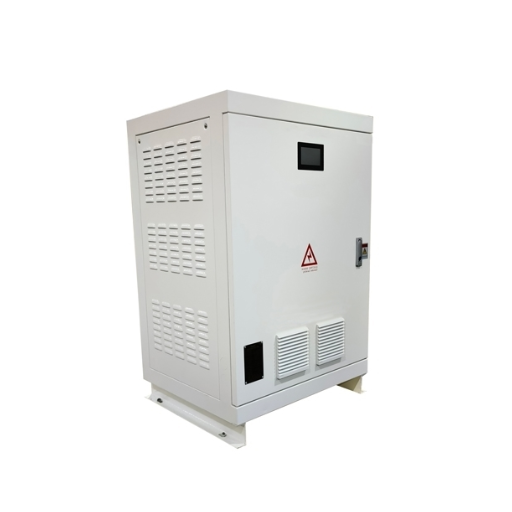
Phase converters are special devices employed in the process of converting a single phase electric power supply into three-phase or from three-phase to single-phase. This is why they are used in equipment for more suitable performance of equipment that has been configured using a particular electric power system with a different system. Single phase converters operate by converting the more common residential and rural single phase power supply into three phase power supply for use in small industries or equipment which do not need heavy constant load. Conversely, Three-Phase Converters are devices having the pure form of three phase load and they are suitable for most industrial and large scale operations because of the efficiency and stability offered by the three phase power supply. This ensures that there will be no fluctuations in the operations and that there will be no failures in the energy systems, both of which are very important in manufacturing and system operations like production lines.
Single Phase Converters
Single-phase converters are electronic gadgets that are made to convert single-phased power to a form suitable for a particular purpose such as the operation of motors. These circuits commonly depend on more sophisticated designs such as diodes, transformers and rectifiers among other components in order to facilitate energy conversion. Most of the recent models of single-phase converters are designed in such a way that performance optimization is achieved, there is minimal distortion and the voltage is held at a constant value. These systems are very important for many industries due to the fact that quite a number of them require three-phase power but it cannot be provided. This allows the equipment to function as designed. Single-phase converters are also in great demand considering their small size and ability to suit in different locations such as houses, offices or industrial establishments.
3 Phase Converters
The three-phase converters, also referred to as three-phase conversion systems, are highly developed systems that are aimed at converting down to single-phase electrical power into involving a three-phase power source. The latter is essential for all types of industrial production purposes and for some time since it is appropriate to use automated mechanical processes. These converters have the additional feature to be able to provide a balanced three phase electrical power which is the centerpiece in the driving of motors, compressors, pumps, and other sophisticated equipment. Advanced designs take advantage of contemporary technologies, including variable frequency drives (VFDs) and digital signal processing (DSP), to optimize operation and the consumption of electricity. These designs are purposefully built, and the said control lowers harmonic distortion, eliminated making it to experience productive long life. Also, all manner of three-phase converters have been designed to take up loads under an array of climatic changes and load situations, making it possible to take their applications to levels that involve various industrial plants, plants of raw materials processing and agricultural works. Therefore the quick installation, adjustable and dependable systems help in reducing power loss and the consumption of energy in a very large electrical installation.
Single-Phase vs. 3 Phase Converters: Side-by-Side Comparison
| Parameter | Single-Phase Converter | Three-Phase Converter |
|---|---|---|
| Power Supply | Uses single AC phase | Uses three AC phases |
| Efficiency | Lower efficiency | Higher efficiency |
| Load Capacity | Supports smaller loads | Handles large-scale loads |
| Voltage Stability | Prone to fluctuations | Provides stable voltage |
| Complexity | Simpler design | More complex design |
| Initial Cost | Lower upfront cost | Higher upfront cost |
| Maintenance | Easier to maintain | Requires specialized maintenance |
| Applications | Suited for small-scale setups | Ideal for industrial and commercial use |
| Power Losses | Higher power losses | Reduced power losses |
| Environmental Conditions | Limited adaptability | Performs well in varied environments |
Understanding Single-Phase and 3 Phase Power
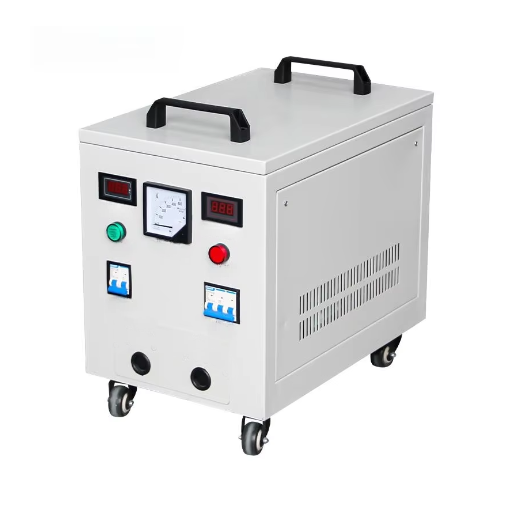
Single-phase power provides electrical power with the use of single signal for alternating current. Such power is more operational in houses and light machinery. Installation is simpler, faster and more affordable compared to three-phase power, but it is less effective in case of high loads due to higher losses and structural restrictions. 3-phase power supply systems, for their parts, are capable of providing power using three phased voltages at 120 degrees to each other. This feature translates in more stabilized power supply and hence efficiency and this is why it is preferred for most industrial, commercial or even large scale operations. Even though the initial expenditures as well as maintenance are far much higher, 3 phase power offers high performance even in unfavorable conditions thus preferred.
Characteristics of Single-Phase Power
- 1
Voltage Output
The voltage output in these types of systems usually ranges from either 120V or 240V in different parts of the world and organizations. - 2
Power Consistency
An unbalanced 3-phase electricity supply is less stable than a balanced 3-phase system. This is because the power will be delivered faster between the zero crossing points of the alternating voltage, making voltage dips pronounced. - 3
Efficiency
When compared, it can be seen that single phase systems withdraw more energy over long distances in an inefficient manner in relation to three phase systems. The reason for this is that the cables have increased losses, and they also have a lower power factor and the active power is distributed unevenly. - 4
Applications
Single-phase is single-phased energetics where its loads span residential and small commercial activities. Typically, it is used to drive within acceptable limits power loads having a range of energy requirements, e.g., measurement, lighting, and office equipment. - 5
Installation and Cost
Systems with single-phase power connections are easy to install and can be maintained easily. This aspect makes them ideal for individuals or entities that need a small quantity of power. The reduced complexity leads to a reduction in both capital and operating costs. - 6
Load-Bearing Capacity
A single phase waveform is not very useful for high loads that are beyond the capacity of that particular waveform. Due to this reason, it cannot be used to power heavy machinery or electronic appliances that require high voltage continuously, and so on.
Characteristics of 3 Phase Power
- 1
Higher Efficiency for Heavy Loads
Three-phase supply is used in application that may not experience peak power requirement implying application which can manage high levels of continuous and high power capacity. Unlike single-phase systems, which provides only one waveform, three-phase supply operates a three-phase system in which three sinusoids, phase displaced by 120 degrees. This permits the orderly flow of electrical energy causing less volatility in power and hence most effective in the control of industrial machinery and large motors. - 2
Improved Power Transmission
An additional factor to be considered in three-phase systems is the ability to place one of the phases at a distance without any intermediary connections. Three-phase systems use very low conductor materials, yet the same amount of power is delivered which makes the three-phase systems less expensive systems for bulk power transmission. - 3
Stable and Consistent Power Supply
Zero dead zones in the transmission of power is one of the key features of three-phase systems. This is made possible due to the fact that even if one of the phases is off at any one moment, an increased phase is always activated. Continuous power can be sustained by a three-phase system causing clicks and flicks to become history in electrical power supply. - 4
Higher Power Density
Three-phase power does have some performance advantages over a single-phase power supply, in that it allows more power in the same current rating of up to 1.5 times. Therefore, compact and efficient designs are feasible for such devices as motors and transformers, resulting in the saving of space and effort as well. - 5
Reduced Vibration and Noise in Motors
A three-phase motor provides a steadier ride to the electrical current more than a single-phase motor, thanks to an even energy supply per phase, encouraging the enhancement of motor power factor. This also helps in decreasing fluctuating forces often referred to as torque ripple, absorbing the vibration, thereby reducing noise and extending the life of such equipment and devices in an industrial setting. - 6
Scalability for Industrial Use
Three-phase systems are difficult to implement in low demand conditions. This refers to industrial installations, which are the prerequisite conditions for the placement improvements, including the distribution of electric energy to factories, industrial enterprises, and energy facilities.
Sizing Phase Converters for Industrial Loads
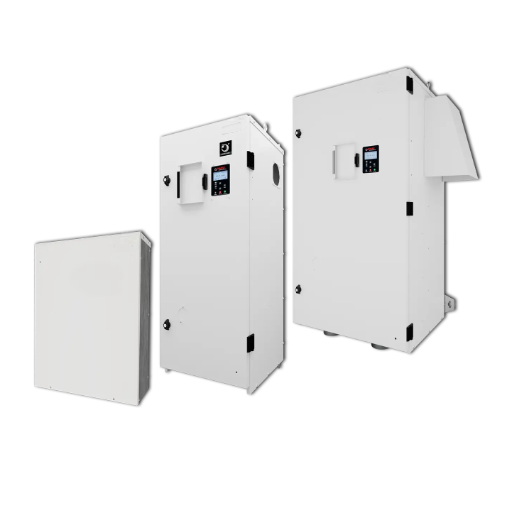
When sizing industrial phase converters, it is important to appraise the capacity of the converter in order to satisfy the loads of the customers. One’s first task is normally establishing the overall horsepower (HP) ratings of the machines (or motors) and the electrical equipment connected to them. Most of the phase converter manufacturers devise their own charts on how to size their devices to the various loads. Go for a phase converter that can cope with the full combination of loads plus an extra of between 20% and 25% incase the load changes and includes inrush currents. Both the installed and running loads and the form of the motor on which the load is being applied should also be considered when selecting the capacity of the phase converter. In any case, for maximum effectiveness and service life, refer to the manufacturer’s instructions.
How to Size a Phase Converter
To size a phase converter correctly, several critical aspects must be taken into consideration to ensure the correctness of the size and proper operation. Primarily, one must assess the total horsepower of all equipment that is demanding split-phase. In this, one must look into the demand which includes the inrush current and also the running power since the starting of a motor is different from running it.
Another important factor to consider is the type of load, whether it is resistive (bulbs, etc.) which are fractional loads or inductive (motors, compressors) which quickly go to full load hence the need for increased capacity for surge, therefore more protection against voltage imbalances and selecting filters becomes also a breeze. The end use of the aptitude of the phase—be it light, medium, or heavy- puts it into perspective. For instance, if you need to change the more heavy-duty appliances such as pumps and conveyor systems, it may be necessary to use a bigger phase converter in order to ensure continuity of action.
In conjunction to sizing considerations, various environmental and working conditions like voltage stability, heat, phase unbalance should also be accounted for. Ensuring an equilibrated three phase output, maximizes the effectiveness of the equipment and minimizes the risk on wear and tear. Running phase converters with in-built capabilities of voltage balance support or stipulating design details increases the reliability of the system.
Factors Affecting Phase Converter Size
The amount and kind of load which is required to be driven are very crucial to the sizing of the phase converter. For most cases, these loads categorized into resistive, inductive and capacitive loads have their particular beginning and operational features. Resistor loads like exhaust units are consistent in current draw at any moment they are energized while inductive loads like motors or transformers are different and would require a form of current surge at command. The starting current of the motor can go up to eight times the average current of the motor. This requires larger size of phase converter to handle the high level of demand even motor speed is changing without going to a risk of voltage drops or voltage is not sustained.
The amount of horsepower (HP) rating that the sum of all equipment connected shall handle greatly influences the design procedure. It is imperative to compute the running and starting horsepower requirements so as not to underestimate its value. Furthermore, the initial current flow will be altered if starting modes such as full load start, soft start, or VFD are adopted. Motors using across-the-line starting will need a specific phase converter for the maximum starting current instantaneous delivery; conversely, soft starters may remove this requirement and therefore allowing a small inverter.
The power period of service and the level of variation of the shaded power at any time within a time window given the constraints in the selection of the converters. Always-on power usage requires a converter which can maintain output in a steady state over a long period of time without getting too hot, with high coherence and efficiency. Opposed is the case where there are appearances of non-zero but periodic power levels clearly marked especially in loads, in which case there is a need for phase and maybe auto load balance or surge protection in order to achieve optimal performance without affecting quality of the system operated on.
Choosing the Right Phase Converter: Single-Phase vs. 3 Phase Converters
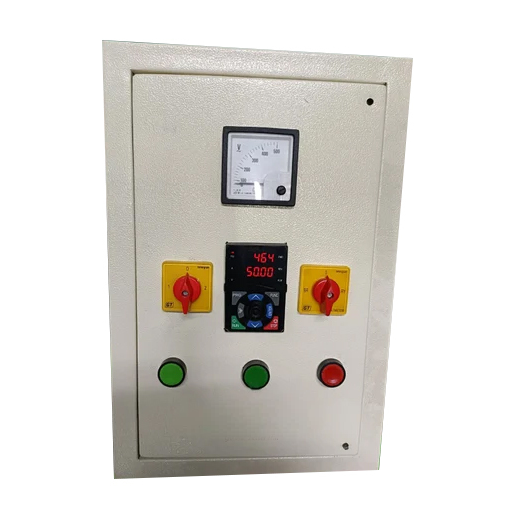
When differences between the single phase converters and the three transformers come, it is important that the decision matches the power requirements and the range of activities that the user wish to carry out. Single phase converters are most appropriate for use in smaller and simple power systems with low power of demand such as domestic or small scale uses. They are affordable and easy to implement therefore are frequently used in power systems requiring limited capacity. However, three-phase converters are typically manufactured for industrial or business operations where there is a need for efficient and powerful equipment. They are particularly more efficient and also improve power quality for heavy duty machinery for drive work, which includes the gear, machinery, and production devices. When the load requires enough power, or where machines must run 24/7, among other applications that require power, three-phase converters come into the picture.
How to Choose the Right Phase Converter for Your Application
After each type of available phase converters is understood, technical and operational elements that affect the performance of the system should be considered in the use of a phase converter. Knowing the amount of power a certain application needs and how it will be delivered once the application is put in use is vital. Usually, residential specific or small power rated equipment such as pumps, fans, and small scale machines are the best fit for single phase converters. On the other hand, three phase converters are built for heavy power usage making them fit for use primarily in industries that use machines such as multifunctional or programmable machines, silencers, and belt conveyor systems.
One of the key factors that the three-phase systems score high on is the efficacy of their energy utilization. Such systems as such are effective in preventing industrial energy equipment wearing out since they offer more stable and consistent energy supply than the unlike single phase systems that are more volatile and erratic.
Besides, one must take into account how much or the extent to which it is intended to bring up the efficiency of the system in the future. Should increase in operation or demand of higher load be expected, a three phase converter is the most appropriate since it allows for such expansion. The evaluation should also take into consideration the costs of the technology since the use of single-phase technology in economic terms is because they are also quite cheaper and easily affordable in comparison to the three-phase systems which may aptly qualify as high-cost technology when efficiency and longevity are expected in the future.
In concluding whether a single-phase or a three-phase converter should be used for a particular purpose, it is important to thoroughly analyze the duration of loads, the operating mode and the future growth that can be expected under given circumstances.
⚠️
Common Mistakes in Phase Converter Selection
- ✕
Incorrect Sizing of the Converter
One of the scenarios that often takes place is operations where the use of a phase converter’s size is either too small or too large for the purpose for which it has been designed. If these converters are too small, there would be no adequate power supplied to run the equipment, which can cause damage. While there will be inefficiencies and increased energy wastages should the converters are too large. - ✕
Failure to Account for Load Type
Not every load has the same specifications some of the load types are resistive, inductive and motorized. If in the selection process these parameters are ignored, it can easily lead to the operation of the converter at a compromised state. For instance besides being abnormally high, other motorized loads require phase converters that possess High starting points so as to be very effective with the inrush current. - ✕
Ignoring Voltage Requirements
Voltage imbalance is one of the symptoms that appear when the converter is not at the right matching voltage as the equipment. Such situations can damage delicate equipment, reduce efficiency of the equipment, bring down service life of the equipment. - ✕
Overlooking Environmental Factors
The importance of environmental conditions including temperature, humidity and exposure to dust, or moisture is often ignored when choosing an electrical equipment. There is a risk of overheating, rust, or poor performance, when an inappropriate converter is chosen. - ✕
Neglecting Maintenance Needs
About such phase converters that are expected to be serviced on a regular basis in order to keep the primary functionality, customers mostly neglect these needs and thus, thereby enhancing the occurrence of such failures. Picking a phase converter without excessive or impractical maintenance and repair requirements can help in the functionality and the stability of the system.
In conclusion, avoiding the above situations can help enhance the productivity, longevity and economy of the selected phase converter and most importantly, there will be no downtime in the operations of systems.
Practical Applications of Phase Converters
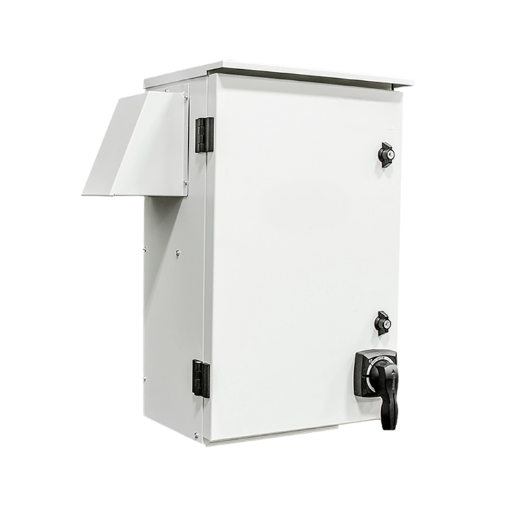
In manufacturing, phase converters are often used to drive electrical machinery, like CNC machines, lathes, milling machines, etc., thereby ensuring that such equipment function as desired. This is the same case with farming where phase converter is used to power equipment such as irrigation pumps, grain dryers, dairy items, and many more. In the same way, phase converters are a primary requirement in the operation of HVAC systems, elevators, refrigeration equipments and other systems in commercial buildings that have no three-phase electricity. These tools are also much in demand as an affordable facility improvement option by most industrial organizations.
Industrial Use Cases for Single-Phase and 3 Phase Converters
To improve the efficiency of machinery, businesses often resort to the use of phase converters. This is especially common in manufacturing environments and more so when the plant has prominent tools such as CNC machines, turning machines or milling machines. Rotary phase converters, for instance, are often found in factories to supply balanced three-phase power for precision equipments that necessitates constant torque and operational stable machines. Also, electric-controlled single-to-three-phase transformers are often used in facilities where changing from single phase to three-phase is not possible without incurring great costs.
Mining and construction rank very high among the sectors that will find the device of importance. One key takeaway is that equipment including conveyor belts, rock crushers, as well as heavy pumps rely a lot on three-phase power for higher efficiency. Phase converters contribute a lot towards making work easier thereby providing maximum efficiency with regards to energizing conditions. Additionally, some of these devices assume a position of importance when it comes to promoting industrial growth in the absence of three-phase power supply as one reduces the hurdles faced in operations, and also assists companies to have adaptable power solutions. It must be noted that in many applications phase converters can be adapted into the main electrical system very easily and essentially are the heart of almost every industry.
Real-World Examples of Sizing and Implementation
One of the most important aspects of optimum performance and reliability of the system is the right choice of the phase coupler and its proper application. For example, in a small workshop where the power input is single-phase whereas the equipment is three-phase, a far and wide use will be for a rotary phase converter having a size 1.5 times the power input. Such a solution resolves the issue of a voltage imbalance and malfunction of the equipment or machinery. This selection will ensure the operation of especially CNC and lathe or milling machines, which is important because any mathematical deviations are out of consideration with these operations.
However, besides such workshops, there are large manufacturers requiring more sophisticated tooling solutions. Furthermore, unlike we have seen such type of problem with the same ideas that, such premises tend to have various production machineries like those tending to be constructed using three phase motors, well enclosed with and covered by machines utilized in those processes. Such an environment calls for more robust calculations for motor loads due to increased number of machines and drives the use of heavy duty rotary phase converter. Assuming the load to stand at approximately 50 HP, a 60 HP rotary phase converter rated to the protection class of a high work irreversibility with an inbuilt engine brake will be chosen so that even the engine starting halfway does not prevent the load.
Apart from workshops and factories where phase converters are required, the device has significant benefits in agriculture. To elaborate further, operational procedures such as irrigation systems, which might need pumps powered by three phase motors, or any other load of this nature, often call for the use of a properly sized converter. In such cases, the only appropriate solution is to convert the rural grid single-phase supply into a three-phase one, without incurring the high costs of the utility connection upgrade, and thus scale without any extra operational costs.
While excellent conversion capabilities cover several terms and phrases applicable to the system, the focus of discourse in this article will be voltage regulation, load diversity and harmonic compensation in maintaining the integrity of a phase converter. Such extensive systemisation, as depicted involves incorporating advanced voltage control requirements, consideration of varying loads, and even the gadgets which produce ripples.
🔧
Maintenance Considerations
The maintenance of single-phase and three-phase converters is essential for ensuring their long-term performance and operational serviceability. One of the key steps in maintenance is scheduled checks of electrical output cables to avoid any loose cables or corrosion which can affect service provision. A more detailed reaction involves temperature checks for electrical and porous materials, which get worse due to repetitive heating with operating time of such equipment, enabling thermal monitors and thermal imagers to be used as preventive devices.
The management of harmonic distortion would be yet another significant point in the study of the operation of three-phase rectifier because abundant harmonics can reduce electrical signal quality which can lead to unfavorable operating conditions in electrical machinery and transformers. These risks can be catered by continuous checking of the harmonic levels as well as through installing harmonic filters where necessary. Moreover, it is suggested that an inspection on the condition of the capacitor banks located in the converters be carried out regularly to prevent failure within it as this can interfere with the reactive power compensation and the efficiency.
To avoid overheating during the operation, if the cooling system is integrated, the manufacturer’s recommendations should be adhered to when lubricating the system. Particular attention must be given to hinged equipment, in case there is any converter in the power facility that is exposed to humid and dusty conditions, because this installation has to be kept enclosed so that filtration system operation is regular and free of dust and other particulate matter.
Maintenance tactics tailored to data-driven approaches are imperative these days and the utilization of real-time monitoring systems is recommended whenever such systems are in place. Such systems are capable of giving out alarms even before a breakdown occurs hence cutting down on downtimes and aiding in advanced intervention. All maintenance procedures must be documented deeply for the maintenance history and for assurance of adherence to maintenance regulations until the gear is retired.
Frequently Asked Questions (FAQs)
How do you size a static phase converter for a single motor or industrial machines?
Developing a plan of conspiracy consists of understanding how many forces the scalar operates, what the initial torque required is, and specific characteristics of system startup, including consulting the additional features and amending the application, as most of the loads such as compressors, incur higher loads for startups. For many such types of electric motors and tests, the static converters are useful only if the rotational and running conditions of the motor are not too severe; otherwise, a rotary or digital phase conversion is more desirable. Always select a converter that can deliver the converter is an electrical device capable of handling the peak power requirements at startup and the continuous power demands during run.
Can a static phase converter start a three-phase motor reliably for industrial loads?
You can use a static phase converter to start a three-phase motor, but the problem is that it sometimes will have lower starting torque and the scoring of three phase becomes unstable, which in fact can damage the three-phase machinery more than induction motors when they are frequently turned on. When there is a need for some piece of machinery to be used, particularly equipment that is started then operated such as large air compressors or the most heavy load in the plant, it is rotary or digital phase converters capable of even power distribution or true three-phase power that are superior for the task at hand. At the same time, one requires a phase converter that is able to source and sink the required current for start and run, to ensure that motor does not overheat and fail prematurely.
What are the power requirements and power demands to consider when selecting a phase converter?
Before choosing a converter, consider the full load amperage of the motor loads, the locked rotor current and characteristics of the load (whether it is subjected to constant torque or variable torque), since they are all what determine both start and run power requirements. Converters may be required for high inrush loads such as industrial machines, equipment with three phases or repetitive start cycles whereby handling of peak power requirements must be done without causing voltage sag on the single-phase system. Furthermore, proper sizing and choosing a converter that will satisfy the phase imbalance power consumption during actual operating conditions, enhances motor protective performance and increases the useful life of the motor.
Is single-phase to three-phase power conversion suitable for three-phase industrial equipment?
Conversion of power from Single-phase to three-phase can be attributed to several different types of three-phase industrial equipment, but it is essential to determine whether the given industrial equipment can work efficiently if the power is not balanced, or true three-phase power needs to be maintained in order to work efficiently. There are digital converter options and high-quality rotary converters which will allow for a usable third phase while operating in most machines, but some highly important processes will need 3 phase service power if the power is required to be strictly balanced.
Reference Sources
IEEE Xplore
Finite Control Set-Modulated Model Predictive Control for a 5L-Flying Capacitor Multilevel Converter
This paper discusses advanced control methods for single-phase multilevel converters.
IEEE Xplore
Design and Implementation of a Novel Mechanism for Introducing Static Eccentricity to a DFIM
Focuses on innovative approaches to static converters in industrial applications.
