
There is a severe obstacle that prevents the manufacturer from transporting its automotive parts to the United States in 2023. The measure of voltage in the facility was rated at 400V/50Hz while the engines in question needed 460V/60Hz to satisfy the predetermined criteria for product validation. The introduction of the FD300-50 model enabled them to make the necessary 60 Hz 460 Volt electric motors with less than 3% THD so that over 500 motors could be used each time without any issues concerning power quality.
There is no problem that the type of AC Frequency Converters as FD300 Series is manufactured to address. Therefore, if concerns for example, distribution of 50Hz voltage is to be converted and applied for an imported plant for testing or for the purposes of product conformity to the export markets then the range conveter of FD300 will be able to fulfill his or her wishes. Converting to 60Hz will be the most convenient since other smaller capacity of supply and all the premises available for instance, large offices with importable equipment, etc., will does not require power supply.
This document gives information about the solutions helpful in the various application sectors and explains the applications for the FD300 series. You will find out which appliance is appropriate, learn how to set it up and what the conditions are for utilizing it in general industry.
Need help selecting the right capacity? Contact our engineering team for application-specific guidance and a detailed quotation.
FD300 Series Overview
Product Line Introduction
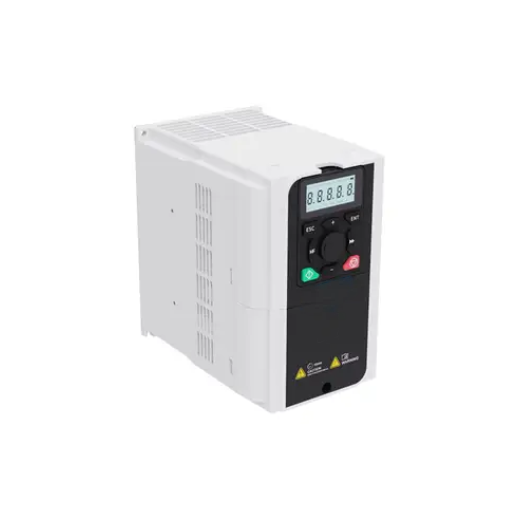
The product line which belongs to FD300 series was developed in order to address the control of frequency and voltage mainly in the industrial system. In particular, this was achieved by integrating the use of advanced IGBT power modules and digital control technology where these power testing, production and international application requirements are in need of variable supply.
Unlike basic variable frequency drives, the true FD300 control panel when used as the three phase varies from on basic operating arithmetic operations usage. By doing this, galvanic isolation is created between input and output. Hence, this ensures that the power which is being supplied to the equipment remains unaffected in case there is an issue with the quality of input power.
The programme is useful for manufacturing plants, laboratories, exporters and organizations engaged in any productive activity that requires continuous and proactive generation of electricity without the complications and excessive servicing involved in utilizing rotors.
Model Range and Power Ratings
The FD300 series covers capacities from 10kVA to 100kVA, with standard models available at common industrial power levels:
FD300-10 (10kVA / 8kW)
Most suitable for small establishments where there are no frequent production and single equipment running tasks. Successfully move 10kVA non-stop loads with up to 15kVA overload for 60 seconds.
FD300-20 (20kVA / 16kW)
Useful for the production of small to medium sized machine tools, operational labs and several testing setups within the production floor. With a maximum power rating of 20kVA, it effectively covers a considerable majority of industrial motor testing tasks in a compact package.
FD300-30 (30kVA / 24kW)
Persistently considered for the mainstream manufacturing plants especially those integrated with assembly setups. With the 30kVA capacity, the program is capable of accommodating for example units capable of simultaneously testing multiple motors, or one single large one over 25HP.
FD300-50 (50kVA / 40kW)
Designed for heavy industrial purposes and comprehensive inspection laboratories. The 50kVA rating allows for effective handling of large engine burn-in practices in the manufacturing and assembly units.
FD300-100 (100kVA / 80kW)
The top of the line in regard to massive industrial usage, test and export facilities and laboratories. Goes a long way in addressing the technical requirement for 50Hz or 60Hz frequency inverters on a constant full load operation
Common Technical Specifications
Input Specifications
Input Voltage Ranges
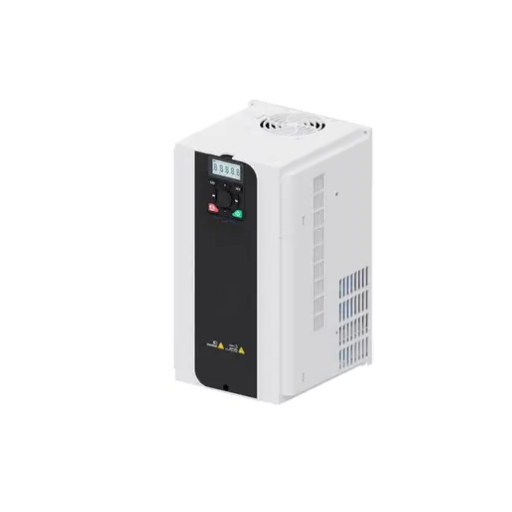
The FD300 series accepts multiple input voltage configurations to accommodate global power standards:
- 380V AC (standard Chinese/European industrial voltage)
- 400V AC (European standard)
- 415V AC (UK/Australian standard)
- 440V AC (industrial standard)
- Custom voltages available on request
All voltage options support ±15% tolerance, ensuring stable operation even with fluctuating grid conditions.
Input Frequency
By design, ordinary models can be operated with either 50Hz or 60Hz supply. Models that can handle either frequency automatically adjust to the input levels, facilitating international use.
Phase Configuration
All FD300 models operate as three phase frequency converter systems, accepting three-phase input and providing three-phase output with maintained phase sequence.
Output Specifications
Output Voltage
Output voltage is fully adjustable via digital control from 0% to 110% of nominal rating. Standard output configurations include:
- 0-300V line-to-line (configurable)
- 0-460V line-to-line (for North American equipment)
- 0-400V line-to-line (for European equipment)
- Custom voltage ranges on request
Any fluctuation in the line voltage still maintains in ±1% of rated values throughout the range, ensuring the adequate delivered power irrespective of load changes.
Output Frequency
Frequency range of normal versions is between 40 Hz and 70 Hz which is continuously available and includes most frequencies encountered in industry. There are wide with some equipment that takes it up to 400Hz
Stability of the frequency deviates no more than ± 0.1% under all loading conditions, allowing frequency improvements without limitations in sensitive and precise ways.
Power Capacity by Model
| Model | Continuous Rating | Peak Rating (60s) | Efficiency |
|---|---|---|---|
| FD300-10 | 10kVA | 15kVA | 92% |
| FD300-20 | 20kVA | 30kVA | 94% |
| FD300-30 | 30kVA | 45kVA | 95% |
| FD300-50 | 50kVA | 75kVA | 95% |
| FD300-100 | 100kVA | 150kVA | 96% |
Waveform Quality
Utilization of high frequency pulse width modulation (typically 8-16 kHz carrier frequency) featuring IGBT-gated output switching achieves a low harmonic content and the overall distortion remains below 3% at full load. This therefore meets the power quality requirements of IEEE 519.
Performance Characteristics
Efficiency Ratings
Efficiency ranges from 92% to 96% depending on model and load conditions. Higher capacity units achieve better efficiency due to optimized magnetic components and reduced switching losses per kVA.
Response Time
The controller can respond very quickly with output voltage regulation after changes in the load have been applied to the system. After applying a 0-100% load, the output voltage reaches the 1% margin of the nominal voltage in less than 20 ms. Frequency can also change under 100ms.
Load Regulation
The voltage regulation goes between ±1%. No load to full-load conditions voltage regulation maintains a high accuracy, aimed to maintain suitable conditions for performing testing on voltage-sensitive device.
Protection Features
Comprehensive protection systems safeguard both the converter and connected equipment:
- Overload protection (110% for 60 minutes, 150% for 60 seconds)
- Short circuit protection with automatic recovery
- Overheat protection with temperature monitoring
- Input undervoltage and overvoltage protection
- Output overvoltage protection
- Phase loss detection
Features and Benefits
Core Features
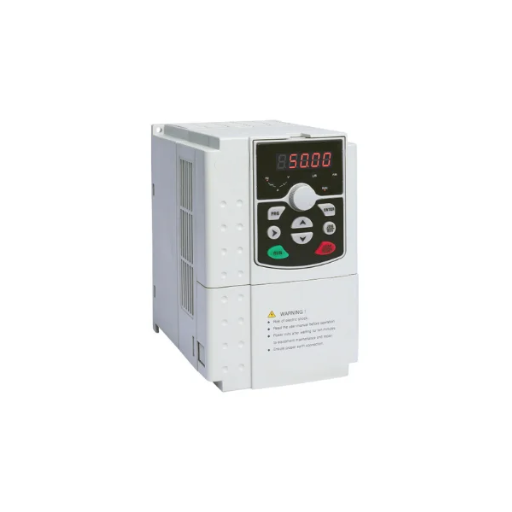
IGBT-Based Power Conversion
Insulated Gate Bipolar Transistors are presented as the best suited for the high speed of operation, efficiency and strength requirements of an industrial power system. Centre spread IGBT modules are designed to undergo prolong industrial duty without any problems at all.
Digital Control System
Microprocessor-based regulation guarantees high-precision performance, and can adapt to local operating conditions. If necessary, it allows easy control of mods and updates by means of software, without any hardware updates.
Pure Sine Wave Output
Cutting-edge implementation applies on PMW modulation to expand its use beyond the confrontation of output load with the mains electricity. The superior quality pure sine wave is able to power all kinds of loads including motors, transformers, and sophisticated electronic equipment without causing any interference.
Galvanic Isolation
Isolation is effective due to the separation of feedback circuits so that the output circuit is electrically separate from the input. This form of isolation is beneficial in protecting the sensitive electronic test systems from input power transient voltages and common-mode noise that would otherwise require an external loop seal.
Protection Systems
After discovering a motor that was under test had faulty circuits, the crew during the practical testing of the FD300-30 control line was able to shut down the feeder and produced a fault message for quick diagnostics. It was restarted without damage after normal switching on of the machine with the fault cleared. This protection prevented an estimated 15000 US dollars worth of damage to the equipment, covering possible damages.
Overload Protection
Intelligent thermal modeling allows temporary overloads for motor starting while protecting against sustained overcurrent. The 60-second peak rating accommodates most motor inrush currents without nuisance trips.
Short Circuit Protection
Efficient control system for immediate action in the event of output short circuit induction and tripping of IGBTs. In case of fault clearing, the fault is normal, and where possible, the device is immediately put back into operation.
Overheat Protection
Different measures of temperature are measured at multiple points on key components. A slight power reduction is produced because unsteadiness is prevented in spite of non-adequate cooling, i.e., curbing sudden shutdown intermediary to provision.
Input/Output Protection
Protective technologies against voltage fluctuations on the input side, overvoltages on the output side, and also loss of phase, are even more important owing to end users’ garbage electrical systems behavior.
User Interface and Control
LCD Display
The information on input/output voltage, amplitude, phase lag, distortion, and other crucial parameters is displayed in an easy-to-understand manner by the backlight LCD. Furthermore, the set parameter configuration assists the operator with any corrections which are to be made.
Remote Monitoring Options
Standard RS-485 Modbus communication enables integration with building management systems and SCADA networks. Optional Ethernet and wireless connectivity available for remote monitoring applications.
Adjustable Parameters
Users have the ability to adjust voltage, frequency, ramp times, and over and under-voltage protection settings, to enable or disable password protection, as well as configure all communication settings and baud rate settings
Alarm and Status Indicators
LED indicators and relay outputs provide immediate visual indication of operating status and fault conditions. Form-C relay contacts enable integration with external alarm systems.
Main Applications by Industry
Manufacturing and Production
Motor Testing and Burn-In
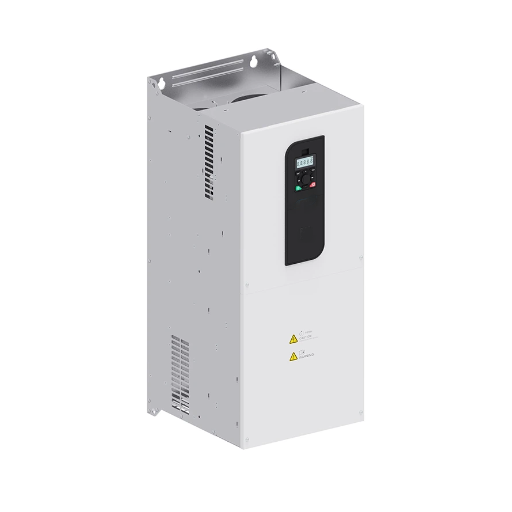
The FD300 Series AC Frequency Converter provides the controlled power environment needed for motor validation. Manufacturers can test motors at rated voltage and frequency regardless of local power standards, ensuring products meet specifications before shipment.
Production Line Power
For facilities producing equipment for export markets, FD300 units provide localized power matching destination country standards. This enables domestic production testing with identical conditions to the end-use environment.
Equipment Import/Export
When importing machinery designed for different power standards, FD300 converters enable immediate operation without modifying the equipment. Similarly, exporters can validate equipment operation before international shipment.
Testing and Laboratory
Product Testing Facilities
Most common test houses apply FD300 variable frequency drives to figure out conformance of supplies to more than one voltage level and frequency standards. It is possible to simulate an American (460V/60Hz), European (400V/50Hz), and Japanese (200V/50Hz) power system on a single device.
Quality Control Laboratories
Manufacturing quality departments employ frequency converters for validation testing, ensuring every unit meets specifications under correct operating conditions.
Research Institutions
Universities and research centers use the adjustable output capabilities for power quality studies, equipment characterization, and educational demonstrations.
International Trade
Export Equipment Preparation
When a Brazilian pump manufacturer needed to validate their products for the Middle Eastern market in 2024, they installed an FD300-20 to generate 380V/50Hz power matching destination requirements. The investment paid for itself within three months by eliminating rework and returns.
Import Equipment Integration
Companies importing European or Asian equipment into 60Hz regions use FD300 converters to power the machinery without expensive modifications or replacement of electrical components.
Global Supply Chain Support
Giants of manufacturing who have operations in multiple countries employ FD300 units almost in every country where they operate, which is one converter for all countries, but with their peculiarities in load power levelling.
Specific Use Cases
HVAC System Testing
Air conditioning and refrigeration equipment designed for specific power standards requires validation at rated voltage and frequency. FD300 converters enable complete system testing regardless of facility power.
Pump and Compressor Testing
Rotating equipment validation requires sustained operation at rated conditions. FD300 units provide continuous power for extended burn-in and performance testing.
Generator Testing
Testing generator sets often requires applying variable frequency loads. The adjustable output of the FD 300 converters simulates various grid conditions for generator validation.
Model Selection Guide
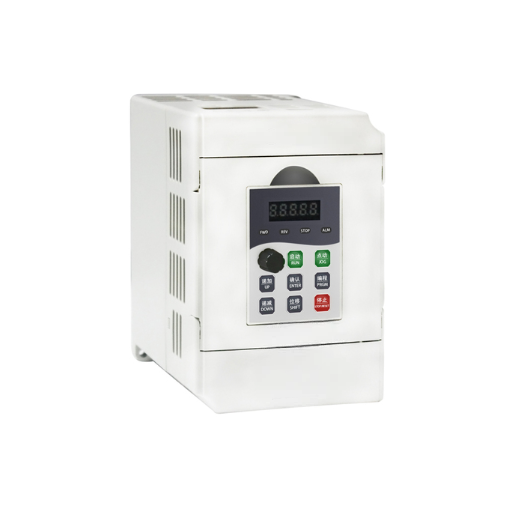
Capacity Selection Criteria
Load Power Calculation
Determine the total kVA requirement by summing the power ratings of all equipment to be connected simultaneously. For motor loads, use the motor nameplate kVA rating, not horsepower, as power factor affects the calculation.
Include a safety margin of 20-30% above calculated load to accommodate:
- Measurement uncertainties
- Future expansion
- Temporary overload conditions
- Reduced capacity at elevated temperatures
Starting Current Considerations
Motor starting currents can reach 6-8 times rated current. While FD300 units tolerate brief overloads, frequent starting of large motors may require oversizing. For applications with frequent motor starts, select a converter with peak rating exceeding the expected starting current.
Future Expansion Margins
Consider anticipated load growth when selecting capacity. Upgrading to a larger unit later involves significant cost and downtime. The incremental cost of selecting one size larger often proves economical over the equipment lifecycle.
Application-Specific Recommendations
Small Workshop (10-20kVA)
The frequency converter 10kVA and frequency converter 20kVA models suit small workshops, individual testing stations, and light manufacturing. These compact units fit limited floor space while providing adequate power for most small motor testing.
Medium Manufacturing (30-50kVA)
Production facilities with multiple testing stations or larger equipment benefit from 30-50kVA capacity. These models balance capacity with cost for typical manufacturing operations.
Large Industrial (100kVA+)
Quality makes a 100kVA rating unit nearly a compulsory requirement in industries such as heavy production units, integrated testing plants and internationally certified export facilities. The FD300-100 suits the needs of users in search of equipment for high-duty applications.
Voltage and Frequency Requirements
Matching Input Power Source
Verify your facility voltage matches the FD300 input specification. While most industrial facilities use standard voltages, verification prevents installation complications.
Determining Output Requirements
Identify the voltage and frequency of the equipment you need to power. Common combinations include:
- 380V/50Hz (Europe, China)
- 400V/50Hz (Europe)
- 415V/50Hz (UK, Australia)
- 460V/60Hz (North America)
- 220V/60Hz (parts of Asia, South America)
Special Configuration Needs
For non-standard requirements, Shandong Electric provides custom configurations including:
- Single-phase output from three-phase input
- Split-phase (120/240V) output
- Extended frequency ranges
- Marine and military specifications
Competitive Comparison
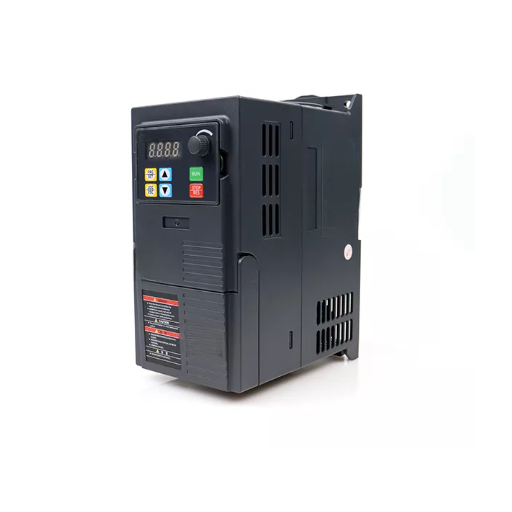
FD300 vs. Competitor Models
Performance Comparison
Despite the similar electric performance, the price of the FD 300 series is much lower when compared to worldwide suppliers such as Image of ABB and Siemens. A very important indicator, namely that of required voltage and frequency levels and total harmonics distortion (THD) should have met or be better than the generally accepted values.
Price Positioning
Most of the time, FD 300 series costs around 30-50% cheaper than the competition from Europe or Japan. This is because the said pricing is as a result of cost-effective production and elimination of distribution intermediaries rather than pricing because of lower costs for the product.
| Feature | FD300 Series | European Brands | Low-Cost Alternatives |
|---|---|---|---|
| Efficiency | 92-96% | 94-97% | 88-92% |
| THD | <3% | <3% | 5-8% |
| Warranty | 2 years | 1-2 years | 1 year |
| Support | Direct engineering | Distributor | Limited |
| Certification | CE, ISO | CE, UL | Varies |
Value Proposition
Cost-Performance Advantage
FD300 fits in exactly at the intermediate level between high-end performance and limited budget. Premium brands have IGBT technology used, proper digital controller has been incorporated and they also come with a lot of protections but at a higher cost.
Quality Assurance
Following the strict requirements of ISO 9001 guarantees that the same level of quality is produced each time. Every functional sample in every warming transformer is tested to perform full load capabilities of the tested warming transformer.
Installation and Commissioning
Installation Requirements
Electrical Requirements
Verify electrical infrastructure can support the selected model:
- Input circuit breaker sized for 125% of rated input current
- Appropriate cable sizing for voltage drop limitations
- Earth grounding per local electrical codes
- Surge protection recommended for areas with frequent lightning
Environmental Conditions
FD300 units operate in standard industrial environments:
- Ambient temperature: -10°C to +40°C (derating above 35°C)
- Relative humidity: <95% (non-condensing)
- Altitude: <1000m (derating above 1000m)
- Protection rating: IP20 standard (higher ratings available)
Space and Ventilation Needs
Provide adequate clearance for cooling airflow:
- Front: 1000mm minimum (for access)
- Rear: 500mm minimum (for airflow)
- Sides: 200mm minimum
- Top: 500mm minimum
Ensure ventilation air is clean and free from conductive dust, corrosive gases, or oil vapors.
Commissioning Process
Initial Setup
Upon installation completion:
- Verify all electrical connections
- Check control wiring and communication connections
- Inspect cooling system operation
- Verify ground connections
Parameter Configuration
Configure the unit for your specific application:
- Set output voltage to match load requirements
- Set output frequency to match load requirements
- Configure voltage ramp time (typically 2-5 seconds)
- Set protection limits appropriate for your load
- Configure communication parameters if using remote monitoring
Testing and Verification
Before connecting critical loads:
- Verify output voltage with no load
- Verify output frequency accuracy
- Test voltage regulation with partial load
- Verify protection functions using test procedures
- Document baseline performance parameters
Conclusion
Designed for industrial frequency conversion and to invert the frequency of the drives in the industry, the FD300 Series AC Frequency Converter is a great alternative equipment. These are available with ratings of between 10kVA and 100kVA, pure sine wave output and all the required protection elements and can be involved in many different applications including motor testing and powering the production lines.
Key takeaways for your evaluation:
- Capacity range covers most industrial needs – from 10kVA workshop units to 100kVA heavy industrial models
- IGBT technology delivers professional performance – efficiency and power quality matching premium brands
- Digital control provides flexibility – adjustable voltage and frequency with comprehensive monitoring
- Comprehensive protection ensures reliability – safeguarding both converter and connected equipment
- Cost-performance advantage – professional features at competitive pricing
