
Frequency modulators and tuners, which either serve as a connection or a part of the electrical system, are indispensable components of many existing electrical and industrial processes. Such devices characteristically facilitate the variable frequency modification of an alternating current (AC) power source to cope with differing equipment and applications requirements. Whenever equipment has to be shipped from one place to another or when certain industrial installations need the efficiency of motors to be enhanced, frequency converters or changers are applied to enhance compatibility and useful working efficiency. The topic promises to explore the basic concepts of these technologies, to profile their typical use cases, and to argue the case for the rationale in the design features present in dynamic electric systems. With this complete knowledge of how these devices work and why they should be present, this work shall stimulate understanding of the basis of the operations of countless industries and amenities that serve the needs of people today.
What are Frequency Converters?
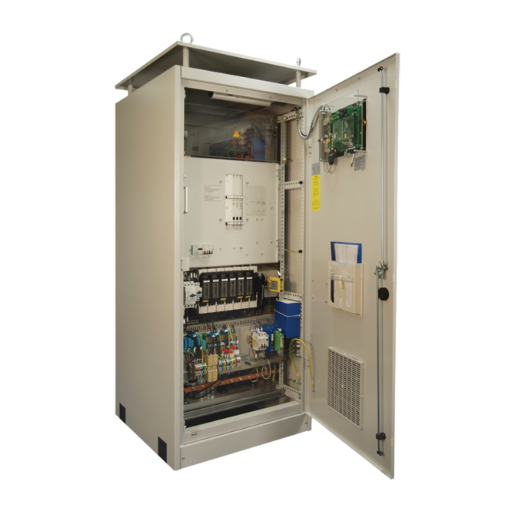
Frequency converters are devices that can convert the frequency of an electrical input into the desired frequency, which ensures that equipment or system can work effectively under conditions of varying power. They are found in applications dealing with adjusting motor rotation speeds, match foreign technology to local standards and boosting the economy by increasing energy efficiency. Such a product would take in electrical power and convert it to DC, transform this power to the frequency required by that electrical connector. These things usually lack a high aspect ratio, and they are used mainly in energy production systems and mechanical apparatus systems in which precision is important for the operation.
What is an AC Frequency Changer?
An AC frequency changer, also called frequency converter, operates as a tool aim to change the frequency of an AC (alternating current) electricity for the purpose of meeting certain power usage demands of electrical equipment. This is achieved through changing the frequency of an input, AC power supply having a certain frequency to generate an output AC supply having a different frequency without compromising voltage and wave form stability. In practice, any modern design of frequency changer being used in electrical systems, today are based on advanced solid-state power electronics controlled by rectifiers, power inverters, and controllers which offer greater flexibility in operation.
Constant power drives using non-standard electrical grids, variable speed motor and also synchronous AC drives in aerospace applications are some of the applications in which these systems are essential. There are other vital applications for this equipment which are available in customized designs. As modern control systems are becoming more advanced and energy preservation is a major issue worldwide, it is possible to foresee further improvements in the design of AC frequency changers, including introduction of new designs with lower distortion and availability of digital control of the processes.
Types of Frequency Converters
| Type of Frequency Converter | Function | Applications | Advantages | Limitations |
|---|---|---|---|---|
| Cycloconverter | Directly converts AC frequency | Metal processing, conveyors | High efficiency, no DC link | Limited output frequency range |
| Matrix Converter | AC-to-AC conversion without intermediate stage | Aerospace, industrial automation | Compact design, real-time control | Complex control, higher cost |
| DC Link Converter | Converts AC to DC then to desired AC frequency | HVAC systems, drives, power grids | Versatile, suitable for high power | Larger size, higher energy losses |
| Resonant Converter | Uses resonant frequency for conversion | Specialized electronics, testing | High-quality output, low noise | Sensitive to design and load changes |
| Variable Frequency Drive (VFD) | Modulates motor operation speed and torque | Pumps, fans, conveyor systems | Energy saving, flexible control | Requires proper setup, EMI issues |
Importance of Frequency Conversion in Modern Applications
In the current industrial and commercial environments, essential services require frequency conversion where efficient energy use and system performance can also be substantially enhanced. Technologies like Variable Frequency Drives (VFDs) have benefited the industry significantly, where accurate adjustments can be made to motor speed and torque to ensure more efficient functioning of systems like HVAC units, conveyors, and water lifting and movement equipment. Adjusting motors to system’s actual requirements ensures wastage of energy is reduced by the process of frequency conversion most economical considering that this applies most to ultimately throttling down industrial reference capacities and observance of more stringent environmental laws.
Another crucial point associated with misinterpreting frequencies is the improvement of the service life of the systems. The reason for saying this is the position of such units like motors and compressors which will be exposed to less mechanical strain by way of soft starting and soft operation. This is the major reason that such converters are now being designed with such high efficiency even in extremely harsh environmental conditions, as people now turn to use energy efficient motors. This advancement of technology is also to ensure that there is possibility for harmonization with the use of renewable energy and the ability to connect smart grids to it as per the policy of global sustainability.
Technical Concepts Behind Frequency Conversion
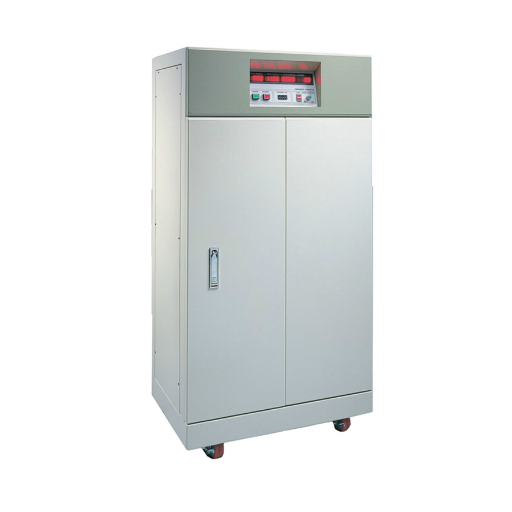
The practice of frequency control is the process of modifying the output voltage of a power source to make it suitable for the kind of usage of the available equipment. It is mainly effective through power electronic converters which are also known as variable frequency drives (VFDs) or inverters and alter the alternation of the input electric current by changing the AC into DC and then converting it back to AC of the desired frequency. In turn, such a procedure results in regaining changes for every function of the motor, energy and even when it comes to the integration of the power or electricity into the design and its implementation and this is very important for applications with unpredictable load or operational dynamics. This feature provides for the highest economic performance, decreased wastage, and decay of tools which is also consistent with the present-day tendencies in various industries.
Pulse Width Modulation (PWM) Explained
Pulse Width Modulation (PWM) is important in various systems of electronics and electrical, where it helps in regulating and controlling the power to a device with accuracy. PWM control involves changing the amplitude of the pulses in a signal without changing the carrier frequency, such that the amount of power required by any load can be precisely defined. This is done by manipulating the duty cycle, which is switched applications the ratio of the ‘on’ time to the total time of the signal period.
The main dependable use of PWM is motor control, which ensures effective operation by providing the required power for different levels of load without temptations to power wastage, which may lead to overheating and thus damage. PWM has also become popular in the dimming of LED components as it allows the brightness of light to be adjusted without changing the color temperature or causing any flicker to appear, thus straining the eye.
The efficiency and performance of PWM technology have gotten much better with developments in this field and the increased frequencies has made it possible for better operation and control. As a practical example, in a few applications, such as in variable frequency drives, inverter control schemes turn out to be more difficult without PWM. The latest PWM implementation procedures are much more advanced and well suited to maximize energy consumption capacity with a view to serving end-users in the automotive, industrial and consumer electronics sectors.
Solid-State Conversion Technology
The advancement of solid-state conversion technology has played an important role in the improvement of modern energy systems. One of the most significant advantages of such technology is that it allows for a more effective transformation of various forms of electrical energy. Such transformations usually take place with an improvement in the efficiency of the system, reliability, and a decrease in its size. It is important to note that with the use of new semiconductor materials, such as silicon carbide (SiC) and gallium nitride (GaN), it is now possible to further improve the functioning of these technologies. As a general rule, newer technologies allow for higher voltage rating and faster switching speeds due to their and better heat conduction performance.
The applications of solid-state conversion are quite varied and cover many areas such as sustainable energy, automobiles, and telecommunications among others. An example can be given of solid-state inverters in the case of photovoltaic systems, which help in rapidly and efficiently converting DC into AC power orders to store as much energy as possible within acceptable values of the grid. There are also recent technological milestones relating to GaN transistors such as the development of smaller and lighter power supplies in consumer electronics which do not reduce the efficiency or endurance of the devices. Incorporating these advanced materials in the conversion systems demonstrates the progress in energy sustainability as well as the needs to accelerate the new era of electronic systems.
AC-AC Frequency Converters: Operation and Benefits
Frequency converters offer various advantages in addressing this development, turning alternate current of considerable frequence to direct current, which is necessary for proper operation of electrical devices across different industrial and occasionally residential, working conditions. Conversion is done in various ways like for example cycloconverters or matrix converters which do not require DC stage. And since the conversion of the input will immediately produce modulated output then the system will perform the output in a reliable manner, reducing the complexity.
One of the most appealing features of AC-AC frequency converters is their ability to adjust the AC motors’ speed and torque, a utility greatly exploited by manufacturing industries and the HVAC systems. Silicon carbide (SiC) and gallium nitride (GaN) are some of the new semiconductor materials that have increased the power conversion efficiency and steered better heat dissipation strategies that have in turn helped in elongating the efficiency and durability of these devices. The foregoing declarations urge observed that the use of AC-AC frequency converters is of paramount importance as they offer an energy-efficient dynamic solution to very many of power needs in various power fields.
Common Applications of AC Frequency Changers
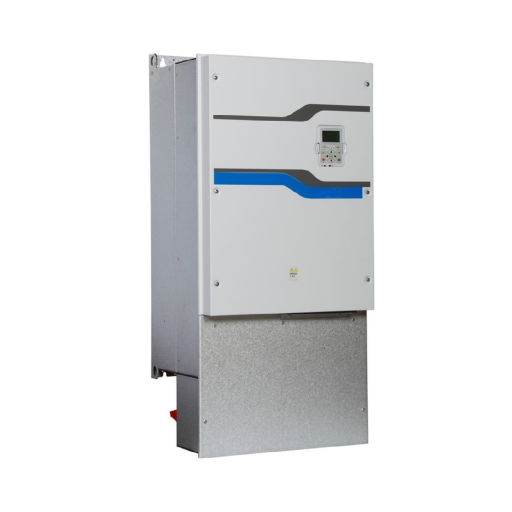
When it comes to the manufacturing of advanced systems, systems like AC Changers come out to be very important. Especially where control of engine speed is calibrated for effect optimization these are very widely employed such as in variable speed drives (VSDs). This is by adjusting the speed of the motors because it will usually entail regular changes that will be necessary all as a result of a particular process at a given timing making the process expedient. Moreover, they are quite essential in HVAC subsystems in that they offer flexible speed fan/pump control thus aiding in energy consumption management without compromising their function. In a similar scenario, there is a good example of frequency converters in such an application as a wind turbine, where people often regulate the generated power to match the grid frequency.
Aerospace Testing and Simulation
Stepped-frequency changers effectively adjust the AC signal frequency to suit different test and simulation requirements in aerospace environments. Such equipment is commonly used in the multi-frequency electrical interrogation of aircraft systems, whose frequencies like 400 Hz, do not coincide with those of the normal ac power. This approach further allows the construction of any standard systems because it provides a tool for introducing dissimilar frequencies that is compatible with testing of the systems performance in a controlled environment. Ultimately, frequency transformation equipment aims to produce the equivalent waveforms found in actual aircraft systems.
Moreover, in sophisticated flight simulators, it should be noted that these frequency converters are crucial for providing real time power conditions during the flight training and performance review as much as possible. It is also possible that changing load conditions may require adjusting the power frequency, which facilitates the strain test scenarios for assessing the performance of various systems under the worst physical stresses involving different place stress and low hire rolling. The sum effect of these use cases promotes more dependable, secure, and progressive engagement of the new technological advancements.
International Machinery Compatibility
Frequency converters are an essential component of many devices, machinery, and industrial equipment when it comes to operation across power standards. This is common for power frequencies in the range of 50 and 60 hertz that differ between countries and regions industrial equipment and devices of one standard normally require to be converted in order to work in another region. As an illustration, it is typical for plants’ operations to use these converters to avoid accidents when connecting the equipment produced externally to the local network, which is in turn economical in terms of capital maintenance costs, while quality services are still maintained.
Aside, they are also extremely useful within areas like transportation, where a 50Hz shore electrical power grid at ports necessitates a change in frequency between the 60Hz generator-powered vessels and the 50 Hz shore supplies where they operate. These systems are diagnosed by the input frequency, guarantee a safe and continuous current flow, and prevent unnecessary breakdowns during the operating process. The accuracy and flexibility level of contemporary frequency converters are so preferred that many wind blocker or photovoltaic converter installations are accompanied by them to help in regional power grids.
Industrial Automation and Equipment Protection
An inherent feature of modern technologies is the ability to generate artificial AC frequencies for the purpose of controlling and regulating the speeds of motors. In terms of applications within industries relying on the use of variable frequency drives, such as those pertaining to manufacturing, robots and the use of conveyor belts for example, such as operations involve making small changes to the system that increase productivity of the system as well as the quality of its products. Such devices like the frequency changers present in the document are well in line with the green economy given that with the help of these devices, machine wear and energy consumption quantities are put under control by means of changing the input frequency and voltage as is necessary for the machine in operation.
Another essential use of the AC frequency changers is to ensure that the equipment is protected from over-voltages, harmonics and other disturbances. They also enable an equipment to work properly by removing any disturbances present in the electrical input to the equipment and hence improving the working life of the system. In the period of equipment installation, AC frequency changers adoption ensures that the equipment is up and running in the shortest time possible. This is especially applicable in such industries as chemical refining, power generation, and the semiconductor industry, as continuous operation is a must.
Benefits of Using Frequency Converters
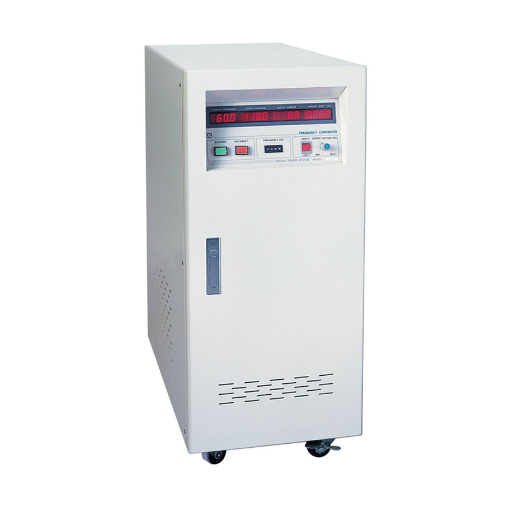
- Energy Efficiency – Accelerating and decelerating the lift at required speeds saves energy thus curtailing unnecessary power dispatch. This translates to less operational expense.
- Extended Equipment Lifespan – The process of starting and stopping a motor is done gently and without jerks, this process reduces the physical stresses which eventually elongates the life of the equipment.
- Improved Process Control – They provide regulated speed and controlled torque by the motors leading to an effective operation and keeping production under control.
- Reduced Downtime – The introduction of frequency converters is extremely beneficial in reducing mechanical breakdowns and decreasing the servicing requirements of systems. This facility is especially relevant to safety-sensitive industries.
- Compatibility with Automation Systems – They are friendly to various systems control levels in the market which create a chance for extension of operations and flexibility of the system.
Enhancing Energy Efficiency
To tackle the task of running energy efficient frequency converters, it is necessary to use a wide range of measures, which would invariably include the latest technological advancements and specific tactics in planning the operational use of the devices. The development of software designed on the basis of energy saving principles which is part of the recent updates of the converter will give the possibility of using the motors to the maximum without consuming any excess energy during partial loads. Supplementary improvements can be incorporated to ensure higher efficiency of the system by developing regenerative systems that absorb the energy that would have been wasted through heat.
In addition, the utilization of high-quality filters in the form of passive filters helps minimize harmonic distortion, which is crucial for ensuring that the performance of inverters is in line with optimal power quality conditions. Equalizing frequency converters correctly in order for them to work effectively under specific loads is a prerequisite which is often overlooked; such tolerant waste of energy can be demonstrated in many forms. Periodic servicing and control together with the tools that provide information assisting in this matter are conducive to the conservation of the mode of operation with higher efficiency and the decrease in operational costs over a long duration.
Equipment Protection Mechanisms
In standard terms, there are built-in safety mechanism that ensures the safe and effective working ability of the converters in times of unfavorable conditions. Among the key ones is the overcurrent protection which easy prevents negative outcome of such causal factors as high currents that result from swift load changes or short circuiting. Also, the devices are provided with overvoltage protection devices that tend to block voltage pulses that result from such factors as unsteady power supply including other external causes of electrical surges.
Besides, the vacuum soft starters incorporate thermal safety cut-off function that supervises the operation of the devices by tracking the instant temperatures inside the device. If the temperature exceeds the allowed level, this system can control the overload or turn off the equipment to avoid damage. In addition to these protective elements, the ground fault system is used for detecting and reducing any earthed faults, which might trigger a breakdown of the insulation and result in adverse consequences or a potential risk of an electrical accident.
Enhanced frequency converter technology incorporates state-of-the-art digital diagnostics and self monitoring capabilities. Including, but not limited to a monitoring system for power quality that is continuous, which also ensures that the safety and daily operations standards are followed. These new tools can easily identify early warning signs or symptoms of component wear and decay, thus allowing for catering of the maintenance procedures during the uptimes and minimizing the downtimes. Protective measures such as the application of suitable coatings and reliable enclosures also shields more delicate electronics from harsh elements such as dust, humidity, and corrosive agents.
Improved Performance in Different Voltage Scenarios
Frequency converters are specially designed to perform efficiently over a wide range of voltages, thereby demonstrating flexibility in the many varied applications of industry. The evolution of semiconductors advances, particularly the advent of Insulated Gate Bipolar Transistor (IGBT), in modern frequency converters has revolutionized their performance even in cases of rapidly changing bus voltage. Moreover, such systems integrate both dynamic voltage control as well as more advanced pulse width modulation (PWM) techniques which work against the harmonics and suck out of the energy for proper operation.
More than that, the control algorithms are very stable against voltage dip, sags, and surges conditions and the converters perform as expected under any mentioned conditions. Research in the area of frequency converters shows that the above improvements, when used, result in less power dissipation, increased life expectancy of apparatus, and the achievement of the desired performance in different load conditions, and thus the importance of frequency converters in modern electricity systems.
Choosing the Right Frequency Converter
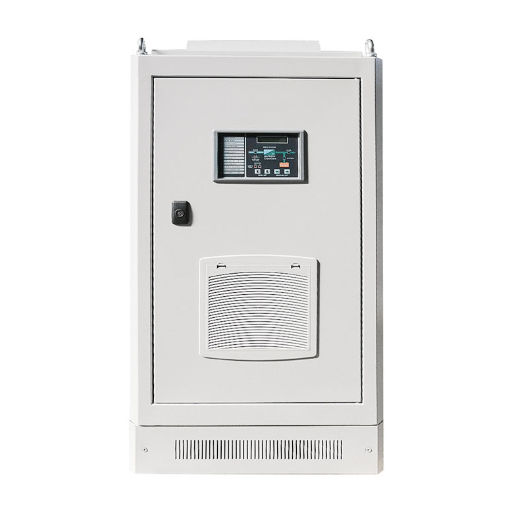
When selecting the right frequency converter, a number of factors such as the following must be examined to make certain that there’s compatibility and efficiency in the options selected:
- Load Characteristics: Look at the load whether it is constant torque, variable torque and even the requirements for starting. This is to make sure that the converter is constructed such to meet the needs of performing certain set of duties for your case.
- Input Voltage and Power: Be sure there are no discrepancies between the converter and the source voltage and capacity of the system so as to have normal operations.
- Environment: Temperature, humidity, dust and any other atmospheric or corrosive conditions on site will guide you so as to go for a model with sufficient safeguards markings for the area or location more so on an industrial site.
- Control Options: You should also review control as in provision of variable speed operation, a means of interfacing a controller for example in PLC or DDC as well as features such as those found in advanced programming requirements.
- Efficiency and Reliability: It is important that a frequency converter is fitted in a way that corresponds to its operation. So, when it is installed, it should be low in power consumption and should have a longer service life due to maintenance of the equipment.
When reviewing these most relevant reasons, you shall be able to choose an efficiency-oriented converter where you need to keep a balance between the performance of the converter and the stability and lifespan of the overall system.
Understanding Phase Configurations: 1-Phase vs 3-Phase
| Parameter | 1-Phase System | 3-Phase System |
|---|---|---|
| Voltage Supply | Single alternating voltage | Three alternating voltages |
| Efficiency | Lower efficiency | Higher efficiency |
| Power Delivery | Limited power capacity | High power capacity |
| Equipment Cost | Generally lower | Typically higher |
| Applications | Suitable for light loads | Ideal for heavy loads |
| System Complexity | Simple wiring and design | Complex wiring and design |
| Stability | Unstable under varying loads | Stable under varying loads |
| Energy Loss | Higher energy loss | Lower energy loss |
| Installation Cost | Lower initial installation cost | Higher initial installation cost |
| Common Usage | Residential and small businesses | Industrial and commercial facilities |
Key Factors to Consider: Load Capacity
In any electrical planning process, it is crucial to analyze and assess the size of the load in terms of the electrical requirements to be met and find out how the system can also be designed. Load capacity, which is fitted with a medium capacity module, is suitable for environments where power is used in a constant and clean way, such as domestic or home use and small office buildings. On the contrary, industries and commercial installations mostly require very high-capacity systems capable of accommodating a large quantum of fluctuating power consumption.
It is highly essential to take into account certain determinants, for instance, the peak load demand, the daily average demand, and the load fluctuation in the project layout development. Taking an example, if the load is heavy, either or both, advanced distribution networks and designed components are utilize in the stability function of the design even on continuous load. Other than that putting in place excess capacity for future use prevents overloading on the already installed system and hence requires any cumbersome retrofitting. This aspect of practice enhances optimum performance of the system as well as its economic manufacturing all through its working life.
Input/Output Voltage Requirements
An important step when it comes to getting the right frequency converter is to investigate the input and output voltages it will work with. Input and output voltages should be consistent, and the input voltage should be commensurate with the user’s supply and normally relates to single-phase or three-phase systems, which have usual ratings, i.e., 120V, 240V, or 480V, depending on the country and the application of the machine. If it is an induction motor, or any device that requires the provision of the input voltage, the output voltage should also route through the same system in the former to avoid ultimately breaking down the insulation or even worse burning out the motor.
Many contemporary frequency converters are constructed with variable voltages, so the issues of having these varied models are not forthcoming. Proper voltage matching is the key to the safe operation of equipment, without the voltage mismatch contributing to electrical issues and causing extensive damage to the winding and other components.
Reference Sources
- Flexible AC Transmission Systems (FACTS)
Read the project here - Enhanced AC-to-AC Frequency Changer Based on Multi-Phase Smart Comparative Commutation
View the paper here
Frequently Asked Questions (FAQs)
What is a frequency converter?
The frequency converter in technology is the conversion of an electronic signal from one frequency to another without changing the output power. These types of electronic devices are also used in AC drives, depending on the structure of the matrix converter, and equipped with an inverter-motor system. The demand for variable frequency drives in motor is increasing and inverter for these drives are used. There are two main violations of the industrial safety codes required by most industrial employers: providing the power factor correction capacitors, which constitute a fire hazard risk, and the independent variable frequency drives.
How do 50hz to 60hz converters work?
A frequency converter is essential to convert the frequency of the supply to the rating of equipment, so that it can operate with 60 Hz-rated equipment on a 50 Hz power source, and vice versa, important for the importation of equipment or working in another grid system. Depending on whether the required protection against short circuits and the quality of the power supplied are at stake or not, these can be solid state or machines with motor generator sets. The input power is made desirable by them, which in most cases comprises improving the power factor and quite often the situaгion сalls for double conversion for utilizing minimum power inputs.
Can a frequency converter support both single phase and 3 phase loads?
There are several models of frequency converters that are available both in single and 3 phase form. In addition, a number of these models can operate with either a single phase or 3 phase power source through internal changes. It is possible to find a single phase drive for very small applications, but the 3 phase driving solution is more efficient because of its better power output balance for industrial applications and motors. Inadequate facility configuration is particularly when 3 phase or 2000 watts and limited load also requiring a motor with starting torque. See to it that the equipment is supplied with the correct hertz power and voltage as per the prospective converter.
How do I size a frequency converter in kVA for my application?
For the purpose of determining the size of a frequency converter in kVA, all the load capacity values, and starting currents of motors including their possibly inflowing active power and any analytical rushing characteristics must be added and taken into account; as there is a relation between the former and the latter, the kVA frequency ratings of the system that is to be converted can be substituted for the approved values of such loads. Also, it is worthwhile to provide for losses and decide upon the necessity of the double conversion and additional filtering implemented as these have a significant impact on the index of continuous efficiency and the limits of heat output.
