
The frequency of an electrical system is a critical factor when dealing with power supply to any electrical equipment and that could affect the performance of the equipment and the compatibility of the system to a very great extent. Worldwide power networks are created around standard frequencies of 50 Hz and 60 Hz, some regions powering the equipment with one and the rest with the other standard. Nevertheless, a situation of necessity of shifting from 50 Hz to 60 Hz or vice versa occurs often when the plant machinery that was designed for one standard frequency is used in an environment that uses the other. The article will cover the technical principles of frequency conversion, how it is indispensable across industries, and the ways to make the transition so that it is imperceptible.
Brief Understanding of Frequency Conversion
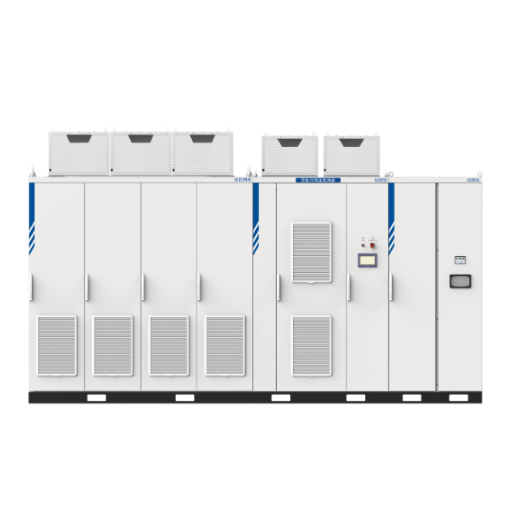
Frequency conversion is the method of changing the frequency of an electrical power source to suit equipment’s particular needs. It is very important in cases of regional differences such as a machine designed for 50 Hz power and yet being made to work in a 60 Hz location, or vice versa. Frequency conversion takes care of all the above and also helps in protecting equipment from potential damage and allowing an efficient operation. This is accomplished by such devices as frequency converters and variable frequency drives (VFDs) which change the input frequency to give the desired output frequency at the same time keeping system’s stability and performance at a certain level.
Differences Between 50Hz and 60Hz Power Systems
| Parameter | 50Hz Systems | 60Hz Systems |
|---|---|---|
| Frequency | 50 cycles per second | 60 cycles per second |
| Voltage Transmission Loss | Higher due to lower frequency | Lower due to higher frequency |
| Power Transmission Efficiency | Comparatively lower | Slightly higher |
| Transformer Size | Larger due to lower frequency | Smaller due to higher frequency |
| Motor Efficiency | Typically slightly lower | Generally higher |
| Noise Level in Motors | Lower | Higher |
| Equipment Design Compatibility | Common in Europe, Africa, Asia | Common in North and South America |
| Current Flow Characteristics | Higher current for same power output | Lower current for same power output |
| System Stability | More stable over longer distances | Less stable over very long distances |
| Energy Loss in Equipment | Higher for some appliances | Lower for most appliances |
Importance of Frequency Conversion for Electronics
Frequency conversion has a pivotal function in making electronic devices compatible and efficient among different power systems. The majority of consumer and industrial electronic devices are made to work at specific frequencies, usually 50 Hz or 60 Hz, values that differ depending on the region. If the device’s frequency is not the same with the electric network (incompatible), the effects can be operational inefficiency, overheating, or even damage to the equipment. When the latest frequency conversion technology or advanced equipment is employed, the grid requirements will be immediately met, and the dependable performance and the longer life time of the equipment will be secured.
In addition, frequency conversion of the power system reduces the energy losses during transmission and facilitates the integration of renewable energy sources such as solar and wind that commonly have variable frequency outputs. Moreover, the use of modern electronics that need precise control and stable input can cause the generation of harmonics and unbalanced voltages. But, the well-selected and highly efficient frequency converter can provide the exact desired voltage and stabilize the system. Hence, it is very necessary for the industries with the intricate and sensitive electronic equipment demand, like telecommunications and healthcare, to ensure accurate frequency match they get operational and data security.
Major Types of Frequency Converters
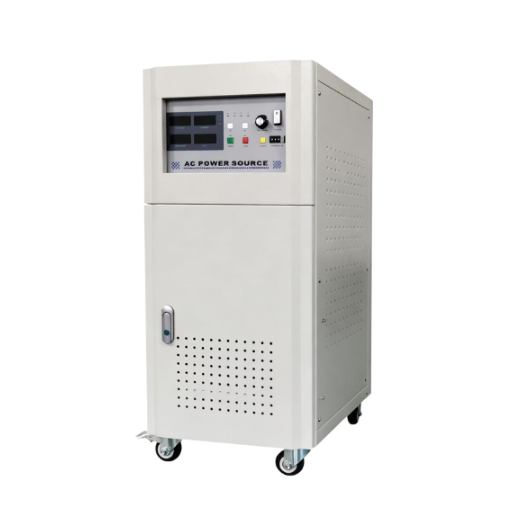
Frequency converters are divided into three major types according to their design and application:
1. Rotary Frequency Converters
One of the converter types is motor-generator set that is composed of a motor coupled to a generator which produces the desired frequency. Such converters are favored for their robustness and load-sharing capability and are mainly employed in the case of heavy-duty industrial applications.
2. Static Frequency Converters
With the usage of solid-state components, these frequency converters are based on rectifiers, inverters, and other different elements to make the conversion of an AC input to the required frequency possible. They are small, save energy, and are frequently employed where the frequency control needs to be very tight, for example, in the defense systems of the aerospace industry.
3. Digital Frequency Converters
Those frequency converters are driven by very complicated microcontrollers and, in this way, reach an extremely close-to-perfect conversion. Thanks to the programmable feature of the digital converters, modern applications such as renewable energy systems and smart grids that require very specific customization are their good partners.
Each type of frequency converter is excellent to choose from in case the item is varied or similar to the previous or following uses.
Static Frequency Converters
The main goal of the static frequency converters is to convert the electric power from one frequency to another with the help of the solid-state devices. Instead of mechanical devices, modern semiconductor technologies like Insulated-Gate Bipolar Transistors (IGBTs) and diodes are used to provide high efficiency and stable converter operation. The areas where the frequency conversion is a must-have feature such as industrial automation, rail traction systems, and aviation ground power units are the major consumers of such converters due to their accuracy and reliability.
State-of-the-art developments in static frequency converters refer to the increase in power density, less harmonics, and better thermal management systems. To illustrate, present-day solutions often utilize pulse-width modulation (PWM) methods to get the right waveform which is vital for sensitive equipment. In the same vein, control algorithms that adapt and real-time monitoring have brought added advantages to operational efficiency and fault tolerance. Static frequency converters maintain being a cornerstone in providing energy-saving and highly-customizable power conversion solutions for the growing market.
Rotary Frequency Converters
Frequency conversions with the help of rotary frequency converters take place when mechanical and electrical sources are combined. It is a usual thing that a motor-generator set is the core of such systems since the electricity generated by the motor is converted into a required frequency by the generator. The reliability is very high due to mechanical coupling which makes rotary converters a good option for the selection of apparatus for the tough and different range conditions applications.
Frequency converters nowadays get preferentially installed with sophisticated equipment that could be the ones equipped with digital controllers for precisely operating and real-time diagnostics, thus resulting in enhanced fault detection and maintenance scheduling capabilities. Industries such as aerospace, military, and manufacturing extensively use these converters to power equipment that operates on a different range of frequencies than the standard utility supply; for instance, 400 Hz aerospace systems or international machinery that is running on 50 Hz or 60 Hz. The converter efficacy, noise reduction, and operational life have been greatly enhanced by the use of better materials and engineering design, even though they still depend on mechanical operation, thus imperatively grandfatherly the relevance of the rotary converters for the demanding industrial applications accordingly.
Three Phase vs. Single Phase Converters
| Characteristic | Three Phase Converters | Single Phase Converters |
|---|---|---|
| Power Output | Higher power capacity | Lower power capacity |
| Efficiency | More efficient for industrial use | Less efficient generally |
| Voltage Stability | Better voltage regulation | Less stable voltage output |
| Application | Industrial and heavy machinery | Residential and light-load equipment |
| Cost | Higher initial cost | Lower initial cost |
| Complexity | Complex design, requires expertise | Simpler design, easier to use |
| Installation Requirements | Requires specialized setup | Simpler installation |
| Maintenance | Higher maintenance needs | Lower maintenance needs |
| Energy Consumption | Optimized for high energy performance | Consumes more energy per output |
| Flexibility | Supports diverse load types | Limited to specific load types |
How Frequency Converters Work
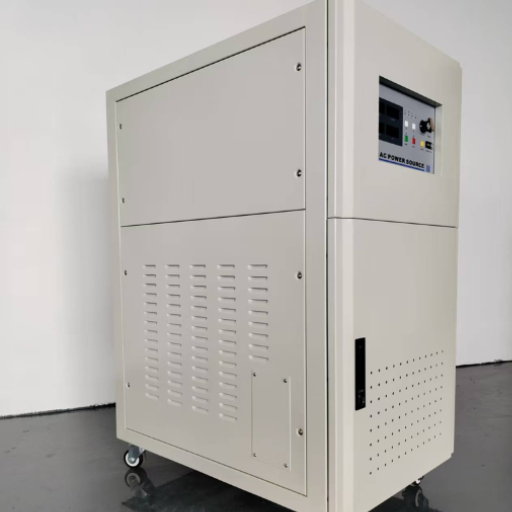
Frequency converters are devices that change the frequency of the electrical power to the load. As the key point, they control the speed and torque of electric motors. The process is composed of three main phases:
- 1
RectificationThe input of the alternating current (AC) is turned into direct current (DC) via a rectifier. This is the initial step and is necessary to secure a stable unidirectional flow of electricity.
- 2
DC LinkThe rectified power is temporarily stored in the DC link or intermediate circuit. This is the stage when the power supply is intact, and the power flow is stabilized, before the unit is once again tested, i.e., with the same power input and output at low voltages.
- 3
InversionThe stabilized DC power is changed back to AC at the required frequency and voltage and this is produced by an inverter. The output that is tailored this way allows the control of the motor’s performance with the closest precision.
In general, frequency converters efficiently manage energy consumption and, as well as this, they are a total necessity when it comes to operational control and improvement of performances in numerous industrial and commercial settings.
Mechanics of Frequency Conversion
Nowadays, frequency converters of all types resort to the use of high-end semiconductor technology for the purpose of very finely controlling the energy. The driving and switching of power at high frequencies are all done through insulated gate bipolar transistors (IGBTs) the most essential of semiconductors, and this is how the proper tuning of the output waveform is made possible. This way, distortion of the harmonics is minimized and also, the energy losses are cut down, making the whole system more effective.
Moreover, the application of advanced digital control schemes, which might include microcontrollers or field-programmable gate arrays (FPGAs), permits the immediate observation and regulation of parameters like frequency, voltage, and current. The devices execute algorithms that maximize efficiency at various load levels thus increasing system stability and reliability, which in turn enhances the quality of power support to the connected loads.
Capacitors and coils are also interconnected in the system in order to get the smoothing of the output waveform and suppress electromagnetic interference (EMI), which is the basis of industrial standards. The outcome of this sophisticated combination of technologies is a system that can quickly adapt and meet the exigencies of ever-changing applications starting from HVAC to precision manufacturing machinery.
AC Frequency Conversion Process
The process of the AC frequency conversion is consisted of a few different steps which are each shaped to exactness and adaptability for the target applications. at first, the input alternating current (AC) is changed into direct current (DC) using sophisticated rectifier circuits. After that, the voltage of the DC current is cleaned through capacitor banks and inductors. This method helps in wiping out the ripples surrounding the DC signal and provides a consistent DC signal. The next step is the use of an inverter; by making use of insulated-gate bipolar transistors (IGBTs) or the like, the AC waveform gets reconstructed at the desired frequency and voltage.
The latest frequency converters having been equipped with complex controlling algorithms are able to have the most accurate voltage and frequency outputs. This time they use pulse-width modulation (PWM) which is a highly debatable control method that also has its own pros and cons. This method increases the energy efficiency by making the harmonic distortion lower at the same time as the performance is optimized for totally different reasons. The metrics such as the total harmonic distortion (THD) and the power factor are under monitoring all the time and can be adjusted by the system to meet strict industrial and regulatory standards. The advanced models have real-time diagnostics, feedback loops, and communication interfaces so that they can operate smoothly as the part of the complex automated systems.
Pure Sine Wave Output Explained
The output of a pure sine wave is a continuous series of signals that is alternately moving up and down, similar to the waveform presented in the smoothness of the traditional utility grids. Such a waveform is the backbone of sensitive electronics power supply, exactness and prevention of possible damage caused by square or modified sine waves and it was a matter of time before it was included the portable market. With the advent of power electronics, the inverter designs, the modern pure sine wave systems manage the smallest harmonic distortion quite often far below 3%. This kind of performance, in the end, is beneficial to the extremely stable power-dependent applications like medical equipment, high-performance computers, and industrial controllers. Moreover, the pure sine wave outputs make the process of energy conversion energy efficient that, in turn, also helps in the reduction of heat generation, and also eventually, the connected device’s lifetime is increased. These systems are also highly reliable as they are in accordance with very strict electrical standards which have become very basic in today’s implementation, specially in the case of #electric main and off-grid # photovoltaic and wind plants systems.
Typical Applications of Frequency Converters
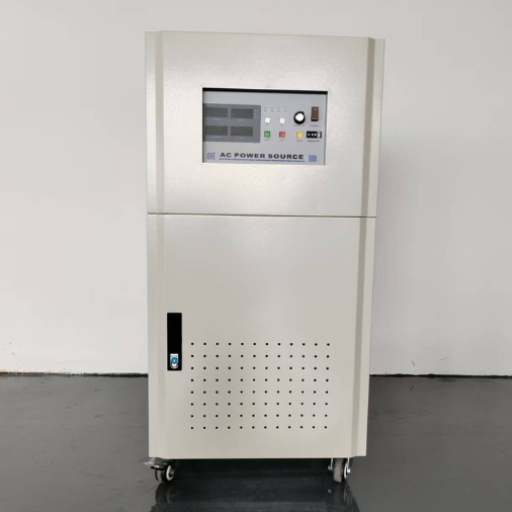
Frequency converters are employed everywhere to provide the necessary conditions for any kind of equipment and to increase performance. In the case of industrial manufacturing, they constitute an indispensable factor as high frequency is a must for many machines to work at their peak performance. Furthermore, giving the aviation and marine industries the option of changing equipment to the corresponding power line is one of the many applications of frequency converters. Moreover, when renewable energy is brought into the grid, integrating frequency converters into the system is the way to go, so that the output frequency matches the grid frequency. In addition to that, they are needed for energy-saving, and they are also used for controlling motors in the industrial and commercial sectors by way of HVAC systems which in-turning cause less consumption.
Industrial Machinery and Equipment
Frequency converters play a very important role in the operation of industrial machines and equipment, especially in applications where precision and flexibility are needed. For example, frequency converters are used to adjust the speed of the conveyor belts, robot arms, and other important components of the automated manufacturing system, thereby optimizing the output and saving the energy cost as well. The current times have seen the introduction of converters that have advanced algorithms and are equipped with real-time monitoring, thus enabling the motor’s operational parameters to be easily adjusted in response to the dynamic load demands.
Besides, the other interesting point is that they can considerably reduce mechanical parts wear and tear which will decrease the maintenance costs and make the lifetimes of the equipment longer. Therefore, all these features deliver the idea of how indispensable the frequency converters are in promoting the industrial settings’ efficiency and being in line with the green operation concept.
Household Appliances
There has been an increased need for frequency converters in home appliance market while at the same time, manufacturers are finding better ways to save power and provide stable performance to its customers. From the list of modern home appliances, washing machines, air conditioners and refrigerators have been equipped with frequency converters to control motor speeds and consuming power more efficiently than before. The variable frequency drives located in washing machines are an example of the connection of the two: cleaning performance is preserved at the same time by the control of the motor which becomes more power-efficient. Moreover, inverters, which are the key components in the air conditioning systems adopting inverter technology, adjust the compressor speed through the throughput of frequency converters, thereby guaranteeing the adherence to energy-saving mode and at the same time the comfort of the people staying at the place through the continuous.
International Travel and Voltage Compatibility
Voltage compatibility should be understood when going to other countries if one is to make the electronic devices work safely and correctly. The world electrical systems are not alike; instead, they are using either 110-120V or 220-240V systems as primary more than anything else. 110-120V is common in North America and some parts of South America. On the other hand, 220-240V is the standard range in many European, Asian, and African countries. The split causes the necessity of the conversion of voltage or purchasing dual-voltage devices since not all electronics are in the same voltage.
Travel adapters today have generally been designed in a way that they offer both the functions of converting plug types and adjusting voltages, which make it easier for the travelers. Take, for instance, universal adapters which are able to comply with different plug types and even provide devices with another layer of protection from surges due to power fluctuations. Moreover, progress in voltage-compliant technologies has led to the emergence of smart chargers and power banks that can automatically adjust to the local electrical system, thereby, providing a solution that is both practical and user-friendly for global connectivity. Knowledge about the existence of these technologies and equipping oneself with compatible equipment guarantees the consistent use of the essential devices and at the same time, reduces the danger of electrical accidents to a minimum.
Buying Guide for Frequency Converters
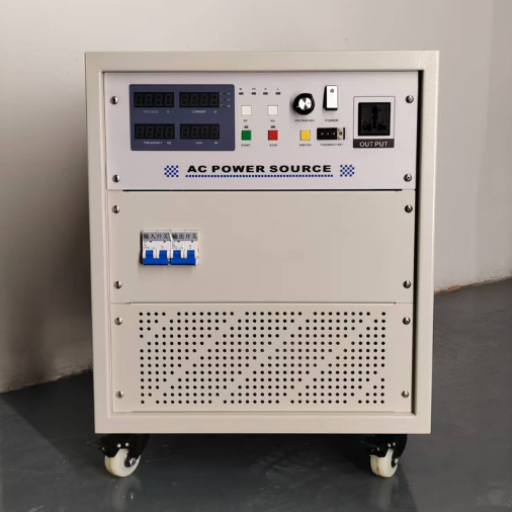
- 1
Input and Output SpecificationsCheck if the frequency converter is compatible with the input voltage and frequency of your local power grid and at the same time yielding the needed output specifications of your equipment. 50 Hz and 60 Hz are the most common frequencies, so you have to establish their compliance with your devices.
- 2
Power RatingSelecting a frequency converter which has an output power matching the devices’ required wattage or higher will help in avoiding any possible overload and will also be a guarantee of good performance.
- 3
Portability and SizeIn situations that call for mobility or travel, a fair choice would be a model that is smaller and lighter in weight making it easy to carry. For big, fixed applications, make sure that there is available space for the converter.
- 4
Safety FeaturesThe protection of the converter has to be a major consideration; the device should be inherently safe and include protection features to cover cases of overloading, voltage fluctuations, and short-circuiting.
- 5
Efficiency and ReliabilityAnother tip to consider is the energy efficiency rating of the converter. And also select the one that is backed up by the manufacturer’s warranty and has good reviews from users, so you will be sure of the performance in the long run, and worries will not bother you all the time.
- 6
Certification and Standards CompliancePower electronic devices on the market (e.g., CE, UL) need to have a capacity suitable for quality and safety requirements. This is a critical factor for the prevention of electrical accidents.
Key Considerations: Load Capacity and Voltage
One of the main factors to take into account when assessing load capacity is the necessity of aligning the converter’s maximum load, which it can support, to the needs of your devices. Using a converter beyond its specified capacity through overloading will eventually result in excess heat production, energy wastage, and possibly destruction of the equipment. Manufacturers normally give the advised load in watts (W), and it is a good idea to have a margin of at least 20-25% above the total load of connected devices to cater for power surges or fluctuations.
Voltage compatibility is another major consideration. Ideally, the converter has the ability to deal with both the voltage coming from your power source and the voltage necessary for your devices as well. A good example of a voltage change is electricity supply voltage ranging from 220-240V transformed to 110-120V for the devices which are exclusively designed to be used in North America. This would mean that a step-down converter will be the solution. On the contrary, the step-up converter method might be the solution in areas with less supply voltage, which are still very different in standard voltage, i.e., 110-120V. Before using the power supply, one of the following devices should be read through to avoid any electric malfunction or even equipment damage.
Choosing Between 110V and 220V Converters
In considering the choice of 110V versus 220V. converters, the one thing that should be taken care of is the power of your devices as well as the difference in voltage. The power of the device, expressed in watts (W), is the main factor in that it shows the amount of power the converter must handle without any problem of overheating or failure happening. The overall wattage of all the devices that are connected should be calculated and the capability of the converter should surpass this number with a safety margin of approximately 25-30% if possible.
On the other hand, you might also need to think about the kind of converter you want to buy – simple ones do very well with resistive loads like heating appliances while inductive loads like refrigerators or motors might need more sophisticated converters with higher surge capacities to cope with the start-up currents. What modern markets also have to offer are the dual-voltage possibilities making the compatibility issues easier to deal with, but for these as well the vetting of the converter needed to suit the device is crucial. It is better to select the converters certified with safety standards, such as CE or UL, -not only they guarantee quality but also they comply with international safety and performance standards.
Recommendations for 110V 50Hz to 60Hz Conversion
It is imperative to use a frequency converter that is specifically made for the purpose of converting from 110V 50Hz to 60Hz in order to have the conversion done properly. These devices utilize state-of-the-art power electronics to change the input frequency and voltage and thus to make them the same as the output requirements with almost no error. Always select a converter of high efficiency (can be as high as 90% and more) since this might be your best way of minimizing the loss of energy during operation.
In addition to the above, the rated capacity of the converter should also be checked, as this could be the source of the whole-system failure if not done so. Excessive load beyond the limit of the converter will cause it to draw more current than it can handle and eventually trip its internal breaker. In case of industrial or high-demand situations, the use of modular converters is the way to go since they give the flexibility of increasing the capacity as the demand goes up. For a nonindustrial, i.e., household or small-scale application case, compact single-phase converters are the best because of their size and since most of them come with overload protection and thermal cutoff features.
Choose digital control enabled converters as they come up with reliable accuracy and monitoring systems such as builtin harmonic reduction, voltage stabilization, and programmable operational settings. They are also the right choice for being compliant with the global voltage power supply standards and then in operation, the device shall be putting into use and also safety and reliability certifications shall be chcecked such as IEC or UL to guarantee maximum safety consciousness and compliance of operations.
Reference Sources
- MDPI Sensors: “Power grids and instrument transformers up to 150 kHz: A review of literature and standards”
Link to source - IEEE Xplore: “Power converter for 60 Hz-400 Hz bilateral power conversion”
Link to source
Frequently Asked Questions (FAQs)
How does a frequency converter 50Hz to 60Hz convert AC from 50Hz to 60Hz?
A frequency converter does not only convert 50 Hz to 60 Hz but also performs a series of actions such as changing the incoming AC to DC, conditioning it and finally converting it back to AC at the targeted 60 Hz with the help of power electronics. In the context of the present-day world, the majority of the units are designed to be all solid state that can now output a sine wave that is effectively free from noise and in such a case, it becomes hard for one to realize that it is not an AC power source. The entire process highlights the reusability and universalness that is consistent with the international testing carried out on household electronic appliances.
Can a 220V 50Hz to 120V 60Hz power converter safely run appliances?
The only way the 120V 60Hz appliances can work when they are supplied a current whose frequency and voltage are changed at the same time is by the use of a power converter that converts from 220V 50Hz to 120V 60Hz, and still no risk. The application of a power converter with a very high kva or watt rating and power factor rating could be the solution that works the best. Considering what is said here, it is expected that a power converter of this kind would be a very useful tool, if at the same time, it has the capacity switching option for the output. If it also has the capability of the testing frequency change, a power converter of this kind will certainly become a very useful tool in no time.
Do I need a 110V step-down transformer or a 110V converter for European travel?
When you travel to Europe, you typically need a power converter to reduce the 230V or 220V current to 110V, but there still may be, and that is operational voltage and frequency differences among the appliances in some cases (50 or 60Hz). A voltage dropoff transfromer that reduces the voltage from 110v to 230v still has to be used to cover the case of a frequency sensitive device. In the case of step-down transformers for 110v-voltage-only converters in a light and cheap size, it may not be a problem for you if you do not have a device that requires the 50Hz frequency, which is popular in Europe.
Can a three-phase 220V 60Hz frequency converter handle industrial loads?
Yes, the conjunction of 220V input and 60 Hz output frequency which refers to three phases or a KVA three-phase static or a KVA solid-state frequency converter is the case, and this type of equipment is mostly seen in industrial applications for heavy/multiple motors and other loads. Purchase the right kva size and make sure that the unit is three phase solid state for long life and efficiency. Equipment used in many industries is able to work in the test 40Hz to 400Hz range, as in the aerospace industry and in other fields as well.
