
Choosing the correct AC voltage frequency converter is vital for cross-border laboratories that test corporate devices, especially those that set and experiment on some particular products. It’s not just that today, many tests environments require test equipment that can support the voltage and frequency fluctuations in their regions that comply with global power agreement standards. This article is aimed at lab managers, engineers, and purchasing professionals in their pursuit of knowledge about the principles of AC voltage frequency converters, the most important characteristics, and the factors to be taken into account when choosing them. If you think about exactitude, productivity, or growth, then rest assured that this article is what you need to manage this technology at a sufficiently advanced level to enhance the simplicity of international testing.
Introduction to AC Voltage Frequency Converters
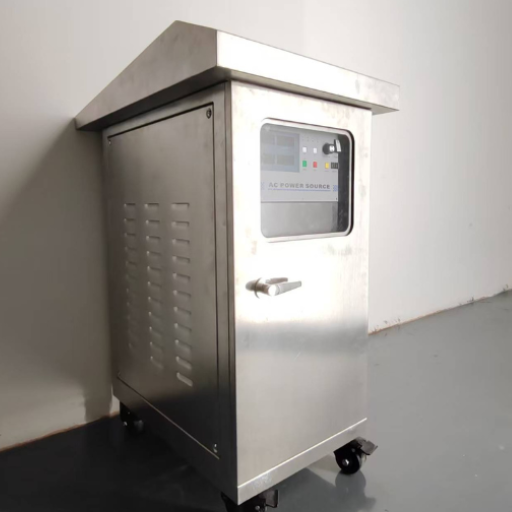
AC voltage frequency converters refer affordable solutions constructed to alter frequency and, in certain situations, voltage of AC power so as to perform these tasks consistently across several applications. They are absolutely essential for the provision of the right kind of power to equipment that may have different standards and may be used in different regions and trade sectors. Whether it is changing a common base frequency (such as 50 Hz or 60 Hz) to a preferred frequency range, which in turn allows convenient loading and operation of various types of machines, tools or even testers; these devices work wonders. Moreover, they are very useful in environments such as test labs, industrial establishments, and design rooms for different markets.
Importance of Frequency Conversion in Testing Labs
Frequency conversion is an essential process in different Test labs to ensure the equipment is run at the right conditions. A good number of tests require a specific input frequency so as to create a situation that is similar to the actual one of the end user or rather that most customers would prefer. For example, in verifying the operation of Electronic Equipment across many countries especially focusing on exports, this means that it must operate effectively upon change from 50 Hz in Europe to an area where the frequency is 60 Hz as is typical in North America.
In laboratories or test chambers, exciters (frequency converters) allow a mockup to reproduce these conditions, thus assessing the suitability of the product with regard to operation, wear and tear, and safety. In addition, recent evolution of frequency conversion techniques has resulted into sophistication in operation leading to better energy consumption, power loss, and pristine performance in extremely sensitive zones, such as aerospace, automobile and medical industries. This compliance customarily requires the products be able to properly compete in the market and last for a long time under various modes of utilization.
Overview of AC Power and Frequency Conversion
Most likely, the group of concepts and terms that give rise to an AC current will have to contain the one about the difference between AC and DC, and with the availability of the entire alternative schemes yet to be explored. The majority of Europe, Asia, and Africa have the standard frequency set to 50 Hz, however, in the majority of North American facilities, 60 Hz is usually found as the normal standard. Another complex procedure is frequency conversion which is customarily applied in situations where the available AC power source is required to meet the needs of other particular equipment. These compensatory procedures differ from one other where, in practice, devices are matched and the control of (electrical) power becomes a simple matter, enabling the equipment and machinery to run smoothly and safely knowing full well that power supply may differ.
Today, many power-driven equipment use many IGBT (Integrated Gate Bipolarity Transformer) and DSP (Digital Signal Processing) technologies to maintain the set products outputs. These enhancements the efficiency, reduce the level of circumventing the destructive effects of the third harmonic and also provide better designs, suitable for applications such as grid connected systems with various energy sources, on the one hand, and railway transportation structures on the other. Another reason for the frequency changer application is the conducting of tests. Due to the capability of the frequency changer to change the power frequency, it would be possible to evaluate performance and compatibility of the product under specific conditions.
Key Terminology Explained
- 1
Frequency (Hz): Any number of sequences of Alternating Current (AC) which repeats itself is the most frequent measure of electrical current in a second, often expressed in Hertz (Hz). For the electrical supply systems in the majority of the countries, the two most used frequencies are either 50 Hz or 60 Hz. Building such power supply devices, especially stands for medical and industrial use, capacity matching is often crucial in providing power driven guided therapy to those applications.
- 2
Voltage Range: This parameter denotes the range of input and output signals that a power frequency conversion device or converter operates on, expressed in volts (V). Operating in certain nominal voltage range a device enables or disables a converter for operation within a certain power system voltage. The parameter affects the converter’s use in different regional conditions or sectors.
- 3
Total Harmonic Distortion (THD): This is the distortion within the flawed waveform due to the presence of harmonics. Lessening THD means that wave outputs will be clean and pure, and this is advisable for sensitive electronics in order not to get them muddled up.
- 4
Power Factor: Power factor is a dimensionless unit in the electric system that characterizes the relationship between real electric power, otherwise true power and apparent power. The presence of high power factor is considered favorable since the loss of power is minimum.
- 5
Pulse-Width Modulation (PWM): It is a useful technique but is implemented in power electronics to alter the output frequency and output voltage of the rectifier. By varying the width of the voltage pulses, PWM provides accurate control of the characteristics of the output while at the same time minimizing losses.
- 6
Load Capacity: This precision is expressed in kilo-volt-amperes (kVA) or kilowatts (kW), and refers to the utility value to justify the maximum power load that a frequency converter can provide. It determines the direct impact of the equipment that will be powered on a particular frequency converter.
Understanding Frequency Converter Types
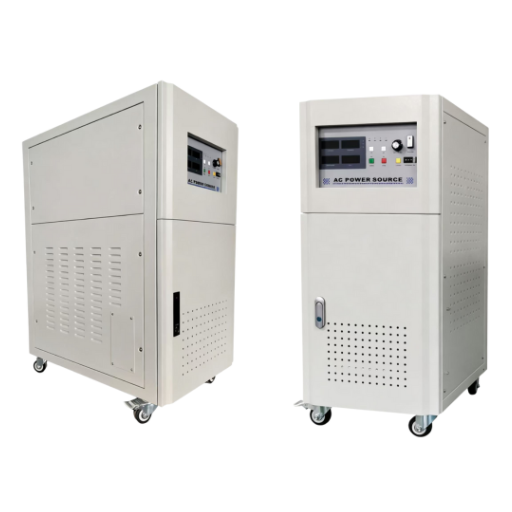
Static Frequency Converters
Frequency converters are devices that utilize electric circuits for voltage and frequency manipulation versus using a worm wheel, hydraulic or other mechanical system. They are very cost-effective, small and are mostly regularly used in applications that do not need which much upkeep as duties of industrial production or HVAC systems for example.
Rotary Frequency Converters
A rotary frequency changer, on the opposite approach, goes up with an electric motor able to change the frequency of operation by an eddy current or magnetic braking effect. They are built with heavy-duty operations in mind or where the quality and the stability of the power being supplied is critical.
Variable Frequency Drives (VFDs)
VFDs are also an application of power electronics, where voltage and frequency in particular frequency can be adjusted as per the requirements of motor speed control. They are not limited to that and are widely used in constant vs. non-intermittent application of motors that is required in most cases, for example belt conveyors and water pumps.
Note: Upon making a choice of utilizing a frequency converter, it is advisable to take note of the power capabilities, space to be utilized as well as the intended use.
Single-Phase vs. Three-Phase Converters
| Parameter | Single-Phase Converters | Three-Phase Converters |
|---|---|---|
| Power Supply | Requires single-phase power source | Requires three-phase power source |
| Application | Best for small-scale consumer equipment | Designed for industrial applications |
| Voltage Output | Lower voltage range | High voltage output capability |
| Energy Efficiency | Less efficient for high-power operations | Superior energy efficiency |
| Current Flow | Single sine wave cycle | Three sine wave cycles |
| Power Handling Capacity | Limited handling capacity | Suitable for heavy loads |
| Installation Cost | Generally lower cost | Higher initial investment |
| Maintenance | Easier and less frequent maintenance | More complex maintenance |
| Reliability | Adequate for low-demand systems | Highly reliable for consistent power |
| Target Users | Small businesses, households | Large-scale industries, factories |
Power Specifications: kVA Ratings
The kilovolt-ampere (kVA) rating is one of the most essential parameters that affects the efficiency and quality of all the components of electrical power systems. It is a power factor used to quantify the apparent power of an electrical circuit with kilowatts ratings for real power and reactive component. The proficient as well as competent handling of load systems by transformers, generators and other power system components is accredited to the kVA ratings. The small and low center applications like households typically have VA ratings between 5 kVA and 50 which meets the needs of the low power consumption.
In contrast, the vast industrial systems are in need of much higher capacities with the kVA values reaching above 1,000 kVA in order to operate heavy machinery and intricate equipments. In this regard, the correct selection of the most appropriate kVA rating will also be useful in the overall performance of the given power system, help in how the energy is utilized and also eliminate excessive loading or inefficiency to the power distribution system.
Transformer Integration in Frequency Converters
The exploitation of transformers into the frequency converters goes hand in hand with containing or splitting the power load so that you are in a position to run the circuits safe and efficiently. Frequency converters are often utilized in applications where a variable speed is needed, so they have the intention of changing the power as it is input to the required voltage levels and neutralizing all power levels within the network. For instance, different condition commonly involves using step-up or step-down transformers, because the network voltage is high whereas the load is rated for lower output voltage.
One of the key reasons for applying transformers incorporation is the need to minimize the presence of Harmful Disturbances. Utilization of classified equipment for transformers such as isolation transformers or multi-phase transformers, enables systems to reduce Total Harmonic Distortion (THD) drastically. In the cases of industrial installations, this is especially important as the systems may include very weak devices.
Additionally, in case of high capacity models conventional design dry-type or oil-immersed transformers are chosen as per energy efficiency, insulation level and safe operations. Included in the scope are Insulation materials, cooling methods and core types – which directly modify energy efficiency standards and other mechanical aspects of the equipment to aid in doing away with the possible defects within the specific system.
Technical Specifications for Selection
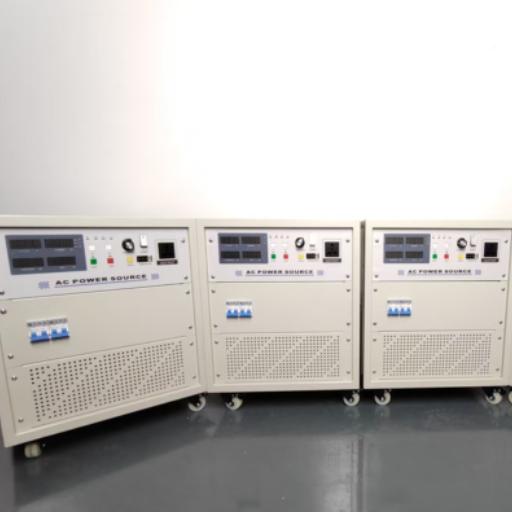
Input and Output Frequency Requirements
In case if there is a need to select an AC frequency converter, clear indication of the frequency on entering and exiting the sources of input is the most required feature. These types of converters typically allow for the placement of all possible standard input frequencies, 50 Hz or 60 as well as the input of frequencies available for specific regions or application with unusual power systems. The output frequency is usually adjusted to the specific requirements of the connected equipment and can range between 1 and 400 Hz, depending on the application and type of converter.
Tightly regulated output frequencies, low total harmonic distortion, as well as converters with precisely controlled output frequencies, are needed for designs where high precision is essential for their application like aerospace, defense, or medical systems. More sophisticated units are often capable of being programed for changing the output frequency, which enables them to provide output in accordance with different working requirements. Resonant converters, such as synthesized sinusoidal oscillators, require an axis transformation that is generated by using operational transconductance amplifiers. Input and output frequencies need to be synchronized to enable an efficient system performance reducing the risk of damage to sensitive devices.
Voltage Compatibility and Power Sources
Frequency converters designed to change alternating currents (AC) have their own operation boundaries which are the ranges of input voltages and types of power sources. Such boundaries are important due to the correct and efficient work of the devices. Also, the converters are compatible with single-phase or three-phase systems based on the purpose of their use. The most common levels of voltages required by the industrial loads are 208V, 240V, 400V or 480V and are meant for different countries and their infrastructure. For devices to operate correctly there needs to be power provided that has steady characteristics of the voltage and the frequency which will prevent any loss of the device’s efficiency.
Evolution of power electronics brought forth more efficient designs with advanced energy conversion capabilities that provide high tolerance to renewable energy sources such as solar or wind energy sources. Those properties are normally built into power converters to ensure protection of system as there is usually over-voltage protection and input under-voltage shutdown. Equally important is ensuring voltage source and power quality control as for applications from grids or renewable sources before frequency inverter is installed. Doing so guarantees smooth and loss-free energy conversion and minimizes hardware requirements with the maximum total system performance.
Motor Compatibility with Frequency Converters
One factor that is of particular concern to engineers when they are integrating an AC frequency converter is the compatibility of the converter with the rest of the system, especially the motor. The converter needs to match the motor’s rated voltage, the frequency to run, the number of shifts and the loads. A considerable number of frequency converters currently in use are user-friendly since they can work with the two common types of motors; synchronous and asynchronous motors and this makes them suitable for a wide variety of applications. Nevertheless, the way they are integrated, solutions and other issues are still a cause for concern.
For instance, an approximately liked output waveform of the converter—quite often a PWM (Pulse Width Modulation) output approximation—can introduce distortion of the motor efficiency and motor life. To counteract these distortions, users often apply output filters or use specially designed converters. Moreover, the question of motor insulation is important because it goes without saying that the insulation has to be sufficient to bear the strength of the voltage peaks due to high frequency switching in the converter. Motors that are constructed according to either International Electrotechnical Commission (IEC) or National Electrical Manufacturers Association (NEMA) norms are well suited for such purposes.
Evaluating the temperature increase in the running motor is one of the critical parameters of the motor’s testing plan. All motors for frequency converters witness increase in thermal stresses prompting cooling activities especially at reduced speeds with less flow of air. This is aimed at providing data that is specific for a given operating condition to ensure a correct operational and energy-efficient motor/converter. All these will see optimized results in the system along with a reduction of the failure rate of the motor.
Regulatory Compliance and Standards
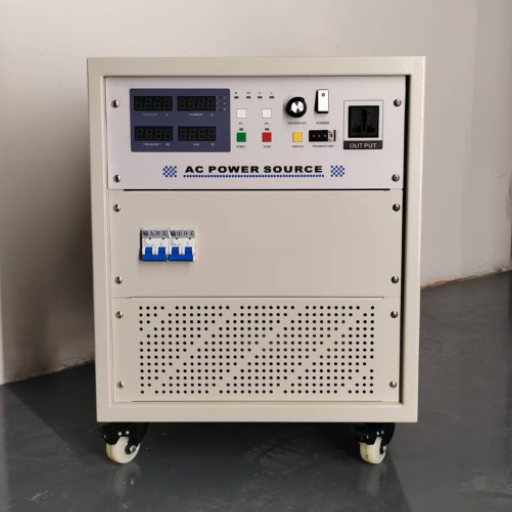
AC frequency changers according to standards should fulfil safety, energy efficiency and environmental criteria. As an example the IEC 61800-3 controls the electromagnetic deviations from the use of variable performance drive systems. On the other side of the coin is the fact that the IEC 61800-5-1 is related to the safety aspects in electrical, thermal and mechanical respects, giving the participants a safe operation guide. Energy discount engineering is critical because it negates the wastage of energy power and the intended use of certain devices. This is due to the inclusion of enforcement guidelines required of individuals which means that the systems will work properly and be consistent with world standards. Whereas for any specific project, the inclusion of provisions meeting the appropriate national or regional standards is indispensable.
International Standards for Testing Labs
When a laboratory tests AC voltage frequency converters, attention is drawn to both performance-based testing criteria and the requirements dictated by the legislation. In order to conform to any criteria, inspections at all levels are in the world many of which have been in place for a longer time such as IEC 60076 for transformers, ISO 17025 for laboratories and IEC 61000 for EMC. They help to achieve accuracy in measurements, functionality, and safety in running the equipment and in testing. Especially for AC voltage frequency converters, the coordination tests include the evaluation of few basic parameters such as the efficiency with a view to its applied usage conditions, level of harmonic distortion generated, the ambient settings, insulation, and means of heat extraction. Such laboratories have to use instruments that are in good working conditions and procedures that have been pre-tested to an additional extent.
Furthermore, harmonization with standardization helps in the promotion of efficient energy usage, eliminates waste, as well as extends the lifetime of the equipment. Specific values like total harmonic distortion (THD), power factor, and permissible working temperature have to be checked in order to comply with local standards and regulations such as UL, CE, or CCC schemes, which are used for product conformity. Essentially, rigorous adherence not only addresses safety and interoperability concerns but is also consistent with compliance to the rules for trade which in return improves the possibility of worldwide usage of frequency converters.
Safety Regulations for AC Power Sources
While assessing the legislation regarding AC power sources for AC voltage frequency converters, it is of great importance that the implementation of the law is guided by both the international and regional standards. For a system to avoid risks and for users to be safeguarded, most safety frameworks such as IEC 60950-1 and IEC 62368-1 lay emphasis on constructional and functional requirements which cover the insulation, creepages and clearances, thermal management, cable management, etc. in an effort to mitigate electric shock, fire and heat in the converter. Furthermore, frequency converters for industrial applications that have the additional specification in IEEE 519 cannot exceed the maximum values for total harmonic current distortion and voltage distortion as these distortions are relevant to good power quality and to less grid problems.
Grounding is also an important issue to consider since improper grounding can result in an electrical safety compliance issue or equipment malfunction. There are certain protocols, such as the National Electric Code NEC in the US or an equivalent in other places, that should be adhered to in order to ensure proper installation, incorporation, and protection over lightning. This is especially within multi-source levels when both single waveforms and those generated by connected loads have a tendency to produce DC components, hence differences in the magnitudes and frequency of the harmonics. Among the other essential concerns is the imposition of the standards of electromagnetic compatibility on the equipment, i.e., pure felt specifically in CISPR 11 noise levels.
Environmental Conditions Considerations
Environmental factors, after all, are big players that could influence the damage rates and failure rates of voltage-to-frequency converters being connected as a load. Temperature, this factor plays the most prominent cause of concern as most of the converters are enclosed with a specific temperature, such as from -10°C to 40°C; certain industrial models, in particular, can withstand more variance. Long periods of temperatures exceeding these limits could result in the circuits getting too hot or experiencing losses. Humidity is a key factor as well, because the presence of too great a level of moisture in the surroundings can cause cold surfaces to become wet, carrying insulation removing in the process. Protective coverings of at least IP54 or even more are to be used where possible in even higher moisture areas to prevent ingress of dust and water to the converters while they are mounted.
Such considerations are rarely incorporated in design strategies. Once the aircraft reaches 1000 meters or higher, the air around is rarefied and the cooling devices operate less effectively due to the decreased air density and thus, the engines could be subjected to additional cooling. If the location has industrial vibrations and heavy machine operations and installations in the same location leads to the resistance of vibration and shock-induced stress on any equipment that shall be subjected to a converter. To address safety and reliability, any installation of converters should conform to the requirements of mounting and of environmental protection for pollution such as IEC 60068 standards. Furthermore, a set of procedures necessary for running the equipment easily without problems in harsh environments has been developed.
Supplier Considerations for AC Voltage Frequency Converters
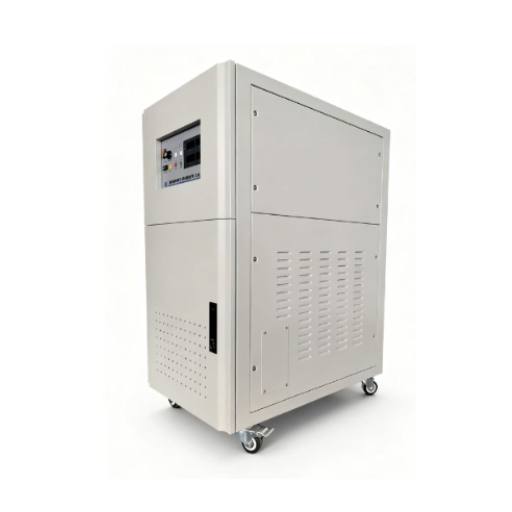
Make suppliers of AC voltage frequency converters comply with certain reliability and compliance standards such as those with a successful operational history. Ensure they adhere to ISO 9001 for quality management standards and another standard called IEC 61000 for EMC compatibility. It is also vital to consider the technical assistance offered such as installation help from the suppliers, and if they can offer services for troubleshooting issues that arise, especially with respect to the efficiency of the firm. Efficient operation would certainly be enhanced by ensuring that a warranty and post-sales period support are included for any concern relating to the permanency of the product. Also, seek out vendors who can tailor-design systems to operational activities especially for predicaments characterized by unusual venting or electrical needs.
Evaluating Supplier Reliability and Reputation
When understanding the truth of any pledges made by the providers of AC voltage frequency converters, questioning the industry’s recognition of their reputation and credibility is in order, which adds topics to the credibility of the supplier. A reputation is developed by those suppliers who were able to develop these devices professionally on time and successfully, including promoting of making the rates safer and better.
Confirming the numerous compliances such as ISO 9001 Quality Management Systems and other related standards is necessary to ensure that the systems are consistent with the prevailing operating criteria. Evaluating consumer perspectives and professional appraisals is one way to test the reliability of the supplier. Look into the attitudes of users, especially when the longevity of the system is in question and there is no articulate and clear-cut explanation as to why and when system components fail or such a system’s customer service is not efficient enough.
In addition, the commitment of the supplier to excellence with novel solutions is very important. Always check if they are into research and development, and if they are not, whether they support any modern trends such as high efficiency techniques, or intelligent system controls in their conversion procedures. If this rule applies to the suppliers, then there will effectively be no technological challenges, for more of the suppliers are capable of catching up with the current demand and trends.
Lastly, it is required that we evaluate the suppliers’ supply chain. The serious suppliers are characterized with good manufacturing and distribution networks and hence, the deliveries are rarely delayed and post-sales services are provided in the most reliable manner. Suppliers who have good relationships with firms in the industry usually get rated higher in service levels and more frequently respond quickly to operation problems presented, understanding that downtimes will be minimized and products performance enhanced.
Warranty and Support Services
When it comes to AC Voltage Frequency Converters and that business of investing. It is rather important to take into account what the warranty states. This will help in knowing how the device will function in the long run. Most manufacturing and supplying company accepts from one to five-year warranty terms depending on the appliance and its field of application. These cover the most common inclusions that are, which are defects in materials or workmanship which means that the buyer will have the goods repaired for free in case there are any workmanship defects during the warranty period. The warranties provided will also have different services that are provided and the consumer may wish to analyze them further after the basic period. It is possible that some of the warranties also include on-site services or provisions for spare parts or the complete replacement of the product especially in very severe cases.
Important as well, are the tech support services available to the end users. Usually, standard manufacturers provide their clients with such services, such as 24/7 helplines, online troubleshooting, service with qualified engineers and others. Also, some providers have preventive maintenance contracts whereby they strive to address faults before they actually break. This approach enables improved equipment uptime and saves the customer money, particularly about repair charges. In case, there is a need to download, install or configure software, barring any accidents, no contractor can conduct such an operation, yet a technical support engineer stands on guard of such activities. It is critical for hawkish organizations that they play a role in the acquisition of such services.
Reference Sources
Two-Level AC-DC-AC Converter Design with a New Approach to Implement Finite Control Set Model Predictive Control
Solid State Transformers: A Critical Review of Projects with Relevant Prototypes and Demonstrators
