
Frequency and voltage converters play a critical role in today’s interconnected power systems, which are highly varied. They are devices that are necessary for making electrical power exchanges between systems with different standards compatible and efficient at the same time. It could be equipment management that has to be done over countries with varying frequencies of power, or it might be an industrial operation that needs the voltage to be controlled very precisely; frequency and voltage converters, by being so flexible and reliable, provided the necessary mediums for power integration to be very smooth and not of any consequence. This article will cover the basic concepts that underpin these converter devices, their real-world uses across industries such as manufacturing, aviation, and renewable energy, and why they are indispensable tools in today’s power management. This guide will help you understand the superhero powers of these converters by walking you through the wonders they deliver for operational stability and energy efficiency.
Introduction to Frequency and Voltage Converters
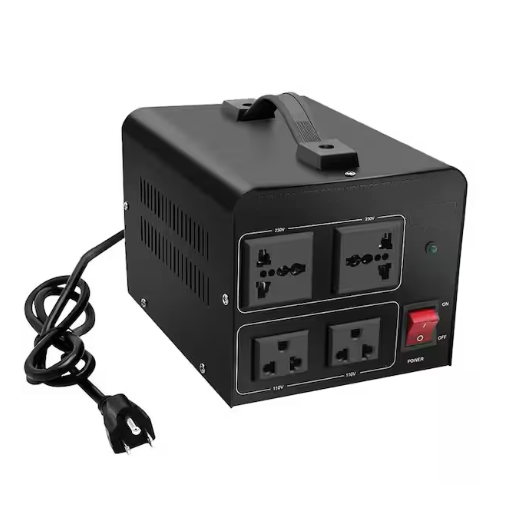
Frequency and voltage converters are specialized devices created to adjust the frequency and voltage of electric energy to suit specific systems or equipment. They work by changing the power from AC to DC, modifying its properties, and changing it back to AC with the desired frequency and voltage. These consoles are widely used in areas where international power compatibility, manufacturing processes, and aerospace systems are involved, and they provide stable, compatible power to these environments. Besides, they support electrical output regulation, enabling devices to be deployed across different regions and industries without affecting overall performance and, therefore, becoming critical for operations that depend on reliable, efficient power sources.
What are Frequency and Voltage Converters?
The frequency and voltage converters previously mentioned are complex systems specifically designed to adjust the electrical frequency and voltage of power supplies to meet the requirements of a particular application. The structure of these systems is usually composed of a rectifier, an intermediate DC link, and an inverter. The rectifier converts the AC power fed into it to DC, which is then processed and stabilized in the DC link. Then the inverter converts DC power to AC.
Today’s frequency and voltage converters are much more efficient and accurate in their power conversion. They use sophisticated semiconductor technologies, particularly insulated-gate bipolar transistors (IGBTs). The control algorithms are equally refined and ensure that there is no more than minimal harmonic distortion, that energy efficiency is maximized, and that adaptation to the load is immediate and continuously updated. The latest converters now being developed also have other features, such as an intelligent monitoring system and smaller blocks that make the systems more scalable, more reliable, and easier for engineers to locate faults.
In many areas, such as aviation, power generation, and industrial automation, these devices are heavily used. In the airline sector, they are the only way an airplane can be connected to ground power at 400 Hz for electrical power. In contrast, in the industrial sector, a 400 Hz converter is needed to feed a 60 Hz machine. In addition to the above, if you think about renewable energy like solar and wind, you will realize that the power supply must fluctuate. However, power quality and compatibility are the reasons why frequency and voltage converters remain major entities in modern electrical engineering and the world’s industrial infrastructure.
Importance of Converters in Everyday Applications
Converters, in the emerging world of technology, are crucial since they are responsible for power consumption and increasingly complex electrical systems. Voltage converters in homes let appliances safely use different voltage standards in regions without being damaged by standards such as 110V or 220V. They also make the use of renewable energy sources more common by enabling a smooth transition from the fluctuating power from solar panels and wind turbines to reliable power usable in homes and businesses. Even in the automotive industry, converters are required to address power issues in electric cars, which ultimately result in more efficient power transfer between the battery and the motor. The reliability of interconnected systems, which are the lifeblood of daily technological functions, is also maintained by converters that accommodate the diversity of users and applications.
Overview of Key Terms and Concepts
- Converters:
Converters are devices that convert electrical energy from one form to another. This is mainly done by converting alternating current (AC) to direct current (DC) or vice versa. To date, converters have played a role in renewable-energy systems, electric cars, and power distribution networks, as a result of which their role has always been to nurture the systems’ compatibility and efficiency. - Renewable Energy Integration:
Renewable energy integration involves incorporating power generated from environmentally friendly sources into the conventional power grid. This whole process mainly depends on converters, as they monitor the variable energy outputs and, at the same time, ensure a steady supply of electricity. - Energy Transfer in Electric Vehicles (EVs):
The term describes the scheme for transporting electrical energy from the battery to the motor using advanced power converters. The power converter systems are designed to meet the user’s needs, which is why they continue to perform the same while being environmentally friendly and producing zero emissions. - Power Management Systems:
These electrical power systems regulate, deliver, and upgrade power to individual devices within a system or a set of devices. The main element that enables the equipment to operate efficiently, even under multiple operating conditions, is the power converter, which stabilizes operation and promotes the longevity of the device.
Types of Frequency and Voltage Converters
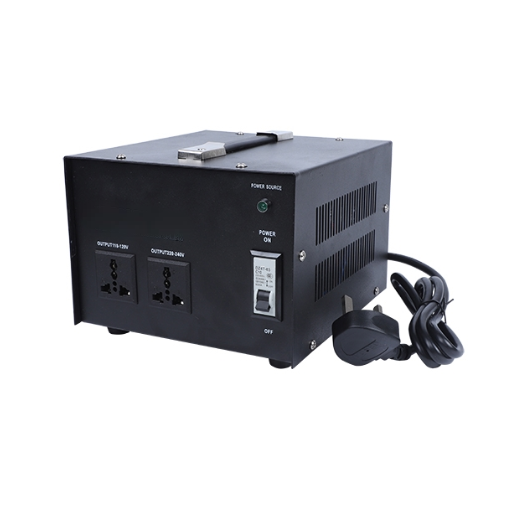
Static Converters
The circuit-based system that is the subject of the package of frequency and voltage transducers is one that can operate without any moving parts. The other devices are highly efficient, and their use in the industrial sector is widespread due to their high-quality power generation.
Rotary Converters
A motor-generator combination is the basic principle of rotary converters, and they were based on the laws of electromagnetism to change both frequency and voltage. The fact that they consisted of moving parts led to their ban, though some regard them as reliable and efficient for specific projects, as they have always been.
Variable Frequency Drives (VFDs)
A power inverter is another name for a motor drive, and it is primarily used to control the speed and torque of electric motors. They are the most in-demand systems in areas where automatic speed control is needed, as it saves both power and system variability.
Programmable Converters
It is very much possible to adjust the output parameters through these devices; the technology of these devices is very flexible, and so the companies that manufacture these devices have enormous potential for growth in the business of “special purpose” and also in the market for instruments, e.g., laboratory equipment or the field of prototyping.
Voltage Converters
Voltage converters are crucial devices used to adapt the electrical voltage level to specific operational requirements. They play a vital role in neutralizing voltage discrepancies between power sources and electronic equipment, thereby shielding fragile components from potentially destructive situations of too high or too low voltage. These converters are divided into step-up and step-down categories, where step-up converters amplify the output voltage and step-down converters reduce it. Recently, the most modern models have come equipped with a high-frequency alternating-current switching circuit to deliver higher rates and more accurate results. In this respect, the use of transforming power, from running household goods to an intensive industrial setting, with the most up-to-date research projects focused on minimizing energy loss, cutting heat production, and addressing additional loads of the most extensive kind of bearings as well.
Solid State Frequency Converters
Frequency converters with solid-state outputs are indispensable in contemporary power systems, as they provide high efficiency and precise frequency and voltage control. These systems are based on semiconductor components such as insulated-gate bipolar transistors (IGBTs) and silicon carbide (SiC) modules, which convert electrical frequencies without the need for moving parts. These devices, which operate using pulse-width modulation (PWM), are the very abnormalities that enable them to work correctly and continuously. Their highly popular applications are in the aerospace, marine systems, and industrial automation sectors.
The key advantages of solid-state frequency converters are their compact size, reduced maintenance requirements, and improved energy optimization capabilities. The latest converters can exceed 95% efficiency, resulting in significant reductions in operational costs and waste heat. With the inclusion of control algorithms conforming to the latest standards and real-time monitoring systems in the setup, dynamic adjustment of the converters to variations in the load scenario is possible, thereby maintaining the output and the reliability of the entire power system.
Compare Common Types of Frequency Converters
| Type of Frequency Converter | Key Features | Efficiency | Primary Applications | Advantages | Limitations |
|---|---|---|---|---|---|
| AC to AC Converters | Directly converts AC to variable AC | ~90-96% | Speed control of AC motors | Simple design, reliable operation | Limited output voltage range |
| DC to DC Converters | Converts variable DC to regulated DC | ~95-98% | Power electronics, renewable sources | High efficiency, compact design | Requires precise switching elements |
| AC to DC Converters | Rectifies AC input to DC output | ~90-96% | Industrial and commercial electronics | Smooth DC output, easy implementation | Generates harmonic distortion |
| DC to AC Converters (Inverters) | Converts DC input to variable AC output | ~92-97% | Solar energy systems, motor drives | High adaptability, programmable | Complex control circuitry |
| Matrix Converters | Direct AC to AC conversion via switches | ~95% | Aerospace, robotics | Compact, no intermediate DC stage | Limited voltage capability |
| Cyclo-Converters | Direct AC to lower-frequency AC conversion | ~85-95% | Low-speed industrial motors | Good low-speed torque | Large and complex systems |
How Frequency and Voltage Converters Work
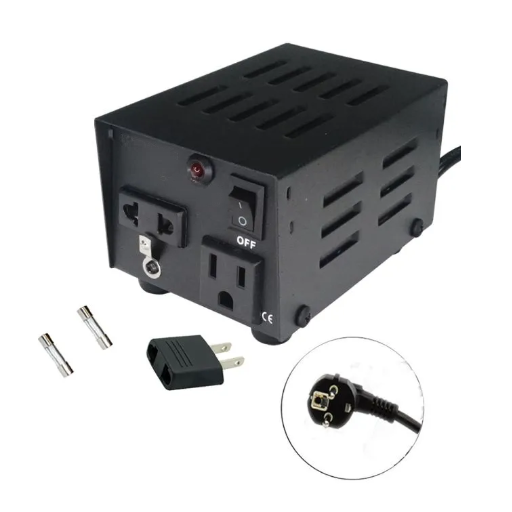
Frequency and voltage converters operate by altering the electrical characteristics of the input power source to achieve the desired output. In general, these devices are controlled by converting the AC power to DC power using rectifiers. Then again, the DC power is converted back to AC at the correct frequency and voltage using inverters. Having the DC stage in between allows very accurate adjustment and control.
Matrix converters and other types of converters can eliminate this middle DC stage, converting the input AC right off to produce the required output. With the latest switching techniques, they achieve the best possible direct conversion while remaining extremely compact and efficient.
A converter’s performance largely depends on how well it is designed to be efficient, controlled, and tailored to the specific application. For example, cyclo-converters can ideally be used with low-speed industrial motors, as they can still deliver very satisfactory low-speed torque. In contrast, matrix converters are more common in compact, dynamically frequency-controlled systems.
The Conversion Process Explained
Power electronics conversion is the operation in which electric energy is switched between various power forms to meet the demands of different applications. This is made possible by using sophisticated power devices, such as MOSFETs and IGBTs, enabling more energy-efficient power switching and precise control. For instance, in AC-to-DC switching, conversion from alternating current to direct current is achieved with diode bridges or active switching circuits, followed by filtering to eliminate the ripple and, at the same time, provide a constant, stable DC output.
Current conversion systems are increasingly adopting digital control to achieve higher precision and adaptability. With real-time monitoring and algorithmic adjustments, these digital controllers can optimize switching frequency, control thermal performance, and maintain strict regulation under varying load conditions. The industry’s data shows that a significant fraction of power can be saved if the efficiency rate is kept above 98% in today’s converters, which, in turn, helps meet strict energy standards while also protecting the environment through reduced energy losses. Besides, new technologies like wide-bandgap semiconductors, such as SiC and GaN, are widening the power conversion possibilities by enabling higher switching speeds, producing less heat, and enabling more compact designs.
Understanding AC Power Sources
Alternating current power sources are essential for powering various electrical devices and systems with the desired output in different locations. What makes an AC power source stand out from the rest is the capability to provide voltage and current that change in terms of polarity and direction of flow over time and in a sinusoidal pattern, usually 50 Hz or 60 Hz, depending on where you are in the world. The current AC power sources are designed to deliver highly stable output voltages and frequencies and can be programmed, making them indispensable for experimental work in electrical engineering.
There were several key innovations in the field of AC power sources, such as the development of microprocessor controls and digital signal processing (DSP), which have enabled exact regulation of voltage, wave shaping, and even frequency adjustment. The new cutting-edge systems also include capabilities such as real-time monitoring, harmonic distortion analysis, and simulation of various line conditions, including voltage sags, swells, and unbalanced loads. These capabilities have been found to be of great importance in the renewable energy and consumer electronics industries, as demanding tests are conducted to ensure compliance with international standards such as IEC, IEEE, and UL. In addition, the shift to solid-state design and the increased use of high-efficiency power semiconductors are working hand in hand to reduce power waste and, in turn, the total cost of operating the energy source.
Common Use Cases for Frequency and Voltage Converters
- →
Aerospace and Defense: The task of ensuring equipment can carry on the testing and operating that are designed for different international power standards, such as the 400 Hz systems in aviation. - →
Manufacturing and Industrial Processes: The source of power supply for machines and tools moving the quality control process, and which are sensitive because of their design to operate at specific frequencies or voltages, must be secured. - →
Renewable Energy Systems: It is the point of convergence between different energy sources, like wind turbines or solar panels, and the transmission grid that satisfies the requirement of compatibility with the existing electricity grid. - →
Electronics Testing and R&D: A one-of-a-kind setting is required in the R&D department: a test lab that meets international power standards yet has power configurations that are easy to change. - →
Export and Import of Equipment: Customizing equipment made for the power grid of one area to the specifications of the other, guaranteeing seamless cross-border operations.
International Travel: Adapting to Different Electrical Standards
When you travel abroad, one of the big problems people face is the different electrical systems used in other regions. Voltage, plug type, and frequency vary widely across countries, with some using either 110-120V or 220-240V and 50 Hz or 60 Hz. These differences can pose hazards to travelers who use electronic gadgets designed for specific electrical standards. If not properly equipped, there is a risk of device malfunction or destruction.
To address the issue, one must definitely use voltage converters and plug adapters. Voltage converters are used to increase or decrease the voltage of the electricity to meet the requirements of the equipment being used. Plug adapters, however, make sure that the physical form of the sockets in the target country is still compatible with the equipment’s plugs. It is essential to confirm the power requirements for every device because the transformers built into most of today’s high-tech devices, like smartphones and laptops, can handle a wide range of voltages, so the converter’s need is now minimal. Adhering to these recommendations reduces potential risks and ensures the uninterrupted, secure operation of electronic devices while traveling to other countries.
Industrial Applications: Power Management in Manufacturing
Power management in manufacturing is indispensable for reducing energy consumption, benefiting from operational cost savings, and ensuring process reliability. The integration of energy monitoring, automated controls, and predictive analysis is the primary mechanism by which advanced power management systems can achieve maximum efficiency. To illustrate, smart sensors that provide data are used to monitor current power usage, find leaks, forecast energy demand (something beyond human power until very recently), and do it all at once.
Recent manufacturing plants are increasingly opting for energy-saving machines such as variable-frequency drives (VFDs) and power-factor correction (PFC) devices. Using the mentioned equipment, it is possible to reduce not only energy consumption but also waste. Furthermore, using alternative and renewable energy sources, such as solar, wind, and tidal power, in combination with energy storage solutions, such as battery systems, is a significant factor in maintaining eco-friendly industrial practices. Moreover, in this way, buildings can avoid blackouts and contribute to cleaner air and water by reducing CO2 emissions from energy consumption.
Protecting Sensitive Electronics from Incompatible Power Sources
Specialized and delicate electronic devices are most affected when the power source is either inconsistent or incompatible, often resulting in damage. Inconsistent and mismatched power supplies may accelerate the wear process, leading to the onset of a short-circuit problem, or the electrical components may stop working altogether due to tripping. It is crucial to mitigate the risks associated with the power supply. They are mitigated by the usage of an uninterruptible power supply (UPS) and a surge protection device. The functions are not limited to supplying power during an outage; they also provide voltage regulation, ensuring a smooth, constant power flow. Moreover, the use of the latest power conditioning devices will allow the user to reduce noise, resulting in less harmonic distortion; hence, the current circulating through sensitive circuits will be safe.
In today’s world, power management systems have integrated live monitoring and control systems into their features to enhance protection. These systems use high-quality sensors and software to detect deviations in the power supply accurately. By leveraging analytical capabilities, companies can anticipate and address potential issues before the equipment is affected. At the same time, for the most part, they do not waste resources and the interruptions. The healthcare and telecommunications sectors are among the most dependent on top-level power management because they run either life-saving or information-intensive devices, and the precision achieved by the power management system is key to their operational endurance and equipment longevity.
Choosing the Right Converter for Your Needs
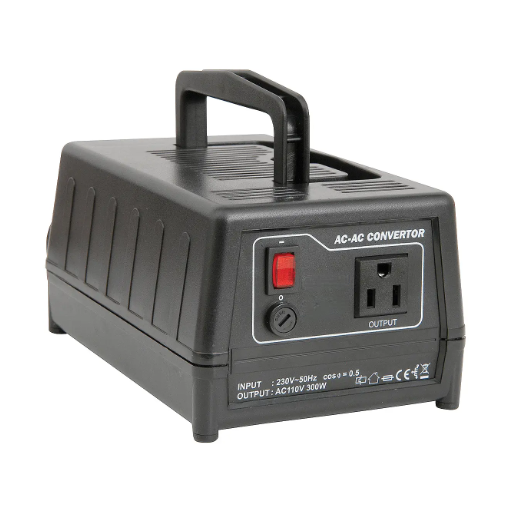
Choosing a power converter requires a meticulous assessment of the performance and application-specific factors that directly influence it. The first step is to establish both the input and output voltage requirements so that the converter can accommodate the necessary range. Then, the power rating should be checked to ensure it can sustain the highest load for a reasonable time without exceeding the over-temperature or dropping. Efficiency should remain a significant factor on the list, as greater efficiency means lower energy losses and operational costs. Additionally, the converter should be the correct size and fit within the physical constraints of your design. For cases where uptime is a priority, e.g., medical and industrial system applications, choose a model with a track record of robustness and compliance with the necessary safety regulations, and one that has a higher initial cost but also boasts high reliability and a long service life. Be sure to review the manufacturer’s data sheets and technical manuals to check the components and circuitry in your system.
Factors to Consider in Selecting a Converter
When selecting a converter, the environmental conditions where it will be used should be given due consideration. There are various factors to consider, such as the temperature range, humidity levels, and the possibility of encountering dust, vibration, and corrosive materials. Each of these factors can play a significant role in the unit’s performance and lifespan. The ideal choice would be models where the temperature flexibility is high and ranges from -40°C to +85°C, this way the converter will be functional in a different kind of environments. Converters with an ingress protection (IP) rating are perfect for harsh or outdoor conditions, as they guarantee that they will withstand, at least to some extent, dust and water. In applications such as extreme industrial or aerospace environments, cooling features that aid thermal management, such as heat sinks or active cooling systems, can be essential for maintaining stable operation. The verification of these specifications for the particular application is beneficial for ensuring reliability and compliance with environmental requirements.
Comparing 220V 50Hz to 120V 60Hz Conversion
| Parameter | 220V 50Hz | 120V 60Hz |
|---|---|---|
| Voltage Level | Higher voltage, lower current | Lower voltage, higher current |
| Frequency | Operates at 50Hz | Operates at 60Hz |
| Energy Transmission | More efficient over long distances | Less efficient over long distances |
| Equipment Size | Larger transformers at lower frequency | Smaller transformers at higher frequency |
| Plug and Socket Types | Varies (Type C, D, E, etc.) | Type A and B commonly used |
| Heat Generation | Generates less heat at same power | Generates more heat at same power |
| Appliance Compatibility | May require conversion adapters | Requires step-up/step-down transformers |
| Efficiency | Energy transmission highly efficient | Medium efficiency in transmission |
| Safety | Higher voltage may be riskier | Lower voltage is considered safer |
Evaluating Three-Phase vs Single-Phase Converters
When looking at power converters, the most essential aspect to note is the power system with which one is dealing — three-phase or single-phase. Highly rated among all the differentiators presented is the power density and efficiency of three-phase converters, which are so superior that they make them the number-one choice for large industries that use a large amount of power. They can deliver a stable, continuous power supply that is less prone to fluctuations, while at the same time increasing the lifespan of high-power devices such as motors, compressors, and pumps by minimizing wear and tear.
At the same time, single-phase converters are mainly used for small-scale power supply requirements, such as homes and shops, where, apart from their initially lower price, the simple installation makes them a straightforward choice. Evinced instability is the side effect in the case of high-power loss; hence, the special case of power-hungry equipment that cannot be controlled without the system in action is quite common.
Another fundamental difference between these types of systems is the harmonic distortion they generate. Typically, 3-phase systems produce less harmonic distortion, which makes it necessary to improve power quality and ensure compliance with modern power grid regulations. On the other hand, single-phase systems can cause even greater harmonic distortion, to the point of malfunctioning the devices to which they are connected if those devices are very sensitive.
At the end of the day, the setup you choose is often determined by the existing infrastructure and the specific needs of the end user. 3-phase converters are ideal for high-power applications, while single-phase solutions are best for lower-power applications, and simpler solutions are preferred over high-power ones.
Reference Sources
Power converter for ultra low-frequency and low-voltage
Summary: This study explores energy conversion mechanisms in harvesters that generate very low voltage (in millivolts) and low-frequency electrical outputs (a few Hz).
Towards Energy Efficiency: Innovations in High-Frequency Converters
Summary: This review highlights advancements in high-frequency converters, particularly for renewable energy systems and electric vehicles.
Frequently Asked Questions (FAQs)
What is the role of a frequency converter in voltage and frequency conversion?
An inverter is a device that significantly boosts the production of high-voltage, high-frequency power by allowing various devices to operate from different power sources. This type of converter can adjust the output frequency, enabling the system to be operated transparently between the 50 Hz and 60 Hz power systems. The use of solid-state frequency converters can offer users high linearity and low loss in their applications. Thus, users can be sure that the load’s technical characteristics will not be affected. This is vital for equipment such as motors and generators, which require the frequency to be at the predetermined level for optimal operation. Moreover, frequency converters convert 400 Hz power to standard line frequencies used in most regions. Hence, they are the best choice to meet the requirements of the appliances.
How does a voltage converter work with different voltages like 220V and 110V?
The device, called a voltage converter, adjusts its output level to meet the needs and features of the individual, enabling it to work very precisely with up-to-date appliances. An example of a wonderful change is converting 220V 50Hz to 120V 60Hz; this is done by decreasing the voltage while maintaining the frequency. There may be different types of converters used for different 1-phase and 3-phase systems. In addition, these converters were always necessary because when the output voltage is not stable, as is the case, these sensitive devices are, without a doubt, useless.
Can a frequency converter change 50Hz to 60Hz for appliances?
Yes, appliances can be made to work correctly in different electrical environments, such as North America and Europe, using a frequency converter that converts 50Hz to 60Hz. The conversion is also necessary for specific devices that use frequency standards. The frequency converter not only performs the frequency conversion but also maintains the required voltage level for smooth operation. Compared to other methods, solid-state frequency converters are more widely used because they provide reliable and efficient frequency conversion at low cost. In addition, these converters help protect delicate equipment from damage caused by incompatibility between frequency and voltage levels. In conclusion, they are a necessary part of the appliance system, able to operate in different power environments.
What is the significance of pure sine wave output in frequency and voltage converters?
The ability of the frequency- and voltage-converter output to provide a pure sine wave makes it so important for sensitive electronic devices. Different from the modified sine wave outputs, the pure sine waves are pretty indistinguishable from those the electrical grid provides, thus, less harmful to appliances because of the minor difference in power. This is a really critical issue with apparatus such as computers, sound systems, and medical instruments that require an uninterrupted power supply. Moreover, converters with pure sine-wave output tend to be more efficient, which, in turn, means better performance and lower energy consumption.
