
Electricity grids in different places in the world are not structured in the same way, and two of the most crucial aspects that determine whether or not one would have an issue with a particular grid are the voltage and the frequency. This is especially challenging for people who both own and use such equipment, as it is designed for 50Hz 220V, and then have to contend with a 60Hz frequency in the electric power. Emphasizing on 50 to 60Hz frequency converters, this paper will analyze the underlying principles, the significance of such apparatus in covering the gaps in the scried electrical power system, and how they aid in the protection of intricate electronics against harmful frequencies. At the end, the reader should possess an appreciation of the need for these devices, as well as some tips on how to select them decisively for your needs.
Simple Introduction to Frequency Converters
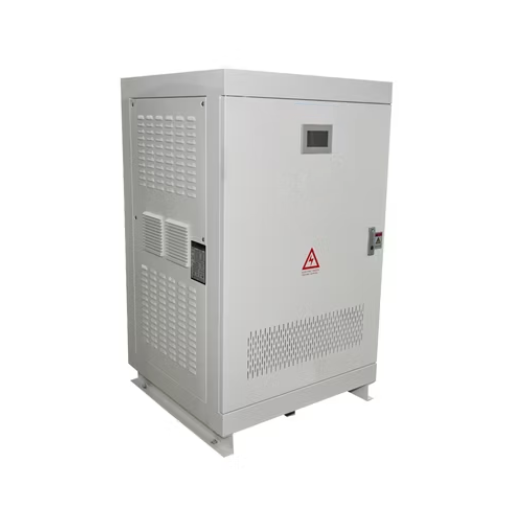
Frequency converters, as the name suggests, modify the frequency of an incoming electrical power supply. Whatever the source of operation, say 50Hz or 60Hz, which are the most common around the world, are used in different parts of the world. These devices do so by converting the incoming AC power to DC and then inverting the same power back to AC, but with the user-specified frequency. Such technology is essential for the compatibility of electrical systems and most appliances that have been constructed for separate regional power standards. Additionally, the frequency converters, due to their working without physical and geographical presence, improve the purchasing and installation of new equipment and enhance the productivity through smooth running across the international market.
What is a Frequency Converter?
Frequency converter is a new, innovative device that is made for the purpose of changing the frequency of power source to ensure that it is compatible with other devices that have certain operating frequency. The principle is based on conversion of the incoming Alternating current (AC) power into Direct current (DC) first through a rectifier circuit. This is then followed by the inversion of DC power using an inverter, which in turn produces an output of an alternating current of the required frequency. Top notch frequency converters nowadays use insulated-gate bipolar transistors (IGBTs), which enable lower losses and more accurate and less noisy control. These types of devices can work with large input voltage ranges and can provide high precision and reliability, making it very difficult to avoid using them in such applications as CNC engineering, renewable energy sources, ventilation, and spacecraft construction.
Importance of Frequency Conversion
Changing the frequency is key in the functioning of most modern electrical and electronic systems. This is because it allows devices or equipment to operate according to the level of need. The transformer used to change the frequency of an electrical signal to another’s voltage is very vital in order to bring out the efficiency, energy saving and the increased use of equipment. For instance, in controlled machinery working conditions, using frequency converters to regulate motor output greatly cuts the energy that is lost as heat and wear on fabricated systems.
Besides, entities like renewable energy and aerospace expect improved practice in the area of frequency conversion for either injecting energy sources such as wind or solar into the grid, or ensuring power supplies in aircraft systems are stable. Moreover, existing equipment progression applies advanced electronic components, in particular silicon carbide (SiC) and gallium nitride (GaN) among others that are capable of increasing the energy complete worth and lessening all energy losses thus promoting the trustability of very, very sophisticated frequency shift functions for other industries which also need it for special applications.
How Frequency Converters Enable Equipment Compatibility
The importance of having frequency converters lies in the compatibility of equipment. The converters essentially work by modifying the operating frequency so that the harmony of the specified frequency is maintained and act together with other equipment. More so today when the emphasis on market and technical protectionism has waned and industries are involved in global market; its constituent equipment might be made in such areas where main power is at 50Hz, but that same equipment is specified to be in 60Hz.
New-age frequency converters have inbuilt complex control strategies such as digital signal processing (DSP) technology and iterative learning control which exist in concert to allow accurate and adaptive control of the frequency output. Tell me which industry – rather look to an industry while understanding that the technical challenges – that is likely to cause installation of such drives and control systems – meant for high speed motor – in the course of its operations, where – for instance – a difference of an input of a portion of a unit may have a minimal difference due to a frequency composition.
Even more so, frequency converters in HVAC applications can help decrease energy usage more effectively through the motor speed control and the variable speed drives (VSD). This, while increasing the compatibility between different HVAC components of these systems also leads to substantial monetary, as well as greenhouse gas, savings. Presently, more advanced units are equipped with additional characteristics, which serve to suppress emissions and actively participate in improving power quality.
Mechanics of Frequency Converters
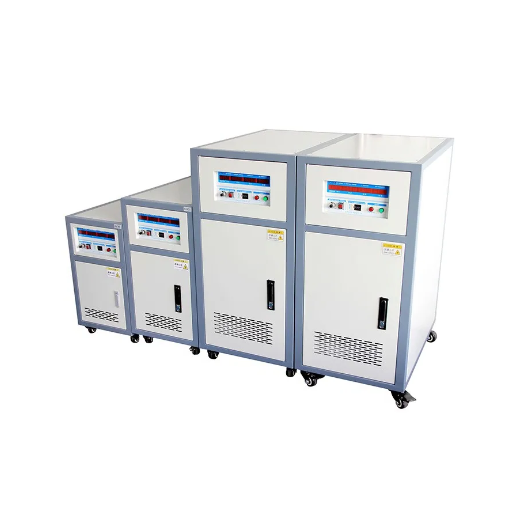
The functioning of frequency converters is that they normally convert the incoming alternating current (AC) power to direct current (DC), using rectifier and then the upcoming DC power is refined and controlled to the required voltage within an intermediate DC link and further on used to change back the DC power to the alternate current of the needed frequency and voltage by inverter. Through this procedure it becomes possible to regulate the speed and/or torque of the motor by controlling the magnitude of both the frequency and voltage supplied to the motor. These control algorithms, as well as filters, are present in modern high-quality frequency converters in order to minimize any disturbances mostly in terms of electrical noise and enhance the efficiency of the system as a whole.
Core Technology Behind Frequency Conversion
One of the remarkable improvements in frequency conversion technology includes the incorporation of the current semiconductor elements primarily like insulated gate bipolar transistors (IGBTs) which offer better efficiency and a faster rate of switching which means much more accuracy when it comes to shaping the electric signal. Furthermore, the current-day frequency converters come with digital signal processors (DSPs) or even microcontrollers that allow for the use of powerful control algorithms like vector control or pulse width modulation (PWM) and hence allowing compensation for variations in load. It is these features that enable the converter to work more efficiently and effectively without the need for high energy levels, overheating or wearing out the components.
Additional equipment that is necessary for better performance is the harmonic filters. This device not only protects the high-power network from unpleasant consequences of electromagnetic interference (EMI), but also eliminate harmonic components that distort the output waveforms of the inverter. This helps to meet rigorous power quality requirements and to lengthen the life of equipment plugged into the same electrical outlet. Another strategy pursued by power electronics developers is the integration of online diagnostics systems into drives for prompt troubleshooting and prevention of failures, which helps in reducing plant interruption time for service. In view of this, the applications of frequency conversion – and power electronics more generally – are playing an even larger role within the historical trajectory of the development of power systems.
Static vs. Dynamic Frequency Converters
| Parameter | Static Frequency Converters | Dynamic Frequency Converters |
|---|---|---|
| Mechanism | Solid-state semiconductor components | Rotary electromechanical systems |
| Efficiency | Higher efficiency level | Moderate efficiency level |
| Maintenance Requirements | Low maintenance | Regular maintenance needed |
| Size and Weight | Compact and lightweight | Larger and heavier |
| Noise Levels | Minimal noise | Audible operational noise |
| Response Time | Faster response to load changes | Slower response to load changes |
| Cost | Generally lower cost | Higher acquisition cost |
| Reliability | High reliability | High reliability under certain conditions |
| Operating Range | Limited overload capacity | Enhanced overload capacity |
| Suitable Applications | Electronics, precision devices | Motors, heavy-duty equipment |
Pure Sine Wave Frequency Converters Explained
Ideal for drawing power from a clean source, pure sine wave inverters are designed for a concentration of power following a waveform needs from the grid. Such appliances are suited perfectly to situations that demand a significant grade of uniformity and treatment, such as the use of hospital equipment, laboratory apparatuses, and computer hardware. These equipments further shield the negative harmonic power which is quite vital in order to maintain and extend the usefulness of such equipment.
State-of-the-art pure sine wave inverter also offers an up-to-date using digital signal processing (DSP) technology to regulate load power at a precise level and at the same time to minimize the unnecessary losses. Any instability on load level won’t affect the work of linear loads control system. Apart from that, these systems typically provide additional protection functions, such as protection against overload, prevention of short circuits, and cooling the system to heighten the security and efficiency of the system during running.
From a technical perspective, higher-than-bad-target is especially usefull when dealing with low-frequency AC motors and inductive loads, which is why it is more common to see them under such conditions as automation in industry and systems of communication. To be more specific, it is their higher ability to absorb momentarily high values of power that is directed to the load, which is absolutely necessary in meeting the requirements of the above-mentioned applications.
Main Applications of Frequency Converters
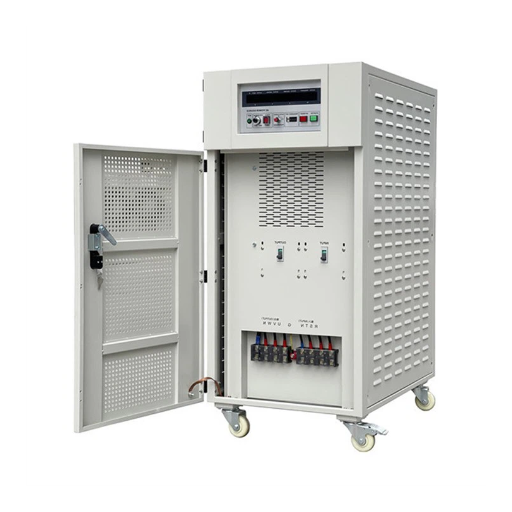
- ▪
Industrial Manufacturing: Electric motors contain several other types of batteries called frequency converters which control the rotational speed of the motors, especially in conveyor belts, pump fans systems and so on thereby increasing the efficiency such as energy saving. - ▪
HVAC Systems: The development of technologies for the décor systems allows us to accurately regulate the speed of the compressor and fans, at the same time saving unnecessary energy usually consumed while managing the temperature of a specific building. - ▪
Renewable Energy: Wind turbines and solar power systems, pointing to renewable energy, use frequency converters for linking with the network and ensuring correct tuning and resistance of the resource flow. - ▪
Maritime and Aviation: Physical inspection of equipment at marine and aviation sectors is done in compliance with the required power standards. - ▪
Testing and R&D: Research and Development facilitates the usage of frequency controllers in order to work electrical equipment under changing environments thereby enabling a test verification down to a level of these problems.
Manufacturing Industry Applications
Voltage frequency converters are important in industrial applications where it is imperative to minimize the wear and tear on the machinery in the automation process. They are widely applied in systems with rotating electro-mechanical equipment like conveyors, pumps, fans, etc., to change the speed and power of the load subjected to such equipment. This assists in the reduction of energy consumption as well as the wear and tear of the equipment that is being used. For instance, the use of VFDs in several cases has shown net energy savings of approximately 30-50% by advanced feature that aids in addressing the needs of making the equipment completely operate and stopping unwanted operation when needlessly done.
In relation to this, frequency converters in automated production aid a lot in the management of equipment by ensuring very high performance and minimal breakdown. Control Limits of production course fully ensuring the woven materials maintain the stated friction levels. Normally such complex technologies lead to lower costs of production at an enhanced degree of system reliability. Sustainability would also be economically viable in this case, owing to the use of these advanced technological designs.
Marine and Aviation Uses
The technological developments have led to improvements in various functions of sea and air systems, with the remarkable development being the automation of command and control functions. The power management system optimization and port state control systems of the ship, navigation in adverse meteorological conditions; these are just a few where automatic control systems are available. They reflect contingency activities which support to the ongoing activities where safety and performance standards are not traded off.
In the field of aviation, fly-by-wire technology and more sophisticated avionic systems, integrating advanced control algorithms, are used for maintaining the stability of the aircraft in flight, making it more maneuverable and enhancing its fuel efficiency. It indicates that new equipment that existed, in an innovative form, which is the integration of a weather radar within the area of focus and a software whose functions are predictive, is available to them, and experts are capable of managing situations and putting off a climactic or distressing event. As well, these safety systems are equally used, and adhered to, by other sectors where they comply with the set standards without polluting the environment and fulfilling some other objectives of efficiency.
Impact on Electronics and AC Power Supply
The transition of the utilization of ultra electronics and optimal ac power supply system has changed the effectiveness, dependability, and flexibility of contemporary technology System in all sectors. An example can be given of power electronics whereby wide band gap devices such as silicon carbide (SiC) and gallium nitride (GaN) among others have brought about high efficiency levels to energy consuming systems. These materials are particularly efficient because they absorb less heat and pave the way for quicker switches, thus reducing energy wastage. Additionally, the rollout of smart grid technology has honed the importance of AC power systems, consequently allowing easy integration of such works with renewable sources of energy, such as solar or wind, which in turn improves the sustainability of the system as a whole.
Improved power quality and stability have long been an issue. State-of-the-art technologies have been incorporated, such as voltage regulation, harmonic mitigation, real-time monitoring, etc., in the modern AC power supply systems. This plays a significant role in preventing undesired conditions such as over-voltage and out-of-balance current that may be detrimental of the electronic equipment. In summary, adaptive battery management systems employed in uninterruptible power supplies (UPS) guarantee that there is an uninterrupted power supply in case of emergency, especially among industrial and other sensitive equipment such as medical devices and data storage.
Technical Specifications to Consider
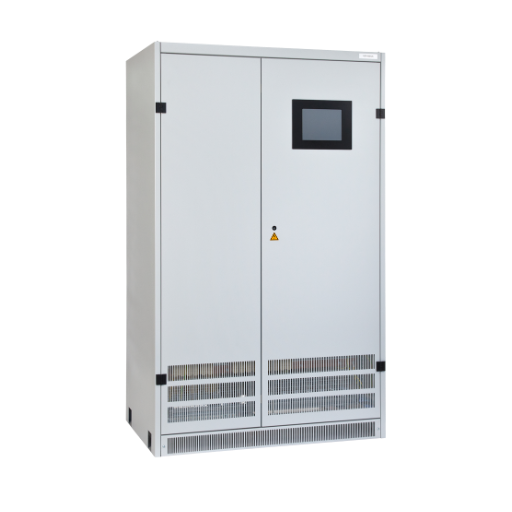
- Power Capacity and Output: Make sure that the UPS has a rated power level that can withstand the wattage and voltage value of the devices it is connected to avoid having an overload. Choose a UPS system that allows 20-30% excess capacity in the event of an expansion.
- Battery Type and Life: Consider a system that has high quality and high technology lithium-ion or sealed lead-acid battery types. Investigate the service life and battery life duration so as to ensure that they do not require constant opening up for repairs.
- Surge Protection and Noise Filtering: The system against overvoltage and electromagnetic interference must have the UPS systems, which are pulsed immunity and other properties to ensure long life and reliable operation of the equipment.
- Runtime and Efficiency: In order to prolong operations in the event of a power interruption, it is essential to assess how long the system must hold capacity. Prefer those with a high efficiency indicator >90% in both working and powered off modes, saving more power.
- Communication Interfaces: To work correctly and smoothly, the UPS should contain interfaces for monitoring and controlling it through special software. USB, SNMP, and network cards should also be supported, for disaster prevention and penalization by ultrasonic cranes.
- Certifications and Standards: Ensure the manufacturer or supplier can provide compliance with required standards such as UL, CE, and ENERGY STAR. The said certifications also assures the user of the product of the adherence to the safety and energy efficiency standards.
Power Rating (kVA) and Its Importance
kVA, in kilovolt- amperes, is a rating that defines how effective is an electric system in power handling and distribution. It is this factor that is critical in assessing whether the system can adequately provide for the load under the normal and peak operating conditions. As a measurement of power, every power rating of a system is actually its capacity in the apparent power, which helps it to display the useful as well as the reactive components.
When choosing machinery, it is absolutely necessary to remember the kVA and the anticipated loads of connected devices – i.e., the kVA count must be realistic and industry-driven rather than budget-driven. For instance, it is important to raise accurate figures to calculate the load in terms of current drawn and voltage available so that a device can handle the operating load without any abnormalities and even cope with surge loads. It is also worth noting that not having enough power capacity can lead to the overheating of equipment, the occurrence of voltage sag, and in critical cases, the system might stop operating altogether borrowing having an accurate load assessment.
Users seeking to take advantage of cutting-edge information-related technologies have encountered systems that are being conceptualized in a more ingenious form to correct distortion in consumed power prior to the terminal equipments or any other installation gaps out there prevailing. These inventions are specifically meant to minimize energy usage especially when it comes to matching kVA to the actual power requirements of any setting. Organization is well guided by judicious power sizing and its interaction with the calculated total power dissipation within its system in locating the most reliable and energy efficient system without over- or under-allocation that may be detrimental and costly.
Voltage Regulation and Efficiency Factors
The influence of voltage regulation on the effectiveness of electrical appliances, reliability, and durability is so significant that it is one of the major important aspects that needs detailed consideration. Voltage regulation stands for the capability of a system to maintain an output voltage at the same level even as the input voltage or the conditions of loading varies. Out of several strategies that improved voltage regulation can be hailed, an improved regulation would require a more complicated structure due to control mechanisms of transformers, voltage regulators and flow compensators. Poor voltage regulation in the system can result in power losses, increase in temperature or irreversible failure of equipment.
Voltage regulation is identified as an important aspect of efficiency. This is because energy losses typically arise from devices that operate inefficiently leading to either over-temperature conditions or off-load operation. Most of the new approaches aim at the use of cutting-edge methods of voltage regulation – automatic voltage regulation (AVR), and the use of real-time measurements of the state of a power system to minimize losses. Moreover from data, in industries where voltage regulation is observed, the performance of the system, as well as the costs, are at their best because it is possible to observe and control voltage within reasonable bounds and or achieve the voltage regulation ratio.
Choosing Between Single Phase and Three Phase
| Key Point | Single Phase | Three Phase |
|---|---|---|
| Voltage Levels | Typically 120V or 240V | Typically 208V, 400V, or higher |
| Power Transmission | Suitable for small loads | Suitable for high loads |
| Energy Efficiency | Less efficient for heavy loads | Higher efficiency |
| System Complexity | Simpler design | More complex infrastructure |
| Installation Cost | Lower costs | Higher initial cost |
| Equipment Cost | Generally affordable | Often more expensive equipment |
| Applications | Homes, small businesses | Industries, large enterprises |
| Power Availability | Prone to interruptions | More consistent power delivery |
| Scalability | Limited scalability | High scalability potential |
| Maintenance Requirements | Lower maintenance needs | May require regular inspections |
Choosing the Right Frequency Converter
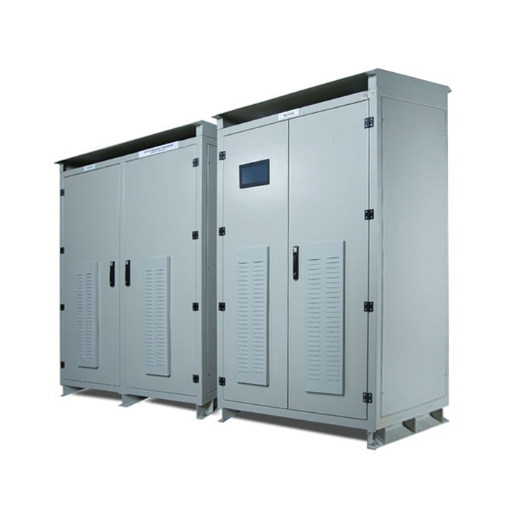
It is crucial that you take into account all your specific requirements and the current status of the system in your branch when you are going to choose the correct frequency inverters. Do not miss the most important aspects of the choice:
- Power Requirements: Get the output in voltage and frequency to determine what is required for the desired output in the product. This will prevent the system from connecting to your equipment or processes.
- Application Type: Ascertain whether the converter will operate in simple zones like residential or commercial settings or there is a need for greater levels of energy such as industrial uses.
- Cost and Budget: The user should look at not only the short-term costs but also the long-term efficiency of the proposed frequency converter. Strike a balance between affodable price and performance requirement for the design at hand.
- Reliability: When operational stability and scarce power variations are needed, preference should be given to converters which are known to be reliable.
- Scalability: In case there is an expectation for expansion in the future then choose a solution which will be manageable to solve the power limits.
- Maintenance Needs: When it comes to choosing the best converters, select the one that will not need time-consuming repairs and ins and outs, especially where an adjustment requires interruption of the system’s working.
Note that the emphasis here shall be on the above mentioned features and products supplied by reliable manufacturers dealing with frequency conversion technology.
Matching Voltage and Frequency Needs
To make concurrent use of power systems and devices, it is indispensable to provide the adequate combination of voltages and frequencies. This is the process in which all the objectives of the transmitted and received values (IZ) and their protection against the potential dangers and damages are met. For instance, a device meant to be used at the voltage of 230V and frequency of 50Hz may not be operational when it is operated with the system having completely different parameters such as its voltage and frequency of 120v and 60 Hz. Modern frequency converters utilize microcontroller technology to achieve precision control of both voltage and frequency, ensuring that there is no risk of using electricity that is not suitable for the destination where it will be used.
The paper and reports presented in this overview have been able to accurately demonstrate the efficiency gains that result from using adjustable voltage-frequency converters. It is important to keep in mind that besides power output stabilization, these systems further perform optimization of equipment by keeping it in its operational state. It is particularly important as far as industrial purposes are concerned because that offers the hope of possibilities and flexibility in the sense that processes that are largely controlled by electronic equipments are given the due care and performance they deserve.
Practical Tips for Procurement Managers and Technicians
- Evaluate Technical Specifications Thoroughly
When you want to use Voltage or Frequency converters in your project facility. Make sure that they meet the requirements of your projects. That is, it may be the subject of the analysis of the quality of technical characteristics of the facility, including: the input voltage (e.g., 120V to 480V), the frequency handling (e.g., 50Hz, 60Hz, or other variations), and rated efficiency (in most industrial applications above 90%). - Assess Scalability and Flexibility
Choose systems that can be easily expanded if you expect to need more power. Scan for systems that are of a size that does not impose a problem generally speaking. Look out for systems that feature a modular architecture or any upgradeable features that allow for modifications in the future without extensive durations of idleness. - Prioritize Energy Efficiency Ratings
Look for ratings of usage efficiency such as Energy Star or any other, for that matter. This is highly recommended as any increase in the efficiency of a system by 5-10% would lead to substantial savings particularly when dealing with high power systems. - Examine Warranty and Service Agreements
Pick out suppliers that present a broad warranty together with service maintenance agreements because one year warranty is considered a minimum standard. However, there are manufacturers who sell longer warranty coverage, reaching up to five years, for example, for the unit’s parts such as capacitors and controllers. - Conduct Vendor Performance Analysis
Investigate the vendor’s reputation within the market and ask for some references or a history of successful activities. Look at work-specific indicators, which are essential for performance of purchases (e.g., more than 95% for delivery, no lower than 2% for rejects and customer satisfaction). This will enable you to make a choice. - Leverage Data-Driven Decision Making
On that note, employ the use of the procurement module to go with the conventional method of finding product prices or even analysing the full cost of ownership. Incorporate elements like initial costs, operating costs, repairs and the duration of the systems (which would be in the range of 10-15 years) to be employed so that the cheapest option can be established.
Reference Sources
- Design and Construction of 500 Watt PWM DC/AC 220V Power Inverter
Read the paper here - Design and Implementation of A 10kVA 48VDC TO 220VAC Ferrite Transformer Based Intelligent Converter for Renewable Energy Utilization
Access the article here
Frequently Asked Questions (FAQs)
What is the difference between 50Hz and 60Hz in power systems?
Understanding the operation of devices and circuits at 50 Hz and 60 Hz has everything to do with the type of the power supply that the area uses. 60 Hz rated devices are more prone to working slowly or overheating under 50 Hz without a 60Hz to 50Hz converter, a transformer or vice versa may be installed. Devices like an 230V 50Hz to 110V 60Hz or 220V 50Hz to 120V 60Hz converters always protects the devices from such mistakes. Also, it is always critical to comply with the rated voltage and frequency of the 110V/50Hz items, or the original operating parameters of the 120V/60Hz items.
Can I convert 60hz to 220V 50Hz for equipment from the USA?
The development of an electric motor running on a frequency of 50Hz requires a series of modifications in the existing design of electric drives operating at 60Hz. These modifications include the application of additional facilities like a frequency converter from 50Hz to 60Hz, and another step-down or step-up transformer for further increasing the input voltage of 110V or 120V to 220V. Some more tolerant devices may allow free use, but especially engines and meters may need to be fed the correct frequency at 220 Volts and 50 Hz. This task can be accomplished by solid state inverters the majority of which provide a pure sine wave and an internal step up transformer, suitable for the 110/ 220 volt applications. Hire a unit that operates within the pure sine wave specifications at the specified kva output and read up on the manufacturer’s requirements if you are not sure.
Is a 110V 60Hz appliance compatible with 220V 50Hz without conversion?
It is not advisable to run 110V 60Hz devices on 220V 50Hz without a professional step-up transformer and frequency conversion. Both voltage and frequency are changed. A 60Hz to 50Hz converter along with a step-up transformer or a 60hz to 50hz frequency converter with an inbuilt transformer can provide the needed frequency and voltage of 220 volts at 50 Hz. In some cases, a transformer alone may prove effective to elevate the output voltage for resistive loads such as heaters. However, motors cannot run on such simple solutions and require a phase frequency converter or solid state frequency conversion.
Is a pure sine wave frequency converter necessary for sensitive electronics?
With a perfect sine shape, a frequencyverter offers the cleanest energy to a narrow frequency band such as line power and would be the ideal source for electronics and motors to be powered. Usage of static pure designs will reduce the harmonic contents of the supply thereby creation of less electrical noise which will reduce the probability of overheating failure of equipment that was originally designed for 115 to 120 VAC 60 Hz based systems. In cases where the system must be transformed to convert 120 60 hz to 50h hence 220 volt consideration should include pure sine waveform design to enable normal motor operation and not degrade audio-visual performance of the system.
