
Industrial dynamics of today reveal the disparities in global power patterns. Factories that have multiple locations bear with colossal hardships in respect of alternations in such sectors as frequencies, voltages, electric infrastructures; their incompatibility leads to associated problems like higher costs and breakages in devices. Frequency conversion is among the cutting edge responses to this situation (which is facilitated by advancing technology), and it plays a very strategic role that enables different types of power systems to operate harmoniously even when displaced from one location to another. This paper explores the significance of adopting frequency conversion in contemporary plant engineering, its advantages, practical uses and the outlook for why this technology is an absolute necessity rather than a fancy feature for any plant in the near future.
Introduction of Frequency Conversion
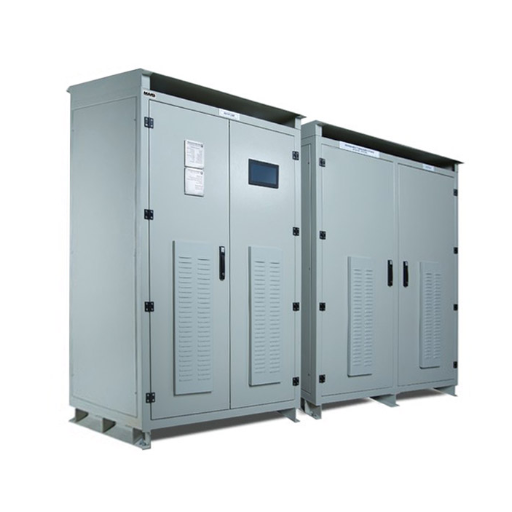
Alteration of frequency equates to the transformation of the output waveform of an electrical power system in order to realize the conditions of some electronic equipment or entire systems. This has to be made in virtually all industries in which machines operate on different frequencies (mainly 50 or 60 hertz depending on region) which definitely necessitates an increase in frequency. In essence, it is a means of ensuring that means of transmission in machinery are adapted for the equipment that will be used, thereby enhancing equipment efficiency as well as making sure that unnecessary energy waste is minimized. The general methods that are frequently found to be efficient at frequency conversion include rotary and solid state converters and are suitable for different applications due to their high performance characteristics.
Understanding Frequency and Power Standards
The role of frequency in the design and operation of electric power systems is crucial. It is essential to determine the number of AC cycles per second rather than the definition of a single period of period duration (sec). Frequency is therefore measured in Hz and normally, 50 Hz and 60 Hz together with other similar frequencies, are applied worldwide. Majority of countries apply one of those frequencies they prefer. And, mainly this comes from historical and technical issues. For instance, most countries in Europe use 50 Hz, while most counties in North America and areas in Asia use 60 Hz. This problem is brought about by geographical variation. Different frequencies of electrical power supply interfere with activities of devices and systems hence solutions are sought using grade products and services.
Different frequency choices can affect the way power systems are constructed. Transformer and electric motor specifications are affected, including the respective energy efficiency components. Depending on the frequency of operation and other designing factors, different modes of power transmission can be used. For example, as frequency increases to give such values like 60 Hz, it helps lower the physical sizes of motors and hence motor case designs are packed but has higher losses for long distances increases due to increased reactance. Conversely, 50 Hz can be given greater suitability in making the energy accessible to end-users of a large grid system. Any devices that have any application of the alternating current electrical energy such as transformers, motor controllers or any sensitive equipment are limited to a certain frequency of operation.
The Importance of Frequency in Industrial Applications
Though there are too many other aspects, frequency is by far the most critical in industrial undertakings inasmuch as it either boosts how well the machines figure or brings them to a halt. Electrical most in the industrial world optimize their functions within specific frequency ranges, with slight deviations resulting in inefficiencies, overheating, or wear and tear of the parts. For instance, the global use of 50 Hz or 60 Hz schemes ensures uniform response from most of the equipment, but some applications would require frequency regulating to enjoy the benefits of the process, Such as variable quenched lines or high-powered exhaust fans.
One of the many advantages of modern technology such as Variable Frequency Drives (VFDs) is the ease of control of the speed of any electric motor or engine. This in turn enables different industrial operations to an extent such that the wasteful uses of energy in most of the processes are eliminated. Indicative studies have shown that the use of VFDs in motor driven systems can achieve savings of up to 30% of motor energy consumption, which is a sustainability goal that reduces the systems energy and costs of operating the system. VFDs, as well as VSDs, are used in the control of various elements such as the control of a given industrial motor drive which is more complicated and involves complex control such as drives for conveyor belts and other transportation systems including drives for machines like robots or motors, which are used in assembly processes.
The Role of Frequency Converters in Modern Power Distribution
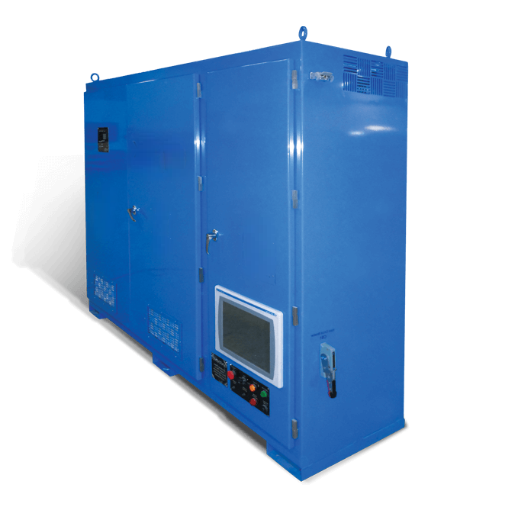
Modern power distribution considers the importance of converting electrical power to ensure smooth operation, which cannot be provided by any other equipment or even the system, as even the device cannot manage these needs. These devices make possible the functioning of equipment and systems in other regions, though with a different operating frequency, such as 50 Hz and 60 Hz, in international environments as well as in cross-border power system applications. By ensuring the proper frequency is maintained on equipment, it is possible to save the wastage of energy since no unnecessary frequencies are applied to the equipment. Moreover, the commutation chambers of the VFD act as compensators and maintain or support regular voltages of equipment loads thereby stopping once and for all electric power wasting due to wasteful techniques of energy consumption.
How Frequency Converters Work
The energy conversion industry has taken a huge step by producing frequency converters. In the realm of electrical components, such a converter converts the frequency of the incoming power to make it compatible with the accompanying devices. The operation comes from an AC (alternate current) input that is converted from a diode bridge to produce a controllable DC (direct current). The output is then passed through a filter which is designed to smoothen it by removing any form of variation that may be present. The concept is that, after the DC voltage is available, an inverter stage, loaded with insulated-gate bipolar transistors (IGBTs) for instance generates the output in AC form and a suitable frequency, and the correct voltage. Digital signal processing (DSP) also finds use in frequency converters and enables excellent adjustment due to the production of many tuned output levels depending on the load changes, thanks to the well-balanced DSP algorithms present in them.
In supporting applications, feedback systems are integrated into several tasks of the frequency converters. This function is known as closed-loop control, and it allows for the adjustment of various dynamic parameters to optimize performance even under changing external factors. The systems operate between high efficiency equipment and systems of loss cooling allowing it to work with minimal power losses. The devices are essential to ensuring uninterrupted power supply in projects such as controlling the speed of the motor, and using renewable power sources, and even comfort cooling systems wherein there is a need of power with a specific purpose.
Types of Frequency Converters
| Type | Description | Key Applications | Key Features |
|---|---|---|---|
| AC to AC Converters | Converts AC power at one frequency to another. | Motor control, HVAC systems. | High efficiency, low harmonics. |
| AC to DC Converters | Converts AC power to DC for specific applications. | Battery charging, electrolysis. | Precise voltage control. |
| DC to AC Converters | Converts DC power to AC for grid compatibility. | Solar inverters, backup systems. | Sine wave output, grid sync. |
| DC to DC Converters | Converts DC voltage levels to required levels. | EVs, portable electronics. | Compact, energy efficient. |
| Cycloconverters | Directly converts one AC frequency to another. | Low-frequency AC drives. | Variable output frequency. |
| Matrix Converters | Offers direct AC-to-AC conversion without DC link. | Advanced motor drives. | Compact, bidirectional power. |
Key Components: Transformers and Motors
Transformers and motors are core, as well as the frequency converters; they play an essential role in their operation. The main functions of the transformer are voltage transformation and the electrical connection of two independent DC circuits. The transformers reduce the voltage or voltage spikes in DC and secure adequate distribution of voltage in AC, particularly where accurate control of voltage is required in industries.
Electric motors are the main devices that are controlled by frequency converters. An induction motor or a synchronous motor can be used in most applications because it is more dependable and it can be efficiently employed in order to receive a current of any frequency. Motor controller controls the working speed and moment of motor through the change of voltage or frequency fed to the motor. Thus, the system ensures that the energy efficiency and the productive operation of the motor are fully realized. These components come together to achieve an uninterrupted flow of electricity and movement which is essential in satisfying applications like the construction and operation of HVAC machines, plants for manufacturing, and advanced engineering of motors by elimination the unwanted mechanical and electrical effects of one energy source on another.
Benefits of Frequency Conversion
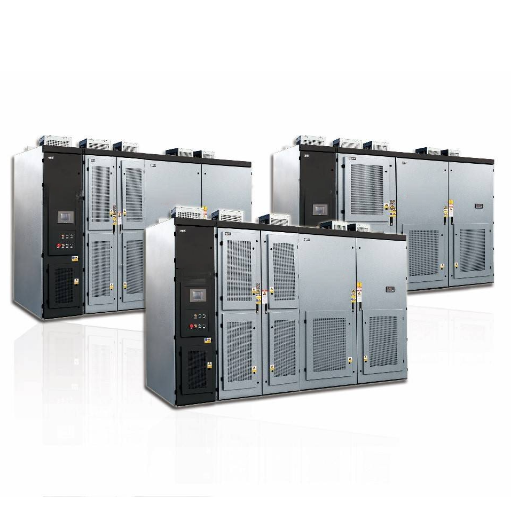
- 01
Energy Efficiency
Using frequency converters allows the motor speed to be matched with the task undertaken hence less energy is lost, and thus scaling down the system’s power usage on the whole. This is crucial when operating systems which have varying loading patterns. - 02
Extended Equipment Lifespan
Soft starting through power inverters forever saves the motor from abrupt jerks from the mechanical load hence enhancing efficiency and serviceability of the equipment. - 03
Improved Process Control
Having precise control of the motor’s output in terms of torque and speed allows one to realize a high degree of effectiveness in processes, especially in manufacturing and HVAC fields. - 04
Noise Reduction
The ability to operate motors at suitable speeds significantly reduces the noise that is produced hence ensuring that the noise generated by the equipment does not exceed the limits set in the noise control laws and also making the working environment comfortable. - 05
Cost Savings
The improvement of efficiency and the lack of maintenance leave save a considerable sum of money on the whole system over time.
Energy Savings Through Frequency Conversion
There is a change in frequency which is also referred to as conversion, which has a large effect on most systems which requires energy as a way of containing it and even affecting the reduction of energy. Looking at it from a rational point, the use of VFDs is an important step in regulating power of induction motors to the level needed by the consumer, hence overcoming the ever-present electricity in uniform speed induction motors. Studies show that cutting the speed of an electric motor could result in energy savings of as much as 50% which indicates that the power and speed of a motor operate at a quadratic relationship.
Moreover, there is a sustained power of frequency conversion that limits the torque being exerted on a machine due to its control of the rate of acceleration and deceleration of the motor—this sort of ability reduces and postpones the necessity of machine maintenance. Embarking on the same efficiency improvement project does not only drive down energy costs but also is congruent with environmental objectives in cutting greenhouse gases. Introducing frequency converters in the modern scenarios have has been found to be one of the cheapest and best alternatives for both business and factory sectors when it comes to the environment.
Enhancing Equipment Longevity and Performance
In order to increase the useful life and efficiency of the equipment in the systems of frequency changes, it is necessary to use basic monitoring, service and accurate technology. Today, the creation of frequency control systems has options for real diagnostics with the use of predictive and real-time diagnostics of temperature, voltage, and current values. This diagnostic also makes it easy to expose the problems in the system well before any cause problems and help greatly in reducing undue stoppage time.
Utilization of high-efficiency components such as insulated gate bipolar transistors (IGBTs) and advanced control systems eliminates unnecessary energy losses as well as improves the system’s thermal balancing. In addition, these optimal output frequency feature adaptive control includes output frequency adjustment according to the desired loading conditions which makes it possible to minimize the stresses encountered by the civilized design of mechanical into inbuilt and electrical equipment.
On top of that, maintaining the equipment at a strict schedule shall act as a benefit in building and maintaining the best practices. This may involve the dismantling of coolants, cables and capacitors in order to identify the worn out parts due to the mitigation and velocity of the anaerobic film capacitors and also circuitry capacitors. The design of frequency conversion facilities with the use of modules facilitates the use of the equipment for a long time even if changes need to be made. Included in the power system building distribution lines.
Operational Flexibility: Adapting to Power Frequencies
In general, sound or Total operational flexibility refers to the ability of a converter to respond to changes in system requirements efficiently, within acceptable operational limits. Typically, frequency converters are configured to allow the input and output voltage and frequency to be changed, thus supporting the installations in industries which work on both 50 Hz and 60 Hz grids. This flexibility is brought about by the use of sophisticated inverter power electronics and advanced controls that can vary the operational settings by increments without any detrimental effects on efficiency and stability.
Some of the recently developed technological approaches include the application of multilevel converters and the advanced pulse-width modulation (PWM) schemes in order to remove and control an already existing harmonic distortion pattern and control voltage and frequency outputs more accurately. On top of that, operating such inverters—especially those with several output levels—put into consideration integration with the likes of Solar and wind energy, which are traditional, yielding variations in frequency depending on the time of day or activity. It is active and passive systems that adapt to varying circumstances concerning synchronization ability and effective loads that enhance system reliability and international code of practice conformity.
Case Studies: Frequency Conversion in Action
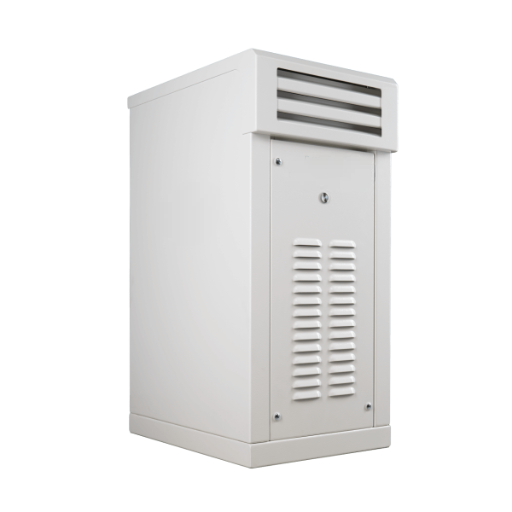
Case Study 01
Renewable Energy Integration
A leading provider of renewable energy sources recently implemented the use of frequency converting technology in an effort to manage the heat energy generated by the wind turbines in a bid to ensure the safety of the turbines in operation under any amount of wind speeds. This sophisticated variation of the devices made it possible to ensure the electric power generated did not face any restrictions from the grid, and not much energy was lost. This made it possible to increase power consumption by 15% equals those circuits to the standards stipulated for the grid and any environmental losses of the energy.
Case Study 02
Aerospace Applications
Aerospace manufacturer’s made good use of the technology of frequency converters to design aircraft power systems that could switch between both 50 Hz and 400 Hz for conversion. This method is important as it ensures that different systems can be run effectively using only one source of power. This translated into 20% cost savings in equipment purchases and reduced energy even as manufacturing became less wasteful. Against that background, it is clear that frequency converts are a necessary tool in industry applications.
Case Study 03
Industrial Automation
A leading global automobile producer has adopted VSD technology for better motor control solutions on its assembly lines. In its drives, the technology has enhanced the precision and regulation of load speed which in turn caused an overall saving of 25% in operational hours and even more on electrical power. These developments are widely considered to confirm the logical value of frequency control in automated work in terms of increased working capacity and energy savings.
Factory Efficiency Improvements
The use of predictive maintenance, powered by IoT-based sensors and machine learning models, is one efficient example of the different kinds of smart systems involved. These systems enable the collection and analysis of data in real-time, making it possible for the manufacturers to notice the development of equipment failures long before they even occur, which in turn, ultimately reduces the chances of shutdowns occurring unplanned. For instance, it has been established through research that predictive maintenance cuts the cost of machine maintenance by 30% at the same time increasing the efficiency of machinery by 20-25% uptime over a period of time.
Furthermore, the utilization of energy-efficient systems, like variable speed drives, also helps the company in leveling the electricity costs in each production bay due to, in this case, the case of thermal equipment. In the past recent years, the use of modern frequency converters allows controlling the motor very accurately, minimizing the energy consumption by changing the speed of the motor as per the requirement. In some specific cases, that could translate into saving 50% of the energy when it comes to motor-operated work compared to older technologies. Integration of both technologies contributes to fulfillment of objectives such as enhancing production capacity by integrating energy efficiency in these plants, essential for immediate industrial competitiveness.
Comparative Analysis: 50Hz vs 60Hz Operations
| Parameter | 50 Hz | 60 Hz |
|---|---|---|
| Frequency | 50 cycles per second | 60 cycles per second |
| Standard Regions | Europe, Asia, Africa | North America, some Asian countries |
| Energy Loss | Slightly higher | Slightly lower |
| Motor Speed (RPM) | Lower | Higher |
| Transformer Efficiency | Marginally lower | Marginally higher |
| Equipment Heat Generation | Slightly more | Slightly less |
| Equipment Weight | Typically heavier | Typically lighter |
| Power Distribution Range | Slightly longer due to frequency | Slightly shorter due to frequency |
| Interchangeability | Limited compatibility globally | Limited compatibility globally |
| Ideal Use Cases | Industrial and large-scale systems | High-speed motor applications |
Real-world Applications of Frequency Converters
Frequency converters are of utmost importance in the contemporary industrial and business industries, as it helps operate and control nature of all machinery that is driven from motors. Examples of this include HVAC which is air conditioning systems, wherein they control the speed of the motors by frequency converters to save energy and keep constant temperatures. This, apart from reducing the energy bill, also allows the devices to be used for longer periods. Constructing machines to work on the Panel together with the separate, on an interfaced panel, where machines generate energy like solar powered engines and boost the mean time to failure due to this practicing a principle of ten. As the machines are contemporary, such converters are lacking wind and hydropower-utilizing systems.
Besides, operational frequency converters are useful in the networks of high-speed railways in connection with them serving the purpose of driving the motors by modulating power and enabling precise speed control as well as convenient acceleration. Such variables in operation speeds of pumps and compressors as a result within the scope of the oil and gas industry not only minimizes electrical outages and excessive heating but also wear and tear. Finally, in the spheres such as validation and automation, these converters are very important as they play the role of ensuring maximum precision in applications which include the use of robotic assembly lines or such equipment as variable speed conveyors. They certainly spare the energy by reducing load fluctuations, so that further downtime prevention within varied industries can be facilitated.
The Necessity of Frequency Converters in Your Factory
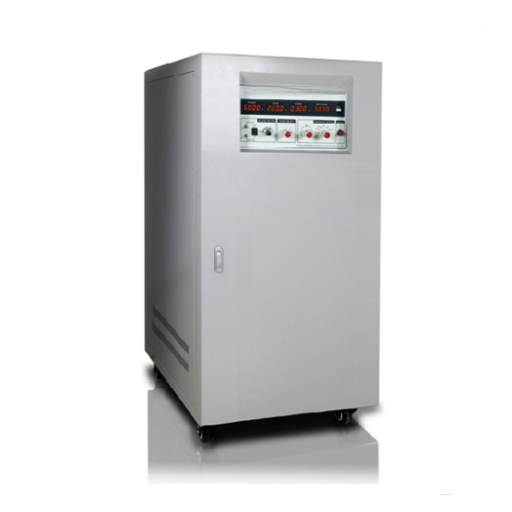
Frequency converters availed in contemporary industries are significant in energy conservation and improvement of complete factory control. By allowing the equipment to operate at several speeds, the technology partitions the energy usage and prevents the stressing out of equipment which shortens the equipment’s life. Also, they allow the motor control at an optimum level which reduces errors in the production process. Including frequency converters in its system enabled the company to spend less money on electricity and maintenance. These devices make it possible to be able to make the necessary parameter adjustments in the production activities while such changes are not well charged against they becoming redundant in such a short time thus they become the component that helps in being able to stay at the top.
Summarizing the Benefits of Frequency Conversion
The significance of frequency converters in the modern industrial settings can be under represent because their role is to save energy and enhance system efficiencies. These devices also curtail energy wastage by learning to consume less energy as and when there are no requirements thereby affecting operational efficiencies. Energy audit reports suggest that industries employing the frequency-controlled drives in their processes typically realize sustainable energy consumption savings reaching up to 20%-30% and in some cases up to 50% given a specific application.
In addition to this, it is also imperative to mention that their efficiency in reducing mechanical stress on equipment components results in longer life of the machinery as well as lower operating costs over time. One of the high priority goals for such equipment is the possibility to ensure stable motor performance even under various changes in production settings in order to minimize errors throughout the entire production cycle. Frequency converters, especially those that feature superior design and programmability capabilities have recently caught the eye of many production companies as these can be an added value in shortening the plant-to-plant distance and costs hence they have become strategic tools gaining competitiveness in the different industry sectors for sustainable business objectives.
Call to Action: Assessing Your Factory’s Needs
If you wish to propose that this can entail conducting deep coming with issues involved. The very well-established mechanisms for factories will efficient in many scenarios, let one work to also be cruel with such gaps also improves. In accounts of significant considerations advanced converters other growth manufactures, their benefits go together with objectives on the one hand and also costs which will include environmental improvements on the other. Specific evaluation can find ways of improvement and cost reductions. This is because it ensures that the facility stands out in terms of its workings and the condition it is in, by meeting the current requirements and standards. Engage professionals in directing the preparation of a development plan which seeks to increase production as well as adhere to standards regarding the sector. Now choosing this activity, aim at ensuring better than the best ways of running the factory today.
Frequently Asked Questions
Why does voltage matter for global power standards and my factory’s power requirements?
Voltage conversion has a lot to do with changing, adapting, or bringing back to normal the voltage level and power supply frequency that is to be applied to the installation as given in its data sheet so that it works safely and as required without problems associated with voltage and frequency vagaries. Adding frequency converters ensures that the electrical system is not heavily loaded and does not underutilize capacity where power is transmitted at different voltages in the distribution network. Purchasing of a frequency converter will not only provide constant supply of power but also enhance the utilization of power in the form of quality power in today’s electrical system.
How does AC power compatibility affect industrial frequency converters and my electrical system?
Factories indeed utilize AC power; however, extensive modifications are often achieved in order to exchange 50Hz with 60Hz or to convert them into 400Hz power for certain equipment and this is why the frequency converters have become integral in the modern flexible power generation and power distribution systems. The industrial frequency converters allow for the exact regulation of frequency and also for the use of back-to-back converter, where the aim is to prevent power disturbances and ensure the output is stable. This allows one to integrate the power generation sets, the frequency shifting of the power grids and the use of satellite power into a single power solution.
What role do frequency and voltage standards play in matching the desired frequency?
Frequency and voltage standards differ across countries, often at a rate of 50Hz or 60Hz, so if a specific rate of frequency is required, the application of frequency changers becomes necessary to prevent possible failures in the power system or deterioration of its performance. The function of frequency conversion is important for factories which require accurate and stable frequency and voltage for their electrical operations or for ground power sources. This enables the energy conversion system to an improved operational fulfilling the demands of modern electrical requirements. This can include 60Hz AC power to 400 hz wherever it is intended.
What are the benefits of frequency converters for meeting power quality and efficient power goals?
Frequency Converters always come in handy due to their advantages such as – ensuring high power quality, delivering power even in mains supply failures, and the conversion of voltage most efficiently in the distribution grid according to the given frequency. These devices are capable of complementing the power system with improved operating efficiency and frequency generation control systems, particularly in the case of generator response to grid excursions, or performance of various types of switchgear devices. Factories can be easily changed through the installation of converters and be able to operate in different power aligned environments using connections such as 50 Hz and 60 Hz and specialized 400 Hz generator systems.
Reference Sources
- [01]
High-frequency Power Conversion for Medium Voltage Power
- [02]
Highly Efficient Frequency Conversion with Bandwidth Compression
