
A single pump failure at the water treatment plant in Texas cost the plant $340,000 in reactive maintenance and regulatory fines. Mechanical wear had nothing to do with the root cause. Initially, one uncovered fact was a motor start that caused a huge shock wave through a 6000-horsepower system. If the plant had located a high voltage VFD at point of operation, the motor would have ramped up smoothly and the failure would have still occurred.
The industrial world is driven by these motors. It is common that many engineering teams have failed in the past to fairly comprehend the damage caused by uncontrolled starting and constant velocity in large systems. This is where an effective High Voltage VFD application presents an answer on a grand scale. High voltage VFD applications were applied to large systems for no lower than 2.3 kV and above ratings to offer full control of speed, torque, and energy.
From this guide, you will find out about what high voltage vfd has the greatest effect, how they protect large megawatt equipment, and what factors generally determine an appropriate system for your application. Being a power plant, mining operation, or marine propulsion system, this article will help you make a well-grounded decision.
For a deeper technical breakdown of high voltage frequency converter standards, (see our complete guide to medium & high voltage drives.)
What Is a High Voltage VFD and Why Does It Matter
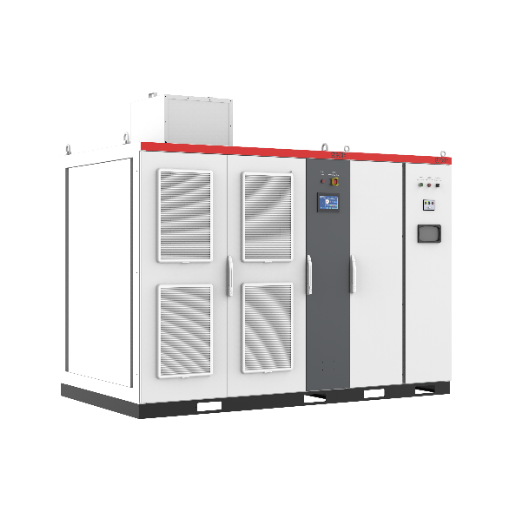
A mediumvoltage VFD, also referred to as a high voltage drive, is a variable frequency drive designed for motors powered at voltages between 2.3 kV and 13.8 kV. These systems operate the handling of the immense powers on heavy industrial loads in contrast to low-voltage drives, which normally manage around 480V or lower.
The principle remains basically unchanged. The drive takes the fixed-frequency AC supply and converts this into DC, then inverts it back to AC at any variable freq. and voltage. This is the reason precise motor speed control is possible. The results of this take on a new meaning with the high voltages involved that will push thousands of horsepower.
The Engineering Difference Between Low and High Voltage Systems
Small motor applications are fully served by low voltage VFDs in HVAC, light manufacturing, and commercial buildings. They are small, not very expensive, and fairly easy to install. Nevertheless, basically different architectures are called for in high-voltage VFD applications.
Medium voltage drives, on the other hand, make use of multilevel inverter topologies to minimize voltage stress on the switching devices. These systems also comprise stronger isolation, cooling, and harmonic filters to minimize the cooling design and provide stringent safety margins. The components are larger, safety margins are tighter, and engineering more specialized.
For the operator, it means smoother acceleration of heavy loads, less mechanical stress on huge pumps as well as compressors, and substantial energy savings at the megawatt level. A single high-voltage VFD running a 5000 HP motor can reduce energy consumption by 20 to 50 percent based on the load profile.
High Voltage VFD Applications in Water and Wastewater Systems
Municipal water systems are among the most demanding environments for motor control. Pumps run continuously, often at partial load, and energy represents the largest operating cost after labor.
Pump Stations and Distribution Networks
In a typical municipal system, large pumps move millions of gallons per day through treatment plants and distribution networks. Running these pumps at full speed regardless of demand wastes enormous amounts of energy. A high voltage VFD matches pump output to real-time flow requirements.
When Chen Wei, chief engineer at a water treatment facility in Jiangsu Province, retrofitted two 3,000 kW raw water pumps with medium voltage drives, the results were immediate. Energy consumption dropped by 32 percent in the first year. More importantly, pressure surges that had damaged pipeline joints twice annually disappeared completely. The soft-start capability eliminated water hammer, extending infrastructure life across the entire distribution network.
Wastewater Treatment Blowers
Aeration blowers in wastewater treatment account for up to 60 percent of total plant energy use. Dissolved oxygen demand fluctuates throughout the day, yet many facilities run blowers at constant speed and throttle airflow with valves. This is mechanically wasteful.
High voltage VFD applications in aeration systems adjust blower speed to match oxygen demand exactly. Energy savings often reach 40 to 60 percent. The payback period for a medium voltage drive on a large blower typically falls between 12 and 24 months.
Mining and Mineral Processing Operations
Mining operations rely on some of the largest motors in industry. Grinding mills, conveyors, hoists, and slurry pumps routinely operate at multi-megawatt power levels.
SAG and Ball Mill Drives
Semi-autogenous grinding mills and ball mills represent massive energy consumers. A single large SAG mill motor can exceed 20,000 HP. Starting such a motor across the line draws enormous inrush current, stressing both the motor and the electrical grid.
High voltage VFDs solve this with controlled acceleration. The drive ramps the mill up gradually, eliminating the mechanical shock that damages mill liners and gearboxes. During operation, the drive adjusts mill speed based on ore hardness and throughput requirements. This optimization improves grinding efficiency and reduces liner wear by up to 15 percent.
Mine Hoists and Conveyors
Mine hoists must accelerate thousands of kilograms of ore from deep underground while maintaining precise speed control for safety. Conveyors spanning kilometers need controlled starting to prevent belt slippage and mechanical shock.
Medium voltage drives provide the torque control and speed precision these applications demand. Regenerative configurations can even recover energy during braking, feeding power back into the mine grid rather than dissipating it as heat.
Power Generation and Utility Applications
Power plants themselves rely heavily on high voltage VFD applications for auxiliary systems. The irony is clear: the facilities that generate electricity need advanced drives to run their own equipment efficiently.
Boiler Feed Pumps
In the thermal power plants, boiler feed pumps convey water into the boilers where steam is generated by high pressure system. These pumps run at a constant speed, their inlet feed water being controlled by throttle valves regulating the feedwater. The throttle valve losses have costs of considerable energy.
The 660 MW coal power plant in Shandong Province has replaced the throttling control with a medium voltage VFD for their main boiler feed pump. The drive saved over 12 million kWh of power annually. Within three years, the stresses that prevailed over mechanical constructions and which were behind two pump bearing failures were eroded.
Induced and Forced Draft Fans
Combustion air fans in power plants must adapt to varying load conditions. During startup, low load, or evening ramp-down, fans running at full speed with inlet damper control are profoundly inefficient.
High voltage VFD applications on ID and FD fans allow precise airflow matching to boiler load. A well-designed retrofit typically delivers 25 to 40 percent fan energy reduction. The improvement in combustion control also reduces emissions and improves heat rate.
Cooling Water Pumps
Thermal power plants withdraw massive volumes of cooling water. Seasonal temperature variations and unit load changes affect optimal flow rates. Variable speed control on large cooling water pumps ensures the right flow at the right time, minimizing both energy use and thermal discharge.
For a detailed technical exploration of high-voltage frequency converter integration in power generation systems, covering application specifics and grid connection requirements, check our specialized handbook.
Oil, Gas, and Petrochemical Industries
Downstream and midstream oil and gas operations involve some of the most capital-intensive rotating equipment in any industry. Unplanned shutdowns can cost millions of dollars per day.
Pipeline Compressors
Natural gas pipeline compressors move product across continents. Pipeline pressure and flow requirements change with supply and demand. Compressors running at fixed speed use recycle valves or suction throttling to control flow, approaches that waste energy and generate heat.
A medium voltage VFD on a large pipeline compressor allows direct speed control. The compressor delivers exactly the pressure ratio and flow rate required, with no parasitic losses from throttling. Energy savings of 15 to 30 percent are common, depending on how much the operating point varies from the compressor design condition.
LNG and Refinery Processes
Liquefied natural gas plants and refineries use enormous refrigeration compressors and process pumps. These systems often operate across a wide range of conditions due to feedstock variations, seasonal demand, and product slate changes.
High voltage VFD applications in these settings provide the process control precision that fixed-speed motors cannot achieve. Variable speed operation improves product quality, reduces energy intensity, and extends maintenance intervals on critical compressors.
For a comprehensive breakdown of high-voltage frequency converter applications in oil and gas operations, including selection criteria and return on investment analysis, see our dedicated industry guide.
Marine and Offshore Propulsion Systems
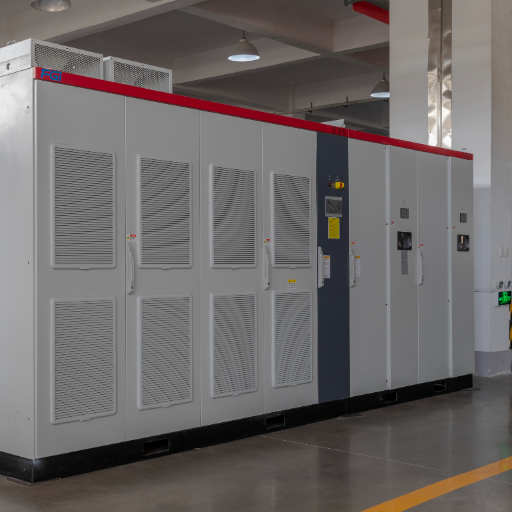
Modern vessels increasingly use electric propulsion with variable frequency drives. This trend extends from offshore supply vessels to cruise ships and icebreakers.
Electric Propulsion and Thrusters
Diesel-electric propulsion systems generate power with medium speed diesel engines, then distribute electricity to propulsion motors through high voltage VFDs. This configuration allows engines to run at optimal efficiency regardless of vessel speed. It also eliminates the complex mechanical gearing required in direct-drive systems.
Azimuth thrusters and bow thrusters on offshore vessels use medium voltage drives for precise maneuvering control. The dynamic response of a modern VFD enables exact thrust modulation, critical for station-keeping in rough seas.
Offshore Platform Systems
Offshore oil and gas platforms have limited power generation capacity. Every kilowatt saved translates to reduced fuel consumption or the ability to support additional process equipment. High voltage VFD applications on platform pumps, compressors, and ventilation fans are standard practice for operators seeking to maximize production within fixed power budgets.
Cement, Steel, and Heavy Manufacturing
Energy-intensive manufacturing processes use large motors in crushing, grinding, rolling, and material handling.
Kiln Drives and Material Handling
Rotary cement kilns are massive, slow-speed rotating drums. Kiln drives must deliver enormous torque at low speed while maintaining precise rotational control. Medium voltage VFDs provide the torque characteristics and speed accuracy this application demands.
Raw material grinding and finish milling in cement plants also benefit from variable speed operation. Mill speed optimization based on material grindability improves output and reduces specific energy consumption per ton of cement produced.
Rolling Mills and Extruders
Metal rolling mills require precise speed synchronization between stands. Torque and tension control directly impact product quality. High voltage VFD applications in hot and cold rolling mills deliver the dynamic performance required for modern strip and plate production.
Selecting the Right High Voltage VFD for Your Application
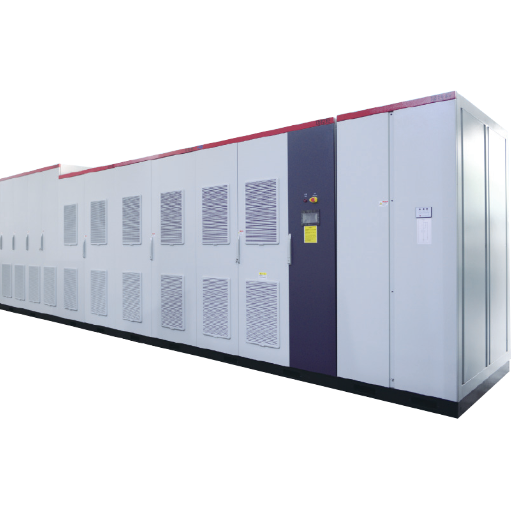
Not every medium voltage drive suits every application. The selection process must account for voltage level, power rating, load characteristics, and environmental conditions.
Voltage and Power Rating
Match the drive voltage to motor voltage exactly. Common medium voltage levels include 2.3 kV, 3.3 kV, 4.16 kV, 6 kV, 6.6 kV, and 11 kV. Power ratings range from a few hundred kilowatts to over 20 megawatts.
Oversizing a drive wastes capital and often reduces efficiency at partial load. Undersizing risks overload trips and premature failure. Accurate load profiling during the specification phase prevents both problems.
Load Type and Duty Cycle
Centrifugal pumps and fans follow a quadratic torque curve. Constant torque loads like conveyors and hoists require drives with higher overload capacity. Cyclic loads with rapid acceleration demand drives with excellent dynamic response.
Understanding your load profile shapes cooling requirements, harmonic filter design, and protection settings. A drive specified for a centrifugal blower will not perform well on a reciprocating compressor without careful engineering review.
Harmonic Mitigation and Power Quality
High-voltage VFDs add harmonics to the electrical system. For certain larger applications, these harmonics can really bother other equipment and result in fines charged by the utility.
For low harmonic distortion, most medium voltage drives use multi-level topologies or an active front end. Specify total harmonic current distortion below 5 percent for sensitive installations. Make sure you have a power study conducted to determine if there could possibly be any resonance issues before retrofitting existing systems.
Environmental and Cooling Considerations
Drives are required for dusty, acidic, or high-temperature environments, and proper enclosures and cooling are needed. Air-cooled drives are simpler but need clean air for ventilation. Liquid-cooled drives take on higher power densities which can perform well in heavy-duty environments despite being more complex.
For installations in remote or unmanned locations, prioritize drives with robust remote monitoring capability and redundant cooling.
Energy Savings and ROI: The Business Case for High Voltage VFDs
Engineering benefits matter, but industrial buyers ultimately need financial justification. The business case for high voltage VFD applications rests on three pillars: energy savings, maintenance reduction, and production improvement.
Quantifying Energy Savings
Centrifugal loads follow the affinity laws. Reducing speed by 20 percent cuts power consumption by roughly 50 percent. This nonlinear relationship makes variable speed control extraordinarily effective for pumps, fans, and compressors.
For a 4,000 HP pump running 8,000 hours per year at 75 percent of full load with a high voltage VFD, annual energy savings can exceed 200,000attypicalindustrialelectricityrates.Overa15−yearequipmentlife,savingsoftenexceed200,000attypicalindustrialelectricityrates.Overa15−yearequipmentlife,savingsoftenexceed3 million per drive.
Maintenance and Equipment Life
Soft starting eliminates the mechanical shock that damages couplings, gearboxes, and bearings. Variable speed operation reduces seal wear and cavitation in pumps. Precise torque control minimizes belt and chain stress in conveyors.
When the maintenance team at a steel mill in Hebei Province added medium voltage drives to three 2,500 kW induced draft fans, bearing replacement intervals extended from 18 months to 4 years. Annual maintenance costs on those fans dropped by 60 percent.
Process Control and Production Benefits
Beyond direct energy and maintenance savings, better motor control improves product quality and throughput. Grinding mills produce more consistent particle size. Paper machines maintain tighter tension profiles. Chemical reactors achieve better temperature control through optimized agitation.
These production benefits are harder to quantify but often exceed the value of direct energy savings.
Installation, Commissioning, and Long-Term Support
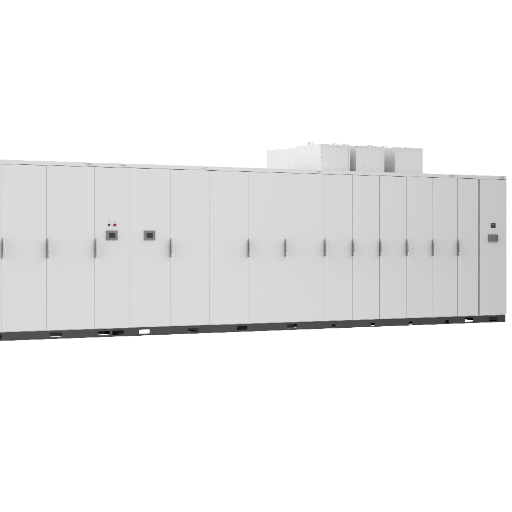
A high voltage VFD represents a major capital investment. Proper installation and commissioning are essential to realizing the full return.
Site Preparation and Safety
Medium voltage equipment requires adequate clearances, fire protection, and grounding. Installation must comply with local electrical codes and manufacturer requirements. Arc flash protection and safety interlocks demand careful attention during design.
Commissioning and Tuning
Drive commissioning involves parameter configuration, protection setting verification, and control loop tuning. This process requires qualified engineers with experience in medium voltage systems. Rushed or incomplete commissioning leads to nuisance trips, poor performance, and premature equipment failure.
Ongoing Maintenance and Technical Support
High voltage drive systems require periodic service in terms of cooling system inspections, capacitor tests, and firmware updates. Support from these qualified experts means a quick fix when problems arise.
Our expert engineering team will support you in every way, starting from selection to implementation. We design systems customized to your specific voltage, frequency, and capacity needs. Please call our engineers to discuss your particular application requirements and receive an extensive technical proposal.
For hazardous area certification details, see our explosion-proof frequency converter guide.
Conclusion
High-voltage variable frequency drive (VFD) applications have fundamentally impacted the way in which industries manage their largest, most energy-intensive motor systems. From water treatment plants to mining operations, power stations to marine propulsion, medium-voltage drives have brought about measurable improvements in efficiency, reliability and process control.
Key takeaways from this guide:
- High voltage VFDs control motors rated 2.3 kV and above, delivering precise speed and torque management at multi-megawatt scale.
- Water and wastewater systems achieve 20 to 50 percent energy savings while eliminating damaging pressure surges.
- Mining, power generation, and oil and gas operations benefit from controlled starting, load optimization, and extended equipment life.
- Selection requires careful attention to voltage rating, load characteristics, harmonic mitigation, and environmental conditions.
- The business case combines energy savings, reduced maintenance, and improved production performance.
If your facility involves the use of large motors at constant speeds, then chances run high that you are spending more on overused energy and maintenance in your facility operations. The right variable frequency drive not only pays for itself through operational savings but also protects your critical equipment from the stress of uncontrolled operation.
