
A phase converter is a device that converts single-phase power into three-phase power, which is mostly needed by powerful equipment. For factories and workshops that rely on giant machines, it is really key to know the subject of phase conversion in order to enhance the machine’s performance and to lower the operational costs. The paper will not only discuss the general characteristics of phase converters but also different types and how they work to form steady three-phase power out of a single-phase source. As a result, you will acquire a great understanding of their operation, the benefits they offer, and the main factors to consider when settling upon the right system that will suit your particular requirements. Be it that you are a business owner, a technician, or an engineer, through this tutorial the uncertainty regarding phase conversion will be wiped off and the chances for smart choices will be maximized.
Brief Understanding of Phase Converters
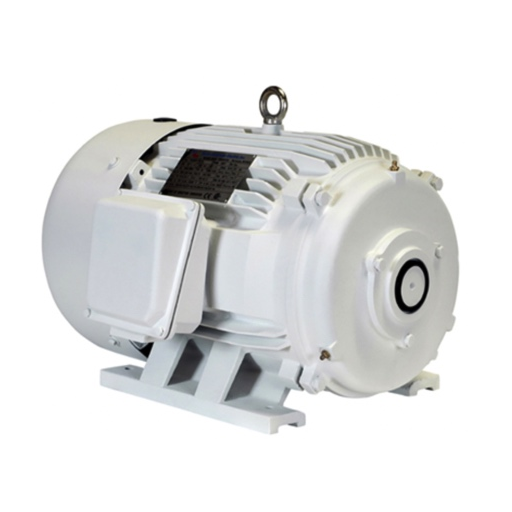
Phase converters are created to transform single-phase electrical power into three-phase power. They are indispensable in cases of no three-phase power but three-phase is a must for the machinery to operate, like industrial devices, motor-driven systems, or HVAC units. Phase converters convert single-phase input into balanced three-phase output, therefore they are regarded as the source of operation equipment effectively and reliably. The most common types of phase converters are rotary, static, and digital, each having their mechanisms and use cases depending on the power requirements and load demands respectively.
Definition of Phase Converters
Converting single-phase to three-phase converters are high-tech electrical gadgets made for power conversion through the supplied three-phase, which is impossible for a single-machine dependent on the single-phase system to work out effectively. The rotary converters are fabricated to combine a motor and a power source in order to have a real three-phase power output that is accepted in factories and shops with fluctuating loads.
On the contrary, the static converters are designed to use capacitors for just a brief period of time at the starting and thereby to give three-phase power, as it were, which is then fed to equipment with low and uniform requirements and, as a result, the capacitors used in the previous step are switched to the lower consistent demand. The digital type of converters serves the purpose of electrically drilling the voltage in the forward direction and seamlessly renewing the value of the voltage to a very large degree. This is commonly referred to as the post-back-estimation phase of the power control cycle, the one in which electric power is at an already steady rate because it never varies. AI generates synonyms for the vocabulary of a given text.
Importance of Phase Conversion
Phase conversion has a very essential role to play in the processing of power from single-phase sources to cater needs of machinery operated on three-phase power. Since most of the places which are residential or rural ones have single-phase power, a change from single-phase to three-phase power comes in as a very good solution for businesses and facilities having the need for industrial equipment that is very strong. This process of change minimizes the requirement of high-cost infrastructural modifications which would therefore be conducive for operation, permitting smooth running without the need for elaboration on the local power systems.
It is very important for manufacturing, metalworking, and agricultural businesses to have phase converters as they can help in operating the necessary equipment such as CNC machines, compressors, pumps, and conveyor systems. Besides, the latest phase converters are made with a lot of features such as voltage stabilization and harmonic filtration which makes the delivery of power steady and ultimately causes less damage to equipment. The result of this process would be the assertion of the fact that there are high-efficiency use and less power wastage. It also means the equipment lives longer and the output increases. Industrial productivity is greatly affected by a plant’s downtime.
The converter given to the task of making the single-phase power run the three-phase devices is the proof of the existence of the importance of phase converters to the industrial growth and development of rural areas.
How Phase Converters Work
Phase converters make it possible for single-phase electrical power to be converted into three-phase power. As a result, three-phase machinery can be operated at locations where single-phase power is the only option. The process is usually accomplished by the ensemble of capacitors, induction motors, or electronics that produce the required additional phases.
For example, rotary phase converters can use an idler motor to have a balanced three-phase supply. The idler motor carries a third line of voltage created by the interaction of its rotor and stator, while capacitors are responsible for maintaining voltage balance and the phase angle. On the contrary, static phase converters usually need capacitors for providing the required short starting three-phase motors, but this kind of capacitor usage is generally not as efficient for continuous power demands and regular load requirements.
Sophisticated phase converters of the digital kind more often than not take advantage of the solid-state technology using which they can come up as three-phase powers that are highly accurate and very stable. The systems feature microprocessors that do the job of monitoring and adjusting voltage and frequency, so the performance is always the best for the equipment which might be very sensitive. The converters mentioned above are not only very efficient but also very reliable, thus their use is perfect in cases where the application is sensitive, for example, CNC machines and medical equipment. The proper phase converter type chosen can vary according to the given operational requirements, such as the size of the load, the need for voltage stability, or the type of the apparatus being connected.
Main Types of Phase Converters
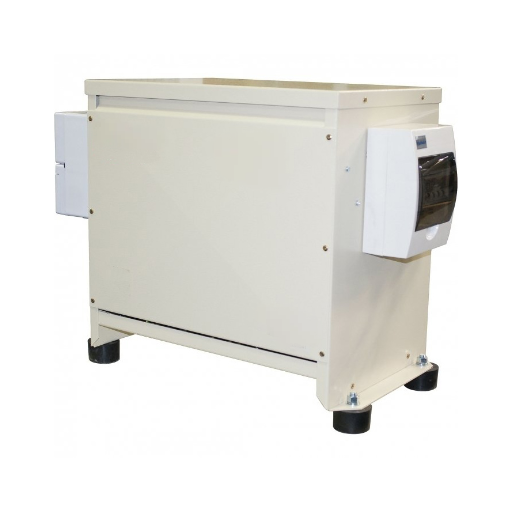
1. Rotary Phase Converters
Phase converters using a rotary system operate with the combination of an electric motor and a generator to release three-phase power from a single-phase source. They are just perfect for the applications in which the usage of electricity is high and non-fluctuating, as they supply a constant voltage output and are very efficient in the handling of variable loads. Industrial users have become fond of them for the running of heavy machinery.
2. Static Phase Converters
Phase converters of the static type use capacitors to momentarily start three-phase motors for the provision of three-phase power. On the other hand, they are indeed a bit limited in their capacity as they do not deliver the real three-phase power and are most suitable for light-duty tasks or for applications where there is no need for continuous three-phase output.
3. Digital Phase Converters
Sophisticated microprocessor technology is the key component used in digital phase converters to make these systems capable of rectifying single phase input to become ameliorated and well distributed three-phase power. Highly accurate and efficient, they are most appropriate for powering sensitive equipment as well as applications that require the same voltage and frequency control, e.g., medical devices or CNC equipment.
Rotary Phase Converters
Rotary phase converters, also known as RPCs, are the mechanical devices, which ingeniously create three-phase power out of single-phase power with the help of an idler motor that produces the required phase difference. Amongst the proper ways of mechanical transformation of electricity, these converters are extensively recognized and well known for their robustness and very industrially specific machinery friendly. This is very different from static phase converters, which are generally only being able to support one motor at a time, thus not compatible with all equipment in a typical 3-phase system.
The latest rotary phase converters have the latest technology such as precision-balanced rotors, high-efficiency bearings, and voltage regulation systems. Their design reduces power loss while in the same time keeping the maximum level of performance over all applications. Not only that but also, a majority of the new RPCs have monitoring systems with a digital interface that not only gives the current voltage, current, and power factor but also provides very reliable real-time feedback. This large amount of information improves the operational reliability and as a result, the rotary phase converters are seen as the best option for most of the industrial places where precise and reliable power solutions are the first priority.
Static Phase Converters
Static phase converters (SPCs) are electronic devices that are installed to run 3-phase motors on a single phase power supply. Unlike rotary converters that produce a full 3-phase power all the time, SPCs just provide a kick to the motor. The motor will operate on two of the phases from the moment it settles into a full-speed zone and will be completely disconnected with one of the three phases. This reduced operation is by no means good as it may result in poor performance and inefficiency as the motor is basically drawing power at 2/3 of its capacity.
The static phase converters, which are commonly used for altering the phase angle, consist of a capacitor-powered system combined with a potential relay. At the moment of startup, the setup slightly shifts the phase angle, thereby making it easier for the motor to overcome the inertia of the first motion. Although this method is found to be the best for operations where the power usage is not high or there is instability in the availability of three-phase power, the SPC is the most impractical for continuous or higher power demand as the motor can suffer from increased heat, winding strain, and varying voltage.
Recent developments of static phase converter technology have resulted in an improved capacitor design and a more robust relay system, which has effectively solved the previous problem of efficiency and reliability. However, SPCs are still the most effective solution in cases where motors are occasionally running or having minimum loads, giving an example of power tools, small pumps, or fans. Proper sizing and load requirements are what one should pay attention to, as it is very essential if you want to achieve higher performance and avoid early equipment wear and tear.
Digital Phase Converters
On the other hand, digital phase converters make use of the newest technology called a microprocessor to generate very accurate and reliable three-phase power. Digital models which are utilized in the converters have one of the main components, i.e., digital signal processors (DSPs) that keep an eye on the voltage and current imbalances and adjust them throughout the time the process is ongoing, thus ensuring the smoothness of output. This implies that they are able to cover the range from the lowest to the highest and even to the most complex machinery, being necessary for CNC machines, laser cutters, and other high-performance equipment.
A leading edge of digital phase converters are their very high efficiency and low harmonic distortion, the latter being of utmost importance in critical for the protection of the intricate electronic systems. They are made to take up and adjust to intermittent and varying load demands while at the same time not losing the stability, a requirement of which is the industry to be highly reliable. Moreover, the user of the digital equipment, today, is made friendlier through the modern features of the interfaces, the same features also prolonging the lifespan and maintaining the efficiency of the units through monitoring the operational parameters.
Understanding Single-Phase and Three-Phase Systems
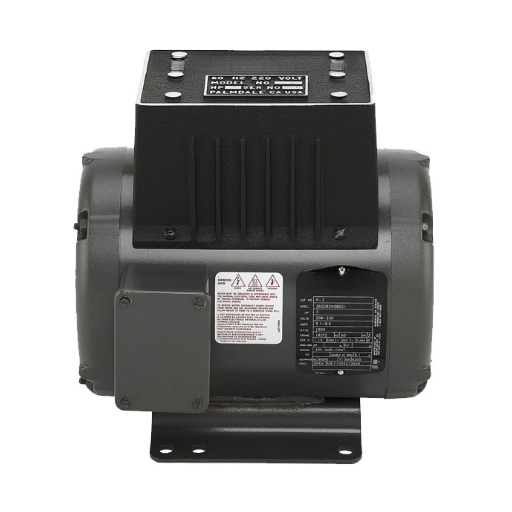
Single-phase and three-phase electrical systems are categories of power delivery that are different from each other and have different areas of application. Single phase system does have just one alternating voltage cycle and it could perfectly match with the low electricity consumption in residential and light industrial appliances. It is still providing constant electrical power supply but the efficiency is not enough for the high-duty use.
On the other hand, three phases are powered by three alternating voltage cycles which are 120 degrees apart ensuring a continuous power supply that is even more balanced. In industry or commercial buildings with high power requirements, e.g., machinery and HVAC systems, the configuration plays a crucial role in the industrial process by increasing the efficiency significantly. As a result, the decision to adopt a single-phase or three-phase system is based on the energy needs and load requirements of the particular application.
What is Single-Phase Power?
Single-phase power is a kind of power distribution that uses one voltage cycle of single alternating current (AC). Itʼs a simple system that transmits power through only two wires, one with the current (live wire) and the other acting as the neutral return path. Single-phase power is a sinusoidally operating system and is used mostly in residential and small commercial applications for its easy installation and cost-effectiveness.
Its operating voltage, commonly set to standard levels such as 120V or 240V according to the specific region, is ideal for the supply of domestic appliances, lighting, and equipment of a lesser size that do not need an intense energy flow. Nonetheless, despite being a regular case in rural areas, the phenomena of under-voltage in single-phase distribution systems cause great losses in the industrial and commercial sectors; therefore, it is generally not seen as an appropriate system for such purposes. Single-phase electric power supply is known for its low efficiency in delivering constant power for heavy conditions; hence, the industrial sector is normally the thrust for the demand of such kinds of power supplies and the environment may even impose some restrictions on the available and predicted energy usage.
What is Three-Phase Power?
Three-phase power is a very modern way of sending electrical power via the use of three separate electrical waveforms that are 120 degrees apart. With the help of these conditions, the power delivering is done in a continuous and balanced way. Besides, the above system with the Three-phase power feature is the best option for using the three-phase scheme for energy transfer over very long distances and it is the most common power distribution system for industrial, commercial, and large residential use.
A big plus about three-phase power is that it keeps most of its power at all times because, being overlapping, the phases never let the power drop to zero. That is, it enjoys the benefit of a more constant power supply, thereby, making the operations of heavy machines, motors, and other equipment, which need the consistent energy output, very smooth and stable. Moreover, the efficient handling by three-phase systems, which is apparent by the much smaller energy loss during the transmission and therefore lesser size requirements for the wiring and transformers, makes them popular as well.
In sectors such as manufacturing plants, data centers, and transportation systems, where high-energy demands are very important, three-phase power is widely used. It is so flexible and powerful that it can take up a large part of the total load and thus remains a necessity in today’s electrical power system.
Difference Between Single Phase and Three Phase
| Feature | Single-Phase Power | Three-Phase Power |
|---|---|---|
| Number of Conductors | Requires two wires | Requires three or four wires |
| Voltage Levels | Operates at lower voltage | Operates at higher voltage |
| Power Delivery | Intermittent power delivery | Continuous power delivery |
| Efficiency | Less efficient for heavy loads | Highly efficient for heavy loads |
| Cost of Installation | Lower installation cost | Higher installation cost |
| Applications | Suitable for domestic use | Suitable for industrial use |
| Load Handling | Handles light loads | Handles heavy loads |
| Complexity | Simpler design | More complex design |
| Equipment Size | Requires smaller equipment | Requires larger equipment |
| Power Loss | Higher energy loss | Lower energy loss |
Components of a Rotary Phase Converter
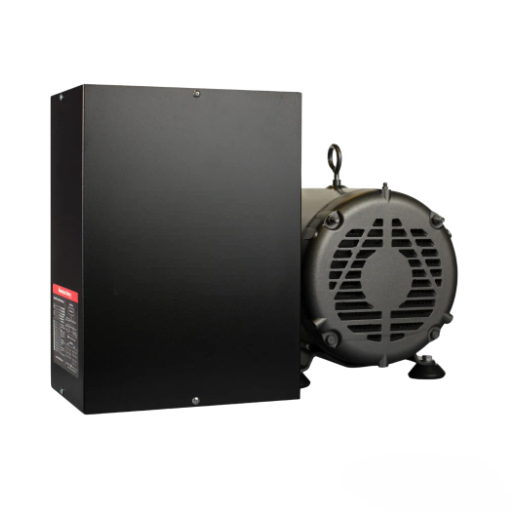
A rotary phase converter is made up of key components essential for the operation to be effective and reliable:
1. Idler Motor
The idler motor is the foundation of the phase converter. It is the one that produces the artificial third phase by tapping the stored energy from its rotating mass.
2. Start Capacitors
Start capacitors are important in making the idler motor start rotating. They work only during the period when the motor is being started.
3. Run Capacitors
While the idler motor is running, the run capacitors are present for maintaining the balance between phases thereby making the operation stable and consistent.
4. Control Panel
The control panel serves as the house for the electronics that are doing the monitoring and regulating of the system to be done. It has relays, switches, and circuit protection devices in it.
5. Input Power Source
The single-phase electrical input is where the power is coming from which enables the rotary phase converter to provide three-phase output.
All of these components in one way or the other contribute to the conversion of single-phase to three-phase power for the operation of heavy-duty industrial tools.
Motor Specifications
The motor utilized in rotary phase converters is a three-phase induction motor, specially created for hard usage and high performance in industry. The key elements of a motor are typically its horsepower (HP) rating, which can be as low as 1 HP and can go up to more than 100 HP for some applications. The most widely in use are the voltages of 208V, 230V, or 460V. The motors are made to run smoothly under different loads with the full-load efficiency rating going beyond 85% very often.
Take, for instance, the service factor, which can be seen as the motor’s performance to support short-term overloads, and the insulation class, which defines the thermal resistance. These two are among the most vital aspects that define the motor’s long-term reliability. When it comes to rotary phase converter motors, it is not uncommon to see motors with class F or H insulation thrown in to handle higher temperatures and thus they will produce a low amount of running heat. And they will also have the feature of a low minimum starting current to minimize the electrical system’s strain and at the same time to deliver large starting torque to the motor’s adaptation to the heavy industry machines.
Control Panel Functions
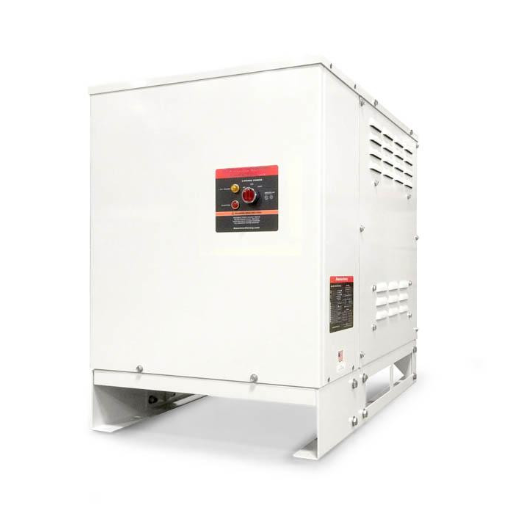
The control panel of a rotary phase converter is a vital part that helps it work with high efficiency and stability. The control panel usually consists of a set of elements that include a magnetic starter, voltage balancing capacitors, and safeties such as overload protection relays and fuse holders. The magnetic starter aids in connecting the converter smoothly with load and, therefore, starting will be smooth. Voltage balancing capacitors are what keep voltage stabilized throughout all the three phases, which is very important for machines of very high accuracy and other equipment that are sensitive.
Safety measures such as overload relays also come into play by protecting the system from very high current, and, therefore, extending the life of the system as well as reducing the probability of electric faults to happen. In this day and age, many control panels are having digital monitoring systems and therefore, the clients receive feedback on voltage, current, and system status in real-time and can thus overlook the operation more efficiently as well as plan the maintenance more wisely and carefully.
Voltage Balance Mechanisms
Voltage balance mechanisms play a significant role in ensuring the operational effectiveness and environmental value of electrical units, especially in the three-phase power distribution networks. They are responsible for the maintenance of the same voltage level on all phases and, by doing so, for the reduction of imbalances that can cause overheating, the loss of energy, and the degradation of equipment. The deployment of these mechanisms can be further enhanced by the use of state-of-the-art methods, like dynamic voltage regulation and phase load balancing.
Automatic voltage regulators (AVRs) and power quality analyzers are two systems that have been seen as big devices during the present era; these devices are hooked up to each other through a proprietary hardware interface, which in turn monitors and changes the voltage as needed in order to reduce fluctuation. For instance, AVRs are able to manually set the mximum frequency in order to meet the supply with the requested voltage, while power quality analyzers only have the responsibility to recognize the issues such as sags, swells or harmonic distortions with the voltage. The combination of these systems and technologies is becoming more and more visible, as voltage prediction AI and ML models are able to recognize and act upon even the slightest discrepancies by taking the voltage distribution plan to the next level.
Maintenance Tips for Phase Converters
1Regular Cleaning
Make sure that the machine is not full of dirt, dust, and humidity. Use a designer brush or compressed air in order to clear the vents and components for better heat dissipation and no obstruction.
2Inspect Electrical Connections
Check all electrical connections time to time, to identify the issues of wear, corrosion, or looseness. If you find any loose power contact spots tighten them and replace all the damaged components as soon as possible.
3Monitor Cooling Systems
When fans are unable to cool or heat sinks do not work, the situation may result in overheating and stamina reduction.
4Lubricate Moving Parts
In the case of rotatory phase converters, lubricating bearings and other mechanical parts as per the manufacturer’s specification is effective in preventing mechanical wear.
5Check Voltage Output
In case you want your device to perform well on a continuous basis, one needs to take readings of the voltage output quite often to know whether or not it is within the range of the device’s recommended levels. Also, a balanced voltage load is essential to the devices’ safety that are interfaced with the equipment.
6Follow Manufacturer Guidelines
To the extent that it is possible and for the maintenance and upkeep schedules for the device, go by the instructions in the maintenance and care manual from the equipment’s manufacturer. Proper replacement parts should be ordered and used all the time.
Troubleshooting Common Issues
There can be a variety of causes that might be responsible for the equipment breakdowns or inefficiencies but many of them can be resolved through a methodical troubleshooting. The given below are the problems signs and the methods to solve them:
1. Equipment Overheating
Possible reasons for the overheating of the device may be poor ventilation or the substantial amount of dust in the device. It is highly recommended to check the cooling systems – the fans or heat exchangers – and make sure they are clean and dirt-free. Even though the problem remains, still check that the equipment is being used under the certain temperature limits mentioned by the manufacturer and then check the installation of thermal management parts.
2. Fluctuating Voltage Levels
Invalid current levels could be a severe problem for all the delicate operating equipment. First, check the power supply for a steady, adequate voltage, and inspect the operation of any surge protectors or voltage stabilizers. Switch out all the power cords or connections that appear to be damaged and validate if there is the right power and grounding connection of the electrical systems.
3. Unresponsive Operation
Whenever machines stop working, then checking the problem through a step-by-step process is very important. The first thing one should do is to examine all the physical connections, to make sure the cables are tight and not damaged, then the equipment should be power cycled to clean out the internal system, at the same time, configurations settings should be checked for any alterations. The problem might be as easy to solve as having updates to firmware or software installed.
4. Unexpected Shutdowns
If shutdowns are unexpected they might be power supply problems or internal component failures. Try the plugged-in outlet as the power source and ensure that the connected accessories are the right ones. In addition to this, you might have to go through system logs and diagnostic reports in case of persistence, as only specific error codes can narrow down the search.
5. Abnormal Noise Levels or Vibrations
Any weird noises or wobbling could point out the fact that there may be either excessive wear or imbalance in the movement of the parts. Look for misfits or fractures on the inside of the devices. Oil up bearings or get the correct tension in the belts where this procedure is possible. Should the problem be persistent, get the professional confirmation to avoid the deterioration of the system over time.
Taking a methodical approach to these problems should allow the equipment operators to maintain the dependability and efficiency of their machinery and to reduce the possible downtime of their equipment at the same time. Always follow the manufacturer’s recommendations and use the right diagnostic instruments for the correct determination of the problem and its subsequent resolution.
When to Seek Professional Help
Even though the majority of equipment difficulties can be handled through regular inspection and simple remediation, there are some signs which point to the call of a specialist technician. A case in point would be the continuous abnormal noise pollution of the system, e.g., grinding or high-pitched squealing, which could be the result of severe internal damage and may become worse if not treated properly. Other red flags that can be alarming are the system that shuts down suddenly and frequently, the system that performs with less efficacy, and the signs of heating which mean that a professional evaluation is needed right now to mitigate extensive damage or repairs which are very expensive.
Additionally, nowadays equipment usually integrates complicated electronics and software systems that require specific tools and skills to be correctly diagnosed. Specialists have the necessary training and tools to read fault codes, adjust sensors, and make certain the equipment meets the standards set by the industry. The professionals also offer a multitude of other services including repair or replacement of failed components whenever such need arises. In the long run, working with skilled personnel from the early stages of an issue prevents future complexities and hence loss of systems’ efficiency, as well as eventual replacement of components.
Reference Sources
1. “Optimization Strategies for Triple-Phase-Shift Modulation in Dual-Active-Bridge Converters: A Comprehensive Review”
2. “Review and Outlook on Power Converters Exploiting Artificial Neural Networks: Recent Advances and Perspectives”
3. “A Novel Sinusoidal Extended Phase Shift Modulation With Minimal Loss for Single-Stage Onboard Chargers for Electrical Vehicles”
Frequently Asked Questions (FAQs)
How does a rotary phase converter work with a 3-phase motor?
A rotary phase converter is a machine that generates a third leg of power by rotating an idle motor that produces the missing phase. This allows a three-phase motor to operate from a single-phase source. In the rotary converter system, the idle and load act in concert so that under the majority (not all) of the conditions of the load, the phase converter is able to create the balanced three-phase power; still some variance may be there at light or heavy loads. To improve the performance of the starting and running operations, many systems have the rotary converters connected with a control panel or power factor correction devices.
How does a phase converter work for single-phase to 3-phase conversion?
Phase converters change one form of electrical power, which is single phase, into another form called the AC three-phase that is required by the three-phase motor equipment. This is done by two methods – a converter that uses rotating machinery and a converter that uses solid-state electronics. Rotary converters contain an idle motor and various parts which make it up, whereas digital converters have both rectifier and inverter the stages which give a balanced output and the ability to control the output voltages digitally for better voltage balance. VFDs and inverters are available in industry as the other alternatives to phase converters for single to three-phase power conversion.
Why would a rotary converter fail to start a 3-phase motor?
It is practically impossible for a rotary phase converter to deliver the high starting current that some three-phase motors require, particularly those with high power ratings or motors that have an extended operating period. Therefore, it is recommended to either use a start-up and running capacitor arrangement or a VFD, or maybe even a dedicated 3-phase power source to prevent the machinery from stalling or temperature rising. An increased starting capability can be obtained by selecting a converter with a larger idler, installing a transformer to change the voltage, or working with a digital converter. Also, the operator needs to check the voltage balance and the control panel settings in order to start heavy industrial equipment successfully such as a welder or a lathe.
How does voltage balance affect a 3-phase motor when using a phase converter?
The balance of the voltage is very important because this can cause higher heat, lower efficiency, and shortened life of a three-phase motor when voltages are not balanced. Converters that have power factor correction, control panels, or a digital control system can manage the balance of the voltage better and they can supply the three-phase power being balanced even under very different loads. The design of a rotary phase converter is crucial for the very production and maintenance of the third leg of power and in the case of disparities, a transformer or tuning capacitor may be added to the system.
