
In many industries, industrial frequency converters are a common and necessary component for achieving better machine efficiency and utilization of energy resources. Each one of these supports the implantation of electronic power frequency appropriate to the said operated machinery. Consequently, a malfunction typically results in not only downtime but also reduced equipment lifecycle. As is natural, selection of an ideal frequency transforming facility applicable to a particular design is always challenging. After all these parameters such as the duty, the environmental and safety aspects must be addressed. It is our ambition to help you learn more about the basics of an industrial frequency converter starting from the understanding of what they are meant for to an exigency for adopting certain specifications during equipment purchase that aligns with the objectives of your operation. Whether it is the repair of existing systems or their initial installation, the current publication was prepared to equip you with the knowledge, skills, and insight to make appropriate decisions.
What are Frequency Converters?
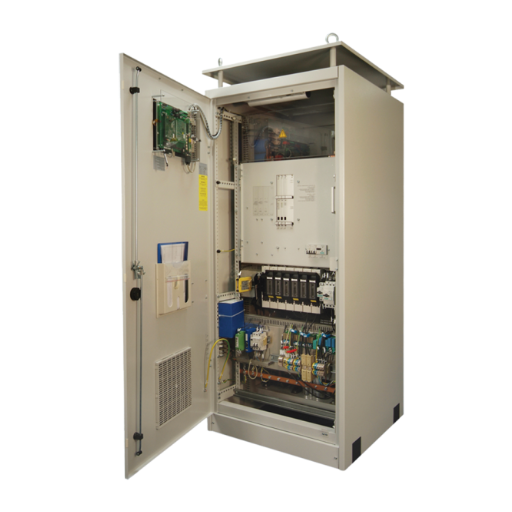
A frequency multiplying apparatus relates to an electrical power generation mechanism suited to a specific structure or equipment that takes in power at a predetermined frequency and changes the frequency to match one that the devices require to be in place. In essence, such a piece of engineering equipment aids in bridging the gaps that arise between the available power source (in Hertz), and the operating values of the equipment supplied. This is specifically applicable in cases where the equipment is used in accordance with other regional norms or specific technological procedures. Changing the frequency – which is possible when using a frequency converter or a frequency changer – is a beneficial practice that helps ensure proper operation without breakdowns and also prevents overusing energy and the source.
Types of Frequency Converters
| Type | Key Feature | Applications | Advantages | Considerations |
|---|---|---|---|---|
| AC to AC Converters | Converts AC to desired AC output | Industrial motor drives | Efficient energy transfer | Requires specific input parameters |
| AC to DC Converters | Converts AC to DC | Power supplies | Simplifies rectification process | Limited to DC-driven machinery |
| DC to AC Converters | Converts DC to AC | Renewable energy systems | Enables grid integration | May need additional filters |
| DC to DC Converters | Adjusts DC voltage levels | Battery-powered devices | Compact and highly efficient | Voltage ratio constraints |
| Programmable Converters | Adjustable frequency settings | Specialized industrial applications | Flexible for multiple tasks | Complex programming required |
| Static Converters | No moving parts | High reliability power systems | Low maintenance, robust design | May not suit dynamic systems |
| Rotary Converters | Uses mechanical rotation | Older systems, specific functions | Handles high power applications | Higher maintenance needs |
↔ Scroll horizontally on smaller screens to view full table
How Frequency Converters Work
Frequency converters work by changing an input electrical energy of a certain frequency, to other frequencies that are required in the operation of the connected device. The process begins with the rectification stage, in which the calling AC power is converted to the depth of the DC power. This cleaned power is then attracted through the gel to gellessly drive the conical impeller. Lastly, the inverter makes cleared the DC power and drives it to the sinusoidal pulse train of the very frequency and voltage that is needed. Novel frequency converters, as such, benefit greatly from intensive application of advanced semiconductor materials, especially insulated-gate bipolar transistors (IGBTs), which guarantee the additional benefits of high efficiency and comprehensive control of the power generation.
Furthermore, the state-of-the-art algorithms available for execution on programmable controllers are also responsible for ensuring that the system functions efficiently and without the lurking issues of changing loads. Equally important is the functioning cooling systems that hinder overheating, which might turn out to be ruinous or too dangerous, and how long the converters will last, along with other equipment that is utilized by the conversion systems. All the elements in question are why frequency converters are necessary for the purpose of industrial practice, such as, for example, the control of the speed of an engine, systems that are propelled by renewable energy sources, and incorporation of reams of very fine or layers, i.e., small-scale production procedures.
Innovations in Frequency Inverters
The main current trends in the sphere of development of frequency inverter technology with a focus on: Increasing efficiency, robustness and compatibility with new industrial technologies. Widespread use of these technologies marked by introduction of the latest semiconductor materials, like silicon carbide (SiC) and gallium nitride (GaN). This allows these materials to be used in the further enhancement of switching frequency and better the limit in terms of electrical losses and the power density they can withstand. Moreover, trending technology such as artificial intelligence (AI) as well as Internet of Things (IoT) functionalities have resulted in the birth of real-time conditional monitoring and predictive maintenance such as reduction of door breakdown frequency and maintenance time.
The other improvement is the modular inverter design that better suits a specific requirement for a job. This way it turns out easy to install, costly to produce and easy to repair. Manufacturers are focusing on ‘green’ refinements as well; that is, recyclability improvement and reduction in any unlawful usage of toxic substances. As businesses all over the world are making an effort to reduce their carbons footprint all the while waste management at the same time is being managed more efficiently. When put together, these enhancements are creating a new standard for the operation, function, and optimal characteristics of frequency inverters thus encouraging their use in a number of sectors.
Applications of a Frequency Converter
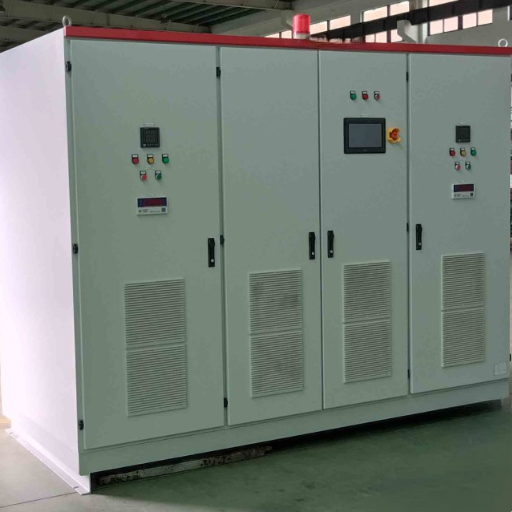
In many industries, frequency converters serve an important purpose of reducing energy loss and improving operating efficiencies. In manufacturing operations, it is common to use frequency converters for the control of the operational speed of motors mounted on manufacturing equipment such as conveyors, pumps and fans to accommodate the actual operational requirements and save energy. They are used in air conditioning (AC) and ventilation systems to provide proper service conditions without putting extra load on the equipment thus reducing operational cost.
Moreover, they are also deployed in renewable energy installations which might incorporate wind turbines, in order to even out energy variations. Electronic frequency converters are important also in marine and land transport technologies for driving propeller turbines and cut economic losses associated with vehicle operation. Their multi use makes such electronic drives useful both “inside plants” and “at mission critical facilities”.
Industrial Applications Overview
Ease of use and increased performance are just some of the benefits offered by the Variable Frequency Drives (VFDs), which are now an integral part of any industrial process. The development of VFD technology in the recent year has improved a major part of the operation such as better motor speed regulation, less power use, and highly added system integrity and safety. Specifically, VFDs are installed in factory buildings to accurately adjust the speed of the conveyor belts, minimize overproduction without risking efficiency and avoid accelerating wear of mechanical parts.
Moreover, due to such well-known advantages of VFDs in prevailing HVAC plants, it has been possible to introduce a simultaneous dynamic regulation over fan and pump speeds. Which even significantly cuts down energy consumption in comparison with traditional alternatives at about 50%. And with the help of service providers that focus on the IoT technology and services, improving energy efficiency even further is as simple as switching the switch. These show how indispensable VFDs are with respect to saving energy and with respect to enhancing industrial systems too more efficiently, and more sustainably where smartness is the case.
Frequency Converters in Manufacturing
Frequency converters, especially variable frequency drives (VFDs), have come a long way enabling them to meet today’s needs for manufacturing focus on precision and efficiency. The growth of embedded silicon carbide (SiC) and gallium nitride (GaN) along with other semiconductor materials has revolutionized the functioning of frequency converters. They improve the materials, thereby enhancing heat dissipation, quickening the gear action’s reaction rate and more than squeezing other elements inside a converter in terms of power that can be efficiently and effectively harnessed.
Another popular feature in modern frequency converters is motor control algorithms, field-oriented control (FOC), direct torque control (DTC). With these methods, the efficiency in the engine increases and even there’s no wastage. Also, since there are issues with tolerances, very precise dosing torque and speed in dealing with very precise operation processes is extremely necessary. Such facilities can be ascertained with the utilization of Predictive Maintenance Programs due to which motor propulsion systems have the on-the-spot condition assessment taking precautions of the future problems and as a result decreasing oil.
The growth in the adoption of Industry 4.0 has significantly increased the focus on communication infrastructure and systems. One area where this advancement can be pointed out is within frequency converters where there is a common feature, the ability to support industrial protocols such as Modbus, EtherCAT, and PROFINET for easy communication with other system elements. To some of these drives, uses and modifies operational modes with the help of machine learning (ML), thus increasing efficiency and reducing costs while maintaining infrastructure.
HVAC and Water Treatment Applications
Frequency converters are vital in HVAC and water treatment control systems, where exactness and conservation of energy have to be emphasized. They are applied in the modulation of fan, compressor, and pump operations in HVAC systems in order to allow the control of air, temperature and pressure flow limits to be done with maximum efficiency. Hence, the energy being used is reduced to the energy needed, this minimizes the operation costs and even improved the services offered till the mechanical components life cycle be exceeded. In the case of water treatment, it is through the frequency converters that the flow and pressure of pumps and in filtration, chemical dosing and distribution well integrated systems is optimized.
Controlled movements reduce rapid stoppage of the pumps with additional influence of advanced algorithms as such a crusade against water hammer along the low portion, it is possible that the pumping set will work without any diminishing effect and efficiency levels will be maintained. Industry statistics claim that the deployment of frequency converters in these scenarios can reduce the power consumption by 30-50%. They are thus very essential in developing environmentally friendly infrastructure in the concept of sustainable goals.
Common Benefits of Using Frequency Converters
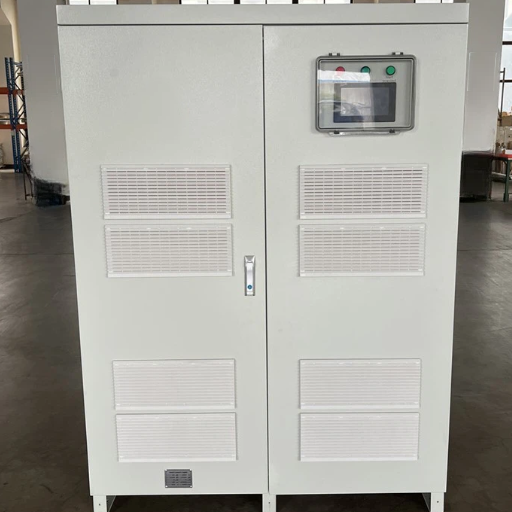
Energy Efficiency
The energy efficiency in frequency converters is because they have the capability to monitor the speed and torque of the motor in order to supply just the required amount of energy. As an illustration, in the installations of HVAC units, fans, or water systems, the incorporation of frequency converters can lead to savings of above 50% when compared to the consistent use of motors at the full-load capacity. It is more applicable due to the non-cs mode and the efficiency of the motor decreases with speed because power consumption decreases with afterd motor speeds.
Developments in semiconductor technologies & converter design have resulted in enhancing the energy efficiency of these devices. Certain modern day converters come with intelligent controllers capable of managing the power of the converter in real time, in accordance to the varying load as well as the influence of operational and environmental conditions, among others. Such features help to minimize energy wastage, in addition to preserving the useful life of the equipment by reducing wear and tear.
One measurement which is vital to power effectiveness is power factor. In order to minimize the consumption of electricity and effluent of electric portions, frequency converters help to mitigate the peak load incurred. Power purchasing processes are supported, when the need arises to buy additional capacity and volume of power. Besides, there is also the fact that it is achievable in the energy sector and prevents greenhouse gas generation as the present efficiency goes forward more than half the present level.
60%
Max Energy Savings
Recent studies point to the possibility of saving up to 60% of energy using a frequency converter, specifically in systems with variable operational loads. Such equipment does not only make the processes to be more efficient but they also help to cut down on the expenses of carrying out those processes as well as taking care of the environment.
Improved Process Control
The inclusion of frequency converters in the electrical system in the factory allows the objective setting of the speed and torque of the motor which is necessary in industrial processes for quality performance. These units make it possible to change the operational set point of the machine load without changing the motor speed, which minimizes the wear and tear on the machine and increases its operational time. Additionally, the electronic devices have plenty of inbuilt programs that help monitor and operate the converter in order to support its stability and adapt in the changing production conditions.
Equally significant is the availability of selectivity in control. The frequency converters of today have changed dramatically, of course, as was said before, they used to be only a change of parameters; however, now they are capable of more than just that. The equipment can be adjusted in various ways, allowing you to work at optimal speeds and achieve optimal efficiency. This kind of adjustment is extremely important in industries where processes can differ considerably according to demand. For instance, pumps or fans are used to prevent ill effects, considering cavitation and overpressure, by maintaining an accurate control of flow rates.
The results of recent studies point to the possibility of saving up to 60% of energy using a frequency converter, in some instances, specifically in those systems with variable operational loads. Such equipments do not only make the processes to be more efficient but they also help to cut down on the expenses of carrying out those processes as well as taking care of the environment, hence making it a necessity in the current industrial revolution.
Enhanced Motor Performance
Frequency converters are a valuable addition within the engine that allows for the easy control and adjustment of the upward motor’s RPM and torque. It is essentially an input of the overall machine and helps it to operate efficiently, thereby prolonging the lifespan of its elements until it needs maintenance or servicing. Frequency converters also enable motors to run effectively under different conditions which is very important when talking about motor speed control in cases of variable loads. An example being when the motor is made to rotate demanded by the speed minute estimated to save the energy reached is appreciable while the temperature or stress within the motor drops to normal levels so as to stabilize operations. Some of the up-to-date converters are designed to incorporate features such as preventive maintenance signals and monitoring of the systems in real time. These enhanced characteristics have made such systems the necessity for industries aiming at both performance outputs and energy savings.
Choosing the Right Frequency Converter
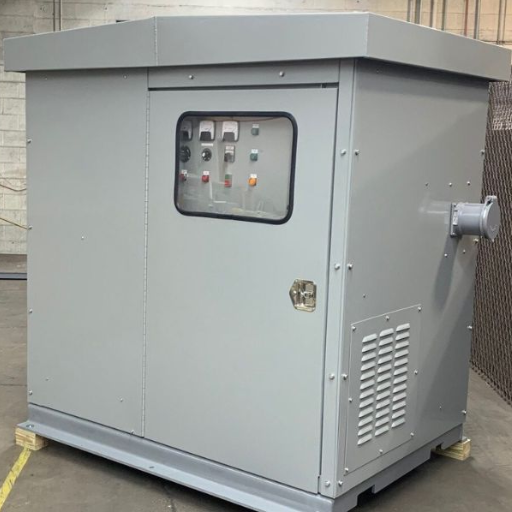
When seeking a frequency converter, it is imperative that the following key points are taken into consideration:
-
1. Power Requirements
It is necessary to ensure that the voltage and current of the input performance are within the limit of the design of the frequency converter. Check the electric motor for its compatibility to keep inefficiencies and operational issues in check.
-
2. Application Type
Go for the type of a converter that is manufactured for a given purpose be it the use in constant speed drives, variable load systems or any other specific applications. Have the frequency converter ratings match the system’s required specifications.
-
3. Energy Efficiency
Go for the ones with high energy efficiency ratings so as not to spend so much on electricity bills and because these will not affect the environment too much. Appraise feature content involving such devices as energy recovery or advanced control techniques.
-
4. Control Features
Appraise available control options, like alteration of speed, checking availability of control elements and integrating the current system control capabilities. Make sure the converter corresponds to the necessary accuracy.
-
5. Reliability and Maintenance
It would be beneficial to acquire maintenance programs especially those emphasis on high – preventive maintenance when any warning or failure has not occurred. Seller provided guarantees may exist including additional services available like extended warranties.
-
6. Environmental Conditions
Make sure that the inverter is compatible with the establishment an ideal setting for working – factoring in temperature, humidity as well as dust and exposure to other chemical substances. For extremely tough settings, the equipment used might need to be housed.
In focusing on these factors, a frequency converter that is best-suited for meeting your operating requirements within acceptable limits of performance and dependability, is arrived at.
Voltage and Motor Speed Requirements
To optimize the performance of industrial systems using frequency converters, it is essential to set the correct voltage and the speed requirements of the motor. Naturally, the voltage is usually determined depending on the motor and the infrastructure of the power supply system. In most cases, industrial motors are designed to work at certain standard voltage levels – for some regions or applications, it can be 230V, 400V or 480V. It should always be ensured that the motor’s rated voltage and that of the converter are compatible to avoid situations like overloading or operational inefficiency.
On the other hand, the speed at which a machine operates is called motor speed. Such functions can be enabled by using frequency inverters for motor speed control, which adjust the input frequency. For example, a 3-phase induction motor operating at 50 Hz may have a synchronous speed of 1500 RPM which can be changed to accommodate different process requirements by use of a frequency inverter. Moreover, optimization of efficiency necessitates that motor – load alignment be as accurate as practically possible since excessive speed is wear and energy-consuming.
In practice, further shifts of these zones to the right may be permitted. Proper and speed settings improve performance and capability of the motor and the mechanics alongside increasing the energy efficiency. Advanced power converters in the present age may have incorporated real time control for many additional purposes which further augments their accuracy and reliability of use.
Torque and Load Characteristics
When it comes to maneuvering in variable load environments, assessing the performance of an electric motor demands both understanding of torque and load characteristics. Understanding torque as the force of rotation exerted by an electric motor, it should be noted that it varies with the load on the system. Motors are usually put into three regions of operating torques: starting torque, running torque and peak torque. Starting torque is what is used to start the motion from zero velocity, while running torque is the torque required during motion and under normal operating loads. Peak torque is the maximum torque that a motor can deliver without getting distorted or failing.
The relationship between torque and load defines the motor’s functionality and capacity to give out varying outputs. For example, in the case of machinery such as cranes and hoists, the situation expects the necessity that the equipment lifts high loads without any movement, then the adequate starting torque is crucial, whereas, where the case of conveyors, the focus will be on constant running torque, for that the system would carry no load as designed earlier on.
In the field of motor control, innovative technologies, such as the integration of dynamic torque control systems, have also emerged where real time operations can be done due to changing work conditions. These include tactics that make it possible to balance output changes and minimize energy waste, such as increasing the output of motor centers. This can be further explained as aligning work conditions for motor to the most often used operating condition contributing to increase in the durability of the process.
How to Select a Frequency Converter
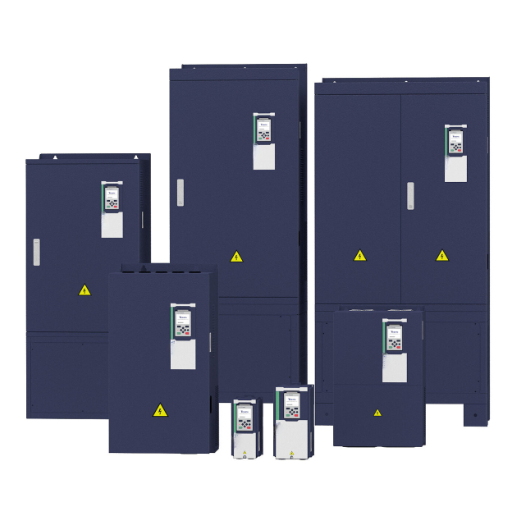
Various parameters must be carefully taken into account for selecting a frequency controller. These considerations should be made in order to achieve a reasonable and optimized performance.
- 01
Motor Specifications: Check the motor’s voltage, power and speed specifications and know that the frequency converter’s specifications are compatible with them.
- 02
Load Type: It is necessary to identify the kind of load that will be used in the system (constant torque and variable torque, etc.) before selecting a drive with all the necessary controls.
- 03
Input Power: Whether the available input power is in the form of single-phase or three phase, it is important to make sure the frequency converter can handle it.
- 04
Environmental Conditions: One has to determine the environmental conditions like temperature, humidity, vibration, dust, and also consider the most protected converter in terms of corresponding protection rate (e.g., IP ratings).
- 05
Control Features: Safety aspects and efficiency are obviously important more so for the protection of motors and equipment and also energy saving. The convention has been to operate all motors at full speed, all the time.
- 06
Compliance and Standards: The frequency converter controller must comply with the strict safety and performance standards requirements that are necessary for its use under the relevant codes and certifications.
To achieve this, one should consider the frequency of the best overhaul that will serve the specifications for which the frequency converter will be used.
Step-by-Step Selection Process
Define Application Requirements
You need to start by determining the exact requirements of the application, such as the type of the motor, the necessary output parameters and the conditions it is going to work in. Furthermore, it is expedient to evaluate the effect of the applied load on the speed range and on the required torque profile to define the required performance parameters.
Calculate Power Ratings
Any system has power ratings and voltage classes. It is important to determine that the frequency converter and the motor and supply voltages correspond and it must be installed considering the fact that there is a maximum load in order to avoid oversizing or undersizing.
Assess Environmental Conditions
Determine the operation of the products environment in terms of factors such as dust and damp in the contributing equipment due to climatic temperature and moisture variations. Enclosure and cooling ratings of the frequency converter help in choosing the most suitable device to use and work perfectly with connections in these conditions.
Evaluate Performance Features
Take into account add-on points like vector manipulation, recuperative effect, or the presence of an integrated harmonic filter. This should be done if the motor task is very specific, commercial billing management is energy-friendly or required with what is expected in any culture in the customer’s vicinity.
Analyze Compatibility
Validate that the given frequency converter is agreed with other parts of the system, including communication protocols (for example, Modbus or Ethernet) to provide technology that is both integrated and compatible.
Review Safety and Standards
Check also the fact if it complies with the standards of safety that are specific for the frequency converter wherever they are UL, CE, or IEC and do not forget to search for fault protection or thermal overload release enhancing security and performance.
Consider Scalability and Future Needs
Buy a frequency converter that has potential to meet in case there are some plans for expansion or upgrade. This should also involve the examination of whether the systems are available in a modular form or with upgradeable firmware.
Optimize Energy Efficiency
If energy utilization is a major concern, then consider those components that are installed in converters and are equipped with energy efficiency algorithms, like VSD applications, and monitor the system efficiency, such as the IE rating.
Expert Insight
Expert Recommendations
Pulling from various sources, we can establish that it is significant to choose equipment that is consistent with the most advanced needs hence finding a common way on how performance and safety should be amplified. It is possible to install predictive maintenance in frequency converters, for example, those that promote the health and safety of personnel, and use the services of AI, offering their abilities to control the sensor technology and different sensors to monitor the equipment operations and function at any moment in time via wireless communication leasing. Moreover, in such systems surveillance the systems tend to adjust themselves for every condition so that optimum performance can be achieved given operational loads of interest.
A key factor to consider while selecting the type of converters to use is the robust communication protocols employed during the system’s installation such as Ethernet/IP or Modbus. This should be aimed at making sure the different systems cooperate, making the overall system work better. Lastly, product choice should give preference to suppliers who have experience in application of international criteria norms such as IEC 61800 which deals with such aspects as safety, interoperability and reliability within the system.
Frequently Asked Questions
Reference Sources
- [1]
“A review of high frequency power converters and related technologies”
- [2]
“The analysis of the practice of using of high-voltage frequency converters ACS5000”
