
It is impossible to exaggerate the importance of high voltage converters in all sectors, whether in running electric cars or in the factory. When it comes to dissipating heat from such systems, the conversation is dominated by either liquid cooling or air cooling. Both ways are very useful yet come with certain limitations that have to do with efficiency, dependability and, more importantly, the running costs in the long run. But how does one select the most effective one and where should they start? This post shall supply the reader with an in-depth comparison of the liquid-cooled and air-cooled high voltage converters, focusing on their operational parameters, the most important considerations and use cases. You are expected to be able to weigh all such factors, and in sum, be in a position to recommend the best suitable cooling for the specified needs.
Introduction to Cooling Methods for High Voltage Converters
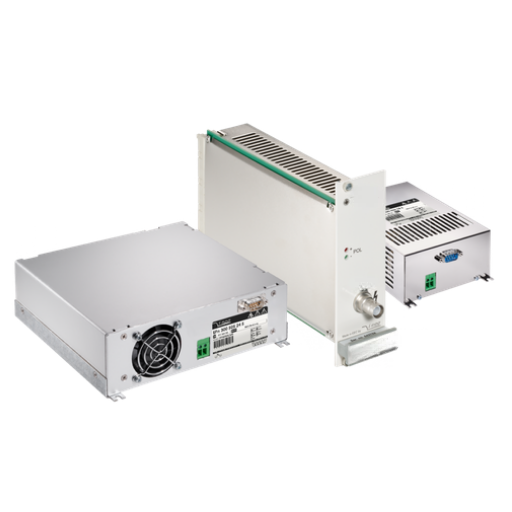
Except when subjected to temperature conditions which are of most extreme nature, high equivalency voltage transformers are designed in a way that they are able to operate at their maximum performance without overheating. In order to achieve this, there are two main techniques that are recognized. The first one is liquid cooling, but the other one is air cooling. Liquid cooling entails the running of special fluids like water or other coolants throughout the transformer to absorb and dissipate heat efficiently, making it ideal for more powerful systems. The other technique however involves fans, or even the natural methods, to get rid of heat, which is applicable even in circumstances of lower power and is less than the above one in terms of expense. The last choice has to be based on the power capacity of the transformer, the setting and the finances.
Importance of Cooling in High Voltage Converters
Emphasizing the importance of such components for the contemporary energy supply systems, it should be acknowledged that today efficiency and reliability of such devices simply cannot be achieved without proper thermal management. The main sources of heat, which can be found in these systems, are considered such processes as the switch-on and conduction losses. In the opposite event these heat loads can be a source of concern because it can also mean damage to the equipment or reduction in its useful service life.
Every year, there is an increasing need to develop compact and energy-efficient electronic devices that is why energy dissipation in these devices even with higher densities has become a very important concern. This elevation in thermal density is also compounded by the use of the wide bandgap devices like SiC and GaN, which in addition to offering better performance and easier switching do have a downside of generating much more heat with each consequent increase in ratings. To manage such problems in high-end applications, new cooling technologies such as liquid cooled cold plates and vapor chamber technology are exploited.
Overview of Liquid and Air Cooling Systems
To prevent a high-resolution converter from overheating, many cooling systems have been applied. The decision mainly relies on the power, efficiency of the cooling and the place of operation among others: liquid cooling or air cooling. The construction of a liquid cooling system involves the use of a moveable coolant that is usually water or a flowable water-glycol mixture, in the process of removing heat from high-power intensive areas. The good thermal conductivity of liquid promotes rapid heat removal and therefore it is suited to small-scale designs and areas where there is high heat generation like electric vehicles’ inverters and commercial motor controllers.
Conversely, air-based cooling technologies fall back on the principles of natural convection and provide heat sinks. Air cooling is less costly and a bit more simple than water systems, but the cooling air gives relatively less cooling capacity; therefore, air systems do not allow power consumptions of high density. Their employment efficiency mainly depends on situations that are not high power dissipation and straightforward systems like consumer electronics or small power converters.
Purpose of the Comparison
The need for comparison of liquid and air systems arises as the duty of efficient thermal management of high-voltage converters is placed on present day systems. These systems are key in power electronics and performance depends on how efficiently they can hold performance — a role in which liquid cooling excels due to its resistance properties. Liquid Cooling Systems handle heat better than air in multiple instances where heat is very high, such as high power densities — effects that air cooling alone cannot adequately alleviate. Due to their high heat-passable nature, industrial power supplies or data cabinets are made for liquid cooling systems incorporation, as tighter and tougher conditions result in heat build up.
In contrast, while not as efficient thermally, air cooling solutions have an advantage when it comes to their more straightforward nature, less demand in terms of maintenance, and the lower price. This makes the comparison of these systems within some areas of their application highly warranted due to issues associated with ease of installation, expenditure during operation, working conditions, and development of each system. Comparing the resources spent with both cooling systems hence enables making targeted decisions that indicate the uses that suit every cooling system best.
Understanding Liquid Cooling
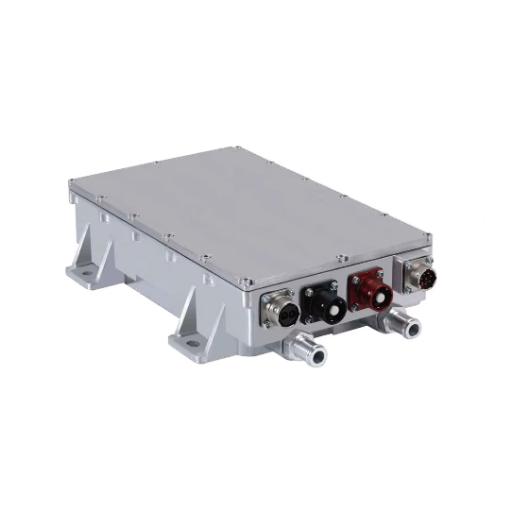
High voltage converters that are based on the use of liquid cooling as a means of thermal management involve the use of a fluid medium — primarily water or a mixture of water and glycol — to remove the heat generated from the device while operating. This approach compared to air cooling is more effective given the fact that certain liquids have a more superior capacity to conduct heat and transfer it than air. Consequently, liquid cooling systems come with methods to remove heat through heat exchangers, pumps and a circulation through the system so that the operating conditions are always maintained.
How Liquid Cooling Works
To provide cooling to high voltage converters, the liquid medium is pumped to every heat exchanger that is positioned in those areas that need cooling. The heat exchangers also house essential power semiconductor devices and transformer cores, most of which are subject to increased temperatures, due to high current density operation and switching frequencies in converters. In these cases, the cooling effect is achieved by the coolant, which takes in the heat through conduction, lowers the temperature of the distressed section and subsequently, eliminates the chances of thermal failure.
Progress is dependent on intelligent design to refine flow dynamics, lower thermal resistance and control thermal distribution that is even within the whole system. More up-to-date notions however, use Computational Fluid Dynamics (CFD) models to predict cooling effectiveness as well as coolant flow paths thus permitting the consideration of factors such as the pump head, flow rate, and thermal conductivity. Heat exchanging materials are provided with effective insulating materials such as aluminum or copper thereby guaranteeing heat is transferred effectively from the condenser to the refrigerant.
Advantages of Liquid Cooling for High Voltage Converters
-
-
1
Enhanced Thermal Efficiency
Liquid cooling has acceptable thermal conductivity as compared to air cooling. For example, optimized water based coolants typically have thermal conductivities that are approximately 25 times higher than air, which helps in the cooling of parts especially in tightly packed parts.
-
-
-
2
Compact System Design
One very effective way of decreasing heat dissipation from power electronics with high power densities is by utilizing liquid cooling, it therefore allows to reduce, in particular, sizes of heat sinks and protective casings. Such a limited structure creates an opportunity to build smaller high voltage bridges. This is especially the case for high power converters used in electric vehicles and industrial plant.
-
-
-
3
Improved Performance and Reliability
Absence of overheating ensures the current components work within the necessary specifications and minimizes the thermal stress. This results in enhanced performance and longevity of power electronics devices when it comes to heavy construction units.
-
-
-
4
Quieter Operation
Compared to air cooling systems that generally need fans working at high levels, liquid cooling as a cooling approach does not make any noise. This is very useful in instances where auditory agitation is not an option, such as in healthcare and data center settings.
-
-
-
5
Scalability for High Power Applications
Scaling liquid cooling systems to cater for more extensive power capacities without the need to redesign the bulk of the system is very achievable. This key function is why they are particularly best employed in cleaner energy applications such as renewable energy inverters or other grid equipment when high heat dissipation is required.
-
-
6
Environmental and Energy Efficiency
Some advanced liquid cooling systems may employ environmentally friendly coolants that are easily rechargeable, hence conserving the surroundings. Liquid cooling usually uses less energy to cool off the load as compared to air cooling which reduces future energy costs significantly.
Exploring Air Cooling
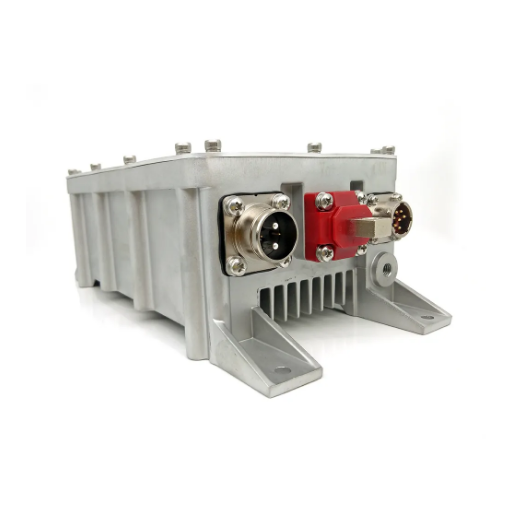
By utilizing a construct consisting of varied heat sinking configurations and the work of forced air, air cooling considers self-restraint of the thermal output. The technique is going to be relatively in demand for cost and simplicity as opposed to the complexity of liquid cooling systems. High velocity fans and efficient heat sink construction strategies are helpful in cooling operation by including more surface area in the path of the cooling air rays. Air convection as the mean of cooling power modules is satisfactory for medium to low power levels. Nevertheless, this is not effective for systems with high operational temperatures or with dense packaging where there is compromised air circulation. Superior ergonomic solutions such as providing a direction for unobstructed active ventilation and timely maintenance will ensure their long-lasting efficiency.
How Air Cooling Works
Air cooling systems inserted in high voltage converters work according to the principle of air motion through the heat-producing elements so as to disperse the thermal energy as much as possible. This process is based on convection heat transfer in which the air, including the coolers, resistors and a transformer, takes out heat from semiconductors, capacitors and other components. One of the primary factors that determine the effectiveness of the cooling air is the design of the system in terms of where heat sinks will be placed, how airflow will be arranged and the heat conductivity of the materials.
New cooling technologies has brought some significant changes to the air and high voltage technology itself. Take for instance, the high-rise geared or impeller structures that we now have that can guarantee better cooling quality at lower power capacity consumption. Moreover, advanced materials especially enhanced thermal conductivity materials, such as aluminum fins with efficient geometry helps in the exit of heat out of the system, which is essential for system stability in particular at high loads. Computational fluid dynamics analysis has however enhanced regard for design and optimized fluid distribution within enclosures to eliminate hot zones and turbulence.
There are, indeed, improvements. Nevertheless, conventional air cooling systems comprising of very high fan power densities have shortcomings especially when applied to constrained spaces. Therefore, the use of preventative maintenance solutions equipped with a variety of sensors to detect the fluctuation of temperatures and regularity of air flow is becoming common these days. Thus, it aims at prompt fixing of the problem giving more life span to the high voltage converters and also achieving higher efficiency at different environmental and loading conditions.
Advantages of Air Cooling
-
-
1
Cost-Effectiveness
Air cooling is frequently a preference compared to liquid coolers for several reasons. In the beginning, there are lower initial costs, as the systems are less intricate and have no subsystems such as pumps and piping and heat exchangers. Also, maintenance of coolers is much more economic on air cooling systems than liquid systems since there is no need whatsoever to check for leakages or refill the liquid periodically.
-
-
-
2
Ease of Maintenance
Unlike the liquid cooling systems, it’s so much easier to maintain these systems. Fans and heat sinks are easy to remove and install, while not being susceptible to break or easily bend. Thanks to better state-of-the-art sensors and monitoring in place, finding fault concerning fan efficiency or temperature increase becomes automatic without substantial man-hours involved.
-
-
-
3
Scalability and Flexibility
The air cooling is also very convenient for various configurations of high voltage converters in various sizes. If a class of systems requires more or less air coolers with regulators to prevent overheating, the fans or additional heat exchange areas can be added or regulated. This allows for modular and industrial applications ranging from small scale converters to heavy duty powerhouses thus come in an air-cooled variant.
-
-
-
4
Improved Reliability in Clean Environments
It is efficient to employ air coolers because the controlled temperature environment with no or minimum particulate presence does not stress the equipment. It can be confirmed by studies that air-coolers do not lose more than 5% of their efficiency over long periods of operation in clean rooms.
-
-
-
5
Environmental Friendliness
The use of air-cooler means the inclusion of hazardous fluids in the equipment is unlikely, which decreases environmental hazards. Such a customization will also spare the system of vessels disposing the used water and make it even more socially acceptable with the use of modern blading and fan construction.
-
-
6
Reduced System Downtime
The addition of temperature sensors within air heat exchangers provided real-time monitoring capabilities. Whenever any fluctuations in temperature or changes in air pressure occurred, the incorporated sensors will give immediate feedback in order to rectify the anomaly.
Differences Between Liquid Cooled and Air Cooled
- 1
Cooling Efficiency — It is obvious that liquid cooling is more advantageous in managing heat in high-performance systems due to a much higher value of thermal conductivity. This is in contrast with air cooling, which is more effective with lower levels of demand for cooling functions.
- 2
System Complexity — Liquid cooling is more difficult to deal with as it involves pumps, capacitors and pressure devices for the coolant. Air-cooling is much simpler because it has few components and the process of constructing and maintaining air cooling is fast and easy.
- 3
Size and Weight — Liquid cooling is a compact system but it may require additional weight to be upgraded as it involves some need for compression and additional fittings. Even though the liquid cooling is heavier, it is not aggressive in need of advanced heat sinks and fans.
- 4
Cost — Air cooling is generally less costly when it comes to installation and maintenance. When facilities opt to use liquid coolants, there are higher costs involved since additional equipment is used and maintenance required at all times.
- 5
Application Suitability — Apart from these, when seeking efficient heat management that is frequent and important for demanding items, liquid cooling is the best option. It serves its purpose in high power transmission systems. Air cooling comes into play where less demanding systems dominate according to performance and costs.
Compare Liquid Cooled with Air Cooled
| Parameter | 💧 Liquid Cooling | 💨 Air Cooling |
|---|---|---|
| Thermal Efficiency | Superior heat dissipation | Limited heat dissipation |
| Cost | High initial and operational cost | Lower initial and ongoing cost |
| System Complexity | Complex design and integration required | Simple design and easy integration |
| Maintenance | Requires regular fluid checks and replacements | Minimal maintenance needed |
| Suitability for High Loads | Ideal for consistent, high-load applications | Less effective under demanding conditions |
| Noise Levels | Operates silently | Can produce noticeable operational noise |
| Scalability | Supports higher power densities | Limited scalability to higher loads |
| Longevity | Durable under controlled maintenance | Lifespan depends on fan quality |
| Installation Requirements | Needs additional plumbing and fittings | Simple setup without extra components |
| Environmental Impact | Proper disposal of coolants required | Minimal environmental risks |
Cost Analysis
When assessing the difference in costs between systems that are air-cooled or liquid-cooled, you should not forget about the cumulated expenses. When it comes to liquid cooling systems, it can be noticed that there is quite often a huge buying price because of the robust and bulky nature of its elements which include the pumps, radiators, channels, and coolant. Moreover, in most instances the adoption of liquid cooling systems requires professional assistance, as a result there is some addition on the upfront cost.
On the other hand, at high levels of loads, there is a possibility of saving energy, which may compensate for the costs of liquid cooling systems. Air-cooled configurations is another story with cheaper price found on mostly only for the initial stages of the project because of simple constructions and few components usage. That would save time and personnel costs that would have been spent on the process of installation and maintenance. On the downside, the closer the system doors on the heat loads, the more energy it may consume over a long period of time. With such high heat output locations, however, the costs of heating and cooling may also tend to increase.
Maintenance Requirements
The differentiation of the maintenance needs between liquid cooled and air cooled device is quite significant, with the former having more delicate demands. The liquid cooled equipment require periodic attention to avoid leakage and frequent changes of the coolant in order to save it from becoming toxic or causing efficiency loses. Additionally, other components like pumps, reservoirs, and hoses require inspection to make sure that they are functional without a hitch as any of these parts failing can lead to downtime until these parts are repaired.
On the other hand, air cooled systems involve few steps of maintenance because the construction is simple. Majority of the work is in servicing air filters and provision for airflow and to some extent checking for accumulation of dirt on the dust or air blower fans. In such cases the usual maintenance issues are likely to take more of the time of the maintenance team than expected owing to the high temperatures as well as additional dust volumes that block the heat sinks and consequently reduce the rate of heat removal.
On the whole, liquid cooled systems are more complex to manage but they have a higher degree of heat absorption hence can be used in situations where there is a lot of heat dissipated. Air-cooled systems, on the other hand, are less complex but may not work as efficiently as the liquid-cooled ones in circumstances of high performance demand. As such, all things are considered, it is necessary to match the system selection to the performance standards.
Conclusion and Recommendations for Cooling Method
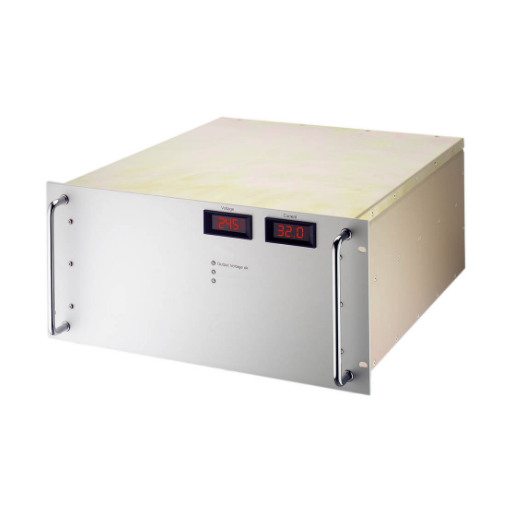
Deciding between a water-cooled and air-cooled system for HVDC converters is dependent on the operating requirements, surrounding conditions, as well as the maintenance procedures available. In cases where significantly better cooling is required, such as those of high concentrated loads or high total capacities, it is recommended to use the fluid cooling systems as its efficiency is in the heat transfer. However, this solution does come with a high inherent risk and very demanding maintenance.
The latter is often less costly and also more manageable in quality than the liquid-cooled systems which makes it the best choice for situations involving some changes in heat. Air-cooled components are typically used where power is not a priority and hardware and the operating costs are of the utmost importance.
In conclusion, the suggestions are aimed at the analysis of the arrangement of the cooling structures, taking into account such factors as energy regulation, the cost and the level of the maintenance.
Recommendations for Choosing a Cooling Method
Often, decision-making on the most appropriate cooling methods of high-voltage converters should involve careful analysis of several key parameters that ensure twin aspects of reliability and performance. The very first ones to assess are the power density and the heat generated by the converter. It is evident that systems with higher power density require the more sophisticated cooling solution that is, the liquid type cooling system due to its much greater heat transfer capacity to a given extent. For medium power densities, however, air convection or a forced air system can be controlled to a level of simplicity.
It is also important to consider the operational ambient conditions to which the converter will be exposed to. For example, if the converters are operating in very hot or cold surroundings or in very dusty areas or areas with a lot of impurities, they may require sealing together with a liquid coolant. This is for the purpose of avoiding external aggressions. Moreover, in some applications, such as, but not limited to, the data centers, noise is more of a concern and in such applications, in place of system fan which may generate acoustical noise, thermally capable passive heat sinks with no moving part may be preferred.
It is important to estimate the maintenance and lifecycle costs when a choice of a thermal design is made. It is known that liquid cooling system has high efficiency, however, it is noticeable that its costs are high too, considering the relatively low-cost requirement for air-cooled designs. If system stands idle for a quite long time, this may lead to a scenario where expenses and complications are encountered when a certain part needs to be changed. New approaches to cooling systems which utilize both air and liquid for heat removal provide a medium in which effectiveness and economy are both reached.
Additionally, the current technology allows the integration of detailed evaluation of cooling requirements into the design parameters thanks to tools, such as simulation and thermal modelling software. This means that engineers can make predictions on heat dissipation, air flow characteristics and thus the selection of the best cooling system. The harmonization of these ideas, as well as coupling them with innovative practices, can therefore help realize the optimal constraints ensuring a compromise between high voltage converter cooling system effectiveness, robustness and expenditure.
Future Trends in Cooling Technologies
There are rapidly advancing technologies in the field of cooling that are used with high voltage switching converters due to these requirements being prominent with each increasing power density. One such important trend is the integration of advanced materials such as liquid phase changing materials and nano-engineered heat pipes, which have higher conductivity and a better cooling capability compared to the traditional materials of aluminum or copper components. In addition, two-phase cooling systems are gaining significant development progress whereby liquid coolants are compressed and evaporated at heat-intensive components, which can greatly enhance the efficiency of heat removal for compact systems.
Yet another valuable transformation involves the utilization of artificial intelligence in the field of thermal management. The utilization of AI-powered management allows continuous supervision of the development of the system, forecasting when the system is expecting peak heat, and directly cooling when necessary while diminishing the power usage. Such preventative models not only improve the system durability but also reduce the additional space requirement for the cooling system and aid the system’s efficiency limits.
Conversely, these trends are also being challenged by the adoption of green cooling technologies. It is all the more impressive since a few research experts are looking at modifying these cooling systems by using eco-friendly and low-global-warming-potential (GWP) enhancements because the contemporary world is very fussy about the composition of the refrigerants. All of these improvements encompass a newer and much applied cooling technology in the conversion of high voltage, more modernly designed and package efficient systems that are also environmentally sensitive.
Reference Sources
- 📄
- 📄
