
Variable Frequency Drives (VFDs) of high voltage are very crucial for today’s factory automation systems as they afford control on the motor speed and consequently power consumption for high power applications. To all intents and purposes, the extent of maintenance that is provided for these modern units predominantly affects their reliability and efficiency. If maintenance is not conducted in a suitable fashion, then failures of components, shutdown time, and in the worst-case scenario, the purchase of complete equipment will stretch the budget out of control and disrupt the entire manufacturing process. The goal of this review is to identify those techniques that are beyond the rest in the task of enhancing the behavior and quality of services in high-voltage VFDs. We will try to address this aspect from an overview type, that is, inspection protocols to these systems and deal with aspects that are known to compromise the application of these units over time.
Understanding of VFDs
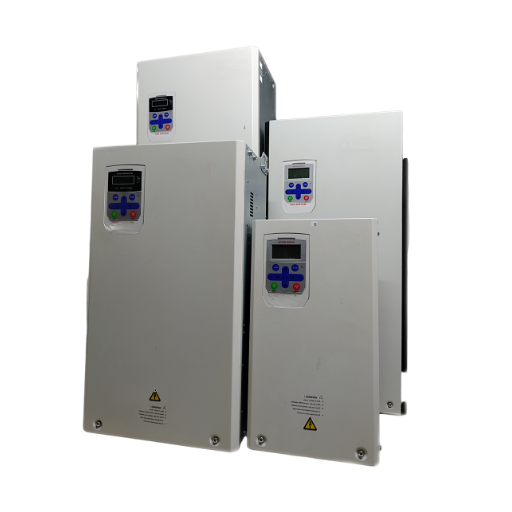
Often utilized in various businesses, Variable Frequency Drives (VFDs) are engineering pieces of equipment that modulate the speed and the torque of an electric motor, typically by modifying the frequency and voltage that powers it. These instruments are critical for multiple industries due to their capacity to regulate the level of energy consumed, diminish the damage of machinery, and permit efficient interaction of various processes. In a VFD, it is necessary to convert fixed AC power purposefully to a variable frequency, so that the motor can be operated according to the requirements of the specific loads. The integration of these technologies can bring about significant reductions in energy costs and enhance the operation of any system, thus, explaining why they are very necessary in such as motors for example, pumps, fans, escalators, and compressors.
What is a Variable Frequency Drive?
A variable Speed Drive, normally called VFD, or frequency inverter, is a complicated electronic component that operates the power and torque of a motor by controlling the motor’s input electric current and frequency. These days, traditional Variable Frequency Drives (VFDs) are mainly using very advanced semiconductor technology to change the Alternating Current (AC) that comes into the electric supply into direct current (DC) in a rectifier and then back into AC of the desired frequency in an inverter.
This method ensures decent control of the electric motors and enables users to change the speed of the motor whenever they wish to in order to lower the energy consumption. The use of VFD, on the other hand, provides for a soft start and can also be used as a soft stop which helps to minimize the inrush current and reduce the mechanical stresses on the motor components. This helps the motor components to age more gracefully, increase the lifespan of the motor and reduce maintenance of the mighty expensive motor. They find wide use in industrial process control, especially in the areas of industrial automation, heating, ventilation, and air conditioning (HVAC) systems and renewable energy as well as in energy-critical applications and vice versa.
Importance of VFDs in Industrial Applications
VFDs, also known as Variable Frequency Drives, are highly essential components for modern industries which help in controlling the speed and torque of the motor to the level required, and also extend significant energy savings within various applications. Several sectors like manufacturing, oil and gas and water treatment use VFDs to improve operations by changing the load demands or processing requirements and eventually improving productivity. As an illustration, in the water treatment industry, variable frequency drives or VFDs can be used for controlling the speed of the pumps to match the changes in the flow of water, and in this way avoiding too much energy usage and also avoiding pressure strokes in the system.
To substantiate the above point, expert systems have been put in place that those used in this framework achieve an effective motor diagnostics maintenance that stops any machine malfunctions from occurring. The emphasis on energy-saving through the use of VFDs resonates with worldwide sustainable development principles and it has been found that appreciable cost reductions can be realized after a while, where in some industrial configurations it resulted in energy savings of more than 30% after application of VFDs. These gadgets are indispensable when it comes to improving efficiency, shortening lifecycle of the systems as well as satisfying the very high technological level of today’s industries.
Types of VFDs
| Type of VFD | Key Features | Common Applications | Advantages |
|---|---|---|---|
| Voltage Source Inverter (VSI) | Converts DC to AC using power semiconductors | HVAC systems, pumps, and conveyors | High efficiency, widely used |
| Current Source Inverter (CSI) | Uses large inductors to supply a constant current | High-power industrial motors | Simple design, robust for large motors |
| Pulse Width Modulation (PWM) | Outputs precisely controlled AC power | Variable load systems, fans, and compressors | High control precision, reduced losses |
| Direct Torque Control (DTC) | Directly controls motor torque and magnetic flux | High-performance motor applications | No need for encoder, fast response |
| Scalar Control VFD | Open-loop control focused on constant voltage/frequency | Simple systems like conveyors and fans | Cost-effective, easy to implement |
| Vector Control VFD | Field-oriented control for dynamic performance | Complex machinery requiring precise speed control | High accuracy, strong torque control |
| Regenerative VFD | Recovers energy during deceleration | Elevators, cranes, and renewable energy systems | Energy savings, eco-friendly operation |
Essential Maintenance for VFDs
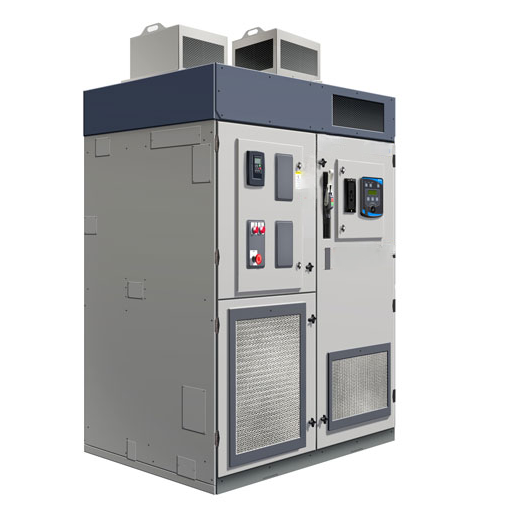
01
Inspect and Clean Components
It would be a good practice to regularly check or clean air filters to help prevent overheating. This goes for any special device or electronic equipment that is capable of overheating, including computers.
02
Monitor Connections
Inspect the connections and secure them to prevent any malfunctions due to loss or corrosion of contact.
03
Check for Overheating
Check that the ambient temperature of the VFD device remains consistent with the values indicated in the technical specifications and handle heat issues adequately. This includes the provision of adequate ventilation and overheating monitoring.
04
Inspect Cables and Wiring
Examine the wear, fraying and damage in wiring harnesses and cables, and replace them when necessary to avoid electrical damage.
05
Update Firmware
Update and maintain vendors’ software to keep to date and incorporate new features as and when referred by the manufacturer.
06
Test and Verify Performance
Test the VFD under load conditions from time to time to ensure it is performing well and to have a head start in case of any problems.
Routine Maintenance Practices
In order to guarantee that variable frequency drives (VFDs) perform to the highest standard possible and also last as long as intended, it is a must to care for the systems effectively. In particular, attention should be paid to avoid overheating as the latter causes deterioration of materials and energy loss. Over and above the avoided spike peak, also known as problems associated with electrical noise due to non-linear loads as excessive distortion in harmonics, leads to poor performance of downstream loads. As a result of the utilization of the equipment in some location or installation, ventilation rate control measures and ensuring that cooling equipment is neither impeded by any physical barriers nor does it collect dust become necessary. Performing all the necessary corrective maintenance and following the periodical cleaning procedures using the right equipment guarantees better condition of both the active and passive components of the VFD. In this respect, one of the recommendations which has been made is on the need to carry out regular checks on VFDs components in order to detect failure early enough. For this reason, monitoring the system condition and taking relevant system studies to solve problems arising or to avoid their occurrence, is deterministic in the interest of the system safety.
Preventive Maintenance Strategies
Another pivotal part of preventive maintenance is the application of precautionary prediction through more developed observation systems. Equipment maintenance may be able to uncover correlations that may explain equipment failure during the operation of equipment by utilizing tools such as vibration monitoring, thermographic inspection, and lubricant oil testing. An improper operation of electrical and mechanical apparatus is recognized in the results of the different condition monitoring techniques. For instance, measurement values of a vibration spectrum analysis can show increased bearing wear or misalignment; or almost all bearings that have not been fixed in position (such as floating bearings) can be removed and some misalignments can be estimated. On the other hand, thermal imaging could be used to determine specific sources of excessive temperature, whether it is as a result of electrical-related issues or mechanical ones. In addition, maintaining the setup of the sensors and measuring instruments within a regular timeframe provides high precision of the information obtained, which is of great importance for implementing effective diagnostics.
Creating a Maintenance Program
The creation of a successful maintenance program depends on systematic design, forward-looking diagnostics, and constant development. The first building block is that of complete possession of a list that contains all working components of the equipment of an enterprise, differing in the degree of priority and risk assessment. It helps to give preference based on the criticality of each and every component in the process.
The reliability of machinery, however good it may be, needs to be checked regularly. This is organized in a manner that various technical systems are equipped with real-time monitoring tools, which use sensors to early pinpoint the signs of wear or the impending failure of a machine or a component. Use of techniques such as vibration, thermal and oil analysis have enhanced the accuracy of Condition-based monitoring (CBM). Costly maintenance is only performed only where it is necessary and drastic downtimes are also reduced.
Another way to systematize the continued development and maintenance of a facility is by introducing an easier form of a Computerized Maintenance Management System (CMMS). The same as a centralized management of the system. It provides real and functional information for easier resource management and decision-making.
Key VFD Maintenance Tips
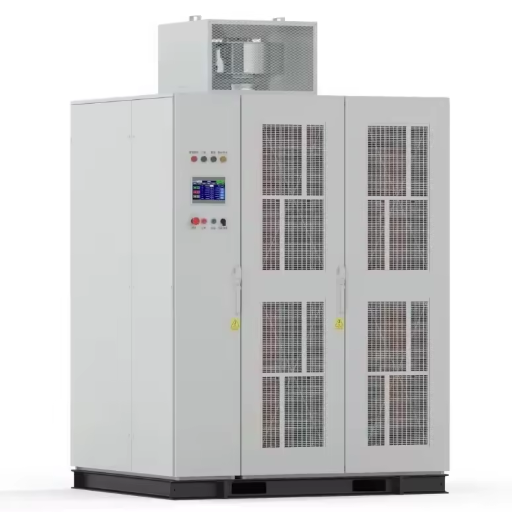
- Regular Cleaning: Troubleshoot the VFD and ensure it is clean and well-maintained. Dust and dirt can accumulate on the VFD casing and in the component holes enclosed within the control cubicle which are the major obstacles to the flow of cool air to the VFD.
- Inspect Cooling Systems: Check fans, heat-exchangers, filters and air conditioning systems are in good working order. Poor cooling systems can heat-up the VFD and call for thermal stress of the components therein.
- Monitor Electrical Connections: Fix any loose contacts and see if there is wearing or oxidation. Incorrect electrical connections can mark inefficiency in some situations and in other cases, the system fails.
- Check for Voltage Imbalances: To find any inequality in the voltage being provided by verifying the input and output voltages. Frequent voltage changes can lead to difficulties in operation of the motor and also harm the VFD.
- Update Firmware and Software: Whenever possible, try your best to keep the firmware and software of the VFD updated as these are often upgraded for better enhancements and performance improvements.
Check the Connections Regularly
Frequently testing a Variable Frequency Drive (VFD) essential to achieving the desired operational capacity and reliability. For instance, slack or weakly connected wires result in overheating and resistance. If this is not addressed, the fuse blowing or, worse, the onset of equipment collapse will inevitably occur. Each wire needs to be connected to the terminal correctly and without any dirt or corrosion traces because they reduce the effectiveness and functionality of the electrical circuits. Many times, solar improves the performance of the VFD by generating heat zones by using thermal imaging to identify high resistance connectivity or possible faults. Regular observation enhanced by extensive history is required in order to anticipate these defects and unexpected stoppages.
Monitoring Environmental Conditions
It is of vital importance to monitor the environmental conditions in the vicinity of variable frequency drives to make sure they last long and function in a stable way. External elements such as temperature, humidity, presence of mechanically generated dust, and the existence of gaseous erosive agents have an appreciable effect on the manner in which such drives perform. VFD drives are built to operate between specific temperatures which can lie anywhere from 0°C to 40°C depending on the model. Passing the specified ranges can destroy or bring about inefficiency in their operation, and probably damage their internal components permanently. High moisture content, especially in areas without proper air systems, could lead to the formation of condensation within the VFD panels which may activate heat and cause short circuits or circuitry corrosion.
In addition, airborne particles such as dust and pollutants can build up in heat sinks and cooling fans and reducing the efficiency and increasing the threat of overheating. Keeping the environment clean, use of effective filter systems, and the occupancy of confined spaces, are among some of the most important measures and strategies to ensure optimal conditions are achieved. Tackling these problems in a timely manner assists in protecting VFDs not only from untimely breakdown, but also from expensive downtimes in the operation of facilities.
Cleaning and Ventilation Practices
Proper cleanliness is the paramount concern in the utilization of Variable Frequency Drives (VFDs) as proper maintenance is a necessity. The foremost issue here is that the dirt and dust as well as other small particles present on the surfaces and within the VFD enclosures can hinder the heat transfers. With this concern in mind, it is obligatory to maintain a timetable that incorporates the periodic washing of the VFDs by using the appropriate means such as cleaner air equipment, vacuum units for equipment, and combining the vacuum with a fan unit but be wary of normal vacuum units. Special attention should be turned so as not to even think of blowing the existing dirt on the components to be unreachable on the board, because the resultant contamination would worsen the situation.
Appropriate ventilation is equally important as VFDs get very hot when in use. The design of the enclosure should ease the flow of air so that heat is not a problem, which involves amalgamating ventilating holes with radial or axial fans. There are environmental instances where cooling is mandatory such as high temperature, for such cases other cooling mechanisms like fans or air conditioning systems are used in turn. Changing the filters often or cleaning the Self-Cleaning filters prevents foreign particles from entering the enclosure which may contaminate the internal wiring of the circuits. These methods of cleaning and ventilation are very important in the maintenance of VFDs in that they enhance the performance of VFDs, minimize the risk and increase the duration of service of the equipment.
Troubleshooting Tips for VFDs
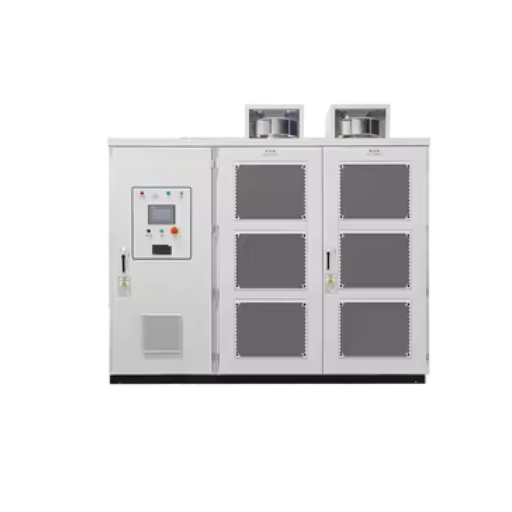
STEP 1
Inspect Power Supply
Confirm that the equipment is connected in appropriate voltage and that terminal connections are tight. Look for bad fuses or circuit breakers that have tripped on the power circuits.
STEP 2
Check Programming Parameters
Always confirm that the motor parameters (voltage, current, frequency) exactly put into the VFD filter are the right ones. Verify against the motor’s nameplate data.
STEP 3
Assess Safety Interlocks
It is important to ensure that all safety interlocks, or external start/stop commands, are working as expected and not hindering the motor from turning.
STEP 4
Examine Fault Codes
Check out the errors displayed on the VFD setup panel or fault log. They might mention activities such as overcurrent, sag, or overload. Verify these errors according to the company’s technical requirements.
STEP 5
Test Motor and Wiring
You need to find out if the engine windings remain open using a multimeter by checking the continuity and resistance of the network. Check the wiring connections for any damage or open clips.
Common VFD Issues and Solutions
Frequency converters play an important role in regulating the performance of electric motors, however, they sometimes are challenged in the process. A common and irritating problem may be failures in overvoltage, a situation that may be brought by rapid and unexpected variations in the power supply or back phase energy in the braking of heavy machines. To mitigate these challenges, one has to include the dynamic breaking resistor or the snubber circuit for absorbing the excessive voltage. There is also the challenge, of inadequate control of the motor speed, caused due to misuse/or interference of external factors in the use of the equipment. Such a challenge is easily resolved by avoiding under or overvoltage of the mains; this is further avoided by ensuring the drive is set as per the manufacturer’s specification.
Besides, a VFD may also have issues with overheating or thermal failures that arise from insufficient cooling, dirt building up or overloading the drive. Failure to properly fix such troubles by keeping clean and unclogged heat sinks and through proper sizing of the connected load will make the drive device unsuitable for the intended application. These specially adapted control measures help provide a high level of faultless starting and stopping of VFDs hence ensuring longer VD operation.
VFD Repair Techniques
Ways that involve new technologies and new management styles have emerged that can be effectively used to overcome the limitation of VFD systems. In other words, further correction procedures involve scrutiny and repair of the VFD at its component level or in a most specific way, fault identification. Troubleshooting print board faults, for instance, then necessitates measurement of voltages and inspection of circuits while utilizing electrical instruments such as DMMs or scopes. Additional techniques such as changing damaged input and output sections or wiring the drive to external devices may stop potentialities of systems where its components are interconnected from going down, which in turn changes their effective operation levels.
Revision of the control hardware and software is yet another important facet aimed at addressing the faults caused by a corrupt or outdated configuration of the software. Operations, like predicting a fault prior to raising a flag, and diagnostic-based technologies have been simplified by the recent development of equipment such as based VFD machines that enable machine operators to observe any physical deviation of VFD and analyse the pattern of the deviation. In addition to that, due to the incorporation of comprehensive designs in the maintenance regimes, improved maintenance of the blowing spindles is promoted with some of the maintenance actions being the health audit that involves the use of the thermal imager.
When to Seek Professional Assistance
Professional help is to be preferred in the case of certain types of stable operational malfunctions, for example, when the motor speed varies unexpectedly, there is overheating, or the inverter trips for no visible reason. This is because these warning signs often hide more serious issues that can be a technical issue like imbalance of phases, harmonics attacks or wear and tear in elements and will need an undeniable expertise to identify as well as to fix them effectively. Thus, even in cases of system enhancements and modifications, it is best to have a professional who will take into consideration the current environment and assure that all the wiring abides by the electrical standard. Third-party inspections simultaneously act as audits for energy saving mechanisms, such as VFDs, and make sure that applicable energy-saving standards are followed. There is a need to manage where employ mental facilities or direct site resources in case technical expertise given lacks capacity to deliver an acceptable solution.
Enhancing Reliability of VFDs
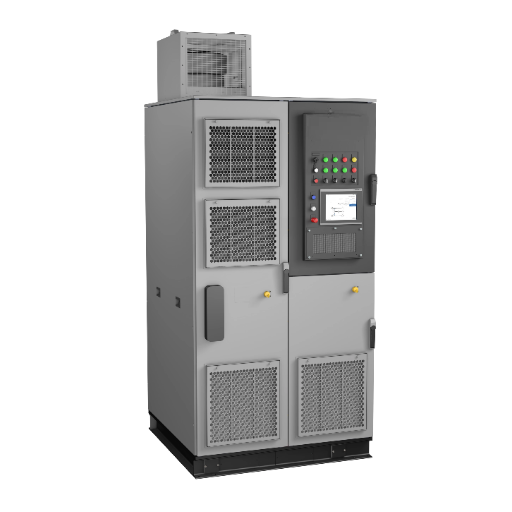
01 / Regular Maintenance
Develop a clear system of checking the main workings of the VFD, such as checking fans, capacitors, and cables to ensure they are in good working order and clean and preventing overheating and dying out too early.
02 / Environmental Control
The VFD should be placed in an environment which is clean, free from dirt and proper ventilation and controlled temperature. These factors contribute to the faster aging of the machine.
03 / Proper Sizing and Loading
Ensure the VFD provided corresponds with the capacity of the motor and the needs of the application in such a way that it maximizes the efficiency of the system. Incorrect sizing may cause the system to malfunction due to overtasking or switching the assessment.
04 / Surge and Voltage Protection
Protect the VFD against the effects of surge and variation in supply voltage. Make an allowance for the use of a suppressor rather than investing in a new VFD every time there is a voltage fluctuation that threatens to damage that machine.
05 / Firmware Updates
In an effort to address any performance concerns, adopt a routine practice of installing the newest firmware release which are not only designed to prevent hardware failures but also include better solutions and enhancement of existing features.
06 / Skilled Personnel
Workers need to be trained on how to verify malfunctions at an early stage, so that they can take the necessary steps to address the malfunction when one occurs.
Impact of Automation on VFD Reliability
Variable Frequency Drives (VFDs) have seen a significant improvement in reliability due to automation that came equipped with advanced diagnostic and monitoring functions. The monitoring and control system available today is quite capable of monitoring the VFD parameters like voltage, current, and temperature on a real-time basis. Such a monitoring system can also eliminate the risks of sudden equipment breakdown by setting out measures that are taken when a deviation from normal operation is noticed. Another great way of preventing unanticipated equipment downtime is the use of some predictive maintenance algorithms based on machine learning that can analyze the way the equipment is being utilized or operated to predict any wear or tear or damage before they actually happen.
These computerized systems are capable of regulating the energy consumption since they are able to adjust the speeds of the motors to such a fine degree that reduced wear and tear is suffered by the parts they power in the whole system. This means that not only are VFDs that have undergone such upgrading are bound to last longer, but also help out greatly with the productivity and cost-phasing inside any light or heavy industry. However, improperly applied automation appears to be redundant as it eliminates the chances of those cases happening with regards to the randomness of the loads and the performance characteristics of the VFDs.
Long-term Benefits of Proper Maintenance
Frequent and comprehensive servicing of Variable Frequency Drives (VFDs) leads to significant benefits in the long-run as far as effective and cost effective functioning of industrial equipment is concerned. Without fail, it was ascertained that the proper functioning of VFDs is sustained. This is achieved by making sure that it remains within its performance range and avoids premature failure as a result of unexpected stoppages or downtimes. And in due course, the expenditure of proper maintenance allows better preservation as well as conservation of energy, therefore eliminating the chances of situations where, due to some carelessness with any section, faults like harmonics or overvoltage would end up developing.
Moreover, a well-tested VFD equipment is effective it reduces the rate of wear on connected components including motors which can lead to their operational lifespan span being dramatically increased. Another point worth mentioning, in general, would be the need for facilities to be up-to-date with the pace of technology so as to implement reliability-centered preventive maintenance. This message musters a stifling level of optimism, proposing the uppermost eligible consumption of all the energetic component parts of an advanced energy-saving system for end-users.
Case Studies on VFD Reliability
These situations, on the other hand, shed light not only on the variety of solutions VFD can offer but also the track record of success in several fronts. With the use of the latest VFDs as well as periodical health checks and condition monitoring, one can unequivocally say they have maximized their outputs and their costs have lasted longer with studies promising that energy utilized has diminished.
Reference Sources
- [01]
A comprehensive review of fault diagnosis and prognosis techniques in high voltage and medium voltage electrical power lines - Link to source
- [02]
Study of Heat-Load Management of Medium Voltage Variable Frequency Drives - Link to source
