
The importance of phase converters cannot be overstated in modern industrial and commercial sectors, as they form a link between three-phase electronic systems and environments having only single-phase power. By doing so, these converters make it much easier for companies to use three-phase power, thereby reducing power expenses and enabling advanced machinery to be more versatile without the need for a complete electrical system upgrade. From power conversion needs, facility managers, industrial technicians, and innovative customers in commercial and industrial sectors will get informed about the phase converters through this article, which is a detailed study of the topic with its mechanics, compared types, and benefits. Whatever the case, if one needs a power converter, this guide is going to show how power systems can be connected to the business and operational efficiency being the common factor.
What is a Phase Converter?
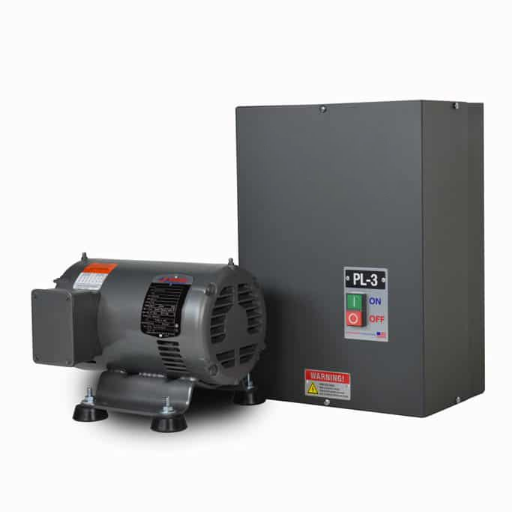
A phase converter is a device that converts single-phase electrical power to three-phase power, enabling three-phase equipment to operate in the absence of three-phase power. It does so by distributing the electrical load across all three phases to simulate the power output of a three-phase system. Phase converters are typically used in industrial, agricultural, and commercial areas that cannot upgrade to a three-phase utility supply due to the high cost or the difficulty of this process.
Definition and Purpose
Phase converters are designed to run very high-end three-phase machines in areas with only a single-phase power supply. This makes the use of these converters essential in industrial sectors such as manufacturing, woodworking, and agriculture, where equipment is made sturdy and requires a constant, even power supply. The latest phase converters come in different forms, with the main categories being rotary, static, and digital, each being specialized for particular applications. Rotary phase converters use a rotating motor to produce an accurate three-phase output. In contrast, static converters rely on capacitors at startup to load the machinery, then switch to single-phase power. Digital phase converters use advanced technologies, such as microprocessors, to achieve excellent voltage balance and efficiency, thereby extending equipment life and providing reliable performance. When such systems are used, companies and organizations can cut costs for infrastructure upgrades considerably, and this, in turn, will allow the use of industrial-grade equipment in places where cost factors or remoteness would otherwise prevent its operation.
How Phase Converters Work
Phase converters convert single-phase power to three-phase power, enabling the use of industrial-grade equipment in locations where only single-phase power is available. The first step is connecting single-phase electric power to the converter. In the converter, a third voltage leg is produced, typically via one of three standard methods: rotary, static, or digital phase conversion.
Rotary phase converters, which are the most widely preferred systems, use an idler motor to produce balanced, continuous three-phase power. This technique is mainly successful in fields that require heavy loads or a series of such cases, for example, CNC machines or large pumps. Static phase converters, in contrast, introduce a third phase using capacitors, which is sufficient for machine starting but not ideal for continuous operation. Digital phase converters, the most recent solution, use solid-state electronics and microprocessor-controlled systems to deliver an absolutely steady, energy-efficient voltage. The systems are also flexible, so they can adapt to changes in load and thus maintain high performance levels and low waste energy.
Importance of Phase Conversion
In industries where stable three-phase power is essential for running large machines and equipment, phase conversion is a key issue. In certain areas or plants, only single-phase power is available, which is not sufficient to properly operate the systems mentioned above. Phase converters solve this problem by enabling single-phase power systems to operate with three-phase equipment, making it easier for businesses to operate in multiple modes.
The use of phase conversion improvements is one of the current factors that enable the energy-efficient, cost-effective operation of machines. A good example is the digital phase converters, which not only deliver a uniform voltage output but also reduce energy waste by monitoring real-time load changes. This high degree of operational precision, in turn, reduces wear and tear on the machinery, making it more durable and increasing its lifespan, and reducing maintenance costs. Furthermore, companies that use advanced phase converters, for example, in the plastic manufacturing industry, are reported to have higher productivity because their machines operate at peak performance with no voltage imbalances or interruptions. These points emphasize the importance of phase conversion factors in ensuring operational reliability and enhancing industrial productivity.
Types of Phase Converters
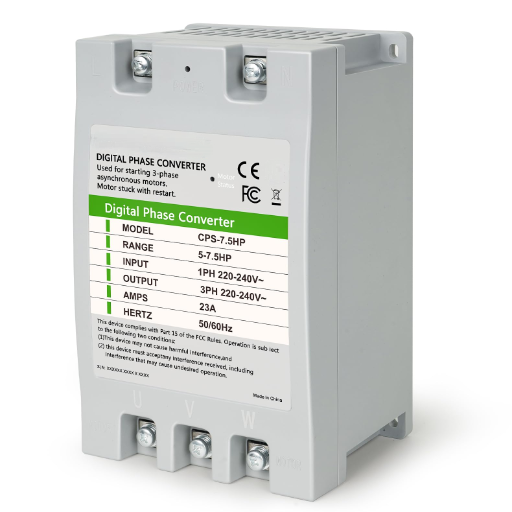
Phase converters are primarily categorized into three types:
Rotary Phase Converters
These options actually employ a rotating motor-generator to manufacture three-phase power. They exhibit reliability in the operation of large industrial machinery and never fluctuate in power output.
Static Phase Converters
These are known as static converters that temporarily produce three-phase power at the time of starting via the equipment motor. The loads are lower, and the specific applications where complete three-phase power is not needed are the ones they cater to.
Digital Phase Converters
They use modern electronic techniques to produce balanced, true three-phase power. They are the easiest, most accurate, and the businesses that depend on power quality and voltage stability, which are critical.
Buying the right converter always depends on your operating needs. Parameters such as electrical equipment, load, and business priorities are vital to making the right choice.
Rotary Phase Converters
Rotary phase converters are very robust equipment designed to convert single-phase power to three-phase power using an idler motor and capacitors. These converters are very flexible and can be used in many ways. They can also accommodate multiple load motors and are therefore suitable for industrial and agricultural applications. One of the most critical aspects of converters is that they can be started with high torque, which is very important for working with large machines.
The efficiency and reliability of rotary phase converters have improved significantly in recent years. They also ensure the smooth operation of sensitive equipment by providing robust voltage balance across all three phases. The converters’ power output quality often meets or exceeds industry standards, significantly reducing the risk of equipment damage or operational downtime. On the other hand, when rotary converters are adequately maintained and regularly inspected, the number of required maintenance activities is usually very low. Hence, one can expect reliable service for a relatively long time. One significant advantage of these systems is that they can be used in places where it is not economical or practical to have the utility supply three-phase power, and they also provide a solution that is easily scalable and cost-effective, making each site independent in terms of power.
Static Phase Converters
Static phase converters are a basic and highly effective means of powering a three-phase machine from a single-phase power source. Unlike rotary converters, static converters provide the necessary starting current to three-phase motors, enabling them to operate on single-phase systems. After the motor reached its running speed, the converter could begin to disengage, and the motor would continue to run on single-phase power only.
Generally speaking, these pieces of equipment are more successful when the motor operates in a consistent overload environment and the system doesn’t require frequent shut-offs and start-ups. The essence of static phase converter operation depends on the load under consideration; thus, the best results are achieved when motors are rated for light to moderate loads. Conversion hardware comes to market in a relatively small package, yet it offers an attractive price tag and is characteristically easy to install. This makes the instrument an ideal choice for small workshops, agricultural operations, and other smaller-scale industrial plants that need a basic solution rather than a complicated or expensive one.
Advanced electronic components are often integrated with current static phase converter technologies to ensure the motor starts smoothly and maintains a better power balance. While the tech is simply no match for the full-blown three-phase power requirements of high-efficiency operations, static converters are out of the picture for heavy-duty jobs. Proper maintenance of static converters includes periodic inspections focused on the manufacturer’s specifications. Given both power and space constraints, a static converter remains the most immediate and efficient solution for three-phase power in the market.
Digital Phase Converters
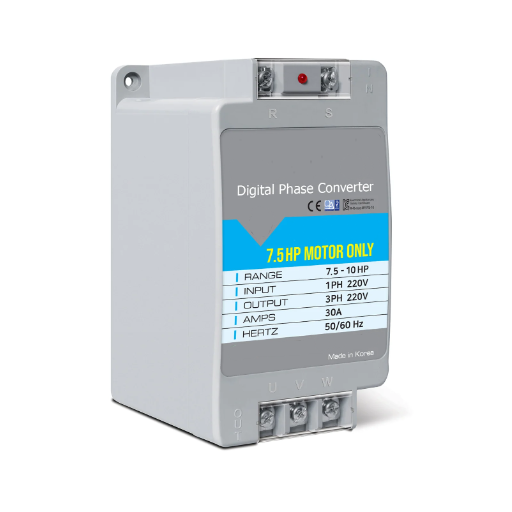
Phase converters are industrially significant for the role they play in delivering three-phase power of the best reliability and efficiency. With their use of microprocessors and solid-state components, they can check and adjust power output in real time, ensuring that voltage balance requirements and phase angle conditions closely match the actual three-phase power conditions. Besides, they are considered the most suitable of all options for operating sensitive equipment, especially for heavy-duty applications, as they do not lose power even under constantly changing load conditions. Furthermore, digital phase converters, compared with conventional rotary and static converters, are more energy-efficient, require less maintenance, and can be easily configured in multiple ways. And the fact that they can handle a range of load sizes makes them a better option in industries as diverse as precision manufacturing and CNC machining, as well as in farming. Meeting the strictest specifications with ultra-reliable performance is the hallmark of digital phase converters’ practicality in today’s most demanding power system environment.
Benefits of Using a Phase Converter
Energy Efficiency
Phase converters are an effective solution for reducing energy losses by efficiently converting single-phase power to three-phase power, ensuring that three-phase equipment will not exceed the limit and operate accurately.
Cost-Effectiveness
Installing a phase converter is often more economical than upgrading to a dedicated three-phase utility supply, particularly in areas where access to three-phase power is limited.
Versatility
They are suitable for use in many sectors, for example, the industrial sector where machinery is operated, and agricultural equipment as well, hence, can be seen as a solution that covers a range of diverse operational needs.
Reduced Maintenance
Modern phase converters are robustly constructed and hence, require servicing at an interval that is not as frequent as that of other power supply options thus appearing to be more practically efficient in operation.
Improved Performance
By providing stable, well-balanced three-phase power, phase converters enhance the performance and longevity of connected equipment, reducing wear and increasing operational precision.
Enabling 3-Phase Equipment on Single-Phase Power
With the best deployment of 3-phase hardware on a single-phase power supply, numerous solutions are available, each suited to different uses and operational requirements. The use of phase converters is one of the most common ways; specifically, one can use rotary, static, or digital converters. The use of a motor-generator setup to create balanced three-phase power is where rotary phase converters excel; thus, they are well-suited for high-load applications and consistent power demands. The static phase converters, on the contrary, are cheaper and work well with light loads; however, they might not be able to support the full-load capacities of all the equipment. Digital phase converters are considered the most sophisticated solution, which utilizes the latest technology to deliver precise, balanced three-phase power with high reliability and efficiency.
An alternative method is to use a Variable Frequency Drive (VFD) to convert a single-phase input to the required three-phase output. With the help of VFDs, not only can three-phase equipment be run, but its speed can also be controlled and energy efficiency improved, thereby increasing equipment performance in specific industries. For situations that call for high power on a larger scale, upgrading the electrical supply to a three-phase system, though more expensive and time-consuming, remains a good long-term alternative. The choice of method will depend heavily on which one best suits the application’s specific operational demands, power loads, and budgetary constraints.
Cost Reduction and Efficiency Improvement
To reduce costs and improve efficiency, reliance on advanced technologies and the use of operationally optimized strategies are necessary. For example, by switching to energy-saving devices such as variable-frequency drives (VFDs), it is possible to reduce electrical energy consumption through precise regulation of motor speed and torque. In the same way, the use of IoT sensors to facilitate the installation of predictive maintenance systems can drastically lower operational costs by uncovering potential equipment failures in advance, while minimizing unanticipated downtime. Moreover, the incorporation of automation into working procedures not only yields more consistent output but also saves clearance costs for manual work that is no longer needed. According to the most recent studies in this field, companies that have taken these measures have shown remarkable improvements, including reductions in energy costs of up to 30% and significant increases in industrial efficiency. The mentioned strategies emphasize the importance of new technology, along with data-driven methods, as the key to achieving the ultimate goal of operational excellence while cutting costs.
Versatility Across Different Industries
Advanced technological solutions and data-driven processes are now the norm across many fields, with an incredible range of applications and high levels of flexibility and versatility. For instance, in the manufacturing industry, machine learning-assisted predictive maintenance can significantly reduce equipment shutdowns by analyzing operational data in real time. In the same way, in the healthcare industry, data analytics and AI are combined to identify patterns in patient records, enabling faster diagnoses and personalized treatment plans. Customer analytics penetrated the retail sector, infusing the inventory management process with further optimization and the shopping experience with greater proximity to customer needs through highly customized recommendations. Moreover, the two transportation and logistics sectors have achieved fuel and route savings thanks to the introduction of IoT devices and GPS trackers, enabling them to unlock the potential of modern technologies in one sector and, at the same time, enhance the innovative and efficient drive across all industries.
Applications of Phase Converters
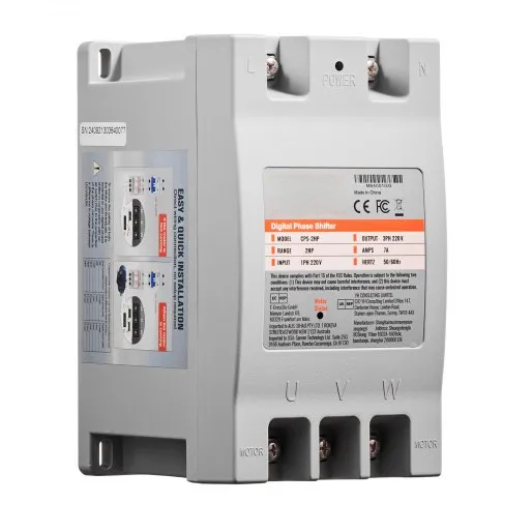
Phase converters are crucial devices that convert single-phase electrical power to three-phase power, enabling the operation of three-phase machinery with only single-phase power available. These devices are ubiquitous in a wide range of industries and applications, such as:
- Industrial Equipment: They are widely used to power three-phase motors in tools like lathes, mills, and grinders in small workshops and manufacturing plants.
- Agriculture: These are the primary power providers for equipment such as irrigation pumps, grain dryers, and conveyor systems in areas of the countryside where it is common not to have three-phase power infrastructure.
- HVAC Systems: They have been proven to be the most energy-efficient and cost-effective way in the long run for supplying power to compressors, blowers, and pumps designed to operate on three-phase power.
- Renewable Energy Systems: In converting solar or wind energy to electricity, especially in three-phase grids where single-phase solar or wind power is being used, they also produce three-phase power.
- Construction: In the construction industry, these systems are used to operate cranes and hoists, lift and lower construction materials, and so on when power at the site is limited.
These pieces of equipment are a cost-effective way of increasing the capacity of single-phase power systems without the need for a costly upgrade to three-phase electrical service.
Manufacturing Industry
As a critical technology in the manufacturing industry, the phase converter serves as a power supply for single-phase applications. It is the only way machinery can operate, especially when CNC machines, lathes, and grinders are in use. The three-phase power is necessary to run the machines above efficiently and smoothly; therefore, phase converters come into play, converting the single-phase input into a balanced three-phase supply. That is why the machines’ performance remains at its best and downtime is reduced when a phase converter is used.
Energy efficiency and harmonic distortion reduction are two key issues related to the efficacy of industrial energy management that can be addressed through improvements in phase converter technology. For example, digital-controlled rotary converters can regulate their power distribution differently, reducing energy losses and, consequently, increasing system reliability. The use of conversion systems in the manufacturing sector not only improves production rates but also reinforces energy-saving practices, aligning with industry-implemented modern sustainability initiatives.
Agriculture and Farming
Technological progress has led to a complete overhaul of the agricultural sector, introducing highly effective, eco-friendly, and scalable practices. A good example of a solution combines GPS technology, IoT devices, and advanced data analytics to achieve the maximum HappyFarm improvements in resource efficiency and high-yield predictability. When computer-controlled machines and monitoring and harvesting robots eliminated the need for large amounts of human labor, they significantly increased operational precision.
Irrigation systems that use intelligent sensors can track soil moisture levels and send data in real time, helping farmers allocate water only where it is really needed, reducing overuse and conserving scarce water resources. Moreover, the use of drones for health monitoring, soil quality assessment, and pest activity determination enables rapid, precise treatments that primarily reduce potential losses. As a result, the innovative ideas mentioned are oriented towards building a more sustainable, farm-centric world through the conservation and strengthening of global food security.
Woodworking and CNC Machinery
It was a major technological leap when CNC (Computer Numerical Control) machinery was integrated into woodworking. CNC machines allow craftspeople to build the most complex designs and components through accurate computer programming. These machines use CAD (Computer-Aided Design) files to process complex cuts, engravings, and joints for many materials, including oak, maple, plywood, and MDF.
The application scope for the artisanal and industrial woodworking domains has been extended by recent innovations in CNC technology, including high-speed spindles and multi-axis capabilities. Modern CNC systems already come with sophisticated tools such as automated tool changers and vacuum clamping systems, which improve workflow efficiency by reducing manual labor. This high level of accuracy not only reduces material waste but also ensures the same high product quality during mass production. The rise in user-friendly, space-saving designs and the subsequent increase in the availability of compact models have made CNC machines a common sight in small-scale workshops and among individual artisans, thereby making advanced woodworking techniques universally accessible.
Choosing the Right Phase Converter
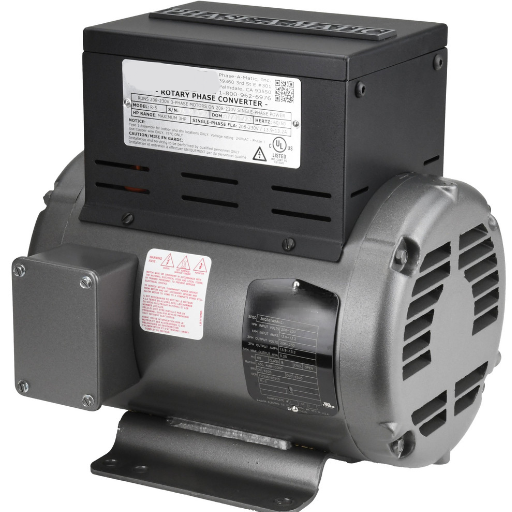
Choosing the correct phase converter is a vital step based on the power requirements of the industrial plant and the type of equipment that the user will be applying. Generally, three categories of phase converters can be distinguished:
- Rotary Phase Converters – This type is the most common solution for running multiple machines simultaneously or for powering devices that require a large amount of electricity (such as CNC machines or compressors). The power supply they generate is always stable and well-balanced, which makes it ideally suited to industrial applications.
- Static Phase Converters – Mainly serve the low-power sector, making them an affordable option for supplying equipment that does not require full power for operation; however, their limited impact on energy provision and their lack of suitability for continuous use or variable loads have been their main drawbacks.
- Digital Phase Converters – These are ideal for providing precise, stable power to delicate equipment. They are indeed high-efficiency devices and can serve different load needs simultaneously, making them an excellent alternative for the advanced manufacturing sector, which uses a lot of electronics.
While selecting, make sure that the transformer is suitable for the voltage and horsepower required by the equipment being used. Additionally, one should consider future needs to ensure the new machine is not underpowered as operations grow. To ascertain compatibility, follow the manufacturer’s guidelines or consult a qualified technician.
Compare Common Types of Phase Converters
Understanding Equipment Compatibility
As the most vital task, ensuring that the facility’s power conversion equipment is compatible, will last long, and be efficient, is a decision made based on many factors. Some factors to be checked include the power draw, the load type, and the equipment’s sensitivity. One example would be the case of a CNC machine and all the other machinery made per industrial standards: they are definitely the best when run on steady, precise power; hence, working with digital phase converters is a technological excursion one must take to feel the joy and comfort amid these heavy-machines-with-accuracy situations. On the other hand, small handheld tools/machines and fractional-horsepower motors running light loads may be successfully operated with simple, inexpensive static phase converters that do not even require maintenance, and so on.
The operational environment is another huge aspect to be taken into account. For machines that need to operate at different speeds, such as pumps and fans, the use of Variable Frequency Drives (VFDs) would provide a considerable advantage, as they allow dynamic speed and phase adjustments. On top of that, considering both the start-up power requirements and the continuous electrical load ensures that the chosen power solution is proficient at managing the highest demands without affecting performance or safety.
Budget Considerations
An in-depth review of initial capital investments and long-term operational costs is necessary to develop a successful budget for power solutions and equipment. The use of modern, energy-efficient technologies, such as high-efficiency VFDs and optimized motor systems, usually incurs a significant initial cost but, over time, can yield substantial savings by reducing energy consumption. Besides, other expenses, such as installation costs, regular maintenance, and the possibility of upgrades, must be included to ensure compatibility with future technological developments. According to industry data, preventive maintenance spending can reduce unscheduled downtime by 30%, resulting in a more reliable central system. The resolution of these issues enables companies to pursue both economy and efficiency in budgeting, as this is where cost-effectiveness meets operational efficiency for the first time.
Reference Sources
Single-phase to three-phase power converters: State of the art
Summary: This paper provides a comprehensive review of the development of single-phase-to-three-phase converters. It discusses various configurations and their evolution over time.
Power conversion techniques using multi-phase transformer: Configurations, applications, issues and recommendations
Summary: This review explores the use of multi-phase transformers in power conversion, particularly for applications involving three- to five-phase transformations. The paper also identifies emerging research directions in static multi-phase power conversion.
