
One of the most significant issues in working with industrial machines and equipment that require three-phase power is the lack of compatibility with single-phase power systems. And this is precisely where phase converters step in. These products are designed to help both big businesses and small DIYers by providing a reliable, cost-effective way to convert single-phase to three-phase power without an extensive electrical overhaul. This post aims to give you a clear picture of the main elements of phase converters by examining their types, working principles, and key benefits. Therefore, whether you need to address the power needs of your workshop from a technical perspective or you have heavy-duty applications that require the best performance you can get, understanding phase converters is a vital element in making policies that are not just educated but also, mainly, focused on analyzing and maintaining efficiency.
Introduction to a Phase Converter
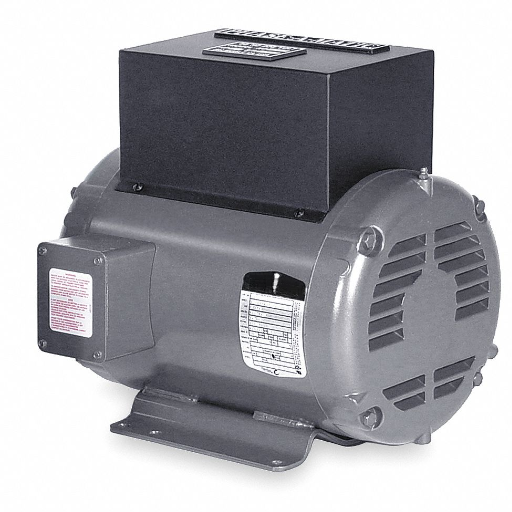
A phase converter is a device that converts single-phase electrical energy to three-phase electrical energy. It helps equipment and machines that require three-phase power operate correctly when there is only single-phase power. Workshop, factory, and farm are the places where we most commonly see the use of phase converters and, hence, the incorporation of machines. In those places, people use them because three-phase power is either unavailable or too expensive to obtain. The primary types are rotary, static, and digital phase converters. Each has its function and performance requirements.
Definition and Purpose
A phase converter is a specially manufactured electrical apparatus that converts single-phase power to three-phase power, enabling the use of industrial and commercial equipment that operates on three-phase systems. The converters are used in scenarios where the local utility cannot provide three-phase power due to infrastructure limitations or high installation costs. Phase converters minimize energy losses, ensure smooth motor operation, and make machinery more efficient by using state-of-the-art power conversion methods. For instance, today’s digital phase converters employ microprocessor-controlled systems that provide accurate voltage balancing and high performance, making them extremely useful in high-demand applications such as CNC machines, compressors, and other variable-load machinery. This feature allows companies to avoid worrying about the upcoming productivity while the electrical grid is still not upgraded.
How Phase Conversion Works
The conversion of single-phase to three-phase is called phase conversion. It is mainly conducted to incorporate industrial and commercial types of equipment that are run by a three-phase induction motor. This conversion usually follows one of the three methods: rotary phase conversion, static phase conversion, or digital phase conversion.
Rotary phase converters are systems that combine a motor and a generator. The rotary part plays a significant role in the system by generating the additional phase and maintaining system balance. The rotating element provides stable power and correct frequency, enabling the system to operate consistently even when the load varies. Static phase converters, on the other hand, use capacitors instead of rotating machines to get the system started. But after the motor is running, the starting capacitors can be turned off, and the motor can then run as if it were started with the regular power supply — single-phase in this case.
Intelligent digital phase shifters reflect current technology levels. They create the third synthesized phase using solid-state electronics and microprocessor technologies, which are the latest in today’s world. This approach really works for regulating voltage and balancing the phase, even in the presence of dynamic loads. They are the first choice for their reliability and energy efficiency and this is exceptionally true for the industries that use CNC machinery, HVAC systems, and other similar systems. Each of the mentioned methods is designed with a clear goal in mind, operating requirements, which result in the fact that the plants’ power needs can be met in a cost-effective and energy-efficient way.
Benefits of Using Phase Converters
💰 Cost-Effectiveness
Installing phase converters at facilities is a great way to make good use of three-phase equipment without the need of three-phase utility service, which is generally a very costly matter. For example, the cost to upgrade a small industrial workshop with three-phase utility lines is typically between $10,000 and $30,000. On the other hand, a phase converter is a much more affordable solution, with costs ranging from $500 to $5,000, depending on capacity and type.
🔧 Versatility Across Applications
With their ease of use and wide variety of applications, phase converters are a perfect fit for the industrial, commercial, and residential sectors. Different industries, such as manufacturing, agriculture, and automotive, rely on converters to power moving equipment, thereby avoiding many difficulties and wasted time.
⚡ Energy Efficiency
Recently, phase converters, primarily digital and rotary types, were designed to use less energy. They match the power output to the power demand of the connected equipment; hence, potential energy savings can be substantial, up to 30% compared to older, less efficient options. This endeavor makes them an environmentally conscious choice that will pay off in the long run.
🛠️ Ease of Installation and Maintenance
Compared to other power solutions, phase converters are relatively easy to install and do not require significant adjustments to the existing electrical system. Also, maintenance is easily manageable; the rotary phase converters require only periodic inspection of moving parts and proper cooling systems for optimal performance.
📈 Enhanced Equipment Longevity
Balanced three-phase power is more reliable because it is converted, and therefore less likely to harm sensitive equipment, resulting in a longer service life. In the same way, motors operating in properly balanced phase systems are rated at their full capacity and are less likely to get hot or wear out too soon; therefore, the reliability of high-performance machines is critical.
📊 Scalability for Growing Operations
Converters can be quickly expanded to handle higher power loads. There are a lot of options available in the market to provide power to any demand starting from small individual machine converters to the larger system power supply to the whole facility, which gives to the business the opportunity to change, modify or upgrade power solutions and most importantly to not to make infrastructure a big deal when moving ahead with other changes in parallel, hence providing a smooth growth path.
Common Types of Phase Converters

Static Phase Converters
The static converters are simply the starters for a three-phase motor; once their job is done, they switch to single-phase power. They are cheap, very suitable for applications with low load requirements, but on the other hand, they may not deliver full power output at high usage volumes; hence, their applications are limited.
Rotary Phase Converters
These converters operate by using a rotating motor to generate balanced three-phase power. Industrial settings frequently see their use. Nevertheless, they are considered the best companions for heavy-duty machinery because of their power’s durability and reliability.
Digital Phase Converters
Digital converters differ from ordinary converters because they employ advanced electronics to produce a smooth, accurate three-phase power source. Their proficiency in power consumption and flexibility allows them to excel with equipment that is sensitive or that fluctuates between high and low load conditions.
Rotary Phase Converters
The operation of rotary phase converters is achieved by combining a three-phase motor (acting as the idler) with capacitors to simulate true three-phase power. They are widely used in applications that require high starting torque, e.g., CNC machines, lathes, and hydraulic pumps. The result of modern rotary phase converters’ design, with advanced features such as voltage stabilization and soft-start technology, is improved operational reliability and protection of sensitive equipment from voltage imbalances. The efficiency figure usually quoted is between 90% and 95% which hinges on the overall design and load specs. Moreover, they can handle a wide range of load sizes, from the largest to the smallest, making them very useful in industry and commerce.
Static Phase Converters
Static Phase converters are an economical and efficient solution that was designed to start a single-phase motor from a three-phase power system. Unlike rotary phase converters, static converters provide three-phase power only during the starting phase; after that, single-phase power runs the equipment. Static converters are the most recommended in this case, since three-phase power is not required for the entire operation in light-duty applications. A wide range of components and also limited in size, static phase converters can be mounted anywhere in a minute and run virtually maintenance-free. Nevertheless, they are not as effective at higher loads because they do not deliver full power for continuous operation, leaving the machine weak or stressed, little by little, over time. The best choice in most cases is to consider key parameters such as power accuracy and machinery type compatibility, since this is the only way to ensure the converter will perform adequately.
Digital Phase Converters
Modern advancements in three-phase power conversion technology are evident in digital phase converters, which use digital electronics and microprocessors to ensure a precise, reliable power supply. By leveraging the latest industry technology, they monitor and correct any voltage imbalances while maintaining the perception that the voltage is perfectly balanced. This guarantees that the equipment and the load won’t conk out due to power failures or sudden shutdowns. Unlike static and rotary machines, digital phase converters can achieve near one-to-one voltage symmetry, which is significant for delicate or precise machinery in CNC equipment, laser cutters, and other applications.
Electronic devices frequently come with recommendations for power consumption, and many models can boast of being more than 95% power-efficient at typical loads. Furthermore, digital phase converters can be used with various input voltages and frequencies, hence providing very high flexibility to users in industrial and commercial spheres. In one specific case, certain models can operate with voltages ranging from 208V to 600V, possess a power range of 5 to 200 horsepower, and, at the same time, support very different kinds of operations. The digital phase converters’ robust monitoring capabilities protect the connected motors from typical wear and tear and extend equipment life, making them the number one choice in industries where steady performance is the key factor.
Main Applications of Phase Converters
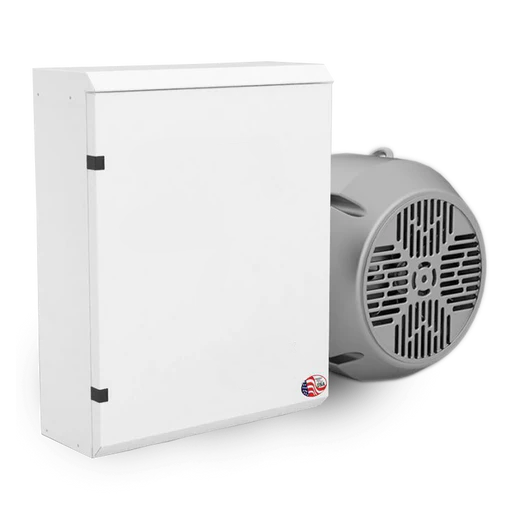
Phase converters are among the most widely used devices across a range of industries and applications where three-phase power is essential but only single-phase power is available. Some common fields of application are:
- Manufacturing and Machine Shops: Usage of power to drive lathes, mills, and CNC machines to ensure consistent performance and precision.
- Agriculture: Utilizing heavy-duty machinery for activities like irrigation pumps, grain dryers, and conveyors in rural areas where the possibility of accessing three-phase power is limited.
- HVAC Systems: Operating of compressors, refrigeration units, and air conditioning systems of a more considerable area in an energy-efficient way.
- Woodworking: Ensuring that the saws, planers, and sanders used are always provided with power that is stable and reliable in a woodworking environment.
- Automotive Repair: Providing lifts, compressors, or welders – all of these are automotive service facility equipment.
With the help of these converters, businesses can use three-phase equipment without incurring the cost of converting to three-phase utility power, making three-phase converters a much more cost-effective solution across different industries.
Industrial Applications
Industrial manufacturers require three-phase converters as an essential part of their power systems because they significantly improve the efficiency of operation and the performance of the equipment. For example, metal fabrication plants depend on them to power plasma cutters, metal shears, and CNC machines, thereby ensuring very accurate and uniform outputs. On the other hand, in the agricultural sector, converters are crucial for the operation of grain dryers, irrigation pumps, and feed processing equipment, thereby helping both small- and large-scale farming practices.
They are necessary in the food processing industry and other settings where powerful machines such as mixers, conveyors, and refrigeration systems run on three-phase power to keep production nonstop. So, as industrial automation advances and machines become more advanced due to technological development, three-phase converters play an increasingly important role in achieving optimal performance as less harmonic distorters and voltage regulators.
CNC Machinery and Equipment
CNC (Computer Numerical Control) machines and robot tools require steady, high-quality power to work well. At the same time, they reduce human error and improve product quality. Modern smart systems have become the backbone of production techniques, enabling extremely high-precision automation of operations such as cutting, turning, and drilling. Moreover, we see a trend toward five-axis CNC machines becoming increasingly widely used, as they offer greater flexibility and can produce more complex parts. Another significant way the industry is moving forward is through the integration of IoT (Internet of Things) technologies with CNC machinery, almost turning the industry upside down with capabilities for real-time monitoring, predictive maintenance, and enhanced operational efficiency. This aligns with the role of power solutions to ensure that machines are powered without interruption or deviation, while remaining completely protective and guaranteeing high performance in demanding environments.
Elevator Systems
Elevator technology is now one of the most advanced engineering, ultra-high precision technology, and high safety standards come together. Those buildings use either traction, hydraulic, or machine-room-less (MRL) elevator setups, depending on their structure and performance requirements. Traction elevators, for instance, use steel cables and counterweights, and although they are green energy solutions, they are the best choice for high-rise buildings. Hydraulic elevators, on the other hand, are designed for low-rise buildings and use hydraulic fluid power to move vertically even more smoothly.
The latest technologies in elevator control systems include AI and destination dispatch integration, which aim to optimize passenger flow by grouping people traveling to the same floors, thereby reducing wait time and energy consumption. It is also possible that, one day, IoT-enabled predictive maintenance systems for elevators will be available, allowing continuous monitoring of components such as engines and brake systems. These systems use real-time data analytics to forecast potential breakdowns and integrate them with planned maintenance work, so the operation is not interrupted.
Choosing the Right Phase Converters
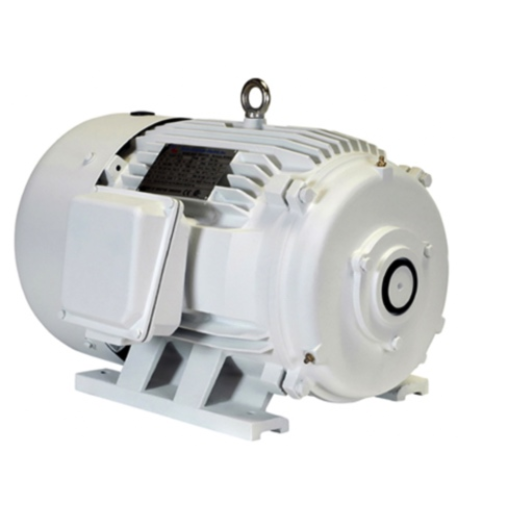
Choosing an accurate phase converter depends heavily on the specific details of your operational requirements and the equipment you use. Here are the key factors to evaluate:
💡 Pro Tip: It is recommended to use the information above to meet your operational requirements, and as a result, you will be able to select a phase converter that offers efficiency, reliability, and long-term performance. Make sure to check with the manufacturer’s guidelines beforehand and get the help of a pro if all doubts remain so that you are doing the best that you can.
North America Phase Converters
In North America, one of the most significant applications of phase converters is in industries that require converting single-phase power to three-phase power to run heavy machinery. For instance, the most common sectors that use them are manufacturing, agriculture, and automotive repair, where phase converters supply and deliver power to CNC machines, mills, lathes, and irrigation systems. The technological progress of the present day dramatically improved the performance and dependability of these devices and as a result, rotary phase converters are most popular due to their skills in keeping the voltage steady not only in one, but in all the phases even in the load fluctuation situation.
North America uses 60 Hz as its primary frequency and a standardized voltage range depending on whether the setting is residential, commercial, or industrial. The system above requires the phase converters to conform to the specific electrical standards therein. In addition, significant improvements have been implemented in digital phase converter technology, which have led to improvements in several performance metrics, such as reduced voltage imbalance and reduced harmonic distortion.
One more significant factor in selecting a phase converter in North America is compliance with local electrical codes and energy regulations, which guide the installation towards compliance and safety. The smart monitoring technology, which is part of newer models, also facilitates real-time oversight, thereby optimizing operational efficiency and keeping downtime at a minimum. Under these circumstances, North American industries can indeed tap into advanced phase conversion solutions designed to meet their power needs precisely.
Featured Phase Converters and Brands
Phase-A-Matic™
Phase-A-Matic™ has a credible reputation in phase conversion, especially for its high-grade rotary and static phase converters. The industrial and agricultural sectors widely use these converters due to their uninterrupted power supply and reliability. Their rotary phase converters especially benefit from operating with variable loads, thereby providing stable power output and enduring the heaviest work in the manufacturing system.
American Rotary
American Rotary is a top producer of rotary phase converters with its cutting-edge precision-balanced components and digital control technology. The company’s revolutionary microSmart® control system is a unique feature that ensures stable voltage and prolongs the life of the attached machinery. American Rotary converters are suitable for applications that require precision and accuracy, such as CNC machines and woodworking tools.
Phase Perfect®
Phase Perfect® digital phase converters offer a new, best-in-class solution for industries that need to convert from single-phase to three-phase power smoothly. They provide balanced and clean power. These days, converters are highly efficient, versatile, and offer the best value among the same-class products we have seen.
TEMCo Industrial
For small and medium-sized companies, TEMCo Industrial is the manufacturer of the most attractive and reliable rotary phase converters. Even though the TEMCo Industrial converters are pretty much for those that dare to deal with the difficulty of tying such a monster to your network, their ability to back up a wide range of equipment, starting from your lathe through to your welder, is the most significant factor for which they are gaining popularity in the United States. Due to extensive product warranties and strong customer support, TEMCo has earned a place as a trustworthy brand.
Kay Industries
The Kay Industries Company is well-known for providing the market with rotary phase converters through its Phasemaster® Line. The features of these products are best in terms of electromechanical integrity and voltage-balancing consistency, even under heavy, constant load changes. Phasemaster® is used in most manufacturing plants, foundries, and similar facilities.
Installation and Maintenance of Phase Converters
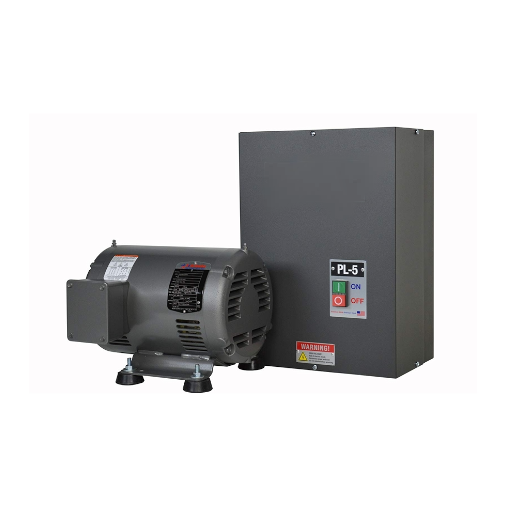
One of the critical points in the application of phase converters is that they are correctly installed and maintained. The proper functioning and longevity of the phase converters can be assured through the steps presented below:
Installation
- ✓
Site Selection: Select a location free of dust, moisture, and extremely high temperatures. Ensure proper ventilation. - ✓
Electrical Connections: Always adhere to local electrical codes and regulations. Use appropriately rated wiring and circuit protection. - ✓
Mounting: Secure the converter on a stable surface to reduce vibration and enhance safety.
Maintenance
- ✓
Regular Inspections: Loose connections, worn components, or signs of overheating should be checked periodically. - ✓
Cleaning: The unit’s cleanliness and dust-free condition should be maintained to avoid blockages or contamination that could result in performance issues. - ✓
Testing: Making sure the output voltage is at the proper level is of the utmost importance thus the reason it should be a habit to check the voltage and perform tests on the equipment regularly to determine if it is working and performing correctly.
📋 Important Note: For the best outcome, the guides that come with the unit or the help of a qualified technician should be considered when connecting or maintaining the phase converters.
Installation Guidelines for Rotary and Digital Phase Converters
Site Selection and Preparation
Select a properly ventilated, dry location for the phase converter. This place should not have any more than the required amount of moisture, dust, or harmful chemicals that can degrade the machinery. The air temperature should be the same as recommended by the manufacturer to avoid the equipment from experiencing thermal stress.
Electrical Connections
All electrical wires must be connected according to the specific local and national electrical codes (e.g., the NEC in the United States). Use the appropriate wire and circuit breaker sizes, rated for the converter’s amperage. Make a connection of micro ohm earth resistance to the point where the gas/air goes in/out to avoid any hazardous condition due to lightning and/or equipment fault.
Load Assessment
Examine the machinery or equipment that the phase converter will power. When using rotary converters, the idler motor should be the larger of the two motors and at least 25-50% larger to handle the inrush current. For digital phase converters, ensure the system is compatible with variable-frequency loads or CNC equipment, if applicable.
Mounting and Securing
Mount the converter securely on a solid, stable, and vibration-free surface. In the case of a rotary converter, being plumbed is a key factor in reducing the added stress on drive components, such as bearings and the motor housing. Digital converters may be mounted directly on the wall. Still, the installation instructions in the handbook must be duly followed in any case of floor mounting to ensure the safe operation of the device.
Wiring and Balance Verification
To break it down, the above-specified rule for the converter balancing is obligatory. Accordingly, a voltmeter should be used to make the necessary measurements and adjustments to the phase voltage. Digital phase converters often come with a built-in self-diagnostic feature that, in addition to automatic load balancing, also controls power draw.
Startup and Testing
Before connecting the machinery and turning it on, ensure the converter is operating at peak performance by running a no-load test first. At this point, the voltage from all phases should be monitored and must never fall further than 5–10% from the nominal value. It is recommended to start increasing the load and ensure the unit is not malfunctioning along the way.
Maintenance Tips for Longevity
- Regular Inspection of Connections: Periodically examine every cable connection for a build-up of oxide, slackness, or signs of a tear. A local connection drop in voltage can cause the system to overheat and lose efficiency. In the end, the phase converter will die sooner.
- Monitor Cooling Systems: Adequate ventilation and cooling are the most important steps to avoid overheating, regardless of the load on the phase converter, even during continuous use. It is imperative that the filters, fans, and cooling fins are clean and free of dust, and that the air can flow freely and cool the inside of the case housing the electronic components.
- Lubrication of Moving Parts: In the case of a rotary phase converter, lubricate bearings and other rotating parts properly according to the manufacturer’s instructions so to keep them from getting too hot and reducing their life expectancy due to wear and tear.
- Periodic Voltage Calibration: Monitor the converter’s output voltage regularly and ensure it remains within the required range. Variances in the phase voltages could cause an imbalance that may result in equipment damage or inefficiencies in production runs.
- Surge Protection: Installing a surge protector is necessary to protect the phase converter from voltage spikes from the power grid or lightning. The system will have a lower risk of failure if it is connected to a high-quality surge protector.
- Routine Component Cleaning: Using compressed air or a soft brush will clean the interior and exterior components, ensuring no heat dissipation or electrical conductivity impediment of particles. Over time, the heat produced may raise temperatures to the point that electrical components break down.
Reference Sources
Power Converters in Power Electronics: Current Research Trends
Summary: This article reviews recent advancements in power converter technologies, emphasizing their applications in renewable energy, electric vehicles, and industrial automation.
A Review of Three Phase to Seven Phase Converter Transformer
Summary: This paper examines the transformation of three-phase power to seven-phase power using static and semiconductor-based methods. It highlights the advantages of static transformation.
Frequently Asked Questions (FAQs)
What is a phase converter and how does phase conversion work?
A phase converter is a unit that allows single-phase electric service to operate three-phase equipment by generating the absent phase. The phase shift may be achieved using rotary, digital, or transformer phase converters, depending on the application. Phase converters and transformers are typically used in tandem in many businesses to provide steady three-phase power to machines of different horsepower ratings. The choice of phase converters depends on the need for a three-phase full-load output, the type of three-phase load (voltage-sensitive or general-purpose), and additional features such as soft start or sine-wave output.
How does a rotary phase converter differ from a digital phase converter?
The rotary phase converter comprises a motor and a second component that produces the third phase. This device is strong enough to handle many loads, including those with varying power levels, and it performs very well. Digital phase converters, also known as digital rotary phase converters or phase-perfect systems, are based on power electronics that synthesize an excellent three-phase output and, frequently, a more undistorted waveform with good voltage balance. Rotary units are usually the choice for heavy motor starting and everyday shop tasks, while digital systems are perfect for CNC machines and other equipment sensitive to voltage changes.
Can I use a phase converter for CNC and other precision equipment?
Yes, one of the best facts on the CNC machines and other precision equipment users’ side is that people always require stable three-phase power that can be provided by a digital phase converter or a high-quality rotary phase converter with a reasonable voltage balance. Using digital phase systems or phase-perfect technology, the sine wave output will be cleaner, and voltage fluctuations will be reduced, which is a priority for drives and controllers that are very sensitive. In specific cases, it is used with a transformer or VFD to enable the phase converter to manage motor starting currents and three-phase load components consistently.
What are the common types of phase converters and when should each be used?
Common phase converter types include rotary, digital, and static (transformer-based) devices for minor loads. The rotary converters are well-suited to work with multiple machines and various horsepower ratings. In contrast, the digital phase converters produce an exact three-phase output and are ideal for sensitive electronics and CNC applications. Typically, static converters serve only to start motors or to provide three-phase output only intermittently; hence, they might not be able to provide continuous three-phase full-load production. The presence of soft start, three-phase output under constant load, or compatibility with VFDs should be a part of your decision-making process.
