
Rotary phase converters are a very important device in the setup. They can be used at places where only single-phase power is available to power three-phase motors. Businesses and individuals use this solution when three-phase power is needed in an environment with only single-phase power, as in factories or small farms. Even in cases as different as industrial plants and private homes, the conversion of electric power is possible and, most importantly, can be done with significant effect and at lower cost. It is the purpose of the present paper to present the underlying principles of rotary phase converters, their possible uses, and the advantages that such machines could provide as compared with other sources of power. At the same time, you will have the complete picture of the operation of such a system and the trustworthiness of the rotary phase converter to power heavy machinery through all kinds of industrial sectors.
Introduction to Rotary Phase Converters

Rotary Phase Converters are devices that convert a single-phase electrical source into three-phase power. This is accomplished by using a motor to run the idler, with capacitors between the stator and rotor to make the third phase apparent. The system is a favorite technology in the industrial and commercial sectors because three-phase power is required for various machinery, such as mills, lathes, compressors, and welders, yet single-phase power is the only power source available. The main known advantage of rotary phase converters is that they can, at a very cost-efficient rate, supply three-phase power without requiring significant modification to the electrical infrastructure already in place. What is more, they are always associated with durability and high performance, making them the number one choice for many sectors of the industry.
What is a Rotary Phase Converter?
A rotary phase converter is a machine that provides power to three-phase machinery or equipment in places where only single-phase power is available. The primary device controlling the entire process is a three-phase motor, which handles the idle phase. The idler motor generates the rotating magnetic field that creates the third phase, and when combined with single-phase power, forms balanced three-phase power. The current makes the modern-day rotary phase converters as efficient as the old-school ones; they still perform almost the same. Furthermore, these machines are very likely to be manufactured with an integrated voltage correction and condition-monitoring system. Even more, it is possible to connect multiple machines to a single converter.
Purpose and Design of Rotary Phase Converters
The primary use of rotary phase converters is to address the issue of three-phase machinery running on a single-phase electrical system, which is more common in residential and commercial settings. Their function is to simulate a real three-phase power supply by producing the third voltage and connecting it next to the current single-phase lines. Hence, electricity must be provided in a way that allows the machines to operate efficiently and safely, without costly utility upgrades.
State-of-the-art technology is now used in modern designs. One example is digital voltage regulation and the use of capacitors for accurate balancing of power levels, which enable the designer to exert more precise control over the output power features. All these electrical variations will not prevent any kind of mechanical machine from being quite reliable now. On the contrary, the machines connected, such as CNC machines, pumps, and compressors, will be more reliable. Rotary phase converters are another good example of such innovation; they are not limited to a specific power range but can be built to accommodate a wide range of power capacities. In other words, they are highly flexible and can even go from a tiny motor to a big-sized industrial system. Their build is strong with durable components, such as massive and thick rotors and stators, that in the end provide low maintenance and increased lifespan even for a continuous user.
Key Components of a Rotary Phase Converter
| Key Component | Description |
|---|---|
| Rotary Converter Unit | Converts single-phase to three-phase power. |
| Control Panel | Manages operations and ensures safety. |
| Start Capacitors | Provides initial power for motor startup. |
| Run Capacitors | Balances phase voltage and improves efficiency. |
| Idle Motor | Generates the third phase for load supply. |
| Circuit Breakers | Protects the system from overload and faults. |
| Cooling System | Prevents overheating for consistent operation. |
| Voltage Regulators | Maintains stable output voltage levels. |
| Input Connections | Connects a single-phase source to the system. |
| Output Connections | Supplies three-phase power to load devices. |
How Rotary Phase Converters Work
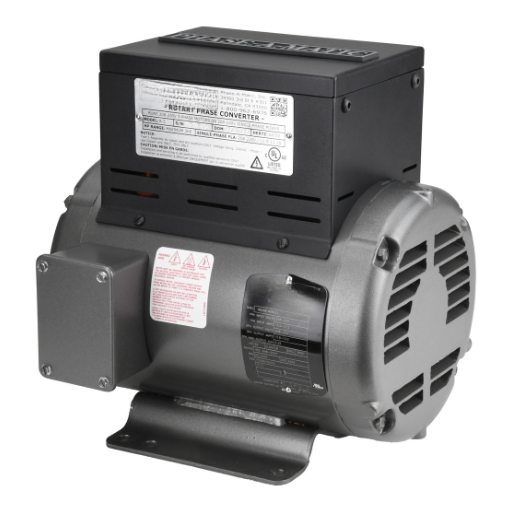
Rotary phase converters convert a single-phase power input to a three-phase power output. The process starts with single-phase input energizing the idle motor, which works as a generator to supply the third phase. When combined with the two original phases, it provides a balanced three-phase power supply. Run capacitors and the cooling system are critical to the operation. They help stabilize the voltage across all stages and ensure the motor remains within the permitted temperature range, respectively. Voltage regulators keep the output at a constant level while circuit breakers safeguard the system from overload or faults, ensuring reliability and efficiency.
The Process of Converting Single-Phase to Three-Phase Power
Conversion of single-phase power to three-phase power has been a field that has greatly benefited from the relatively recent advancements in power electronics and automation. Right now, variable-frequency drives (VFDs) and digital phase converters are being introduced to the market with very advanced, efficient control algorithms for much higher precision in the manufacturing process. VFDs not only ease the conversion but also provide a close, smooth change in frequency and voltage, making them a versatile tool for controlled motor speeds.
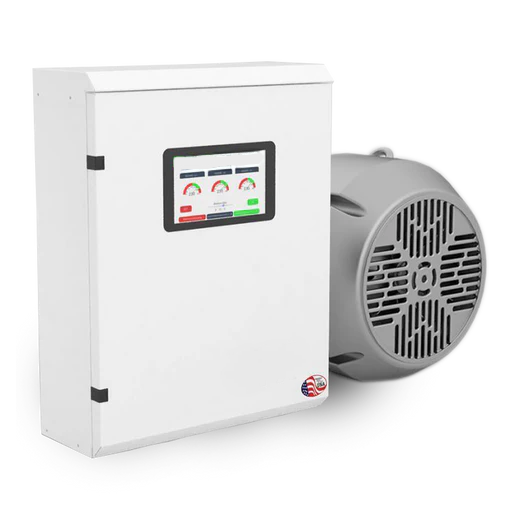
On the contrary, digital phase converters rely on microcontroller-based systems to generate three-phase power very closely resembling a real three-phase system, thereby greatly minimizing harmonic distortion and maximizing load balancing. Also, using the built-in monitoring units, these products can detect problems in circuits related to phase alignment, voltage levels, and overall system health more quickly. Apart from this, the installation of smart sensors together with the newly introduced digital controls and the above-mentioned monitoring units that are typical in phase converter units makes these systems quite self-sufficient and error-free, similar to the human body, which also has its self-repair and error-detecting mechanisms integrated into its system, hence the system becomes more independent from the outside world.
Understanding Phase Power and Load Distribution
The distribution of phase power and load is crucial to the electricity system, as it ensures the efficient operation of connected equipment and reduces energy losses. Suppose the two are evenly distributed across the phases. In that case, it is less likely that any failure will occur due to overheating, local voltage, or disintegration, which could lead to equipment damage. The present-day distribution systems employ intelligent algorithms to estimate load and account for its dynamic nature. Power, in these cases, is allocated ethically in proportion to the corresponding demand. The process is usually performed by installing intelligent control units that monitor power flow, detect imbalances, and reallocate loads in real time. Moreover, three-phase systems are initially the ones that offer a more frequent power supply; thus, they deliver the energy signal more consistently. Therefore, efficiency is increased, especially in the case of connections to industrial units, where a large power waveform is not required. One crucial point for extending the life of electrical components and complying with operational standards is establishing effective load management protocols.
Digital vs. Traditional Rotary Phase Converters
| Key Point | Digital Rotary Phase Converters | Traditional Rotary Phase Converters |
|---|---|---|
| Efficiency | High efficiency through precise digital control | Moderate efficiency, depends on load balancing |
| Power Quality | Superior, stable power delivery with minimal ripple | Fluctuating power quality in high-demand scenarios |
| System Monitoring | Offers advanced real-time monitoring features | Lacks integrated monitoring capabilities |
| Startup Torque | Enhanced startup torque for heavy machinery | Requires longer intervals to reach maximum torque |
| Installation Complexity | Simplified installation through digital automation | More complex installation with additional hardware |
| Maintenance Requirements | Low, due to fewer mechanical components | High, periodic maintenance is needed for mechanical parts |
| Energy Usage | Optimized energy consumption using digital algorithms | Higher energy demand under similar conditions |
| Operational Noise | Operates quietly with solid-state control | Louder operation due to mechanical rotary components |
| Adaptability | Easily adaptable to changing load conditions | Limited adaptability without manual adjustments |
| Cost | Higher initial cost, lower lifecycle cost | Lower initial cost, higher lifecycle maintenance costs |
Applications of Rotary Phase Converters
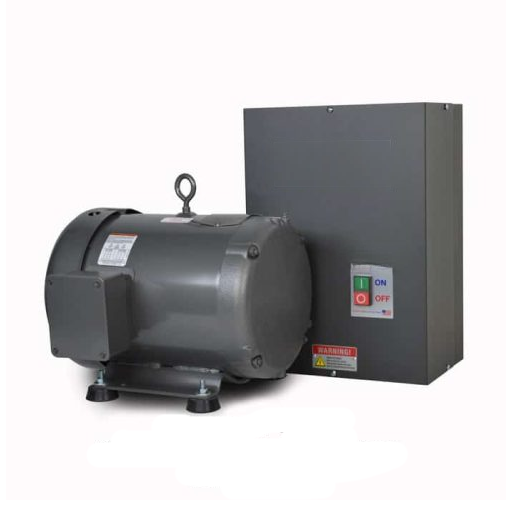
In industrial and commercial contexts where three-phase power is demanded, but only single-phase electricity is supplied, rotary phase converters are relied upon. The most important applications are as follows:
- Machine Tools – Rotary phase converters are widely used to power lathes, mills, grinders, and CNC machines in workshops without three-phase utility service.
- Agricultural Equipment – There are many ways these converters are used to support irrigation systems, grain dryers, and other farm machinery.
- HVAC Systems – Rotary phase converters are perfect for three-phase electrical systems in air conditioning units, refrigeration and chilling plants, and compressors.
- Woodworking and Metalworking – The operation of equipment such as saws, planers, and welders depends entirely on the rotary phase converters’ ability to provide the required power.
- Manufacturing Industries – Conveyors, pumps, and other three-phase machinery used in the manufacturing industry are often powered by them.
The use of these applications as examples really highlights their incredible versatility and the vital role they play in enabling the cost-effective accessibility of three-phase power.
Industrial Applications: Manufacturing and CNC Machines
In manufacturing, particularly with CNC (Computer Numerical Control) machines, the primary source of precise, high-speed energy is rotary phase converters. CNC machines, especially, require a constant, uniformly distributed three-phase power supply for proper performance and the security of the parts, which are easily susceptible to failure. On the other hand, sectors such as aerospace, automotive, and toolmaking are primarily known for using rotary phase converters to operate CNC milling machines, lathes, and precision grinders.
Recent progress in the machine tech world demands the power of a high number of machines and has raised the CNC system’s operation complexity, which is why power solutions are seen as a must. Related studies have shown that a three-phase system with balanced power is the one that wears down equipment the least and that it contributes maximally to productivity, thereby practically canceling downtime as electric problems are few and far between. It is also evident in a study that the use of phase converters in power transmission would reduce industry energy costs, as converter technology would enable the use of three-phase equipment with minimal changes to existing power facilities. As a result, by monitoring the practice of using power converters, the industry is not only expanding the community’s customer base but also reducing the cost of goods sold.
Woodworking and Agriculture: Enhancing Productivity
Rotary phase converters are highly beneficial in the woodworking and farming industries, not only for the cutting-edge technology they provide but also for their efficient, straightforward use. Woodworking, in this regard, also benefits from using more efficient three-phase machines that deliver high output, such as planers, saws, and sanders. These machines offer power and accuracy, and thus operate as an add-on to quality, time-saving woodworking.
In the same vein, the case of agriculture is the same, where rotary phase converters are significant for irrigation pumps, grain dryers, and conveyor systems. Farmers with three-phase power and rotary phase converters can enjoy new, faster ways to process farm produce, with less equipment wear and tear, and thus have the machinery serve them longer. The studies suggest that the rotary phase converter technique not only reduces the machinery’s energy consumption but also provides a consistent voltage supply, enabling the machines to last longer. This double benefit will secure sustainable productivity for both industries while accommodating divergent operational needs without difficulty.
Automotive Repair and Other Uses
Rotary phase converters have a wide range of applications in the automotive repair sector, particularly for devices that require reliability and precision. The use of three-phase power is essential for several automotive repair tools, including hydraulic lifts, air compressors, and CNC machines, to deliver the best possible performance. The Rotary phase converters have become the most practical solution, providing the most reliable and stable power and thus maintaining the operation of such machines at optimal efficiency, with no need for expensive upgrades to three-phase electrical infrastructure.
Moreover, it is worth noting that the converters’ flexibility allows them to be used in a wide range of applications across different areas, such as manufacturing, business, and even at home. For example, in the woodworking sector, rotary phase converters dominate by powering high-power saws, planers, and lathes, thereby ensuring a smooth, efficient working environment. The metal fabrication industry also uses them because machines that require a constant-voltage supply, such as welders and plasma cutters, benefit significantly from rotary phase converters. One more upside of rotary phase converters is their ability to handle varying loads, making them a necessary part of any three-phase power-using process. The solid construction of these phase converters, together with their economical power consumption, leads to the least downtime and the highest productivity across different applications.
Choosing the Right Rotary Phase Converter
- Power Requirements: Calculate the total horsepower (HP) of the equipment you need to run, and ensure the converter you choose has sufficient capacity to effectively handle the load at any given time for all the connected equipment.
- Type of Equipment: Check whether the equipment requires a high starting torque, such as compressors or CNC machines. Some converters are made solely for hard-start operation.
- Voltage Stability: Ensure the converter provides a consistent voltage output to avoid equipment damage from voltage fluctuations. Check whether the units can achieve tight voltage balance for the most precise machinery.
- Phase Converter Type: Decide on a standard-duty or heavy-duty converter that will fit the load. Heavy-duty converters are more robust for extended periods of operation and could be considered if there is high use.
- Installation and Maintenance: Choose a model with easy installation and minimal maintenance requirements, thereby reducing long-term operational costs.
By thoroughly reviewing these factors, you can choose a rotary phase converter that aligns with your equipment’s specific needs and the operational targets you have in mind. Do look into the manufacturer’s guide for the rest of the unit’s compatibility information.
Power Requirements and Efficiency
One point of comparison in assessing a rotary phase converter configuration is determining the total starting and running load of the equipment it serves. The equipments served by rotary phase converters must be able to handle both the inrush current during startup and the steady-state operational demands without any performance loss. One way to determine the size of the phase converter to purchase for the application is to oversize it by approximately 25-30% to allow for operational flexibility and mitigate the risk of overloading during peak hours.
Converter efficiency is a significant issue to consider, as it affects energy consumption and, in turn, operational costs. Energy-efficient models usually exhibit lower heat loss, more stable outputs, and less harmonic distortion, which, in turn, help not only reduce the life-cycle cost of connected equipment but also save energy. The most recent steps in the utilization of rotary phase converter technology have been the achievement of the most comprehensive design, one that includes automated balancing systems and new electrical components, which have drastically improved the energy efficiency of the converter systems. The system’s efficiency and reliability can be further enhanced through proper wiring, grounding, and load balancing during installation.
Understanding Different Sizes: From 2 HP to 20 HP
Rotary phase converters come in different sizes, enabling them to serve a wide range of applications from light-duty to industrial machines. The 2HP units are usually seen in the light-duty corner, where energy consumption is very low, yet power consistency is still necessary. Smaller sizes are also preferred in environments with limited space or where the company has tight purse strings.
More importantly, on the other side, machines rated up to 20 HP are special because they can be used in the most demanding circumstances, such as operating large machinery, CNC machines, and industrial air compressors. The motor of the high-rated generator is built with top-quality parts that can withstand constant heavy-duty use and provide power and temperature stability. On top of this, the better-rated models may overlap. They are usually in the digital control and power factor correction list; they may have, in case, the last detail, securing laser beam precision in accordance with the operation requirements, and also, as noted, very little disturbance to other electrical users by avoiding energy waste. In the final analysis, the selection of the best size should depend on the equipment’s starting current, the working load, and the possibility of future growth, which are the most imperative factors for doubling efficiency and extending the life cycle.
Evaluating Reliability and Cost-Effectiveness
The crucial features in the evaluation of the equipment and systems are reliability and cost-effectiveness, among other criteria. The reliability of a piece of equipment can be experienced and quantified through metrics such as MTBF and MTTR, which provide a detailed review of expected operational performance and downtime. The first of these metrics is Mean Time Between Failures (MTBF), and the second one is the Mean Time to Repair (MTTR). These metrics survive as a complement when we speak of downtime and are not considered as a separate pair of factors.
To make a system cost-effective, one has to calculate the Total Cost of Ownership (TCO) over the system’s life. This not only accounts for the initial purchase price but also long-term expenses such as maintenance, energy consumption, and possible downtime costs. For example, repair times and maintenance overhead are often reduced in systems equipped with modular designs or advanced diagnostics; therefore, high operational efficiency and low overall expenditure are achieved. By considering these factors across available options, organizations can take necessary actions based on data requirements, both for immediate and long-term value.
Tips for Efficient Use of Rotary Phase Converters
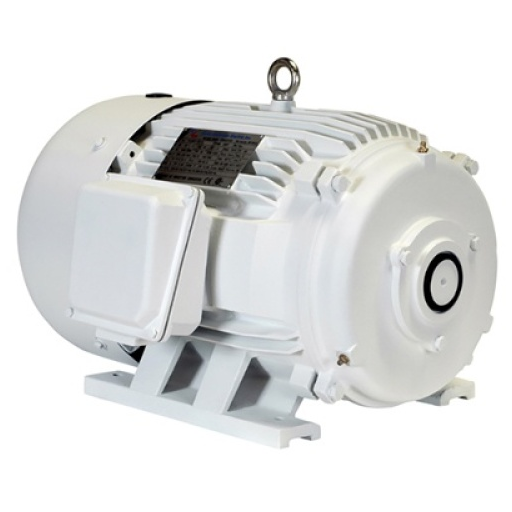
Ensure Proper Sizing
Pick a rotary phase converter that is right for your equipment needs. Using a too-small converter will cause performance inefficiency, while utilizing a too-large converter will only draw more power than needed.
Conduct Regular Maintenance
Regularly cleaning and checking the motor, capacitors, and connections are some examples of the activities the instructions suggest you follow to prevent overheating and wear or tear, which decrease the efficiency and lifespan of the plant.
Optimize Installation Location
To reduce the risk of dust and water contamination, or the effects of high temperatures on operational efficiency, it is best to place the converter in a dry, well-ventilated location.
Balance the Load
For improved performance and to prevent equipment strain, it is best to distribute the load across all phases evenly.
Use Quality Power Supplies
To protect the converter from voltage fluctuations that may reduce efficiency or damage it, provide a stable, secure power supply connection.
Optimizing Performance and Energy Consumption
To make power converters perform well and be energy-efficient, advanced strategies are required. Utilizing active power factor correction circuits as one strategy can be an effective way to significantly reduce harmonic distortion and enable the input power to be used most efficiently. Furthermore, the use of silicon carbide (SiC) and gallium nitride (GaN), modern semiconductor materials, can significantly improve switching efficiency and thermal management, thereby reducing energy losses.
It is crucial to implement real-time monitoring systems to monitor performance metrics such as temperature, voltage, and current. These systems are beneficial because they provide critical support and enable predictive maintenance, thereby eliminating downtime and extending equipment lifespan. The combination of these technologies with intelligent control algorithms will enable dynamically adjusting operating parameters to achieve optimal conditions even under different loads.
On the other hand, compliance with energy standards (e.g., the IEC 61800 series for variable-speed electrical power drive systems) is another way to ensure that the equipment not only works at its best but also takes the long-term sustainability of the environment into account. The acceptance of these moves allows for a broader-minded approach to energy-saving and thus high-performing regulation to be imposed.
Understanding Duty Cycles and Usage Limits
Duty cycles and usage limitations are critical in deciding the efficiency, dependability, and durability of the electrical power drive systems. The duty cycle, usually expressed as a fraction or percentage, shows how much time a system spends in operation relative to the total cycle time. The other machinery characteristics are thermal behavior, temperature control, and the alignment of operational parameters with the design conditions and the material of the load level. None of such issues will be solved without accurately expounding the duty cycle.
Usage limits pertain to the highest thresholds of operation: the present, the voltage at which a system can operate, the current passing through the system, and the temperature inside the system, so that the system can still function properly without any damage or malfunction. The necessity of staying within safe limits is crucial for the sustainability of the system and for reducing wear and tear over time. For example, exceeding the maximum load can cause severe thermal stress, insulation damage, or even mechanical failure.
The use of the latest sensor and instrumentation technologies in present-day drive systems enables duty cycles and usage limits to be monitored and adjusted continuously based on current conditions. This is crucial in the case of variable-speed drives, where the load demands are highest. The implementation of these techniques prevents overloading of components, saves energy, and ensures that machinery for hazardous locations complies with performance standards such as ISO 13849 and IEC 60034. Knowledge of these theories clearly indicates that the best way to approach maximum operational efficiency is to employ a proactive approach to system design and maintenance.
Reference Sources
Characteristics of Rotary-Type Phase Converters
Summary: This paper examines the operational characteristics of rotary phase converters, particularly in agricultural and industrial settings.
Design and implementation of a single phase to three phase rotary converter
Summary: This research focuses on the design and implementation of a cost-effective rotary phase converter for generating three-phase power from a single-phase supply.
Frequently Asked Questions (FAQs)
What is a rotary phase converter, and how does it create three-phase power?
A rotary phase converter is a motor-generator device designed to convert a single-phase electrical supply to three-phase power by running an idler motor to generate the missing phase. The idler motor is barrel-shaped at the back and generates a third sinusoidal waveform, which in turn allows three-phase machinery to operate on single-phase power. It is a better way to achieve continuous and tough operation compared to a static phase converter, which is why it is chosen for heavy-duty and variable loads. Proper sizing of the converter relative to the load motor is critical to keep the load balanced and maintain a very low voltage unbalance.
How do I size a rotary phase converter for my equipment?
Calculating the size of a rotary phase converter means the converter’s power should be the same as the largest three-phase motor you plan to run, or choose one 25% to 50% larger for reliable starting and handling of the inrush current. One thing you need to give some thought to is whether there will be many motors operating together, and also consider the peak loads, duty cycle, and starting torque requirements. The use of additional filtering and/or a rotary phase converter with bearing protection can improve performance. Still, it may not be necessary unless you are dealing with very sensitive or precision equipment.
Can I use a rotary phase converter with a variable frequency drive (VFD)?
Using a VFD with a rotary phase converter is undoubtedly possible. Still, the user must be meticulous about the quality of the produced three-phase waveform and its corresponding phase rotation to avoid damaging the VFD. The converter needs to provide reasonably balanced voltages and a stable frequency for the VFD to operate correctly; otherwise, harmonic distortion and voltage unbalance can lead to overheating or fault trips. Numerous VFD users are accustomed to placing the VFD on the single-phase supply side and connecting the three-phase output only to motors, or they install filters and isolation transformers to make the power cleaner before providing it to the VFD.
What maintenance does a rotary phase converter require to ensure long life?
Regular maintenance for a rotary phase converter includes checking and replacing worn bearings, inspecting and tightening electrical connections, and observing the idler motor for unusual overheating or vibration. It is also beneficial to clean and remove dust and debris occasionally because this prevents the insulation from breaking, improves cooling efficiency, and helps lubricate mechanical parts according to the manufacturer’s guidelines, reducing wear. Electrical tests, such as measuring phase voltages to detect unbalanced voltages and capacitor bank or filter tests, are significant because they can reveal potential errors before they cause significant issues and help maintain stable operation.
