
Three-phase power is the standard for industrial equipment because it’s highly efficient and well-suited to handling large electrical loads. The only downside is that most of the residential and small commercial uses are limited to single-phase power. So, this raises a significant problem for heavy unit operators. In such a situation, the role of rotary phase converters would be unquestionably invaluable. Not only are they complete and perfect solutions, but they are also the only ones that can enable such power conversion; that is, they can transform single-phase power into three-phase power and provide businesses and hobbyists with access to high-tech equipment even without a three-phase utility distribution. This piece will examine the principles behind rotary phase converters, their key benefits, and why they are essential for most industries, offering the most efficient and environmentally friendly way to manage energy.
Introduction to Rotary Phase Converters
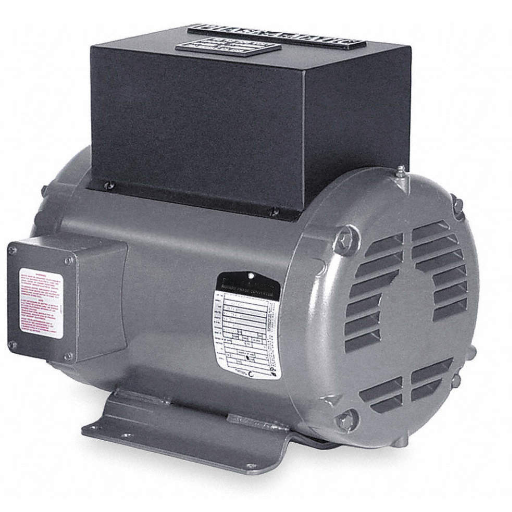
Rotary phase converters convert single-phase electrical power to three-phase power, enabling the use of three-phase machinery when only single-phase power is available. To get through this, it uses an idler motor to produce a balanced three-phase output. Unlike capacitor- or electronic-phase converters, Rotary phase converters are not dependent on the load type. With them, you can power any kind of three-phase machinery. Rotary phase converters are rugged, maintenance-free, and inexpensive. They provide the same power quality as a utility company, with the ability to generate any desired voltage level. They are a reliable power supply with minimal interference to the utility grid for production lines, welding shops, woodworking shops, repair shops, etc. Rotary phase converters are also a good solution for powering multiple motors, such as compressors and high-performance pumps.
What is a Rotary Phase Converter?
Rotary phase converters are devices (machines) that are functional electromechanical utilities and their sole duty is to convert single-phase power to three-phase power, thus allowing the operation of facilities or machines that demand three-phase electricity only. The equipment uses the idler motor, capacitors, and the control panel to step up the additional phases required to simulate three-phase power. The idler motor rotates to generate a time-varying magnetic field, producing the phase shift required to stabilize the voltage of all three phases.
Cutting-edge rotary phase converters are made to serve a broad spectrum of applications, ranging from industrial manufacturing to agricultural systems, where three-phase equipment is the norm. They are designed to be highly efficient and to manage a wide range of load values, providing stable, balanced output power. Most of the best designs integrate digital controls for continuous monitoring and optimization, which in turn ensure long equipment life and less time lost to operation. Their high reliability and low cost make them among the most popular products in the market when there is no direct access to the three-phase power grid.
Importance of Phase Conversion
Phase conversion is widely necessary across industrial, commercial, and residential sectors, as single-phase-to-three-phase power conversion is critical to the operation of high-performance machinery and equipment. Many manufacturing and repair operations use three-phase motors and equipment because they are more efficient, generate less vibration, and offer greater power stability than single-phase devices. Phase converters provide three-phase power in locations without three-phase infrastructure through custom power solutions. The reformed generation of converters using technologies such as variable-frequency drives (VFDs) and digital optimization systems has the potential to minimize global energy waste while remaining responsive to load variability. This is not only a technological but also a cost-effective and eco-friendly answer to the needs of various industries.
Overview of Single-Phase and Three-Phase Power
Single-phase and three-phase power systems are used to generate electricity. They are designed for unique applications, made possible by the availability of single- and three-phase power systems. One is from the beginning of the planning process to the end: single-phase power supplies use a single alternating current (AC) waveform. If single-phase power is required, this is typically the case in residential areas and small commercial establishments. It is also simple in design and economical for low power requirements. Moreover, it is suitable for powering household appliances such as lighting, fans, and entertainment electronics, among others. During periods of high load, efficiency decreases due to power cuts and limited transmission capacity from this power source.
Three-phase power certainly has a very different characteristic. This is because it uses three currents that are 120 degrees out of phase with each other. When, as a trio of two-phase systems, three-phase sine waves are tracked 120 degrees apart, this configuration significantly improves the reliability and continuity of the electrical power supply. The technical specifications of the three-phase system offer several advantages, including high efficiency in industrial and large-scale commercial operations, higher power density, and the ability to operate robust, heavy equipment such as motors, compressors, and manufacturing machinery. Besides, concurrent use of the three phases in the transmission of electricity makes it more reliable, results in less energy loss in transit, and ensures that the grid does not collapse.
How Rotary Phase Converters Work?
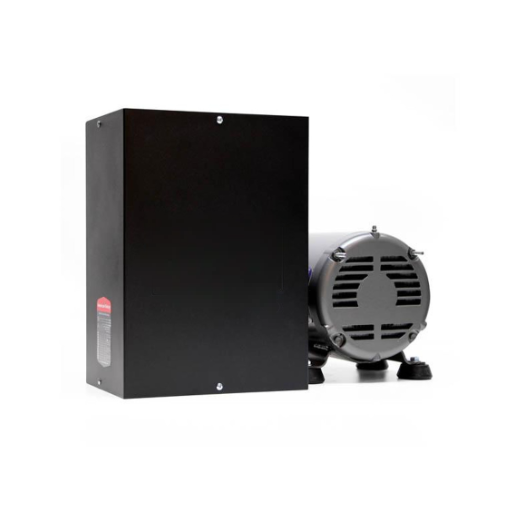
The operating principle of rotary phase converters is to convert single-phase electrical power into three-phase power. The conversion is performed by a three-phase motor, commonly referred to as an idler motor, operating from a single-phase source. The idler motor introduces the third phase by generating a rotating magnetic field. The third phase, in conjunction with the first two phases, yields three-phase power without the phase unbalances typically observed in the operation of heavy machinery and industrial equipment. To ensure stable, efficient operation, the system is often enhanced with capacitors that regulate the voltage.
Basic Principles of Operation
A phase converter is a single-phase electrical power-transforming device; its three-phase output meets the high-performance equipment requirements. In the initial phase, a single-phase input energizes the idler motor, which will simulate three-phase motor behavior. Within the idler, rotational energy and magnetic fields interact to generate the third power phase. The three generated phases can achieve near-equal voltage and current balance, minimizing phase-voltage deviation and thereby achieving optimal performance through precise system adjustment, typically using start and run capacitors.
The high-grade rectifiers, load boosters, and battery chargers incorporate up-to-date control techniques that improve efficiency and power quality under different operating conditions. Concurrently, the latest monitoring systems enable the identification of a minuscule phase imbalance and, as a result, reduce equipment wear, thereby extending service life. All these factors, along with the selection of high-quality components and adherence to strict design standards, combine to meet the stringent requirements of industrial and commercial users for machine safety, efficiency, and consistency.
Components of a Rotary Phase Converter
Technical Insights into Phase Shifting
In a power system context, the term phase-shifting refers to intentionally shifting the phase between voltage and current. It is a highly specialized concept for applications such as power transmission, motor control, and signal processing. Engineers can adjust the phase angle to benefit power flow, reduce energy losses, and improve system stability.
A method often overlooked but also a fundamental one is the use of phase-shifting transformers, which enable control of the electric power flowing between grids. This operation is achieved by the transformers introducing a phase lag between the primary and secondary windings, allowing precise control over the load distribution. In addition, advanced methods such as phase-locked loops (PLLs) and all-pass filters are commonly used in analog signal processing to achieve phase shifts without significantly affecting signal amplitude, and these are the ones emphasized throughout the text.
Recent advances in digital signal processing (DSP) have primarily improved precision and adaptability in phase-shifting applications. Methods such as vector control in motors use phase accuracy to enhance both energy efficiency and torque control. In addition to this, the use of control algorithms that have AI has resulted in an ability to change the phase on an instant basis, which is making the phase shift an integral part of the smart grids and also the automated systems. One must know the main principles and leverage the most innovative methods if they want to get the maximum benefit from phase shift in engineering fields.
Applications of Rotary Phase Converters
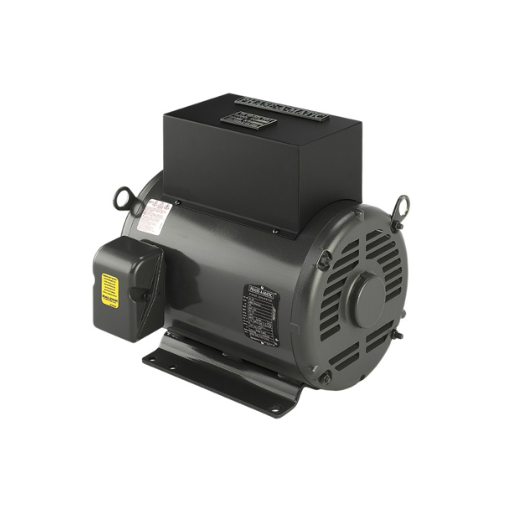
The rotary phase converters are widely used when three-phase power is required, but single-phase power is the only option. There are many uses of the rotary phase converters, such as:
- Industrial Machinery: Rotary phase converters are used to power heavy-duty equipment such as milling machines, lathes, and saws in workshops and small manufacturing facilities.
- HVAC Systems: They are critical for supplying electricity to significant heating, ventilation, and air conditioning systems in buildings without three-phase power lines.
- Agriculture: The farm equipment, such as irrigation pumps, grain dryers, and compressors, is powered by rotary phase converters; thus, agricultural activities can be conducted in rural areas with poor grid infrastructure.
- Construction Equipment: Support for a rotary phase converter enables efficient operation of tools such as industrial mixers, cranes, and welders at construction sites without a three-phase supply.
The adaptability of rotary phase converters makes them an affordable means of supplying solid three-phase power to many different industries.
Industrial Uses of Rotary Phase Converters
The use of rotary phase converters in manufacturing is crucial because they enable the controlled operation of CNC machines, lathes, mills, and grinders. These machines, which operate on three-phase power, are required to ensure precision in both accuracy and efficiency in manufacturing processes. The rotary phase converters help eliminate energy fluctuation-induced issues, such as compromised machine component quality and equipment wear over time, by providing a steady voltage.
Furthermore, the use of rotary phase converters is critical in the plastics and chemical industries, as they enable the operation of standard equipment such as extruders, injection molding machines, and pumps. A continuous power supply is one of the reasons a machine performs consistently and at its best; it reduces downtime and improves output quality. Mining and resource extraction sectors, on the other hand, employ rotary phase converters to energize the large machinery, crushers, conveyors, and ventilation systems in remote places with weak three-phase power lines, thus making overall operations more productive and cost-efficient.
Applications in CNC Machinery
CNC machinery, which demands a stable, consistent three-phase electrical supply, could not operate at its best with a rotary phase converter. The need for a smooth, uninterrupted power supply in CNC machines is crucial, since these machines —whether lathes, mills, or plasma cutters —are the very operations that maintain workpiece accuracy and prevent errors in intricate manufacturing processes. Operating through a rotary phase converter, the CNC machine remains steady and safe, as the converter maintains three-phase balance and voltage. Hence, no parts get heat damage and wear will be reduced, giving longer life to the system, specifically, the servo systems and spindle motors have less heating and friction which would wear them out rapidly.
Moreover, the highly efficient rotary phase converters not only enable the handling of various CNC machine loads, thereby making CNC machines more adaptable and efficient, but also enable CNC machining in workshops and facilities without direct access to a three-phase power grid. That is to say, the converters facilitate not only lower operating costs by avoiding the need for high electrical infrastructure upgrades but also increased production output by minimizing downtime caused by electrical instability and breakdowns.
Home and Small Business Applications
The popularity of phase converters among home-based and small businesses has steadily increased, as these businesses find them cost-effective and practical. By using these converters, three-phase equipment can operate in areas with only single-phase power, eliminating the need for costly upgrades to the electrical system infrastructure. For small workshops, the use of phase converters allows the operation of machines such as milling machines, lathes, and table saws, ensuring consistent performance. Data from the last few years show an increase in the demand for phase converters, especially in remote or rural areas, where power grid limitations are more common. With a high-quality phase converter, even the smallest business can achieve professional-grade results without the mammoth power systems. This feature ensures smooth operation and improved energy efficiency, which is critical for productivity and for small businesses to operate at the lowest cost.
Benefits of Using Rotary Phase Converters
Cost-Effective Power Conversion
One of the most cost-effective ways to convert single-phase power to three-phase power is through rotary phase converters. One of the most significant advantages of this solution is that there will be no need to upgrade large, expensive power grids.
Versatility Across Applications
The potential benefits are that they can be used with a wide range of equipment, such as machinery in manufacturing, farming, and woodworking, which provides significant flexibility across industrial and commercial scenarios.
Reliable Performance
Rotary phase converters have the advantage of maintaining a stable three-phase power supply, allowing the equipment to perform at its best while minimizing power load stress.
Energy Efficiency
Three-phase power conversion was already cost-effective, but when rotary phase converters were used on a large scale, the energy distribution became even more cost-effective. Moreover, the latter will be more than a simple eye on the budget spread across the different sectors.
Ease of Installation and Maintenance
Another aspect of these phase converters is that the return on invested capital is realized quickly, since they are easy to install, durable, and require minimal maintenance, making them cost-effective.
Cost Efficiency and Energy Savings
Rotary phase converters are the best solution for industrial and other applications that require three-phase power but are not connected to a three-phase supply. In terms of cost, these devices are cheaper than upgrading the power infrastructure. This upgrade may require substantial investments in civil works and the installation of a permanent generator. Also, the new generation of rotary phase converters is designed for optimal energy efficiency, operating with minimal energy loss and delivering only the necessary power output. Several studies and analyses have reached the same conclusion: in addition to reducing power consumption, these machines help lower electricity expenses and prevent power surges that strain the customer. Moreover, the most sophisticated devices are designed to automatically support load balancing and power factor correction, which together contribute to more efficient energy use and lower operational costs. In the end, rotary phase converters are not just cost-effective but also the right choice for the conservation process, helping meet global energy and sustainability targets.
High-Quality Power Supply Features
Rotary phase converters help maintain a continuous, seamless power flow by controlling voltage and reducing harmonic distortion. Generating equilibrated three-phase power is the main selling point of these converters, which is critical for the proper operation of delicate industrial machinery such as CNC equipment, motors, and air compressors. They are usually able to maintain a very close to 100% voltage balance between the phases, which eliminates one of the leading causes of unsatisfactory operation and premature equipment failure due to the power supply.
High-quality materials and advanced electrical components are why a modern rotary phase converter lasts over time and operates efficiently even under extreme conditions, such as continuous operation. Also, such a system self-cools and ensures that the load’s heat never exceeds safe limits, thereby prolonging the unit’s life. When you put all these three outstanding characteristics together, you get the equipment that is not only adaptable to (various) applications but is also the most efficient in terms of output for the industries that can’t do without dependable power.
Choosing the Proper Rotary Phase Converter
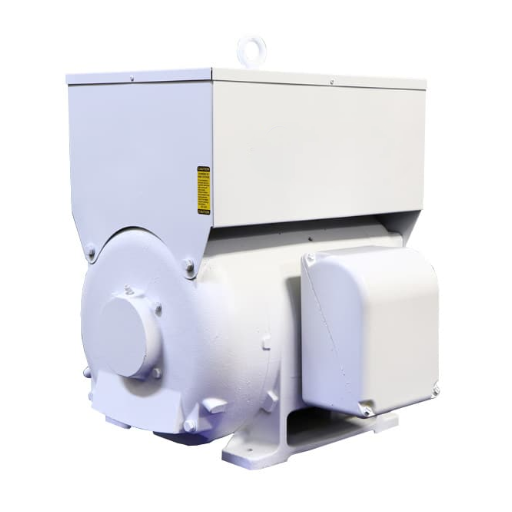
When choosing a rotary phase converter, it is very crucial to take into account the following things:
- Load Requirements: Before buying, you should review the total power required for your equipment and select it based on horsepower (HP) or total power in kilowatts (kW). This process will help ensure the phase converter has sufficient capacity.
- Type of Load: Determine whether your equipment operates with resistive, inductive, or sensitive loads, as different converters are optimized for specific load types.
- Voltage Compatibility: See to it that the phase converter has the correct voltage output and it is the same as the one mentioned on your equipment’s specs. This way, inefficiencies or damage would be avoided.
- Environment: Assess the facility where the machine is located and the surrounding environment during a selection test of responders. Units with a high-level cooling system or a completely sealed housing are best for areas with high temperatures or where dust is present.
- Manufacturer Support: Reputable manufacturers with robust after-sales support, solid warranties, and parts available on demand should be the converters’ sellers of choice.
Choosing the correct rotary phase converter is a critical step in ensuring the performance of your operation, the efficiency of your activities, and reducing the risk of equipment breakdown.
Understanding Voltage Requirements
One of the critical factors in selecting a rotary phase converter is the equipment’s wattage rating, which is key to both process efficiency and system life. While most rotary phase converters can transform single-phase input power into balanced three-phase output power, the voltage levels used should be compatible with the machine’s requirements. For instance, industrial machines typically operate on 208 V, 240 V, or 480 V three-phase systems.
Collaborating with the machine’s digital voltages, the converter’s output is highly critical. The absence of voltage alignment during operation can cause multiple issues, ranging from overheating and underperformance to the failure of delicate components. Whenever voltage unbalances are present it is also good to make sure if possible to keep them within the range, specifically not more than 3% deviation from the nominal voltage, it is a good practice for CNC systems or fine-motion control systems. It is common to find high-end converters equipped with the ability to adjust the output voltage, making them a perfect fit for a wide range of applications.
Electric companies across diverse territories use different voltage levels, so they must be cautious to match the voltage. For long-distance power lines and large machines, the voltage drop in the distribution network should also be calculated to minimize overall system inefficiency. Strong support for these factors means integrating a system that delivers consistent performance across different load levels.
UL Certification and Quality Assurance
Having a UL (Underwriters Laboratories) certification is a key indicator of the safety, reliability, and compliance of electrical equipment and systems. Products with the UL label have undergone rigorous testing to meet the highest industry standard. This standard covers fire risks, electrical safety, and operational performance. It is not only the safety aspect but also the overall performance of the products that are assessed through UL testing methods, conducted under a range of conditions, including the most unlikely ones.
Quality assurance goes beyond certification and encompasses continuous monitoring and process improvement. For example, producers use sophisticated diagnostic equipment and automation to ensure precision in development and assembly. Data analytics also have a significant role in this matter – they can reveal the trends in the system performance and pinpoint probable future problems preemptively. Therefore, merging all these methods guarantees not only initial compliance but also reliability throughout the product life cycle. All in all, UL certification and the firm’s quality assurance system together speak to customer trust and bulletproof industry standards in measurement.
Reference Sources
Design and Fabrication of Single Phase to Three Phase Converter
Key Findings: This paper presents a system for converting single-phase power to three-phase power using a parallel rectifier and series inverter.
FOC of SRM using More Efficient DC-DC Converter Topology
Key Findings: This research analyzes six different types of converters used with three-phase switched reluctance motors (SRMs).
