
The modern industrial environment requires a regulated and smooth management of the electrical power system given the growing diversity of its implementations in various spheres. Static frequency converters (SFCs) have therefore become an indispensable part as they convert the frequency without any disturbance and are the core of major industries such as rail and airplane transport or even renewable energy. This comprehensive treatise has the main aim to introduce the theory, development and application of static converters. If you are interested in the essence of these devices, or even interested in designing permanent magnets, the scope of the technical material presented fits these niche areas. Come learn with us why these devices are essential today more than ever and the impact of the changes presented in fast energy speed for operational flexibility and excellence by standardizing operational best practices much higher.
Understanding of Static Frequency Converters
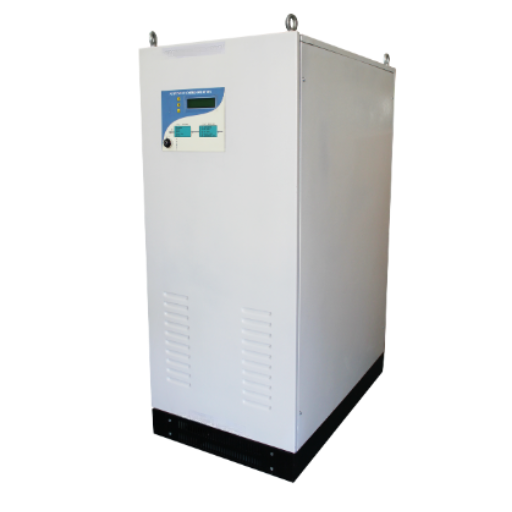
Static Frequency Converters (SFCs) are the systems designed with the primary aim to change the frequency of the electrical energy, from one value to another value, with high precision and efficiency. They are widely used in equipment that is required to be operated on a frequency different from the one supplied. It is possible to implement SFCs or convert ACP power into DC power first and then regenerate the AC power of the required frequency using an inverter. This facility is crucial to ensure coordination between power systems and equipment, lower energy consumption and maximise productivity in sectors such as aerospace, manufacturing and renewable energy. Thanks to these features and constant upgrading, SFCs are one of the key components for a modern system of energy management.
Core Functionality of SFCs
Static Frequency Converters rely on the application of highly efficient power conversion through the use of power electronic devices to change the input frequency to meet the specified operational requirements. They include a rectifier module that helps in the changing of the incoming alternating current (AC) into direct current (DC) while the inverter module finds its use in the changing back the DC at a designated frequency into the usable form of AC.
Latest trends in the world of SFCs have been the use of smart technology so as to maximize on the help given while assuring the efficient use of the converter, minimize the amount of harmonics generated and raised the power quality of the converter. Such processes are aided by the availability of erect_grid and convert_grid, which provide the user with necessary interfacing information as well as helps in reducing or resolving connection problems. The capability of consuming large power loads in a very structured and stable manner also represents a key extra service of these systems to the most demanding frequency systems.
How SFCs Convert Fixed Grid Frequencies
Therefore, Static Frequency Converters (SFCs) are power conversion systems that use power electronic devices to process fixed-frequency input signals, such as 50 Hz or 60 Hz, into variable frequency output. These functions begin with the process of rectification, where the alternating current (AC) input signal is changed into direct current (DC) using high-speed rectifiers. After that, the rectified DC signal is transferred to an inverter, where devices like insulated-gate bipolar transistors (IGBT) or others are used to regenerate an output to meet desired frequency with waveform that does not contain harmonics.
This successful modular development enables precise selection of frequencies that meet the needs of such positions as power units on the ground in aviation, integrating various kinds of renewable power sources, etc. As they feature state-of-the-art functionality, Solid Fuel Converters (SFC) also tend to keep energy conversion losses low and even guide the adjustment of output power and quality. Furthermore, an advanced feature of microcontrollers is the adaptive no-stress load compensation algorithms, which will facilitate and improve the work with the system under different conditions without any interruptions.
Comparison with Rotary Converters
| Parameter | Static Frequency Converters (SFCs) | Rotary Converters |
|---|---|---|
| Efficiency | High, minimal energy loss | Moderate, energy loss due to friction |
| Maintenance Requirements | Low, fewer moving parts | High, wear on mechanical components |
| Noise Output | Quiet operation | Noisy due to mechanical movement |
| Size and Weight | Compact, lightweight | Bulky, heavier |
| Scalability | Easily scalable in modular designs | Challenging to scale efficiently |
| Energy Conversion Process | Fully electronic | Electro-mechanical |
| Reliability | High reliability under varying loads | Lower reliability under heavy loads |
| Operational Lifespan | Long, extended lifespan | Moderate, subject to mechanical wear |
| Initial Cost | Higher upfront cost | Lower upfront cost |
| Power Factor Control | Advanced control possible | Limited control |
Industrial Applications of SFC
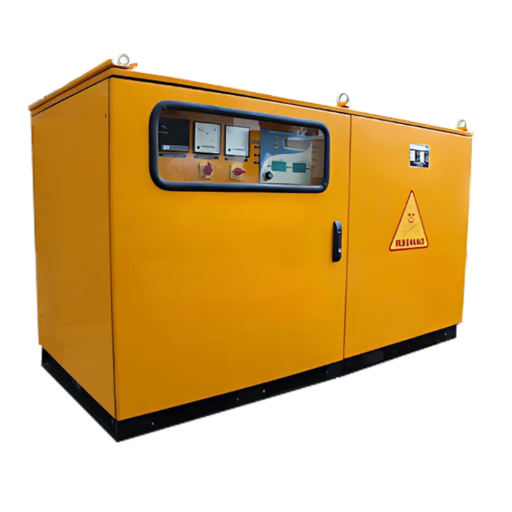
- Aerospace:
Found in the power systems of ground power units to enable the delivery of a reliable and stable power to the aircraft during repair and flight preparation and any potential effects with the aid of shipborne powers.
- Manufacturing:
Used when there exists special equipment working with a range of power frequencies which differ from those of other machinery, e.g., the CNC machines and other similar tools. They improve productivity and the adaptability of the conventional system.
- Renewable Energy:
This might be necessary in the grid frequency regulation functions within the energy system, through which the system is enabled to function at the right capacity, and aids implication of the renewable sources, which are wind-dependent, easily and simply.
- Marine and Naval:
Offer powerful methods of transforming power for shipboard systems that make it possible for any vessel visiting new waters to utilize the electrical standards at either station or operation.
- Railway Systems:
Used in achieving the desired frequency, power supplies to cater to train needs are called a traction power system, and it helps in operating the network railways without complications.
Role in Aviation Systems
Such a device is a frequency converter which is necessary to transfer the electricity power system into the aircraft manageable voltage and frequency. The airport is using the ground power units which has frequency converters to deliver 400 Hz power line to the aircraft as it is the best alternative for avionic data and most of the equipment designed for on board operations is at 400 Hz. This has greatly reduced the previously high reliance on auxiliary power units (APUs) power services while an aircraft is on ground before leaving or on its way due to oil aeration, noise as well as emission of carbon along with a drastic decrease in fuel utilisation.
Moreover, the delivery of power from a power source to an aircraft involves the use of frequency conversion equipment to take care of different electrical standards of the world and current aircraft needs. Widespread use of advanced solid state technologies has boosted the efficiency as well as overall operational reliability of this equipment and answered the market need for such systems, as most new airports are being constructed as efficient and environmentally friendly airports.
Shore-to-Ship Power Solutions
Several shore-to-ship power solutions, nicknamed cold ironing or alternative maritime power (AMP), have been presented as an efficient way of diminishing the environmental impact of the maritime activity. Allowing ships to switch off fume-generating auxiliary engines when in harbor, these power solutions are interfaced with the electricity grid onshore. This change greatly lessens the carbon dioxide emissions, removes particulate contamination, and drastically diminishes Nitrogen dioxide (NO2) and Sulfur dioxide (SO2) pollution leading to cleaner port air.
Modern solutions in intelligent electrification in the maritime sector have been created in order to adapt to the scalable power approaching levels of differential in many types of vessels such as large passenger ships, container ships, and oil / chemical tankers. Equipped with advanced voltage adjustment and frequency maintainers, these devices enable precise adjustment between the land networks and the ship electrics, without regard to geographic, etc., distortions caused by different standards across regions.
Advances in technology also enable enhanced work performance in the installation process and lessen the financial burden of system installations thereby helping the maritime industry come closer to their green values and also assist in the ever challenging issues of environmental compliance that involves enforcing caps like the soon to be effective IMO 2020 and also the European renewable energy obligations.
Integration in Renewable Energy Plants
Today, it is more than necessary to include highly sophisticated electrical features in the systems and operations of renewable energy producing units within the modern energy infrastructure. In various applications, for example in wind farms and solar radiation collection sites, the installation of shore power systems may help in locating energy storage and supply units appropriately to attain minimum adverse effects upon the surroundings. On the other hand, advance technology and automation in smart grid allow for better integration of renewable sources feeding the grid and including their fluctuations. This, in turn, increases the share of renewables within the primary grid while also reducing environmental impacts by phasing out coal and enhancing energy efficiency.
It is stated that more and more people nowadays are choosing to use these energy sources as a result of lower costs of renewable energy technologies and better energy storage technologies, such as lithium-ion batteries and hydrogen. The technologies used in energy management systems such as those for electrical and mechanical system also aids in the allocation of energy in real time without incurring any losses and in any sense of balance between the two. These technologies are regarded as contributing to the adoption of sustainability in the global energy sectors and industrial areas, rather than recent policies adopted by various economies, like the European Green Deal and clean energy and energy efficiency as targets.
Benefits of Using SFCs in Various Industries
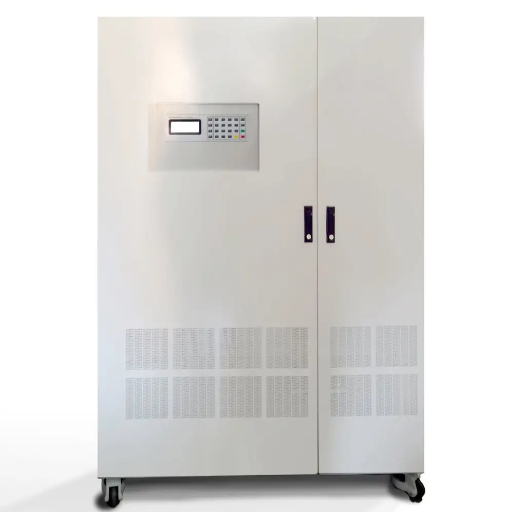
- Energy Efficiency: Basics of operating SFC lead to increased r of energy conversion as compared to traditional combustion systems; SFC’s energy efficiency improves cost of operations. Most advantages of energy efficiency are obtained in power production and industry.
- Reduced Environmental Impact: Similarly, since substances prepared in SFCs have a much lower environmental burden in terms of global warming and general pollution, the use of these substances especially in certain sectors such as transport and power also promotes the causes of sustainable development worldwide.
- Scalability and Versatility: SFCs are known to have a spectrum of potential applications that range from the sector of domestic equipment all the way to high-volume logistics which is how they are utilized to provide possibilities of switching energy sources to users with varying needs.
- Cost-Effectiveness Over Time: While the initial price paid may be seen as high, many paybacks can be felt like diminished maintenance and fuel costs over the years which makes them more appropriate for industries like grid connection power plants and isolated grids.
Energy Efficiency and Cost Savings
The extensive energy-saving capacity provided by the Nuclear Energy source is environmentally and economically dangerous. SFCs, however, are cost-effective power generation systems that can surpass and reach efficiency rates of 60% and 85% at stand-alone and integrated systems, respectively, compared to traditional combustion systems, which are generally below 40% in efficiency. Finally, SFCs are also improving the overall efficiency of the process technology by reducing the fuel required thereby fuelling operational cost reductions overtime.
Moreover, the ability of SFCs to produce electricity more quickly also lowers greenhouse gas emissions per megawatt-hour of power generated, this is a key adj advantage particularly at this time of stricter environmental control. In addition, SFC technology is developing rapidly and is becoming cost-effective therby facilitating its application in untapped sectors like data centers, production plants, and on-site generation systems. These developments underline the effect that can be categorized as both business and environmental inefficiency, demonstrating that SFC systems are becoming increasingly attractive as an energy source in a competitive and sustainable-oriented market.
Low Maintenance Requirements
Maintenance in solid oxide fuel cell systems has been minimized through engineering, thus leading to their accelerated adaptation in the industrial and commercial environment. This is due to the fact that the systems have a small number of moving parts, and therefore the chances of wearing such parts and the corresponding frequent servicing in comparison to the traditional electric power generating systems are very low. In addition, by ventilation, less combustion is done, lowering the need for cleaning, which alternatively contributes to the reduced maintenance costs.
Improvements in material science have in recent past also made supercapacitors less prone to physical wear owing to, for instance, development of enhanced solid electrolytes which include hardy materials for interconnections and thus, these last longer and degrade more slowly. Many of the systems that feature these devices are now equipped with technologies known as advanced techniques of maintenance, which make it easier for them to see what is wrong earlier and avoid what went before, allowing maintenance to be carried out easily. All in all, these changes clearly help maintain work availability thus favoring the use of SF systems in the fuel and energy complex along with their reduced need for service attention.
Precision Control for Sensitive Equipment
Precision control is key for many machines of high functional worth and consists of computerized control and the technologies which realize it. Such computer systems incorporate precise sensors which may sense even the slightest change in the external operating conditions like variations in the pressure, humidity and temperature levels. Proper functioning in the accepted standards can be realized in the high technology systems by regulating the conditions.
There have been such recent improvements in the area of control, making use of automatic control techniques that are able to capture the changes in the system state and hence accommodate them. Such comfort has also been a boon in fields such as silicon wafer production, health care instruments and aerospace, places where some defects, no matter how small, can cause serious operational problems. In such applications, the industry is fast catching up ways of designing for accuracy improvements to reduce error levels and also to protect the integrity of important resources which is the equipment performance.
Technological Advancements in Static Frequency Converters
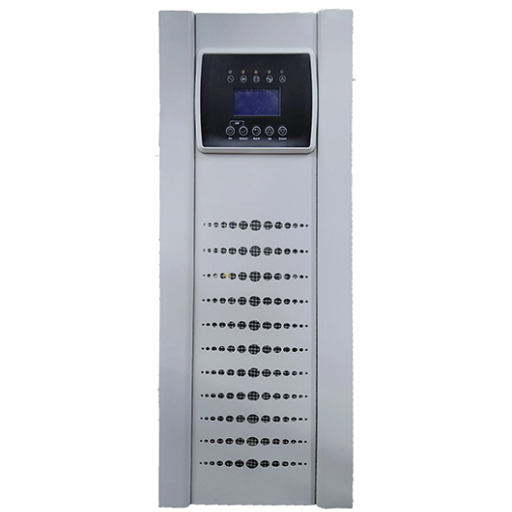
The realization of static frequency converters (SFC) is one of the key areas in the industrialization stage, which has recently progressed a lot due to the need for better efficiency, flexibility, and also reliability in different industrial applications. As a result, the current SFCs are built around power electronic devices, which in this case are the insulated-gate bipolar transistors (IGBTs); thus, power could be converted with minimum loss of energy.
Similarly, the application of digital systems in aerospace has achieved a much higher degree of accuracy and efficiency. The addition of mechanization within this system has allowed it to handle a much wider level of input and output frequencies. It is also notable that the evolving state has embraced the development of system realizations that are modular, and as well expandable. These solutions permit organizations fit systems in response to certain operational settings with ease, as well as perform corrective tasks such as repairs or upgrades that are simply unpleasant.
Innovations in Power Electronics
Dynamic electronic gadgets have gone through a major overhaul because of the introduction of superior semiconductor materials like silicon carbide (SiC) and gallium nitride (GaN). Compared to silicon, these materials fare best in several ways, exhibiting improved heat dispersion properties, improved efficiency in power distribution as well as the ability to function at higher currents and frequencies. However, for example, in contrast with traditional components, SiC and GaN allow the building of smaller power units that consume less energy and therefore perform highly efficiently, particularly in the operating conditions of plants or vehicles that are high-power appliances like electric vehicles and renewable energy sources.
In an effort to increase the efficiency of renewable energy resources, current energy storage systems are now equipped with cutting-edge power electronics. Because of the availability of low-power bidirectional inverters and advanced battery management systems (BMS), batteries can be easily integrated into the grid connected and off-grid end-use devices. The aforementioned advantages relieve some of the local grid balancing issues and promote the development and dissemination of decentralized energy systems. Besides, significant advancements in the utilization of solid-state batteries powered by advanced power electronic technologies can improve energy storage capacity and lifespan of storage devices to a remarkable extent as well.
Use of SiC and IGBT Modules
In the field of modern industrial energy management, silicon carbide (SiC) and insulated-gate bipolar transistor (IGBT) devices are incredibly vital and regarded as two adjacent poles serving various same needs: energy efficiency, compactness, and thermal design. In developing these power semiconductor devices, system minimization begins with selecting SiC modules. Given their high bandgap properties, SiC modules surpass most silicon variants under high voltage and temperature situations, implying their use in better technology electric vehicles (EVs), fast charger equipment, and in generating equipment used for solar power and mixed-powered manner.
The IGBT modules find their applications in factory automation processes, where high power intensity and a very tough design are needed, for example, in the power electronic converters and the motor drive. These modules are also capable of switching power efficiently, anti-power surge and can sustain a high potential stress even in the harshest conditions. The IGBT devices have been greatly improved by the technology innovations to cut the turn-off energy losses, high switching speed, and efficient cooling enhancement for better exploitation in old and new areas.
Impact on Performance and Reliability
The internment for advanced IGBT is now widespread in the context of numerous applications and has resulted in a greater level of improvement in performance and, reliability. On the other hand, Less turn-off losses in conjunction with the quicker switching rates translates directly to more power savings especially where high speed switching concepts are the order of the day. Quality thermal control facilities help to make these assemblies even more reliable by limiting the probability of overheating which is very endemic in the running of high power modules.
Besides, contemporary IGBT structures also contain advanced options such as soft switching and a lower necessity of gate drive, which effectively reduces EMI and operating noise. These alterations or enhancements photocopy the stability and working life even in a perpetually working hostile atmosphere. Published works and application experiences show the potential of the advanced IGBT modules in saving up to 20% of energy utilization on the system level as well as reduced failure levels significantly making them necessary in applications where continuous and strong output is needed.
Key Selection Criteria for Choosing an SFC
- Power Capacity and Scalability
Make sure the SFC can produce the necessary power levels as per the objective and is also equipped with options for future growth, such as an adaptation to handle increased demands. - Efficiency Ratings
The systems of predominant interest with regard to cost performance ratio will be those that work with a high efficiency for the purpose of reducing costs of functionality. Pertinent certifying bodies and databases should also be utilized to check the performance of the system in practical works. - Reliability and Durability
Choose an SFC that is designed to be operated continuously within unfriendly conditions and has the following upgrades: improved heat rejection techniques as well as stronger and more durable parts that can last long without any stability issues. - Compatibility
As well as that, be meticulous to ensure that the SFC will not hamper the working of plant equipment including the power sources and the magnitude of the loads. - Control Features
Where concentration and precision within the system is essential, choose systems which have a friendly user interface and have the capability of precision frequency controlling. These also have a working manual and system operational preferences. - Service and Support
Lastly, pick a manufacturer that offer well-rounded customer service benefits like: training, extended warranty programs, replacement parts for your existing systems and other services so that the efficiency of the system is not compromised.
Determining Power Ratings
Correctly allocated sizing of the power is one of the important stages in the choice of electrical systems and in their further management so that it can comply with all the requirements given to it. Electrical power can be in watts (W), kilowatts (KW), or the megawatt scale (MW), and various types of electrical power determine the kind of power to be recommended. The power rating to be used is therefore found after doing a quick sum of power demand of all the appliances that are to be connected. This involves adding the rated power of every appliance in the circuit, takes into account factors such as the appliance’s peak usage hours and number of appliances that are normally used during that time.
Moreover, temperatures heat, and resistances and other parameters make almost all systems operate below 100% efficiency, and as such, it is advisable to provide a buffer factor, typically 10-20% higher than the computed demand. Accounting for efficiency losses within the system is also crucial. In that connection, IEEE, IEC, and other relevant agencies and authorities may detail the methodologies as well as thresholds for proper power rating determination.
Assessing Total Harmonic Distortion (THD)
The importance of Total Harmonic Distortion (THD) in the appraisal of the goodness of electrical power in any system cannot be overemphasized. It is a factor that determines the effect that harmonic components of a voltage or current waveform have on its total distortion. It can easily be calculated as a ratio of the root mean square (RMS) value of all the harmonics to the RMS value of the fundamental frequency and presented as a percentage. In general, the smaller the values of THD are, the better the quality of power and the lower the risk of self-heating, malfunctions of equipment, and premature controlled cooling of equipment, as well as energy waste at intelligent loads.
Besides, in compliance with the relevant provisions of the standards in force it is recommended that the harmonic distortion in the system should be below 5% for most of the power systems. However, more severe conditions have to be satisfied in systems in which precision instruments or telecommunication systems are used. Moreover, the current practice assumes the extensive use of advanced harmonic analysers as well as real time control for ordered THD measuring and limiting in order to satisfy guidelines like IEEE 519. The provisions also enhance system reliability.
Evaluating Environmental Durability
Environmental resistance is an important index of the quality of materials, components, and systems for their continued performance over time and under a specific environment. Variations in temperatures, the presence of moisture, sunlight, the impact of hazardous chemicals, and the atmosphere have great influences on the deterioration of the materials and efficiency of the systems. From another perspective, when exposure to UV light is made over a long period of time, the polymer changes its molecular chain and properties. This degradation leads to a drop in tensile properties, and contamination, combined with humid and acidic gases, will cause oxidation and corrosion in metals.
Expert evaluation methods, such as artificial weathering tests with the help of xenon arc light equipment, and precise climatic simulations, give measurable indications of service life and the performance of materials when subjected to particular conditions. These methods along with usage of technical standards such as ASTM D4329 and ISO 4892 provide confidence in the performance of materials and components in their respective service environments, throughout the design life of the equipment.
Reference Sources
Frequently Asked Questions (FAQs)
What is a static frequency converter, and how does it convert the supply frequency to another?
In electric technology, a static frequency converter is a system that is constructed for the only purpose of altering the frequency, i.e., converting a 50/60Hz supply frequency to 400Hz, which is required by certain applications. The targeted frequency is created through the use of power electronics which implies that instead of using motor generators, one ought to use frequency converters. This current is usually available where space is a significant limiting factor, such as in avionics test benches and military support equipment. The static converters available today are sufficient to ensure the secure running of heavy machinery.
How does a static frequency system integrate with the power grid or local plant?
Matching the electrical output of a fixed frequency system with the load grid or the connected generating unit sometimes entails advanced control requirements, particularly relative phasing, filtering, and transformation of the network. Also these converters can be equipped with modified algorithms to reduce the grid harmonics during operation and, hence are well suited for factory environments. Different operating control strategies can be employed to achieve the desired system control inside the plant and in the process, reduce the necessity for costly structural modifications. A well-thought-out plan guarantees that everything in the system is compatible with the existing distribution and supplementary aids.
What are the common applications of a static frequency converter in avionics and test facilities?
The electrical device that is referred to as a static frequency converter is built inside the avionics test facilities to provide a constant supply of 400Hz power to the aircraft systems as well as the ground support equipment. Compared to conventional motor-generator sets, they offer major advantages owing to their smaller size. This means that it is easier to locate them in spaces like such as hangars and lab environments. In particular, these devices are preferred in case more significant frequency stabilization and regulation within narrow set limits are needed for precise control of airborne systems.
Can a static frequency converter be a solution for upgrading legacy supply frequency systems?
Definitely! A static frequency converter can be used to upgrade outdated systems effectively, because the converter is able to change the mains frequency to the needed one without changing the equipment. It reduces the equipment downtime and the cost of installation of new equipment therby saving the users from incurring an additional expense in replacing old generators. The converter can be designed differently so that it can contain more elements due to given load demand and system interfaces in the old plant. Many companies offer solution elaboration as well as installation both on a turnkey basis and as extra kits to decrease the installation space.
