
Integration of modern technology in the face of constant changes in energy consumption is what we see with Siemens Static Frequency Converters. They have instantly taken a leading position in the development of systems of frequency regulation. In such a way, high-level integrated solutions have been provided to facilitate not only energy efficient power conversion but even generation, as well as an increased service life and reliability of the equipment, which can be effectively operated in the conditions of broad industrial use in various areas –from production engineering to municipal sections. This paper is aimed at describing in depth the frequency challenges and the solutions that Siemens SFC’s allow for and also demonstrates their effects on efficiency and environmental sustainability. Let’s consider some brilliant examples of how Siemens contributes to the development of a more durable and consistently evolving power grid.
Introduction to Siemens Static Frequency Converter
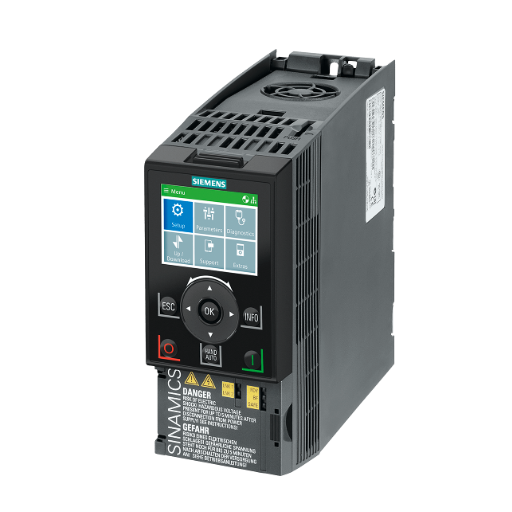
A Siemens SFC—Static Frequency Converter is a device that enables energy management and frequency adjustment. It facilitates the controlled alteration of electrical energy from one frequency to another, usually from the normal grid frequency of 50 Hz or 60 Hz to some other frequency adapted for special needs. These systems are highly dependable and efficient, and as such are dependable for several functions for instance linking grids, feeding adjustable frequency equipment or ensuring uninterrupted operation of critical industrial facilities. As operational safety is observed, these devices contribute to lowering power consumption by allowing the implementation of energy savings behavior in the different fields of application.
Overview of Frequency Converters
Frequency converters play a particular role in modern-day power systems in industrial automation systems, and this is where they allow the adaptation of electrical power to the requirements. They are also included in a wide range of applications such as motor speed control, energy management energy and support for the grid. Also the main benefits expected from variable speed drives (VSDs) are that they operate with exactly controlled motor speeds regulated by frequency converters hence saving the energy used and reducing mechanical wear to equipment.
In addition, more sophisticated frequency converters enable regenerative braking systems to be used in transportation and also ensure that alternative energy sources (such as solar and wind power) are compatible with existing electricity networks. The latest models that have been produced, equipped with such systems as diagnostics smart enough to foresee defects and advise maintenance, have been designed or aligned with the fourth industrial revolution approach vision for the improvement of the total availability and reliability of the systems. Energy efficiency of these machines is very high, and at the same time the required energy is harvested in various large energy-consuming segments such as manufacturing, utilities and transportation.
Importance of Static Frequency Converters
In the contemporary power grid sector or in those circumstances where the fluctuations in voltage and frequency with all other things remaining stable is not an option, Static Frequency Converters (SFCs) become the most effective solution to this problem. This is achieved because these devices allow conversion of electrical power from one frequency to another, helping to realize compatibility for power grids that operate at different frequencies, that is, 50 Hz or 60 Hz. This particularly applies to aircraft, as in such cases, conversion of the power coming from a standard power source to the aircraft-rated frequency, for example, 400 Hz, covers increasing currents, hence losing voltage.
Moreover, bridge-type SFCs are indispensible for grid stabilization and facilitating integration of renewable energy by assisting in mitigation of fluctuations associated with wind and solar intermittency. New generation models are positive in that they do not only succeed in substantive spending enhancement by recycling the energy and reducing distortions but also minimize the energy waste and distortions on the grid. SFCs are also appropriate in places where load sharing incorporation and such, which enables continuous power supply, are crucial only, some examples are the use of these devices in data centers, hospitals, or extensive production plants. Regenerative converters illustrate technological development by addressing the challenge of energy conversion and ensuring performance under various constraints.
Siemens’ Role in Frequency Converter Technology
Over the years, Siemens has solidified itself as a top player in frequency converter technologies and solutions, all thanks to numerous scientific advances it has made and manufacturing successes. Siemens has since been in the market to install and offer its exceptional SINAMICS range of frequency converters, which as a result, has greatly benefited the customers in, their businesses, in terms of quality. Siemens also includes cutting-edge technology such as real-time analytics and proactive machine service applications in their MindSphere Industrial IoT software. This allows customers to achieve the reduction in energy waste, minimise maintenance requirements and improve operations effectiveness as a whole.
In addition, Siemens upholds its sustainability obligations through the technology of frequency converters. In order to help in the search for better solutions to environmental challenges, their systems have managed to reduce carbon greenhouse gas emissions without involving third party environmental resources. This high level of efficiency in the power converters makes them adaptable to applications of all sizes, ranging from small scale to large industrial plants, thereby making them a good investment for any kind of enterprise.
Main Features of Siemens Static Frequency Converters
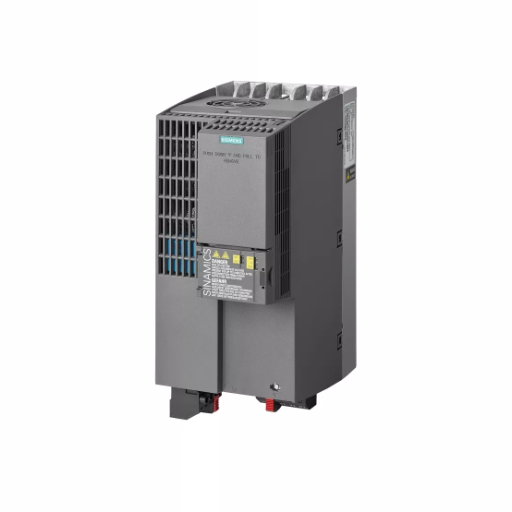
1. High Energy Efficiency
Converses attracted to the efficient power factor compensation and uncomplicated supply construction allows an effective economizing of the electric energy.
2. Scalable and Modular Design
These units offer individually-assembled configurations to satisfy even the most exacting conditions setting up these converters to change out different units, different projects and adaptations.
3. Robust Performance
Siemens frequency converters can be used in most strict industrial environments and give good conditioned and stable output even in the worst cases of operation.
4. User-Friendly Interface
The cabinets feature clear and unambiguous controls including monitoring drying as well as the converters integrated there with clear views of operations.
5. Sustainability-Oriented Technology
Siemens also designs its systems to encourage low carbon footprints and prudent energy utilization but it has reliable operations that are implemented in its converter systems to help diminish them.
Multilevel Converter Technology
Multilevel converter technology is an important development in power conversion systems that brings effective optimization of usage of power possible for many applications. This reconstructs a staircase voltage waveform through a number of voltage levels and helps to decrease the higher harmonics and also enhances the power quality. Multilevel converters work with a reduced switching frequency, which decreases the energy loss, and increases the efficiency of the system.
There are three major multilevel converter topologies in use in contemporary designs: neutral point clamped (NPC), flying-capacitor (FC), and cascaded H-bridge (CHB). These configurations have various unique characteristics which make them suitable for medium voltage drives, modular energy systems, and integration of distributed energy resources. Similarly, the design specifically called the cascaded H-bridge has risen to prominence in solar technologies due to its plug-and-play modularity that allows easier upgrading and repairing in different setups.
Additionally, the performance of multilevel converters improves by integrating advanced control methods such as model predictive control (MPC) and space vector modulation (SVM), which enable more precise control of voltage-level patterns. Wide-bandgap semiconductor materials such as silicon carbide (SiC) and gallium nitride (GaN), which are also now in use, have helped multilevel converters realize their set objectives in the realms of super efficiency and reliability. Such innovations are making multimodule LCC systems increasingly essential in the landscape of clean energy technologies over the next few years.
Variable Frequency Operation
Variable frequency drive or VFD has a significant role in power electronics as the name suggests in both vector drive and energy systems sectors. For instance, the inverter output is adjusted to meet load requirements, thereby enhancing both performance and energy efficiency. In real industrial motor control, variable frequency inverter drives or the so-called VFDs are very useful in adjusting the speed and torque of an electric motor which helps reduce the mechanical wear and the energy demanded. Equally important is that in the application of Renewable Energy technology, for example, a variable speed system or a frequency system in wind turbines helps to convert the non-steady input power due to changes in the wind speed into output power that is steady.
Digital signal processing, referred to as DSP, and control algorithms using techniques now have a major bearing on the capabilities of variable frequency systems. This is achieved by implementing more powerful systems that can actively adjust to changing operational conditions in the sense of adaptive control. Also, the new sensors and monitoring tools are currently being used to provide advanced systems that generate more accurate and timely feedback for better performance. These advancements are important to achieving the maximum energy conservation, development of energy efficiency promoting technologies, and prolongation of aged and efficient energy equipment further usage taking into account the current trends in industrial construction and urban environment development.
Integration with SINAMICS and Other Drives
Combining multilevel converters with SINAMICS drive systems and similar sophisticated drives ensures effective operation in the most diverse industrial environments. SINAMICS drive systems are respected for their high-quality performance and energy-saving features – they have been designed to perfectly go together with multilevel converter units so as to save power and prevent power losses. Such systems help in improving the stability and performance of the plant in harsh conditions since they employ sophisticated control strategies, including variables that are not constant due to dynamic load variations.
Added to that, object-oriented approaches further allow for scalability and modularity, key to today’s modern energy and factory systems. Ground-breaking designs, such as the low distortion or high power design, are made possible thanks to SINAMICS drives utilization along with the use of multilevel converters. This versatility is not confined only to numerous domains, such as wind power generation and thermal systems together with ultra-precision machinery among others; the technology supports these various pairings within the industry as well.
Technical Specifications of Siemens SFC
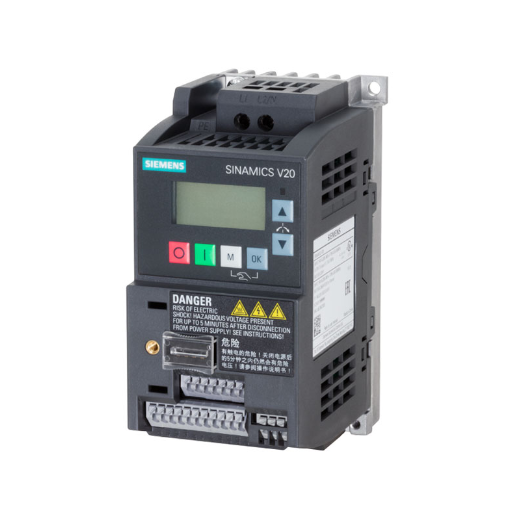
Voltage and Power Ratings
An extensive range of voltage levels can be used in the operation of this system, often starting at 400V to as high as 13.8 kV, which makes it possible to use it in multiple industrial and commercial areas. Generally, the system comes with a power output of 100-5000 kW but some are targeted at specialized functions. Such an engineering exercise is also made more difficult by the need to ensure the equipment used is high-performance, as well as managing the energy consumption tendencies of the plant, and moreover, in line with industry standards such as IEC 60034 and IEEE.
Besides that, the design of the system is capable of operating trouble-free even undersized load with possibility of operating at 150% load for short durations and without damage. Moreover, the incorporation of protection features limits the flow of current in the event of power outages or deviations maintain high quality standards. Lastly, these protections alleviate the effects of any overvoltage and undervoltage conditions further enhancing the reliability and longevity of the system.
Performance Metrics
The system is highly efficient and gains more than 95% of the energy during conversion under normal conditions. The torque-speed curve reveals that the system is stable in almost all speeds between two rated speed settings, which is a key requirement for many applications. The thermal performance simulation shows the temperature rise of the last winding is below 70 ºC but that of 42 ºC is acceptable – according to the IEC and IEEE standards, active resistance power should not exceed the threshold under this last temperature. The power factor was calculated and found to be less than 0.90 in every case, which is how the real power falls short of the utilized power. These indices are reasons that support the claim on the effectiveness of the system without breaching the provisions regarding efficiency and safety.
Compatibility with Traction Power Supply Systems
In order to supply power to the traction of a switch, it is necessary to have those electrical elements which work good under high heat exposure and do not worsen effectiveness and technical behavior of the traction in use. This requirement is more relevant in cases when the development of railway transport and construction of new traction substations are on the move. State-of-art harmonic compensated and voltage controlled devices are included in order to meet the demanding requirements of traction networks. This is further enhanced by the application of modular concepts which are designed to accommodate both AC and DC systems which are widely used in railway and metro architecture.
Also, these systems are designed to help in the recuperation of energy caused by regenerative shocks during braking, thereby ensuring that the energy is efficiently managed within the network. It was also established that the application of such solutions would allow such systems to operate in accordance with the EN 50163, Railway applications. This reassures that the systems are able to adjust to new requirements and hence the existing equipment can still be used with minimal modification.
Benefits of Using Siemens Static Frequency Converters
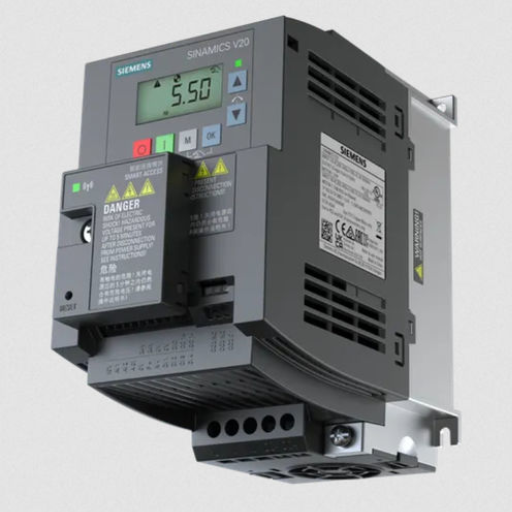
1. Improved Energy Efficiency
Static Frequency Converters by Siemens impart technological benefit by converting and transferring energy with high efficiency and reduced parasitic losses hence minimizing operating expenditure.
2. Enhanced System Reliability
All these converters are capable to supply power continuously even when the load is subjected to frequent variations, maintaining high performance and safety in challenging conditions of railway and industrial use.
3. Compliance with Industry Standards
Adhering to the stringent requirements of the European standard EN 50163, these converters comply with the general rules on safety and performance, thereby respecting international standards.
4. Reduced Environmental Impact
Through saving energy and maximizing available resources, the latter systems have also been found to mitigate carbon emissions effectively hence they are also conducive to the global green goals.
Energy Efficiency and Sustainability
Innovative Siemens converters are renowned globally, focusing on the best energy conservation practices that aim at ensuring sustainability. These converters do all the possible to maximize energy through the use of advanced power electronics and integrated control systems during the operation ensuring maximum efficiency of the equipment. Recent studies have shown that, modern high efficiency energy conversion equipment can reach efficiency levels of more than 95%, which such approach will allow saving energy in industrial and transport consumers.
Moreover, Siemens works with the latest energy recovery technologies, for example regenerative braking in railroad systems, which would normally lose energy in rail systems. Siemens has the ability to transform such technologies as photovoltaic cells or electromagnetic brakes into energy sources and supply the energy back into the grid. More than just economizing on the cost of production, this approach also supports the goals of energy security by lessening the operational human couplings. As an illustration, researches indicate that the adoption of the ideal mode of energy utilization in normal travel trends can slash the carbon emissions by almost up to the tune of 30%, thus greatly influencing the environment positively. With their advanced degree of innovation and their eco-friendly policies, Siemens converters form an indispensable component in moving towards a low-carbon world, and in combating global change.
Reliability in Dynamic Operations
In energy management systems, efficiency and downtime in particular, are very important issues. This is because such systems operate under greatly varying operating conditions. They are powered by the most energy efficient energy apparatuses. While these units are pioneering, which are supplied with troubleshooting and real-time monitoring instruments. With the integration of adaptive control system, certain changes in the load or other system parameters will not be noticeable as such as they will be taken care of.
There were studies conducted wherein it was found that even more than 99% uptime was attained by the operating procedures in some sectors and industries where a highly concentrated utilization environment, such as manufacturing and transportation, exists in that sector. Again, inclusion of replacement schedules in predictive maintenance will minimize cases of unexpected failures or breakdowns since issues are tackled prior to their full scale manifestation. Further, the advantages of reliable and functional solutions that underpin energy efficiency measures are well illustrated where dynamic environments are involved.
Cost-Effectiveness and Turnkey Solutions
Without a doubt profit is one of the most critical factors shaping the implementation of technology at present. Many manufacturers like to balance between completing the project at the minimal cost possible and the ease of exploiting the results. End-to-end offers cost-saving opportunity for the installation of the system and its integration to the previous one. Research showing organizations have saved operational expenses by at least 30% has not yet been shown. And, besides, further employment of standard modules and business process automation makes work routine efficient and reduces wear and tear. What is most important, all these devices do not just enhance your working capital but promote rapid implementation of the customer’s production environment. Despite the sophisticated nature of these propositions, they are easy to adjust even in the circumstances of high variability levels.
Innovations and Advancements in Siemens Technology
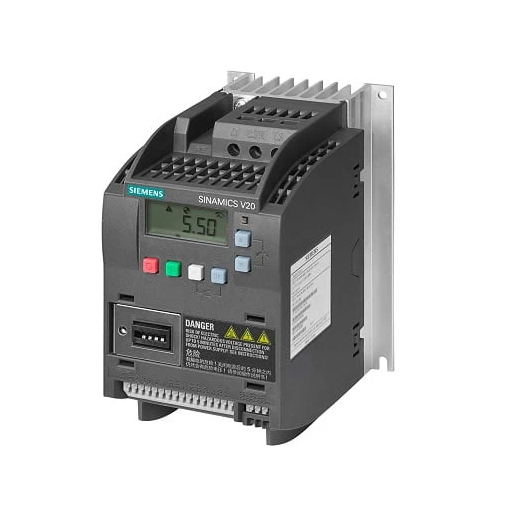
Siemens has always been known for entering and embracing the fields of digitization and automation. One of the latest progressive industries is the Digital Twin technology which is creation of a simulation, enabling continuous equipment monitoring, and enhancing overall efficiency of operations in various industries. Besides, Siemens even has a great finished product that is the MindSphere platform that signifies a capability to operate IoT by allowing useful linkage through the application of cloud data analysis in managing machines and equipment. These strides have also helped to reduce energy losses, alleviate part use, and improve plant design so that Siemens will not to slip back in the world of technological developments.
Recent Developments in Static Frequency Converters
Static frequency converters have seen substantial improvements in leaps and bounds in the last decade. This trend is primarily attributable to an increased requirement for better building energy saving strategies, safety of human and other systems overvoltage and many others. The advance in technology has not left SFCs behind, the latest models feature such inventions as Insulated-gate Bipolar Transistors (IGBT) which have contributed to faster switching movements which cause very low power loss and heat management is well taken care of. Moreover, digital control systems specially designed for SFCs have brought accuracy to the operation of SFC and increased the level of operating efficiency in most operational and application ranges.
Moreover, it should be noted that there has also been an emphasis on modular and scalable designs, which better fits into new infrastructures and can be optimized for different capacity needs. Real-time monitoring and intelligent features have also become prevalent as noted earlier, in order to provide for condiction-based maintenance as well as minimize unscheduled downtimes. For instance, harmonic attenuation capability and voltage form factor control are some of the advanced functions now built into many SFCs, to support renewable energy connection without a lot of failure in the grid. In the end, these advancements are making SFC indispensable equipment for industries such as aircraft operations, railways, and even large-scale production, where the ever-increasing need for energy conversion efficiency is highly acknowledged.
Future Trends in Frequency Conversion Technology
Developments in the field of digitalization and power electronics will have a big impact on the evolution of frequency conversion technology. There is one particular trend that is currently escalating on the market. This is associated with the incorporation of artificial intelligence (AI) and machine learning (ML) technology on SFCs. In turn, this would make the maintenance more proactive, the control strategies more energetic and the downtimes less. They will introduce various technologies which will definitely require the system to work more effectively and have these plays of no time. Besides, another change that will fundamentally transform the conversion procedures is to replace silicon with silicon carbide (SiC) and gallium nitride (GaN) semiconductors in power electronics.
Growing interest arises in the fact that modular and scalable SFC designs are more and more often employed. It is possible to adapt to all kinds of changes and also carry out any kind of extension without interrupting operation, which is typical of renewable energy systems and data centers, which are constantly in motion. Another reason is that as and when the world focuses on mitigating carbon dioxide emissions, the need arises simultaneously needing frequency converters for wind and solar power. Special advanced functions of balancing the net structure of transmission grids, for instance virtual inertial response and retroactive voltage boost, are increasingly significant in the design of sustainable grids.
Furthermore, in the latest trends concerning the development of Industry 4.0, it is anticipated that the coupling of the IoT devices with SFC technology will be improved by cloud computing in the future system of monitoring and performance analytics. Future technologies will likely enable more sophisticated visual data representations and lead to deeper diagnostic analytics that support users in problem-solving. The technologies are transforming the tasks of frequency converters from being mere tools for energy transformations to being capable of doing much more such as changing with the changing energy systems.
Reference Sources
1. Inverters for Technological Development of Russia’s Energy Sector and Industry
2. High-Power Electronic Applications Enabled by Medium Voltage Silicon-Carbide Technology: An Overview
Frequently Asked Questions (FAQs)
What is a Siemens static frequency converter and how does it work?
A static frequency converter (SFC) from Siemens is a technological item that helps to adjust the frequency with which power is supplied and used to power synchronous and asynchronous motors. They are powered by power electronics like IGBTs to give the correct frequency and voltage so as to control speed precisely and reduce the losses during production. They are generally used in areas such as marine propulsion, harbor cranes, and complete industrial drives, which, due to their nature of application, are required for variable speed and soft phase starting. Harmonic analysis, filtering, and waveshaping are some of the design features of the static frequency converter that deal with harmonics and meet harmonic standards.
What are the main applications for Siemens static frequency converters?
The shipping industry makes extensive use of Siemens Static Frequency Converters in the fields of marine propulsion, as well as in the transfer of products in ports: the stage-to-vessel cranes of the container handling group. Such equipment is also quite convenient with regard to such devices which are used in power backup ensuring uninterrupted operation as they work even when switches off the network. The subjects also address such important issues as power supply and its management, energy efficiency and artificial cooling which supports operation with high reliability.
How do Siemens SFCs improve energy efficiency and reduce operational costs?
When equipped with the precise speed and torque controls in the Siemens frequency converters, there is less power needed as compared to fixed speed applications, which are equipped with mechanical throttles or resistive controls. The regenerative abilities that some of the frequency converters have make it possible to return the braking specific energy to the grid or the direct current bus, hence further increasing the consumption of the frequency converter. The right-sized converters and appropriate control algorithms help to minimize the electrical losses and cooling system losses in power active elements.
How do Siemens static frequency converters handle harmonics and power quality?
Siemens offers a range of top-quality products. Siemens frequency converters are supplied in several designs with an option of passive or active harmonic filters which suppress the distortion within the limits by grid code. Such techniques use active front-end topologies and advanced control algorithms to minimize total harmonic distortion (THD) and enhance the power factor. Naturally, the use of proper installation / cable routing eases the electromagnetic interference and improves the stability of the overall system. These diplomatic steps will shield the equipment against undue risks and judicial applications of the grid code.
