
Phase converters offer a great deal for industries and applications that require three-phase equipment to run on a single-phase power supply. Out of the different types that are there, the single-phase to three-phase static converter is very efficient and a practical solution. This piece of writing will go through the basic ideas of static phase converters, how they work, and how they are helping businesses and individuals who are struggling with the lack of three-phase power supply. It also presents a detailed discussion of the technical aspects, pros, and cons of the use of these devices. These will not only provide a localized but also globally accepted technology and applications standpoint. Accordingly, the readers will find this guide helpful for they are looking into using the machine in industries or working with any metalwork, or just making accessories using the specialized equipment.
Introduction to Phase Converters
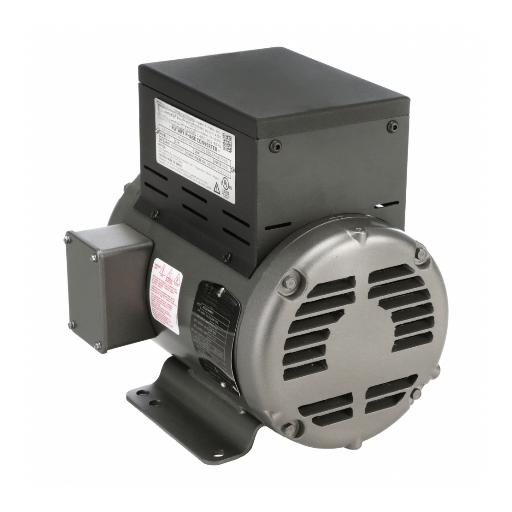
Phase converters are electric power conversion systems that convert single-phase power into three-phase power thus allow operation of three-phase equipment in places where only single-phase power is available. Often in use in mining, factory and office environments, phase converters can supply electric motors, compressors and heavy machines with power. The main types of phase converters are rotary and static. Rotary phase converters are mechanical type of converters because they use an array of motor-generators to produce balanced three-phase power, the rotating part of the engine being what links the motor with the phase converter. On the other hand, static converters temporarily generate three-phase power during the start-up of the equipment, after which they use the motor’s power only. This kind of machine is very useful and practical in connection with the power availability and the equipment’s power requirement; it is even more than that, as it is cost-efficient and practical in a wide range of applications.
Definition of Phase Converters
The power converters are machines made to convert electrical power from one phase to a three-phase system. This helps in the creation of the three-phase electricity required for the operation of the industrial or commercial equipment. It is one of the most cost-effective and widely used methods for getting three-phase power when there is only a single-phase power supply. It is a fact that, at present, phase converters have become more responsive to the market needs in terms of power generation while maintaining the same level of quality. And, it is this higher level of quality that enables the phase converters to be classified into the rotary, static, and digital type.
Static converters, on the other hand, are the first choice for infrequent use and low power applications; however, they have a lower efficiency in the long run. Digital phase converters employ electronic control systems to synthesize a well-balanced three-phase power supply with high accuracy. These kinds of converter units also have good voltage regulation, which makes them good for powering sensitive and critical equipment. They are very flexible and time-saving and are used in various fields such as factories, farms, and small production sites, where they provide the connection between industrial power needs and single-phase systems.
Types of Phase Converters
| Type | Advantages | Best For | Limitations |
|---|---|---|---|
| Static Phase Converter | Simple design, cost-effective | Light motor loads | Limited to 2/3 motor output |
| Rotary Phase Converter | Reliable, consistent power flow | Industrial equipment, workshops | Handles varying power loads |
| Digital Phase Converter | Precision voltage regulation | Sensitive and advanced systems | Accurate voltage balancing |
Importance of Phase Conversion
The use of three-phase equipment is contingent on the availability of the three-phase grid. These are found in almost all the power networks in the world. The three-phase grid exists not only in the power network but also in the industrial plants, public buildings, and residential areas. Any machine that is connected to a three-phase grid must have an induction motor as the main driving unit.
This feature is very essential especially in the industry of work like manufacturing, farming, and assembly, as the three-phase power makes devices such as motors, compressors, and high-demand devices work better and free of energy loss. The modern power conversion technologies, including digital phase converters, are available for very precise voltage regulation that is mandatory for sensitive equipment as the equipment surges can cause the same or even damage. Single-phase supply and three-phase equipment compatibility through the process of phase conversion is very much helpful for the economic aspect of the power user, plant operational issues, and the possible growth of industrial operations. The use and correct choice of phase converters are always part of the integral activities in the field of energy management and electrical engineering.
How Single-Phase to 3 Phase Static Converters Work

A single-phase to three-phase static converter is a machine that generates the missing third rotating field for three-phase loads. By utilizing semiconductor components the converters are able to produce and blend the additional phase to the system. The working principle is to take power from the single-phase supply and then process it to make the third phase at the output by using phase-shifting techniques. This whole procedure leads to such an output of three phases that it provides a very uniform distribution of both voltage and power in all three lines. Static converters are very efficiently designed, typically small, and thus can operate three-phase systems in the presence of only single-phase power.
Basic Working Principle
It is paramount to have a good knowledge about the use of high-tech electronics in static converters that are advanced power manipulators upon learning the basic working principle of them. The very first step is the conversion of a single-phase AC input into DC by the rectifier circuits. The DC power is then transferred to an inverter module, a device that is made up primarily of high-frequency switching components like insulated-gate bipolar transistors (IGBTs) or metal oxide semiconductor field-effect transistors (MOSFETs), which is responsible for producing a three-phase AC signal.
In addition to that, contemporary static converters are usually equipped with pulse-width modulation (PWM) techniques so as to exactly control the voltage and frequency of the output, hence making the operation reliable and efficient. Moreover, to reduce electrical noise and achieve compatibility with delicate equipment, many designs also have harmonic filters. This system of matching single-phase power supplies to three-phase equipment across the industrial, commercial, and residential fields is an essential and inseparable requirement for all categories of classical and sensitive loads that exist in today’s world.
Components of Static Phase Converters
| Component | Function |
|---|---|
| Capacitors | Store and release electrical energy for phase shift |
| Static Switches | Control current flow and startup processes |
| Diodes | Ensure current flows in a single direction |
| Voltage Sensors | Monitor and stabilize output voltage |
| Control Relays | Automate switching of circuits during operation |
| Harmonic Filters | Reduce electrical noise and improve compatibility |
| Inductors | Regulate changes in current and reduce ripple |
| Cooling Systems | Prevent overheating during sustained operation |
| Connection Terminals | Interface for input and output wiring connections |
| Circuit Breakers | Protect system from overcurrent or short circuits |
Conversion Process Explained
In the field of electricity, the transformation of electric power is crucial because different applications have different requirements that are often outside the range of the input signal. This normally involves changing the form of electric energy by converting alternating current (AC) to direct current (DC) back and forth, as well as modifying the voltage level up or down to be able to match the operating equipment. The present-day systems resort to highly-efficient semiconductors including IGBTs (Insulated Gate Bipolar Transistors) and MOSFETs (Metal-Oxide-Semiconductor Field-Effect) for energy conversion that emits a minimal amount of heat which is the ideal case for power electronics.
The major steps in this conversion process are rectification and inversion which the process of rectification entails involves the conversion of AC voltage to DC through the aid of rectifiers and that of inversion involves the transformation of DC back to AC by using inverters, respectively. Voltage regulation is the method to precisely control the output by employing Pulse width Modulation (PWM) techniques thus disclosing the best performance in cases of variable loads. Transformers and other isolating components are used for safety and to prevent electrical disturbances between the circuits. Actually, the process is powerfully affected by system-embedded firmware that consists of complicated control algorithms and, thus, the process is not only optimized but also very durable and compliant with the best industry standards.
Benefits of Using Static Phase Converters
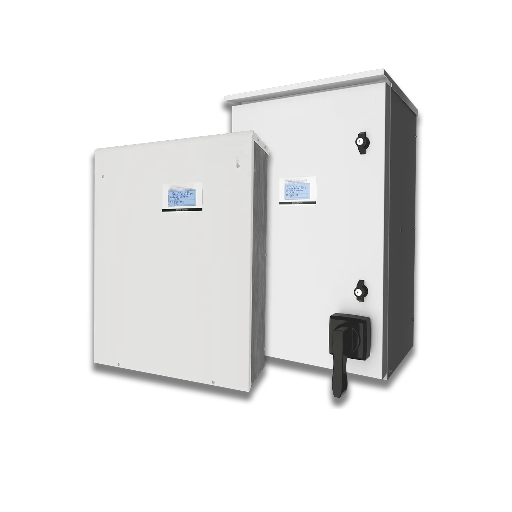
- Cost-Effective Solution: Static phase converters can be classified as one of the best budget-friendly options for powering three-phase equipment through a single-phase source; hence, minimizing expensive electricity upgrades would be the biggest benefit.
- Simplicity and Reliability: Static phase converters are quite maintenance-free and easy to install relatively compared with the rotary ones because they have minimum moving parts.
- Versatility: They are capable of handling a vast array of three-phase tools, thus making them a good fit for both the industrial and the residential market.
- Energy Efficiency: One of the main advantages of static phase converters is that they consume only the required power, thus, energy waste is minimized and contributing it to operating costs which are less.
- Compact Design: One of the biggest reasons why people would choose them is that they offer a smaller design that enables them to be out in a very small space without losing the service and robustness.
Cost Efficiency
The considerable advantages of static phase converters become apparent most where the replacement or improvement of three-phase equipment already installed is not feasible. They avoid the high expenses related to the installations of expensive three-phase utility services that vary in cost from several units to dozens of units depending on where they are needed and how large the project is. One direct consequence of their energy-saving properties is the reduction of operational costs through time, as they consume very little electrical power whenever idle or operating with a low load.
The general cost of the life cycle of static phase converters is further reduced by their very low maintenance requirements; unlike rotary or digital converters, static converters have fewer moving parts, so the probability of mechanical wear is less, meaning that the repair costs related to it will be lower. Therefore, enterprises, particularly small businesses or workshops, where money is a major factor in decision-making process are well served by the static phase converter as an economically viable solution.
Space and Installation Advantages
The compactness and the design of the product, as well as the very simple process of installation, have been noted as the specific causes of the static phase converters’ popularity and the increasing demand. On the one hand, rotary converters that usually require a larger space for the motor and other components do not need that much space for static converters in general. Also, with the machines’ energy rating being the same after the change from one brand to another in case of the failure of one of the machines, still, the noise level would not be the same.
Moreover, the simpler configuration of these systems cuts down on both the time and the complexity of the installation process. In a large majority of cases, the static converters can be added to the existing single-phase systems with only minor changes to be made. This results in less time consuming and laborious processes, which directly translates into the lower costs during the changeover. The structure of the units is so light and easy to mount that the only possible limitation that the system may face is the bearing capacity of the foundation it stands on, which is not the case for bulkier structures that need heavy concrete foundations. All this combined amounts to a neat and unobtrusive installation that also features the best use of space and is most suitable for industrial areas that need everything to be efficient and simple.
Compatibility with Various Motors
The potential uses of phase converters are everywhere, and they can work with all kinds of motors which are not only suitable for but perform well across sectors. They are specifically for the single-phase power supply system, converting power and providing the necessary starting torque to run and gain efficiency in 3-phase motors. The converters are most recommended for where the application of three-phase motors is not continuous like in the case of pumps, compressors, fans, and light-duty machinery operations.
Conventional phase converters are used in power transmission systems to ensure that three-phase motors work correctly with one single phase power line. Modern phase converters have been the most hassle-free and cost-effective solution for powering all kinds of electric motors of up to 30 HP. With less flexibility than the Variable Frequency Drive (VFD), the phase converter is sometimes considered the simplest, most reliable way to start the motor. VFD, a more flexible and expensive drive, usually has more functions and capabilities than the energy-saver phase converter. In addition to this, VFD can really make those kinds of motors sing all along their operation, all that within a reduced maintenance cost window of at least 15 to 20 years.
Use Cases for Single-Phase to 3 Phase Converters
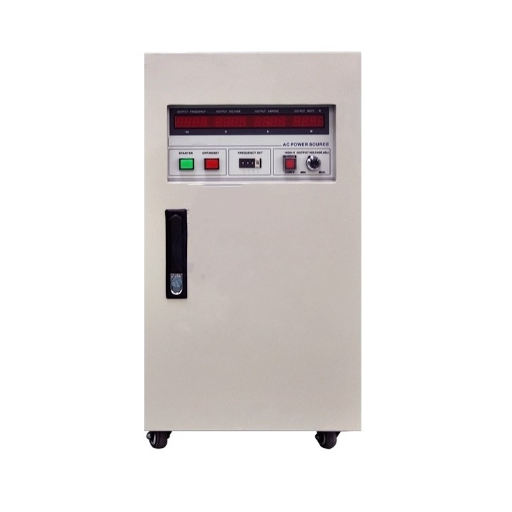
Single-phase to 3-phase converters are the most used in areas where the power infrastructure for three-phase is not available or too expensive to acquire. Many companies make use of them in their workshops and small manufacturing plants to work with 3-phase machinery like lathes, mills, and compressors using standard single-phase power sources. It also includes the case of agriculture where the equipment like irrigation pumps and grain dryers in the countryside is run by these converters. Furthermore, they are present in HVAC as they follow the 3-phase requirement with compressors and motors. The use of these machines results in the provision of reliable and energy-efficient power conversion, thus ensuring the smooth operation of different machines without the costly and tedious task of making substantial changes in the electrical system.
Industrial Applications
The use of phase converters in most industrial applications is very critical because it allows the utilization of the three-phase machines in places that are supplied with single-phase power. It is very common for manufacturing plants to use this device to support the operations of such machines as CNC, injection molding equipment, and industrial saws, which will lead to a maximum level of production and product performance. As per the new statistics from the industry, some phase converters are further introducing into the market by more and more small to mid-sized businesses for whom the upgrading to three-phase power is too expensive.
In addition, modern digital phase converters have been offering improved voltage matching and lower harmonic distortion, which are very important for sensitive applications such as precision machining and automation systems. The main role of the converters is the bridging of the power availability and the operational demand, capitalizing on the positives of two systems for industries in manufacturing and processing sectors.
Light Commercial Uses
Construction companies, agriculture operations, small-to-medium machine shops, and commercial vehicle repair shops are some of the businesses covered in the light commercial category that benefit the most by using phase converters. Specifically, they provide the three-phase power that all the industrial machines they operate need. We need to cite the sources that the indoor part of the horticultural industry utilizes phase converters in water pump motors. Industries that are in the service sector can operate a fleet of vehicles without rebuilding of service center wiring. The small fleets, having only a few service vehicles, can logically operate in the residential area. Operations in these sectors always expose up to 20% of unfair labor practices by contractors.
Residential Applications
Phase converters, despite being usually connected with the industrial sector, have started to be appreciated in terms of applications in households. If a homeowner uses such things as CNC machines, woodshop tools with a high capacity, or even advanced HVAC systems that need three-phase power, it is time for the phase converters to come to the rescue. The latest models of rotary and digital phase converters are small and have an extremely easy-to-use interface that even non-technically skilled users have no problems with. A signal of constant improvement in the conversion of conventional energy to digital was the result of the new digital models which were made to be more efficient with electric power but still the very same in terms of operation that went smooth as ever. On top of that, the user-selectable power threshold setting ensures flawless performance, especially in the case of households with complicated or special power requirements. The whole thing that would make the phase converters a decent and economically attractive deal for the households’ customers who wish to have an increase in their electrical system’s possibilities.
Factors to Consider When Selecting Converters
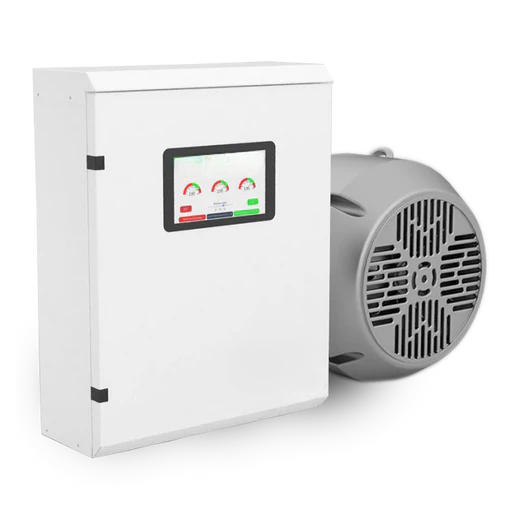
- Power Requirements
Make an estimate of the total power that will be consumed by the machines or equipment that the converter will provide power to. The converter’s power should be much bigger than the sum of the loads in order not to cause any power cut due to an overload situation. - Type of Converter
When it comes to choosing one of rotary and static converters, this entirely depends on what the specific application requires. The rotary converters should be chosen when the operations are continuous and there is a high demand, but the static converters should be selected when the use is lighter or the load is intermittent. - Compatibility
Ensure that the converter matches the system voltage and phase conditions of the existing network, so as to prevent the possibility of inefficiencies or even equipment damage. - Energy Efficiency
The best choice for you is a converter that has the best possible energy efficiency. It is a fact that a high initial cost can be somewhat off-putting but by paying less for electricity and the environment will benefit as well. - Reliability and Durability
Opt for models with proven durability, especially if you operate in demanding conditions. When buying a durable converter, the reviews, guarantee, and good name of a brand should be considered as a sign of dependable performance. - Cost vs. Long-Term Benefits
Consider the initial expense of the project in comparison to future savings generated through energy efficiency, reduced maintenance, and improved performance durability in the product’s lifespan.
Load Requirements
It is necessary to identify the peaks and average demands together with the capacity that the equipment will have to accommodate when determining the load requirements of a system. This will prevent the installation from being too weak, which might in turn cause the whole system to fail, or excessively strong, which, in the end, may mean a waste of energy and higher costs. Among the factors to be taken into consideration are the load characteristics of the electrical or the operational load types such as continuous loads, variable loads, and surge loads, as well as power factors and harmonics. The use of advanced tools and vast databases provides for an exact mathematical modeling of the energy consumption which makes it possible to better reflect the actual performance of the equipment. It is also very important to know the system’s scalability so that it can handle the future increase in demand without losing its operability.
Motor Speed and Performance
The performance and speed of the motor are consistent with the different factors being the demanded loads, motor design, and characteristics of the given power. Power the motor of the motor as caused by the frequency of the power and the number of poles in the construction of the motor’s core, following the motor speed formula. The amount of error in the synchronous speed, slip, is responsible for the induction motor’s performance. The most important performance indicators are the motor’s torque, which is influenced by the interaction of the magnetic field with the armature, and the motor’s efficiency, which relies on the minimization of losses including heat and vibration. The newest technology in motor control systems, such as variable frequency drives (VFDs), makes it possible not only to control the speed precisely but also to control the electrical output of the motor to conform to the operational requirements more easily, resulting in an improvement in performance. By analyzing these parameters intensively, the motor’s capability can be better understood and efficient performance can be achieved alongside reduced energy consumption.
Choosing Between Rotary and Static Converters
When making a choice between rotary and static converters, it is crucial to be aware and have a clear understanding of their operational principles, efficiency, and suitability for applications. Rotary converters use mechanical rotations to convert electrical energy that is quite a reliable performance for heavyweight industrial applications needing persistent power. The converters are experts in maintaining voltage stability and most popular for their ability to manage different loads reliably as well. Besides these positive points, rotary converters are superior in this respect to static ones because the latter can cause harmonics that might also result in the decrease of the system efficiency and the shortening of the lifespan of the equipment connected.
Solid-state devices, or static converters, make use of power electronics for conversion and similar to electromechanical devices, do not incorporate any moving parts which may wear and result in a reduced service life. They are smaller in size, noiseless, and generally cheaper, serving as the best solutions for loads demanding less or moderate power in operations. The absence of mechanical parts likewise results in lower maintenance costs; thus, the static converters become the choice option for operations that want to minimize maintenance.
The important parameters to be taken into account, are the source power requirements, the load type, the environmental issues like space and noise as well as the operational cost over a long period. In the case of dynamic or high-capacity loads, rotary converters could have the upper hand while static converters are usually a more sensible choice for smaller and more stable applications. An elaborate cost-benefit comparison considering these factors ensures a well-informed decision, thus the system performance is optimized to particular operational needs knowing the dollar cost.
Reference Sources
- “Single-Phase and Asymmetrical Three-Phase Induction Motors: A Comparative Steady-State Analysis Under Single-Phase Feeding”
Read the paper - “DQ-Frame Small-Signal Stability Analysis of AC Systems with Single-Phase and Three-Phase Converters”
Read the paper
Frequently Asked Questions (FAQs)
What is a digital phase converter?
A digital phase converter transforms single-phase electricity into three-phase power by electronic control instead of an idler motor, and it is generally more accurate in sustaining voltage balance. A digital phase converter typically provides constant output power which is stable even for voltage imbalances quite normal in the supply network and in the machinery’s steady speed operation. Often, many device families carry designs suitable for use with 240V or 220V supplies, and they may be UL-listed to give a further guarantee of safety. In the operating conditions of a variable frequency or fixed-rate device, they offer very good efficiency and the possibility of reduction of the energy needs for the operation of large generators and large motors to a certain extent.
Is a UL-listed phase converter safer for residential?
A UL listed phase converter has undergone safety tests and is usually a better choice for residential and small commercial use. The risk is lowered when a UL listed enclosure and the proper contactor wiring are used when converting 1 to 3 phase power for applications such as elevators, HVAC, or CNC machines. Another thing to note is that nowadays, almost any brand of phase converter sold in the US is UL-listed. UL listing not only ensures the equipment has been tested for safety and product liability but it also very often requires the manufacturer to provide the documentation.
Can I use a VFD with a single-phase to 3 phase converter for motor speed control?
To achieve variable frequency control as well as motor speed adjustment for induction motors, it is possible to connect a VFD with a single-phase to three-phase converter. The converter gives the VFD three-phase output, meaning there is more precise control of both torque and rpm that the machine can apply to several loads including CNC and other industrial equipment. To be sure that the converter works together with the VFD and motor ratings such as 3 HP or higher, see to it that the former has been designed accordingly to these. Moreover, check out proper enclosure, contactor, and UL compliance in the case of integrating generator or converter systems.
How does single-phase power get converted to three-phase for equipment?
It is typical to switch from a single-phase to a three-phase system using rotary phase converters or digital phase converters that create the presence of a third phase from the single-phase power supply. These converters are capable of dealing with a variety of loads and can be designed to deliver 3 HP or more depending on the specific application and the requirement of the user. A unit typically provides a well-balanced output for both resistive and induction, and some have idler motors and sealed cabinets suitable for outdoor or indoor applications. At the time of selection of a unit, the voltage compatibility of 240V or 220V and the presence of the UL listing or NEMA-rated enclosures are the major factors to check.
