
Industrial sectors have experienced a surge in the need for quality and stable power. This is the case for operations that require the single-phase power to be converted to three-phase power. And this is the space where the solid-state phase converter takes the stage. Unlike rotary or static converters, solid-state technology offers an amazing combination of precision, environmentally friendly operation, and reduced maintenance costs, which are top priorities in modern energy systems. The article below will try to explain the key ideas of the conversion of phase, represent a few of the regions where the use of solid state phase converters is very advantageous, for example, manufacturing, agriculture, and renewable energy, and give some information regarding their market. Suppose you are one of the engineers, facility managers, or business owners who want to know everything about the use of this advanced technology and benefit from it at the fullest. In that case, this is the place for you to start with.
Introduction to Phase Converters
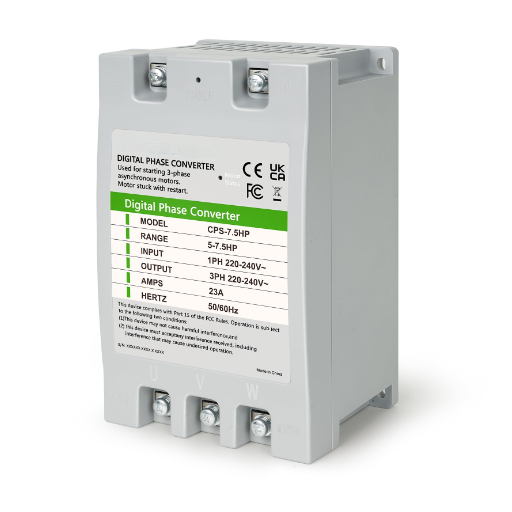
Phase converters are devices specifically designed to convert electrical power from a single-phase source into three-phase power. Since the latter is the most common mode of operation for machinery and equipment that rely on three-phase power, co-existing with single-phase power in the surroundings is a problem. Besides, the most commonly used and popular rotary and solid-state phase converters are the two main types. Firstly, the mechanical rotation of rotary phase converters produces three-phase power. In contrast, solid-state phase converters, through their reliance on cutting-edge electronic technology, generate three-phase power even more efficiently and accurately. Indeed, phase converters are benefiting industries to a great extent by providing reliable, flexible power solutions for heavy-duty equipment at very competitive prices.
What is a Phase Converter?
A phase converter is a device that converts single-phase to three-phase; hence, machinery can be of the industrial type in places where a three-phase power line is not available. Such a conversion function is necessary to power high-demand equipment, such as CNC machines, pumps, and compressors, which all require a consistent, balanced three-phase power supply to run efficiently. The converter ensures that the generated power’s voltage, current, and frequency are continuous and closely match the requirements of the equipment at the far end. The new technology of phase converters, particularly solid-state systems, has made this operation even more cost-effective; they have further reduced energy loss and increased the precision of power delivery. It is also common for phase converters to include safety features to protect both the equipment and the power source from sudden fluctuations or overloads. All these factors make them outstanding and easily the best choice for many different industrial processes and situations where cost-effectiveness and reliability are essential requirements.
Types of Phase Converters
| Type | Key Features | Applications | Efficiency Level |
|---|---|---|---|
| Rotary | Uses rotating motor-generator sets | Heavy machinery, industrial tools | High |
| Static | Uses capacitors for initial motor start | Light-duty motors, low-power systems | Moderate |
| Solid State | Relies on electronic circuitry | CNC machines, sensitive equipment | Very high |
| Digital | Advanced microprocessor-controlled system | Precision tools, advanced tech needs | Extremely high |
Importance of Phase Conversion
The transformation of these phases is the process that enables the connection of electrical systems for their application in the different industrial and technological branches. The presence of these phases enables converting single-phase power to three-phase power, allowing the use of three-phase machines and equipment in a single-phase power environment. This situation is especially pronounced in rural or remote areas where installing three-phase power lines might not be cost-effective.
The latest developments in converting electric power from one phase to another, enabled by digital and solid-state converters, have significantly improved energy savings, reliability, and efficiency. This can be clearly seen in the best example of digital phase converter use, where microprocessors are the core for controlling both the output voltage and losses, while at the same time achieving very high performance. For this reason, they are necessary in areas that require a constant power supply, e.g., CNC manufacturing and advanced space research. Furthermore, the conversion to such a precise phase reduces the need for equipment time-to-time adjustments and lifespan extensions, thereby minimizing downtime and saving costs.
There has been increasing demand for more effective power conversion techniques, with new systems that feature exactly that sort of automation and smart technologies, and this has made the role of power system stability even more critical in the industrial sector.
Understanding Solid State Phase Converters
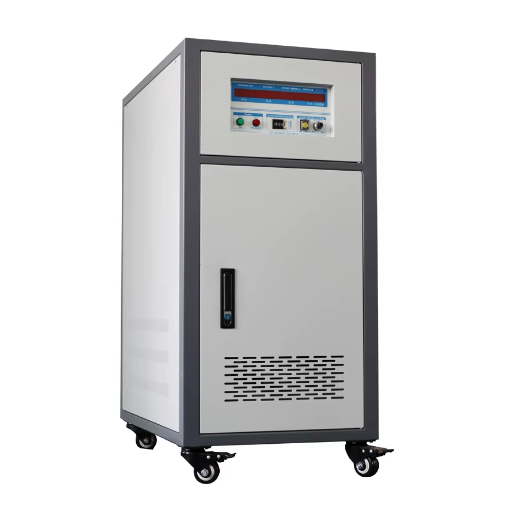
Solid-state phase converters are leading devices for converting single-phase electrical energy to three-phase power. In contrast to conventional rotary or static phase converters, state-of-the-art solid-state converters use electronic components to perform phase conversion without moving parts. It seems to yield more gains with fewer losses, with a more efficient approach, less maintenance, and thus increased reliability. These converters are the best fit for precision, as they maintain the specified voltage and current, e.g., in CNC machines or medical equipment. Their small physical footprint and quiet operation make them a top choice for facilities constrained by space or noise emissions.
Definition and Working Principle
A phase converter is an electrical device that converts single-phase power to three-phase power. Therefore, three-phase equipment can be operated with a single-phase power source in situations where only a single-phase supply is available. The basic operation of the phase convertor is to manage the electric current flow so that the machines requiring 3-phase power can operate with the resultant pseudo-three-phase.
In the case of static phase converters, a third phase is momentarily created to start the 3-phase motor, and the motor then runs efficiently on single-phase power. On the contrary, rotary phase converters use a rotating generator as an idler motor to generate a balanced three-phase output. Digital phase converters, by contrast, depend on sophisticated, versatile electronic circuitry —for example, converters and inverters —to provide a single-phase input with an instantaneously produced, selectable, and reliable three-phase power output.
Every class of phase converter is designed for specific operational purposes, with the three performance factors— efficiency, load capacity, and performance— being the main fields of operation. Rotary and digital phase converters are often preferred for their ability to maintain a constant, balanced voltage. Only with this capability can manufacturing equipment, industrial automation, and critical medical devices rest assured, their functions themselves being a great contributor to closing the gap between power infrastructure limitations and the needs of advanced technologies.
Advantages of Solid State Phase Converters
High Efficiency
It is not unusual to see phase conversion efficiencies of more than 95% in the solid-state sector. As a result, there is almost no energy loss during the energy conversion stage, and the phase conversion devices cost significantly less to run.
Precise Voltage and Phase Control
One of the main features of the static converters is their high level of voltage stability and phase. Accordingly, the voltage and phase are usually kept within ±1%. This accuracy is vital for CNC machines, robotic systems, and high-precision industrial tools.
Minimal Maintenance Requirements
In the steady-state converter cooling system, because of the absence of friction, fewer components need to be replaced, which, in turn, reduces the product’s maintenance needs and minimizes downtime; thus, it is quite a cost-effective choice in the long run.
Compact and Lightweight Design
Being solid-state means smaller, lighter devices can be realized compared to rotary phase converters. The latter situation makes them the most compatible and easiest to install on the market, especially in places with stringent space requirements.
Enhanced Longevity
The much-discussed durability of solid-state devices, as well as their immunity to mechanical damage, often enables operational lifespans of more than 20 years when people are well-behaved and devices are cared for.
Noise-Free Operation
Compared to rotary phase converters, solid-state devices are generally noiseless, making them very useful in areas like hospitals and laboratories where a quieter environment is essential.
Applications in Various Industries
Manufacturing and Industrial Automation
The necessity of solid-state technology in industry is evident, where machine control and continuous power supply are the main issues. These systems ensure the seamless operation of CNC machines, automated robotic arms, and conveyor belts. The latest data across industries shows that more than 60% of modern manufacturing plants in developed regions are using solid-state technologies to increase production.
Renewable Energy Sector
Converters and controllers made with semiconductors are indispensable for energy systems powered by renewables such as solar and wind. They are key to the system’s overall performance through their ability to convert and distribute energy efficiently. According to the latest reports, 45% of global solar power facilities use solid-state inverters for improved energy distribution and storage optimization.
Healthcare and Medical Equipment
Medical facilities always need the latest, reliable, clean, and quiet equipment. The equipment list includes imaging equipment such as MRI and CT scanners, patient monitoring devices, and laboratory instruments. Solid-state technology contributes to these high-precision and long-life requirements. Consequently, maintenance and risk of failure at critical moments are reduced.
Data Centers and IT Infrastructure
The rapid increase in the use of cloud computing and data storage has brought about significant changes in IT infrastructure through the use of solid-state drives (SSDs) and power regulation systems. One of the best things about them is their heat resistance; this allows them to operate faster and quietly. With such qualities, these drives are indispensable for data storage in the centers. The data actually says that 80% of the data storage equipment in use now comes with a solid-state drive as an onboard component.
Telecommunications
Solid-state devices are a vital part of telecommunication systems, too. They are found at the base stations of cellular networks, in satellite communications, and in network amplifiers. The energy management of these devices is very stable, and thus they are very efficient and recommended for the operation of internet-connected devices. The use of these systems is crucial in remote rural areas and densely populated areas, where reliability and low maintenance are the primary considerations.
Aerospace and Defense
Solid-state technology is extensively used in the aerospace and defense industries for navigation systems, avionics, and advanced radar systems. The smaller size, longer life, and insensitivity to harsh environmental conditions make solid-state devices well-suited for critical roles in these sectors. It is estimated that solid-state systems account for up to 32% of the total electronic components in modern defense equipment.
Static Phase Converters vs. Digital Phase Converters
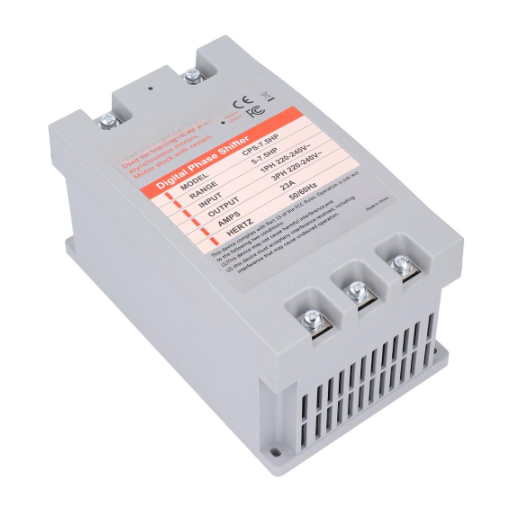
Static Phase Converters supply a short burst of energy at the beginning to get three-phase motors running. But once the motors are running, they receive only one power phase, resulting in decreased efficiency and performance. Use of static converters is recommended only for less demanding conditions, and they are ideal for occasional or low-load applications, such as small machinery or tools that do not require continuous three-phase power for optimal operation.
Digital Phase Converters, however, use sophisticated microcontroller technology to generate a steady, balanced three-phase output. Thus, the equipment or motor can even operate at full efficiency while delivering a consistent torque and power. The digital phase converter is so reliable that it can be used in the most demanding applications, such as industrial machinery or equipment that operate at very high levels of performance and yet require extreme precision and are subject to variable loads.
Key Differences Between Static Phase Converters and Digital Phase Converters
| Parameter | Static Phase Converters | Digital Phase Converters |
|---|---|---|
| Technology | Simplified start-up capacitor system | Advanced microcontroller-based technology |
| Phase Output | Limited and uneven three-phase power | Stable, balanced three-phase power |
| Efficiency | Operates at partial efficiency | Operates at full efficiency |
| Torque Support | Reduced torque; suitable for light loads | Consistent torque for varying loads |
| Application | Basic, low-cost machinery | Precision and industrial-grade machinery |
| Reliability | Moderate reliability in stable conditions | High reliability in demanding environments |
| Load Handling | Works better with steady loads | Adapts to varying or dynamic loads |
| Startup Performance | Provides an initial power boost only | Maintains consistent startup and performance |
| Cost | Low cost and basic functionality | Higher cost, greater performance |
| Maintenance Requirements | Minimal but limited lifespan of components | Low maintenance and longer lifespan |
When to Use Static Phase Converters
A static phase converter is the most suitable option for applications with a three-phase power requirement and limited single-phase power availability. In addition, the converter is perfect for loads that work only in case of sporadic or remaining constant. It is generally observed that static converters are used alongside machines that require low duty cycles, such as drill presses, band saws, or turning machines. They are also popular when a cheap solution is hoped for. Such converters are excellent for equipment that is not fully operational but is still running.
Static phase converters have the additional benefit of low maintenance and complexity, making them the best choice when these are the primary consideration factors. Their installation and operation are simple thanks to a well-planned design, making them a practical solution for users with limited technical skills when using individual machines in their workshops. Nevertheless, it is worth noting that static phase converters are not the most appropriate choice for use in heavy industrial installations or equipment that requires high reliability under changing loads and long operating periods.
Power Requirements for Solid State Phase Converters
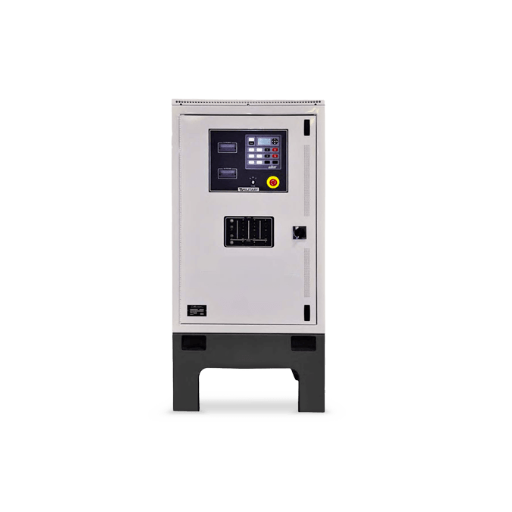
Solid-state phase converters use a single-phase power input, typically 208V to 240V, which is then converted to provide the three-phase power required by the connected equipment. The input current varies depending on the equipment’s total power demand and the converter’s rating. Hence, it is essential to ensure the phase converter’s specs match the machine’s requirements to achieve not only maximum performance but also a longer field life. At the same time, machines with variable loads or precision equipment could be fitted with such converters, providing the required power and power quality, the latter maintained at a constant level, as said. Help your business now and in the future by looking up product details in the manufacturer’s manual.
Understanding 3 Phase Power
Three-phase power systems are very widely used in industrial, commercial, and large residential applications thanks to their superb efficiency and reliability compared to single-phase systems. The installations distribute electric power using three alternating currents, each displaced by 120 degrees. The latter, in turn, enables the system to maintain uninterrupted energy flow, thereby reducing the risk of power pulsations.
An advantage of three-phase systems is the ability to transfer more power with less conductor material. The resulting reduction in infrastructure costs and power transmission losses is a direct outcome of this efficiency. Also, it is hard to overestimate the importance of three-phase power for the operation of high-demand equipment like motors, compressors, and heavy machinery, since it provides the smooth torque required.
The balanced distribution of three-phase systems is indispensable for intricate tools and processes. By dampening the voltage variations, they support and prolong the life expectancy and performance of delicate electronic devices and machines. State-of-the-art monitoring and control systems also improve the performance and reliability of three-phase systems, providing certainty in unstable environments with rapid changes. Automation, robotics, and advanced manufacturing industries, which largely depend on the three-phase power infrastructure’s strong and expandable design, are still reaping significant benefits.
Voltage Balance in Phase Conversion
The voltage balance in phase conversion systems is a very important factor, since it is responsible for the proper functioning and lifespan of electrical equipment. When the voltage in one or more phases is not balanced correctly, it may cause overheating, increased energy losses, and, consequently, lower the reliability of the motors and other interconnected equipment. Several factors, such as an uneven load distribution, poor system design, or problematic converters, can cause voltage discrepancies.
Significant improvements in the field of phase change are now focusing on the need for highly accurate control, as well as the capability to correct in real time to maintain voltage symmetry at all times. The application of digital controllers and state-of-the-art sensors is already making it possible to identify slight discrepancie,s giving room for prompt remedial actions. A series of tests concluded that keeping voltage fluctuations to ±1% ensures unsurpassed equipment operation and fewer failures. Moreover, dealing with harmonics and their mitigation is another level of the same that dominates power quality, especially in constant-demand settings. The adaptation of such intricate and modern processes is of crucial need in the industrial sector, where the problem of monument load digging is of paramount concern.
Specific Applications of Solid State Phase Converters
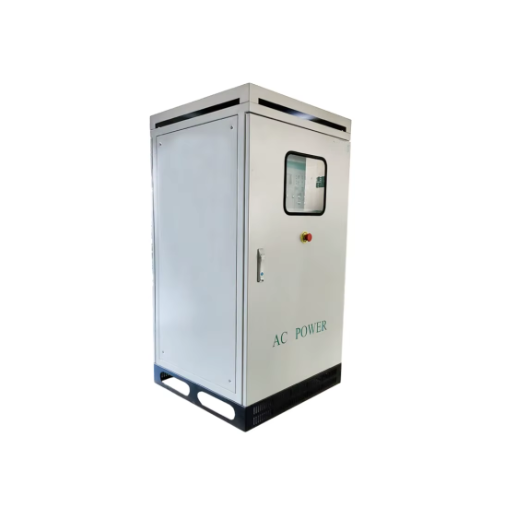
Use of solid-state phase converters is spreading rapidly among applications that need a stable three-phase power supply from a single-phase source. They are mostly integrated into industrial machinery, such as CNC devices, turning machines, and milling machines, where the need for accurate, consistent power is urgent. They are also widely used in agriculture for running irrigation pumps and grain dryers, reducing electricity costs. In addition, they are present in HVAC systems, providing the compressor and motor with a stable operating environment. Their adaptability, power savings, and ability to maintain consistent voltage and phase balance make them necessary in various high-performance environments.
Utilization in Elevator Systems
The role of phase converters in modern elevator systems is indisputable—they make motors and control systems work smoothly and reliably. Elevators usually rely on three-phase motors due to their efficiency, torque, and strength in motor-to-motor operation. For the same reason, the three-phase power in buildings where the grid does not offer it is provided by phase converters, which convert single-phase to three-phase power.
Digital phase converters, thanks to technological advances, are increasingly becoming the go-to in elevator applications due to their precise voltage and phase balancing. The main benefits are improved motor performance, reduced wear and tear, and a longer lifespan for the main elements. Furthermore, the energy supply of converters is another factor that contributes to reducing operational costs and meeting modern sustainability standards. They can be perfectly integrated into the construction of older buildings through the walls; this is why these devices are perfect for such jobs. Since it is so expensive to install a three-phase grid line and, at the same time, difficult from a technical point of view, its integration offers a significant advantage for a variety of new installations in the market, while existing buildings tend to take the path of phase converters. With increased reliability and power efficiency as the main drivers of elevator systems, phase converters still play an instrumental role.
Other Industrial Applications
Phase converters, which convert single-phase electricity to three-phase electricity and are highly irreplaceable, play an essential role in many industrial fields. The use of phase converters in agriculture is widespread to operate heavy-duty tools such as irrigation pumps, grain dryers, and feed mills in areas without a three-phase power supply. Moreover, in manufacturing, phase converters are a key component in the operation of CNC machines, lathes, and milling equipment, thereby ensuring precise, consistent performance.
Another great example is in the woodworking and metalworking industries, where devices such as table saws, sanders, and welders require three-phase power for proper operation. In addition, phase converters are found in heating, ventilation, and air conditioning systems as an essential part of efficient operation in large-scale facilities, thereby providing consistent climate control in the most complex spaces. Moreover, there have been other instances where phase converters have been used, such as in the marine and automotive sectors that require high-power systems; thus, their adaptability can span a range of industrial sectors, from shipyards to garages. Overall, phase converters increase power flexibility and operational efficiency, and thus, they are an inevitable part of industries adopting advanced energy solutions.
Reference Sources
Solid State Switching Control Methods: A Bibliometric Analysis for Future Directions
Summary: This bibliometric study analyzes 120 highly cited papers on solid-state switching control methods.
Solid State Transformers: A Comprehensive Review of Technology, Topologies, Applications, Research Gaps, and Future Directions
Summary: This review explores the role of solid-state transformers (SSTs) in modern grids, emphasizing their advantages in compactness, bidirectional power flow, and renewable energy integration.
Frequently Asked Questions (FAQs)
What is a Solid State Phase Converter and How Does it Work?
A solid-state phase converter is an electrical device that converts single-phase power to three-phase power, making possible the use of three-phase motors and equipment. Unlike rotary phase converters, which rely on mechanical mechanisms to produce phase power, solid-state converters offer a more efficient, smaller solution. Solid-state converters use solid-state devices, such as transistors and diodes, to generate well-balanced power output. Their technology guarantees stable voltage balance between phases, thereby reducing the risk of imbalance that could harm motors. This is where solid-state converters uniquely shine: they excel at applications that require high starting torque, such as air compressors and industrial machinery.
How Does a Rotary Phase Converter Differ from a Solid State Phase Converter?
A rotary phase converter is a type of tool or equipment that uses a motor, which is a rotator, to produce three-phase power from a single-phase input. The method of producing power using a rotary converter differs from that of a solid-state phase converter, as this one uses electronic devices to generate the same power without any motion. The rotary converters, in general, are much stronger than the solid-state phase converters and can handle more loads, usually in the realm of a few horsepower (hp) and maybe even more. Though with many a maintenance and probably the need for more space, the solid-state type is the latter standby.
Can a Solid State Phase Converter Provide True Three-Phase Power?
Solid-state phase converters indeed constitute a reliable solution for converting single-phase to three-phase power, especially for the optimal operation of three-phase motors. The power from a static phase converter may not be fully balanced under load. Still, solid-state converters do make a difference in this area: they produce an output that almost entirely resembles real three-phase power. In case of industrial environments where the use of electric motors is extensive, the change over to power from the energy utilities becomes inevitable; therefore, the usage of solid-state converters as reliable sources of power is justified, hence they are still being widely employed with the same purpose, even if they are more expensive compared to the two-phase.
What Are the Benefits of Using Digital Phase Converters?
Digital phase converters have emerged as a preferred choice over traditional rotary and static phase converters for several reasons. Their output voltages are more precise and stable; therefore, power is evenly distributed across all phases. This kind of distribution is very much needed for equipment that is very sensitive to voltage changes. Soft-start capabilities are often found in digital converters, which is why inrush current during motor startup is greatly minimized. This means not only a longer life for the motor but also little or no stress on the electrical system. Furthermore, if we talk about variable frequency drives (VFDs), integrating with digital phase converters can deliver even better performance, enabling greater control over motor speed and torque.
