
Procuring equipment from international markets for an industry can be thorny, but it is a worthwhile exercise, that is especially the case for frequency converters. China, with its wide variety of products and competitive prices, is the leading player in the manufacturing of frequency converters. Nonetheless, there are various factors present that the procurers need to consider like quality of the product, effectiveness of the source and the supply chain. This article by China elaborates on some of the most important points to consider when procuring frequency converters from China, providing some guidance to help you make an effective purchasing decision. Starting from how to get in touch with quality makers to meeting all the international quality requirements and managing the logistics, we will walk you through effective practices in gaining the key to any sought for improvements in your strategic sourcing.
What Should You Know About Frequency Converters?
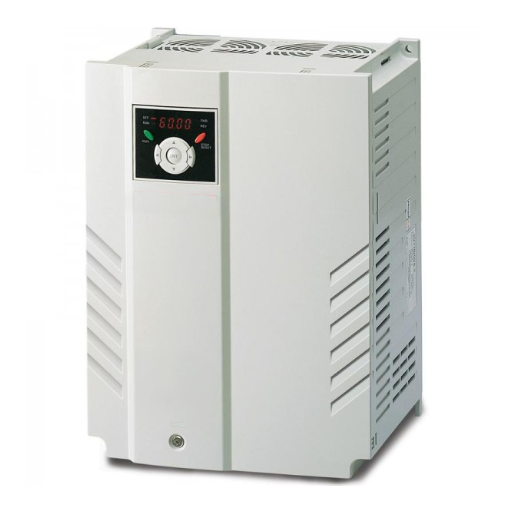
Set in substitution of an existing line— Frequency converters are used to change the frequency of the electric power supplied to the equipment allowing that equipment to be operated at the required speed and to the required performance characteristics. Common applications include industrial motors, HVAC, compressors and also precision manufacturating equipment. Input frequency in such controllers influences performance which helps in energy conservation, proper functioning, and durability of the machines. Frequency converters high in standards also contain protection systems and energy saving modes and meet the requirements of their targets. As a consequence, in the present-day industry, the demand for such devices is indeed high.
Types of Frequency Converters
| Type of Frequency Converter | Description | Key Features | Common Applications |
|---|---|---|---|
| AC to AC Converters | Converts AC with adjustable frequency | Direct efficiency, simple design | HVDC systems, induction heating |
| AC to DC Converters | Converts AC to DC | Effective rectification, robust performance | Power supplies, electrochemical processes |
| DC to DC Converters | Adjusts DC voltage levels | High power density, voltage regulation | Batteries, solar power systems |
| DC to AC Converters | Converts DC to AC | Pure sine wave output, variable frequency | Renewable energy, uninterruptible power supply |
| Rotary Frequency Converters | Mechanical-based conversion of frequency | Durable, suitable for large-scale applications | Industrial motors, marine equipment |
| Static Frequency Converters | Fully electronic for precise control | Compact, highly efficient | Aerospace, precision manufacturing |
Applications of Frequency Converters
- 01
Industrial Motors
Motors in industrial settings require a precise adjustment of the frequency in order to regulate the speed, the torque and achieve the maximum efficiency. To meet the requirements speed controllers modulate the speed of motors in the average speed characterised operations such as in these of conveyor belts, in pumping stations, and in material processing, consequently enhancing energy efficiency and reducing mechanical fatigue. - 02
Renewable Energy Systems
The role of frequency converters is becoming more and more crucial within renewable energy systems such as wind or solar power. They are used to match the alternating current (AC) output of the system to the frequency of the utility grid, which is either 50 or 60 Hz. This enables the system to merge seamlessly and also to meet the electricity, power conditioning and quality standards of network compatibility and power quality. - 03
Uninterruptible Power Supplies (UPS)
Other than the UPS systems providing back up power, high efficiency frequency converters used in UPS systems where energy-intensive power is used are one such device using stored power, mainly direct current (DC) to generate alternating current (AC) of smooth frequency output. This ensures that essential appliances are not cut off during outages. - 04
Marine Equipment
When it comes to maritime operations, the systems that need frequency and voltage conversions shall be integrated with the marine frequency converters. That is to say, rotary frequency converters are supplied in order to maintain the operation of equipment and systems on board when the ship moors to a port and a new power supply voltage and frequency standard has to be used. - 05
Aerospace Applications
In aerospace environments, the importance of precision cannot be overstated yet the solutions that offer that feature are usually cumbersome. This is usually the case but not with static frequency converters, as their main versatility falls in the instrumentality in aircraft ground equipment. - 06
Precision Manufacturing
Static frequency converters are also implemented in the most advanced processes, as for instance the semiconductors fabrication, CNC machining and industrial robot control systems, etc., whereas yield and quality control determine that precise frequency is essential.
Identifying Reliable Suppliers
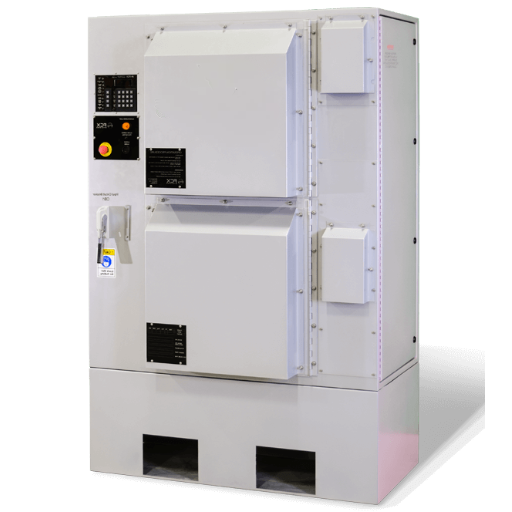
To get a preferred manufacturer from China for frequency converters, it is important to pay attention to the most essential issues that create reassurance about the quality and reliability of the supplier:
- 01
Supplier Verification
Secure venues like Alibaba or Made in China or Global Sources that have specific supplier validation categories. Easy recognition is on the badges or certifications “Verified Supplier” or “Gold Supplier”.
- 02
Certifications and Standards
Ensure that the supply is in compliance with international quality standards such as ISO 9001 and CE certificates. Indicating the company’s intention of the best manufacturing standards and safety ratings.
- 03
Customer Reviews and Ratings
Evaluate customer reviews or reviews in other sources regarding the manufacturer’s advertising. Speaking well of a company, giving a high rate each time, and ordering stuff again are signs that a company can be relied on.
- 04
Product Testing and Samples
Obtain examples of the goods for quality and performance tests. In this case, it will serve as a prevention for purchasing lower forward (less) you need.
- 05
Communication and Support
Check the promptness of action and expertise of the respondent while acknowledging the first question. Fast and clear communication as well as efficient and convenient service support, is essential for longevity of the relationship.
Combining proper studies and a quest-based approach of these parameters will facilitate the process of finding reliable suppliers in the frequency converter field in China.
Key Factors in Supplier Selection
Before focusing attention on Chinese suppliers of frequency converters, it is essential for directing certain market and trade update and analysis. Call for a strategy document for measuring the manufacturers’ capacity because it addresses critical areas such as the output potential, quality assurance measures and the presence of standardization measures such as ISO 9001 or CE. It is also looking at supplier performance in given markets and their level of responsiveness to disruption in terms of inventory replenishment. This is critical in that the extent of the buyer’s dependency on a particular supply source emerges and the suppliers ability to meet the buyer’s requirement is assessed under varying social, political and even infrastructural stability.
Different aspects like pricing do as well and understanding how costs are allocated between components, labour and freight may help in appreciating the overall worth while avoiding a significant reduction in the quality side of the value making principle. Finally, it will be beneficial to read some literature where frequency converters from different manufacturers have been used as that gives a perfect picture of the contractor’s previous success.
Researching China Frequency Converter Manufacturers
In a broader sense, it is a known fact that the whole area of making frequency converters in China is mostly based on the vast competition presented by a multitude of companies. However, the larger entities in this sphere usually focus on technicalities, energy conservation, ISO 9001 and CE compliance even during business. Those dominating the market niche often pour a lot of investments in up-and-coming capabilities in order to meet new consumer requirements and keep up with rigorously enforced regulations.
Some brands offer more powerful converters which are going to be used in automation and the heavy industry. In contrast to some that produce smaller converters for HVAC and renewable energy systems. Also, over the past few years, there has been an increase in the level of Internet of Things integration in frequency converters that makes them accessible in remote locations without the need for visits. This could be attributed to the fact that digitalization is presenting a lot of opportunities for businesses. Fertilizer that can be played for months as preventive maintenance scheduling can be done remotely. Thus enhancing operational efficiency besides cutting maintenance costs. In the context of frequency converters, manufacturers are increasingly offering custom solutions based on the voltage and frequency that each different region has; in other words, it is oriented to the market.
Evaluating Supplier Credentials and Certifications
Assessing supplier qualifications and their access to even high-quality frequency converters from China is one of the many aspects that are essential in the source of the same. The experience they have, and the certificates they hold are crucial in ensuring the appropriateness of the produce in terms of durability and standard legal requirements in the supply chain. Two of the most critical credentials are the CE marking which is a certification for devices which are used within the European Economic Area, and the UL (Underwriters Laboratories) certification which is concerned with security with respect to products that are used in North America. Compliance to national and international standards codes, particularly IEC or the International Electrotechnical Commission standards for instance IEC 61800, which includes adjustable speed electrical power drive systems should also be looked at.
One of the most meaningful criteria is the supplier’s ability to provide any documentation required as it ensures compliance with the international production and admissible quality standards. By and large, an audit or the examination of suppliers on whether they have implemented their policies as required by certified internal systems, can be effective in attempting to instil transparency and accountability in sourcing substandard supply of goods. Similarly, most of the prominent manufacturers in China are present in one form or another at trade fairs, technical exhibits, or industry meetings in order to attest their adherence to global norms and introduce new technologies. Such measures assist in enhancing the credibility of the assessment process thus enabling a quicker and more secure procurement process.
Quality Assurance Strategies
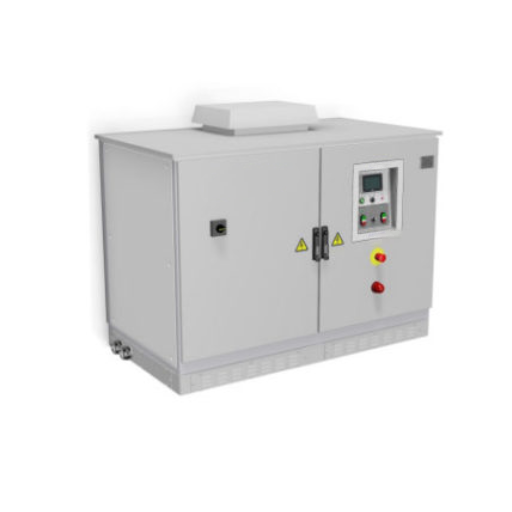
Verify Manufacturer Certifications
Make sure that the supplier has ISO 9001 for quality management system. This qualification is important as it shows the implementation of international standards with respect to manufacturing and quality.
Request Product Testing Reports
Check detailed and extensive test results documentation or confirmation of third party entity compliance with industry-applicable standards like IEC or UL focused on frequency inverters’ quality control certifications and or testing.
Conduct Factory Audits
Perform reviews on the working processes of the manufacturer including the quality control systems the production, the technical compliance and as well as those dealt with in the site laboratory and factory.
Establish Clear Specifications
Strictly state the operational requirements as well as quality perception in the contract so that there is no misunderstanding and changes during production.
Implement Pre-Shipment Inspections
Use the services of independent quality control inspection entities to carry out intermediary advertisement checks for quality of items before they are received by the buyer.
Leverage Supplier References
Request for review references or case studies to evaluate the manufacturer through analysis of statistical data and reliability of producing adequate frequency converters.
Ensuring Compliance with International Standards
There is importance in both the satisfaction of operational environment and the standards, which the inverters must be optimized in order to avoid hazardous situations. However, in order to meet the good practices, there are standards that the manufacturers of such devices have to adhere to. Such standards include, IEC 61800-5-1 (for adjustable speed electrical power drive systems), ISO 9001 (for quality management systems), and RoHS (Restriction of Hazardous Substances) on the Restriction of Certain Hazardous Substances. Apart from European standards, inverters to be used in North America must have a UL (Underwriters Laboratories) certification to ensure that the equipment complies with the requisite safety codes.
Key International Standards
- IEC 61800-5-1Adjustable speed electrical power drive systems
- ISO 9001Quality management systems
- RoHSRestriction of Certain Hazardous Substances
- CE MarkingEuropean Economic Area compliance
- UL CertificationNorth American safety compliance (Underwriters Laboratories)
It is common to see manufacturers in China produce goods squarely aimed at these restrictions. Nonetheless, there are requirements that call for verification as well. Such requirements are that there has to be submission of complete supporting documentation which may include certificates of compliance and test reports. Companies can also use third-party certifying agencies to ascertain the state of the product’s adherence to the stipulated guidelines. The fast pace of the changes made to the set guidelines means businesses have to be extra careful with the companies they choose to work them because they have to choose one that adheres to the changing requirements.
Quality Control Processes for Frequency Converters
An integral part of quality control in frequency converter manufacturing is imposing observance of strict test methodologies. These require rigorous evaluation protocols under different electrical and environmental conditions for durability and performance feedback. Furthermore, standards-driven testing ensures the conformity of frequency converters to safety and performance tests covered by IEC 61800-3 for electromagnetic compatibility. In addition, the assessment of the behavior of the converter with respect to the electrical system by harmonics helps to quantify the extent of distortion and the probability of the performance of the system.
Inspection and monitoring systems that function well are indispensable tools for identifying defects along the production stages. Advanced techniques such as thermal imaging can pinpoint hotspots in electronic components that might fail during use. Again, automated optical inspection (AOI) makes it easy for assembles to be checked for faults, especially when it comes to PCBs where ever problematic soldering could be an issue. The implementation of such quality assurance procedures significantly reduces the number of non-conforming units and improves operational effectiveness.
Working with High-Performance Manufacturers
China has had a strong position in the global market of frequency converter production. In this activity, the country uses progressive equipment, the most modern technologies. Along with this the parts producers often use the most delicate spare parts, carry out very strict control of its quality and follow the requirements of the international norms like ISO 9001. These firms use contemporary shockproof materials and creative configurations to make machines longer lasting, more useful, and able to perform efficiently in various types of industries.
Additionally, a significant number of these producers offer specially made prospects that simplify the interference of other customers on their products and enables them to define voltages, current ratings, and working frequencies. It is common for Chinese manufacturers to provide increased functionality such as the use of VSD, the declaration of energy efficiency or methods of accumulation and management of such effectively. It becomes profitable in changing consumer preferences. All the more so as these equipment providers are willing to charge reasonable prices and/or they are scalable in nature, and the overall involvement in their business processes is clearly increased, both entities will always consider these products as high-quality.
Logistics and Shipping Considerations
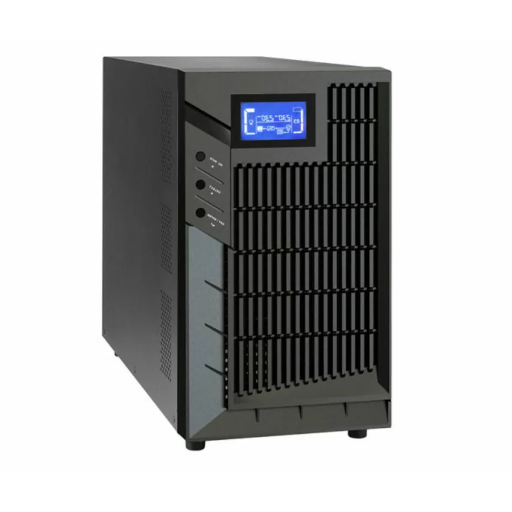
When it comes to importing frequency converters from China, careful attention has to be paid to logistics and shipping. Steps are required to guarantee that the shipment comes in reasonable time being both prompt and effective. It is very important to first know the proximity of the major ports or the better of the global shipping line stations as it can thoughtfully affect how long the consolidation will last. Look for firms offering advanced exportation services and it would be wise to probe further about such companies whether they can meet the boxes’ requirements in terms of the equipment.
Ensure alternative air and sea freight shipment options are analysed, high priority for air freight shipment due to the lead time versus low cost per unit for sea freight when transporting more than 100 pieces. Do not forget to adhere to any import policies through the use of a reliable freight forwarder or logistics service provider. Also, bear in mind the possible taxes or levies that are attributed to the importation of frequency converters in the host country. Proper communication on the terms of delivery like the Incoterms (or “FOB, CIF”), will lessen the ambiguity in relation to shipping responsibilities and expenses.
Navigating Customs Regulations
In importing converters, designed to convert input frequency into output frequency, from the premises of China to another State, it is important to consider all legal aspects of international transactions, including the availability of import-related documentation. A list of documents that must accompany every goods dispatched include commercial invoice, a bill of lading and packing list. They all provide valuable information concerning the shipment such as its values, name of the goods, name of the consignee, etc. Moreover, additional documentation for instance a certificate of origin may also have to be obtained in some cases known as additional non-treaty requirements such may influence duties or give effect to preferential trade agreements. To avoid such problems it is recommended that in advance concerning its technical characteristics, and the possibility of trading the equipment in question that CE marking or UL certification both mandatory and useful.
To avoid paying unnecessary cost in the form of duty, it is therefore advisable to make use of the standard code of the Harmonization System (HS) for DC power supplies. The company may get itself into fines or hold up the delivery in the event of misclassification. DC converters are usually classified under HS codes concerning electrical machinery and parts and may change slightly with product technical data. Check with a customs official or look at online tariff options to be sure of the right HS code for this area and the tax therein. Also, some countries have made trades with China, under which certain categories of goods are exempt or import duty is reduced.
Shipping Options for Frequency Converters from China
During the consideration of shipping services applicable to the use of frequency converters from China, there are certain things that have to be carefully analyzed in order to decide which method would be work more effectively and less expensively.
| Shipping Method | Transit Time | Cost | Best For |
|---|---|---|---|
| Air Freight | 3–7 days | High | Urgent, small shipments |
| Sea Freight | 20–40 days | Low | Large, non-urgent shipments |
| Courier Services (UPS, DHL, FedEx) | Varies | Moderate–High | Smaller shipments, door-to-door |
| Freight Consolidation | Varies | Low–Moderate | Small quantities, cost reduction |
For smaller shipments, courier services such as UPS, DHL and FedEx provide dependable delivery services, delivering goods right to the recipient’s doorstep and in some cases offering helpful services like clearance at a discount or real-time tracking. Freight consolidation also makes sense for shipping small quantities of items because this combines several small transports to a larger one in a single container in order to reduce the costs of shipping. Furthermore, adequate packaging and labeling adhering to the principle of safe international transportation should also be carried out to protect the inverters during transportation. Partnering with a reputable freight forwarder or logistics service provider helps in enhancing the process starting from obtaining competitive pricing to handling the regulatory required customs documentation.
Managing Delivery and Handling Risks
It is crucial to strategically manage the risks associated with the transportation and the handling processes in the business of purchasing and importing frequency converters from China to guarantee that the items are indeed able to perform and meet the prospects’ needs. One of the key reasons is the most appropriate option for carrying, the air freight services provide for a speedy delivery at a costly rate, which cannot always be compared to sea carriage costs for large consignments. Looking at the industry data, damaged product due to poor packaging has been quantified and this statistic is appalling, this shows that there is a necessity for better, moisture and shock resistant packaging materials.
Moreover, incorrect customs clearing can be associated with significant dangers. Issuing all the necessary documentation, such as Shipping, Import and Licensing Documents and certificates confirming conformity, in line with set procedures and timelines is most important in order to prevent any unnecessary costs. Websites containing the latest tips and trade algorithms also insist on using real-time cargo monitoring devices as it makes it possible for the importers to deal with the unusual events en route before they happen. Finally, spending money on transit insurance services allows the client to relax in knowing that they are well protected in case of any eventualities.
Cost Management and Energy Efficiency
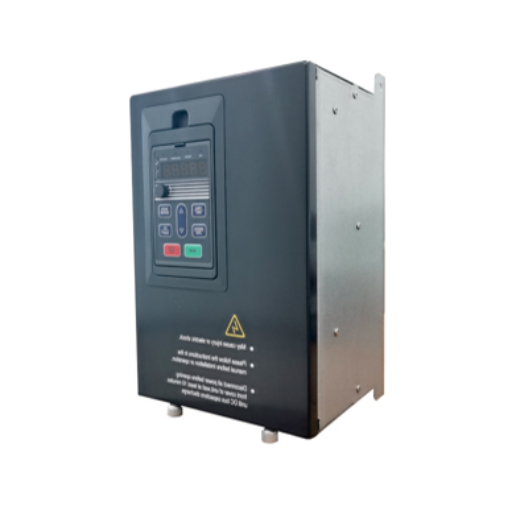
Procurement Optimization
Work with suppliers from China who have the most successful pricing strategies. Request discounts based on orders in large quantities or for fixed-quantity periods to keep the costs down and deliver products at the same quality and time frame.
Energy-Efficient Models
Consider choosing Variable-Frequency Drives (VFD) that are energy-efficient. It is also beneficial to consider certain quality certifications like ISO 50001 or similar standards, whereby the organization’s energy sustainability and cost efficiency over time are taken into consideration whenever such machinery is being considered.
Lifecycle Cost Analysis
Make sure you keep in mind the total cost of ownership, understand that it is imperative that you compare the prices with power consumption, maintenance levels as well as the quality of the product and its age.
Regular Maintenance and Monitoring
Maintain all equipment according to a plan to limit the effects of wear and tear. Use systems that provide automatic feedback as to how the system is performing in any given time and shut down the parts of the system that are leaking power as soon as possible.
These steps achieved the sought-after strategic balance between the front-end savings generated and the necessary investment into operations when buying frequency converters from China.
Understanding Pricing Structures
The ways in which the cost of frequency converters manufactured in China are affected by various factors necessitate an analysis for firms seeking to buy the products to do so only based on what is necessary and in conjunction with the budget at their disposal. The key factor in this case is the quality and performance of the converter. High-end models with the provision of high power capacity, better energy preservation, and computer-provided intervention capabilities are characterized by elevated expenditures as their usefulness and durability are valuable.
Production capacity and scale and the extent to which economies of scale are realized also affects prices of industrial products. The prices of factories reducing in size, therefore, are not always proportional to the size of the economy. They can offer as checkout and technological products at reasonable prices, such as mobile phones and computers, for example, they will normally be a lot cheaper compared to the prices a US corporation can demand it for the similar commodity. Moreover, they are subject and commoditized products, with most of them being traded as commodities, that is, they go through export trade processes as commodities without any problem.
Also, it is important to note that a cap on sales margins will necessitate that tua-rated tools. Using the customization of applications could incur more than the anticipated design and costing charges. Added to other factors like the shipping rates, tariffs, and other hurdle factors, the customer’s overall cost and value chain is adjusted during the underlying product’s extreme places. The perspective of procuring goods prescribed by a fiscal measures regime in some geography of use particularly introduces these and similar concerns.
Evaluating the Total Cost of Ownership
While auditing different Chinese-made frequency converters for the Total Cost of Ownership (TCO), one should not only adhere to the upfront purchasing price but also consider the respective operation costs in the long run. Of weight point here is the energy efficiency of the converters because generally the more energy-efficient converters save substantial amounts in the future by minimizing power consumption. In addition, robustness as well as useful life significantly impact the cost as well as the use of adverse technologies and durable materials, which would further eliminate the maintenance and disposal costs of the converters.
Again service quality of a manufacturer will be very important. Among other benefits, products with better services and long warranty charge can take care of unexpected disruptions in operations or incur unprecedented costs. Also, compliance with state laws and regulations cannot be underestimated. This is because tons of grant funds aimed at environmentally-friendly technologies are made available to eligible participants.
It can also be observed that manufacturing advancements have led to changes in pricing. This is because cost of production has gone down due to economies of scale and new technological processes that have at the same time been adopted. However, there is need for a comprehensive supplier evaluation encompassing quality audits, sourcing history, services offered, etc. To make sure that the converters meet the specific operational and industry standards.
Reference Sources
Frequently Asked Questions
Question 01
What should I check about a frequency converter supplier when sourcing from China?
If you are planning to buy frequency inverters manufactured in China then verify that the frequency inverter factory accords to some high standard regarding the credibility, competence, performance, and consistency of the manufacturing processes. Find out if services after the sale are available, lag time in the product shipment, as well as whether or not they have readily made off-the-shelf and even selection of OEM solutions in respect to the broad spectrum of industrial usage. Finally, confirm the compatibility of the data exchange standards such as Profinet and the web interface HMI over the network for ease of process control and industrial automation system operation.
Question 02
How do I choose between a 220V inverter and a 380V three-phase frequency inverter?
Selecting one between a single phase place 220V inverter and a three phase place 380V inverter usually depends on the power of the motor and the industrial setting, that is single phase inverter can work for small motors but three phase inverter will be used when it comes to larger loads for industrial automation. One has to evaluate the necessity of motor speed control, its torque and speed specifications, as well as whether the proposed design will be under closed loop of vector control for accurate performance prediction. Insist on the supply of a high quality product such as AC drives, and technology is advanced such as vector control, etc. In addition, the supplier should have the capability of such after-sales services as commissioning.
Question 03
How can a frequency converter factory help reduce energy consumption and improve motor control?
A reasonable frequency convertor manufacturer can offer such which help to save energy and provide drives for optimized speed control of an electric motor to reduce energy use during various industrial applications. For processes as numerous as those of industrial production enterprises, other advanced features such as vector control and closed-loop systems improve speed and torque accuracy thereby the process control and production performance. Demand for efficient models that save on energy and have a detail of the power conversion efficiency ratings in different models available. Possible color in order to find reduced cost in operating and maintenance and finally consider the after-sales service of the manufacturer in terms of tuning and maintenance for long-lasting profitability.
Question 04
Are Chinese soft starters and brake-compatible inverters suitable for heavy-duty industrial use?
Industrial soft starters and brake transistor unit-course inverter especially renowned brands can naturally find their application in Factory Machinery of high rating but they need to be designed to withstand the heavy-duty industrial environment and consistently offer a high level of performance and protection to the equipment connected to motor of all types. Note that the manufacturer should provide braking torque handling, thermal protection and the ability to withstand many starts and stops without any compromise these and many more guidelines is covered by most manufacturers’ specifications.
