
The ability to control the speed of an AC motor is an essential aspect of modern engineering and is thus applied across industries such as manufacturing, energy, and automation. Although AC motors are very dependable and efficient, they may be unable to operate in challenging environments due to their fixed speed. Today’s article will provide a detailed, all-in-one guide to the principles, methods, and technologies associated with AC motor speed control. Through the understanding of such techniques, the performance of the motor can be enhanced while, at the same time, the use of energy and system flexibility can be increased. No matter if you are a novice with the subject or someone experienced, this exhaustive AC motor speed control study will provide you not only with insights that can be put in place but also with a solid understanding of the basic concepts.
Understanding AC Motors
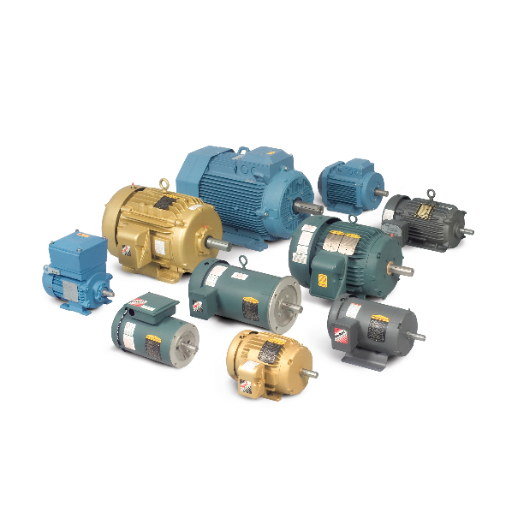
AC motors work by electromagnetic induction, transforming alternating current electrical energy into mechanical energy. The main parts of an AC motor are the stator, which introduces the rotating magnetic field, and the rotor, which interacts with this field to produce motion. Applying AC voltage to the stator windings creates a magnetic field whose polarity reverses. The rotating magnetic field induces a current in the rotor and causes it to rotate. The rate of rotation is mainly determined by the frequency of the alternating current and the motor’s pole arrangement, making frequency the primary parameter for speed control.
Principles of AC Motor Operation
The effectiveness of the AC motor rests upon several closely linked mechanical and electrical factors. The main contributors to the motor’s efficiency are stator and rotor design, the quality of materials used, and the motor’s load conditions. Usually, high-efficiency motors use advanced stator winding techniques to minimize energy losses from eddy currents and resistive heating. Furthermore, the rotor’s material and construction are specifically chosen to reduce losses and enhance torque generation, with copper rotors being the most widely used due to their excellent conductivity.
The power factor is another important factor that directly correlates with the motor’s efficiency in converting electrical energy into mechanical work. By properly positioning the magnetic field between the stator and rotor, the value can be optimized, resulting in less phase displacement and better overall performance. With the latest developments in variable frequency drives (VFDs), greater precision in motor speed and torque adjustment enables them to meet application demands more closely. Thus, there is a substantial improvement in energy efficiency without sacrificing performance, which remains optimal.
Types of AC Motors
Factors Influencing AC Motor Speed
The electrical power frequency and the number of poles in the motor are the two most significant factors that determine an AC motor’s speed. The synchronous speed, which is the maximum speed of a rotating magnetic field and is, therefore, a theoretical speed of a motor, is computed according to the following equation:
Synchronous Speed (RPM) = (120 × Frequency) / Number of Poles
The equation shows that as frequency increases or pole count decreases, the motor speed increases. In contrast, the actual operating speed of an AC motor is not always equal to the synchronous speed; this is because of slip, a slight percentage difference caused by the rotor changing speed in response to load conditions.
Torque, voltage, and environmental conditions are also factors that affect the speed of an AC motor. Usually, the speed reduction occurs when the load is heavier, because the motor has to work harder to keep it turning. The voltage levels also come into play, since their fluctuations can affect the transfer of energy, leading to very slight speed changes. Moreover, temperature and humidity can affect the motor’s performance by influencing resistive losses and mechanical elements.
Methods of Speed Control
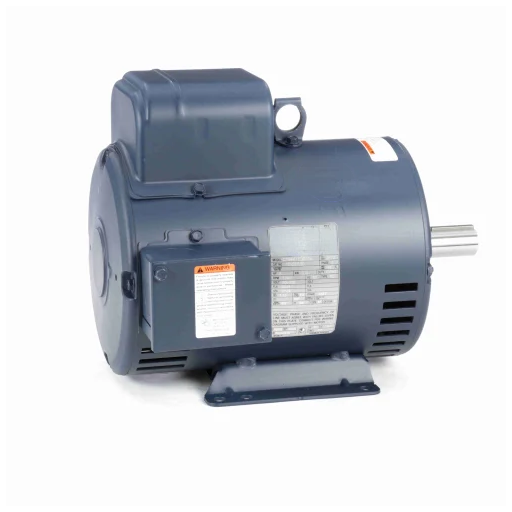
1Voltage Control
Supply voltage adjustment directly influences motor speed; lower voltage usually results in a slowdown, while higher voltage increases speed. Although this method is straightforward, it may lead to efficiency loss at lower speeds.
2Frequency Control
The power supply frequency is changed using a variable-frequency drive (VFD) to simulate speed control of the AC motors, thus allowing the full range of efficiency to be utilized.
3Resistance Control
The circuit is equipped with resistors, which affect current and can control the speed of DC motors; however, this method is less energy-efficient and produces heat as a byproduct.
4Pulse-Width Modulation (PWM)
PWM is predominant in today’s DC motor applications and enables efficient speed regulation by varying the duty cycle of electrical pulses without affecting torque output.
5Gear Mechanisms
In situations where fixed adjustments are needed, gear systems can mechanically increase or decrease the output speed without changing the electrical inputs.
Voltage Control Techniques
Voltage control is still an essential technique for DC motor speed control, providing a straightforward and efficient way to set performance parameters. By varying the motor’s input voltage, the rotation speed can be controlled with very high accuracy. The relationship between the applied voltage and the rotation speed is direct: a maximum voltage corresponds to a minimum speed. This method is particularly appropriate for systems where simplicity and little electrical complexity are the utmost priorities.
The manual operation of voltage control has become more stable with the introduction of electronic circuits. The modern power supply components such as power MOSFETs and Insulated Gate Bipolar Transistors (IGBTs) are able to deliver precise control even at large currents. Also, voltage regulators, both linear and switching, have been made to handle loads of varying conditions. Stable voltage delivery is assured even under variable conditions with these regulators. The motor will not fluctuate, and its efficiency will be high, which is essential when performance must be predictable and reliable, such as in robotics and industrial automation.
Voltage control is a highly effective technique, but it may come at the cost of system efficiency. Running the motor at voltages below its rated voltage can result in increased heating and lower torque output. It is, however, the case that when feedback loops are combined with sensors and microcontrollers, systems employing voltage control can achieve a strong operational balance while simultaneously protecting the overall system from failure.
Frequency Control Methods
Frequency control is one of the most widely used methods for adjusting the speed of AC motors by changing the power supply frequency. This technique is based on the fact that the synchronous speed of an AC motor is linked directly to the frequency of the power supply in a proportional manner, mathematically expressed as:
Synchronous Speed (RPM) = (120 × Frequency) / Number of Poles
The motor speed can be controlled with high precision by changing the frequency, without altering the supply voltage, making the method very efficient and versatile. The last generation of control systems typically uses Variable Frequency Drives (VFDs), which can control the frequency and voltage of the power supply to preserve the motor’s performance (i.e., magnetic field consistency). The result is that speed variations are smooth, mechanical stress is reduced, and less energy is wasted.
Additionally, frequency control offers several advantages in high-performance applications. Among these are the possibility of better managing the motor’s speed variations (so that the consuming and dissipating power can be controlled), lower inrush currents during startup compared to direct-on-line systems, and reduced wear and tear as a result of much slower replacements or repairs. Also, advanced VFDs incorporate features such as harmonic reduction and feedback mechanisms, enabling their smooth integration into complex applications such as HVAC, process control, and renewable energy systems. Consequently, frequency control is an indispensable part of modern motor management strategies.
Advanced Speed Control Techniques
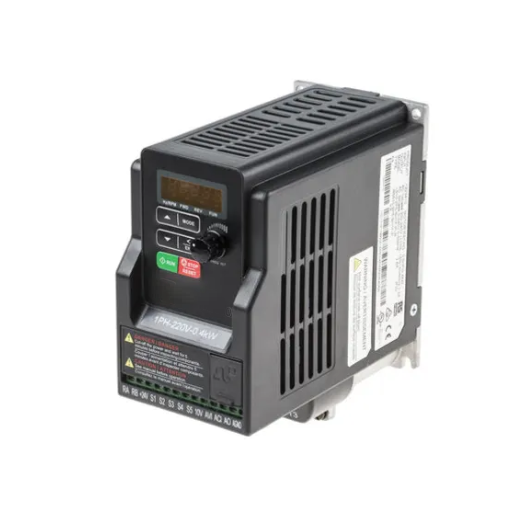
Moreover, sophisticated speed control techniques are pivotal for maximizing system efficiency and performance in different areas. The methods enable precise control of motor speed, thereby indirectly reducing energy consumption by matching it to load requirements. This, in turn, results in significant financial savings and a reduced environmental impact. The use of methods such as vector control and direct torque control enables quicker, more precise speed and torque adjustment, which is why they are applied in dynamic, high-performance systems. In addition, advanced control strategies not only increase operational reliability but also lessen mechanical stress, thereby extending the equipment’s lifespan. The advantages derived from advanced speed control make it a necessity in modern industry and commercial settings.
Using Inverters for Speed Control
The use of modern inverters is a significant factor in accurately controlling speed, optimizing energy use, and system performance. By employing advanced semiconductor technology, inverters can easily and effectively convert the input power at a fixed frequency into output power at a variable frequency, thus enabling the control of AC motors for both speed and torque. Such a feature will lead to a considerable reduction in energy consumption across a wide range of applications, such as HVAC systems, conveyor belts, and water pumps, among others, where the motor speed can be adjusted to meet the requirements of the operation.
Moreover, the inclusion of functionalities such as real-time monitoring, fault diagnostics, and regenerative braking enhances the reliability and operational efficiency of the entire system. The energy consumption of motor-driven systems can be reduced by as much as 30-40% through the application of inverters, according to data from actual case studies, resulting in both reduced costs and a smaller carbon footprint. The small size and versatility of modern inverters not only enable their use across different industries but also ensure their ongoing importance in advancing the goals of industrial automation and sustainability.
Precision Control with AC Motor Controllers
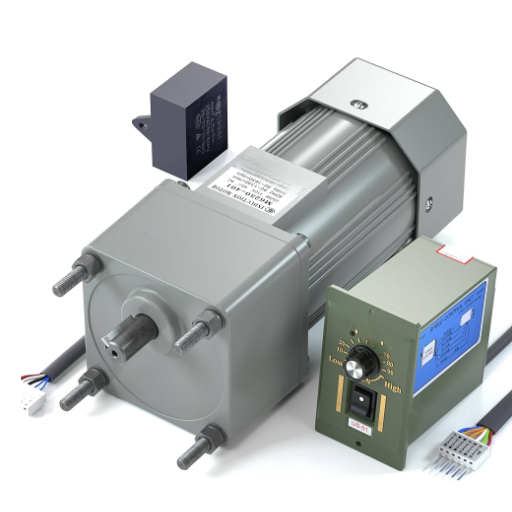
Motor controllers for AC motors are indispensable for accurately and efficiently controlling speed, torque, and power output. Control algorithms improvement such as vector control (or field-oriented control) has been the main driving force to develop real-time adjustments based on complex mathematical models of motor dynamics. With these controllers, it is possible to achieve accuracy levels below 1%, which is very beneficial for ultra-precise applications such as robotics and CNC machining.
Technological innovations have also enabled the integration of sensors and IoT connectivity into AC motor controllers, enabling real-time data monitoring and predictive maintenance. This has resulted in reduced downtime and operating costs, with studies revealing a significant increase in equipment lifespan when predictive measures are taken. Besides their compact design and ability to operate under various load conditions, modern AC motor controllers remain the driving force behind advances in automation and machinery performance.
Comparing Traditional and Modern Control Methods
Applications of AC Motor Speed Control
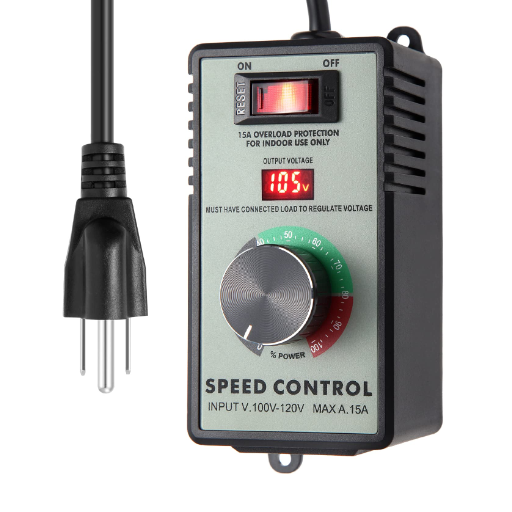
The control of AC motor speed is necessary in many industries, as it allows them to avoid wasting extra energy while maintaining the same level of efficiency. The main areas of application are:
- Manufacturing: Regulation of conveyor speeds, precision machining, and higher production output through speed variations are the main benefits.
- HVAC Systems: The main idea of energy saving is to adjust motor speeds to the actual demand for fans, pumps, and compressors.
- Renewable Energy: Wind turbines and solar power plants depend on the power input, tailoring their rotations accordingly.
- Transportation: This technique is used in electric vehicles and trains, providing smooth acceleration and deceleration while preserving energy.
- Pumping Systems: The pumping applications in water and wastewater treatment plants ensure very consistent flow, prevent pump aging, and extend the life of the equipment.
Thus, the application areas mentioned above, though to varying degrees, all point to the fact that AC motor speed control is highly significant for the overall development of modern technology and industry.
Manufacturing and Industrial Automation
The control of AC motors’ speed can be applied in several technologies, including overhead within the factory’s boundaries and other types of movement. This technique could be used to achieve precision control over machinery and production processes; thus, it would be highly advantageous in the heating, ventilating, and air conditioning (HVAC) industry. Companies using this approach would achieve higher efficiency, better product quality, and lower energy consumption. For instance, with the use of variable frequency drives (VFDs) manufacturers are able to change the speed of the motors according to the specific needs of the operations thereby reducing cost from overtime and from the stoppage of production. Besides, AC motor systems can be easily integrated with state-of-the-art programmable logic controllers (PLCs) or even industrial Internet of Things (IoT) platforms, enabling data monitoring and instant process optimization. There have been recent breakthroughs in the application of Artificial Intelligence (AI), which have taken adaptive control of AC motors a step further in terms of reliability and evolution; consequently, their interaction with the future of smart factories and sustainable operations has been opened up. The interplay of flexibility, precision, and energy conservation underscores the need for AC motor speed control even more in industrial settings.
HVAC Systems and Temperature Management
The modern HVAC system embraces the latest technology and is at the very center of temperature control, energy conservation, and indoor air quality. The focus of these systems is on intelligent sensors, IoT technology, and machine learning algorithms that are capable of environmental monitoring and performance adjustment. Advanced building automation systems and VAV (variable air volume) systems really work together to provide the desired temperature without wasting energy. New research indicates that employing adaptive control systems can lead to a decrease in energy consumption of HVAC systems by as much as 30% therefore making such systems not only economically advantageous but also eco-friendly. Moreover, integrating energy recovery ventilators and high-efficiency heat pumps enables the installations mentioned earlier to deliver excellent thermal comfort with minimal environmental impact, thereby raising the bar for both commercial and residential climate control solutions.
Renewable Energy Systems
Renewable energy sources such as solar, wind, hydro, and geothermal are considered the most suitable because they produce minimal pollution. One of the leading systems, Solar PV, has seen the most significant efficiency improvements due to bifacial solar panels and perovskite materials. Wind turbines are also getting more productive. Designing a modern wind turbine for the correct location can yield a capacity factor above 50%. Hydropower is still the most significant energy source, but nowadays it has also undergone significant improvements through pumped-storage technology, unlocking its potential as a power bank for the grid. Geothermal energy is also considered sustainable; the Earth’s heat is harvested through advanced drilling and heat-exchange technologies, enabling plants to provide constant baseload power. When these sources are linked to microgrid or smart grid facilities, they ensure energy reliability and grid resilience, and significantly reduce carbon emissions.
Emerging Technologies and Trends
Artificial Intelligence (AI) is taking energy management systems to a whole new level by improving energy use, demand prediction, and grid stability. Real-time data processing is supported by advanced machine learning algorithms that manage power distribution and plant maintenance. The prediction of peak demand times and the integration of renewable energy sources into the grid are made more smoothly through greater efficiency. At the same time, AI-powered preventive maintenance is reducing both production time and costs by detecting equipment malfunctions before they occur. This technology supports both innovative grid development and sustainable energy practices.
Smart Systems in Motor Speed Control
Intelligent systems for motor speed control use highly sophisticated, precise algorithms and real-time data processing to regulate motor performance. The classifier’s motor performance can also use the same techniques, such as vector control, pulse-width modulation (PWM), and sensorless feedback, ensuring smooth operation and maximum efficiency. Energy use is reduced and wear on mechanical parts is diminished by smart motor controllers that adjust speed and torque dynamically, thereby extending the equipment’s lifespan.
The most recent developments in industrial automation have broadened the use of these machines through Internet of Things (IoT) networks, enabling remote monitoring and control. The application of predictive analytics in machinery has enabled the technology to assess the working state and identify problems, thereby reducing idle time and maintenance costs. Research shows that innovative motor control systems can reduce energy consumption in HVAC systems and manufacturing processes by up to 30%, underscoring their importance in promoting sustainability and operational efficiency.
Energy-Efficient Solutions for AC Motors
Coupling advanced motor designs with Variable Speed Drives (VSDs) is one of the most promising solutions for energy-efficient AC motors. In particular, modern AC motors based on permanent magnet synchronous motor (PMSM) technology stand out as the most efficient among all types of electric machines available today. Contemporary designs have partially succeeded in minimizing energy losses by using high-performance materials and applying optimized winding configurations.
On the contrary, variable-speed drives afford precise control of motor speed and torque, which often entails adapting performance to the particular demands of the application. Besides, VSDs can reduce power consumption by up to 40% in applications such as pumps, fans, and conveyors, which are otherwise expensive due to energy waste. Diminished energy use during low demand and the complete elimination of wasted energy from constant-speed operations are among the ways VSDs can achieve this.
Moreover, coupling real-time monitoring via IoT-enabled sensors with these technologies enables operators to monitor power consumption and adjust performance accordingly continuously. This will lead to dual benefits—lower operational costs and reduced carbon emissions— contributing to global sustainability targets. The new technological advances in AC motors make them crucial for industries looking for the triple benefits of energy savings, environmental responsibility, and cost-effectiveness.
Reference Sources
Speed Control of AC Motor
Key Findings: This study explores phase angle control and RPM measurement of universal motors using CAN Bus technology. It highlights the efficiency of using advanced communication protocols for precise motor control.
Speed Control of AC Motor Using VFD
Key Findings: This research focuses on the application of Variable Frequency Drives (VFDs) for controlling the speed of AC motors. It emphasizes the energy efficiency and flexibility offered by VFDs in industrial applications.
Frequently Asked Questions (FAQs)
Q
What are the methods to control the speed of an AC motor?
An AC motor can have its speed controlled by various methods, such as VFDs (Variable Frequency Drives), adjustable-speed drives, and PWM (Pulse Width Modulation), among others, and different motors can operate excellently under these methods. Among these methods, VFDs are preferred for their ability to accurately control motor speed by varying the frequency and voltage applied to the motor. Resistors, capacitors, and switches play different roles in maintaining current and voltage in the circuit. Energy-efficient methods have now become a great advantage of induction motors and the like. The application of a feedback control system can also help maintain constant motor speed despite varying load conditions.
Q
How does a variable frequency drive (VFD) work for motor speed control?
A variable frequency drive (VFD) is an instrument that modifies the frequency of the alternating current delivered to a motor, thereby controlling its speed. The whole process involves a number of steps, including rectification, filtering, and inversion, which transform alternating current power into direct current and back to adjustable alternating current power. Frequency and voltage adjustments allow the motor to operate at multiple speeds and torque levels, making VFDs well-suited for applications that require variable speed. VFDs are widely used in various industrial applications, including pumps, fans, and conveyors, where improved control and energy savings are the main benefits. Besides, VFDs can protect motors by minimizing mechanical stress during start-up and operation, thereby extending motor life.
Q
What is the role of an AC motor controller in speed control?
An AC motor controller is a power device that adjusts the motor’s input voltage and frequency, thereby controlling its performance. The control allows the motor’s speed to be adjusted, which in turn improves efficiency and performance. Controllers may use techniques such as vector control or direct torque control to ensure the highest performance at that load condition. Additionally, they can have feedback systems that continuously monitor motor performance and make real-time adjustments for the most efficient operation. These controllers, by controlling the speed of AC motors, are instrumental in applications where AC motors are suitable, such as heating, ventilation, and air conditioning (HVAC) systems and industrial machinery.
Q
Can you explain the importance of frequency and voltage in AC motor speed control?
The speed control of AC motors is heavily dependent on frequency and voltage, which are the two most essential factors in this context. An AC motor’s speed is directly proportional to the frequency of the AC power supply; thus, it is possible to control the speed of the motor by changing the frequency. Moreover, voltage plays a role in determining the motor’s torque and efficiency. A more efficient motor operation with less energy waste is achieved through the right combination of frequency and voltage. Adoption of techniques such as VFDs allows for concurrent alteration of both frequency and voltage, thus giving the flexibility of specifying the motor’s performance with a high degree of accuracy. Careful frequency and voltage control is a prerequisite for achieving the desired working characteristics in various applications.
