
The pillars of present-day power production across the globe are power plants. Their efficiency and reliability are the key factors in managing the energy needs of the whole world. Technology continually changes our world. However, now the static frequency converter (SFC) has come to the fore, and it brings a large piece of innovation that not only centralizes the storage of energy but also the quality of power generation on the grid. In this post, the role of SFCs as a key player in the synchronization of turbine generators, the smooth power transfer, and the grid’s security will be discussed. Right from reducing the mechanical stress on the equipment to their utilization in the newest energy storage systems, we will fully cover why SFCs have turned into indispensable elements in the daily operation of a power plant. Find out the complex tech components and the lasting financial advantages of having static frequency converters in your energy grid.
Overview of Static Frequency Converter
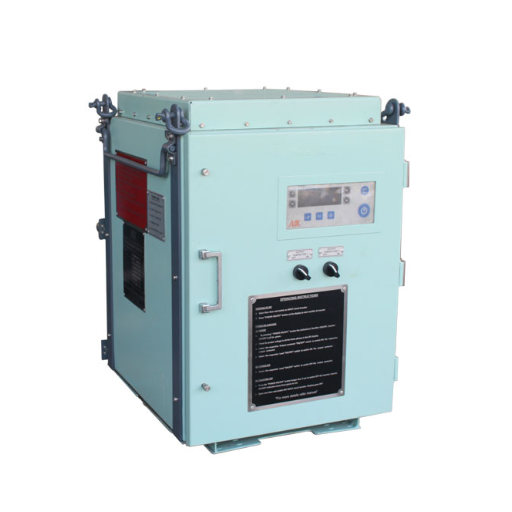
Static Frequency Converters (SFCs) are a kind of high technology electronic devices, which are purposely made to alter the frequency of electric power as demanded by the given operational environment. They are required when a part of machinery or system may necessitate a frequency that is different from that supplied by the grid. By processing the input electric power, they provide an output of constant and controlled frequency. SFCs are very common in the applications of power and energy generation, aviation, and manufacturing. They are used very widely since they have many benefits to the users, such as promoting system efficiency, allowing for the precise motor speed control, and also facilitating the compatibility of both the equipment and the power sources. Their feature of reliable and adaptable frequency converter is very much of interest and makes them essential as a part of the modern energy and industrial systems…
Importance of Static Frequency Converters in Modern Power Plants
Static Frequency Converters (SFCs) are very important in modern power plant operation, as they make the power plants more flexible, efficient, and reliable. They have the most essential function in the black start process by making power plants work on their own without the help of an external wide-area grid. In this way, SFCs give precise frequency and voltage control for the main equipment such as synchronous generators, and in this way, they make the energy supply safe.
Moreover, SFCs are frequently applied in the process of switching between power grid frequencies, particularly in areas with different standard frequencies (e.g., 50 Hz and 60 Hz). This practice ensures the continuity of the electrical power supply along with the reduction of disruptions by means of the unified power systems across the different regions and technologies. They can be further utilized for adjusting the motor speeds during the turbine start-up period and other operations—all of which lead to less mechanical stress on the equipment and a longer lifetime extension for the high-value plant parts.
The SFC technology has also been the subject of recent revolutions, which have led to more efficient power plant designs. The use of the latest electronics techniques and the reduction of energy loss during the conversion process are two ways that SFCs make it possible for grid operators to comply with tough environmental legislation and cut operational costs. These developments are clear signals of the growing dependence on the SFC systems, which are the choice when the power markets are marching on towards higher complexity and the use of renewable sources that still have their time of availability and cannot cover the entire time span.
Role of Static Frequency Converters in Energy Storage Systems
Static Frequency Converters (SFCs) are very important in energy storage systems and make their operation more efficient by easily blending power sources, storage, and grid loads. They are also known to the main players in the integration process of the three mentioned energy sources. They are responsible for good energy management in the smart grid by matching the frequency of the AC to the needs of the storage elements like batteries or flywheels. These transformation complexifies the infrastructure, thus the energy system as a whole will end up with fewer problems in handling reactive power, load fluctuations, etc.
Also, solid fuel cells contribute to grid stability at times when power consumption is at its highest by promoting very quick and exact energy transfer. The latest models of solid fuel cells are provided with sophisticated control systems and the possibility for continuous monitoring, which grants better energy efficiency and less heat losses. This becomes even more essential when energy storage systems are becoming more and more common as the main support for renewable energy, so that the power supply can be kept even when the sources of energy, such as wind or sun, are not available.
SFCs play a key role in the changeover to a more sustainable and robust energy grid all over the world. Their design is well thought out and this, together with other merits, makes them highly scalable and suitable for various large-scale applications, from microgrids to large energy storage facilities. On top of that, the ability to support various grid services means that the energy system can rely on SFCs gradually as the main sources for providing these services.
Functionality of Static Frequency Converters
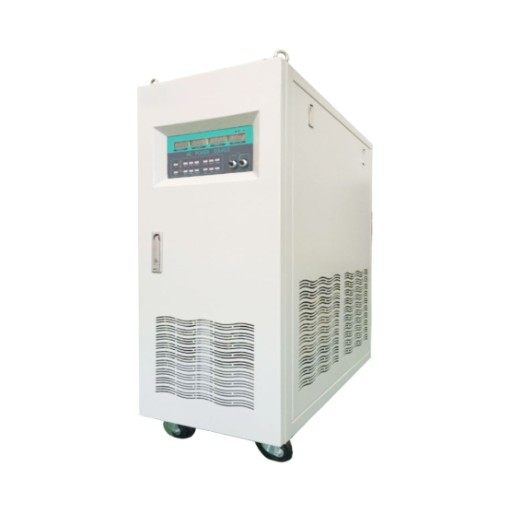
SFCs, short for Static Frequency Converters, are reducing the frequency of power and adapting it to another frequency, so that equipment that is built according to different frequency standards can easily and cohesively operate. The three main steps to this are rectification, where alternating current (AC) is converted to direct current (DC); inversion, which converts DC back to AC at the desired frequency; and voltage regulation, which is responsible for a stable and precise output. By means of these converters, synchronization between power systems that are not compatible is made possible and thus such applications as renewable energy integration, industrial motor control, and grid frequency stabilization are supported and enhanced overall system flexibility and reliability.
Understanding Power Conversion Mechanisms
The efficiency, scalability, and adaptability of electrical systems in different applications have been dramatically improved by recent technology innovations in power conversion. Among them are the wide-bandgap semiconductors, namely silicon carbide (SiC) and gallium nitride (GaN), that allow for faster switching frequencies, lower energy losses, and better thermal conductance compared to conventional silicon-based elements. These substances are revolutionizing the approach to converters and inverters’ design with their capability to generate more compact and better-performing architectures for aggressive operating conditions.
Besides, the introduction of digital control strategies along with the cutting-edge software algorithms has made it possible to simulate the best possible real-time control in power electronics. The methods namely pulse-width modulation (PWM) and model predictive control (MPC) have been implemented to allow excellent performance, minimum distortion, and fast response to quick changes in the loads. Intelligent systems with the capability of IoT that are incorporated into it are the additional savior and even better than the capability of humans, to monitor, analyze, and adjust power conversion within any kind of network. It is very clear that the above situations will cause this innovation to move the power infrastructure further, and at the same time, the utility companies’ claim for highly efficient renewable energy systems, electric vehicles, and industrial automation will be supported.
Components of Static Frequency Converters
| Component | Function |
|---|---|
| Rectifier | Converts AC input to DC output. |
| DC Link | Stabilizes and filters the rectified DC voltage. |
| Inverter | Converts DC back to variable-frequency AC output. |
| Control Unit | Manages operational parameters and system stability. |
| Cooling System | Prevents overheating of internal components. |
| Input Filter | Reduces harmonics and electromagnetic interference. |
| Output Filter | Smoothens output voltage for reliable operation. |
| Power Semiconductor | Key element for efficient switching operations. |
| Protective Circuits | Safeguards against overvoltage and short circuits. |
| Monitoring System | Tracks performance and detects potential failures. |
How Static Frequency Converters Ensure Reliable Power Supply
Static frequency converters (SFCs) are the products of a high-power electronic technology that is very stable and accurate in its power output, a matter of obligation for a type of load request that is regulation-resistant. By making the input power completely different from the output frequency and voltage, the converters guarantee the compatibility of the latter with such equipment as medical, test, and industrial. Pulse width modulation (PWM) technology has resulted in the addition of efficiency to the conversion process through the reduction of energy losses, while providing a uniform system behavior and lessening the operator’s expense.
Super-capacitors stand out for their power quality maintenance even in the hardest of situations. They are able to control voltage variations, harmonic distortion, and transient disturbances so that there is no damage to the equipment linked to them. Equipping these devices with real-time monitoring not only helps them to find faults, but they also take precautionary actions such as turning off the unit when a fault is severe. This strategy leads to an increase in the working time and a reduction in the downtime caused by unexpected failures, which in turn again proves SFC’s reliability even in the most important environmental situations.
Applications in Power Plants

Power quality and voltage regulation devices are the backbone of the power plants’ proper operation, securing. They are responsible for keeping power quality constant, protecting delicate equipment, and avoiding disturbances caused by power problems. This technology is typically used to prevent high-value components from being affected: the safety of high-value operations, such as generators, transformers, and controls, is dependent on a consistent energy level. Energy production plants greatly benefit from the establishment of these technologies, as they not only become more efficient but also reduce the amount of maintenance work they need and at the same time secure that the energy will be transmitted through the grid without any failures. Their contribution is of the utmost importance for the generators’ working around the clock.
Use Cases in Pumped Storage Power Plants
Pumped storage power plants use sophisticated technical innovations to maximize the entire process of energy generation, storage, and delivery. One of the most significant goals is to connect with large-scale energy storage systems that can be used as intermittent tanks and peak-shaving reserves at the same time. This way, they are taking an active part in the grid stability by being fast-response reserves, which is a reliable way to deal with the inherentness of renewable energy grids, from the supply to the demand.
And another important area is the usage of maintenance technologies. By making use of sensors and monitoring systems’ data redundancy, the earliest signals of component breakdown in turbines, pumps, or auxiliaries could be found in time by long-term storage facilities. These warnings allow the operators of the plant to take the necessary steps before the faults become real menaces, hence the amount of repair and downtime is greatly reduced compared to the same scenario but without this early detection.
In addition, it is apparent that digital twin technology is now being widely used in pumped storage facilities in order to improve operational efficiency. These twins are the virtual replicas of the physical assets and they do allow the engineers to simulate their operation with the highest accuracy. This software enables the engineers to have a view of the performance under different conditions, to optimize the energy cycle efficiency and to forecast the effects of infrastructure upgrading before doing it.
Moreover, the sets of virtual twins matched with the sturdy grid connection strategies are proof that pumped storage power plants are adapting to the requirements of the present era of energy which is renewable. This is to make sure that they do not end up becoming obsolete in today’s market, and that they still are a good option in storage and energy distribution on a large scale.
Case Studies Highlighting Efficiency Improvements
The upgrading of the Goldisthal Pumped Storage Power Plant in Germany is a significant case to consider. The plant adopted the latest turbine tech, which promoted rapid reaction times and hence the increase in efficiency. The overall project to modernize the operation went through the introduction of specific-speed pump turbines, a feature that makes it possible to manage the demand for energy flexibly. As a consequence, the facility got much lower losses of energy and at the same time was able to stabilize both the grid and the output grid.
Benefits of Implementing Static Frequency Converters
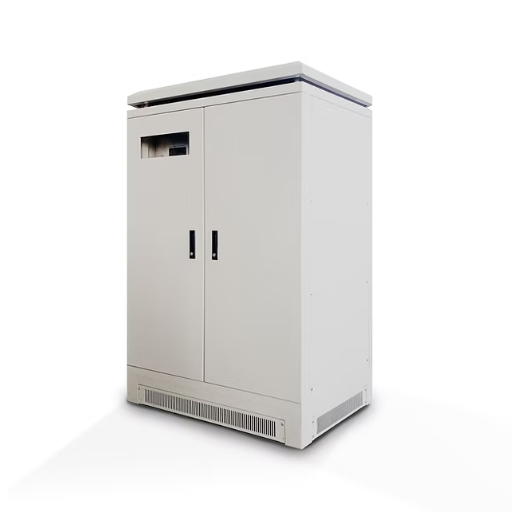
- Enhanced Grid Stability: The use of static frequency converters results in better regulation of power, lessening the chances of the grid being destabilized during peak and off-peak hours.
- Improved Operational Flexibility: The systems allow pumped storage plants to work in a greater range of generating and pumping conditions, thus optimizing the energy management and also following the changing grid requirements.
- Reduced Equipment Stress: Static frequency converters help in transitions that are not noticeable, which in turn reduces stress on the electric and mechanical components of the system, ultimately leading to a longer equipment life.
- Efficient Integration of Renewable Energy: As a result, they can help a lot with the synchronization of the variable renewable energy sources like wind and solar, making the grid more reliable and sustainable.
- Cost-Effective Performance: As the efficiency is increased and the wear on the infrastructure is reduced, static frequency converters help in the cost-effectiveness of energy systems through the lower maintenance costs and the economies of scale they make room for.
Enhancing Energy Storage Capabilities
The static frequency converters (SFCs) are at the core of energy storage and allow for a more efficient energy management and its transportation. With the ability to change one frequency of electrical force to another, SFCs make possible the enhancement of operational flexibility of the storage technologies that are based on lithium-ion batteries, pumped hydro storage, and the new solid-state systems. Through this, they also facilitate the use of these technologies down to a specific spot of time or a place and reduce the stress on the grid operated by a regulated utility, such as AEP, Duke Energy, and others. Moreover, the SFC design and its related technologies, which have been expansive and diverse, have resulted in minimizing the energy loss of the charge/discharge cycles while enhancing the overall system performance, also creating the grid with future growth in mind and energy sources being cleaner and cheaper.
Improving Operational Efficiency in Power Generation
Efficiency in electricity production significantly depends on the use of cutting-edge technology that would allow the process of energy conversion to be economical, and by that means, innovative technological systems would be employed in the different steps of electricity production. For instance, the combined cycle system, which is the most critical advancement in thermal power plants, permits the coupling of both gas and steam turbines in operation with 60% and above efficiency. It is very the same case with renewable energy sources; the energy production efficiency in this sector was largely increased due to the application of IPSE multi-junction solar cells, which constitute multiple absorber layers of light.
Moreover, the use of more sophisticated predictive maintenance applications, backed by artificial intelligence and machine learning, is responsible for a reduction in unplanned downtime in the power generation division. These tools are continuously monitoring operational conditions and processes, and they are capable of using the real-time data to predict and prevent various types of equipment failures that can happen in the future, all of which together will lead to an increase in asset life expectancy and the steadfast delivery of power. The integration of these high-tech solutions will help utilities and power producers to be more efficient, thus achieving a higher productivity rate and at the same time will assist in meeting the strictest environmental stipulations—both necessities in the light of the present 21st-century energy requirements.
Cost-Effectiveness and Long-Term Savings
The connection between the improved predictive maintenance systems and the energetic and usage-efficient solutions goes a long way towards minimizing the costs of the power operations. With such technologies that also help in reducing the amount of emergency maintenance and turnaround business, the expenses related to the long run are very much controlled. The projected scenario of cost reduction through predictive analytics, with an equipment failure rate reduction of more than two-thirds (70%), as indicated by the recent pollution control and energy recovery case studies, etc., clearly shows this. Also, making the most power from less energy and less energy lost, in time, will have both the economic and the environmental objectives as well, among other things, by the curtailment of operational costs. This perfect coexistence between the new and the old, which is innovation, and the cost management, largely utility, is making the utilities synonymous with optimal performance and still being in the front-runners in an ever-so-quickly transforming energy industry.
Conclusion of Static Frequency Converter
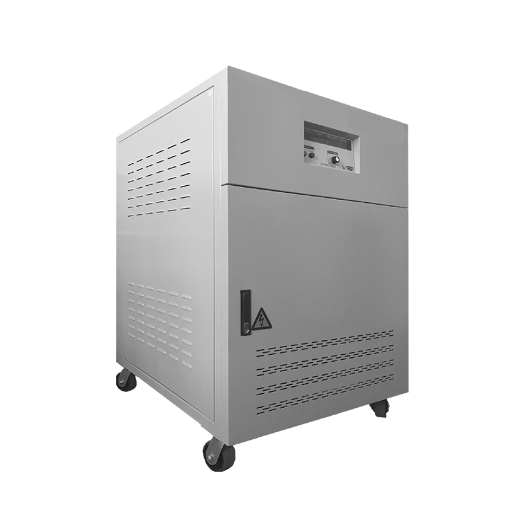
Static frequency converters play a vital role in power plant operation by offering efficient and reliable power transmission and communication between power sources, e.g., when speed change or frequency synchronization is required. The role of modern energy infrastructure of static frequency converters, with their capability to save energy and reduce operational costs and support grid stability, is prominent. With the SFC’s integration, the vision and plan of a greener future will be materialized, with the energy-aspect gains of flexibility and efficiency magnified.
Summary of Key Insights
- Improved Energy Management: Static Frequency Converters (SFCs) are described as the saving grace for energy in power generation and upgrading the system by cutting out inefficiencies and making sure that the energy is distributed at its best and also controlled at the same time; so energy would not be wasted at all in power plants.
- Cost-Effectiveness: SFCs are the key to the purpose through which the power plant becomes more profitable in the long run as it lets the operational costs to be minimized while not affecting very much the reliability of the power generation.
- Environmental Impact Reduction: SFCs not only help to save operational costs but are also critical to the integration of renewable energy sources, which are important assignments in the green ranking evaluation of an energy company.
- Enhanced Grid Stability: SFCs break the seeming power barrier and become the always-needed energy that the grid needs to be stabilized; thus when the power goes off there would not be a blackout as SFCs already took over the power supply.
- Support for Future Demands: Fundamental Technology for Tomorrow: These technologies are open to changing energy needs and thus would be essential in any effort to meet the world’s trend towards electrification and the subsequent high-level environmental protection.
The Future of Static Frequency Converters in Power Plants
The static frequency converters (SFCs) are going to be playing an increasingly core role in the power plants of the future as the world’s energy profile shifts. The security of supply with clean energy through wind and solar would not be possible without efficient grid integration technologies today. The SFCs, by being able to synchronize the different energy feeds with different frequencies, make sure that the power delivery is both efficient and at the same time stable.
The efficiency and scalability of SFC systems have greatly benefited from the newest developments in the technology of semiconductors and power electronics. The use of insulated-gate bipolar transistors (IGBTs) within SFCs, as an example, made this efficiency and scalability promising. The transistors have the capabilities to carry higher power loads and have less energy loss when placed in the new SFC systems. The movement has also been in favor of the future and an increase in the electrification of industry and the construction of large-scale renewable energy plants.
Besides that, superconductors (SFCs) also help in making power resources more reliable, along with the increasing environmental standards and policies. The SFCs make the switch from one power source to another much smoother, and so the downtime that might be caused by the switch is reduced to a minimum, and the operational inefficiencies are also reduced to a great extent. The advent of new technologies and their implication in areas such as turning conventional power plants into hybrid systems with renewable energy storage systems will result in the massive adoption and installation of the SFC devices due to their industrial adaptability and innovative precision.
The growing demand for resilient and modern power systems will lead to an increase in the use of advanced SFC solutions in research and development. This will be very true in countries that put more emphasis on the integration of renewable energy and decentralization of the grids, for example, in Europe, the United States, and some parts of Asia. As the development of static frequency converters goes on, these will become the critical energy stability and sustainability goal achievers all over the world.
Reference Sources
-
Static Frequency Converter for Large Pumped Storage Units
AIP Publishing -
The Simulation of the Static Frequency Converter in Pumped Storage Units
IEEE Xplore -
A Novel Static Frequency Converter for Start-Up and Shutdown Processes of Gas Turbine Power Plant Units
ResearchGate
Frequently Asked Questions (FAQs)
What is a static frequency converter in power plant applications?
The role of the static frequency converter in the power plant environment is the provision of a power electronic device that transforms one supply frequency to another and thus meets the specific power frequency requirements. It has the characteristic of converting AC to DC and then supplying the inverter from an AC power source, the output frequency or phase voltage of which is the excitation system or other load. The converters are designed to withstand the high-capacity and high-power requirements, and the modularity and power module arrangements are used to minimize the reliability and power density.
How does frequency conversion work, and what components are involved?
One way to get the frequency conversion in the static converter and hence to drive the motor in driven equipment through the precise frequency control of the converter is by using the grid voltage first to DC and then to convert it into the desired Hz power waveform by means of inverter stages. There are many static converters that follow this method and let the users have exact point-of-sale records with the power factor in place as well as the least distortion possible for three-phase or single-phase supplies through the control algorithms used in the power balancing. When there is a need for a very powerful drive or a drive with a large starting load, the bottom line is that the system must be robust enough to handle stress.
What are the advantages of static frequency converters over traditional frequency inverters?
When compared to certain rotary or outdated frequency inverter technologies, static frequency converters assure high reliability and less maintenance, saving money. They can yield a very accurate frequency and also voltage control, hence providing the uninterrupted conversion from one frequency to another for highly demanding industrial applications, airplane electronics testing, and ground power units. The converters are made in modular and repapable power modules and thus are flexible in meeting the power needs individually and offering high power density as well as a good power factor performance.
