
Phase converters are crucial to the operation of three-phase power systems in places where only single-phase power is available. They are therefore essential to many industries and use cases. Two main types of phase conversion technologies are examined in this blog post—static phase converters and rotary solutions. The fundamentals, benefits, and scenarios where each type of phase conversion is preferable are discussed. This will enable readers to choose a solution that best suits their operational requirements. Whether you are a plant owner, an engineer, or even a do-it-yourself fan, this guide will make it easy for you to understand the intricacies of phase conversion and provide ideas you can start using to get the most out of your power systems. Just keep reading to find out the things that set the two apart, the things that one should consider in terms of the performance of these solutions, and the practical cases where these solutions excel.
Brief Introduction to Phase Converters

Phase converters are pieces of equipment that convert single-phase electrical power to three-phase power, which is usually required to operate industrial machinery and equipment. These systems are especially valuable where a three-phase power infrastructure is scarce or unavailable. Phase converters let people and small businesses operate three-phase equipment efficiently and affordably without upgrading their utility service or giving up on other costly, time-consuming solutions. There are three common types of phase converters: rotary, static, and digital, each with distinct traits and applications. By choosing the right phase converter for the given equipment and workload, users can be sure that performance will be smooth and operating costs will be low.
What is a Phase Converter?
A phase converter is a device that converts single-phase power to three-phase power, enabling the operation of three-phase equipment when single-phase power is unavailable. This is a great benefit, especially when installing three-phase utility lines is impractical or expensive. Phase converters provide the capability to change voltage and current to create the extra phase needed in three-phase systems.
An illustration of this is when rotary phase converters are used, which make use of a motor generator that rotates to simulate a three-phase supply. In contrast, static phase converters lean on capacitors and diodes to introduce an initial phase shift for start-up. Today’s digital phase converters employ complex electronics, such as microprocessors, and can generate a three-phase output that is evenly distributed and energy-efficient, making them ideal for delicate appliances. New technologies are doing wonders by improving the performance of various industries, for example, by improving machinery, increasing production, and eliminating power availability as a constraint on operations.
Types of Phase Converters
| Type | Key Features | Applications | Efficiency (%) | Cost Range ($) |
|---|---|---|---|---|
| Rotary Phase Converter | Uses a rotating motor for conversion | Heavy-duty industrial equipment | 85-95 | 500-5,000 |
| Static Phase Converter | Relies on capacitors for the startup phase shift | Light-duty motors | 60-80 | 100-800 |
| Digital Phase Converter | Uses microprocessors for precise balance | Sensitive and precise equipment | 95-98 | 1,000-10,000 |
| Variable Frequency Drive (VFD) | Offers speed control and phase conversion | Pumps, fans, and motor systems | 90-98 | 200-5,000 |
Importance of Phase Converters in Industry
Phase converters are crucial in industrial settings as they allow single-phase power sources to run three-phase equipment efficiently. The function of a phase converter is essential where there is no or scarce three-phase power infrastructure available, or where the high cost of setting it up makes it impractical. Phase converters are a mainstay in sectors such as manufacturing, agriculture, and automotive, which depend on the continuous operation of their machinery, including CNC machines, compressors, conveyors, and pumps.
The effectiveness and reliability of phase converters have been further improved by modern technology. So now, digital phase converters use the most advanced microprocessor systems to achieve almost perfect voltage balance, an essential factor in protecting and ensuring the precision of operation of sensitive equipment. It should be noted that cutting-edge digital phase converters now make it possible to have the best of both worlds — proper voltage balance and energy efficiency. Then the energy efficiency factor is even rising above its previous level. Hence, the ultimate solution is variable frequency drives (VFDs) technology for both phase conversion and dynamic speed control of the motors.
Based on studies, a considerable improvement in the industrial process can be achieved by appropriately selecting a phase converter type best suited to the specific load conditions, as well as by using the converter’s built-in control and automation features. As the primary focus of this case is the adaptability of the phase converter, we should not limit our thinking to its status as a cost-effective technological wonder. Still, we should also look at the kind of influence they have had in the industrial environment, namely being the backbone of operations through their provision of a versatile power solution.
Static Phase Converters Explained
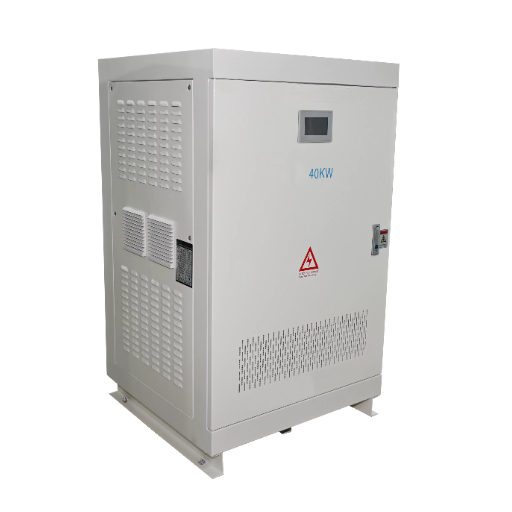
Static phase converters enable three-phase electric motors to be driven by a single-phase power supply with an additional current boost. The converters are most suitable for use at low to moderate loads because they generally supply three-phase power for a limited duration. When the motor reaches full speed, the converter is disabled; afterward, the engine runs on a one-phase power system, which leads to inefficiency and likely reduced motor performance under heavy load. It is because static phase converters are ideal for unpretentious, low-demand applications such as powering occasional-use equipment in workshops or numerous residential settings. They are easy to maintain, money-saving, and are a direct solution for the simplest three-phase motors’ needs.
How Static Phase Converters Work
Static phase converters use capacitors to provide the necessary third-phase power for starting a three-phase motor on a single-phase electrical supply. The capacitors create a shifted current flow that mimics the third leg of a three-phase system, thereby allowing the motor to start. When the motor is near 70-80% of its top speed, the converter will stop providing the third phase, and the motor will keep running on single-phase power.
Even though it is very efficient at starting the engine, it causes an uneven power-phase distribution during regular system operation. The motor’s efficiency and torque are therefore reduced by default, used constantly with a much higher load, which could also cause the motor to overheat and wear out early. The static phase converters, for this reason, are the most appropriate for applications with light and occasional needs, where not all critical, pressure, and maximum output requirements are adequately met. Realizing these process limitations and the need for the right-sized converter, therefore, is essential for achieving reliable, efficient operation in practical cases.
Applications of Static Phase Converters
1Machine Tools
There is always an excellent opportunity to use static phase converters to power light-duty machine tools such as lathes, milling machines, and drills. These machines operate on an on-off basis, and they do not deliver full torque at startup or during operation. It is said that if the equipment is up to 5 HP, a well-matched static phase converter can achieve an efficiency of about 70-80%, which is the best possible.
2Pumps and Compressors
The other pervasive case where wattage is more important than volume in a plant is with small water pumps and air compressors used in farms or factories where aquaculture is done. These devices mostly start up at lower speeds and do not require high torque during operation. Static phase converters can be used for the mentioned setup conditions (low-power pump or light air compressor), but are considered inappropriate for larger, high-flow-rate water pumping stations exceeding 10 HP.
3Fans and Blowers
Static phase converters are ideal for powering ventilation fans and industrial blowers, especially at lower loads. For exhaust or cooling system motors that run intermittently and are less than 7.5 HP, the converter returns about 60-75% of the power. Studies show that this kind of efficiency can even be higher under certain conditions.
4Agricultural Equipment
Static phase converters are frequently used to operate agricultural equipment, such as a grain auger or a hay elevator. These machines typically operate in short, infrequent power cycles and do not require the precision a balanced three-phase power system provides. The use of static converters to supply equipment up to 8 HP has so far proved to be the most cost-effective and reliable solution.
5Light Manufacturing and Workshops
A static phase converter can also be a great source of additional energy for a workshop with several small three-phase machines running on single-phase power. Examples include small metal or wood-cutting work, where intermittent use of power tools with varying loads is the daily practice.
Advantages of Static Phase Converters
✓
Cost-Effective Solution
The cost for using static phase converters is very low when compared to other types of phase conversion equipment, such as rotary phase converters or VFDs. The cost savings can range from 40 to 60% for equipment with a power rating up to 8 HP, making static converters the pick of the crop for cash-strapped facility managers.
✓
Simplicity in Design and Installation
With a straightforward, ordinary design, a static converter is the easiest of the motor converters to install, and a person needs only a slight background in technology to operate it. That straightforwardness cuts down the set-up time. With proper installation guidelines, most appliances are operational within 30 to 60 minutes.
✓
Compact and Lightweight
Another advantage of static phase converters is that they can be placed in limited spaces or small workshops due to their light weight and small size. For example, the weight of a 5 HP static converter is expected to be around 15-20 lbs., relatively small compared to a rotary converter of the same capacity.
✓
Low Maintenance Requirements
Because they have no moving parts, static phase converters are practically maintenance-free. This structure of theirs also sharpens their already high reliability profile, which is primarily responsible for the very low maintenance requirement. Accordingly, it might be about checking and ensuring the electrical connections are proper, as part of the maintenance work, and that is only done when necessary.
✓
Energy Efficiency
While static phase converters cannot produce perfectly balanced three-phase power, they start up very efficiently, providing only as much power as the motor needs to run initially, and then separate, which means they consume less power than necessary. The motor save-up feature can reduce energy consumption by up to 20% during intermittent load periods compared to rotary converter-based operation of the same machine.
✓
Flexibility Across Applications
Static phase converters are diverse in terms of machine use and can serve a broad range of applications, especially where voltage balancing with high accuracy is not critical. For instance, the power tools category, comprising lathes, drill presses, and milling machines, which can operate fairly well with only one phase plus an approximate three-phase power, will significantly benefit from these converters.
Rotary Phase Converters Overview
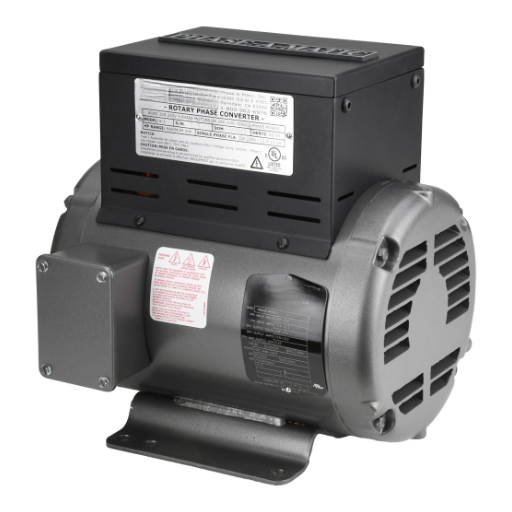
Rotary phase converters are highly effective machines that convert single-phase power to three-phase power. They use a motor that is not connected to anything to create a balanced three-phase power source, which is why equipment that demands stringent voltage regulation can receive a stable, efficient power source. Hence, rotary phase converters are the best choice for applications that require the highest performance and reliability. One example is the CNC machine; elevators and refrigerators are two more. Rotary phase converters can also handle larger, heavier operations, and thus have a longer lifetime than static converters, making them the first choice in the manufacturing industry.
Understanding Rotary Phase Converters
Rotary phase converters use an idler motor to produce balanced three-phase power from a single-phase input. Everything starts with single-phase power going to the idler motor, which in turn creates a rotating magnetic field. It is this rotation that generates third-phase power via electromagnetic induction and, at the same time, maintains balanced power output. The capacitor bank is an essential part of this system, as it helps start the motor and keep it running while the three-phase voltage is regulated.
Modern rotary phase converters come with advanced features, such as digital controls, voltage stabilization, and overload protection, to maximize functionality and performance for the applications they serve. One example of a smart phase converter is one that continuously monitors voltages and quickly tunes its outputs so that delicate equipment operates within safe limits. This technological advancement in rotary phase converters is slowly making them more efficient and more precise, better suited to the needs of the manufacturing, agricultural, and commercial sectors, which are particularly challenging.
Installation and Wiring of Rotary Phase Converters
Careful planning and compliance with electrical standards are among the prerequisites for installing and wiring the rotary phase converter. The first step is to find a good spot for the converter where it can receive air and will not get wet enough to overheat or be eaten by the acidic dew. It is advisable to position the converter on a stable surface, using suitable brackets or a mounting base to minimize vibration to the minimum level during operation.
The wiring job in this setup connects the converter’s input leads to a single-phase power source and connects the output terminals to the load that requires three-phase power. Wire gauges and circuit breakers with appropriate ratings must be used, and they should match the ampere capacities of the converter, load, and incoming power. Grounding should comply with the standard. Also, connections should be made in accordance with the National Electrical Code (NEC) or the relevant local requirements.
It is a good idea to use a multimeter and check all connections one by one to ensure there are no wiring mistakes before turning the power on. Checking the startup process is one of the key practices that ensures the rotary phase converter is generating balanced three-phase power, typically within a voltage range of 10% above or below the output-rated voltage. The system can be further optimized with capacitors to ensure precise voltage control in applications where high precision is required. In cases of complex connections or when a particular industrial code is needed, one should consider hiring a professional electrician to complete the project.
Comparison: Rotary vs. Static Phase Converters
| Key Point | Rotary Phase Converter | Static Phase Converter |
|---|---|---|
| Power Output | Produces balanced three-phase power | Provides single-phase to start motors |
| Efficiency | High efficiency for continuous loads | Less efficient; decreases after motor startup |
| Load Type | Handles variable and constant loads | Best for light or medium-duty applications |
| Voltage Tolerance | Typically within +/- 10% of rated output | Less precise voltage control |
| Durability | Longer lifespan with minimal maintenance | Shorter lifespan due to higher stress on motors |
| Initial Cost | Higher upfront investment | Lower initial cost |
| Operating Cost | Cost-effective for frequent use | Higher operational costs over time |
| Application Size Flexibility | Suitable for large industrial applications | Mostly limited to small motors |
| Startup Mechanism | Uses an idler motor for smooth startup | Uses capacitors for an initial power boost |
| Noise Level | Moderate noise during operation | Quieter during operation |
Performance Metrics and Specifications
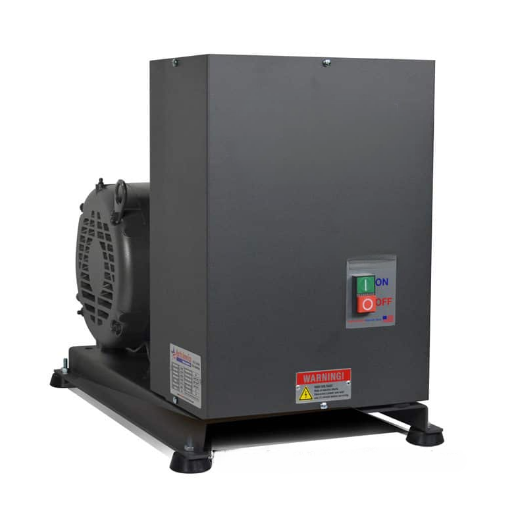
When the motor performance is assessed, several key indicators must be taken into account:
- Efficiency: This is the ratio of mechanical power produced to electric power consumed by the motor installation. Higher efficiency values indicate more energy-efficient motors and, consequently, lower operational costs.
- Torque: This is the amount of turning force produced by the motor, and it is commonly measured in Newton-meters (Nm). It is a factor that determines the motor’s capability to handle work under harsh conditions.
- Speed (RPM): The motor’s speed is measured in revolutions per minute, indicating how quickly it rotates. When performing a given task, the motor speed can be tightly controlled to achieve the best result, which is speed control.
- Power Rating: The power rating is often expressed in kilowatts (kW) or horsepower (HP) and specifies the motor’s ability to operate correctly under standard conditions.
- Duty Cycle: This describes the motor’s operational endurance in continuous or intermittent use and ensures suitability for specific applications without overheating.
Scrutinizing these performance criteria provides a reasonable basis for motor selection, particularly for specific application needs.
Horsepower Ratings: 5 HP vs. 10 HP
When discussing motors rated at 5 HP and 10 HP, the differences in power output and the best usage scenarios are clearly illustrated. Usually, a 5 HP motor can handle light to medium-duty applications; for instance, it can efficiently run smaller machines, compressors, or conveyor systems that do not require high torque or power. It is a good offer for situations where energy consumption is minimized, and performance is optimized to meet the operational requirement without exceeding it.
On the other hand, the 10 HP motor is far more productive than the earlier one and, as such, is suitable for heavy-duty applications. These kinds of motors are commonly used in industrial equipment such as large pumps, grinders, and mechanical presses, where higher torque and sustained power output are essential. The increase in power allows the motor to function even with a heavier load without compromising rigidity or power savings.
When choosing between these ratings, the application-specific load demands are among the factors to consider. One must also consider factors such as operating frequency, torque requirements, and overall energy efficiency. Furthermore, even the most basic applications could benefit from a custom-designed motor.
Voltage and Circuit Considerations
The correct voltages and circuit setup are essential for ensuring the safety and efficiency of electric motor operation. The proper voltage source must be selected to avoid problems due to heating, inefficiency, or mechanical wear and tear that can occur if the motor’s specifications do not match the supply voltage. For example, a motor intended for a three-phase system would not work as well, or may not even work at all, if connected to a single-phase system unless assistance is provided, such as through a phase converter.
It is necessary and critical to consider inrush current in circuit design, especially during start-up, when it may exceed the motor’s full-load current for a very short time. Some protective devices, like circuit breakers and fuses, should be part of the system and able to handle sudden surges without tripping unnecessarily during regular operation. Additionally, the wire gauge should be chosen to minimize voltage drop over the distance, and this can be calculated if the overall load and conductor length are known.
Modern power systems have seen significant strides. For example, variable frequency drives (VFDs) have reduced voltage and circuit-compatibility problems to some extent by providing accurate control over the motor’s speed and torque, ensuring energy-optimal operation. Providing deep insights into these variabilities helps achieve stable operation, extend equipment lifespan, and reduce maintenance costs in industrial and commercial sectors.
UL Certification and Heavy-Duty Options
The UL certification is really valuable for industrial and commercial environments that use electrical components. These components have been checked in accordance with specific safety measures and, therefore, have been certified by Underwriters Laboratories (UL). And when it comes to heavy-duty applications, components like motors, cables, and circuit breakers should possess the following qualities to withstand the high operational demands, such as high temperatures, corrosive environments, and mechanical stress.
The frontier of heavy-duty technologies is defined by the combination of modern materials and creative engineering solutions that effectively address the challenge. A perfect example of this might be the heavy-duty cables that now use components of the insulation and sheathing that are resistant to moisture, wear, and UV exposure. The same principle applies to the circuit breakers for heavy loads, which usually accommodate high interrupting capacity, and to thermal management systems that are intensified. Thus, the said characteristics not only support compliance with UL safety measures but also enhance ease of operation and maintenance, while reducing downtime across a range of industrial settings.
Choosing the Proper Phase Converter
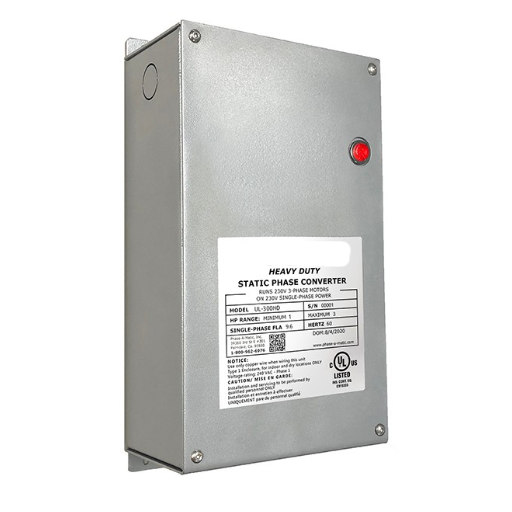
The need for the right phase converter is crucial because it affects the power system’s overall performance. The application’s needs should be considered before acquiring the converter. Initially, the whole power cost will be calculated. Then, a comparison will be made with the converter’s capacity in terms of power (horsepower or kilowatts), and that should be ok, per se. Moreover, the application of a rotary, static, or digital phase converter depends on load type, efficiency, and the ability to start; each has its own purpose. Rotary converters are suitable for heavy-duty applications where starting or stopping is infrequent. Conversely, static converters are ideal for applications with limited space and use. Moreover, digital converters offer higher efficiency and precision than other types. Additionally, confirm that the converter complies with industry standards and that the converter manufacturer maintains high reliability. This will guarantee the long-term performance and fault tolerance.
Factors to Consider for Your Application
To select the most suitable equipment or technology for the industry, ask yourself several important questions about its appropriateness, benefits, and fit for your company. Start by specifying the requirements of the working environment, such as voltages, weight-carrying capacity, and power supplies. Check whether the system is upgradable and can handle increased demand over time without causing performance issues. Make energy efficiency the number one factor by analysing energy consumption data and the costs of various options, as this is the most meaningful way to reduce operational costs in the long run. Furthermore, make it a point always to buy equipment that complies with industry standards, as failing to do so may result in operational challenges and legal fines. Lastly, the company’s confidence in the technology must be determined to a certain extent by understanding the level and the nature of the service offered, and the availability of the parts to be substituted. All these issues are very significant in ensuring that the application’s requirements are the primary determinants of the solution.
Cost Analysis: Static vs. Rotary Phase Converters
A critical comparison must consider several factors when weighing the cost consequences of static versus rotary phase converters. The former is generally less expensive to install because its design is simple and requires less initial purchase cost. Yet their performance is optimal only for some low- and moderate-load applications, as they may be insufficient for large or 24-hour operations. The power wasted by static converters gradually increases electrical bills, especially in heavy-duty processes, thereby increasing machine operating costs.
On the other hand, rotary phase converters require a higher initial payment due to their intricate design and robust components. Still, they can handle heavier loads, provide better power quality with a continuous three-phase output, and thus are perfect for places that need reliable, uninterrupted power. Moreover, they often have lower per-unit energy costs when running for an extended period because they use the most efficient designs and the best long-term service designs. Maintenance is also an issue, as these are more prone to it due to their rotary nature and the need for more moving parts, but once again, the lifetime of the equipment may be the users who bear these high costs.
A thorough cost evaluation across the whole life cycle should be performed to select the most economical solution, taking into account not only the initial cost but also factors such as power efficiency, maintenance, and field requirements. When versatility and high performance are needed, rotary converters might be a better deal, though they have a higher initial cost. Nevertheless, for small or infrequent use, the static converter could be the most cost-effective and suitable solution.
Reference Sources
The Static Phase Converter: A Solution to Reinforce the Power Supply of 25 kV/50Hz Railway Lines
Summary: This study explores the use of static phase converters to enhance the power supply for railway systems operating at 25 kV/50Hz.
Design of Single-Phase to Three-Phase Static Power Converter
Summary: This research introduces a novel single-phase-to-three-phase static power converter to improve the efficiency of power conversion systems.
Frequently Asked Questions (FAQs)
What is a static phase converter, and how does it affect a motor?
A static phase converter (SPC) enables a single-phase power source to operate a three-phase motor by producing a third leg that comes into action during the start-up and part-load conditions. The setup includes capacitors and some circuitry to create the required phase shift. The three-phase motor then starts and operates from the phase-shifted voltage, although the power quality is often unbalanced compared to true three-phase. Static converters are very easy to install and are the most common solution when no three-phase power is available. But, it is the most reliable for heavy loads or full-rated horsepower.
Can a static converter or capacitor-rated SPC support a 5 hp or 10 hp motor?
Yes, some of the static converter and SPC ratings are to support the motors up to specific horsepower levels, such as 5 hp or 10 hp. Still, performance depends entirely on the motor’s load and starting requirements. The rate and sizing of the capacitor are the most critical factors, providing sufficient starting torque to the motor while keeping the power right and the motor cool. The static converter performs superbly with intermittent, light-duty, or resistive loads. For heavy-duty or continuous-duty applications, it is strongly recommended to consider a rotary phase converter.
How does SPC wiring and installation differ from a rotary phase converter setup?
SPC wiring is generally easier than rotary phase converter installations, as static converters are generally capacitor-based and have fewer moving parts; they also do not require a three-phase idler motor. However, connection to single-phase lines, the size of capacitors for start and run, and the addition of contactor controls to manage starting currents and switching are to be done for SPCs installations. Rotary phase converters require an idler motor to produce a balanced third leg, providing a more stable three-phase power supply for heavy-duty or continuous loads. The rotary solution is often the preferred choice for sensitive equipment or applications that require balanced power, though it needs more space and more complex wiring.
Is the static phase converter UL certified, and what does certification mean for motor safety?
Certain static-stage power converters are UL- or equivalent-certified. This indicates that these converters meet the performance and safety requirements for electrical equipment under the specified conditions. The certification of the components of the converter, such as capacitors and wiring, helps ensure safe operation and the least possible risk of fire or electrical faults, provided they operate within the rated parameters. However, a UL listing does not mean the converter is suitable for any kind of motor load; those with heavy-duty or continuous motor applications may require a rotary phase converter or an actual three-phase power supply to work reliably.
