
Voltage and frequency converters have a significant impact on the compatibility and performance of electrical devices across different power systems. The necessity for such devices is high in cases like international travel, industrial applications, or sensitive electronic systems, as they are the ones that make voltage levels and frequency standards the least of the problems. To know everything about how voltage and frequency converters operate, why they are so important, and the points to consider when getting a converter that is a good fit for your use, this article covers it. Both the technical specifications and the practical applications can be covered in it, so you’ll have the knowledge to make wise decisions in a world that is becoming more interconnected and globalized, and that was largely unknown to the average person earlier.
Introduction to Voltage and Frequency Converters
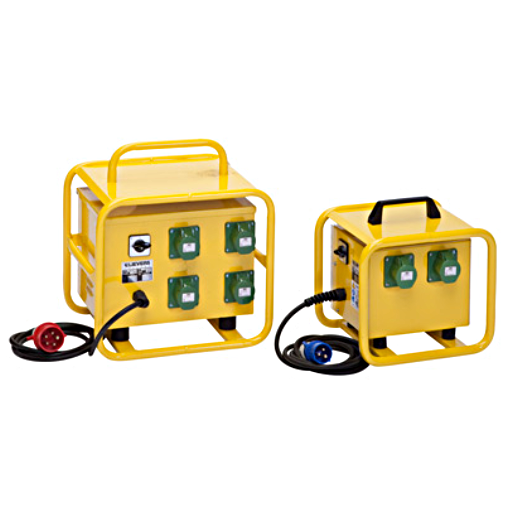
Voltage and frequency converters are appliances that are very handy for adapting electrical systems in terms of power and frequency to changing requirements. With these converters, power can be sent from one region to another, and a variety of power systems can be combined to operate different types of equipment. The converters work by changing the input electrical power through rectification, frequency variation, and inversion processes, and by making it meet the required output parameters. Some of the areas where they are commonly used include equipment compatibility worldwide, the operation of industrial machinery, and the integration of renewable energy, resulting in the achievement of both standards and safety while maintaining efficiency and reliability.
Definition of Voltage and Frequency Converters
Voltage and frequency converters are complex power-electronics systems that facilitate the conversion of the supplied electrical energy to meet specific operational demands. Besides their primary feature of regulating both voltage and frequency, these converters also rectify the power, generate it as AC at the required/specified frequency, and, last but not least, control the process.
There are many applications in which converters are essential, for example, ensuring operational smoothness of devices across multiple power outlets and voltages worldwide, achieving precision in industrial automation, and enabling the renewable energy sector to go greener by connecting to the grid. It is among the most recent technological advancements that converter efficiency is being increasingly built upon, for instance, wide-bandgap semiconductors coming into the fold, thereby achieving better power density, less heat losses, and durability, shoulder to shoulder with the best. The global effort to promote energy-saving and green processes and practices has made it imperative that this sector be the site of innovation, and the outcome is, of course, the simultaneous achievement of performance reliability and environmental standards.
Importance of Voltage and Frequency in Electronics
Voltage and frequency are two critical parameters of any modern-day electronic circuit, and their relationship is tight. Through voltage, we can determine and give the potential difference to circulate the current, thus the power to the various components will be affected accordingly. Precise voltage regulation is necessary to prevent equipment damage from overvoltage or failure due to undervoltage.
Frequency, another important parameter, must be controlled in alternating current (AC) systems, where it denotes the rate of change of the current’s direction. Maintaining a constant frequency is essential for the successful operation of the electric grid and for communication network synchronization. Variations in power frequency might be a main reason for power failures and an increase in electricity consumption.
Today, the development of semiconductor technology and grid infrastructure has had a major impact on the field of monitoring and controlling voltage and frequency. One such case is the power-efficiency-optimized, processor-based voltage-frequency scaling method that adapts continuously, enabling energy-efficient designs that do not compromise computational capabilities. Electronic systems can deliver consistent, reliable performance, fulfilling the exacting requirements of the interconnected technological landscape of the day through stability and adherence to standard voltage and frequency standards.
Overview of Frequency Converters
One of the most essential components in both electrical systems as well as industrial, converters, which are also commonly called inverters, or Variable Frequency Drives (VFDs), are very much needed. The main task of these tools is to convert electric power from one frequency to another, thereby enabling exact control of a motor’s speed and torque. Looking at alternating currents (AC) as power sources, frequency converters work with the alternating current supplies that have been adjusted to meet the prescribed operational parameters so that the best energy use is achieved and the equipment life is prolonged.
Modern-day converters can be found with extraordinary capabilities such as real-time monitoring, power-saving optimization, and versatile programmable controls. A major change brought about by the new pulse width modulation (PWM) technology was a cleaner waveform that avoided harmonic distortion and, by doing so, maintained system stability with the use of a so-called sine filter. A wide variety of industrial settings accept the performance of converters and energy-saving devices — from heating, ventilation, and air conditioning (HVAC) systems to conveyor belts, as well as in the automotive sector with robots, and in renewable energy applications such as managing wind and solar power sources.
Moreover, integrating digital communication protocols such as Ethernet/IP and Modbus into frequency converters makes them more compatible with Industrial Internet of Things (IIoT) ecosystems. This connection enables a smooth installation of these products in automated systems, resulting in a greater understanding of operations through data-driven analysis. The global call for efficiency and environmental protection has made state-of-the-art frequency converters a key contributor to reducing energy usage and complying with strict rules and regulations.
How Voltage and Frequency Converters Work
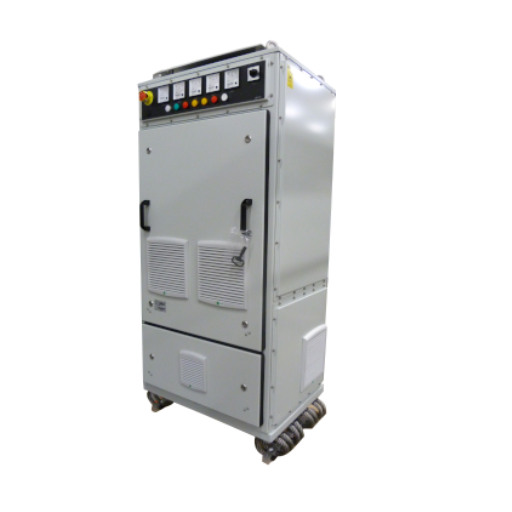
Voltage and frequency converters work by varying the electrical input to supply a targeted output compatible with different applications. The process’s input source is AC power, which is converted to DC by a rectifier. Then, the previously obtained DC power is reinvigorated by an inverter so that the resulting AC output has the needed voltage and frequency. Using converters, it is possible to accurately manage voltage and frequency levels and ensure they comply with the machinery, equipment, or systems operating under the specified electrical standards. Their design puts a premium on efficiency and reliability; hence, they are indispensable in industries where a dependable, flexible power supply is a must.
Basic Principles of Voltage and Frequency Conversion
Voltage and frequency conversion is a process that involves two significant steps—the rectification (conversion of alternating current (AC) into Direct current (DC)) and the subsequent inversion. The first stage, i.e., rectification, is performed using electronic devices, such as diodes and thyristors, which convert AC power to DC. The method could thus eliminate the alternating waveform, yielding a constant-voltage output. The other stage is the inversion, which means converting DC back into AC at a controlled voltage and frequency. The conversion process is achieved using pulse-width modulation (PWM), which is combined with insulated-gate bipolar transistors (IGBTs) or other advanced switching devices to produce high-efficiency, reliable AC power outputs.
The effective conversion process is mainly determined by the design of the power electronics, thermal management systems, and the control algorithm. So, intricate inverters are there to monitor via microcontrollers and then dynamically adjust the parameters presented in the output, thereby reducing harmonic distortion and ensuring energy limits of any severity. Besides, through modern systems, the functionality of electrical braking is enhanced so that excess energy is returned to the grid or stored in the system, resulting in higher and better energy efficiency. Therefore, high-performance converters are seen as inevitable in the life of industries that handle renewable energy systems, electric vehicles, and industrial automation, where precision and, in the long run, reliability are the top priorities.
Components of a Voltage and Frequency Converter
| Component | Description |
|---|---|
| Rectifier | Converts AC input to DC output. |
| DC Link | Stores and stabilizes DC voltage. |
| Inverter | Converts DC back into AC with desired frequency. |
| Control Circuit | Manages and regulates voltage and frequency parameters. |
| Cooling System | Prevents overheating and ensures component efficiency. |
| Input Filter | Reduces incoming electrical noise and harmonics. |
| Output Filter | Smoothens output waveform and minimizes distortion. |
| Transformer | Adjusts voltage levels for compatibility with systems. |
| Protection Devices | Safeguards against overvoltage and short circuits. |
| Communication Interface | Enables monitoring and integration with control systems. |
Types of Frequency Converters
| Type | Description | Key Features | Applications |
|---|---|---|---|
| AC to AC Frequency Converter | Directly changes AC frequency and voltage. | Simple design, high reliability. | Industrial motor drives, HVAC systems. |
| DC to AC Frequency Converter | Converts DC to controlled AC power. | Precise output frequency control. | Renewable energy systems, uninterruptible power supplies. |
| Cycloconverter | Converts AC to AC with variable frequency. | Ideal for low-speed drives. | Cement plants, mining equipment. |
| Matrix Converter | AC to AC without intermediate DC conversion. | Compact, efficient, bidirectional power flow. | Aerospace, traction systems. |
| Voltage Source Converter (VSC) | Converts variable AC to fixed-frequency AC. | Efficient, scalable, widely used. | Grid interconnection, renewable energy systems. |
| Current Source Converter (CSC) | Converts variable AC to fixed-frequency AC. | Strong voltage withstand capability. | High-power motor drives, grid stabilization. |
Applications of Voltage and Frequency Converters
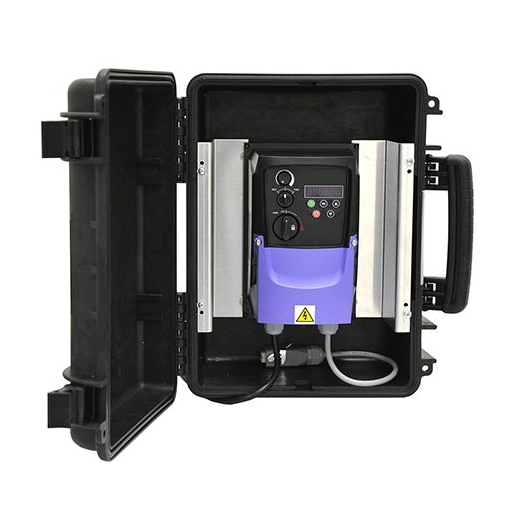
Voltage and frequency converters are used in a variety of industries because they precisely match power to the required needs. The most common applications include:
- Industrial Manufacturing: With heavy machinery, these devices are used to control voltage and frequency to deliver the highest possible output while consuming the least possible energy.
- Renewable Energy Systems: The grid’s stable power requirement is met by the fluctuating power from wind and solar when they are incorporated into the grid.
- Aerospace and Defense: Aircraft avionics require power, which is why a high-quality power converter is an essential feature of an aircraft power supply.
- Traction Systems: It is used in rail transportation, where electrical power must be converted for a railway system that requires very controlled power.
- HVAC Systems: The application of the HVAC system for power control, motor speed adjustment, and power flow adjustment could result in significant energy savings.
These converters take on the critical task of improving system reliability, reducing power consumption, and meeting modern electric system requirements.
Use in Industrial Equipment and Machinery
In the case of, for example, industrial machines and equipment all the way to precision, the power converters are entirely at the center and they are responsible for the uninterruptible regulation and transformation of the electric energy for a wide range of applications. Very often, these devices are also present in motor drives —the equipment that oversees the speed, force, and efficiency of the respective electrical engines in a wide range of industries, predominantly the heavy machinery industry. By utilizing advanced control methods, contemporary power converters not only provide an optimal solution for energy resources but also reduce production costs and, consequently, heat loss.
Moreover, they have practical applications in robotics and automatic manufacturing systems. It is imperative that in these areas of operation, the power can be controlled accurately and at the same time very quickly to achieve the best results. For instance, variable-frequency drives (VFDs) are widely used to control the speed of conveyor belts, cranes, and process pumps, thereby increasing productivity and safety. The use of high-efficiency power converters in industry aligns with worldwide efforts to minimize energy waste and reduce greenhouse gas emissions, making them an indispensable part of the contemporary manufacturing and production environment.
Applications in Home Appliances
The integration of advanced power electronics and control systems into household appliances has significantly improved functionality, efficiency, and robustness. One of the most common examples is that modern washing machines use variable-frequency drives (VFDs) to adjust drum speed and water usage based on the amount of clothes loaded, thereby achieving significant energy and water savings. Similarly, refrigerators now use inverter compressors, which continuously adjust motor speed to maintain stable cooling while using less power than traditional compressors. Besides, smart HVAC units powered by intelligent power converters and equipped with communication protocols will continually monitor external conditions and fine-tune the system accordingly, making it comfortable and energy-efficient. These inventions align with global energy-efficiency standards such as ENERGY STAR and help consumers save on their monthly bills while causing limited adverse environmental impacts. Besides the significant increase in energy efficiency, the devices also have their lifespans extended, thanks to lower mechanical stress, making them more reliable and efficient over time.
Role in Renewable Energy Systems
Home appliances connected to alternative energy systems could go a long way toward promoting green living. When linked to solar or wind energy systems, these devices can be powered solely by renewable energy sources during peak production hours, reducing grid power dependency. The use of smart inverters and energy monitoring systems will enable these appliances to be energy-efficient as they adhere to the energy availability schedule. In this respect, when there is excess energy, appliances, such as water heaters or energy storage systems, can be set to turn on and simultaneously store energy.
Moreover, battery technology has made quantum leaps in terms of energy storage, and the performance is not going to suffer even during periods of reduced renewable energy, such as days with low sun or wind. The setup is even more evidence for the need to link renewable energy with intelligent systems to make climate-friendly, emission-reducing, and at the same time grid-resilient energy networks.
Benefits of Using Voltage and Frequency Converters
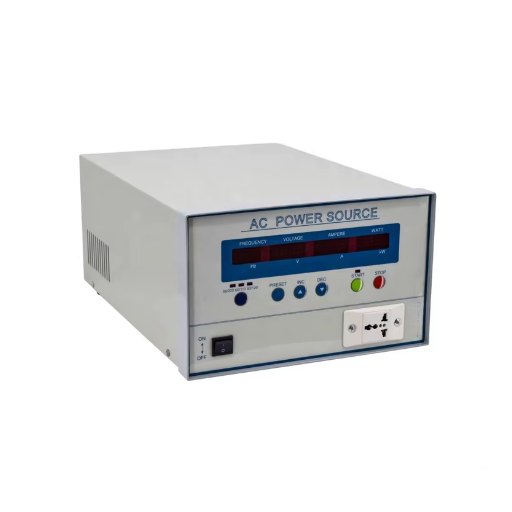
Enhanced Energy Efficiency
When the converters are given the right system requirements, that is, voltage and frequency, very little power is lost and operational performance is optimized in both regards.
Global Compatibility
Devices powered by these converters can be used in regions with changing electrical standards. They make it possible to work around the varying frequencies and voltages, thus ensuring proper operation at all times.
Reduced Wear and Tear
Converters that deliver stable, precise power protect electrical equipment and thus extend its useful life, while requiring less of it than the fluctuations would if voltage and frequency were not constant.
Versatility in Industrial Applications
They are the enablers of quiet and soundless operation of machines in industrial environments that are the most challenging ever, and also make it possible to have the desired power delivery where it is best suited for the production needs.
Support for Renewable Integration
Voltage and frequency converters provide the link between renewable energy sources, such as solar or wind, and the main power grid, thus, ensuring the transmission of energy in a stable and reliable manner.
Improved Equipment Compatibility
Voltage and frequency converters hold a very high place in ensuring compatibility between equipment across different systems and regions. With modern electrical products, it is common that they have stringent voltage and frequency requirements, which can be the factors that make the difference and result in lower efficiency or damaged equipment. By rigorously converting input power to the required standards, such devices do not cause any interruption in machinery operation due to differences in the local power supply. For example, converters can adjust the 50 Hz power systems to 60 Hz or vice versa, aligning with the requirements of the different equipment specifications. Besides this, adaptability is another virtue that supports global trade and deployment, enabling a manufacturer to use a single configuration for machines bound for different continents, thereby simplifying design work and cutting production costs.
Energy Efficiency and Cost Savings
Energy consumption is effectively reduced by integrating sophisticated power conversion technologies, while simultaneously reducing energy loss during electricity transmission. For example, common high-power-factor converters are now built with solid-state devices and optimized circuit designs that lower power losses. As reported, sourcing the latest power conversion technology for the same application and load limits could result in energy consumption savings of 20-30%. Another benefit is that industries will incur much lower energy costs over time, and equipment will have a longer lifespan due to power management that is stable and well-timed. Therefore, advanced converters will be a must for industries focusing on eco and cost when it comes to their operations.
Enhanced Performance with Pure Sine Wave Output
The pure sine wave output is recognized as the highest quality level in power, which ensures the operation of a wide variety of delicate and sensitive electronic devices. Quite the opposite: with a modified sine wave or square wave output, users face a different set of problems, namely, that pure sine wave inverters provide a perfect, steady sine wave that closely matches the one from a normal utility grid. The sine wave produces very little electrical noise, so the risk of overheating is reduced thanks to the inverter, and performance is not compromised by top-quality equipment, such as medical machines, variable-speed drives, and energy-saving motors.
The benefits of new inverter technology reach a high point with pure sine wave systems. Such systems, for example, are key elements in the power factor correction process, eliminating current harmonics to less than 3%, and in the transmission of energy during the most critical operations in the most optimized way. It is also true that pure sine wave inverters have become the most preferred choice for extending the life of hardware within their voltage regulation capabilities, which remain stable in the case of load changes. This very great operation not only provides reliability but also produces the same results as the use of power-efficient new systems that are in line with standards for renewable energy generation, industrial automation, and communication industry applications.
Choosing a Voltage and Frequency Converter
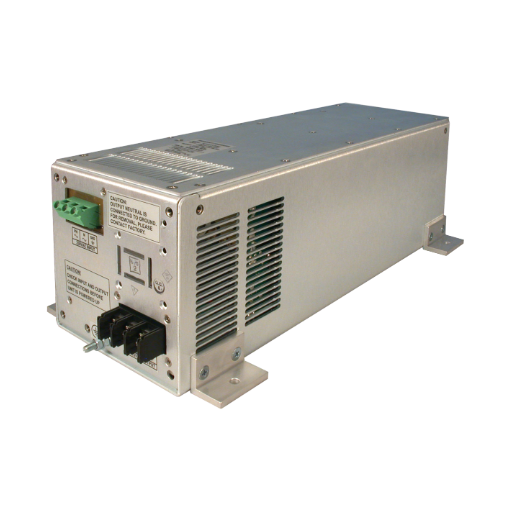
Selecting a voltage and frequency converter involves a variety of issues:
1. Input and Output Requirements
You should first check the voltage and frequency of the power source and the equipment that is being used. It is considered best for the converter to both match and adapt to the parameters, depending on the specifics, and ultimately, to confirm that the operation remains uninterrupted.
2. Power Capacity
The next step would be to perform a power calculation and determine the device or system’s total power consumption. Be sure the converter’s capacity rating is higher than your most significant draw, so it does not experience excessive stress.
3. Efficiency and Performance
Seek out converters with a very high rate of efficiency. In this way, one can reduce energy waste and thus heat radiation. Along with such high-efficiency models that are equipped with features like automatic switching and overload protection, they are sure to raise the bar on performance and reliability.
4. Environmental Conditions
Understand that the place where your system will be used is valid for the considerations. This includes a range of temperatures, humidity, dust, and vibration exposures. Choose a customized converter for the task.
5. Compliance and Standards
Lastly, make sure the converter you choose complies with industry standards and regulations. For example, CE or UL certifications, and the like, will be a good guarantee of safety and compatibility with professional installers.
By considering these specifics, you can choose a voltage and frequency converter that precisely meets your application’s needs while maintaining efficiency and reliability.
Power Rating: Understanding kVA and Watt Requirements
To buy a voltage and frequency converter, it is necessary to understand the kVA (kilovolt-amperes) and watt ratings. The kVA rating mirrors the apparent power of the machine, which is the sum of active (useful) and reactive (non-useful) power, whereas wattage is purely about the active power consumed by the load. For the AC circuit to determine the wattage from the kVA rating, the formula Watts = kVA × Power Factor is used, where the power factor is typically in the range of 0.8 to 1, depending on the energy efficiency of the equipment being used.
For industrial machinery with a power factor of 0.9 and a kVA rating of 10, the active power would be 9 kilowatts. On the other hand, by ensuring that the converter is greater than the total kVA load of all connected loads, possible overloading issues can be minimized and the system’s performance stabilized. Especially in industries that use motors or transformers, reactive power can be a significant efficiency disadvantage; hence, the inductive load converter should be considered the first choice. Knowledge of these power metrics will result in optimal system performance and, thus, the prevention of operational failures.
Input and Output Voltage Specifications
It is mandatory to adhere to exact voltage standards for power conversion systems to be compatible and operate efficiently. The typical input voltage range is already in line with common industrial power supply ratings: 120V, 230V, or 480V, depending on regional and application requirements. To operate at peak efficiency, the input voltage must not fluctuate outside the designated tolerance limits, as this can harm the equipment or even cause instability in the system. Correspondingly, the converter output voltage specifications must be met with the load requirements, and many converters make it easy to achieve stable DC outputs like 12V, 24V, 48V, or various AC voltage levels as required.
Converters made today are very different from older types or converters from decades past. They now include technological advances such as automatic voltage regulation (AVR) and adaptive control systems, which ensure precise output even under changing load conditions. A study indicates that maintaining a constant voltage output as input conditions change can increase system efficiency by up to 30% in the chosen applications. To put it another way, if the load impedance matches the source’s output voltage, there will be minimal power loss, resulting in enhanced system reliability and output power. It is thus necessary to have systems engineered to operate strictly in accordance with these specifications, so as to perform energy conversion that is cost-effective and, above all, reliable.
Reference Sources
Resonant Power Frequency Converter and Application in High-Voltage Testing
Summary: This paper explores the use of a resonant power frequency converter for high-voltage and partial discharge testing of voltage transformers. The study demonstrates the converter’s ability to enhance testing accuracy and efficiency.
Voltage and Frequency Control of Microgrid Using Matrix Converter
Summary: This research proposes a novel switching strategy for matrix converters to manage voltage and frequency in microgrids. The study emphasizes the converter’s role in integrating micro-turbines with the grid, ensuring stable and efficient power delivery.
