
Our lives are made possible by electricity, which many devices and systems today rely on the activities of one essential but easy-to-forget component – power converters. From your little devices in the house to large-scale industrial systems, converters handle energy efficiency and operational functionality. In this article, we will elaborate extensively and vividly on power converters, especially inverters and rectifiers, which are the two basic components that enable conversion between alternating current (AC) and direct current (DC). By explaining the operation of such devices, providing examples of their applications in industry, and highlighting the importance of electrification all around us, this post aims to give the reader a detailed insight into this field. Whether you are an engineer, a student, or just a curious reader, this guide will provide the information you need to understand the future of power systems and how these devices play a role in it.
Introduction to Converters
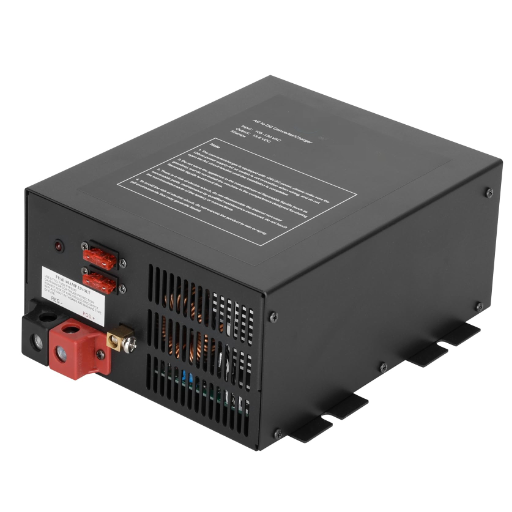
Converters are tools that enable the exchange of electric energy between AC and DC systems. They do this by adjusting the input current to match the required characteristics of the output. The converters are mainly divided into two categories: rectifiers and inverters; the former convert AC to DC, and the latter do the opposite. Direct current (DC) and alternating current (AC) power cords are the two most used types of cords. The example of a charger used for (lead) batteries is connected to and powered by AC mains, usually in houses with cordless appliances such as mobile phones. Inverters play a vital role in households that use solar energy systems and UPS systems. For a long time, energy efficiency and the integration of AC and DC power networks have been enabled by these technologies.
Definition and Importance of Converters
Converters are indispensable components in electrical engineering and are responsible for the smooth, hassle-free conversion between alternating current (AC) and direct current (DC) power systems. With energy conversion as their primary function, they remain major players in boosting energy efficiency and adaptability across many areas. Present-day converters, e.g., switched-mode power supplies and bidirectional converters, are engineered to the limit to increase performance and reduce energy losses. Moreover, for example, inverters are electronic devices used in the DC-AC grid connection of the solar photovoltaic system to the conventional AC power grid, thereby enabling the most efficient energy distribution. Likewise, in industrial processes such as electroplating and railway traction, rectifiers are preferred for their ability to generate steady, noise-free DC power. These developments show the significant impact of converters on the world’s path toward sustainable energy and the subsequent affordance of efficient, sustainable global infrastructure.
Overview of Power Conversion
Power conversion simply means changing one form of electrical energy into another to meet the application’s requirements. The method is mainly divided into AC-to-DC, DC-to-AC, DC-to-DC, and AC-to-AC conversions, each controlled by different methods and technologies. The first example is AC-to-DC conversion, which uses rectifiers to produce reliable direct current for automated systems and electrical devices. On the other hand, the solar inverter, including DC-to-AC inverters, is one of the crucial technologies in renewable energy sources such as photovoltaic cells, converting DC power to grid-ready AC.
One of the critical determinants of a power conversion system’s effectiveness is the conversion efficiency. Current technological progress is directed towards reducing the wasteful energy loss that typically occurs during the conversion process. To cite an example, the use of wide-bandgap semiconductors e.g., silicon carbide (SiC) and gallium nitride (GaN) has given a dramatic boost to performance since it permits going to higher switching frequencies, lower thermal resistance, and increased power density. Thus, the components are the mainstays of high-efficiency power converters used in electric vehicles and in the most robust industrial machinery.
Common Applications of Converters
Electric Vehicles (EVs)
Power converters play a critical role in the proper functioning of an electric vehicle (EV) power system by regulating the voltage and current between the battery, motor, and other secondary components. One typical use of a DC-DC converter is to reduce the voltage from a high-voltage battery pack (usually 300–400 V) to 12V for the electrical systems of peripheral devices. Moreover, the efficiency of the regenerative braking system doubles when bidirectional converters are used to effectively retrieve and store energy from the motor, thereby reducing fuel consumption by up to 30%.
Renewable Energy Systems
In the same way, solar inverters significantly facilitate the integration of alternative energy sources into home and building power supply systems. These devices convert the direct current (DC) from solar panels (or photovoltaic cells) into the alternating current (AC) commonly used in a home, which can power household appliances and lighting. In addition, the advanced power converters used in large-scale wind turbines are integral to the operation of variable-speed motors, which increase overall energy production efficiency by 15–20%.
Industrial Automation and Robotics
In industrial automation, variable-frequency drives (VFDs) are the key controllers that power converters drive, enabling different motors used in these machines to run at various speeds and deliver different output powers. By using this technology, the industrial sector has reached a much-needed standard of operation and energy efficiency, 20-50% better than with old mechanical systems. The use of converters also allows easy accommodation of robotic devices with the power ratings of their actuators and the precision of their control signals, thereby eliminating the need for additional signal conditioning hardware.
Consumer Electronics
Consumer electronics such as laptops and smartphones that are advanced now use small, high-efficiency converters for charging batteries and managing power. The USB-PD (Power Delivery) technology, when used with state-of-the-art converters, enables charging at more than 100 watts and allows the setting of safe, high-speed charging points for devices that can be charged afterward, whether a smartphone or a tablet.
Telecommunications
Telecommunications infrastructure heavily relies on high-efficiency power supplies to maintain constant voltage levels, such as in data centers and base stations. Converters come into play in this case, with power distribution and thermal management optimized, while at the same time guaranteeing continuous operation, i.e., reducing overall energy loss. The energy efficiency of telecommunications power systems can be improved by 10-15% with ideal rectifiers.
Aerospace and Defense
The aerospace and defense industries depend on robust, reliable power converters that withstand harsh environmental conditions. Whether in aircraft power systems, satellite power management, or radar systems, converters are the primary means of converting power into a manageable energy form while reducing size, weight, and energy loss.
Types of Converters
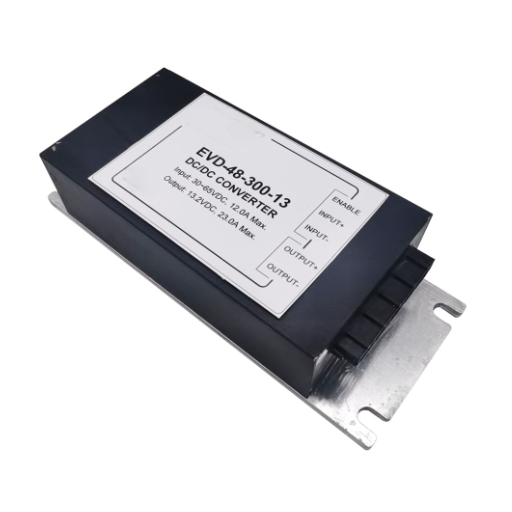
DC-DC Converters
These devices are utilized for conversion of one DC voltage level to another. They are very common in portable electronic devices, renewable energy systems, and electric vehicles, as they can manage the power efficiently.
AC-DC Converters
Converters are often known as rectifiers that change alternating current (AC) to direct current (DC). They are the key components for electronic devices as almost all of them must have DC power to work.
DC-AC Converters
Inverters, also known as inverters, are devices that change DC power to AC power. They are crucial components in the solar power plants where the DC energy must be converted to AC for use in households or in the grid system.
AC-AC Converters
These are the drives for changing the power frequency, voltage, or both, when the power is in the form of AC, i.e., they are used in different industrial applications to regulate AC power.
Inverters: Function and Use
The inverter is a very essential component in the power electronics system that converts direct current (DC) to alternating current (AC), with different voltage and frequency characteristics. The technology used by present-day inverters —the use of semiconductor devices such as insulated-gate bipolar transistors (IGBTs) or metal-oxide-semiconductor field-effect transistors (MOSFETs) —is what has made this possible. The inverter’s conversion process uses pulse-width modulation (PWM) to generate a sinusoidal output waveform with as little harmonic distortion as possible. So, the most advanced inverters include microcontrollers and digital signal processors (DSPs) as part of their design to further improve performance, enable real-time monitoring, and provide adaptive functionality across different load conditions.
Inverter versatility is the principal driver of their extensive use across several sectors. The main areas of their use are in renewable energy systems, e.g., solar photovoltaic installations. In this case, inverters convert the DC electricity generated by the solar panels into AC suitable for grid connection or household consumption. Inverters are also crucial in uninterruptible power supplies (UPS) because they provide power continuity during outages and in electric vehicle drivetrains, where they convert AC power to DC for the motor. The above-mentioned grid-tie inverters, in particular, ensure the generation of an in-phase current with the grid electrical network. Furthermore, inverters are an indispensable part of industrial automation, providing power to machinery that uses variable-frequency drives (VFDs) to control motor speed and torque.
Rectifiers: How They Work
Rectifiers are essential in electronics, where they convert Alternating Current (AC) to Direct Current (DC). The result is the smooth operation of equipment and systems powered by DC. The operation of this conversion depends entirely on diodes and other semiconductors, which allow current to flow in only one direction while blocking reverse current. Rectifiers are usually classified as half-wave rectifiers or full-wave rectifiers. The former uses a single diode for conversion, while the latter has different approaches, such as a bridge configuration. Modern rectifiers not only still come with filters but also include their own regulators to handle fluctuations in the power supply better. This is crucial for highly sensitive electronic systems, such as communication devices, medical equipment, and industrial control systems. The most innovative materials and design concepts such as silicon carbide (SiC) and gallium nitride (GaN) have taken rectifiers to the next level, where they can now operate at higher voltages, currents, and frequencies, yet doing so in an even more efficient and reliable way than before. These changes are not only happening in power electronics; they are happening across entire applications, from renewable energy systems to high-performance computing infrastructure, where their role is only going to get more substantial!
Voltage Converters: AC to DC and DC to AC
Voltage converters form an integral part of contemporary energy and power management. They serve the primary purpose of converting AC (alternating current) power to DC (direct current) power that different devices and systems require. One converter type, the AC-to-DC converter, is commonly called a rectifier. The device plays a vital role by providing stable DC power from an AC power source, making it easier to operate computers, smartphones, and other industrial electronics. Recent technologies, such as pulse-width modulation (PWM) control and monolithic integration of SiC and GaN semiconductors, have significantly enhanced the efficiency and thermal performance of such converters.
On the other hand, inverters (commonly known as DC-to-AC converters) are a significant component of systems such as renewable energy installations and uninterrupted power supplies (UPS). Solar photovoltaic inverters are an example of this, converting the DC power generated by solar panels into AC voltage compatible with the grid. Inverter technology today exploits sophisticated algorithms, such as maximum power point tracking (MPPT), which is a thing of the past, to achieve the highest energy conversion efficiency. Also, with the use of wide-bandgap materials, it has become possible to design small, high-frequency inverters that can operate at higher voltages and dissipate less power, advancing overall power conversion technology reliability and scalability.
Working Principles of Converters
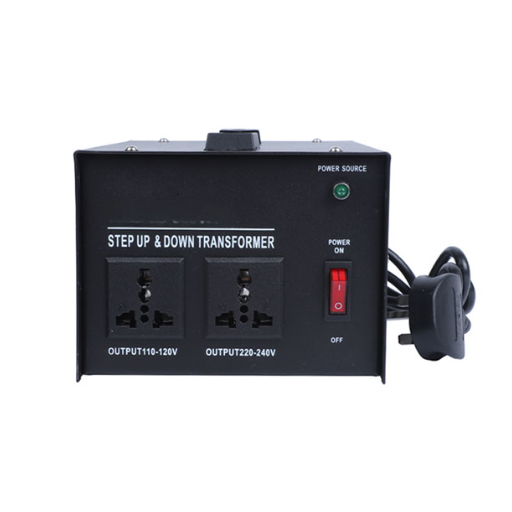
Converters are used to convert electrical energy from one form to another in accordance with the system’s requirements. They can be mainly distinguished as AC-to-DC (rectifiers), DC-to-AC (inverters), DC-to-DC (choppers), or AC-to-AC converters. The primary operation they perform is regulating the input voltage to match the required output, among others, using semiconductor devices such as diodes, transistors, or thyristors. These parts constantly connect and disconnect to the source as they send a signal to the semiconductor to rectify current flow, thus making it the most power-efficient way for the current to change its state. Control circuits are able to monitor the entire system and adjust critical parameters such as voltage or current to achieve optimal output and prevent immediate failure. They are both necessary for the proper operation of machines, such as changing a heater.
Basic Components of a Converter
Electrical Engineering Concepts Behind Power Conversion
Current efficient power conversion systems employ several advanced techniques designed to make the power system reliable and scalable. As one such method, soft-switching devices have been introduced, such as Zero Voltage Switching (ZVS) and Zero Current Switching (ZCS). Such methods reduce energy loss during transistor switching by ensuring that transistors change state at voltage or current conditions that are much lower than or equal to zero, compared to the rated ones. The rate of energy conversion may increase with the use of these techniques.
Furthermore, the type of electronics based on wide-bandgap (WBG) semiconductors, such as silicon carbide (SiC) and gallium nitride (GaN), has also been a significant step forward. Semiconductors that exhibit many favorable properties —such as thermal conductivity, breakdown voltage, and switching speed —when compared with conventional silicon-based devices, are said to be made of the following materials. This enables an entirely new family of power converters that are less bulky, lighter, much more efficient, and can even operate at higher frequencies.
Besides, the use of digital control loops in power conversion systems plays a significant role in improving accuracy and flexibility. Thanks to digital signal processors (DSPs) and microcontrollers, it is possible to dynamically adjust system parameters such as voltage and frequency to optimize performance in real time. Moreover, these systems help one observe advanced features, such as fault detection, protection mechanisms, and predictive maintenance.
At last, the latest designs tend to emphasize the power density that can be achieved with compact topologies such as resonant converters or modular multilevel converters (MMCs). The topologies deliver maximum power relative to the device’s physical size, making them the top choice for applications that require mobility or space for other equipment.
The Role of Transformers in Converters
Transformers are a key element of power converters, providing the link for the electrical energy flow between two circuits at distinct voltage levels. By employing the law of electromagnetic induction, these devices ensure a high level of energy conversion efficiency and, at the same time, provide galvanic isolation, a safety requirement for operation, and prevent induced ground loops. Moreover, the transformers used in today’s power converters exploit the advantages of high-frequency operation, which significantly impacts their size and weight compared to classical low-frequency models. The proper selection of materials has a significant impact on the efficiency of these devices, and, in their cores, amorphous and nanocrystalline cores are preferred for their ability to minimize core losses and increase thermal conductivity. These are the material benefits that can help achieve higher switching frequencies in power converters and, subsequently, foster benefits such as improved power density, reduced energy losses, and reliable system operation.
Voltage Converters and Their Role
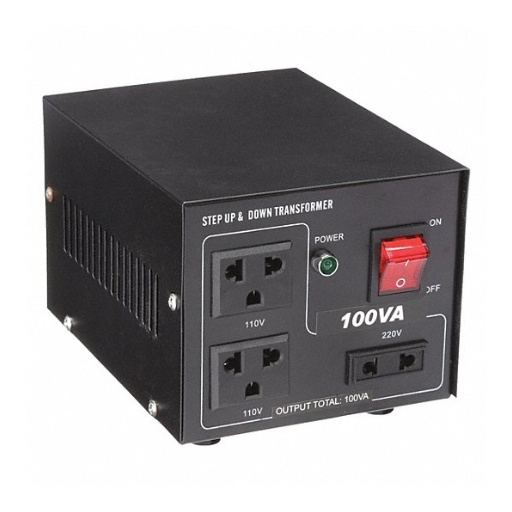
Voltage converters are essential in modern electrical systems and help convert electrical energy from one voltage level to another. A Voltage Converter allows devices and power sources to be compatible with each other by either stepping up or stepping down the required voltage. It is crucial in many sectors, such as renewable energy systems, where the voltage requirements are precise, and in consumer electronics, where they differ. Voltage converters also contribute to system optimization, energy savings, and improved equipment longevity by effectively managing energy transfer. Their design is entirely based on reliability and adaptive features to cater to different operational needs.
Different Types of Voltage Converters
Applications in Various Industries
Industrial Equipment
The range of the input of isolated output converters, which goes from 90V to 250V AC, is pleased with the output that can be 5V to 50V DC, which is ideal for industrial applications requiring a stable transmission of power in the power feed, and also because the equipment is in harsh conditions like automation systems, sensors, and machinery.
Telecommunications
Buck-boost isolated converters, lossless, with an input range of 5V to 60V and an output range of 1V to 50V, are mainly used in the telecom industry. Their primary operations—network equipment, signal boosters, and base stations—are possible even with widely varying input power, thanks to their efficient voltage management and flexibility.
Medical Devices
To provide power efficiently and with the highest possible precision, buck-boost isolated converters are a must-have for a wide range of medical devices, including, but not limited to, imaging systems and portable diagnostic equipment. They are exceptionally well-suited for operating environments where safety is a concern and electromagnetic compatibility (EMC) is essential. Thus, these converters not only safeguard patients but also ensure consistent performance.
LED Lighting Systems
SEPIC converters, covering an input voltage range of 3V to 40V and an output range of 1V to 50V, with regulation taken care of, are the appropriate solution for LED lighting. They are mainly used to regulate and provide reliable, efficient lighting control in both residential and commercial buildings.
Battery Management Systems
SEPIC converters are also vital to the battery management system, enabling lithium-ion batteries and other rechargeable systems to be charged and discharged as intended. As a very flexible feature, the converter’s dual-polarity output also helps, as it can be used with different battery configurations.
Power Conditioning
The SEPIC-based Zeta converters are intended to meet niche power conditioning needs. With a range of 3V to 60V at the input and 1V to 50V at the output, the converters are well-suited for filtering, stabilizing, and optimizing power in specialized circuits. A few typical applications are renewable energy systems and other sensitive electronics.
Applications of Converters in Various Industries
Renewable Energy
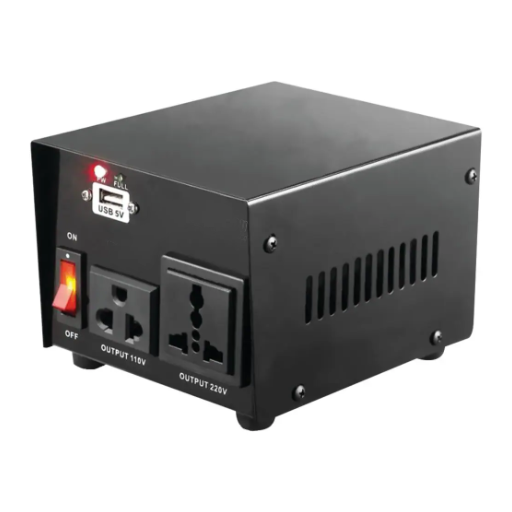
Renewable energy systems would not be complete without converters, which facilitate the integration of solar panels and wind turbines into the power grid. Some standard uses include renewable energy systems for environmentally friendly homes.
Automotive Industry
Current electric and hybrid vehicles require converters to control power efficiently. The flow of energy is between high-voltage batteries, electric motors, and auxiliary systems. As a result of this energy operation, the vehicle’s performance and battery life improve significantly.
Consumer Electronics
The converter thing is seen in every portable device, such as laptops, smartphones, and tablets. They make the power supply for the devices very stable and accurate. Thereby, power fluctuations will not spoil the sensitive electronics either.
Telecommunications
Converters are essential to keep communication equipment continuously operational and adequately powered, especially in base stations and data centers. The converters ensure the smooth operation of systems that take in varying power supplies through their efficient performance.
Aerospace and Defense
In the aerospace and defense industries, solid-state power converters are widely used for proper power management of critical systems such as navigation, communication, and radar. These power converters are designed to withstand the most demanding conditions, and even in the most sensitive applications, they remain ready for operation.
Renewable Energy Systems
DC-DC converters are key to the operation of renewable energy systems by enabling efficient power management across fluctuating components. To be more specific, in solar photovoltaic (PV) systems, converters are used to control the solar panel output; that is, the output voltage and current are adjusted to the batteries or inverters. Hence, the system will only receive energy at the most efficient time while allowing environmental factors, e.g., sunlight intensity, to affect the energy-harvesting process. At the same time, in wind energy systems, DC-DC converters perform the same function by regulating the power output from the wind turbines, demonstrating adaptivity to wind speed variations. These measures are elevating the system’s overall reliability and efficiency by aligning with a broader perspective of renewable energy as a sustainable, integrated source. Advanced topologies, such as isolators, improve safety and control, which are crucial for high-power applications. As global funding for renewable energy is on the rise, DC-DC converters are considered prime components in the transition from fossil-fuel-oriented to nature-friendly power infrastructure, and they are expected to withstand significant demand in the future.
Industrial Automation and Control
Industrial Automation and Control Systems (IACS) have become extremely important for the efficiency of manufacturing processes and for ensuring operational safety. The merging of advanced technologies, such as programmable logic controllers (PLCs), distributed control systems (DCSs), and industrial IoT (IIoT) devices, has led to a significant leap in the efficiency, accuracy, and scalability of industrial operations. There is a lively discussion about the future adoption of machine learning algorithms and real-time data analytics in these systems, which could completely revolutionize the sector to the point that predictive maintenance will be the norm, and it will be accepted to shut down the factory only for maintenance, never because of failure.
According to the data, sectors that use automation technology report observable financial improvements. One such improvement is a 30% decrease in operational costs, accompanied by a more than 20% increase in output. Moreover, the sweetening of communication protocols, such as OPC UA and MQTT, has had a positive impact on the interoperability of the equipment and, by doing so, created the conditions for the easy exchange of data and the automation of the process. Concomitant with the industries’ quest for the ultimate automation scenario — the intertwining of IACS with artificial intelligence and digital twin technologies will undoubtedly pave the way for a new era in industrial manufacturing and control.
Consumer Electronics and Power Supply
Power delivery development in the consumer electronics sector has changed significantly, driven by bold efficiency gains, small size, and eco-friendliness as key milestones. Today’s gadgets depend on cutting-edge power conversion methods like GaN (Gallium Nitride) and SiC (Silicon Carbide) semiconductors, which are faster at switching on and off and produce lower energy losses than conventional silicon-based systems. As a result, this move enables fabricators to develop small, power-efficient chargers or adapters that can deliver increasing amounts of power without overheating or wasting energy.
In addition, breakthroughs in adaptive power management enabled by USB power delivery (USB-PD) have led to significant changes in how chargers function. These protocols and systems allow for dynamic voltage and current variations, resulting in much faster charging times, greater energy efficiency, and, ultimately, the same battery charger for various types of devices. Along with the increase in concern for eco-friendly production methods, manufacturers began to act by incorporating measures such as powering production with recycled energy and using recyclable materials for their products to meet the strict environmental rules globally. Such trends push the industry to move faster toward high performance, reduced environmental impact, and user-oriented design.
Reference Sources
Power Converters in Power Electronics: Current Research Trends
Key Findings: This paper reviews the role of power converters in modern power electronics, emphasizing their growing importance in renewable energy systems and industrial applications.
A Review of High-Frequency Power Converters and Related Technologies
Key Findings: The research focuses on high-frequency (HF) power converters, discussing the impact of wide-bandgap (WBG) devices on their performance.
Frequently Asked Questions (FAQs)
What is a Converter in Electrical Engineering?
The converter is intended to convert between two forms of electric energy. This is the case, for example, when we convert the electrical power from AC to DC or vice versa. These kinds of equipment are indispensable to many areas of electricity applications, including renewable energy systems and power transmission. The main task of the converter is to adjust the voltage level to suit different types of electrical equipment, ensuring that power is always available for applications with the specified power needs. On the one hand, analog-to-digital converters (ADCs) can be seen as the direct opposite of digital-to-analog converters (DACs), as they take electrical signals in the form of amplitudes and convert them into binary data, whereas DACs work in the opposite direction.
How Do Voltage Converters Work?
Voltage converters function by varying the electrical power voltage level to satisfy the requirements of dissimilar devices. The converters can either completely convert DC power to AC power or, conversely, convert AC voltage to suit the appliance’s needs. In the most common applications, these converters are situated where electric energy of one form must be adapted to the operating standards of another system. At the same time, it is also essential to regulate the input and output to ensure the right quality and power levels. In addition, in many cases, converters can change the frequency of the electrical signal, making them very flexible tools in the field of electrical engineering.
What is the Role of Inverters in Power Conversion?
The conversion of DC power to AC power by inverters is a key process in power conversion and is indispensable for the operation of a vast number of household appliances. They are currently the bread and butter of solar energy installations, as they convert the direct current generated by solar panels into the alternating current that internal uses. There are various types of inverters, such as sine-wave and square-wave inverters, and selection depends on the specific requirements of an application. Knowledge of inverter operation, therefore, is a must for anyone working in electrical engineering or solar energy systems, because these devices are responsible for a significant portion of power consumption efficiency.
How Do Transformers Contribute to Voltage Conversion?
Transformers are machines that convert voltage by exchanging electromagnetic energy between two or more circuits. They can increase or decrease the voltage, and for this reason, they play an essential role in power transmission systems. Transformers are devices installed at the beginning and end of electrical power lines to step up or step down the voltage. Power losses are also reduced, which could otherwise be a significant issue in the transmission line. An extensive range of devices, from power distribution networks to household electrical appliances, and even within computer power supplies, relies heavily on transformers.
