
Section 01
Introduction to Grid Stability
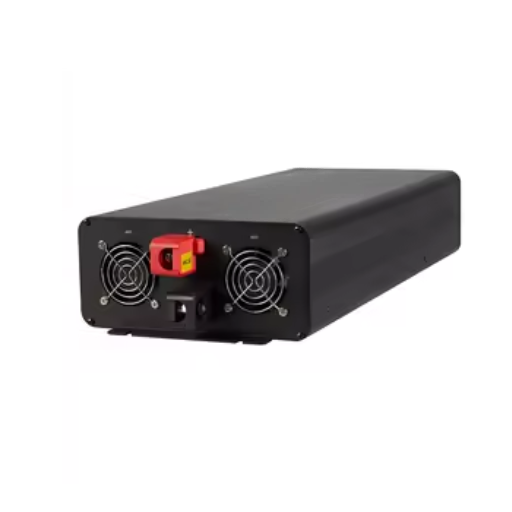
A solid grid equilibrium establishes the functional power system on a reliable basis. It maintains matching electricity supply and demand, which is consistent and free from interruption in the form of black outs or blow off voltages. In the grid stability, frequencies, voltages as well as system elements should be enabled to be maintained properly on permissible ranges. On the other hand, without considering these sudden demand or erratic interruptions, which are considered to cause more serious effects on the stability of power systems, there is a need that makes it indispensable to consider monitoring system, AC control devices, and intelligent energy and energy use control strategies in general.
Definition of Grid Stability
In simple terms, grid stability refers to the ability of an electric system, known as power system, to continuously manage electricity consumption and supply in order to provide quality service to the consumer and resist disturbances. This property can be divided into three main classes which include frequency stability, voltage stability, and rotor angle stability. Due to frequency control, it is important to ensure that the system frequency is maintained within a very limited tolerance. Voltage stability concentrates on keeping the voltages of the system within pre-set limits hence preventing occurrence of trouble as for example voltage collapse. Rotor angle stability is concerned with the movements of the generator rotors in speeding them together and maintaining equidistance across the network while the machines operate.
Industry Insight
The smart grid is a modernist invention that seeks to enhance the provision of electricity through its vast infrastructure of interconnectivity by transmitting extra power back to the grid. A report published in 2023 revealed that battery energy storage systems are now an integral part of integrating power grids, especially those that can respond to millisecond changes. These developments are of immense significance due to the growth of eco-friendly energy which brings down the cost of energy but requires the use of advanced grid solutions for power mediated control.
Importance of Grid Stability in Modern Energy Systems
Considering that the grid stability is what everybody needs in any new energy system, in order to ensure the energy delivered is always full even with the changes of supply and demand. Therefore, ensuring that the equilibrium is maintained has become a complicated task, due to more and more energy from sources like the sun and wind being harnessed which are variable in a manner. Sophisticated forecasting techniques, on-line process monitoring devices, and automatic control tools help in addressing the complications.
According to the recent study, applying dynamic charging technologies globally and using AI to support optimization of electrical grids reduced outages by 20% in regions with a high level of renewable energy penetration. Moreover, the increase in the number of local energy storage systems, hydro-generation, for aggregated and industrial entities, gives the possibility of using the remaining energy as a flexible load whenever there is a peak of demand or shortage of supply to the system. The above described progress further establishes the fact that technological advancement plays a key role in preserving grid’s stability and safe keeping in terms of switching over to clean energy on a global scale.
Components of High-Performance AC Converters
| Component | Function / Description | Key Parameter |
|---|---|---|
| Power Semiconductor | Enables efficient switching of electrical currents. | Voltage and current rating. |
| Control Circuitry | Manages operation of the converter through algorithms. | Processing speed and accuracy. |
| Heat Sink | Dissipates heat generated during operation. | Thermal resistance. |
| DC Link Capacitor | Stabilizes voltage and stores excess energy. | Capacitance and voltage rating. |
| Pulse-Width Modulator | Controls signal modulation for precise AC output. | Switching frequency. |
| Input Filter | Reduces interference from input power. | Inductance and attenuation capacity. |
| Output Filter | Ensures smooth AC output waveforms. | Filtering efficiency. |
| Transformer | Provides voltage regulation and galvanic isolation. | Turn ratio and power capacity. |
| Microcontroller (MCU) | Executes real-time control and diagnostics. | Processing speed and compatibility. |
| Protection Circuitry | Prevents damage from overvoltage or short circuits. | Response time and fault thresholds. |
Section 02
Role of Inverters in Enhancing Grid Stability
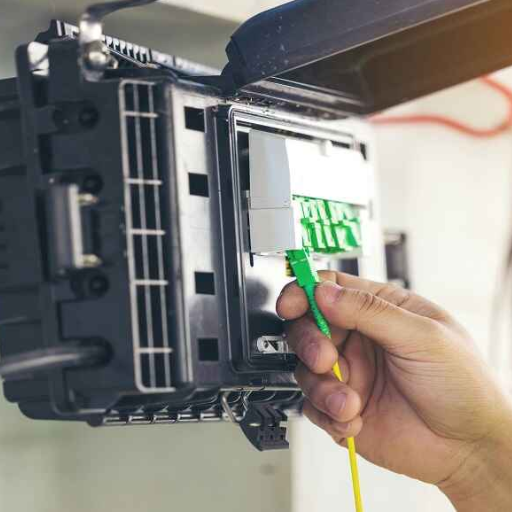
For the magnificent electric vehicle charging system, in particular, this volume of energy transfers at high speeds, accompanied by a change of the form of the available energy. This drawback arises with the potential failure of the charging battery, as the additional heat generated, if it is transferred to the charge station itself, might require a change to the whole charging circuit. This reimbursement and the increase in costs on local resources and foreign exchange areas have contributed to the increase in the price of electricity and gas prompting many producers save every bit of revenue to maximize their profits. For black starting it is necessary to increase the current of the necessary power-generating unit before connecting and thereby exceeding maximum short-circuit current for the transformer in action.
Types of Inverters and Their Functions
| Type of Inverter | Description | Key Features | Applications |
|---|---|---|---|
| String Inverter | Converts DC to AC for solar panel strings. | Cost-effective, efficient | Residential and small commercial PV |
| Central Inverter | High-capacity unit for large solar installations. | Scalable, centralized control | Utility-scale solar farms |
| Microinverter | Attached to each solar panel for maximum efficiency. | Panel-level optimization | Residential and small commercial PV |
| Hybrid Inverter | Operates with solar panels and battery storage systems. | Energy storage compatible | Solar-plus-storage systems |
| Off-Grid Inverter | Supplies electricity independently from the main grid. | Works without grid connectivity | Remote areas, standalone systems |
| Grid-Tied Inverter | Synchronizes with utility grid for power export/import. | Grid-dependent, no storage needed | Grid-connected solar PV systems |
| Standalone Inverter | Functions as an independent power source. | No connection to the grid | Backup power, isolated systems |
| Battery-Based Inverter | Manages battery charging and discharging alongside DC-AC. | Integrated battery management | Solar storage, UPS systems |
| Smart Inverter | Monitors and adjusts for grid conditions dynamically. | Advanced grid support features | Modern renewable energy systems |
Advanced Inverters and Their Capabilities
Advanced inverters, which signify an advancement in power electronics, are tailored to assist in the operation of renewable energy systems by ensuring that they are much more efficient, stable and integrated. Unlike the primitive Inverters, these have the ability to adjust their operation and parameters as the grid situation changes by incorporating some control strategy. For example, intelligent converters are under the process in installation together with advanced monitoring and control systems, which can communicate with the system operator in real time. This enables the control of the reactive power, regulation of the voltage and ensures the successful resolution of several other conflicts when the grid becomes unstable.
Also, the more enhanced new-age inverters provide so many new features such as anti-islanding protection which doesn’t allow the inverter to operate when the grid is down. They as well include the frequency response features that also facilitate the change of the very grid as the penetration and increase in the use of renewable energy increases. These solutions are indispensable in tackling disturbances caused by the grid and in ensuring suitable levels of distributed energy resources (DERs) for the alteration of the frequency as well as better control of the load.
Bi-directional inverters that enhance transmission of energy in both directions, primarily in vehicle-to-grid (V2G) systems and LECs have been recently introduced to the market. With most advanced inverters today having conversion efficiencies that surpass 98% attributed to the use of new high efficiency semiconductor (SiC) material in their construction. It provides improved electrical properties such as compatibility with high voltage systems and lower energy losses. This means that for grid-tied PV systems, the use of the up-to-date inverters is essential.
Impact of Inverters on Grid Performance
Grid stability is improved with the help of modern inverters. These environmentally friendly devices work hard to harmonize solar and wind sources without damaging the regular power supply they are attached to. For instance, it is possible to regulate voltages and also use energize an off motor reactors without worrying about the voltage of the supply because inverters come in handy. Lately, research into advanced grid-forming inverters has widened the scope for steady state control in connection to weak grid scenarios, an area that is of critical importance especially considering the increasing penetration of distributed energy resources (DERs).
Industry reports show that inverters used in voltage stability control, autotransformers with delay and volt ampere reactive regulation, for example, a grid-forming inverter as stated by the California Public Utilities Commission, reduces the air conditioning frequency for disturbances when the integration of renewable energy resources is enhanced up to 60% of the control bandwidth. Also, the ability of the batteries here to self-regulate the power order makes them a possible rescue for transient overloads on the grid, which is nevertheless maintained stable. However, these systems are not yet in place; they will be installed in the near future, as the country’s electricity transmission systems evolve.
Section 03
Understanding Power Quality and Its Importance
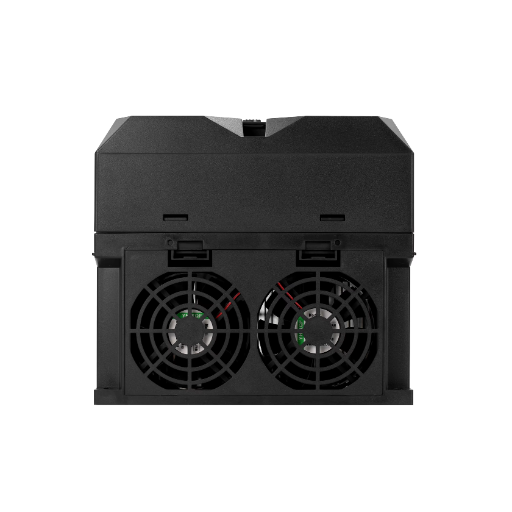
The term power quality is used to describe how the electrical power within a power network is transmitted and delivered to the final load. This is important because low power quality can result in malfunctions in electrical appliances, reduced energy efficiency, and as a result, destruction of the equipment. Voltage regulation, as well as disturbances to the frequency and harmonics are the main causes of poor power quality. Maintaining good power quality, enables sensitive equipment to function effectively, reduces wear and tear giving rise to decreased monetary operational costs and ensures the availability of sustainable energy sources.
Factors Affecting Power Quality
-
01
Voltage Stability
In the world of electrical engineering, there is a concept which is referred to as voltage stability. This is the ability of a power system to keep its node voltages close to the rated values in both normal operating conditions and any disturbances within the integrated system. Changes in voltage levels away from the target can result in abnormal system operation and even a premature breakdown of equipment connected within such a system. Causes of voltage instability such as load changes in the system, faults in the grid, and penetration of solar or wind generation will be discussed.
-
02
Harmonic Distortion
Harmonic distortion is a kind of distortion in signal system caused by the presence of any non-linear factors such as dimmers, LED, speed drive or any semiconductor-based power electronics generates the non-tempered current wave which is deviation from pure sine wave. These distortions in turn deteriorate the efficiency of motors, transformers, and other components which may cause overheating and aggravating energy losses too. These standards also set limits on the part of the harmonics so as to protect the system against possible abrupt over-frequency converter systems resonances and against the faults both within the system and outside it too.
-
03
Frequency Stability
The stability of the electrical power supply, which is usually supplied at 50 Hz or 60 Hz depending on where one lives, is extremely paramount for synchronization and correct functioning of any electrical system. Changes in power frequency usually occur when there is an excess or shortage of power generation as compared to the power consumption. For instance, should there be high times or supply units go off suddenly, frequencies tend to oscillate in those circumstances and there is a high likelihood of equipment degradation and outages.
Methods to Improve Power Quality through AC Converters
Developing the AC converters to enhance power effectiveness cannot be achieved without resorting to afore mentioned control strategies supported through the incorporation of most recent technologies. The modern generation of pulse-width modulation (PWM) technology applied to AC converters has found a wide range of applications in the regulation of both voltage and current leaving devices considerably reducing total harmonic distortion (THD) and adhering to standards norms such as IEEE 519. It should also be noted that instead of using traditional forms of single-level analog AC-DC full-wave inverter systems in existing wind turbines and high voltage oil filled transformers, there is a tendency towards utilizing other forms such as Neutral Point Clamped (NPC) and Cascaded H-Bridge (CHB).
Increased usage of active harmonic filters within frequency converters helps to control reactive power and to suppress the harmonics caused by non-linear loads as well. Advanced control algorithms like Predictive Control Algorithm or DTC let switches’ control make dynamic and real-time change of switch’s states to reach better system performance under different load conditions. There is also an admittance of semiconductors to the modern technology including the utilization of silicon carbide (SiC) and gallium nitride (GaN) devices. This has allowed for higher power converters increasing the switching frequency, combatting the thermal which is self-explanatory and making the overall grid more reliable.
Finally, advanced generation of AC converters are also available with an advanced communication capacities that permits synchronization with the smart grid environments. This advancement allows the systems for real-time monitoring, prognostics and diagnostics, and control supplying critical importance in the prevention of voltage sags, swells, transients, and other defects in complicated power systems.
Section 04
Reactive Power Control for Grid Resilience
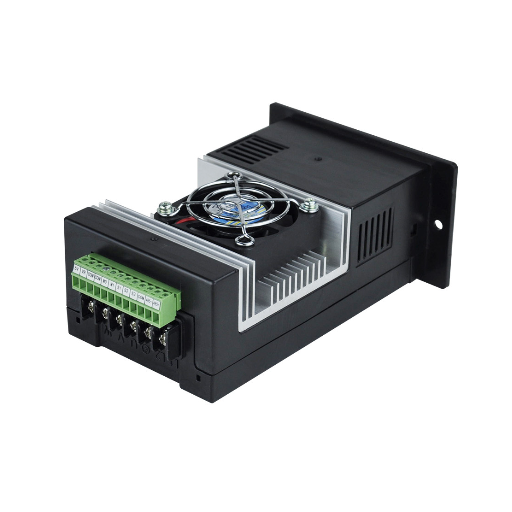
Ensuring the power factor control associated with the transmission of the electric power, grid stability maintenance and reduction in both load factor and production losses pose significant priorities in the power system operation. These values are kept within acceptable limits by using compensating methods and devices like automatic capacitor banks, synchronous condensers, and modern semiconductor converters. It is such an equipment that enables to constantly balance the production and absorption of reactive power and to avoid such problems as voltage instability and even improvements of energy efficiency. The grid’s distributive generation-connected networks and flexible ac transmission networks can provide real-time data, helping the system respond to any changes, with its ability to withstand possible fluctuations in demand and ensure rapid and trouble-free operation of the network.
Understanding Reactive Power in Power Systems
In the field of electrical engineering, reactive power is equally important for the stability of existing power systems as well as for their operations. While the active power goes on to do the actual work of driving appliances, reactive power is intended to create the required magnetic and electric field within the system. It is because these serve to, amongst many others, also make devices such as transformers, motors, and capacitors work properly. The system will not be strong enough to cope with the voltage controls if it lacks reactive power which in turn can cause further operational problems like power failures and device destruction.
The development of renewable power sources such as wind turbines and solar panels as well as the corresponding implementation solar photovoltaic systems have made power factor regulation more complex. Since the majority of these methods depend on power electronic interfaces, the issue of non-existence of reactive power capabilities arises inherently present in conventional synchronous generators, especially at low power levels. Such challenges are typically resolved by integrating new devices like voltage source converters (VSCs) and Flexible AC Transmission Systems (FACTS) to ensure the availability of reactive power. Research has already revealed that grid forming inverters may hold the key in enabling better reactive power support for distributed and renewable sources.
Techniques for Reactive Power Control Using Advanced Inverters
Optimal inverter design is a strategically crucial task that may be accomplished with the assistance of low privileged level agents. These strategies can help assure the quality of voltage and frequency amidst the significant availability of renewable energies. One of the methods is the implementation of droop control schemes where inverse power step levels are automatically adjusted according to the voltage status of the units. In this way, the decentralized strategies provide for a working mechanism even in the absence of strict communication requirements.
There is also the issue of enhancement owing to the reflective compensation techniques so as to compensate for the errors introduced by the control forces. Utilization of the current microcontroller arrangement in inverters allows reacting to changing circumstances with prescribed reactive power injections and absorption. And so is machine-operated double-loop wider recovery methodology of systematic controller although its application grows after the application of the grid-connected and non-stationary object changes the angular displacement of power light diode backlight.
Indeed, the ability of grid forming type inverters in the industry to provide reactive power management is quite remarkable; their performances are equivalent to those of conventional synchronous machines or more. Active control of grid-forming inverters helps in setting the voltage and frequency reference points of the power system that naturally results in system stability during disturbances. Moreover, such innovative control techniques like synthetic inertia for the grid-forming inverters make them even more efficient in treating temporary influences in power system.
Benefits of Reactive Power Management on Grid Resilience
To reinforce the stability of the grid and minimize system disruption, management of reactive power has a critical impact on voltage maintenance and the prevention of cascading outages. With suitable reactive power control in place, a power system can cope with both steady-state and fault conditions successfully suppressing power losses and enhancing the transference of power. New technologies, however, such as VSC based dynamic voltage support or grid-forming inverter technologies, enable these grids to function optimally even when load demand keeps changing or external disturbances occur.
There are many different ways to do this, for example safeguarding can be enhanced by the utilization of the STATCOMs (Static Synchronous Compensators) methods that is faster in relieving reactive power imbalance. This can help in preventing voltage sag, controlling the risk of voltage stability and enhancing fault-ride-through performance. Equally important, the reactive power optimization function facilitates some grid connections that are considering renewable energy sources generation, namely wind and solar energy by allowing for the interruptions caused by these units even as the grid as a whole remains operational. The smooth functioning of reactive power capabilities further permeates the security and efficiency of power networks and emerges as strategic support to enable development and operational upgrade of the power grid.
Section 05
Advanced Control Systems for Stability Improvement
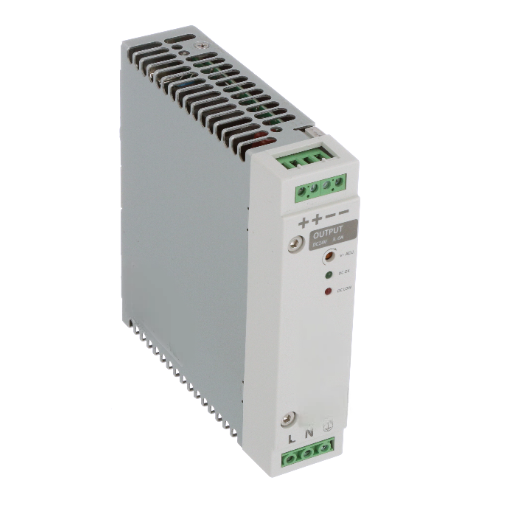
State-of-the-art control methods have an important function in contributing to the quality of the network balance. That’s where controls come in; controllers continuously monitor and respond to all network signals as a way to ensure that systems performs. Modern power systems such as Wide-Area Monitoring Systems (WAMS) and Flexible AC Transmission Systems (FACTS) develop advanced management techniques that minimise restriction on power flow and prevent consequent outages. Advanced control systems with the help of resource allocation optimization and implementing the maintenance algorithm also minimize risks by reducing the frequency of the power failures. Moreover, predictive maintenance guarantees that the equipment makes it way through the harsh weather conditions with minimal hitches. This allows the system to remain stable and ensures the effective distribution of the energy.
Overview of Control Systems in Energy Management
Energy control techniques used in the present times in order to enhance the operation of the control system, the life of reliability of the equipment and also power decisions making energy saving. Supervisory Control and Data Acquisition (SCADA) technologies are the most common because they are applicable to real-world applications enabling immediate viewing and acquiring of data. The technologies can also include Energy Management Systems (EMS) which allow the energy utility to operate the grid more efficiently reducing operational costs and integrating more clean energy solutions.
With the advent of AI and ML-powered analytics, fault detection and demand response methodologies have been turned upside down. Therefore, now such types of strategies use predictive analysis to offer user actionable information. A good example is incorporating Artificial Intelligence (AI) into load forecasting, which improved system performance aspects such as grid stabilization measures during load peaks to a material extent. Distribution network management has also had some developments since innovation in Distributed Energy Resource (DER) technologies has effectively incorporated distributed generation units into grids, minimizing dependence on existing central power plants, among other benefits towards the strengthening of the grid during major weather events.
Integration of Power Electronics in Control Systems
The importance of power electronics in the enhancement and proper control of renewable energy incorporation is fundamental. Power electronic devices help in the effective transformation and conditioning of electricity, hence it is possible for renewable energy sources like solar panels, wind turbines, battery packs to be incorporated in the main grid without a problem. Such devices which consist of inverters, rectifiers or converters are responsible for ensuring that energy systems present are reasonable and as such help in making adjustments on the magnitudes of voltage, current or frequency to the levels technically permissible for the grid.
The advancement in silicon carbide (SiC) and gallium nitride (GaN) engineering that leads to essentially wide-band bandgap semiconductors has enabled substantial enhancement for power electronics devices in terms of their performance and efficiency. In fact, such materials allow increased operational frequencies, improved heat dissipation due to smaller components, therefore perfect for high-voltage and high-power apparatus. Moreover, power electronics ensures that power systems operate stably thanks to the dynamic management of the grid operational characteristics such as compensation of reactive power and voltage regulation so as efficient in removing the impact of the variations that existed with the introduction of renewable energy.
Power Electronics deployment into certain control systems is promoting several appealing attributes like grid-forming capabilities which are essential to the frequency stability needed for microgrids and isolated systems. The additional inclusions of Digital Signal processor units (DSPs) that are advanced, and design real time control algorithms have played a significant role in changing the response and operation of the controllers carved for intricate power flows. In summary, power electronics today is seen as a critical component of the power sector and particularly as it relates to grids that are flexible and environmentally friendly.
References
Reference Sources
- 01
- 02
FAQs
