
The economic feasibility of static frequency converters (SFCs) is enormous. However, they do have like every other complex system challenges that hamper their best performance, efficiency and reliability. For all the challenges, whether it be trying to overcome a preventable mistake or a power interruption, better equipped solutions have to be found and put into action. When it comes to electrical systems, the already known problems or those likely to occur by identifying are easily solved. This manual is structured so as to help readers understand the most prevalent issues with SFC systems, and the first part offers some quick tips on troubleshooting. Consideration will be given to issues at hand: from the ways of detecting when things are going wrong, up to the actual steps, which have been found to be useful, towards controlling a particular field of the activity. We will provide all necessary information to those who operate the equipment in conditions of the maximum possible quality of its use, contain the equipment.
Understanding Frequency Converter Operation
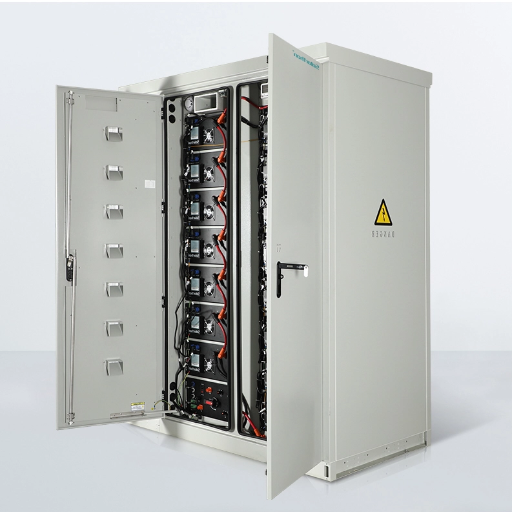
Variable frequency drives, or VFDs for short, otherwise referred to as inverters or inverter drives, are devices that are designed with the specific purpose of adjusting the speed and torque of an electric motor. This is done so by varying the output frequency of the supplied power and the voltage. Some of these drives advantage the motors’ work efficiency and its own protection. Their principle of operating seems to be allowing the chest speed to be adjusted to the very specific application needs. Their key features are the rectifier, DC link and inverter which together convert the input power and restrict the output to the motor. Such equipment is freely applied in industries and professional purposes — factories, office buildings, production lines, where pumps, fans and conveyors among others that require very accurate control of the motor are installed.
Basics of Static Frequency Converters
The first stage of operation of a static frequency converter is the rectification of incoming alternating current (AC) into direct current (DC) with the help of a diode or thyristor-based rectifier. Afterwards, the DC link, comprising of common capacitors and inductors, helps smooth the DC blank and provide a regular and stable power output. In combination of capacitors and inductors, of course. The final stage of a static frequency converter is to supply energy to the loads by converting the DC into AC with the required frequency, utilizing advanced pulse-width-modulation (PWM) techniques for the establishment of preferred voltage levels in the system after every interval.
To tune starting point, modern static frequency converters are normally supplied with a built-in advanced microcontroller unit, aka a fast digital signal processor (DSP). Such controllers are aimed to make the converter efficient and efficient in terms of the power consumption with a minimum of disturbance, which harmonic loading may cause. That’s why they are installed before bandwidth regulation and control systems, which have a target function and are used as part of the automatic control system such as variable speed drives (VSD) and Uninterruptible Power Supply (UPS) require. The reduction of power losses in the liquid electricity transmission causes an excitation trail and makes the frequency of these converters’ use always on the increase in diversified sectors such as the manufacture of renewable energy.
Key Components of Static Frequency Converters
| Component | Function |
|---|---|
| Rectifier | Converts AC input to DC output |
| DC Link | Stores and stabilizes DC voltage |
| IGBT (Insulated Gate Bipolar Transistor) | Enables efficient high-speed switching of current |
| Microcontroller Unit (MCU) | Controls operations and monitors performance parameters |
| PWM (Pulse Width Modulation) Controller | Regulates output waveforms to desired frequency and voltage |
| Cooling System | Dissipates heat to maintain operational temperatures |
| Input Filter | Reduces input current harmonics and electrical noise |
| Output Filter | Ensures smooth AC wave output with minimized distortion |
| Snubber Circuit | Protects components from voltage spikes and transients |
| Protection Circuitry | Safeguards against overvoltage, overcurrent, and short circuits |
| Capacitors | Handle ripple currents and stabilize voltage fluctuations |
| Heat Sink | Improves thermal management for semiconductor components |
| Inductors | Smooth out current and reduce harmonics in the system |
Common Applications of Frequency Converters
- 1
Industrial Motor Control
The effectiveness of frequency converters in regulating the operation of powered up industrial motors, for instance, has centered their utility, to a great extent. Plasma or liquid technology capped up infected research, and people no longer have ideas such as what the waste is, where it came from, how much percent of it is filled, and where all the parts are currently situated. Research reveals using frequency converters in such applications as air compressors and pumping equipment brings savings in operation costs up to 30%.
- 2
HVAC Systems (Heating, Ventilation, and Air Conditioning)
The proper operation of variable-frequency drives in HVAC systems is to control fan, blower, compressor, and other moving part speeds. This is an energy-saving initiative that also reduces wear and tear on industrial machinery. Statistics show that the introduction of variable-speed systems into building air conditioning systems reduces energy consumption by 20% to 40%.
- 3
Renewable Energy Systems
It is a known fact that very important role of frequency converters in the power grid is the integration of renewable energy sources, such as wind and solar energy. In order to cover the distance between the power generating stations and the places of power consumption, a lot of transmission lines are used.
- 4
Marine and Shipboard Power Systems
In ships, converters can handle the load of the propulsion systems, cranes, and general ship systems. As a result they improve effectiveness and reduce fuel burn. These systems, which are designed to convert the current in the power system, are often used in marine applications as a guest to reduce fuel use by as much as 15%. In fact, it is a prudent way of cost reduction in a labor intensive aspect like shipping or rather taxing efforts of engines servicing.
- 5
Mining and Heavy Equipment Operations
The data mining operators realize that frequency converters have made the production of conveyor belts, hoists as well as drilling machines easier. Frequency converters help to reduce energy wastes and help machines to serve longer reducing the production lead time. For example, belt conveyors using the same frequency converter experience 25% less costs for such items as maintenance compounds because of regulated requirements for acceleration and deceleration of the conveyor.
- 6
Power Supply in Test Equipment
It is necessary to use frequency converters in testing electrical equipment and industrial gears to provide the most accurate power. They can help recreate the identical power settings (50 Hz to e.g. 60 Hz power) across different standards while conducting certain tests, hence promoting high level compatibility and satisfaction.
Identifying Common Frequency Converter Issues
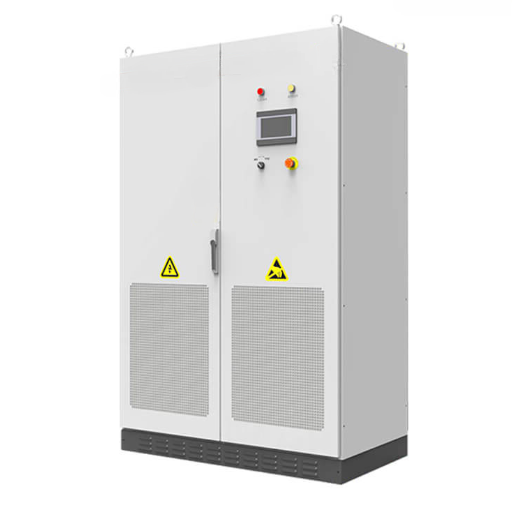
When such problems occur at the frequency converter, the best selection of the problems to troubleshoot first are usually the issues which are most regular can often be rectified. The most experienced failures are as follows:
- —
Overheating:
This can be attributed to a lack of cooling or overheating of the systems. However, one must always remember to check over the operational temp and also have a free-flowing air for the device. - —
Incorrect Input Voltage:
Where the input voltage is high or where it keeps on changing, it is likely to harm other components on the inside. Always check if the input voltage is correct and as per the converter standard ratings. - —
Motor Overloads:
Most of the frequency converters face motor overload that occurs when the motor connected to the frequency converter is heavily loaded, leading to the tripping of the frequency converter. If the motor is heavily loaded, then the odds are that the set parameters of the motor should be modified and the load reduced. - —
Electrical Noise or Interference:
The design of electrical equipment should take into account the effects of external electromagnetic disturbances generated by rotary equipment and other equipment. In addition, some should be able to cope with the process of the surrounding environment in terms of electrostatic charge levels. Apply noise shielding and grounding as necessary. - —
Component Wear and Tear:
Degradation of internal parts like capacitors, relays, switches and their containers can be due to aging. The use of protective devices itself will expose the system to less stress. Some items will be replaced during the course of the regular maintenance and will depend on the nature of loads.
Operators can, therefore, increase the efficiency of their frequency converters by paying attention to these aspects and at the same time reducing the down time of this equipment.
Overview of Common Frequency Converter Faults
Although new age frequency converters are designed to perform with maximum quality, they can face several faults which usually come from their operational surroundings and other related external factors. Overheating is the most common concern and typically arises because of improper care or due to the fact that the converter had been under load for an extended period. It is here that more environmental impact of heat comes into play keeping in mind the effect of heat as exhausted parts become inoperative due to failure. In view of the above, advanced thermal management together with regular servicing and inspections can suppress such undesired outcomes.
However, the most articulated issue that emerges in such systems is harmonic distortion, whereby the voltage and current waveforms deviate from their classical sinusoidal shape. Affinity of harmonics not only reduces the effectiveness of the frequency inverter but also results in deterioration of the equipment connected to the system. For example, the application of harmonic filters or switching to or even the use of the frequency converters with active front technology reduces these harmonics significantly.
Malfunctions in the input rectifier or output inverter stage are classified as dangerous accidents, and these are usually caused by electrical surges or transient spikes of over voltage. In order to prevent such faults one should include a surge suppressor and also try to control the voltage at an optimum level. Besides this, the breakdown in sensor operations and is most common in current or temperature sensor, disrupts converter operations hence creating the necessity in the use of diagnosis or predictive rather than lending to the sensor dystrophy flagging.
Symptoms Indicating Frequency Converter Problems
Most accidents were observed in incorrect performance of the frequency converter in the form of motor malfunctions such as speed fluctuations or torque fluctuations, which could be the reasons for variation modulation or switching failures. Another common abnormality of the converter is its massive overheating which results from aged elements and generally common causes such as faulty capacitors, poor ventilation, or cooling system that was damaged. A further trouble is hearing cracking or crackling noise and sounds quite like spinning or clocking or breathing or whistling among others, since it might signify a disorder in the work of the converter due to the electric or sporadic mechanical vibrations. In connection with the stated above, very often there are records of frequent shut down or unexpected trips which are targeted as sabotage, short circuits or component oversizing in relation to current capacity-absence. Thus, one estimate overvoltage or current distortion, the presence of harmonics provide additional information about problems in the rectifier or the filter. So there is a need to make a correction in their operation or in the compensation of equipment or components. Eventually, calibrating and changing elements are taken.
Frequency Converter Troubleshooting Techniques
- 1
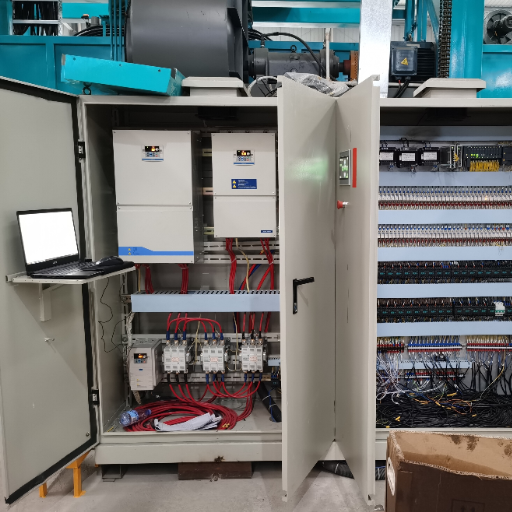
Perform a Visual Inspection — Check the frequency converter visually for signs of damage, such as components with signs of burning, fittings that have become loose, etc., and the components and boards that are likely to collect dust. This may cause its output to be reduced.
- 2
Check Input and Output Signals — Measure the given input voltage, as well as the resultant output frequency of the system, and ensure they conform to the requirements contained in the system specifications, otherwise a deviation would point to a problem with the power supply and internal components.
- 3
Analyze Error Codes — If such problems occur the very first step has to be checking the error codes with the help of the error code screen provided on the converter or control panel, and then further getting consultation from the manuals on how to interpret properly and recognize the position of fault.
- 4
Examine Environmental Conditions — Make sure that the operating temperature and relative humidity for the converter are as specified by the vendor. Excess heating or ineffective cooling always leads to a failure.
- 5
Test Motor Connections — Inspect the junction box of the motor concerning any loose or rusty terminations that cause a current pause and stop the system from functioning.
Nearly all issues that are experienced in the operations of inverters can be addressed by considering the above aspects.
Preliminary Troubleshooting Steps
- 1
Check Power Supply Integrity — To ensure brand compliance, the first step is to assess the input and output voltage levels feeding the frequency converter. Quick changes in the voltage levels, as in a loss or peaks, can be damaging and will degrade your enhancement or bring it to an immediate halt.
- 2
Analyze Error Codes — Most of the frequency converters in current use have likely been fitted with self-fault diagnosis systems which portray the various error codes. For more about the error codes and the corrective steps, consider referring to the particular manufacturers manual.
- 3
Evaluate Cooling Systems — Inspect the cooling fans and ventilation systems to ensure proper air circulation. Air inlets can be too dark, ventilation bays could be defective or the fans will not provide the necessary amount of air circulation and this will cause overheat and shrinkage in the packing of the internal components in the range up to the normal parameters.
- 4
Inspect Input and Output Signals — Measure the quality of the input and output signals with an oscilloscope. Try to detect any non-uniform patterns, harmonics, or undesirable electronic noise sources, pointing to the effects of the converter or other constituent groups, such as the engine for example, which correspondingly points to the converter.
- 5
Assess Environmental Factors — Make sure that the environment in which the frequency converter is being installed has the correct protection such as the IP rating. This is mainly because high levels of dust, moisture, or any chemical exposure may result to the loosing of joints or insulation.
- 6
Review Control Parameters — When external systems are expected to be connected with the unit, operational commands such as flow rate, torque/ motor current, or any form of acceleration programs need to be adjusted to fit the design.
Using Diagnostic Tools and Equipment
Diagnostic equipment is very important for ensuring the correct use of the frequency converters. The modern multi-meters can do a variety of tests such as voltage, current and resistance with the highest level of accuracy which is useful for the assessment of the electrical performance of the system. Oscilloscopes, on the other hand, can be very useful in the measurement of electrical signals or waveforms and help to see irregularities such as harmonic distortions or unstable outputs.
In recent times there has been a widespread adoption of specific infrared thermography-based tools to detect overheated components within a transformer or damaged areas within the transformer, as they provide inside thermal studies. Besides this, with developments in technology, today many frequency converters come with in-built self-diagnostic tools or diagnostic software which give out fault codes and instantaneous values. By analysing the fault code along with witnessing the trend in the data, identifying problems becomes a much easier task with the technicians. It is advantageous to use several of the above tools when offering solution to a problem since this tends to enhance the efficiency and orderliness of the procedures directed to fault location with a view to operational management of the working object.
Understanding Code Displays and Error Messages
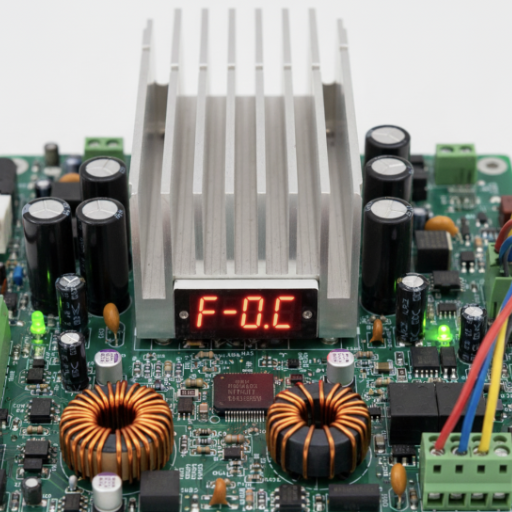
It is common for static frequency converters to present errors which represent the various operational issues or reasons for failure that they may have. Normally, these error codes are indicated on the user interface or on the respective monitoring software of the converter for most systems analysis model. As an example, the “OV” (Overvoltage) error would possibly be due to high voltage transient across the input power supply as “OC” (Overcurrent) will correspond to high demand on the load or faulty contacts. There are normally every default error code in table for a particular system as well as the respective scope of error code in the constitutive documents.
Processes in today’s systems are also provided access to historical reports about these codes. It also provides answers to the most puzzling questions by revealing problems that regularly appear. Researchers can rely on analyzing time-stamped logs and error messages for detecting, for example, a pattern of voltage being higher than normal within given intervals or a period of overheating due to factors such as temperature rises. Concerning such alerts in a structured manner and for purpose, their approach operations, therefore, allow the application of suitable measures that will enhance the performance of the pool whilst reducing hazardous risks and the costs of maintenance instead of waiting for the pool to be out of service.
Common Faults and Troubleshooting Methods
Overload Issues in Frequency Converters
Overloading in frequency converters is a situation in which the power requested surpasses the rated capacity of the device, which causes the device to possible overheat, inefficient operation, sometimes even fail. These overcurrent conditions, in turn, can be due to a very high value of the motor power, inappropriate frequency converter parameters, or simply overuse of the converting equipment. To address these problems, it is very important to provide realistic and accurate estimates of the operating requirements of the electric motor satisfactorily and especially with respect to the capacity of the output of the frequency converter.
There is no doubt about how important the control of heat dissipation is in the problem of overloading. It is worth recalling that the devices operate transform past them into heat, which can be sufficient to destroy such critical components such as insulated gate bipolar transistors (IGBT). Air flow devices and regular cleaning of the heat exchanger surfaces and control of the temperature of the devices are simple but effective measures that should be taken at all production stages to prevent this from happening. Furthermore, some frequency converters have intelligent protection that through warning or auto shutdown in case of acute transition to critical levels is activated.
Another cause of overload in the system is harmonic distortion. It limits efficiency and poses a potential risk to the system. However, in order to suppress it services of input reactors, or harmonic filters or certain advanced types of converter designs can be employed. Studying load profiles, ensuring effective operation and carrying out timely maintenance, as well as implementing the most advanced and fully protective firmware functionalities, additionally help in increasing life expectancy and the reliability of frequency converters.
Diagnosing Input and Output Voltage Problems
When it comes to detecting input and output voltage faults in frequency converters there is the necessity of taking a methodical approach. The input voltage problem, in most cases, arises from various power supply issues which includes voltage dips, spikes or harmonics that can cause the converter to misbehave. Possible causes can be bad connections, short-circuited circuit breakers or a single phase being much higher than the other two. Precise measurements of voltage using precision measuring devices such as multi-meters or power quality meters are of essence in order to ascertain the severity of these problems.
The output voltage can be unstable due to incorrect parameters, unbalanced load, and long-distance cables limits may be encountered. Also, it should be noted that as converter components such as the capacitor are used, their performance decreases as deteriorating the output voltage. The difficulties arising from this situation should be resolved by carrying out regular checkup that comprises checking the load profile, using infrared camera for heat related defects and cross checking the earthing and phase position. The use of enhanced diagnostic tools, which are equipped inside today’s converters, helps personnel to constantly observe the voltage behavior and react to adjust it in time to cause the least interruptions while ensuring minimal losses and limits of the machines.
Wiring and Connection Troubleshooting
Troubleshooting the wiring and connections in frequency converters requires effective and structured tear down procedures that recognize and ultimately eradicate negative aspects that may endanger performance as well as system safety. Amongst memorable is the checking of the power and control wiring for any physical damage, corrosion, or loose connections as it often is the cause of unstable operation or a malfunction of the whole system. Employing insulation properties and connection verification is quite importance when dealing with severe vibrations or in high temperature conditions, so as to avoid creation of shorts or arcing.
Besides that, measuring resistance using a multimeter to check if cables are intact and another meter to make sure shieldings are well connected helps to minimize electromagnetic interference (EMI) emissions that can affect the normal communication and control signal. Moreover, it is imperative to make certain that all recommended diagrams and provider specifications are strictly adhered to in order to avoid setting up conflicts. There are more sophisticated diagnostic features within the latest drive converters, that assist by offering real-time analytics, which allows for the easy detection of problems such as sudden voltage drops or out-of-phase conditions.
Maintenance Practices for Frequency Converters
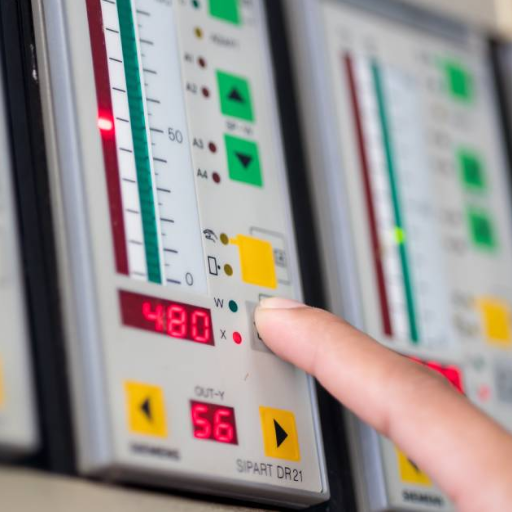
- 01.
Visual Inspections — Perform visual inspection checks of the frequency converter for wear, loose connections, and damages, with the intention of nipping any malicious intent in the bud.
- 02.
Cooling System Checks — Seek to ensure all fans and filters and air-cooled channels are clean and are not clogged in order to prevent overheating. Change filters as may be necessary, observing the operational and maintenance instructions.
- 03.
Firmware Updates — Regularly maintain the frequency inverter by updating its firmware. To upgrade the unit, use only the official software and patches.
- 04.
Connection Tightness — At regular intervals, inspect the electrical connections from all components to verify that all connections are tight. Should the connections be loose, all equipment in use and associated equipment may experience greater resistance and will break down faster.
- 05.
Environment Control — Ensure that the machine is protected from the extremes in the surroundings, that is, do not exceed or fall below temperatures recommended for use. Avoid contact with the device and other harmful substances such as dust, bacteria, and vibrations.
- 06.
Capacitor Testing — Determining the condition of capacitors can be vital, especially in instances where they wear out. Use the manufacturer’s guidelines for checking and replacing them in good time to prevent any sudden breakdowns.
Preventive Measures to Avoid Common Issues
To prevent issues related to frequency converters more efficiently, a diligent form of maintenance, regular inspection and testing and sustainable use of resources have come up as the most resonated solutions. To help prevent the equipment parts from wear and failures beyond their manufacturer operating ranges means power components will freeze and dedicated means for machine shutdown needs cannot be established. At the same time a number of factual practices also needs to be exercised. Practices such as a continual inspection on the power supply cabling and bonding that will capture changes as soon as they start, corrosion or insulation deterioration that might result to sparking or an out of balance system.
Indeed, if we perform regular checks for harmonic distortions developed due to nonlinear loading, this will considerably reduce the risk of interference and save both the compensator and the loads which are connected to it as a whole. In addition, the proper maintenance of the cooling system in terms of cleaning the air filters and providing for the freedom of the air flow helps prevent the motor from over heating thus prolonging its life. Operating personnel can improve the performance and reduce the idle time of a system by adhering to these methods.
Case Studies on Effective Maintenance Strategies
Reference Sources
- “RMS Modeling and Control of a Grid-Forming E-STATCOM for Power System Stability in Isolated Grids”
Link to source - “The Impact of HVDC on the Current and Future Energy Markets”
Link to source
