
A 1,000 horsepower water injection pump running at full speed, 24 hours a day, with a mechanical throttle valve choking back half its flow. That is not a design flaw. It is a standard setup at thousands of industrial sites around the world. And it is quietly burning through 30 to 50 percent more energy than necessary.
Marcus Chen, a maintenance manager at a petrochemical plant in Jiangsu, saw this exact scenario every quarter. His team had three large pumps running fixed-speed motors. The valves did the control work. The motors just ran hard, all the time. When his facility finally installed a high voltage frequency converter on each pump, the energy drop was immediate. Within 18 months, the project had paid for itself. More surprisingly, bearing replacements dropped by 60 percent because the motors were no longer starting with a violent mechanical jolt.
The guide provides an explanation of high voltage frequency converters, describes their operational mechanism, and demonstrates their effectiveness as the optimal solution for driving large industrial motors. The program will provide knowledge about the actual distinctions between low voltage and medium voltage drives while showing the suitable topology for your specific applications and demonstrating how to assess manufacturers through their technical language.
What Is a High Voltage Frequency Converter?
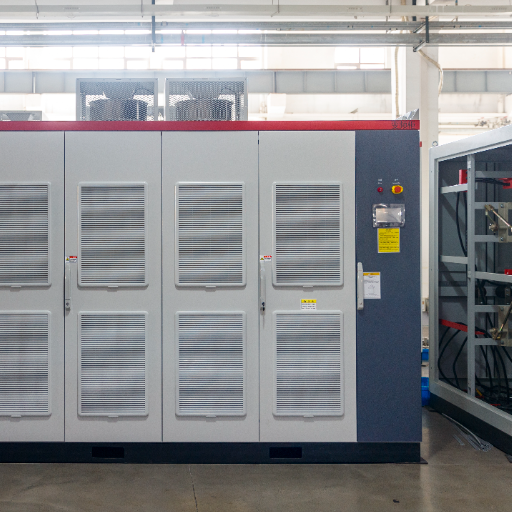
The high voltage frequency converter functions as a power control device which enables electric motor speed control and torque management by changing both frequency and voltage of the electrical power supply. These units are designed to operate with motors that have voltage ratings of 3 kV 6 kV 10 kV and higher instead of standard low-voltage drives which operate between 230 V and 480 V. Power ratings usually start around 200 kW and can extend past 72 MW for the largest installations.
Multiple terms exist for the same equipment category which you will encounter in your research. The terms medium voltage VFD high voltage VFD MV drive and high voltage inverter all describe similar products which share common features. The exact label depends on regional standards and manufacturer conventions.
Per the IEC 61800 standard, the industrial drive world divides voltage classes like this:
- Low Voltage (LV): Up to 1,000 V AC
- Medium Voltage (MV): Above 1,000 V AC up to 36 kV AC
- High Voltage (HV): In utility terms, this starts well above 69 kV, but in the drive industry, “high voltage” often simply means the upper end of the medium voltage range (10 kV and above)
Common industrial voltage levels for these drives include 3.3 kV, 4.16 kV, 6 kV, 6.6 kV, 10 kV, and 11 kV. The right choice depends on your motor rating, facility infrastructure, and regional electrical standards.
For a deeper technical breakdown of medium voltage VFD standards, see our medium voltage VFD guide.
How High Voltage Frequency Converters Work
Every modern high voltage frequency converter follows the same basic principle: AC to DC to AC. The device takes fixed-frequency grid power, converts it to direct current, and then inverts it back to alternating current at a controlled frequency and voltage. The drive system achieves motor speed control through output frequency adjustments. The system regulates motor magnetic flux by changing output voltage.
The Three Stages
1. Rectification
The incoming AC power passes through a rectifier stage that converts it to DC. In high-power applications, this is typically a multi-pulse diode bridge or an active front-end using semiconductor switches.
2. DC Link
Capacitors and inductors smooth the DC voltage into a stable bus. This intermediate stage acts as an energy reservoir that feeds the inverter.
3. Inversion
The inverter stage uses power semiconductors, usually IGBTs or IGCTs, to switch the DC power back into AC with precisely controlled frequency and voltage. Pulse Width Modulation (PWM) shapes the output waveform so the motor sees a smooth sine wave.
Why Multilevel Topologies Matter
The simple two-level inverter functions correctly with low-voltage drives. The system requires a single switch which must withstand the complete DC bus voltage when operating at voltages exceeding 1000 volts. The situation results in severe electrical pressure and substandard harmonic behavior and elevated levels of electromagnetic interference.
The high voltage frequency converters need to implement multilevel inverter topologies because of this requirement. The designs produce multiple voltage steps instead of operating with two voltage levels. The system generates reduced stress for its switches which results in decreased harmonic distortion and produces an improved output waveform.
The three most common topologies are:
- Cascaded H-Bridge (CHB): Uses a series of modular H-bridge cells, each with its own isolated DC source. This is highly scalable, so you simply add more cells to reach higher voltages. It produces a very clean sine wave and offers built-in redundancy.
- Neutral-Point Clamped (NPC): Uses clamping diodes to tie internal voltage levels to the output. This is the dominant topology in many medium voltage drives from 2.3 kV to about 6.6 kV.
- High-Low-High: Steps the medium voltage down to low voltage, runs a standard LV drive, and steps the voltage back up. It avoids complex multilevel design but requires two transformers and sacrifices some efficiency.
For a deeper technical comparison of multilevel designs, read our detailed guide to cascaded H-bridge multilevel topology
Liu Wei, a project engineer at a cement plant in Shandong, faced a topology decision in 2024. The facility required control over its 3,500 kW kiln fan which operated at 10 kV. The local grid maintained stability but the organization banned all operational interruptions. His team selected the cascaded H-bridge design because its modular cells allowed the system to continue functioning even when one cell experienced failure. A year later, a single cell did fail during peak season. The drive continued operating at reduced capacity until the scheduled maintenance window, saving an estimated 80,000 in lost production.
If you want a deeper technical breakdown of how AC-DC-AC conversion scales for high voltage systems, see our detailed guide on how frequency converters work.
Low Voltage vs Medium Voltage VFD: Which Should You Choose?
Not every large motor needs a medium voltage drive. But not every motor below 1,000 horsepower should stay low voltage either. The decision depends on total installed cost, not just the drive price tag.
The Horsepower Breakpoints
As a rough rule of thumb:
- 500 HP and below: Almost always low voltage
- 1,000 HP and above: Almost always medium voltage
- 500 to 1,000 HP: The gray zone where either option can make sense
In that middle range, the right choice comes down to installation constraints, cable costs, and your facility’s existing power distribution.
Upfront Cost vs. Total Installed Cost
The low voltage VFD itself is almost always cheaper than the medium voltage equivalent. But the drive is only one part of the system. A large LV installation may need:
- An external step-down transformer
- Very thick, expensive cables to carry high current
- Additional harmonic filters
- Larger electrical rooms to accommodate everything
A medium voltage VFD typically includes an incoming isolation transformer and runs at much lower current. For example, a 1,200 HP motor at 480 V draws roughly 1,500 A. The same motor at 4,160 V draws about 150 A. That is a 10x difference in current, which means dramatically smaller cables and lower installation labor.
Total cost of ownership often favors MV in the 500 to 1,000 HP range when cable runs are long or when the facility already has medium voltage distribution.
Power Quality and Efficiency
The harmonic limits defined by IEEE 519 standards are normally achieved by medium voltage drives that use multi-pulse rectifiers (12-pulse, 18-pulse, or 24-pulse) together with active front ends because they do not require additional filtering systems. The majority of contemporary systems achieve a power factor greater than 0.96 which leads to decreased utility demand charges.
Low voltage drives can match this performance, but it often requires extra equipment. If your site has strict power quality requirements, the MV route may actually be simpler.
Reliability and Maintenance
Medium voltage drives are built with larger components, more robust enclosures, and longer service intervals. Many manufacturers report higher mean time between failures (MTBF) for MV drives compared to LV units in heavy-duty applications.
The trade-off is that MV drives require specialized technicians for maintenance. In regions where LV drive technicians are plentiful but MV expertise is scarce, this can affect your decision.
For a deeper technical breakdown of low voltage vs medium voltage VFD standards, see our guide on how to choose the right drive for your application.
Industrial Applications of High Voltage Frequency Converters
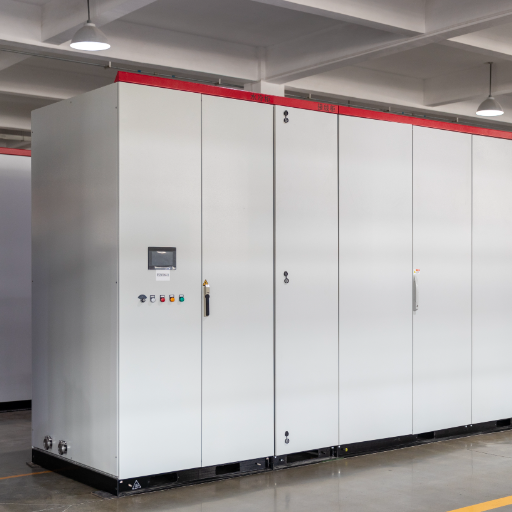
High voltage frequency converters are the workhorses of heavy industry. Any application with a large motor that does not need to run at full speed, 100 percent of the time, is a candidate for energy savings and improved process control.
Mining and Quarrying
Underground and surface mining operations use high voltage drives for:
- Belt conveyors and transfer machines
- Crushers, grinding mills, and ball mills
- Mine hoists and winding gear
- Ventilation fans and slurry pumps
In coal mines, explosion-proof frequency converters are often mandatory. These units carry Ex d or Ex i ratings and comply with GB 3836 and IEC 60079 standards for hazardous environments. Soft-start capability is especially valuable here because it eliminates the mechanical shock that can damage shafts, couplings, and gearboxes.
Oil and Gas
Upstream, midstream, and downstream facilities all benefit from MV drives:
- Electric submersible pumps (ESP)
- Water injection pumps
- Pipeline booster pumps
- Gas compressors and LNG refrigeration systems
A notable case comes from the Congo N’Kossa offshore LPG vessel. Two 1,650 kVA static frequency converters were installed to convert power between 50 Hz and 60 Hz. This allowed the vessel to draw electricity from the production platform instead of running onboard diesel generators, cutting fuel consumption and maintenance.
For a comprehensive breakdown of high-voltage frequency converter applications in oil and gas operations, including selection criteria and return on investment analysis, see our dedicated industry guide.
Power Generation
Thermal and combined-cycle power plants use high voltage drives to replace inefficient mechanical flow controls:
- Induced draft (ID) and forced draft (FD) fans
- Boiler feedwater pumps
- Condensate extraction pumps
- Circulating water pumps
Before variable speed drives, plants controlled airflow with inlet vanes or dampers. These devices throttle the flow but leave the motor running at full speed and full power. A high voltage frequency converter matches motor speed to actual demand. The energy savings are immediate, and the mechanical wear on valves and dampers disappears.
In 2023, a coal-fired plant in Indonesia retrofitted four ID fans with 6.6 kV drives. Each fan previously ran at fixed speed with damper control. After the retrofit, the plant recorded a 34 percent reduction in fan energy consumption and a noticeable drop in bearing temperature. Maintenance crews also reported far fewer damper repairs.
Water and Wastewater
Municipal and industrial water systems use MV drives for:
- Clean water pumps and pressure pumps
- Sewage and effluent pumps
- Aerators and blowers
- Cooling tower fans
Variable flow demand makes these applications ideal for VFDs. Instead of cycling pumps on and off or throttling with valves, the drive adjusts speed to match real-time demand. This reduces water hammer, extends pump life, and keeps energy bills under control.
Metals, Cement, and Pulp and Paper
Other heavy industries use high voltage frequency converters for:
- Sintering fans and blast furnace blowers
- Kiln drives and coal mill fans
- Refiners, chippers, and Yankee dryers
- Roller presses and extruders
The common thread across all these applications is simple: if the load varies, a drive saves energy. If the process requires precise speed or torque control, a drive improves quality. If the motor is large, medium or high voltage is usually the most practical electrical choice.
For a deeper technical breakdown of high voltage VFD application standards, see ourhigh voltage VFD applications guide.
Power Quality, Harmonics, and Safety Compliance
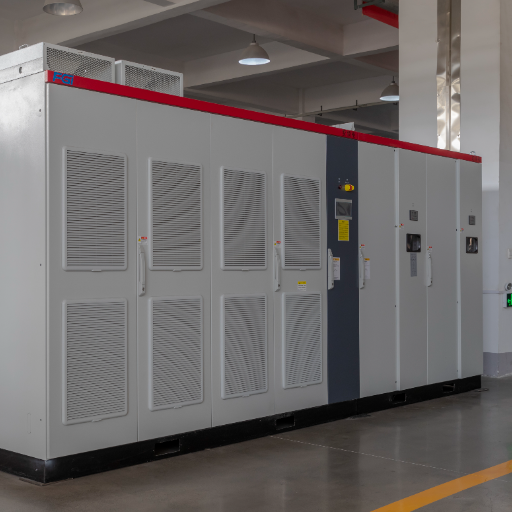
High voltage frequency converters affect the electrical grid around them. That is not necessarily a problem, but it does mean buyers need to understand harmonics, power factor, and safety certifications.
Harmonics and IEEE 519
Variable frequency drives draw currents by way of pulsed current flow, and these pulses give rise to harmonic distortion. Many installations, where its harmonics may interfere with nearby equipment and cause transformers to overheat.
The IEEE 519 standard provides recommendations on harmonic current injection and voltage distortion that must be followed at the point of common coupling. Most modern medium voltage drives can be designed to meet these IEEE 519 limits by meeting any one or a multitude of mitigation solutions:
- Multi-pulse rectifiers, specifically, 12-pulse, 18-pulse, or 24-pulse, cancel individual harmonic orders.
- Active Frontend AFE: This method involves the use of active pulse-width modulation to shape the current waveform of the system, so as sinusoids are made available for the motor, with THD often dropping below 5%.
- passive filters: Can be added externally when an existing drive has to be retrofitted in order to comply with the harmonics limit.
IEC 61800-4 and Drive Safety
The standard IEC 61800-4 establishes precise requirements for adjustable speed electrical power drive systems which operate at medium and high voltage levels. The standard provides solutions for insulation coordination and overvoltage protection together with electromagnetic compatibility (EMC) requirements.
When evaluating a manufacturer, confirm that their drives are tested and certified to the relevant IEC standards for your voltage class and application.
For a thorough technical breakdown of medium voltage drive power quality challenges, encompassing harmonic mitigation techniques and relevant industry standards, see our comprehensive power quality guide.
Explosion-Proof and Hazardous Environment Ratings
Mining, oil and gas, and chemical facilities often operate in hazardous atminespheres where flammable gases or dust are present. In these environments, frequency converters must carry appropriate protection ratings:
- Ex d: Flameproof enclosure
- Ex e: Increased safety
- Ex i: Intrinsic safety
- Ex p: Pressurized enclosure
Chinese domestic standards (GB 3836) and international standards (IEC 60079) define the testing and certification requirements. You must check the explosion-proof ratings from the drive manufacturer to confirm their match with your facility’s specific zone classification.For hazardous area certification details, see our explosion-proof frequency converter guide.
How to Choose a High Voltage Frequency Converter Manufacturer
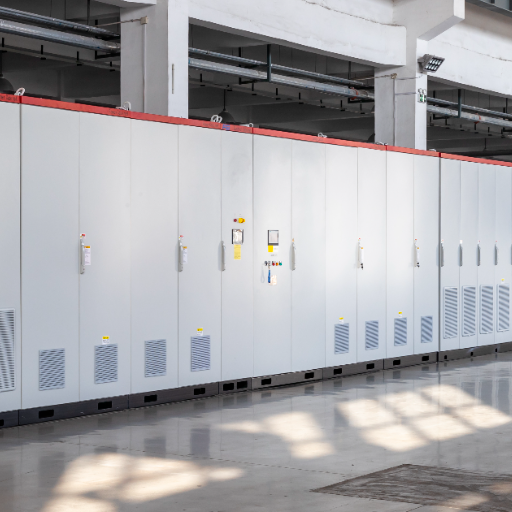
Selecting the right supplier is about more than comparing price lists. A high voltage frequency converter is a long-term capital investment, and the manufacturer you choose will influence your operating costs for the next 15 to 20 years.
Certifications to Verify
At minimum, look for:
- ISO 9001 quality management certification
- Relevant IEC or IEEE compliance for the drive design
- CE marking if the equipment will be used in Europe
- Explosion-proof certifications (GB 3836, IEC 60079) for hazardous environments
- National or regional electrical safety approvals for your target market
Technical Capabilities
Not every manufacturer can produce a reliable 10 kV drive. Ask about:
- Topology expertise: Do they design cascaded H-bridge, NPC, or both?
- Customization: Can they adapt voltage, frequency, control logic, and communication protocols to your project?
- Communication interfaces: Modbus, Profibus, Ethernet/IP, and other industrial networks
- Service network: Where are their spare parts stocked? How quickly can a technician reach your site?
Total Cost of Ownership
The purchase price is only part of the equation. Evaluate:
- Efficiency at your expected operating point (not just at full load)
- Cooling system requirements and maintenance intervals
- Expected spare parts consumption over 10 years
- Availability of technical training for your maintenance team
The FD5000 Series developed by Shandong Electric provides power solutions between 200 kW and 12000 kW at 6.6 kV through its advanced vector control and synchronous switching and strong grid compatibility features. The company develops standard medium voltage drive solutions for export markets and shows its strength through its development of Chinese medium voltage drive standards and its collection of more than 350 patents.
For an in-depth evaluation of high-voltage frequency converter manufacturers and actionable strategies to assess potential suppliers, refer to our comprehensive procurement guide.
FAQ: High Voltage Frequency Converters
What is the difference between a VFD and a frequency converter?
There are two terms that are often used in the industrial realm; variable frequency drive (VFD) is very distinctly the term used by control engineers when referring to motor speed controllers. Frequency converter is a term used in a device sense to describe static devices that change line frequency from one value to another without involving motor operation. These terms have been used interchangeably by a large majority of buyers in their normal course of business.
What voltage is considered medium voltage for drives?
IEC 61800 classifies medium voltage for drives as anything over 1,000 Volts AC up to 36 kV AC. Medium voltage drives are typically found in common industrial usage at 3.3 kV, 4.16 kV, 6 kV, 6.6 kV, and 10 kV.
Can a VFD work with any high voltage motor?
The drive requires matching all three motor specifications because its voltage and current and power factor ratings are essential for operation. The motor must also be compatible with the drive’s output waveform and switching frequency. Existing motor insulation needs to undergo testing because it determines voltage insulation capacity during retrofit projects. Older motors may need rewinding or additional filters.
How much energy can a medium voltage VFD save?
In the case of variable torque applications like fans and pumps, optimal energy savings would be within the bracket of about 30 to 60 percent after upgrading to variable speed control by replacing valves or dampers for throttling. The figure needs to be adjusted based on the user’s load profile, hours of use, and the savings of the old innocent fixed-speed system.
What is a cascaded H-bridge inverter?
A cascaded H-bridge (CHB) inverter is a multilevel topology where numerous H-bridge power cells are series-connected. The cells are derived from individual isolated DC sources. The stepped waveform, formed by superimposing voltages of individual units, closely mimic the pure sine wave. CHB designs offer benefit of scalability, multiple modularity, and redundancy protection.
Are explosion-proof VFDs required in mines?
Your query was positive in most legal fields. The underground mines of coal and used for a stage of coal extraction are rather hazardous places concerning methane and coal dust constituents. Explosion-proof branding for frequency converters in dangerous areas is guided by Ex d and Ex i while following GB 3836 and IEC 60079 standards.
How do you reduce harmonics from an MV drive?
The most effective methods are using a multi-pulse rectifier (12-pulse, 18-pulse, or 24-pulse), an active front end, or adding passive harmonic filters. Modern medium voltage drives are often designed to meet IEEE 519 limits without external filters.
Conclusion
High voltage frequency converters are not just upsized versions of low-voltage drives. They are purpose-built systems that solve a specific set of problems: how to control large motors efficiently, reliably, and cost-effectively.
For a detailed technical exploration of high-voltage frequency converter integration in power generation systems, covering application specifics and grid connection requirements, check our specialized handbook.
Here are the key takeaways from this guide:
- High voltage frequency converters are used to handle motor voltages exceeding 1 kV, typically from 200 kW to 72 MW and even more.
- Using multilevel inverter topologies such as cascaded H-bridge and NPC helps manage high voltage without excessive stress on individual components.
- What should matter is deciding between low voltage and medium voltage based on the total installed cost, not just the drive price. It is often that cable, transformer, and filter costs ultimately decide the choice for the user.
- Applications for these drives run from mining and oil and gas to power generation and water treatment where the value is for energy savings, process control, and equipment protection.
- Product quality and compliance with safety regulations matter a lot. Look for IEEE 519 compliance, IEC 61800-4 compliance, and any explosion-proof certifications before attempting to purchase.
- The corporations doing business in the market should also look at the prestige of the drives manufacturer, mainly concerning certifications, tech capabilities, service network points, and total cost of ownership, not just the immediate price tag.
The right high voltage frequency converter system will decrease energy expenses and decrease maintenance requirements while increasing the operational lifespan of equipment at your facility whether you are updating your current facility or designing your new project. The key is matching the drive to your actual application and working with a supplier who understands both the engineering and the business side of the decision.
