
In the aviation and military industries, electricity is of extreme importance and efficiency. Here, special applications are required. Military and Aerospace Electrical Systems typically use 400Hz power because it is more technologically advanced and more compact and more potent in this case. This will address the importance of 400Hz power systems, their development issues, and how they are able to satisfy the requirements of contemporary transport and military operations. This article will be useful to specialists, employees of defense enterprises, and in case you are interested in civil or military aviation to enable understanding why the use of 400 Hz power is inevitable in the industry. In addition the dynamics of changes in the area of 400 Hz power and the forces that contribute to its evolution will also be considered.
Introduction to 400Hz Power Systems
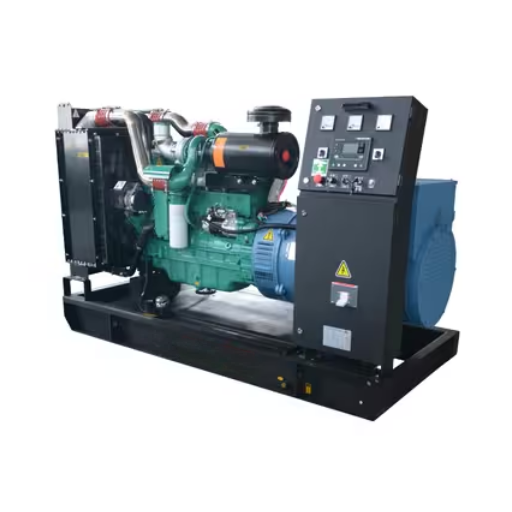
Ideal for weight and space saving, 400Hz systems are used mainly in high performance fields where restrictive and challenging conditions apply for example military aviation and industrial projects. These systems run on a 400kVA cycle per second which is safe enough to power the required systems without overloading them and requiring huge transformational power. An arguable advantage is the possibility of lower iron loss at such a frequency, thus giving an opportunity to make the entire system less industrial and more airborne or naval. 400Hz power can be still considered a must for almost all aviation and/or military equipment thanks to the operational effectiveness and cost efficiency it offers.
Key Advantages of 400Hz Over 50Hz/60Hz Systems
Aside from size and weight reduction of transformers and other electromechanical elements, 400Hz systems also have another major advantage – the improved performance and efficiency of these systems. It is well-known that the frequency increase in these devices results in use of less core material due to changing of the magnetic flux in lesser time. This decrease in materials is especially beneficial when designing systems such as 400Hz that are used within the aviation and naval departments that require weight and space saving measures.
At the same time, it makes particular sense to enhance the efficiency of 400Hz network-based installations in such systems because of their particular structures serving high performance requirements. A great example are 400Hz systems applied in aircraft and military equipment onboard where very often the small and lightweight generators and motors available work effectively. One of the reasons as to why this standard has been kept in place is the existence of power systems that are used for other systems and for purpose well defined applications such as navigational aids, and other most sensitive target areas.
The last reason why in engineering one has to use 400Hz frequency is the standards applied by different sectors though only a few will be mentioned here include the aerospace or military. Doing so is very beneficial as it promotes the compatibility of systems in literally all infrastructure levels regardless of their design features and serves as a security enhancement measure as it reduces the systems’ dependence on maintenance, especially in unfriendly environments. In relation to this, it is clear that 400Hz is more than preferred for special applications as compared to the common frequencies of 50Hz or 60Hz.
| Feature | 50 / 60 Hz | 400 Hz |
|---|---|---|
| Transformer Size | Large | Compact |
| Iron Core Material Required | High | Significantly Reduced |
| Weight | Heavier | Lighter |
| Suitability for Aviation | Limited | Preferred Standard |
| Military Compliance | General Use | MIL-STD Compliant |
| Power Density | Standard | High |
Overview of Industries and Systems Relying on 400Hz Power
For purposes of industries and systems where weight, size and efficiency factors must be considered prior to installation, 400Hz Electricity remains the preference for power systems users. In regard to 400Hz, one of the biggest beneficiaries in the 400Hz electrical systems is the aerospace whereby all modern aircrafts — both military and civil — are electric powered to power such systems as avionics, communication, navigation as well as in flight entertainment. The presence of higher frequency results in the use of smaller transformers and motors; in the aviation sector however, every kilo count adds to the excessive fuel consumption and thereby lowers the overall efficiency and effectiveness.
400 Hz power is heavily used in the defense field with its advanced military hardware and vehicles, ranging up to 400 Hz. Within operation and turret weapon systems onboard the ships and ground-based radar sets as well, it can adapt in empowering the high-end communications and tracking facilities. Also, the significance of the 400 Hz power distribution units increases at airports where various kinds of ground power units (GPUs) are in operation. These units are used for supplying power needed for aircraft operations during maintenance checks or staying at gates to ensure that the loads are powered without the use of on board fuel.
400Hz Frequency Converters Applications Across Industries
The avionic equipments cannot function without the 400Hz frequency generated by frequency converter. In civil aviation, frequency conversion is an innovative method used to ensure that avionics, in-flight entertainment as well as many onboard systems function properly by distributing clean power supplied from a generator. The rule applies to the system with 400Hz power supplies where 50Hz and 60Hz frequency units operational in aviation facilities are conspicuously absent. Ground power sources of 400Hz are supplied by a ground-based generator and are necessary for the regulation of power delay and preferable operation during the standstill of the aircraft.
Frequency converters operating at 400 Hz are critical for the military in order to drive sophisticated electronic equipment employed for the operation of radars, communication systems and arms. In military applications for the soldiers on the move, power sources are most of the time very rugged, reliable and compact, thus designing appropriate converting systems are relevant in surviving and fulfilling operations in extreme locations such as desert or remote forest. High frequency voltage is ideal so as to enable information systems as described above, to be encased in equipment which is light in weight and small in size; thus it can be beneficially used in submarines, aircraft carriers, as well as field deployments.
The Role of 400Hz Frequency Converters in Aviation
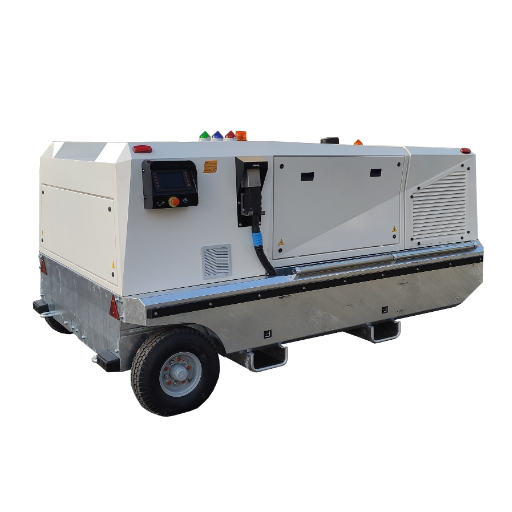
400Hz frequency converters are flying high in aviation, as they come in handy by powering up the systems of the aircraft in a very steady and continuous manner. At present-day aircraft, using 400Hz power distribution is common due to the fact that it does help to minimize the size and weight of all electrical components like transformers and motors. This way, it ensures better consumption of the flowing power and ultimately results into reduction of the aircraft’s weight. In addition to these, the said frequency converters are positioned in order to avoid further operation of the avionics, navigation and communication components of the airliners in the absence of a constant power source. It is important to mention that they are considered as some of the crucial components of the system and, therefore, they need to be operated properly for the safety of the aircraft as well as for its overall performance.
How 400Hz Converters Optimize Aircraft Ground Power Units (GPUs)
400Hz converters are an important component that is effectively integrated into the aircraft ground power units to aid in efficiency. Such conversions are more aligned to avionics as they adopt and meet the 400Hz electrical frequency which is widely accepted in aerospace. By converting the normal frequency powers such as 50 and 60 Hz to the 400Hz required output for example as used in the aircraft during its ground operations, the necessity of auxiliary power units (APUs) is taken off, which mean fuel consumption is reduced as well as the noise and the volume of emissions at the airport.
Intelligent air-to-ground power supply systems or 400Hz converters using latest power transformation technology have both useful automatic voltage control and ensure a constant load frequency for the electronic avionics and other equipment on board. These transformer stations also contain inverter units that have a higher level of energy imperative for them that decreases significant control losses, and is strong and stable electrical power supply even during sudden changes in the load. A lot of systems are also available with almost plug-in components to expand airport’s scope of operations. These facilities allow for more dependability, reduced periods of repair, and elimination of energy utilization and production of less greenhouse gases on the ground.
Benefits for Avionics, Navigation, and Maintenance Systems
Power plays an important role in aircraft electronics, navigation, and maintenance at the airports. In this aspect, maintenance of avionics requires a stable and sufficiently powered electrical source for the flight critical instruments to be operational and fly safely in adverse conditions arising from electrical disturbances. Navigation aids as also indicated are more precise and reliable as the enhancement in power authorities help to control errors in data communication and aid in the interface between the tower and the airplane. It measures whether improved facilities support air navigation and how these relate to aircrafts and the air traffic management systems. In addition, maintenance systems exploit the benefits of the modular power system by enabling predictive diagnostics which minimizes downtime of equipment. By integrating these systems the overall operating effectiveness as well as cost reduction and increased measures of safety can be achieved in airport operations.
Case Studies: Airports and Airlines Using 400Hz Systems
Case Study 01
Amsterdam Schiphol International Airport
The authorities in Amsterdam responsible for operations at the Schiphol international airport have put in place 400Hz ground power systems which are making the airplanes spend less time with their engines running while they are situated at the gate. Doing so complements other corrective measures being implemented at the airport for climate change control such as emission control so as to meet the airport’s goal of carbon neutrality. The 400Hz system is fully customized for each parking gate such that all airplane models can be adequately powered during their reconfiguration. In regard to operational usage of the APU, Schiphol achieves a resource-saving environmental effect as a consequence of investment into expensive aircraft systems’ components that are supplied by such a system.
Case Study 02
Singapore Changi Airport
The 400Hz technology has been well combined with several advanced automated systems at the Singapore Changi Airport. This helps to protect the airport against any risk as the electrical installations have been designed to supply electricity to the different aircraft types that may be in contact with the airport. Due to the fact that an advanced energy management system is setup, operators are able to not only analyze data related to energy use but quickly identify and correct possible malfunctions of the electrical network. All this has brought about reduced turnaround times and increased electrical energy utilization; two crucial processes that contribute greatly to Changi’s established position of priding itself in successful operational performance.
Military Applications of 400Hz Power Solutions
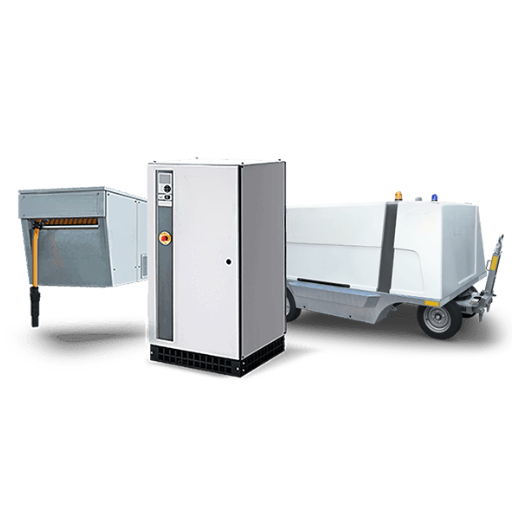
The military depends a lot on 400Hz power solutions due to the necessity of an efficient and dependable power supply. This equipment is mainly used in the spheres of aviation, marine, and modern communication means. They have proved especially helpful even in the case of heavy military vehicles such as fighters and warships resting on their main differences with the conventional power system being, that they work much better and are more simplified to the consumer as well as are more space-saving. One of the benefits of 400Hz systems is that it has a higher power density in exchange for a higher frequency of the current which allows for more compact equipment to be produced increasing the overall effectiveness of the system. 400Hz voltage levels, by offering the right, stable and controlled energy, help with military operability of advanced military facilities operating units as well as other mission specific commitments.
Importance of 400Hz in Mobile Command Units, Radar Systems, and Naval Platforms
400 Hz electrical systems are indispensable in the establishment of mobile command, radar, and naval platforms, due to their support of complex and energy-consuming structures. Such kind of power systems for mobile command units is also important since they should be lightweight and not require a lot of time to be set up. The suitability of 400Hz for mobile systems with all their variations, owing to its frequency, is such that the transformers and any other such electrical components used can be made as small as possible. The frequency makes the supply unnecessarily limited, hence mobile systems are more practical and reliable.
For radar systems, 400Hz is beneficial as it offers the required rigidity for targeted signal evaluation and identification is the most vital. Doppler radar systems can only function properly with a smooth, uninterrupted source of energy under all challenging operating conditions (including high vibration). With this higher-frequency power, the dimension of the equipment can grow smaller thus allowing optimization of the size of the radar components for increased efficiency while at the same time increasing the output.
There are very strong advantages and boundaries limiting the use of naval platforms exerted by the presence of 400Hz systems. It is in such situations that the systems find their main use in the advanced communications, navigation and combat equipment in the ship. In both cases, the volume occupied by the electrical infrastructure, the weight and the power density are the localized places of least techno-economical comfort.
Compliance with Military Standards
| Standard | Focus Area | Key Requirement |
|---|---|---|
| MIL-STD-810G | Environmental Engineering | 29 tests covering temperature, vibration, water damage, and shock resistance |
| MIL-STD-461F | Electromagnetic Compatibility | Limits electromagnetic interference (EMI) emission and susceptibility |
| MIL-STD-704 | Aircraft Electric Power | Specifies electrical power characteristics for aircraft utilization equipment |
In such spheres of active applications as military air and sea, 400Hz systems have strict quality standards that are derived from the worldwide accepted military standards therefore preventing nuisance problem arising due to reliability and safety failures. There is a famous military standard known as the MIL-STD-810G that contains a total of 29 tests that must be conducted by means of equipment under various conditions like temperature, temperature shocks, vibration, water damage, and shock. These tests establish that the unit will function as intended in various environments, including cases where it has to be deployed on Navy ships or use in high altitudes to counter physical threats for example.
On the contrary, in adhering to MIL-STD-461F, it is apparent that electronic devices as well as other intricate technological units for example subsystems, are not only free from but not emitting any electromagnetic interference (EMI) above a predetermined limit. This is crucial to every deployed system’s operational ability to the value of communication and soldiered systems. It is absolutely possible and easy to reach these high goals due to the constantly improved 400 Hz power technology that concentrates on performance. Military equipment remains combat effective and capable of accomplishing its duty of ensuring security of every defense operation.
Examples of Military-Grade 400Hz Converters and Their Features
- 01
Static Frequency Converters
Alternating systems which produces 400 Hz are practically more popular as compared to other designs for the reason that they are robust and require minimal service. These systems deploy state-of-the-art electronic devices in providing the most accurate voltage and frequency level which is essential to sensitive equipments such as radar and avionic communication equipment. Such systems are distinguished by a large operating effectiveness, simple functional design and the capability to sustain severe environmental factors.
- 02
Mobile Power Units
400Hz Mobile power converters are constructed by considering vakis which regard portability and increase in strength. Therefore, such converters are predominantly frequently utilized in field operations. Such applications might have rugged cases, however enclosed might have an advanced cooling system and alarm security system which is highly recommended. They have been made in such a way that they can be to a large extent easily deployed, such durability being crucial to mission success.
- 03
Customizable High-Power Converters
Advanced 400Hz converters used in military applications are considered as high-power capacities required in the military. Such converters are usually designed on modular concepts and as such it is possible to easily expand them in order to cater for large-scale operations. These converters will include faulting devices and will be able to be operated at a distance as defined in the design and operational standards like MIL-STD-704 and MIL-STD-461.
Environmental and Operational Benefits of 400Hz Systems
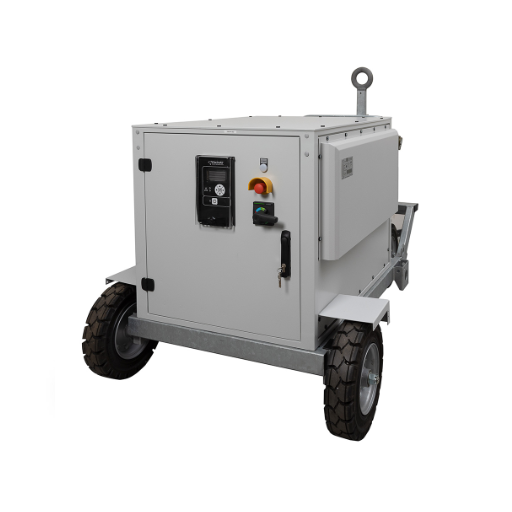
The system running at a frequency of 400Hz plays an important role for the sustainability of the environment and the operation of a number of engineering solutions generally, but mostly for the aerospace and military sector. This is owing to the low mass of the components that can save fuel and reduce emissions when used in aircraft helping to meet the objectives of clean technology. In addition to that, 400 Hz power supply helps in the achievement of high performance and securing the operation of the main onboard systems which are avionics and communication. Also, these systems focus on providing high efficiency and are dedicated to efficient energy utilization with positive performance maintenance, thus ensuring the presence of the system, as per the installation requirements, without any interference or reduced functioning.
Reduction in Fuel Consumption and Emissions
The use of a 400Hz power system offers substantial benefits in aerospace technologies aimed at reducing fuel burn and CO2 emissions. This enables consistent, high powered and highly efficient ground-connected power which on ground eliminates the need for onboard aircraft APU power while other operations are being conducted. Auxiliary power units (APUs) powered by jet fuel are used to supply electricity to aircraft when they are on the ground and are the single largest energy consumer and generator of greenhouse gases. Furthermore, research has demonstrated that when at standstill, the use of 400Hz power decreased the amount of fuel usage up to 85% in aircrafts, thus reducing the amount of carbon dioxide (CO2) released from the soil air.
In addition, power generation improvements that have been made to the 400Hz class assume other solutions such as energy-efficient converters already there incorporating clean sources of energy. This transition not only enables to comply with emission targets in major aviation markets, for example, those set up by the International Civil Aviation Organization (ICAO) but also goes in line with the green objectives of the entire world of minimizing the environmental impacts of the supportive activities in the aviation sector.
Lower Maintenance Costs for Auxiliary Power Units (APUs)
The implementation of 400Hz systems serves as a recession policy for the industry. It helps to lessen the costs of maintaining auxiliary power units (APUs) used in aviation as well as in other fields. The servicing of grounded aircraft or equipment is defined as direct connection of operating power to them rather than starting an APU, which is extremely noisy and repair-prone during such activities like pushback and others on the ground. Such an abstinence strategy minimises the wearing on the APUs and elongates the period between the necessity of their service and overhauls.
In the realm of power electronics and artificial intelligence, the recent strides have caused many systems to enhance their functional structures in the absence of new technologies, for example in placing greater demands on precision voltage setting and intelligent detection capabilities. This leads to the actual value in the form of real-time monitoring provided by the new features, which facilitates the implementation of preventive maintenance in order to avoid downtime and excessive expenses. Furthermore, the need for APU engines for generating power in airports during periods of inactivity is reduced and in this way fuel is achieved from excessive consumption during idle time which is one of the significant cost elements in the airlines sector.
Noise Reduction and Operational Efficiency
A 400Hz power system has been a great capacity to noise and it happens to be even more so in the airports. Auxiliary power units (APUs) and ground power units (GPUs) have usually been known to make a lot of noise while in use, negatively affecting those working in such areas as well as the local residents. Nevertheless, due to the presence of a centralized 400Hz system, it is possible for an aircraft to be supplied with power without interference due to the noisy components. The development of new technologies has also seen the improvement of the conversion energy sectors, where the former 60 Hz system has since been replaced by the 400 Hz system to eliminate unwanted noise.
Another crucial benefit of using the 400Hz technical standards is operating efficiency. The power systems have characterized that they are build in view of compliance to correctly support the electrical load demand requirements of the modern aircraft through, which helps in energy management in preparation for, and during maintenance and before departure. This reduces the constraints on the energy facilities and therefore decreases costs and also improves the environment through the use of less fuel. Moreover, the operator’s ability to oversee the safety and security of energy supply and to minimize losses away from generation leads to effective allocation of energy. For these and other reasons, the 400Hz system has emerged as quite an important facility in the structural flows of present day aviation services.
Choosing the Right 400Hz Frequency Converter for Your Needs
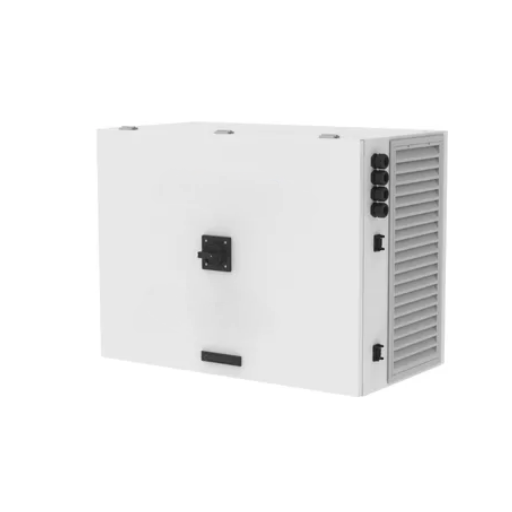
In order to choose a 400Hz power converter, certain considerations must be held in high regard to ensure that the system will be compatible as well as efficient and reliable with their operation:
- 1
Power Capacity
Determine the maximum amount of power output that is required by your machines by taking the available power capacity into account. Miscalculation of your power usage may result in either wasted energy or unmet power requirements. - 2
Input Voltage Compatibility
Beware of the voltage of the emery that the converter can work with in order to avoid incompatibilities at the point of installation and during the operation. - 3
Efficiency
It is best if high converter efficiency and good quality rating are obtained because it will enable reducing the operation costs and also the actual usage of energy thus encouraging practices that are more friendly to the environment. - 4
Durability and Build Quality
One should select a converter that the design and build are able to withstand aggressive operating environment such as high temperature or vibration wherever it is installed. - 5
Regulatory Compliance
Check that all required industry certificates and approvals are available in order to safely operate in aviation or other applications which are regulated. - 6
Ease of Maintenance
It is good to find a design which most maintenance activities are simple to carry out or that there are reliable after sale services that can minimize down time and improve the product performance in the long run.
By adhering to these pertinent elements, firms can invest confidently in a 400Hz frequency converter that is suitable to their operations, offers extended durability and will provide consistent outcomes throughout.
Innovations in Self-Diagnostic Systems and Modular Designs
Recent progress in the area of 400 Hz frequency converter tools has called for better performance, useful solutions, and more efficient usability. Self-testing has already been shifted and bolstered by the use of added intelligence in mind, so that the components of the testing apparatus remain handy and easy to maintain. This self-testing device seamlessly includes not only more innovative sensors but also uses artificial intelligence methods that place forces on the recording of parameters of a system including voltage stability, temperatures and the harmonic distortion induced by the batteries. The technology we are dealing with currently provides a very quick way of assessing problems to the low levels where the problems occur and hence repair services are availed much quicker and the costs are also reduced.
Modular architectures have proved to be another breakthrough in this field because they present flexibility and easy expandability. It became very easy for organizations to upgrade and replace certain elements without adding the whole unit as well as reducing inconveniences in operations. It also aids in building redundancy into systems thereby averting failure in high-affluent markets such as aeronautics, military, and airside services in aircraft industry. These features of the self-diagnostic procedures and shunts are incorporated in 400Hz frequency converters integrated with the modular design which makes them to survive the punishing operating conditions and infirmity thereof.
Innovations in 400Hz Converter Technology
Present-day 400 Hz converters stay ahead by using the latest technologies in power electronics to attain better efficiency and lesser power wastage. Brands like insulated-gate bipolar transistors (IGBTs) and silicon carbide (SiC) chips pave the way to speedier rates as well as lesser temperatures thrown off during heavy-duty mode and less weight. Whereas these developments strengthen the system in general, they are also instrumental in decreasing total harmonic distortion (THD) and in rectification of power factor, equally important when dealing with sensitive installations that must have secure and stable power.
The implementation of modern monitoring tools on 400 Hz aircraft power converters is significantly improving their maintenance steps. With the real-time data and predictive algorithms pertaining to potential failures the systems in place can look into the future and prevent breakdowns from happening. Such system provides health like physiological parameters and element wear, along with the temporal sequence of events, built into the plant, thus yields possibility of its optimal operation and low breakdown rate. It’s about actionable intelligence for the users so that they allocate resources appropriately and keep the company performing on a constant basis.
Reference Sources
-
[1]
“Modeling and Simulation of An Aircraft Electrical Power System”
-
[2]
“An Evaluation of Silicon Carbide Devices for a 100-kW Active Rectifier”
Frequently Asked Questions
What is 400Hz power, and why is it used in aviation and military applications?
400Hz power is a high-frequency AC power system used predominantly by armies and defense forces for its high performance features. This type of current is preferred because it enables the use of smaller and lighter transformers and motors, which are essential in scenarios that require them to be mounted on aircraft or mobile military units. Provided at approximately 400 Hz, this type of current is also suitable for power distribution thus making it perfect for ground power units (GPU) and on board systems as well.
How does 400Hz power improve operational efficiency in aviation?
400 Hz power further alleviates the size and weight constraints of electrical components such as transformers and machines which are critical to weight and therefore fuel and payload restrictions in an airplane. It means it can also be operated at any other international airport without any modification to the equipment or structure of the airplane. This benefit is not limited to aircraft alone; even in the case of ground-based operations, the use of 400Hz GPUs helps in reducing wastage of power as well as maintenance expenditure.
What are the environmental benefits of 400Hz power systems?
400Hz power systems also assist in “offsetting” global warming and climate change by making it unnecessary to use reciprocating generators with additional fuel consumption and noxious emissions especially in airfield services. Maintenance of aircraft is also enhanced because there is no necessity to start any of the APUs for the required functions, thereby reducing noise and enhancing air quality. This is in line with the urgency to embrace environmentally friendly and energy conservative applications in the aviation industry.
What are the key components of a 400Hz frequency converter?
The 400Hz frequency converter consists of a rectifier, inverter and control systems that convert the standard 50 Hz or 60Hz power to 400Hz. Upgraded 400Hz frequency converters are compiled to use solid-state technology systems, systematically engineering self-diagnostics and service mode, and modular designs hence increasing the reliability and minimize the down time. These converters are also found in different forms such as those that are mobile, fixed, and bridge-based to be able to fit in every operational need.
