
An ISO certified frequency converter manufacturer has passed an independent audit of its quality management system. That certification signals documented processes, traceable production, and corrective action protocols.
But it does not guarantee product quality by itself.
For industrial buyers, this distinction matters. A certificate logo on a website looks reassuring. Yet the real value depends on the certificate scope, the issuing registrar, and whether the name on the certificate matches the factory building your converters.
Last year, a procurement manager in Southeast Asia accepted a supplier’s ISO 9001 claim at face value. The certificate covered only sales and distribution. When three 75 kW units failed during commissioning, the supplier had no documented failure analysis, no spare power modules, and no engineering team to call.
The buyer lost six weeks and $14,000 in lost production.
This guide explains what “ISO certified” actually means for a frequency converter manufacturer, which certifications matter beyond ISO 9001, how to verify certificates through official databases, and how to spot red flags before you place an order. For a broader look at supplier evaluation, see our frequency converter manufacturer guide.
Key Takeaways
- An ISO certified frequency converter manufacturer has an audited quality management system, but certificate scope matters more than the logo.
- ISO 9001, CE marking, UL listing, and IEC 61000 each prove different things; no single certificate covers everything.
- Verify certificates through official registrar databases such as IAF CertSearch, SGS, TÜV, Bureau Veritas, or UL Product iQ.
- Check that the company name, certificate scope, and expiration date match the supplier building your products.
- Application-specific projects may also need marine, automotive, hazardous area, or aviation certifications.
What Does “ISO Certified Frequency Converter Manufacturer” Actually Mean?
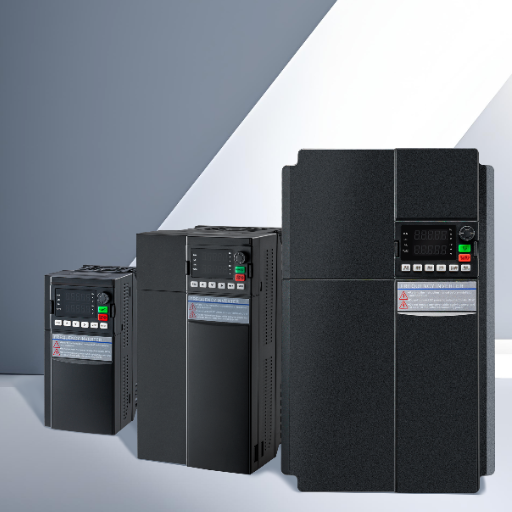
An ISO certified frequency converter manufacturer is a company that has passed an independent audit of its quality management system, usually against ISO 9001. The certificate confirms documented production processes, traceable component inspection, and corrective action protocols. It does not, by itself, guarantee that every individual unit meets every specification.
ISO 9001 Is a Quality Management System, Not a Product Seal
ISO 9001 certifies that a company follows a documented quality management system. For a frequency converter manufacturer, that typically means controlled design changes, incoming component inspection, in-process checks, final testing, and corrective action when something goes wrong.
It does not mean every product meets every specification. A factory can hold ISO 9001 and still ship a poor batch if its processes are not followed.
Think of ISO 9001 as the playbook, not the scoreboard. It tells you the manufacturer has a structured way to manage quality. It does not tell you whether the last shipment was good.
Why Certificate Scope Matters More Than the Logo
Two manufacturers can both display ISO 9001 certificates with very different meanings. One certificate may cover “design, manufacture, and testing of frequency conversion equipment.” Another may cover only “sales and distribution of electrical products.” The second supplier might never touch a soldering iron.
Always request the certificate itself, not just a logo. Look for the scope statement.
If the scope does not include manufacturing, the certificate is not evidence of factory capability.
Common Registrars Buyers Trust
Major certification bodies that issue ISO 9001 certificates include SGS, TÜV Rheinland, TÜV SÜD, Bureau Veritas, Intertek, and DEKRA. These bodies are accredited by national accreditation bodies and recognized through the International Accreditation Forum. A certificate from an unknown or unaccredited body may be difficult to verify and carry little weight with inspectors or end customers.
Essential Certifications for an ISO Certified Frequency Converter Manufacturer
ISO 9001: Baseline Quality Management
ISO 9001 remains the starting point for evaluating any frequency converter manufacturer. For buyers specifically seeking an ISO 9001 frequency converter manufacturer, this certification demonstrates that the company documents processes, trains personnel, maintains records, and reviews performance. For B2B buyers, it reduces the risk of working with a purely informal operation.
However, ISO 9001 alone is not enough. Buyers should also ask for product-level certifications and test reports.
CE Marking: European Market Access
CE marking indicates that a product meets the essential requirements of relevant European directives. For frequency converters, this usually includes the Low Voltage Directive and the EMC Directive. Buyers looking for a CE certified frequency converter manufacturer should request the Declaration of Conformity and supporting test reports.
CE is mandatory for sale in the European Economic Area. It is often self-declared by the manufacturer, so the buyer should request the Declaration of Conformity and supporting test reports.
UL Listing / cUL: North American Safety
UL listing is a third-party safety certification common in the United States and Canada. For power conversion equipment, the relevant standard is often UL 508C. A UL-listed frequency converter manufacturer has products tested by an OSHA-recognized NRTL and is subject to factory follow-up inspections.
UL-listed products have been tested by an OSHA-recognized NRTL and are subject to factory follow-up inspections. Many insurers, inspectors, and industrial buyers require UL listing for North American installations.
IEC 61000 and IEC/EN 61800-3: EMC and Drive Standards
Frequency converters generate harmonics and electrical noise. IEC 61000-6-2 covers immunity in industrial environments, while IEC 61000-6-4 covers emissions.
IEC/EN 61800-3 is the product standard for adjustable speed electrical power drive systems. These standards matter when converters operate near PLCs, sensors, or communication equipment.
RoHS and REACH: Environmental Compliance
RoHS restricts hazardous substances in electrical equipment. REACH addresses chemical registration and restricted substances in the European Union. These are not performance certifications, but they affect market access and are often required in tender documents.
ISO 9001 vs CE vs UL: What Each One Proves
| Certification | What It Covers | What It Does Not Prove |
|---|---|---|
| ISO 9001 | The company’s quality management system | Product performance, safety, or compliance in a specific market |
| CE Marking | Product meets EU directives for safety and EMC | Acceptance in North America, marine, or aviation markets |
| UL Listing | Product safety tested by a third-party NRTL | Quality management system or global acceptance |
| IEC 61000 | EMC immunity and emissions behavior | Mechanical reliability or long-term durability |
| RoHS / REACH | Restricted substance compliance | Electrical performance or safety |
No single mark covers everything. A complete procurement file should include ISO 9001 for the factory, CE or UL for the product, and IEC test reports for EMC behavior. Understanding these frequency converter manufacturer certifications helps buyers ask the right questions and avoid assumptions.
Buyers who skip any layer risk gaps in compliance, safety, or operational reliability.
How to Verify an ISO 9001 Certificate in 5 Steps
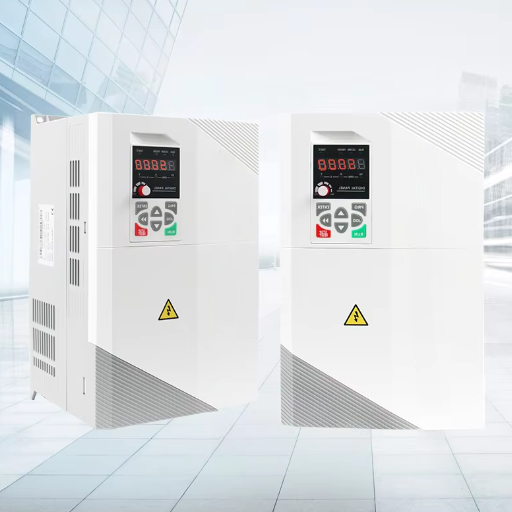
Knowing how to verify an ISO 9001 certificate manufacturer’s details is one of the most important skills in industrial procurement. These five steps protect you from fake or misapplied certifications.
Step 1: Request the Certificate Number and Scope
Ask the manufacturer for a copy of the ISO 9001 certificate. Note the certificate number, the exact company name, the certification body, the issue date, the expiry date, and the scope statement.
If the supplier refuses or delays, treat that as a red flag.
Step 2: Check the Issuing Registrar’s Database
Most major registrars provide online certificate verification. Use the certificate number and company name to search. If the registrar does not have a public database, contact its local office directly.
You can also search IAF CertSearch, a global database for accredited management system certifications.
Step 3: Confirm the Company Name Matches Exactly
The name on the certificate must match the legal entity quoting, invoices, and manufactures your product. Parent companies, subsidiaries, and trading companies are not interchangeable. If the certificate is in a parent company name but the invoice comes from a different entity, ask for clarification in writing.
Step 4: Validate the Certificate Is Current
Check the expiry date and confirm the certificate status is active. Some databases also show whether surveillance audits are up to date. A suspended or withdrawn certificate is a dealbreaker for a critical supplier.
Step 5: Cross-Check the Accreditation Body
Look for an accreditation mark from a recognized national body such as UKAS, ANAB, DAkkS, or CNAS. The accreditation body should be a member of the International Accreditation Forum. An ISO 9001 certificate without recognized accreditation may not be accepted in formal procurement processes.
When Elena, a buyer for an industrial distributor in Germany, vetted a new Chinese supplier, she followed these five steps. The supplier’s certificate was valid, but the scope was limited to trading activities.
She asked for the manufacturing entity’s certificate instead. That small change revealed that the actual factory held ISO 9001 covering design and production. Elena placed the order with the factory directly and avoided a trading company markup.
Red Flags: Fake or Misleading Certificates
Even when a supplier claims to be an ISO certified frequency converter manufacturer, several common tactics can mislead buyers. Learn to spot these red flags before they cost you time and money.
Certificates Issued to Parent Companies or Subsidiaries
A common tactic is to show a certificate held by a large parent group while the actual production happens at an uncertified subsidiary. Always match the certificate name to the factory address and the invoicing company.
Scope That Excludes Manufacturing
If the scope says “sales,” “distribution,” or “trading,” the certificate does not cover production. For a frequency converter manufacturer, the scope should include design, manufacture, assembly, testing, or similar wording.
Expired or Suspended Certificates
Certificates expire and require surveillance audits. Check the status in the registrar database. An expired certificate is worse than no certificate because it suggests the supplier stopped maintaining its quality system.
Fake CE Marks and Unverifiable UL File Numbers
Counterfeit certification marks appear frequently on low-cost marketplace listings. A real CE mark is supported by a Declaration of Conformity and test reports. A real UL listing has a file number that can be verified in the UL Product iQ database. If the supplier cannot provide these documents, assume the mark is not genuine.
Application-Specific Certifications to Ask For
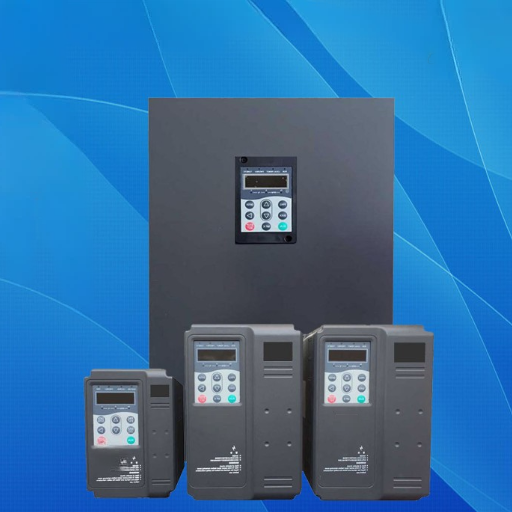
An ISO certified frequency converter manufacturer may hold additional certifications required for specialized environments. Always confirm that the specific certificates match your application, not just the factory’s general quality system.
Marine and Offshore: DNV, Lloyd’s Register, CCS
Converters installed on ships or offshore platforms often require type approval from a classification society. Common approvals include DNV, Lloyd’s Register, Bureau Veritas Marine, and the China Classification Society. These certifications involve environmental testing, vibration resistance, and electromagnetic compatibility beyond standard industrial requirements.
Hazardous Areas: ATEX, IECEx
If the converter will operate where flammable gases or dust are present, it needs ATEX or IECEx certification. These mark the equipment as suitable for explosive atmospheres under the IEC 60079 series. Standard industrial converters are not suitable for these environments without proper certification.
Automotive Supply Chain: IATF 16949
Suppliers to automotive OEMs or tier-one manufacturers often need IATF 16949, a quality management standard for the automotive industry. It is more stringent than ISO 9001 and includes requirements for defect prevention, traceability, and continuous improvement.
Aviation and Military: DO-160, MIL-STD
400 Hz ground power units and aerospace frequency converters may need RTCA DO-160 environmental testing or MIL-STD compliance for military applications. These standards cover altitude, temperature, shock, vibration, and electromagnetic interference far beyond commercial industrial levels.
For a deeper look at how certification needs change with voltage class and application, see our high voltage frequency converter manufacturer guide.
The Real Cost Difference: Certified vs Uncertified Manufacturers
Case Study: Marcus’s VFD Procurement Mistake
Marcus, a procurement director for a packaging equipment OEM, needed 40 VFDs for a new machine line. One Chinese supplier quoted 25% below the next bid and claimed to be an ISO-certified manufacturer. Marcus did not verify the certificate scope or registrar.
Six months later, three units failed during commissioning. The supplier had no technical support team, no spare IGBT modules, and no failure documentation. Marcus spent eight weeks and $12,000 on emergency replacements and rework. The initial savings disappeared and the project missed its delivery deadline.
Hidden Costs of Uncertified Suppliers
Uncertified or narrowly certified suppliers can create costs that do not appear in the unit price:
- Field failures that damage connected motors or control systems
- Customs delays when certificates do not match the seller name
- Warranty disputes with no documented failure analysis
- Lost customer trust when OEM equipment fails at the end user
- Insurance or inspector rejection when UL or CE documentation is missing
For critical industrial equipment, these risks often exceed any upfront price advantage.
Why Certified Manufacturers Lower Total Cost of Ownership
A properly certified frequency converter manufacturer tends to have documented processes, traceable test records, and engineering support. That structure reduces failure rates, speeds up problem resolution, and makes future orders more predictable. The higher unit price is often offset by lower warranty costs, fewer field visits, and stronger end-customer satisfaction.
Checklist: How to Vet an ISO Certified Frequency Converter Manufacturer
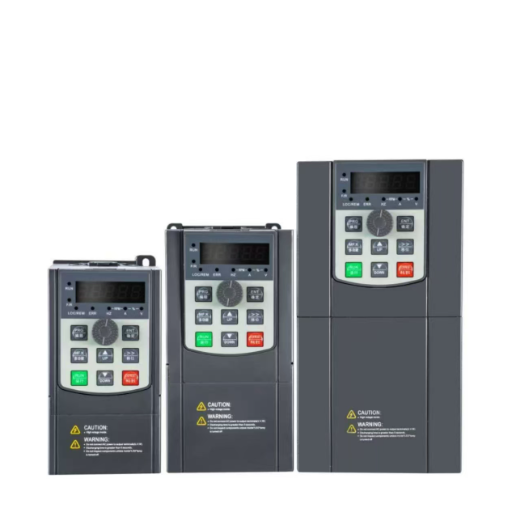
Use this checklist before placing an order with any ISO certified frequency converter manufacturer:
- Business license lists manufacturing in the business scope.
- ISO 9001 certificate scope includes design, manufacture, or testing of frequency converters.
- Certificate is verified in the registrar’s database or IAF CertSearch.
- Certificate name matches the supplier’s legal name and invoicing entity.
- CE Declaration of Conformity is available for the specific product model.
- UL file number is verifiable in UL Product iQ, if required for North America.
- IEC 61000 or IEC/EN 61800-3 test reports are available.
- RoHS and REACH compliance is documented, if selling into the EU.
- Factory audit or live video tour has been completed.
- Technical questions are answered by engineers, not only sales staff.
If you want a broader framework for supplier evaluation, our step-by-step guide to choosing a frequency converter manufacturer covers every checkpoint from first contact to final order.
Frequently Asked Questions
Is ISO 9001 enough to guarantee a quality frequency converter?
No. ISO 9001 certifies the quality management system, not the product itself. It is a strong baseline signal, but buyers should also require product-level certifications such as CE marking, UL listing, and EMC test reports, and should verify the certificate scope and issuing registrar.
How do I check if a manufacturer’s ISO 9001 certificate is real?
Request the certificate number and company name, then search the issuing registrar’s online database or IAF CertSearch. Confirm the certificate is active, the scope covers manufacturing, and the company name matches the supplier.
What is the difference between ISO 9001 and CE marking?
ISO 9001 is a company-level certification for quality management. CE marking is a product-level declaration that the product meets European safety and EMC directives. A manufacturer can hold ISO 9001 without CE marking its products, and vice versa.
Should I buy from a manufacturer without UL listing for the US market?
It depends on the application. Many industrial installations, insurers, and inspectors require UL-listed equipment. If your project needs UL, verify the file number in the UL database. Using non-UL equipment can create code compliance and insurance coverage issues.
Can a trading company be ISO 9001 certified?
Yes. A trading company can hold ISO 9001 for its own quality management processes. However, that does not mean the factory producing the converters is certified. For manufacturing capability, verify the factory’s certificate directly. Our article on frequency converter manufacturer vs trading company explains how to tell the difference.
What certifications should a frequency converter manufacturer have?
At minimum, look for ISO 9001 for the factory, CE marking for Europe, UL listing for North America, and IEC 61000 or IEC/EN 61800-3 for EMC. Depending on the application, you may also need marine, hazardous area, automotive, or aviation certifications. When evaluating an ISO certified frequency converter manufacturer, ask for the certificate scope and verify it in the registrar database.
What does certificate scope mean for ISO 9001?
The certificate scope describes which activities the certification covers. For a frequency converter manufacturer, the scope should include design, manufacture, assembly, testing, or similar activities. A scope limited to sales or trading does not prove manufacturing capability.
Conclusion
Choosing an ISO certified frequency converter manufacturer is a smart starting point, but the certificate is only one piece of the evaluation. The scope, registrar, validity, and matching company name matter just as much as the logo. Product-level certifications such as CE marking, UL listing, and IEC EMC standards complete the picture.
For buyers, the goal is not to collect certificates. It is to reduce risk. Verified certifications, combined with factory audits, technical discussions, and sample evaluations, separate reliable manufacturing partners from suppliers that look good on paper but fail in the field.
Ready to work with a verified frequency converter manufacturer? Shandong Electric welcomes certificate reviews, factory audits, and technical discussions. Contact our engineering team to share your specifications and receive a proposal backed by documented quality systems and product certifications.
