
Developments in solid-state technology have made 400 Hz frequency converters vital to the operation of current and new power systems, especially in industries such as aircraft, defense, and factories that deal with high technology. These converters operate at frequencies different from standard power frequencies and are required for high-frequency output, which is again necessary for high-technology equipment and operations. There are many technologies one can choose from, and solid-state frequency converters are widely considered the most significant benefit for their efficiency, small size, and consistency. The paper investigates the role of solid-state converters in the 400 Hz frequency conversion process, while providing a comprehensive analysis of the benefits, applications, and impact on power system performance through their use. The professionals in the industry will find this guide helpful, as it covers the use of advanced technologies to power the industry forward, whether you are a systems engineer, a facility manager, or an industry professional.
Introduction to Frequency Converters
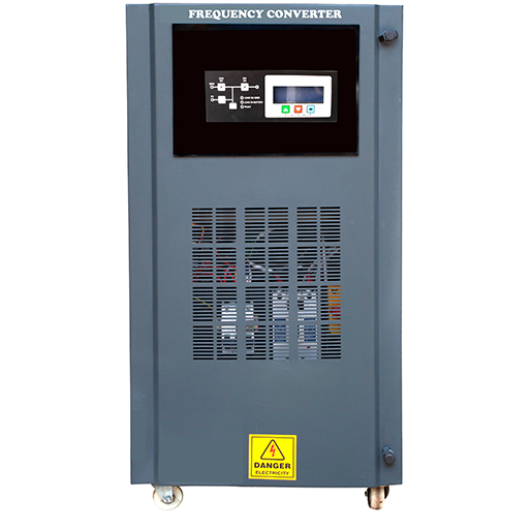
Frequency converters are devices that switch the frequency of electricity to match the specific equipment or systems that require that frequency. The main task of these machines is to ensure that the power supply and the load are in harmony, thereby allowing the equipment to work effectively and reliably. These machines are most likely very useful in applications such as the aircraft industry, manufacturing, and telecommunications, and in these industries, machines are often operated at unusual frequencies, e.g., 400 Hz. Changing the frequency helps improve equipment performance, reduces power consumption, and extends the life of expensive equipment by maintaining systems in a consistent state. The use of solid-state technology in today’s frequency converters, with the resulting increased accuracy, energy efficiency, and durability, has been widely promoted.
What is a Frequency Converter?
A frequency converter is an advanced electronic device used to alter the frequency of an electrical power supply to ensure compatibility with precise equipment requirements. The device’s method of operation is very similar in most cases: it first converts AC power to DC using a rectifier, then transforms the DC back to AC at the desired frequency using an inverter. This whole process guarantees the best possible control over the output frequency and the voltage. Today, frequency converters are equipped with variable-frequency drive (VFD) technology, which allows for seamless frequency changes over a range of frequencies. These machines are indispensable for applications where the equipment’s performance is dictated by operating at non-standard frequencies, e.g., 400 Hz systems in avionics or variable-speed motors used in industrial automation. The devices’ elaborate design not only ensures accurate operation but also helps make energy use more efficient by following the load’s power requirements.
Types of Frequency Converters
| Type | Key Characteristics | Applications | Advantages |
|---|---|---|---|
| Static Frequency Converter | No moving parts, purely electronic design | Aerospace, defense, railways | High reliability, low maintenance |
| Rotary Frequency Converter | Combines motor-generator system | Heavy industries, legacy systems | High power capacity, robust operation |
| Variable Frequency Drive | Controls motor speed by varying supply frequency | Industrial automation, HVAC | Energy efficiency, precise speed control |
| Vector Frequency Converter | Advanced control for torque and speed | Precision manufacturing | High accuracy, superior motor control |
| Digital Frequency Converter | Uses digital signals for frequency transformation | Communication, laboratory systems | Compact, highly programmable |
Importance of Frequency in Power Systems
Power systems stability, reliability, and efficiency largely depend on the frequency. As a matter of fact, it is an essential factor for an electric grid to be in a state of equilibrium between power supply and power demand. Even the slightest deviation from the standardized frequencies of 50 Hz or 60 Hz can cause serious problems, such as equipment malfunctions, system instability, and even a power failure.
Symmetrical distribution of power is critical when the frequency is kept steady, as it unites generators, transmits electricity, and supplies equipment such as substations at the same frequency. To emphasize, if one frequency increases or decreases significantly beyond reasonable limits, this directly disrupts the operation of motion systems, such as heavy-duty motors in industry, as well as medical equipment during medical procedures. Power losses are kept to a minimum due to the constant frequency; however, the whole system’s performance is affected by the amount of energy it receives. The less energy it gets, the poorer the performance.
Recent advances in frequency regulation systems, such as grid-forming inverters and wide-area monitoring systems, enable effective real-time solutions to frequency deviation. They allow power grids to integrate renewable energy sources—such as solar and wind—into their mix, which are inherently variable and noisy, without compromising the grid’s overall stability. By addressing frequency control, current power systems can be better protected against unexpected disasters and, at the same time, meet the rising challenges of modern energy demands.
Overview of 400 Hz Frequency
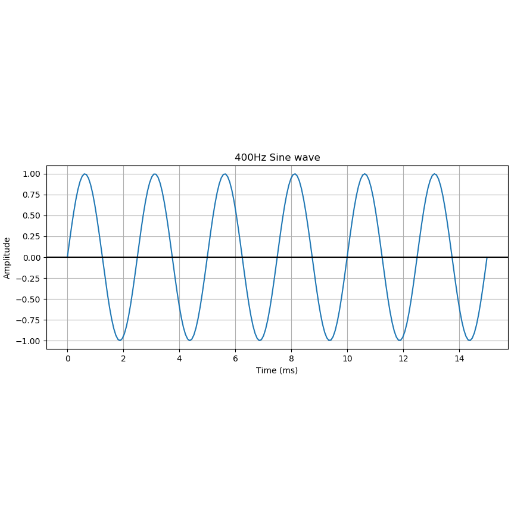
400 Hz is the most commonly used frequency in specialized fields like aviation, naval, and military components, because it offers several advantages over the usual 50/60 Hz frequencies. The main advantage is that, because of their higher frequency, these kinds of electrical equipment are smaller and more efficient, which is typically crucial in cases where space is limited. The heaviest part of the load needs to be cut off, such as in aircraft and submarines. On the other hand, 400 Hz systems are more power-dense and, at the same time, generate less electromagnetic interference, which, overall, helps ensure stable operation and practicality even in the most demanding environments. The use of this frequency is strictly targeted to fully meet the needs of these industries, thereby guaranteeing smooth operation and a high level of product performance in their plants.
Comparison with 60 Hz and 50 Hz Frequencies
| Parameter | 400 Hz | 60 Hz | 50 Hz |
|---|---|---|---|
| Primary Use | Aviation, naval, space | General domestic, industrial | General domestic, industrial |
| Power Density | Higher | Moderate | Moderate |
| Electromagnetic Interference | Minimal | Standard | Standard |
| Equipment Size | Smaller, lightweight | Larger | Larger |
| Transmission Efficiency | Lower over long distances | Higher over long distances | Higher over long distances |
| Voltage Drop | Higher | Moderate | Moderate |
| Frequency Standard Regions | Specialized industries | Americas, parts of Asia | Europe, Africa, parts of Asia |
| Application Focus | High-performance equipment | General-purpose circuits | General-purpose circuits |
| Implementation Cost | Higher | Moderate | Moderate |
| Maintenance Complexity | Increased | Standard | Standard |
Applications of 400 Hz in Various Industries
Aerospace Industry
400 Hz systems are primarily used in the aerospace sector. Frequency is an essential part of the aircraft system’s primary electrical supplies; it allows for smaller electrical devices and lighter transformers, thereby minimizing the aircraft’s overall weight. The 400 Hz power supply, along with the navigation systems, lighting, and other onboard electronics, works very efficiently throughout the airplane. The statistics indicate that almost all current commercial and military aircraft designs include 400 Hz onboard power systems.
Military Applications
The use of 400 Hz power is widespread in military equipment, e.g., radar systems, tactical communication devices, and missile guidance systems, since it enables both yielding designs and high-performance electronic components. This frequency supports integration across various platforms and equipment with ease and reliability, particularly for portable, rugged equipment.
Maritime Industry
On naval vessels and submarines, 400 Hz power systems power technologically advanced components such as communication networks, navigation instruments, and radar systems. This is how we achieve improved electrical infrastructure efficiency and operability, with higher power density and greater power availability from 400 Hz technology, which makes power supply and use in the maritime industry much better.
High-Performance Computing and Test Equipment
A 400 Hz power system is also used in engineering test laboratories and advanced research facilities to run specialist test equipment and high-performance computing infrastructure. The operation of the most demanding test and measurement applications is fully enabled by the abundant availability of frequency, particularly in calibration laboratories and other application areas where high-stability, high-power frequency sources are needed.
Healthcare Industry
Also, specific high-quality medical imaging devices, such as MRI machines and CT scanners, can be equipped with 400 Hz power systems. Besides their compact and portable design, 400 Hz power systems used by these machines will contribute to more flexible medical environments that, in turn, may require space-saving in a hospital setting.
Power Distribution for Ground Support Equipment (GSE)
Airports depend significantly on 400 Hz power to operate the ground support equipment, which is needed to service and prepare aircraft systems while they are on the ground. The 400 Hz power is supplied by ground power units and auxiliary power units (APUs) to ensure the aircraft does not have to rely on its heavy onboard power sources during maintenance and pre-flight operations.
Solid-State Frequency Converters
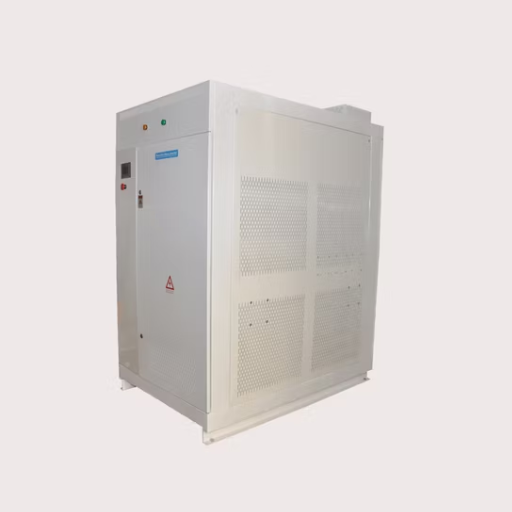
Compared to rotary converters, solid-state frequency converters offer significant advantages in efficiency, reliability, and compactness. The output voltages and frequencies are held steady, a feature considered crucial in many applications in the aerospace and medical fields. Besides this, one of their primary benefits is that they have few parts, resulting in minimal maintenance requirements. This situation naturally leads to reduced operational expenditures and downtime. Their small volume is an advantage in terms of the space they can utilize, making them the perfect choice for sites with limited space. The energy consumed by solid-state converters is minimal; therefore, these converters can be considered leaders of the pack when it comes to power waste and sustainable energy use in strict systems.
Overview of Solid-State Technology
Solid-state technology uses semiconductors to enable electrical currents to be manipulated efficiently and reliably in electronic devices. In recent years, the performance of solid-state converters has been vastly improved by some materials, such as silicon carbide (SiC) and gallium nitride (GaN), which have enabled higher power density, faster switching, and better thermal management. The new technology is highly demanded in the electric vehicle (EV) industry, among others, as it enables increased system efficiency while reducing weight.
In addition, the inclusion of advanced solid-state device technology, together with machine learning algorithms and real-time monitoring systems, is pushing the limits of optimization to new heights. By way of example, the smart grid is a sector increasingly reliant on solid-state technology that uses predictive analytics to balance supply and demand better, ultimately reducing energy losses and improving fault detection. The result is that solid-state technology remains at the core of advances in critical systems, ensuring they meet the increasing requirements for speed, longevity, and eco-friendliness across industrial and consumer applications.
Advantages of Solid-State Frequency Converters
1
High Efficiency
The energy-efficient solid-state frequency converters consequently cause up to 95% less energy loss in the system. This is derived from the fact that they cut losses due to the gear very well, and also optimize power industry processes extensively.
2
Precise Frequency and Voltage Control
These devices provide precise control over frequency and voltage outputs, resulting in stable, consistent performance for applications requiring high sensitivity, such as aerospace systems, industrial automation, and laboratory equipment.
3
Compact Design and Reduced Maintenance
Solid-state is usually much smaller and requires much less maintenance because it has no moving parts, unlike rotary converters. Thus, the service life of solid-state components is not longer than that of the rotors due to the absence of any wearing process connected with mechanical reaction.
4
Improved Energy Quality
Because the operation of solid-state devices is based on electronic switching rather than electrical rotation, the power generated is relatively free of distortion. Such purity is critical to the functioning and life expectancy of connected devices.
5
Rapid Response to Load Changes
The advanced semiconductor-based structure of these devices enables real-time response to dynamic load changes; consequently, the output remains stable, leakage-free, and reliably supports the operation of crucial systems surrounding it.
6
Longer Operating Lifespan
Solid-state frequency converters typically outlast traditional systems because they have fewer mechanical components that wear out. In comparison, their average service life exceeds that of mechanical systems by 1.5 times when provided with proper enabling conditions.
Design Features for 400 Hz Applications
High Power Density
Solid-state frequency converters developed for the 400Hz band are in the same size class as high-power-density units, and their compact design makes them suitable for space-restricted installations such as aircraft hangars or ground support equipment. Ratings of the power capacity for units are pretty broad, ranging from 10 kVA to 400 kVA or even higher.
Precision Voltage Regulation
Achieving & maintaining strict voltage regulation is a key feature of such converters, where values are usually kept within ±1% of the output nominal level, ensuring an excellent power supply perfect for avionics, navigation systems, and communication equipment, which are in very high demand.
Advanced Harmonic Filtering
The reduction of total harmonic distortion (THD) through harmonic filtering enables output harmonic content below 3%, reducing interference with other connected devices and preserving the integrity of power systems throughout the facility.
Wide Input Voltage Range
The wide input voltage range (208V to 480V AC) is incorporated into the design of these converters to ensure high efficiency and adaptability to changing power conditions.
High Efficiency
Nowadays, the 400 Hz systems are much more efficient with ratings exceeding 94% made possible by the reduction in energy consumption and operational costs as well as the optimised performance being kept a priority, despite all factors.
Robust Cooling Systems
Enhanced air or liquid cooling systems are built into the converters to manage thermal loads effectively, especially in high-demand environments. Cooling mechanisms are designed for consistent operation over a temperature range of -20°C to 50°C.
400 Hz Frequency Converter Products
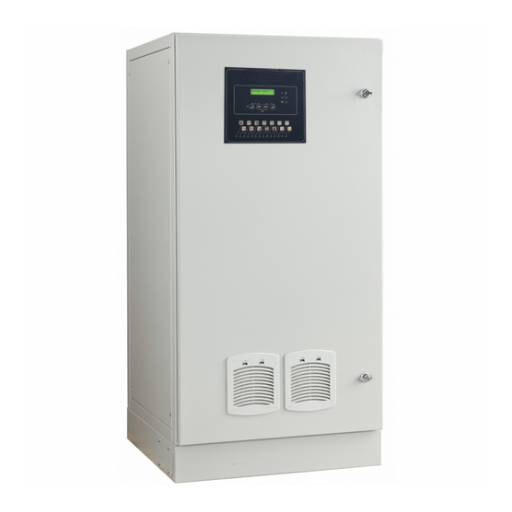
The major industrial applications of 400 Hz frequency converters are the hardest to meet due to their lightweight tools and the highest power-efficiency requirements. These converters play a significant role across industries by meeting the power needs of aircraft, radar systems, and other electronic equipment used in aerospace, military, and ground support applications. Moreover, they are increasingly being introduced into testing laboratories, medical imaging, and communication systems, thereby continuously providing tight frequency outputs for sensitive operational environments. The ability to operate in various environments and the continuous, high-octane performance of these power supplies are essential for industries that require consistent power quality and stability.
Choosing the Right Converter: 500 VA and Beyond
Optimal performance and reliability are ensured when several critical factors are considered in selecting a power converter rated at 500 VA or higher. Load requirements must be understood first; the converter must cover the continuous power demand as well as potential surge loads during startup. Likewise, the converter’s compatibility with the input and output voltage ranges is also essential, especially for applications with highly sensitive equipment on board. For them, there should be precise regulations to prevent malfunctions or damage.
Also, increased efficiency converters; hence, less energy is lost, resulting in lower operational costs and reduced heat generation; all of these may impact the life expectancy of the whole system. Furthermore, strong thermal management capabilities, whether through sophisticated cooling methods or heat-removal configurations, are essential for maintaining high performance even under heavy load. If the system is used in a critical situation, incorporating safeguards such as short-circuit protection, overload handling, and enhanced fault tolerance will ensure the system’s reliability and safety.
Moreover, contemporary inverters are usually more feature-rich, to the extent that they may include programmable settings, remote monitoring, and compatibility with control system automation. Equipped with these features, a converter can seamlessly integrate into other complex systems, providing real-time operational insights. In the case of very large or scalable applications, opting for a modular design is advantageous because it enables the system to grow without requiring the replacement of existing infrastructure.
The very last step in selecting the perfect converter is a thorough analysis of the application environment, how the load operates, the efficiency to be achieved, and the system’s integration needs. Choosing manufacturers with a reputation for detailed specifications, strict quality testing, and technical support is one of the key elements that will lead the business to long-term operational success.
Single Phase vs. Three Phase Solutions
| Key Parameter | Single Phase | Three Phase |
|---|---|---|
| Voltage Levels | Typically 120V or 240V | Typically 208V, 400V, or higher |
| Power Supply Stability | Prone to fluctuations | Smooth and stable |
| Power Transmission Efficiency | Lower efficiency | Higher efficiency |
| Equipment Complexity | Simple design | More complex design |
| Cost of Installation | Lower cost | Higher cost |
| Suitable for Usage | Homes and small businesses | Industrial and commercial applications |
| Load Handling Capacity | Lower capacity | Handles higher loads |
| Maintenance Requirements | Minimal | Requires specialized maintenance |
| Failure Impact | Total system outage | Partial outage possible |
| Scalability | Limited scalability | High scalability potential |
Industrial Applications and Solutions
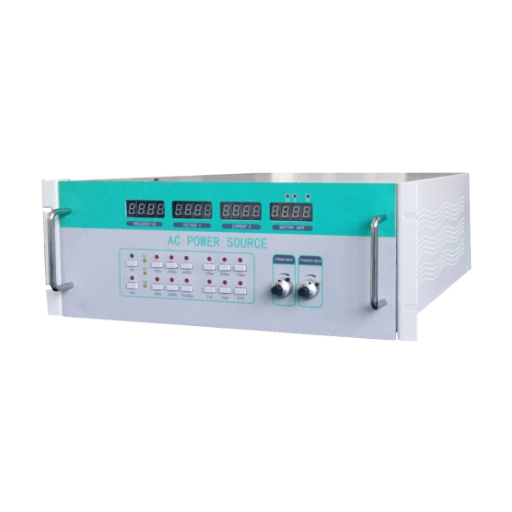
Industries’ requirements for a system to support heavy loads, expand, and operate with hardly any downtime require a complex, scalable design. Such a system is mainly found in manufacturing plants, large data centers, and other industrial facilities, as it not only delivers but also partially substitutes in the event of a breakage. However, this comes at a high cost in terms of maintenance. Nevertheless, thanks to improved scalability and reliability, these machines remain the best option for meeting industrial requirements. The correct selection is made when the company has stated the desired performance, opened its purse strings, and planned new businesses, bringing to the fore the dilemma of efficiency and cost saving.
Design Considerations for Industrial Use
Several crucial aspects should be taken into consideration when discussing the deployment of industrial technologies to ensure effectiveness and the possibility of adapting the system. One of the most important steps is to analyze the loads to ensure the system can accommodate operational needs without being too much or too little, which in turn can cause inefficiency or even premature decay. Another factor to assess is the system’s capacity to adopt changes, for example, through modular units or a flexible architectural approach.
Proper cooling and other heat management systems are necessary to preserve the system’s performance and longevity. By designing adequate ventilation, heat exchangers, and advanced cooling systems, one can effectively reduce and manage thermal stress. Such systems may find their way into the data centers of the future and power plants where high energy consumption is the main issue. Energy efficiency is another prominent feature of these innovative systems, and the use of modern technologies, such as variable-frequency drives (VFDs) and energy storage solutions, to reduce operational costs and environmental impact should be mandatory.
However, robust maintenance protocols and remote monitoring capabilities should be the last word when developing a new system to keep downtime to a minimum and performance to a maximum. It has already been seen that, after implementing IoT sensors and predictive analytics, potential issues are detected and prevented before they worsen; thus, facilities can remain operational even under different conditions. Careful consideration of these design aspects ensures not only reliability but also cost-effectiveness throughout the life of the industrial system.
Supporting Aircraft Power Systems
The use of advanced technologies and their integration are basic requirements for reputable aircraft power systems today to meet the high demand for safety, energy efficiency, and reliability. Electrically powered alternative systems are either being replaced or combined with the more electric aircraft (MEA) plug-in for traditional hydraulic and pneumatic systems. The main driving factors for moving towards this direction are the need for a lighter plane, the desire for better operational performance, and concern for the environment.
By integrating high-voltage Direct Current (DC) systems into aircraft power systems, greater power density and lower power loss can be achieved. Alongside the use of high-level power electronic technologies such as Silicon Carbide (SiC) and Gallium Nitride (GaN), a significant step has been taken towards higher efficiency and cooler operation in military aircraft equipment. On the other hand, energy storage solutions onboard, for example, large lithium-ion battery systems, provide emergency power support and also serve as peak shaving for auxiliary power units (APUs).
Moreover, the efficiency of an electronic system drops considerably due to inadequate cooling. Heat recovery techniques, such as liquid cooling and conducting interface materials, are the most critical components for eliminating the risk of high temperatures and ensuring continuous operation. The implementation of predictive maintenance procedures, which are kept up to date through real-time monitoring and data analysis, enables the identification and resolution of potential problems before they escalate and, at the same time, reduces downtime and improves operational safety.
Reference Sources
Power Converter for 60 Hz-400 Hz Bilateral Power Conversion
Summary: This paper introduces a Bilateral Power Converter (BPC) capable of converting power between 60 Hz and 400 Hz.
Design and Simulation of a Single-Phase 400 Hz Inverter for Aviation Instruments
Summary: This research focuses on the design and simulation of a single-phase 400 Hz inverter tailored for aviation instruments.
Frequently Asked Questions (FAQs)
What is a 400Hz frequency converter, and how does it work?
A frequency converter operating at 400Hz is an electrical power conversion device whose primary function is to change the standard power frequency, typically 60Hz or 50Hz, to a higher 400Hz. The higher frequency is often used by jet planes and other industries that require high-frequency power. The feed power is absorbed by the converter and, through high-tech electronics circuits, a constant 400Hz output power is provided. The output of many converters is a pure sine wave, which makes the power supply very clean and noise-free. This is particularly important for the electronic equipment accommodated in airplanes and the like.
What are the applications of a 400Hz power system?
The 400Hz power system proves to be an effective solution for the aircraft industry and many other industrial cases. High frequency is used in practice to reduce the size and weight of electrical systems, and the latter is the most critical factor in aviation. Moreover, 400Hz frequency converters support ground equipment and systems inside the airplane. The power systems are designed to deliver the combined outputs required by the aircraft. In the case of industries, one of the numerous benefits of 400Hz systems is increased motor efficiency, and this advantage extends to other high-frequency devices, making them ideal for use in bright, modern manufacturing processes.
How does a 400Hz frequency converter differ from a 60Hz converter?
The significant difference between a 400Hz and a 60Hz frequency converter is the frequency of the power output. A 400Hz frequency converter is designed for high-frequency applications such as aircraft systems, while a 60Hz converter is mainly used in residential and commercial environments. The 400Hz converter constantly delivers the essential parts of the waveforms as pure sine waves, which is necessary to prevent sensitive electronic devices from damage. Apart from that, 400Hz systems are more common in smaller, lighter builds than 60Hz systems, making them the perfect fit for aviation as well as for industrial installations with limited space.
What types of output power can a 400Hz frequency converter provide?
A 400Hz frequency converter can output power of various kinds, depending on its design and intended use. Many converters offer a standard sine-wave output, indispensable for highly sensitive electronic devices that require a high-quality power supply. Other models may handle either single-phase or three-phase power systems, providing flexibility in field applications. For instance, a converter could supply output power of 500 VA, which would be sufficient for several devices. The adaptable design of a 400Hz frequency converter makes it a product that fits every industry as its conversion from one into the other is fast and it requires no additions, for example, through design, firms could test new products without needing to buy different equipment.
